What is Male Infertility?
Male infertility is the condition where the inability of the partner to become pregnant persists for a year or more, despite regular and unprotected sexual intercourse, and the cause is attributed to male factors. This condition is generally associated with problems such as low sperm count (oligospermia), insufficient sperm motility (asthenospermia), or abnormalities in sperm morphology (teratospermia). For infertility to be diagnosed, the man must undergo a detailed semen analysis (spermiogram), and the results of this analysis must fall below standard values. Infertility is a condition that does not directly affect a person’s sexual function or general health but reduces reproductive capacity.
Is Male Infertility Treatment Possible?
The failure to achieve the desired pregnancy despite months or even years of trying to have a child is a challenging process for couples, both physically and emotionally. This condition is scientifically referred to as infertility. Today, the source of the problem in approximately half of infertility cases is based on the male factor. However, thanks to advances in modern medicine and reproductive technologies, the causes of male infertility can be largely diagnosed, and effective treatment methods can be applied in most cases. It should be remembered that infertility is not fate, but a medical condition with a solution, and it is possible to achieve successful results with the right expertise and a personalized treatment plan.
When Does a Couple Receive an Infertility Diagnosis?
Generally, two fundamental conditions are expected to be met for a couple to receive an infertility diagnosis. Firstly, the couple must engage in regular sexual intercourse (2-3 times a week) without using any birth control method. The second condition is the failure of pregnancy to occur for at least 12 months despite this regular attempt. However, if the woman is 35 years old or older, this period is reduced to six months. If pregnancy is not achieved by the end of this period, the couple is strongly advised to seek medical help and have both the woman’s and the man’s reproductive health thoroughly examined and consult a specialist.
How Common is Male Infertility?
Male infertility is a more common condition than expected in the general population. Approximately 15% of couples who cannot conceive have an infertility problem. In about 40% to 50% of these cases, the source of the problem is based solely on the male factor or the combined interaction of both male and female factors. Therefore, male reproductive health plays a critical role in almost half of infertility cases. This high rate clearly demonstrates the importance of men actively participating in the diagnosis and treatment processes.
Is Infertility Only a Woman’s Problem?
Absolutely not. Contrary to traditional belief, infertility is not solely a problem related to women, but a common health issue that concerns both partners equally. In approximately half of infertility cases, the male factor plays a role either alone or in addition to the female factor. Therefore, if a couple cannot conceive, it is essential that the reproductive health of both the woman and the man is comprehensively evaluated at the same time. The success of the treatment usually depends on the correct diagnosis of the problem and the couple’s participation in the treatment process together.
What are the Main Causes of Male Infertility?
The causes of male infertility are quite diverse and can generally be divided into four main categories: Sperm production disorders, sperm transport problems (blockages), hormonal imbalances, and other environmental or lifestyle factors affecting sperm function. The most common causes include varicocele, genetic disorders, past infections, and unhealthy lifestyle habits. This multifactorial structure indicates that a comprehensive diagnostic process and a specialist urology/andrology evaluation are mandatory to create a correct treatment plan.
How Do Sperm Production Disorders Occur?
Sperm production disorders are the inability of the testicles to produce healthy and sufficient numbers of sperm and are one of the most common causes of infertility. This condition can stem from structural problems such as genetic disorders (e.g., Klinefelter syndrome), undescended testicles (cryptorchidism), testicular injuries, or infections. At the same time, abnormalities in hormone levels can also disrupt the delicate communication cycle between the brain and the testicles, hindering sperm production. The severity of such disorders can range from no sperm to a low sperm count (azoospermia to oligospermia).
Does Varicocele Cause Infertility and How is it Treated?
Varicocele is the condition where the veins (venules) in the testicles abnormally enlarge and is the most common correctable cause of male infertility. Enlarged veins slow down blood flow in the testicle, leading to an increase in temperature in the area and preventing the clearance of accumulated toxins. This high temperature negatively affects healthy sperm production and motility. Treatment is usually done surgically (varicocelectomy). This microsurgical procedure normalizes blood flow by ligating the enlarged veins, which provides significant improvement in sperm parameters, thereby increasing the chance of natural pregnancy.
How Do Hormonal Imbalances Affect Male Reproductive Health?
Male reproductive health relies on a complex hormonal balance between the hypothalamus, pituitary gland, and testicles. The disruption of this balance can seriously affect sperm production. For example, low levels of Testosterone or Luteinizing Hormone (LH) and Follicle-Stimulating Hormone (FSH) can decrease the testicles’ capacity to produce sperm. Hormonal imbalances can arise from causes such as thyroid disorders, pituitary tumors, or excessive stress. These conditions can usually be corrected by optimizing hormone levels with medication and restoring normal sperm production.
How Do Genetic Factors Determine Sperm Quality?
Genetic factors play a significant role in male infertility and determine the structural foundation of sperm production. Microdeletions on the Y chromosome can lead to a very low sperm count (oligospermia) or the complete inability to produce sperm (azoospermia). Furthermore, chromosomal abnormalities like Klinefelter syndrome also affect testicular development and function, causing infertility. Mutations in the Cystic Fibrosis gene can cause blockages in the sperm ducts. The presence of these genetic conditions is vital in determining treatment options (e.g., direct surgical sperm retrieval).
How Do Blockages Prevent Sperm Transport?
Blockages are obstructions that occur in the sperm ducts (epididymis, vas deferens, or ejaculatory ducts) and prevent the produced healthy sperm from mixing with the semen and being expelled. This situation results in no sperm being seen in the semen analysis (obstructive azoospermia), while the testicles continue to produce sperm normally. Blockages can occur due to infections, injuries, previous surgical procedures, or genetic reasons (e.g., Cystic Fibrosis gene mutation). Pregnancy can be achieved through surgical methods (vasovasostomy or TESA/TESE) to clear the blockage or by directly retrieving sperm.
Do Past Infections Permanently Damage Sperm Quality?
Yes, some infections, especially sexually transmitted diseases (STDs) and mumps, can cause permanent damage to male reproductive organs, severely impairing sperm quality. Conditions such as epididymitis (inflammation of the epididymis) and orchitis (inflammation of the testicle) can lead to scar tissue formation in the sperm ducts and thus blockage. Furthermore, infections can directly damage testicular tissue, permanently reducing sperm production. Early diagnosis and appropriate antibiotic treatment minimize the effects of the infection, but in cases of permanent damage, assisted reproductive techniques like IVF come into play.
Do Environmental Toxins and Chemicals Pose an Infertility Risk?
Many chemicals and toxins in our environment pose serious risks to male reproductive health. Exposure to substances such as pesticides, heavy metals (lead, mercury), and industrial solvents can reduce sperm count, impair sperm motility, and lead to DNA damage. In addition, endocrine-disrupting chemicals like phthalates and bisphenol A (BPA) found in some plastics can also negatively affect sperm production by mimicking or disrupting hormonal balance. Minimizing exposure and taking protective measures are of great importance to reduce these risks.
How Effective is the Age Factor on Male Fertility?
Although not as dramatic as in women, the age factor also affects fertility in men. Although men continue to produce sperm throughout their lives, a significant decrease in sperm quality, motility, and DNA integrity is observed after the age of 40-45. Advanced paternal age has been associated with lower pregnancy rates, an increased risk of miscarriage in partners, and a higher probability of certain genetic disorders in children. Therefore, it is advised not to delay the decision to start infertility treatment as age advances and to act quickly.
How Do Excess Weight and Obesity Affect Sperm Health?
Excess weight and obesity are important and growing causes of male infertility. Excess fat tissue in the body accelerates the conversion of the male hormone testosterone into the female hormone estrogen. This hormonal change lowers the levels of hormones secreted by the pituitary gland that stimulate sperm production. Consequently, sperm count decreases, motility drops, and the risk of sperm DNA damage increases in obese men. Achieving a healthy body mass index is an effective first step to improve sperm quality alone in many infertility cases and supports the treatment.
How Do Smoking and Alcohol Consumption Accelerate Infertility?
Smoking and excessive alcohol consumption have direct toxic effects on sperm health. Nicotine and other chemicals in cigarette smoke reduce blood flow to the testicles and increase free radicals, leading to oxidative stress. This damages sperm DNA, reducing sperm motility and count. Excessive alcohol consumption, on the other hand, affects liver functions, lowering testosterone levels and increasing estrogen levels. Quitting these habits entirely before starting infertility treatment is essential to significantly increase the success of the treatment.
Does High Temperature Damage Sperm Production?
Yes, the testicles need to remain at a temperature a few degrees lower than the body temperature to produce normal and healthy sperm. The scrotum (testicular sac) is designed to maintain this ideal temperature. However, situations such as frequent hot baths and saunas, keeping a laptop on the lap for a long time, or wearing tight clothing can increase testicular temperature. High temperature can temporarily negatively affect sperm production and motility. Avoiding such heat sources and paying attention to keeping the area cool is a simple but effective lifestyle change for improving sperm quality.
How Do Medications and Chemotherapy Treatments Affect Fertility?
Some medications, and especially chemotherapy and radiation used in cancer treatment, can permanently damage sperm-producing cells. Chemotherapy agents target rapidly dividing sperm precursor cells, which can stop or severely reduce sperm production. Similarly, some antibiotics, antidepressants, anti-hypertensives, and steroids can also temporarily impair sperm quality. Sperm freezing (cryopreservation) should be offered as an option before starting cancer treatment, and the effects on reproductive potential should be discussed in detail with the patient.
Do Sexual Dysfunction Issues Cause Infertility?
Sexual dysfunction issues (such as erectile dysfunction, premature, or delayed ejaculation) can functionally lead to infertility by preventing sperm from successfully reaching the vagina, even if they do not physically affect sperm production. Successful conception requires the sperm to unite at the right time and place. These dysfunctions can arise due to psychological factors, hormonal problems, or nervous system diseases. Treatment of sexual dysfunction (medication, counseling, or surgery) can directly restore the couple’s chance of natural conception.
What is Unexplained Infertility (Idiopathic Infertility)?
Unexplained infertility (Idiopathic Infertility) refers to the situation where, despite the woman and man undergoing comprehensive medical tests, no apparent medical condition or cause that could lead to infertility can be found. This condition typically affects 15% to 25% of couples. Even if sperm analysis appears normal on the male side, hidden dysfunctions in sperm DNA or the ability to fertilize the egg can lead to this condition. In these cases, it is generally recommended to move on to assisted reproductive techniques such as Intrauterine Insemination (IUI) or In Vitro Fertilization (IVF) without losing time.
How is Male Infertility Diagnosed?
The diagnosis of male infertility begins primarily with a detailed medical history and physical examination. Subsequently, semen analysis (spermiogram), the basic diagnostic tool, is requested. This analysis provides critical information about sperm count, motility, and morphology. In necessary cases, advanced examinations such as blood tests to assess hormonal status, ultrasonography to detect anatomical problems, or chromosome and Y-chromosome microdeletion tests to understand genetic predisposition also contribute to the diagnosis.
What is Semen Analysis (Spermiogram) and What Does It Show?
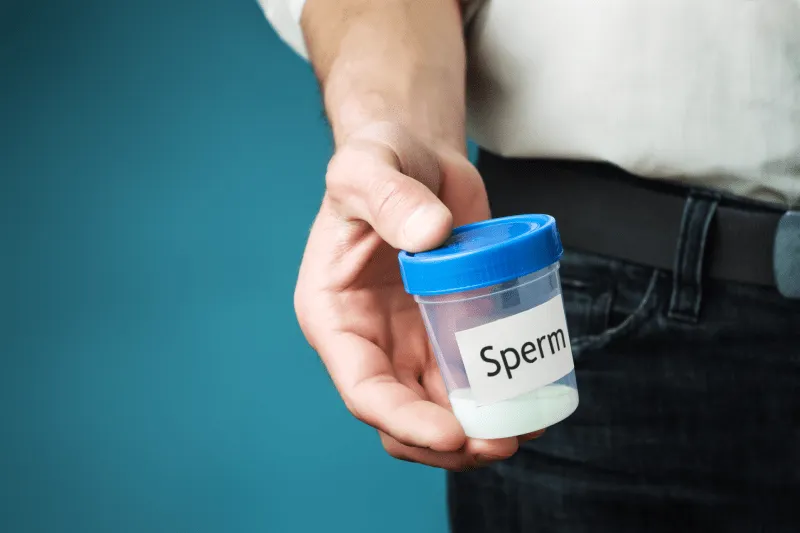
Semen analysis or spermiogram is the most basic and informative test used in the diagnosis of male infertility. This test evaluates the sperm count (concentration), the ability of the sperm to move forward (motility), and whether the sperm has a normal shape (morphology) in the semen sample provided by the man. Results falling below the reference values determined by the World Health Organization (WHO) guide the determination of the cause of infertility. For the analysis to be reliable, the man must observe sexual abstinence for 2 to 7 days, and in case of abnormal results, repeating the test is recommended.
What Information Do Hormone Tests Provide?
Hormone tests are performed to evaluate the status of the hypothalamus-pituitary-testicular axis, which regulates male reproductive function. Primarily, Testosterone, Luteinizing Hormone (LH), Follicle-Stimulating Hormone (FSH), and Prolactin levels are examined. The FSH level is an indicator of sperm production; high FSH may suggest a serious production problem in the testicle. Low LH and Testosterone, on the other hand, may indicate a central (pituitary-related) hormonal problem. These test results play a critical role in deciding whether the treatment will proceed with hormonal support or another method.
When Are Genetic Tests Necessary?
Genetic tests are necessary to rule out or confirm an underlying genetic cause of infertility, especially in men with a very low sperm count (severe oligospermia) or no sperm (azoospermia) in their semen analysis. The most commonly performed tests among these are karyotyping for Klinefelter syndrome and Y chromosome microdeletion analysis. The Cystic Fibrosis gene mutation test is performed if a blockage in the sperm ducts is suspected. The detection of genetic disorders is vital in determining treatment options (e.g., TESE) and the need for genetic diagnosis (PGD) in assisted reproductive techniques.
How is Ultrasonography Used in Infertility Diagnosis?
Testicular and scrotal ultrasonography is a non-invasive method used to visualize anatomical problems in the diagnosis of male infertility. Ultrasound helps to precisely determine the presence and degree of varicocele by evaluating the size, structure, and blood flow within the testicles. It can also reveal masses, infections, or structural defects due to previous injuries in the testicles. Transrectal ultrasonography (TRUS), on the other hand, is used to check for blockages or cysts in the ejaculatory ducts and makes significant contributions to the diagnosis.
In Which Cases is Testicular Biopsy Performed?
Testicular biopsy is performed in men with no sperm in their semen analysis (azoospermia) to distinguish whether the problem stems from a failure in sperm production (non-obstructive azoospermia) or a blockage in the sperm ducts (obstructive azoospermia). During the biopsy, a small tissue sample is taken, and the presence of sperm production in the testicle is examined under a microscope. If production is present, this surgical procedure is also carried out to retrieve sperm (TESE) for use in IVF treatment, thus combining the diagnostic process with the treatment.
Is the Post-coital Test (Test After Sexual Intercourse) Important?
The post-coital test (PCT) is an older diagnostic method that checks for live and motile sperm in a mucus sample taken from the cervix shortly after sexual intercourse. The aim is to evaluate whether the vaginal and cervical environment is suitable for sperm or if the woman’s immune system produces antibodies against sperm. However, the role of this test in modern reproductive medicine has been diminishing. Due to the presence of more reliable and direct solutions like IVF, it is now rarely used as a routine test and is mostly reserved for special circumstances.
What Treatment Options Are Applied for Male Infertility?
Treatment for male infertility offers a wide variety of options depending on the diagnosed cause. Treatment options range from simple lifestyle changes to surgical interventions and advanced assisted reproductive techniques. Anatomical problems like varicocele can be corrected surgically, and hormonal imbalances with medication. Even in the most severe cases, it is possible to achieve successful pregnancies with methods such as direct testicular sperm retrieval (TESE) and Intracytoplasmic Sperm Injection (ICSI). The treatment plan must always be personalized and appropriate for the couple’s overall reproductive health goals.
Can Lifestyle Changes Improve Sperm Quality?
Absolutely. Lifestyle changes can significantly improve sperm quality, especially in cases of mild male infertility or as a support to other treatments. A healthy diet (rich in antioxidants and zinc), regular but not excessive exercise, maintenance of ideal body weight, and most importantly, complete cessation of smoking and excessive alcohol consumption are recommended. Furthermore, protecting the testicles from high heat and avoiding stress create a suitable environment for sperm production. These simple steps help improve sperm count and motility naturally.
How Are Hormonal Disorders Treated with Medication?
Hormonal imbalances can generally be managed successfully with targeted hormone therapies through oral medications or injections. For example, in pituitary-related problems causing low Testosterone levels, medications like Clomiphene Citrate that stimulate hormone release in the brain can be used. Injection treatments containing the missing hormones directly (FSH or LH) can also be preferred to directly stimulate sperm production. These treatments aim to maximize the chance of natural or IUI pregnancy by increasing sperm count and quality.
Does Varicocele Surgery (Varicocelectomy) Increase Success?
Varicocele surgery (varicocelectomy) can increase the success rate when performed on selected patients diagnosed with varicocele as the cause of infertility. The surgery ensures that blood flow and temperature return to normal by ligating the abnormally enlarged veins in the testicle. After this procedure, significant improvements in sperm parameters (count, motility, and morphology) can be observed within three to six months. Microsurgical varicocelectomy is accepted as the gold standard treatment method today due to its minimal invasiveness and high success rate, and it significantly increases the chance of natural conception.
Can Blockages Be Opened with Surgical Methods?
Blockages in the sperm ducts (obstructive azoospermia) can be successfully treated with microsurgical methods. If the blockage is in the sperm duct called the vas deferens, the canal can be reconnected with a delicate microsurgical procedure called vasovasostomy. Blockages in the ejaculatory ducts can be opened with endoscopic methods such as Transurethral Resection (TURED). The success of these surgical procedures depends on the location, duration, and cause of the blockage, and after a successful opening, sperm returns to the semen, and natural conception may become possible.
What Are Sperm Retrieval Methods (TESA, TESE, PESA)?
Sperm retrieval methods are techniques that enable the surgical removal of sperm from the testicle or epididymis for use in IVF (ICSI) treatment, in men with no sperm in their semen (azoospermia). PESA (Percutaneous Epididymal Sperm Aspiration) and TESA (Testicular Sperm Aspiration) are simpler aspiration methods using a needle. Micro-TESE (Microsurgical Testicular Sperm Extraction) is a much more delicate surgical method performed under a microscope, which maximizes the chance of finding sperm in men with production failure and is one of today’s advanced treatment methods.
Who is Suitable for Intrauterine Insemination (IUI) Treatment?
Intrauterine Insemination (IUI) treatment can be considered as a first-line treatment for couples with mild-grade problems such as unexplained infertility, mild male factor infertility, or sexual dysfunction. In this procedure, a sample of motile sperm, which is collected from the man and specially washed and concentrated in the laboratory, is injected directly into the uterus during the woman’s ovulation period. This method increases the chance of sperm reaching the egg and maximizes the chance of achieving pregnancy in mild cases where surgical or hormonal treatment has failed.
What is the Difference Between In Vitro Fertilization (IVF) and Intracytoplasmic Sperm Injection (ICSI)?
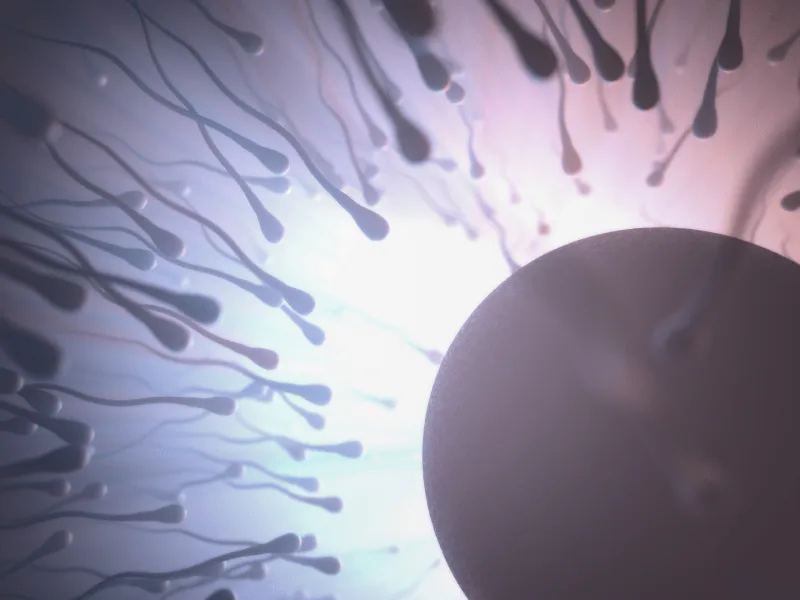
In Vitro Fertilization (IVF) and Intracytoplasmic Sperm Injection (ICSI) are two fundamental methods of assisted reproductive technologies. In conventional IVF, the egg and thousands of sperm are brought together, and the sperm is expected to fertilize the egg on its own. ICSI is a more advanced technique used in cases of severe male infertility, where a single healthy sperm is injected directly into the egg with the aid of a micro-needle. Today, due to the prevalence of the male factor, ICSI has become a much more frequently preferred method than IVF.
Why is the ICSI Method Preferred in Severe Male Infertility?
Intracytoplasmic Sperm Injection (ICSI) method is revolutionary, especially in cases of severe male infertility where sperm count is very low, motility is insufficient, or morphology is abnormal. ICSI allows only a single healthy sperm to be sufficient for fertilization, offering the possibility of pregnancy even to couples who would have no chance of fertilization with conventional IVF. Furthermore, when working with a small number of sperm surgically retrieved from the testicle (with TESE), ICSI is the only method absolutely used to achieve the highest fertilization success.
How is Preimplantation Genetic Diagnosis (PGD/PGS) Used in Infertility Treatment?
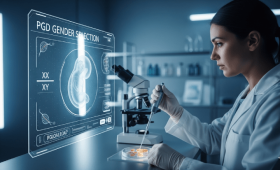
Preimplantation Genetic Diagnosis (PGD) or Screening (PGS) is used to support infertility treatment, especially in cases of recurrent IVF failures, recurrent miscarriages, or when the man is a known carrier of a genetic disorder. With this method, a small cell sample is taken from the embryos developed after IVF or ICSI and examined for genetic or chromosomal abnormalities. Transferring only the embryos determined to be genetically healthy to the uterus increases the chance of pregnancy and significantly reduces the risk of having a baby with an abnormality.
What is the Recovery Process Like After Surgical Treatment?
The recovery process after surgical treatments such as Varicocelectomy or Micro-TESE is generally fast and problem-free. Patients usually return to their light daily activities within a few days after varicocelectomy, but they are advised to avoid heavy lifting and strenuous exercise for a few weeks. After sperm retrieval procedures, mild pain and swelling that can be controlled with local pain relievers are normal. Full recovery and the reflection of surgical results on sperm parameters usually take 3 to 6 months, and adherence to the doctor’s advice during this period is critically important.
Which Vitamins and Supplements are Recommended to Improve Sperm Quality?
Certain vitamins and antioxidant supplements are widely recommended to support sperm quality. The most well-known among these are Coenzyme Q10, Vitamin E, and Vitamin C, which protect sperm DNA from free radical damage. Minerals such as Zinc and Selenium are critically important for sperm production and motility. Amino acids like L-Carnitine and L-Arginine can also help improve sperm motility. However, consultation with a specialist before using these supplements is absolutely necessary, and they should be taken under the supervision of a doctor in personalized doses.
What Are the Alternative Methods If IVF Treatment Fails?
If IVF treatment fails, instead of falling into despair, couples need to re-evaluate the situation and turn to alternative methods. These alternatives may include detailed examinations for the cause of failure (e.g., sperm DNA damage index test or embryo genetic screening), trying different hormonal protocols, trying a different surgical sperm retrieval method (e.g., TESE again after Micro-TESE) or, as a last resort, Donor egg, sperm and embryo treatment is prohibited in Turkey; assisted reproduction is permitted only with the couple’s own gametes. An expert team will prioritize these alternatives based on their success rate.
How Do Immunological Factors Cause Male Infertility?
Immunological factors can lead to infertility when the man’s own body produces antibodies against his sperm (Anti-Sperm Antibodies – ASA). Normally, the immune system cannot reach the testicles, but this barrier can be disrupted after infections, trauma, or surgical procedures. The antibodies produced by the body can reduce sperm motility or prevent egg fertilization. The treatment for this condition is usually done with immunosuppressive drugs (cortisone) or, more frequently, by bypassing the effect of antibodies using the ICSI (Microinjection) method.
What Should Be Considered When Applying Hormone Treatment?
When applying hormone treatment for male infertility, it is essential to correctly determine the patient’s hormonal profile and the underlying cause before starting the treatment. Hormone levels must be closely monitored with regular blood tests during the treatment. Especially, external Testosterone supplementation is generally avoided in infertility treatment because it can send a signal to the brain that the testicles are producing enough Testosterone, completely halting natural sperm production. The goal of the treatment should be to encourage the testicles to produce sperm.
Does Varicocele Recur After Varicocelectomy?
Although varicocele surgery usually provides a permanent solution, there is a recurrence risk (1-10%) in very rare cases. These recurrences can generally occur due to the surgical technique (e.g., small veins that were not completely ligated) or new venous vessel enlargement that develops over time. The microsurgical varicocelectomy technique is the most effective method for minimizing the risk of recurrence. In case of recurrence, the problem can be corrected again using a second surgical intervention or radiological treatments such as embolization, and treatment success can be re-targeted.
How Successful Are Surgical Sperm Retrieval Methods?
The success of surgical sperm retrieval methods such as Micro-TESE depends on the underlying cause of azoospermia. In cases of obstructive azoospermia (no sperm in semen due to blockage), the success rate of finding sperm is nearly 100% because the testicles produce healthy sperm. In cases of non-obstructive azoospermia (due to production failure), the sperm retrieval rate with Micro-TESE can vary between 40% and 60%. The success of this method depends on the surgeon’s experience and ability to find the sperm-producing live areas (seminiferous tubules) under the microscope, requiring high expertise.
When Is Sperm Freezing (Cryopreservation) Important?
Sperm freezing (cryopreservation) is vitally important for preserving male fertility potential. This method is recommended especially for men who will undergo cancer treatment (chemotherapy/radiotherapy), those who will undergo risky surgical procedures, military personnel, and men whose sperm count has been found to be progressively worsening. Furthermore, for men with azoospermia from whom sperm is retrieved with Micro-TESE, a portion of the retrieved sperm is frozen to secure it for future IVF attempts, avoiding the need for repeated surgery.
Do Acupuncture or Herbal Supplements Work in Male Infertility Treatment?
Acupuncture and some herbal supplements (e.g., maca root, ginseng) have shown potential benefits in some studies for supporting sperm motility and general health. These methods can generally help reduce stress, improve overall health, and indirectly support reproductive functions. However, conclusive scientific evidence that these alternative methods can treat infertility alone is insufficient, and they should definitely not replace the main medical treatment. A specialist physician should always be consulted before using such supplements.
Why is Psychological Support Necessary in Male Infertility?
Infertility is a serious life crisis that can lead to high levels of emotional stress, anxiety, and depression for both men and women. A diagnosis of male infertility can negatively affect a man’s perception of his masculinity and self-esteem. Psychological support and couple counseling during this challenging period help manage stress, cope with uncertainty in the treatment process, and strengthen the couple’s mutual support. Infertility treatment requires a holistic approach, and emotional health is an integral part of this process.
What Should Be the Period of Sexual Abstinence Before Infertility Treatment?
In infertility treatment and diagnosis processes, adherence to a determined period of sexual abstinence is required before providing a sperm sample (for semen analysis, IUI, or IVF). The World Health Organization (WHO) recommends an ideal abstinence period of 2 to 7 days to best evaluate sperm quality. This period aims to ensure both sufficient accumulation of sperm count and prevent the excessive aging of sperm. Shorter or longer abstinence periods can negatively affect sperm quality, so adherence to the doctor’s instructions is important.
Is Sperm DNA Damage Index (SDI) Measurement Important in IVF Treatment?
The Sperm DNA Damage Index (SDI) is an advanced test that measures the amount of fragmentation or damage in sperm DNA. High SDI values can lead to poor embryo quality even if fertilization occurs, failure of the embryo to implant in the uterus (implantation failure), and recurrent miscarriages. Especially in men with unexplained infertility and recurrent IVF failures, SDI measurement is critically important. In cases of high damage, anti-oxidant therapies or a combination of Intracytoplasmic Sperm Injection (ICSI) with preimplantation genetic diagnosis (PGD) may be considered.
For Which Patients is the Micro-TESE Method a Last Resort?
Micro-TESE is the latest and most advanced treatment option for men diagnosed with non-obstructive azoospermia (no sperm in semen due to sperm production failure). In men with this condition, sperm production usually continues in small areas of the testicles. Micro-TESE allows the surgeon to select the healthiest seminiferous tubules that produce sperm with precision under a surgical microscope, which significantly increases the sperm retrieval rate and the chance of IVF success compared to traditional methods. It carries the highest hope for success for these patients who have no other treatment options left.
Is There an Age Limit in the Male Infertility Treatment Process?
There is no definite biological age limit for male infertility treatment, as there is for women, because men continue to produce sperm throughout their lives. However, since sperm quality (DNA integrity) decreases and the chance of pregnancy diminishes with age, the decision to start treatment should not be delayed. Even in older men, methods like ICSI or TESE can be used to find healthy sperm. The treatment decision is made considering the couple’s general health status, the woman’s age, and reproductive goals.
What is the Technological Infrastructure of Infertility Centers in Turkey Like?
Infertility treatment centers and IVF laboratories in Turkey have the most up-to-date technological infrastructure accepted at international standards. Modern equipment such as time-lapse systems that continuously monitor embryo development, high-magnification IMSI microscopes, and vitrification techniques for embryo freezing are routinely used. This technological competence ensures the best possible management of sperm and egg quality and the achievement of the highest success rates in fertilization and embryo development.
What Are the Advantages of Getting Treatment in Turkey with Cure Holiday?
The biggest advantage of receiving male infertility treatment in Turkey with Cure Holiday is that it offers a “turnkey” process that combines world-class medical service, competitive prices, and luxury accommodation/transfer services. Patients can access treatments that they might face with high costs in their own countries at much more affordable prices in Turkey, while also having the assurance of being treated by experienced and internationally recognized specialist surgeons. This holistic service reduces treatment stress and facilitates focusing on recovery.
What is the Experience of Andrology and Urology Specialists in Turkey Like?
Turkey is home to leading andrology and urology specialists who are specialized in the field of male infertility, have received international training, and have successfully performed numerous operations in this area. Their experience in complex procedures such as varicocele surgeries, microsurgical sperm retrieval (Micro-TESE), and surgical repair of sperm duct blockages is internationally recognized. Cure Holiday collaborates with the most successful specialists in this field who adhere to high ethical standards, offering the best service to its patients.
Is Interpreter Support Provided During the Treatment Process with Cure Holiday?
Receiving medical treatment in a foreign country can be challenging for international patients due to communication barriers. Cure Holiday provides professional interpreting services throughout the entire treatment process to solve this problem. Interpreter support is provided in the hospital, during doctor consultations, pre- and post-operative briefings, and even during accommodation when necessary. This seamless communication guarantees that patients fully understand all medical details and feel safe and secure throughout their stay.
How is Accommodation Arranged During Infertility Treatment in Turkey?
Cure Holiday organizes luxurious accommodation options close to the treatment centers to ensure that patients stay in a comfortable and peaceful environment throughout their treatment period. Accommodation can range from hotels or fully equipped apartments, depending on the patient’s preference and budget. Especially during the rest period required after surgical procedures, the comfortable environment arranged by Cure Holiday significantly contributes to the patient’s quick and stress-free recovery.
How is the Success Rate of Treatment Kept High with Cure Holiday?
Cure Holiday follows a multi-layered strategy to maximize treatment success. Firstly, the selection of the most suitable specialist physician and accredited center with the highest success rates for each case is made. Secondly, the patient’s condition is evaluated in light of the latest medical guidelines, and personalized treatment protocols are applied. Finally, close follow-up of pre- and post-treatment processes (lifestyle, medication use, rest) is ensured. This meticulousness guarantees quality at every stage of the treatment process.
At Which Stages is Support Received Throughout the Treatment Process?
Cure Holiday provides active support to its patients at every stage of the treatment process. This support ranges from the initial medical file review (pre-consultation) to travel and accommodation arrangements, hospital admission, and discharge procedures. Additionally, accompaniment and interpreting services are provided inside the hospital during critical moments such as surgical procedures or embryo transfer. Even after the treatment is completed, support continues for the arrangement of necessary medical reports and remote follow-up processes, aiming for patients to never feel alone.
What is the Most Important Factor Affecting the Success of Infertility Treatment?
Although the single most important factor affecting the overall success of infertility treatment is the woman’s age and ovarian reserve, the most critical factor for infertility caused by the male factor is sperm quality (especially sperm DNA integrity). Obtaining high-quality sperm with intact DNA directly increases embryo development and implantation success. Therefore, even in cases of severe male infertility, finding the best sperm with methods like Micro-TESE and fertilizing it with ICSI is the key that determines the chance of treatment success.
What Treatment Methods Are Suitable for Men Who Want to Become Fathers at an Advanced Age?
For men who want to become fathers at an advanced age, while the basic treatment methods generally remain the same, additional measures to improve sperm quality and assisted reproductive techniques gain more importance. It is important to reduce sperm DNA damage with antioxidant supplements and make lifestyle changes. Due to the decrease in sperm quality with age, it is generally recommended to proceed directly to methods like Intrauterine Insemination (IUI) or In Vitro Fertilization (ICSI) instead of trying naturally. These methods aim to bypass the effect of low sperm quality resulting from advanced age.
How Long Does Male Infertility Treatment Take?
The duration of male infertility treatment varies greatly depending on the diagnosed cause and the applied treatment. It takes 3 to 6 months for lifestyle changes to be reflected in sperm parameters. Hormonal treatments also generally require follow-up for several months. Results after surgical treatments (varicocelectomy) may take 3 to 6 months to appear. Assisted reproductive techniques (IVF/ICSI), on the other hand, take about 4-6 weeks for one cycle. The total treatment duration, from initial diagnosis to successful pregnancy, can exceed one year, so patience and determination are essential.
How Should the Lifestyle Be Maintained After Infertility Treatment?
Even after infertility treatment is successful, maintaining a healthy lifestyle is important for preserving general health and future reproductive potential. Avoiding smoking, excessive alcohol, and activities that heat the testicles must be continued. A balanced diet and regular exercise help maintain hormonal balance and sperm quality. This permanent commitment to a healthy lifestyle supports not only reproductive health but also general health, ensuring the longevity of the success achieved.
What Should You Be Prepared for When Starting Treatment Through Cure Holiday?
When starting treatment in Turkey through Cure Holiday, you should primarily be prepared to have English or Turkish translations of all your medical records ready, to have undergone all pre-tests requested by your doctor, and to be flexible with your travel plans. Furthermore, it is important to be prepared for the emotional and financial aspects of the treatment and to maintain open communication with your partner. Although Cure Holiday will handle all the logistical details for you, your personal motivation for the medical processes and recovery is critically important.
Why Should You Get Infertility Treatment in Turkey?
Male infertility is a field in modern medicine where solutions are possible and promising results are achieved. Whether it’s lifestyle changes, surgical interventions (Varicocelectomy, Micro-TESE), or the most advanced assisted reproductive techniques (ICSI), there is a treatment option available to overcome every problem. For couples seeking access to high expertise and advanced technology at affordable costs during this challenging process, Cure Holiday offers the opportunity to receive treatment at Turkey’s leading health centers. Do not hesitate to take the first step towards the family of your dreams; contact Cure Holiday to create your personalized treatment plan and start this journey with confidence.
What Are the Cost Advantages of Infertility Treatment in Turkey?
One of the biggest advantages of receiving infertility treatment in Turkey is the cost-effective solutions offered. The costs of advanced treatments like IVF/ICSI and surgical sperm retrieval are significantly lower, especially compared to the USA and Western European countries. This substantial cost difference is provided through attractive treatment packages that cover accommodation and travel expenses without compromising the quality of the treatment. The advantage of a favorable exchange rate allows international patients to use their budgets more efficiently.
Which Cities Stand Out for Infertility Treatment in Turkey?
The main cities that stand out for infertility treatment and IVF centers in Turkey are Istanbul, Izmir, and Ankara, where high-tech and internationally serving hospitals are concentrated. These cities attract attention not only with the quality of their medical facilities but also with their international accessibility (large airports) and tourist attractions. Cure Holiday collaborates with accredited centers in these major cities that are most suitable for the patients’ preferences and medical requirements.
What Are the Travel and Accommodation Advantages of Getting Treatment in Turkey?
Turkey is a country famous for its historical and cultural richness, and it also offers high-end accommodation facilities. Patients receiving treatment through Cure Holiday can explore the beauties of cities like Istanbul, Izmir, or Antalya during the non-intensive periods of their treatment. Accommodation is organized to be of high standard and close to the treatment center. This situation reduces the stress of treatment and offers the opportunity to turn the process into a health and cultural experience, contributing positively to the patients’ recovery.
Why Should Turkey Be Preferred for Male Infertility Treatment?
Turkey is a globally recognized center of excellence in male infertility treatment and assisted reproductive technologies (ART). The country stands out with its high-tech laboratories and internationally trained and experienced urology/andrology specialists. Treatment success is equivalent to European and US standards, but costs are much more affordable in comparison. Furthermore, IVF centers in Turkey have extensive experience in applying the latest Micro-TESE and ICSI techniques and offer a holistic health tourism experience for patients.
What Are the Success Rates of IVF Centers in Turkey Like?
Modern IVF centers in Turkey achieve successful results at international standards thanks to their high technological equipment and specialized teams in the field. Pregnancy and live birth rates are comparable to those of leading centers in Western countries. This success stems from extensive experience in advanced male infertility treatments such as ICSI and Micro-TESE and operating under strict legal regulations. Patients have the chance to benefit from high success rates by receiving treatment in Turkey.
How Does Cure Holiday Manage the Treatment Process in Turkey?
Cure Holiday is an expert health tourism consultancy firm that organizes the male infertility treatment processes of international patients in Turkey from A to Z. The process begins with the review of patient files and the selection of the most suitable specialist physician and accredited center. Cure Holiday undertakes all logistical and medical coordination, including scheduling appointments, interpreting services, airport transfers, and accommodation arrangements. This way, patients can focus only on their treatment and recovery processes, minimizing the stress of being in a foreign country.
What Is the First Step to Start Treatment with Cure Holiday?
The first step to start infertility treatment in Turkey with Cure Holiday is to contact the firm’s expert consultants and share your existing medical records (especially semen analysis and hormone tests). The Cure Holiday team evaluates this information to determine the most appropriate treatment method and specialist physician for your situation. This initial consultation and evaluation process is usually free of charge and allows you to start the process consciously by establishing a personalized treatment roadmap.
What Additional Services Does Cure Holiday Offer to Facilitate the Process?
Cure Holiday offers a range of additional services to make the treatment process as easy and comfortable as possible for international patients. These services include airport welcome and VIP transfers, 24/7 accessible personal assistance throughout the treatment, professional interpreter support during hospital appointments, and the arrangement of luxury accommodation options. Furthermore, post-discharge services such as the arrangement of necessary medical reports and remote follow-up are continued, aiming for patients to feel secure at all times.
Free Consultation
Fill out the form below to get your free medical travel plan and price quote.
Sources and how to verify this yourself
- HFEA (UK regulator), Fertility treatment 2024: trends and figures — average birth rate 30% per embryo transferred with the patient’s own eggs; 38% at ages 18–34 and 8% at 43–44. source
- Ministry of Health, Regulation on Assisted Reproductive Treatment Practices and Centres (ÜYTE), Official Gazette 30 September 2014 — treatment is limited to married couples using their own gametes; donor eggs, donor sperm, donor embryos and surrogacy are not permitted in Türkiye. source
- Ministry of Health, Regulation on International Health Tourism and Tourist Health, Official Gazette 26 April 2025, No. 32882 — authorisation requirement for facilities and intermediaries, TÜSKA accreditation, compulsory complication insurance (deadline 31 December 2025 for insurance, 31 December 2026 for accreditation). source
- Ministry of Health, Regulation on Promotion and Information Activities in Health Services, Official Gazette 12 November 2025, No. 33075 — treatment promises and guarantees are prohibited; price and campaign announcements are permitted only within international health tourism. source