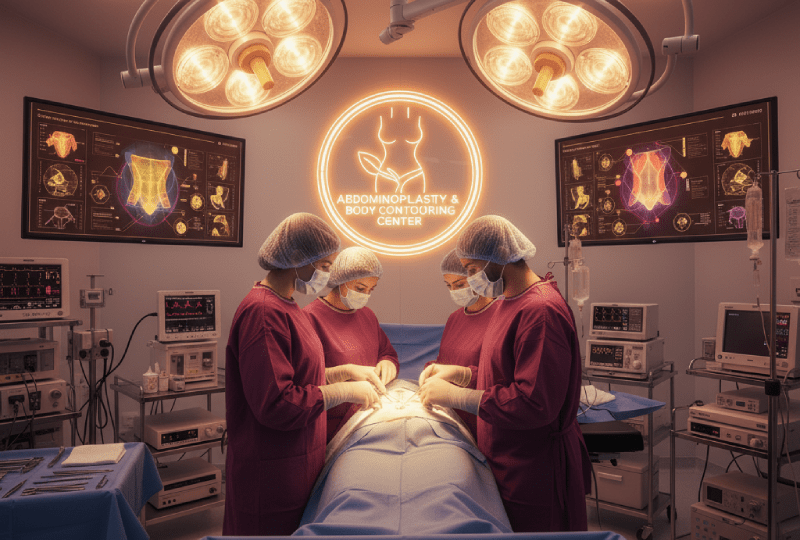
Cost and planning note (Mommy Makeover 2026)
The figures below are indicative market ranges, not a quote: your own price is confirmed after a clinical assessment.
Indicative price range: Standard Package: 4,500 – 7,500 USD | Advanced Combination: 8,000 – 12,000 USD | Tummy Tuck: 3,000 – 5,000 USD | Breast Lift: 2,500 – 4,500 USD | Liposuction Per Area: 500 – 1,500 USD | Bbl Fat Transfer: 3,500 – 5,500 USD
Facility standards: In Türkiye, any facility treating international patients must hold the Ministry of Health’s international health tourism authorisation; hospitals and medical centres must also be accredited by TÜSKA, and complication insurance is compulsory for procedures carried out in an operating theatre (Regulation of 26 April 2025).
Recovery Focus: Post-pregnancy body restoration & safety first.
Currency: GBP, EUR, USD accepted.
Why many Mums Document their Journey on YouTube and TikTok
The Rise of Digital Transparency in Post-Pregnancy Restoration
In recent years, a profound shift has occurred in how women navigate the complexities of postpartum body image. The rise of platforms like YouTube and TikTok has transformed the “Mommy Makeover” from a private medical decision into a documented journey of reclamation. These digital narratives are not merely about aesthetic outcomes; they serve as vital, transparent archives of the physiological and emotional processes involved in post-pregnancy restoration. As Mums share their surgical timelines, from the initial consultation to the final reveal, they are providing a blueprint for others navigating the challenges of skin laxity, muscle separation, and volume loss.
At the heart of these documented journeys is the pursuit of structural and aesthetic reintegration. The procedures being discussed—ranging from the complex repair of the abdominal wall to advanced breast reconstruction—represent a sophisticated intersection of medical science and restorative art. For many, the motivation for documenting this path is to demystify the technicalities of the surgery and to highlight the unparalleled efficiency of the medical infrastructure found in global hubs like Turkey.
Reconstructing the Core: Diastasis Recti and Abdominal Integrity
One of the most critical, yet often invisible, components of post-pregnancy restoration is addressing the structural compromise of the abdominal wall. Diastasis Recti, the separation of the rectus abdominis muscles during pregnancy, is a common physiological consequence of maternal expansion. This condition is more than an aesthetic concern; it compromises core stability and can lead to long-scale issues with lumbar support and intra-abdominal pressure.
Advanced surgical interventions focus on more than just removing excess skin; they focus on anatomical reconfiguration. Specifically, Diastasis Recti repair involves internal corset suturing of the abdominal fascia. This technique uses heavy-duty, absorbable or non-absorable sutures to pull the separated muscle bellies back together, effectively creating a biological “corset” that reinforces the midline. This foundational repair is what differentiates a superficial aesthetic procedure from a true restorative surgery, ensuring that the patient regains the functional strength necessary for an active lifestyle.
The Spectrum of Abdominoplasty: From Mini to 360
While the internal repair addresses the musculature, the external management of skin redundancy requires skilled abdominoplasty. Depending on the extent of the patient’s postpartum changes, surgeons offer various modalities to achieve the desired contour. The choice of procedure is dictated by the distribution of skin laxity and the presence of subcutaneous adipose tissue.
- Mini Tummy Tuck: Ideal for patients with localized skin laxity in the lower abdomen, focusing on a smaller incision.
- Full Tummy Tuck: A comprehensive approach addressing both the upper and lower abdominal regions, often involving more extensive skin excision and muscle repair.
- Extended (360) Tummy Tuck: The most intensive option, designed to address the entire circumference of the midsection, including the flanks, to create a seamless, wrap-around contour.
The financial investment for these procedures varies based on the complexity of the reconstruction. A targeted tummy tuck can range from 3,000 – 5,000 USD, whereas more comprehensive, multi-area packages—often referred to as a standard_package—typically fall between 4,500 – 7,500 USD. For patients requiring extensive remodeling of both the abdomen and the flanks, an advanced_combination of procedures may require an investment of 8,000 – 12,000 USD.
Aesthetic Restitution: Mastopexy and Augmentation
Post-pregnancy, the mammary glands often undergo significant changes in volume and ptosis (sagging). Restoring the projection and projection of the breast is a cornerstone of the Mommy Makeover. This is achieved through a combination of Mastopexy (breast lift) and, if necessary, augmentation.
A breast lift focuses on repositioning the nipple-areola complex and removing excess glandular tissue to create a more youthful, perky appearance. To address volume loss, surgeons utilize high-tier, biocompatible implants. To ensure patient safety and long-term stability, only breast implants used: Mentor, Motiva, or Polytech (JCI approved) are integrated into these restorative plans. The precision of these implants allows for a natural feel and a more anatomical silhouette.
The cost of a breast_lift alone generally ranges from 2,500 – 4,500 USD. When combined with augmentation, the complexity of the surgery increases, but the result is a unified, rejuvenated aesthetic that many patients find essential for their post-maternal identity.
Advanced Contouring: Vaser Technology and Fat Transfer
Modern restoration is increasingly moving toward “high-definition” sculpting, where the goal is to accentuate the natural musculature of the body. This is where advanced liposuction technologies become indispensable. Unlike traditional methods, Vaser Liposuction is used for high-definition contouring with minimal bruising. This ultrasonic technology uses low-frequency vibrations to emulsify the fat cells without damaging the surrounding blood vessels or nerves, allowing for much more precise, artistic sculpting of the waistline and flanks.
In many cases, the fat harvested during liposuction is not discarded but repurposed. Through a bbl_fat_transfer (Brazilian Butt Lift), the emulsified fat is processed and injected into areas such as the buttocks or hips to restore lost curves. The costs for localized contouring are highly accessible, with liposuction_per_area ranging from 500 – 1,500 USD, while the bbl_fat_transfer process typically ranges from 3,500 – 5,500 USD.
The Global Hub: Why Turkey Leads in Post-Pregnancy Excellence
The reason many of the journeys documented on social media converge on Turkey is not merely due to cost-efficiency, but due to the sophisticated, all-encompassing medical ecosystem available to international patients. Turkey has established itself as the global epicenter for Mommy Makeovers by integrating high-end surgical expertise with seamless medical logistics.
“The efficacy of medical tourism in Turkey lies in the synergy between surgical precision and a luxury-tier recovery infrastructure, making the complex journey of reconstruction remarkably seamless.”
The logistical framework is designed to minimize patient stress. The process often begins with free online video assessments with board-certified plastic surgeons, allowing for remote preoperative planning. Upon arrival, patients utilize Istanbul (IST) or Antalya (AYT) airports, where VIP private transfers from airport to clinic are standard. The recovery phase is facilitated by 5-star recovery suites with companion stay included, ensuring that the patient has a sterile, comfortable, and supportive environment during the critical early days of healing.
The recovery timeline is a key aspect of the “documented journey.” While the initial healing period in Turkey typically lasts 7-10 days, patients are advised that it takes 6 weeks for full exercise return. This structured approach to recovery, combined with the high technical standards of Turkish surgeons, is why the nation remains the premier destination for women seeking to reclaim their post-pregnancy foundation.
The rise of “surgery vlogs” on platforms like YouTube and TikTok has fundamentally altered the landscape of patient education. For many mothers, documenting their transformation is not merely about vanity; it is an act of transparency. They are providing a window into the clinical precision, the logistical complexities, and the visceral reality of undergoing major reconstructive procedures abroad. These digital diaries offer prospective patients a granular look at what is often termed “the combination surgery”—a multifaceted approach to reclaiming the body after the physical toll of pregnancy.
The Clinical Reality: A Case Study of Postpartum Reconstruction
To understand why the surgical journey is so heavily documented, one must look at the complexities involved in a typical reconstructive case. Consider the journey of a 34-year-old Irish mother of three. Her primary concerns were not aesthetic alone, but functional: the presence of Diastasis Recti (the separation of the rectus abdominotomy muscles) and significant skin laxity following multiple pregnancies.
For a patient like this, a singular procedure is rarely sufficient. The “journey” captured on social media often follows the implementation of a highly technical combination surgery. This involves a sophisticated interplay of several surgical disciplines:
- Abdominoplasty (Tummy Tuck): Depending on the degree of tissue laxity, the surgeon may perform a Full, Mini, or Extended (360) tummy tuck. A critical component of this procedure is the Diastasis Recti repair, which involves internal corset suturing of the abdominal fascia to tighten the core and restore structural integrity to the abdominal wall.
- High-Definition Contouring: To complement the abdominal tightening, Vaser Liposuction is used for high-definition contouring with minimal bruising. This ultrasound-assisted technology allows for precise emulsification of fat cells, enabling the surgeon to sculpt the flanks and waistline with extreme accuracy.
- Breast Augmentation or Lift: To balance the new abdominal silhouette, patients often undergo mastopexy (breast lift) or augmentation. The quality of the result is heavily dependent on the choice of prosthetics; breast implants used include Mentor, Motiva, or Polytech (all JCI approved) to ensure long-term biocompatibility and safety.
- Lipofilling (BBL): In many cases, the fat harvested during liposuction is processed and transferred via BBL (Brazilian Butt Lift) fat transfer to enhance the posterior projection.
ary
“The transparency of these digital journeys allows patients to see that the ‘transformation’ is actually a highly controlled medical process involving precise anatomical restructuring.”
The Standard of Care: JCI Accreditation and Clinical Safety
A recurring theme in patient documentation is the pursuit of safety. For the modern patient, the “vlog” is a tool for verifying JCI (Joint Commission International) safety standards. Documentation often focuses on the sterile environments, the credentials of the board-certified surgeons, and the rigorous protocols followed during anesthesia and post-operative care. This level of scrutiny is why patients prioritize clinics that adhere to international accreditation, ensuring that the technical excellence of the surgery is matched by the safety of the facility.
The process begins long before the patient arrives in Turkey. Through free online video assessments with board-certified plastic surgeons, patients can present their concerns, discuss the technical specifications of their planned surgery, and receive a preliminary surgical plan. This digital consultation phase is a crucial part of the “pre-journey” documented by many influencers.
The Logistics of the Patient Experience
The “journey” also encompasses the seamless transition from international travel to luxury recovery. The documentation often highlights the seamlessness of the medical tourism infrastructure in Turkey. This is not merely about the surgery, but about the high-end hospitality that supports the healing process.
The logistical framework typically involves:
- Arrival: Patients arrive via major hubs such as Istanbul (IST) or Antalya (AYT).
- Transportation: Upon arrival, VIP private transfers from airport to clinic ensure that the patient’s movement is controlled, comfortable, and minimizes physical strain.
- Accommodation: Recovery is centered around 5-star recovery suites with companion stay included. This is vital for patients traveling with partners or family, providing a sterile yet luxurious environment for the initial stages of healing.
Financial Transparency: The Investment in Transformation
One of the most significant reasons Mums document their journeys is to provide a realistic breakdown of the financial investment required. There is a profound difference between the cost of a single procedure and a comprehensive combination package. By sharing these figures, patients help demystify the economics of medical tourism.
The following represents the standard investment tiers for these advanced procedures:
| Procedure Type | Estimated Cost (USD) |
|---|---|
| Standard Package | 4,500 – 7,500 USD |
| Advanced Combination Surgery | 8,000 – 12,000 USD |
| Tummy Tuck (Abdominoplasty) | 3,000 – 5,000 USD |
| Breast Lift (Mastopexy) | 2,500 – 4,500 USD |
| Liposuction (Per Area) | 500 – 1,500 USD |
| BBL (Fat Transfer) | 3,500 – 5,500 USD |
The Recovery Timeline: Managing Expectations
Finally, the “post-op” content on social media serves as a vital guide for managing post-surgical expectations. The reality of recovery is much more intensive than the “instant” results seen in edited photos. Documenting the swelling, the compression garment usage, and the gradual return to mobility provides a realistic roadmap for others.
The clinical recovery protocol generally follows a strict timeline:
The initial phase involves a recovery period of 7-10 days in Turkey, during which the patient is monitored closely in their recovery suite to manage any early post-operative edema or discomfort. However, the physiological healing of the deeper tissues, particularly the internal corset suturing in abdominoplasty, takes longer. Patients are typically advised that a 6 weeks for full exercise return is necessary to ensure the integrity of the repaired abdominal fascia and the newly transferred fat cells.
Through this documentation, Mums are not just sharing a personal milestone; they are providing a technical, financial, and logistical blueprint for the next generation of patients seeking reconstructive excellence.
Why many Mums Document their Journey on YouTube and TikTok
The rise of “vlog culture” among mothers undergoing body contouring is more than a social media trend; it is a movement toward radical transparency in medical tourism. For many women, documenting the transition from post-partum reality to a reconstructed aesthetic is a way to demystify the surgical process. However, behind the edited montage of “day in my life” videos lies a complex, highly orchestrated logistical framework. The success of a transformative journey in Turkey does not rely solely on surgical precision, but on the rigorous aftercare protocols, recovery timelines, and the seamless integration of medical care with luxury hospitality.
The Clinical Architecture of Reconstruction
When viewers watch these journeys online, they often focus on the final reveal. Yet, the true artistry lies in the intraoperative technicalities that dictate the long-term aesthetic outcome. For mothers seeking to repair the structural damage caused by pregnancy, the focus often shifts toward advanced abdominal reconstruction. Unlike a standard aesthetic procedure, the treatment of Diastasis Recti involves a sophisticated internal corset suturing of the abdominal fascia. This technique is designed to pull the separated rectus abdominus muscles back into midline, providing a structural foundation that mimics the strength of a natural, pre-pregnancy core.
Furthermore, the evolution of liposuction technology has changed the recovery landscape. The use of Vaser Liposuction allows for high-definition contouring with minimal bruising. By utilizing ultrasound energy to emulsify fat cells selectively, surgeons can target subcutaneous adipose tissue while preserving the integrity of surrounding vascular and nerve structures. This precision is critical for patients opting for multi-area sculpting, such as the combination of liposuction and a BBL (Brazilian Butt Lift) fat transfer.
In breast reconstruction, the choice of medical-grade materials is non-negotiable. Patients can choose from JCI-approved implants, including Mentor, Motiva, or Polytech. The selection of these implants is often discussed in patient forums, as the anatomical profile (such as the high projection of Motiva) can significantly impact the natural movement and “drop and fluff” characteristic of a successful breast augmentation or lift.
“The aesthetic goal in modern body contouring is no longer just volume; it is the architectural restoration of the body’s natural contours through advanced fascial repair and precision fat grafting.”
The Post-Operative Recovery Ecosystem
The “vloggable” moments of a recovery journey—the views from a balcony, the quiet moments of healing—are supported by an intensive logistical infrastructure. The recovery period in Turkey is strategically divided into two distinct phases: the immediate post-operative window and the long-term reintegration phase.
The immediate phase typically spans 7-10 days in Turkey. During this period, the emphasis is on wound management and edema (swelling) control. To facilitate this, the industry has moved toward a model of 5-star recovery suites with companion stay included. This is a vital component for mothers who may be traveling with a partner or a trusted family member. These suites are designed to function as semi-clinical environments, providing the comfort of a luxury hotel with the proximity to medical oversight required for the first critical week of healing.
Logistics such as VIP private transfers from the airport—specifically Istanbul (IST) or Antalya (AYT)—ensure that the patient’s physical exertion is kept to an absolute minimum from the moment of arrival. This reduction in physiological stress is essential for preventing hematomas and managing the initial inflammatory response. However, the journey does not end upon landing back in the UK or USA. Patients must adhere to a strict physiological timeline, noting that while they may be cleared for light activity shortly after, it is generally 6 weeks for full exercise return. This period is crucial to ensure that the internal corset suturing and the new implant placements have stabilized within the tissue capsule.
Navigating the Complexity of Childcare and Travel
One of the most significant hurdles for mothers is the “logistical gap”—the period between leaving home and being physically capable of managing the demands of childcare. This is why the ability to access free online video assessments with board-compatible plastic surgeons is so transformative. These pre-operative consultations allow mothers to plan their “fly-home” timelines with mathematical precision, aligning their surgery date with school holidays or periods of childcare availability.
The planning process involves calculating the window of vulnerability: the time between the surgical procedure and the ability to lift, bend, or endure the physical rigors of parenting. Because the tummy tuck options range from Full, Mini, to Extended (360), the recovery intensity varies. An extended 360 procedure, which addresses the flanks and back, necessitates a much more rigid adherence to the 6-week restriction than a mini-tummy tuck might.
2026 Financial Roadmap: Comparative Cost Analysis
As we look toward 2026, the economic incentive for choosing Turkey remains a primary driver for patient decision-making. The following breakdown represents the projected investment required for high-standard, comprehensive surgical packages. When compared to the private healthcare costs in the UK or the high deductibles in the USA, the savings allow patients to allocate more budget toward premium aftercare and companion travel.
- Standard Package (Comprehensive Care): 4,500 – 7,500 USD
- Advanced Combination (Multi-area contouring): 8,000 – 12,000 USD
- Tummy Tuck (Full/Mini/Extended): 3,000 – 5,000 USD
- Breast Lift (Mastopexy): 2,500 – 4,500 USD
- Liposuction (Per targeted area): 500 – 1,500 USD
- BBL (Fat Transfer/Sculpting): 3,500 – 5,500 USD
While these figures represent the surgical and immediate aftercare investment, the “true cost” of surgery includes the logistical planning of the 7-10 day stay. However, even when accounting for VIP transfers and 5-star accommodations, the total expenditure remains significantly lower than domestic alternatives. For those seeking to navigate these complexities, Cure Holiday specialists provide the necessary oversight to ensure that the medical, logistical, and financial elements of the journey are seamlessly aligned.
Considering a Mommy Makeover in Turkey? Get a Free Quote for your Why many Mums Document their Journey on YouTube and TikTok Transformation with cureholiday.com
Free Consultation
Fill out the form below to get your free medical travel plan and price quote.
Sources and how to verify this yourself
- Ministry of Health, Regulation on International Health Tourism and Tourist Health, Official Gazette 26 April 2025, No. 32882 — authorisation requirement for facilities and intermediaries, TÜSKA accreditation, compulsory complication insurance (deadline 31 December 2025 for insurance, 31 December 2026 for accreditation). source
- Ministry of Health, Regulation on Promotion and Information Activities in Health Services, Official Gazette 12 November 2025, No. 33075 — treatment promises and guarantees are prohibited; price and campaign announcements are permitted only within international health tourism. source