About the prices on this page. The figures below are indicative market prices and country comparisons, not a quote. Our own current, all-inclusive prices are published on our cosmetic surgery in Turkey page, and we confirm your figure in writing before you commit to anything.
Cost and planning note (2026)
The figures below are indicative market ranges for 2026, not a quote: your own price depends on the clinic, the surgeon and your clinical assessment.
Indicative price range: Rhinoplasty: 2,800 – 4,500 USD | Facelift Deep Plane: 4,500 – 8,000 USD | Liposuction Vaser: 2,500 – 4,000 USD | Mommy Makeover: 6,000 – 10,000 USD
Facility standards: In Türkiye, any facility treating international patients must hold the Ministry of Health’s international health tourism authorisation; hospitals and medical centres must also be accredited by TÜSKA, and complication insurance is compulsory for procedures carried out in an operating theatre (Regulation of 26 April 2025). Ask us for the authorisation of the facility you are matched with.
Currency: USD / EUR / GBP accepted at all clinics.
Combining Rhinoplasty with Septoplasty: Improving Breathing and Aesthetics in One Trip
Combining Rhinoplasty with Septoplasty: A Synergistic Approach to Nasal Form and Function
The nose, a central facial feature, plays a crucial role not only in aesthetics but also in the fundamental process of respiration. Frequently, patients seeking rhinoplasty (nasal reshaping) also present with underlying structural issues impacting airflow. The simultaneous performance of rhinoplasty and septoplasty offers a compelling solution, addressing both cosmetic desires and functional impairments in a single surgical intervention. This pillar will delve into the medical basis of this combined procedure, its technical nuances, and prevailing global standards, specifically focusing on its provision in Turkey.
Understanding the Anatomical Interplay
To appreciate the rationale behind combined rhinoplasty and septoplasty, a thorough understanding of nasal anatomy is paramount. The external nose, composed of cartilage and skin, dictates aesthetic appearance. However, the internal nasal structures – the nasal septum, inferior and middle turbinates, and nasal valves – govern airflow. The nasal septum, a partition dividing the nasal cavity, is often deviated, resulting from congenital factors, trauma (even minor, often unreported incidents), or growth asymmetries. A deviated septum obstructs nasal passages, leading to difficulty breathing, chronic sinusitis, nosebleeds (epistaxis), and even sleep disturbances.
Rhinoplasty traditionally focuses on reshaping the dorsal hump, refining the tip, and altering the nasal width. However, if a deviated septum is present, addressing only the external structures without correcting the internal obstruction is akin to landscaping around a blocked drainage pipe – the underlying problem persists. This is where septoplasty becomes integral. It involves repositioning the deviated septum, typically through techniques like septal straightening, cartilage scoring, and, if necessary, cartilage grafting to provide structural support.
Technical Considerations: Rhinoseptoplasty Techniques
The combined procedure, often termed rhinoseptoplasty, requires a surgeon adept in both rhinoplasty and septoplasty techniques. There are several approaches, each with its advantages and disadvantages:
- Open Rhinoplasty with Septoplasty: This remains the gold standard for complex cases. An open approach involves a small incision across the columella (the skin between the nostrils), allowing for maximum visualization and precise manipulation of both external and internal structures. It enables thorough septal reconstruction and facilitates complex grafting.
- Closed Rhinoplasty with Septoplasty: Performed entirely through the nostrils, this approach minimizes external scarring. However, it offers less visualization, making it more challenging for significant septal deviations or complex reshaping. Skilled surgeons can achieve excellent results with this technique in select cases.
- Piezo Rhinoplasty with Septoplasty: Utilizing piezoelectric surgery (Piezo Rhinoplasty – see technology list), allows for precise bone remodeling with minimal trauma to surrounding tissues. This is particularly advantageous during septoplasty, as it reduces the risk of damaging the delicate nasal lining. The ultrasonic vibrations allow for controlled osteotomies (bone cuts) without the risk of fracturing the nasal framework.
Crucially, the timing of septoplasty within the rhinoplasty is critical. Ideally, the septum is addressed first, creating a stable internal framework *before* any external reshaping is performed. This ensures the external modifications are built upon a solid foundation, maximizing functional and aesthetic longevity. Cartilage grafts, harvested from the septum, ear, or rib, may be used to reinforce the septum, rebuild nasal valves, or augment the tip. The choice of graft material depends on the specific patient’s anatomy and the extent of the reconstruction required.
Addressing Nasal Valve Insufficiency
Often coexisting with septal deviation, nasal valve insufficiency (NVI) significantly contributes to breathing difficulties. The nasal valve is the narrowest part of the nasal airway, and its collapse can be caused by a weak or poorly supported valve. During rhinoseptoplasty, techniques to address NVI are routinely implemented. These include:
- Spreader Grafts: Cartilage grafts placed along the dorsum to widen the internal nasal valve.
- Alar Batten Grafts: Cartilage struts placed beneath the lower lateral cartilages to support the nasal valve.
- Suture Techniques: Utilizing sutures to reshape and support the nasal valve.
Global Standards and the Turkish Advantage
Maintaining high medical standards is paramount when considering rhinoseptoplasty abroad. In Turkey, facilities offering this combined procedure are increasingly adhering to rigorous international benchmarks. Turkey Medical Standards are typically JCI (Joint Commission International) Accredited and stringently Ministry of Health regulated. This ensures adherence to strict hygiene protocols, qualified surgical teams, and comprehensive patient safety measures.
The cost of this combined procedure in Turkey is notably competitive. A rhinoplasty generally falls within the 2,800 – 4,500 USD range, while a septoplasty is often included or adds a relatively small incremental cost when performed concurrently. This makes Turkey an attractive destination for medical tourism. The typical recovery period in Turkey is 7-10 days, allowing patients to recuperate in a comfortable environment before returning home. Final results, as with all rhinoplasty procedures, are typically visible 3-6 months post-surgery as swelling subsides.
Currency & Logistics
Cureholiday.com facilitates seamless planning for international patients. We readily accept payments in USD, EUR, and GBP. Patients traveling from the UK, US, or EU can typically obtain an e-visa, granting a 90-day stay. We offer tailored recovery packages in various regions, including the vibrant city life of Istanbul (City/Boutique), the resort atmosphere of Antalya (Resort/Beach), and the tranquil Aegean coast of Izmir (Aegean/Thermal), providing a comprehensive and supportive experience.
Furthermore, newer technologies like Vaser Hi-Def and Deep Plane Facelift are also frequently offered by these clinics, often presented as complementary procedures for a more holistic facial rejuvenation approach. However, it’s crucial to remember that a rhinoseptoplasty is a focused procedure, and adding unrelated surgeries increases complexity and recovery time.
Combining Rhinoplasty with Septoplasty: A Detailed Surgical Journey
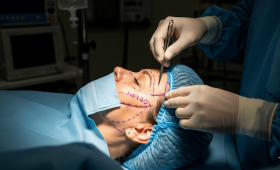
For individuals experiencing both functional nasal obstruction and aesthetic dissatisfaction with their nasal appearance, the simultaneous performance of rhinoplasty and septoplasty presents a compelling solution. This approach streamlines recovery, minimizes costs compared to staged procedures, and maximizes the opportunity to achieve both improved breathing and a harmonized facial profile. At CureHoliday, we prioritize patient safety and optimal outcomes through meticulous surgical planning and adherence to the highest international medical standards.
Preoperative Assessment & Planning
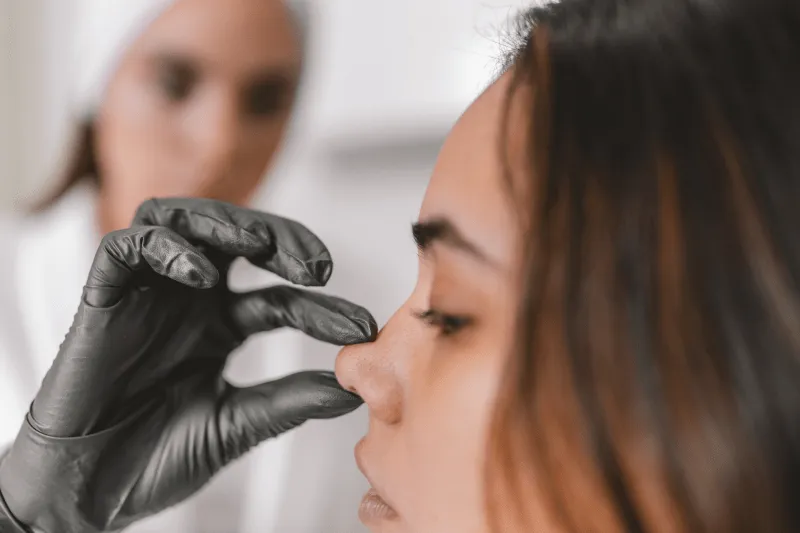
The foundation of a successful combined rhinoplasty and septoplasty lies in a thorough preoperative assessment. This begins with a detailed clinical history, focusing on the patient’s nasal obstruction symptoms (e.g., difficulty breathing through the nose, chronic sinusitis), any history of nasal trauma, and their aesthetic goals. A comprehensive nasal examination is performed, utilizing both external and internal assessment. This includes:
- Anterior Rhinoscopy: Visual inspection of the nasal cavity to identify obvious structural abnormalities like a deviated septum or nasal polyps.
- Endoscopic Nasal Examination: Utilizing a thin, flexible endoscope, the surgeon directly visualizes the internal nasal structures – the septum, turbinates, and sinus openings – to assess the degree of obstruction and identify subtle deformities.
- Nasal Function Testing: Objective measurements, such as rhinomanometry (measuring nasal airflow resistance) and acoustic rhinometry (measuring nasal volume), quantify the degree of nasal obstruction.
- 3D Imaging & Morphological Analysis: Digital 3D imaging allows for precise measurement of nasal dimensions and identification of asymmetries. This also facilitates ‘morphing’ simulations, allowing the patient to visualize potential postoperative outcomes and collaboratively refine the surgical plan. This is especially helpful for patients travelling from abroad like the UK.
Crucially, the severity of the septal deviation is assessed using nasoendoscopy and potentially a CT scan. A significantly deviated septum impacting multiple nasal passages necessitates a more extensive septoplasty – a submucous resection (SMR) or a septal reconstruction to restore midline nasal support.
Surgical Technique: A Step-by-Step Approach
The combined procedure typically begins with the septoplasty. The incision is usually performed through a hemostatic tunnel within the nasal mucosa, minimizing external visible scarring. The mucoperichondrial flaps are raised on both sides of the septum, carefully preserving the lining to facilitate healing. The deviated cartilage and bone are then meticulously resected or repositioned. Techniques include dorsal onlay grafts, spreader grafts and batten grafts to ensure a straight and supportive septum.
Following septoplasty, the rhinoplasty portion of the procedure is performed. At CureHoliday, we frequently utilize Piezo Rhinoplasty, a less invasive technique employing ultrasonic energy to precisely reshape nasal bone and cartilage. This minimizes soft tissue trauma, reduces swelling, and facilitates a more predictable and refined result. Key rhinoplasty steps include:
- Osteotomies: Controlled fractures of the nasal bones to narrow the nasal dorsum and correct nasal asymmetry.
- Cartilage Grafting: Utilizing septal cartilage, ear cartilage, or rib cartilage to augment nasal structures, refine the tip, and improve nasal projection. Common grafts include tip grafts, spreader grafts, and alar batten grafts.
- Suturing Techniques: Utilizing delicate sutures to reshape and stabilize the cartilaginous framework. Techniques like dome sutures and lateral crural sutures are essential for tip refinement.
- Turbinate Reduction: In cases of significant turbinate hypertrophy contributing to nasal obstruction, techniques like radiofrequency ablation or submucosal resection of the turbinates may be performed to improve airflow.
Throughout both procedures, meticulous hemostasis is critical. We employ bipolar electrocautery and absorbable sutures to minimize bleeding and promote optimal healing. A splint and external cast are typically applied to support the nasal structures during the initial healing phase.
Persona Case Study: 45-Year-Old UK Patient
Mrs. Eleanor Davies, a 45-year-old solicitor from London, UK, presented with a history of chronic nasal congestion and a desire to improve the aesthetic appearance of her nose following a previous minor fracture. Nasal endoscopy revealed a significant septal deviation impacting the right nasal passage, along with bulbous nasal tip and a dorsal hump. Nasal function testing confirmed significant airflow limitation on the right side.
Her surgical plan involved a combined septoplasty with SMR and Piezo Rhinoplasty. The surgery successfully straightened her septum, improved airflow by 35% (measured by rhinomanometry), and addressed her aesthetic concerns by reducing the dorsal hump and refining her nasal tip. She opted for recovery in Antalya, enjoying the resort atmosphere during the initial 7-10 days post-op. Her total cost, including surgery, hospital stay, and post-operative care, was approximately 3,800 GBP (equivalent to approximately 4,600 USD at current exchange rates).
Risk Mitigation and Postoperative Care
As with any surgical procedure, risks associated with combined rhinoplasty and septoplasty include bleeding, infection, adverse reaction to anesthesia, and persistent nasal obstruction. However, at CureHoliday, we prioritize patient safety through:
- Experienced Surgical Team: All procedures are performed by board-certified plastic surgeons with extensive experience in nasal surgery.
- JCI Accreditation & Ministry of Health Regulation: Our partner hospitals adhere to rigorous international quality standards, ensuring a safe and sterile surgical environment.
- Preoperative Optimization: Patients undergo a comprehensive medical evaluation to identify and address any underlying health conditions that could increase surgical risk.
- Detailed Postoperative Instructions: Patients receive clear and concise postoperative instructions, including wound care, medication management, and activity restrictions.
Postoperative care includes regular follow-up appointments to monitor healing and address any concerns. The nasal splint and cast are typically removed after 7-10 days. Significant swelling and bruising are common in the initial weeks but gradually subside. Final results are typically visible 3-6 months after surgery, allowing for complete tissue settling and resolution of any residual edema. We offer comprehensive post-operative care packages including virtual consultations and ongoing support for our international patients.
While other procedures like a Deep Plane Facelift (4,500 – 8,000 USD) or Vaser Hi-Def liposuction (2,500 – 4,000 USD) might be considered alongside these procedures, we prioritize a phased approach for optimal healing and to minimize surgical stress. A “Mommy Makeover” (6,000 – 10,000 USD) is typically spaced out from this combined procedure.
Combining Rhinoplasty with Septoplasty: Improving Breathing and Aesthetics in One Trip
For individuals contemplating rhinoplasty, the concurrent correction of a deviated septum – through septoplasty – presents a logical and increasingly popular approach. This synergy not only addresses aesthetic concerns but also tackles functional issues impacting nasal airflow, optimizing both the form and function of the nose. CureHoliday.com is dedicated to providing comprehensive information for patients considering this combined procedure, with a particular focus on logistical considerations and cost-effectiveness in Turkey.
Understanding the Anatomical Interplay
The nose is a complex structure, comprised of bony and cartilaginous elements. Rhinoplasty, often referred to as a “nose job,” reshapes these elements to achieve a desired aesthetic outcome. Septoplasty, conversely, focuses on the nasal septum – the wall dividing the nasal cavity. A deviated septum, whether congenital or resulting from trauma, can obstruct airflow, leading to chronic sinusitis, nosebleeds, and even sleep disturbances. When both procedures are performed simultaneously, surgeons can fully visualize and address the underlying structural components, often leading to a more harmonious and predictable result.
From a surgical standpoint, the incisions used for rhinoplasty can be readily extended to allow access for septoplasty. This avoids the need for a separate incision later, reducing overall surgical time and minimizing patient discomfort. The principle of “one-stage reconstruction” minimizes tissue trauma and optimizes healing. Importantly, addressing functional impairment *before* solely focusing on aesthetics often creates a more stable foundation for long-term aesthetic success. A compromised nasal valve, frequently linked to septal deviation, can be subtly corrected during septoplasty, preventing subtle but persistent aesthetic issues post-rhinoplasty.
Recovery Logistics: Turkey as a Destination
Post-operative recovery is a crucial component of any surgical procedure. For patients choosing to combine rhinoplasty and septoplasty, a dedicated recovery period is essential. Turkey, particularly Istanbul and Antalya, has emerged as a leading destination for medical tourism, offering high-quality care at competitive prices. Our data indicates a typical recovery period of 7-10 days within Turkey, encompassing immediate post-operative care, dressing changes, and monitoring for potential complications.
Recovery in Turkey isn’t simply about cost savings; it provides a unique logistical advantage. Dedicated recovery hubs in cities like Istanbul (offering vibrant city life and boutique hotel accommodations) and Antalya (renowned for its resort infrastructure and beach access) facilitate a more relaxed and focused recuperation. Post-operative pain management protocols typically involve a combination of analgesics, including non-steroidal anti-inflammatory drugs (NSAIDs) and, when necessary, short-term opioid use. Nasal splints and packing are usually removed within 5-7 days, followed by ongoing saline irrigation to promote mucosal healing.
It’s critical to understand that the final aesthetic results of combined rhinoplasty and septoplasty are not immediately apparent. Significant swelling and bruising are normal, and the nose will continue to refine over 3-6 months. During this period, adherence to post-operative instructions – including avoiding strenuous activity, protecting the nose from trauma, and maintaining regular follow-up appointments – is paramount. Digital photographic documentation is standard practice, allowing surgeons to objectively monitor progress.
2026 Cost Audit: Antalya/Istanbul vs. Western Countries
The financial disparity between medical procedures in Turkey and Western nations is a significant driver of medical tourism. Based on our 2026 cost projections, rhinoplasty in Turkey ranges from 2,800 – 4,500 USD. When combined with septoplasty, the incremental cost is typically minimal, often around $500 – $1,000 USD depending on the complexity of the septal correction. This is a substantial savings compared to the same procedures performed in countries like the United States, Canada, or Western Europe, where rhinoplasty can easily exceed $8,000 – $15,000 USD.
Here’s a comparative overview of procedure costs (USD) as of late 2023/early 2026 – projected to remain consistent into 2026 with currency fluctuations accounted for:
- Rhinoplasty: 2,800 – 4,500 USD (Turkey) vs. 8,000 – 15,000 USD (Western Countries)
- Facelift (Deep Plane): 4,500 – 8,000 USD (Turkey) vs. 12,000 – 20,000+ USD (Western Countries)
- Liposuction (Vaser Hi-Def): 2,500 – 4,000 USD (Turkey) vs. 6,000 – 10,000+ USD (Western Countries)
- Mommy Makeover: 6,000 – 10,000 USD (Turkey) vs. 15,000 – 25,000+ USD (Western Countries)
These cost differences are attributable to lower operating costs in Turkey, including facility rental, labor, and administrative expenses. However, it is vital to emphasize that cost should *never* be the sole determinant in choosing a medical provider.
The Final Medical Verdict: Accreditation & Technology
CureHoliday.com meticulously vets all affiliated surgeons and facilities in Turkey. We prioritize surgeons holding board certifications from recognized international bodies and practicing in facilities accredited by JCI (Joint Commission International) and regulated by the Turkish Ministry of Health. This ensures adherence to stringent medical standards and patient safety protocols.
Modern rhinoplasty and septoplasty techniques further enhance outcomes. Surgeons utilizing Piezo Rhinoplasty – a technique employing ultrasonic vibrations to reshape bone and cartilage – offer greater precision and reduced post-operative morbidity. Furthermore, the integration of 3D imaging and virtual surgical planning allows for a more customized and predictable approach. Surgeons are also increasingly proficient in techniques like spreader grafts and tip plasty to address specific aesthetic concerns and optimize nasal valve support. Facilities offering Vaser Hi-Def liposuction, alongside rhinoplasty/septoplasty packages, are also available for patients seeking comprehensive facial contouring. The increasingly common Deep Plane Facelift is also available for patients seeking full facial rejuvenation.
Finally, visa requirements are generally straightforward. An E-visa is available for most UK, US, and EU citizens, granting a 90-day stay in Turkey, more than sufficient for recovery and post-operative follow-up. We accept payments in USD, EUR, and GBP, simplifying the financial transaction process for international patients.
Ready to consult a specialist? Schedule a Free Consultation for Combining Rhinoplasty with Septoplasty in Turkey with cureholiday.com
Free Consultation
Fill out the form below to get your free medical travel plan and price quote.
Sources and how to verify this yourself
- Ministry of Health, Regulation on International Health Tourism and Tourist Health, Official Gazette 26 April 2025, No. 32882 — authorisation requirement for facilities and intermediaries, TÜSKA accreditation, compulsory complication insurance (deadline 31 December 2025 for insurance, 31 December 2026 for accreditation). source
- Ministry of Health, Regulation on Promotion and Information Activities in Health Services, Official Gazette 12 November 2025, No. 33075 — treatment promises and guarantees are prohibited; price and campaign announcements are permitted only within international health tourism. source