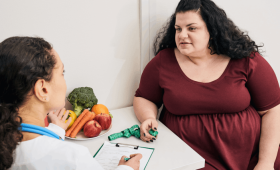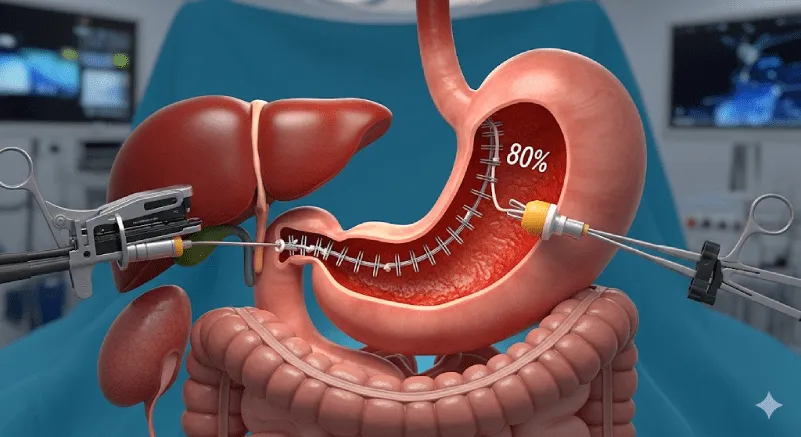
The gastric balloon is an extremely effective auxiliary tool used in the fight against obesity and the weight loss journey. However, the permanence of the weight lost during the period the balloon remains in the stomach depends directly on your eating habits in the new period starting on the day the balloon is removed. The removal of the balloon means the elimination of a restrictive mechanism; this is a process where willpower and healthy life awareness should come to the fore. In this guide, we will discuss in detail how to support your digestive system, how to keep your metabolism in balance, and most importantly, how to maintain the weight you lost after the gastric balloon is removed.
Why Is Nutrition Critical After Gastric Balloon Removal?
From the moment the gastric balloon is removed, the physical volume that occupied space in your stomach and gave a feeling of fullness is no longer there. This situation can cause the stomach to feel empty and, if not careful, a quick return to old eating habits. The nutritional regimen is critical not only for maintaining weight but also for the stomach tissue and digestive enzymes, which have become accustomed to living with the balloon for months, to return to their natural functioning without problems. A wrong start can lead to digestive problems or rapidly regained weight. Therefore, the first few weeks after removal are the most strategic period when the foundations of lifelong healthy eating habits are laid.
What Should Be Eaten In The First Hours After The Removal Procedure?
Since the gastric balloon removal procedure is usually performed under light sedation, the stomach should be allowed to rest completely for the first few hours after the procedure. With the passing of the anesthesia effect, clear liquids such as water at room temperature or herbal teas should be preferred in the first place. It is recommended to completely avoid solid foods for the first 2-4 hours to allow the stomach to get used to its new balloonless state. During this process, liquids that will not tire your stomach, will not increase acid secretion, and will make a gentle start will facilitate the awakening of your digestive system. Water drunk in small sips prevents dehydration while allowing the stomach wall to relax.
Does Stomach Volume Return To Its Original State Immediately After Balloon Removal?
With the removal of the balloon, the inner volume of the stomach expands physically, but the muscle structure and elasticity of the stomach have undergone a certain adaptation during the balloon period. The emptying of the area occupied by the balloon does not mean that the stomach immediately returns to its old “giant” volume. However, if uncontrolled and fast eating habits are returned to, the stomach muscles can expand rapidly. The important thing at this point is how the brain perceives satiety signals rather than the physical capacity of the stomach. Maintaining the small portions accustomed to while the balloon was present will prevent the stomach muscles from being overstretched and will help the stomach stay at a more reasonable volume over time.
Is Returning To A Liquid Diet Necessary?
It is very healthy to make a gradual transition between the first 24 to 48 hours following the removal of the balloon. Although a complete liquid diet is not mandatory, a “soft-liquid” transition prevents the stomach from going into shock. Foods such as soups, ayran, or protein drinks lighten the digestive load while filling the new emptiness of the stomach. Consuming heavy, fatty, or very solid foods on the day the balloon is removed can cause cramps or bloating. Therefore, taking support from liquids and pureed foods at least on the first day is a kind of “thank you” to your stomach.
How Long Should The Transition To Solid Foods Last?
Although the gradual transition process varies from person to person, it should usually be completed within 3 to 5 days. Clear liquids on the first day, purees and soft foods (such as boiled eggs, cottage cheese) on the second day, and solid foods that have been chewed well from the third day onwards should be added to the diet. Making this transition slowly helps the stomach relearn the feeling of fullness and understand where the satiety threshold is. If solid food is switched to too quickly, discomfort after stomach spasms and early satiety may be experienced. Being patient is the key to long-term success.
Does The Risk Of Dumping Syndrome Continue After Balloon Removal?
Since the gastric balloon usually does not narrow the stomach outlet, the risk of classic dumping syndrome (very rapid passage of foods into the small intestine) is low. However, stomach emptying may accelerate after the balloon is out. If very high-sugar or excessively fatty foods are consumed all at once, the stomach may have difficulty digesting this load, and symptoms such as weakness, palpitations, and sweating may be seen. Although this is not a true post-surgical dumping syndrome, it is a “reactive” response. Therefore, eating with a low glycemic index and staying away from simple sugars is essential for general health in the post-balloon period as well.
What Should Be The Daily Water Consumption?
Water is the most important fuel of metabolism and is also in the leading role in the period after the gastric balloon. At least 2-2.5 liters of water consumption per day should be targeted. Drinking water not only provides hydration but also suppresses the feeling of false hunger by occupying a part of the stomach volume. However, instead of consuming large amounts in one gulp while drinking water, small sips spread throughout the day should be preferred. Especially the rule of drinking water 30 minutes before and after meals (30-minute rule) should also be applied at this stage to prevent excessive expansion of the stomach and to optimize digestion.
What Kind Of Effect Do Carbonated Drinks Have On The Stomach?
Fizzy and acidic drinks are one of your biggest enemies after the gastric balloon is removed. These drinks containing carbon dioxide gas mechanically stretch the stomach wall and can cause the stomach to expand (dilatation). In addition, the acid content can irritate the possibly sensitive stomach tissue (gastritis or ulcer foci) that the balloon may have created. In the long run, acidic drinks can increase appetite and cause a desire to eat more by bloating the stomach. To maintain a healthy stomach structure and prevent weight gain, all gas-containing drinks, including mineral water, should be avoided as much as possible.
What Is The Role Of Protein-Rich Nutrition In Weight Maintenance?
Protein is the cornerstone of the nutritional regimen after the gastric balloon. Proteins have the feature of keeping you full for a longer time compared to carbohydrates and fats, and the body spends more energy to digest them (thermic effect). In addition, high-quality protein consumption is essential to protect the muscle mass that is likely to be lost during the weight loss process. Sources such as chicken, fish, eggs, legumes, and lean red meat should constitute at least 40-50% of the meals. Getting enough protein is the most effective strategy that minimizes the feeling of “constant hunger” that may occur after the balloon.
What Are The Effects Of Fibrous Foods On Digestion?
Foods rich in fiber, such as vegetables, fruits, and whole grains, ensure the regular functioning of the digestive system and prevent constipation. Fibers swell by drawing water in the stomach and create volume, which helps you feel full for a longer time with less food. In addition, fibrous nutrition regulates cholesterol levels and prevents the sudden rise and fall of blood sugar. Adding fibrous foods to the diet after the balloon is the most natural way to keep portions under control. However, it is necessary not to neglect drinking plenty of water while increasing fiber consumption, otherwise digestive difficulties may be experienced.
Why Should We Avoid Sugary And Processed Foods?
Processed foods and refined sugars are called “empty calories.” Their nutritional values are very low but their calorie densities are very high. Consuming such foods after the balloon is out can trigger severe hunger crises by causing sudden fluctuations in insulin levels. The body’s return to sugar addiction leads to the rapid waste of the effort given during the balloon period. In addition, these foods can cause the metabolism to slow down by negatively affecting the intestinal microbiota. It is much safer to consume the natural sugar coming from fruits in limited amounts instead of non-natural sugar.
How Should We Adjust Portion Sizes?
In the absence of the balloon, it is important to benefit from visual cues to provide portion control. Using small plates helps the brain maintain the perception of “finishing a full plate.” When planning a meal, divide your plate into sections: Half should be vegetables, one quarter should be quality protein, and the remaining quarter should be complex carbohydrates or healthy fats. Leaving the fork from your hand after each bite allows you to gain the 20-minute time required for your stomach to transmit the fullness signal to the brain. Remember, portion control is not a restriction, but respecting the stomach.
Why Should Liquid Consumption During Meals Be Restricted?
Consuming liquid along with meals causes solid foods to soften rapidly in the stomach and leave the stomach. This situation leads to the feeling of satiety lasting very short and a need to eat more food. In addition, liquids can reduce digestive efficiency by diluting stomach enzymes. Ideally, liquids should be consumed at least 30 minutes before or 30 minutes after the meal. Applying this rule helps solid foods stay in the stomach longer, providing you with maximum satiety, and prevents unnecessary expansion of the stomach volume.
How Does Chewing Duration Affect Digestion?
Digestion starts in the mouth. Chewing each bite at least 20-30 times allows the food to go down to the stomach in smaller pieces, which reduces the stomach load and increases nutrient absorption. In addition, long-term chewing helps the enzymes in the saliva work more actively and the satiety hormones to be secreted earlier. Eating fast is one of the fastest ways to gain weight in the post-gastric balloon period because you consume much more than you need without realizing you are full. Seeing the meal not as a rush job but as a ceremony will multiply your success.
What Are The Harms Of Eating Late At Night?
Having completed the last meal of the day at least 3-4 hours before going to bed is critical for both digestive health and weight control. At night, the metabolism slows down and the risk of the consumed calories being stored as fat increases. In addition, meals eaten late can increase the risk of reflux and disturb sleep quality. During sleep, the body should focus on cell renewal and fat burning instead of dealing with digestion. If you are very hungry in the evening hours, you should try to manage this process with light options such as a glass of herbal tea or low-fat yogurt.
Is There A Need For Vitamin And Mineral Supplements?
Since nutrient intake is restricted during and after the gastric balloon, some vitamin and mineral deficiencies may be seen. Especially B12, Iron, Calcium, and Vitamin D levels should be checked regularly. Having a blood test in the post-balloon period and using the necessary supplements under the guidance of an expert is important for maintaining your energy levels and preventing problems such as hair loss. However, instead of using supplements haphazardly, it is essential to determine the real need of the body. For a healthy metabolism, the completeness of micronutrients guarantees the success of the weight loss process.

How Does Alcohol Consumption Affect Stomach Health?
Alcohol causes great damage to the weight maintenance process with both its high calorie content and its appetite-stimulating effect. In addition, alcohol can irritate the stomach mucosa and negatively affect the stomach, which is sensitive after the balloon. Alcohol, which is in the “liquid calorie” category, invites uncontrolled eating attacks by fluctuating blood sugar. If alcohol is to be consumed in social environments, consumption should be made in very limited amounts and with plenty of water next to it instead of sugary cocktails. However, the healthiest approach is to allow the body to be purified by staying away from alcohol completely in the first months after the balloon.
How To Cope With Emotional Hunger?
The gastric balloon is a physical restrictor, but it does not solve the emotional reasons behind the desire to eat. After the balloon is out, the tendency to turn to food (emotional hunger) in moments of stress, sadness, or boredom can reappear. To cope with this situation, it is important to ask the question “Am I really hungry or am I just trying to deal with an emotion?”. Developing non-food relaxation methods (walking, reading a book, talking to a friend) helps you manage these crises. Working with a psychologist or a nutrition coach if necessary is a great step to complete the mental transformation.
How Should The Exercise And Diet Combination Be?
If nutrition constitutes 70% of weight control, exercise is the architect of the remaining 30% and life quality. To prevent the metabolism from slowing down after the balloon, at least 150 minutes of moderate-intensity physical activity per week should be targeted. Activities such as walking, swimming, or Pilates both support calorie burning and help you tighten up. Exercising also contributes to appetite control and psychological well-being by releasing endorphins. You can maintain your weight for a lifetime not only by dieting but also by adopting an active lifestyle.
What Should Be Done To Protect Muscle Mass?
While losing weight, the body can lose not only fat but also muscle tissue if sufficient precautions are not taken. Muscles are metabolic machines that burn calories even while at rest. To prevent muscle loss, resistance exercises (light weights, movements made with your own body weight) and sufficient protein intake should go hand in hand. The better you protect your muscle mass, the higher your basal metabolic rate remains and the less your risk of regaining weight. Doing muscle-strengthening exercises 2-3 days a week will bring your body composition to the ideal level.
How Effective Is Sleep Order In Weight Control?
Insufficient sleep disrupts the balance of hunger (ghrelin) and satiety (leptin) hormones in the body. When you stay sleepless, the body wants more carbohydrates and sugar to close the energy gap. In addition, levels of cortisol, the stress hormone, rise, which can lead to fat storage, especially in the abdominal area. Sleeping 7-8 hours of quality sleep a day ensures that the metabolism works like a clock and strengthens your willpower. Creating a regular sleep routine in the post-balloon period will make it much easier for you to stick to your nutrition program.
How To Prevent Weight Regain After Gastric Balloon?
The only way to prevent weight regain is to see the gastric balloon not as a “treatment” but as an “educational process.” Instead of feeling restricted in the absence of the balloon, you should turn the portion control and healthy choices you learned thanks to the balloon into a lifestyle. It is important to perform regular weight tracking, keep a meal diary, and immediately establish a balance in the next meal when a “slip-up” is made. Weight gain usually does not happen overnight; it happens as small flexibilities turn into habits. You can break this cycle by keeping your awareness high.
How Long Should Dietitian Support Continue?
The first 6 months after the gastric balloon is removed is the riskiest period when new habits become solidified. Continuing to meet regularly with a dietitian during this process prevents loss of motivation and ensures professional solutions are produced for the difficulties encountered. Your dietitian can update your calorie amount according to your metabolism speed and offer you a sustainable nutrition plan. Professional guidance minimizes the mistakes you can make on your own and takes you on the shortest path to your goal. Remember, this is a journey and it is always safer to have a guide with you.
What Is The Contribution Of Probiotics To Gut Health?
Probiotics, the friendly bacteria in our intestines, not only regulate digestion but also have a great effect on appetite control and metabolism. To strengthen the intestinal flora after the gastric balloon, natural probiotic sources such as kefir, homemade yogurt, and pickles should be included in the diet. A healthy microbiota increases the efficiency you get from nutrients and strengthens your immune system. The better your intestinal health, the easier it is to manage your overall weight. Probiotic supplements can also be used with expert advice if necessary.
How Does Salt Consumption Trigger Edema Formation?
Excessive salt consumption causes water retention (edema) in the body and therefore causes you to look heavier on the scale than you are. In addition, high sodium can raise blood pressure and threaten general health. Processed foods, canned goods, and ready-made sauces are hidden sodium stores. You can increase the flavor and reduce sodium intake by adding fresh spices, lemon, or vinegar to your meals instead of salt. To get rid of edema, drinking plenty of water and consuming leafy green vegetables rich in potassium is the most natural way.
Does Caffeine Consumption Cause Sensitivity In The Stomach?
Caffeine-containing drinks such as coffee and tea can slightly speed up the metabolism, but when consumed on an empty stomach, they can lead to heartburn or gastritis by increasing acid secretion. You should adjust the amount of caffeine by observing your stomach’s sensitivity after the balloon is removed. Avoiding drinking more than 2-3 cups of coffee a day and never consuming coffee on an empty stomach should be a general rule. In addition, since caffeine causes water to be excreted from the body (diuretic effect), it is recommended to drink a glass of extra water with every cup of coffee.
What Are The Hidden Dangers Of Ready-Packaged Foods?
Many packaged foods sold with “diet” or “light” labels on market shelves actually contain high amounts of sweeteners, corn syrup, or additives to preserve the taste. These products can trigger a desire to eat more instead of creating a feeling of satiety and can cause inflammation in the body. The healthiest nutrition is the nutrition made with foods consisting of a single component (such as apple, egg, spinach). Gaining the habit of reading labels, seeing the additives in them, and turning to natural, unprocessed products as much as possible is of vital importance for your long-term health.
When Should Healthy Fats Be Added To The Diet?
Fats are essential for hormone production and vitamin absorption. However, the choice and amount of fat are critical. Healthy fats such as olive oil, avocado, raw nuts (walnuts, almonds), and fish oil should be an integral part of the post-balloon diet. Fats stay in the stomach for a long time and increase the feeling of satiety. However, fried foods and trans fats should be strictly avoided. Adding a small amount of healthy fat to each meal (for example, 1 teaspoon of olive oil to a salad) both increases flavor and supports your metabolism.
How Should Legumes Be Cooked To Avoid Gas?
Legumes such as chickpeas, lentils, and beans are great sources of protein and fiber, but they can cause gas and bloating in the sensitive stomach after the balloon. To prevent this, it is necessary to soak the legumes in water for at least 12-24 hours before cooking and to discard the soaking water. Adding some cumin or ginger while cooking reduces the effect of gas-forming components. In the beginning, varieties that are more easily digested, such as sprouted legumes or red lentils, should be preferred. Well-cooked and thoroughly chewed legumes will be the most satisfying elements of your diet.
Why Is Vegetable-Based Nutrition Sustainable?
Vegetables are among the rare foods that offer the opportunity to “eat until you are full” with their low calorie densities and high volumes. Filling half of your plate with colorful vegetables at all times provides both visual and physical satiety. Consuming seasonal vegetables ensures you reach the freshest and most nutritious vitamins. You can restrict fat intake by using boiling, steaming, or baking techniques. A vegetable-oriented lifestyle is the most sustainable and delicious way to cleanse your body with antioxidants while maintaining your weight.
How To Maintain Motivation During The Weight Loss Process?
The weight loss journey is not a linear line; sometimes there may be pauses, sometimes small regressions. In these moments, instead of losing motivation, it is important to remember why you started and to appreciate the distance you have covered. Instead of focusing only on the number on the scale, focus on how your clothes fit, how your energy increases, and the improvements in your health. Set small and achievable goals for yourself. Reward your successes not with food, but with a new activity. Remember, every day is a new opportunity and a mistake in one meal does not ruin the whole process.
How Can We Ensure Blood Sugar Balance?
The balanced progress of blood sugar is the fundamental condition for preventing hunger crises. For this, it is necessary not to skip meals and to pair carbohydrates with a protein or healthy fat in every meal. For example, instead of eating an apple alone, adding 2 whole walnuts next to it ensures that the sugar in the apple enters the blood more slowly. Complex carbohydrates (oat, buckwheat, whole grains) should be preferred, and sugary foods and white flour should be avoided. When blood sugar is stable, your willpower is stronger and your desire to make a slip-up decreases to a minimum.

How Can We Maintain The Diet In Social Environments?
Eating out or participating in social events does not mean you have to break your diet. Looking at the menu before going to the restaurant and determining a healthy option (such as grilled fish, salad) prepares you. Drinking a glass of water before the meal balances your appetite. Learning to say “no” and not yielding to the pressure of the people around you strengthens your willpower muscle. If you have made too many slip-ups in a social environment, establish the balance by eating lighter and increasing physical activity the next day. Life is a balance, not perfection.
How Does Quality Of Life Increase After Gastric Balloon?
At the end of the gastric balloon process, you not only lose weight but also learn to listen to your body and eat correctly. With the weight lost, your joint pains decrease, your sleep apnea and snoring problems may improve, your blood values return to normal, and most importantly, your self-confidence increases. With the increase in your mobility, you become more involved in life. See this new quality of life as a reward and hold on tight to your healthy eating habits to maintain it. This change can be the most beautiful period of the rest of your life.
How To Plan The Gastric Balloon Process With Cure Holiday?
Cure Holiday is a health tourism leader offering a world-class experience in gastric balloon and obesity treatment processes. The process starts with a detailed analysis of your health history and goals. Cure Holiday experts determine the most suitable balloon type for you and meticulously plan all logistics processes (accommodation, transfer, hospital organization). Feeling the support of a professional team at every step from before the treatment to after ensures you make a safe and comfortable start to this transformation journey.
What Does The Professional Support Offered By Cure Holiday Cover?
Cure Holiday does not only provide an operational service; it also offers a comprehensive support package to manage the post-balloon period in the best way. This package includes expert dietitian guidance, consultants who can be reached 24/7, and a continuous follow-up system. On the day the balloon is removed and in the critical nutrition process afterwards, the Cure Holiday team stands by you with personalized lists and motivational support. This holistic approach aims for you to maintain your weight not only while the balloon is present but also after the balloon is out and to step into a healthy life permanently.
Why Is Cure Holiday In A Leading Position In Health Tourism?
The most important reason for choosing Cure Holiday is its patient-oriented approach and high success rates. They work with surgeons and gastroenterologists who are experts in their fields in hospitals equipped with the most modern medical technologies. You feel at home with consultants you can receive support from in your own language without a language barrier. Moving with the principles of quality, trust, and transparency, Cure Holiday has pioneered thousands of people to change their lives. When it comes to your health, working with a partner that combines professionalism and experience is the greatest guarantee of your success.
How To Start Your Dream Change With Cure Holiday?
To achieve the appearance and healthy life of your dreams, all you need to do is contact Cure Holiday. You can receive a free pre-consultation service with an application you will make via the website and learn the treatment plan prepared specifically for you. When you combine all the steps in our nutrition guide after the gastric balloon is removed with the professional follow-up of Cure Holiday, your weight loss adventure will turn into a success story. Take the first step today for a healthier, more energetic, and happier future and say hello to your new life with the privilege of Cure Holiday.
Free Consultation
Fill out the form below to get your free medical travel plan and price quote.
Sources and how to verify this yourself
- Eisenberg D, et al. 2022 ASMBS and IFSO Indications for Metabolic and Bariatric Surgery. — surgery is recommended at BMI ≥35 regardless of co-morbidity, and considered at BMI 30–34.9 with metabolic disease (lower thresholds for Asian populations). source
- Ministry of Health, Regulation on International Health Tourism and Tourist Health, Official Gazette 26 April 2025, No. 32882 — authorisation requirement for facilities and intermediaries, TÜSKA accreditation, compulsory complication insurance (deadline 31 December 2025 for insurance, 31 December 2026 for accreditation). source
- Ministry of Health, Regulation on Promotion and Information Activities in Health Services, Official Gazette 12 November 2025, No. 33075 — treatment promises and guarantees are prohibited; price and campaign announcements are permitted only within international health tourism. source