What is Leg Lengthening Surgery?
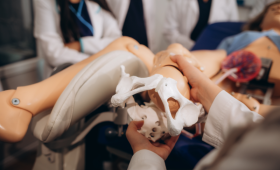
Leg lengthening surgery, medically known as distraction osteogenesis, is a sophisticated surgical procedure aimed at increasing the length of the leg bones through a controlled process of bone regeneration. This procedure leverages the body’s natural ability to heal and grow new bone tissue in response to mechanical tension. By surgically creating a break in the bone and gradually separating the two segments, the body is stimulated to fill the gap with new bone, nerves, blood vessels, and skin. Historically used for medical corrections, it has evolved significantly into a highly sought-after procedure for both functional improvement and cosmetic height enhancement.
How Does the Height Lengthening Process Work?
The process begins with a surgical procedure called an osteotomy, where the bone is precisely cut to allow for lengthening. Following the surgery, a gradual distraction phase commences, where the bone segments are slowly moved apart, typically at a rate of one millimeter per day. This slow separation allows the body to continuously produce new tissue to bridge the widening gap. The treatment is divided into three primary stages: the surgical phase, the lengthening phase, and the consolidation phase where the new bone hardens. Throughout this journey, consistent medical supervision and intensive physical therapy are vital to ensure the functionality of the limb is preserved.
Who is a Candidate for Leg Lengthening Surgery?
Candidates for leg lengthening surgery generally fall into two distinct categories based on their needs and health status. The first group includes patients with limb length discrepancies caused by congenital conditions, developmental issues, or trauma-related bone loss. The second group consists of healthy individuals who seek cosmetic height increase to improve their self-confidence or professional opportunities. Regardless of the motivation, candidates must have completed their bone growth, typically being over the age of 18-20, and possess a stable psychological profile. A thorough medical evaluation is always the first step to determine if the patient’s bone density and overall health are suitable for such a rigorous process.
Is Cosmetic Height Increase Possible?
Yes, cosmetic leg lengthening has become an increasingly popular and viable option for individuals dissatisfied with their stature. Modern medical advancements have made this procedure safer and more accessible, offering predictable results with minimized recovery times compared to older methods. In cosmetic cases, both legs are usually lengthened symmetrically to maintain body proportions, with a typical goal of increasing height by five to eight centimeters. Specialists emphasize that while the physical transformation is significant, patients must have realistic expectations and be prepared for the discipline required during the months of rehabilitation that follow the surgery.
How is Surgery Performed in Cases of Medical Necessity?
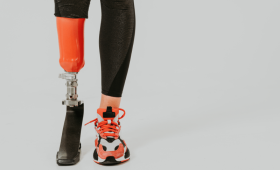
When the surgery is medically necessary, such as for correcting a significant limb length discrepancy or a deformity, the surgical plan is highly customized to the patient’s specific anatomy. The surgeon focuses on equalizing the length of the shorter leg with the healthy one while often correcting axial misalignments. Techniques may involve external fixators or hybrid methods depending on the complexity of the bone structure. The primary objective in these cases is not just to add length but to restore the patient’s gait, prevent future joint issues like early-onset arthritis, and improve the overall quality of life by correcting functional imbalances.
What are Modern Techniques Used in Lengthening Surgery?
Modern leg lengthening surgery has moved away from traditional, cumbersome methods toward more refined and patient-friendly techniques. These include the LON (Lengthening Over Nail) method and fully internal systems like the Precice or Stryde motorized nails. These advanced technologies offer the significant advantage of reduced infection risks and faster returns to daily activities by minimizing the time an external device is attached to the leg. Motorized internal nails allow the lengthening process to be controlled via an external remote, providing a more comfortable and discreet experience for the patient while allowing the surgeon to monitor progress with extreme precision.
What is the Ilizarov Method and How is it Applied?
The Ilizarov method, developed by the pioneering Russian doctor Gavriil Ilizarov, remains the foundational technique for modern bone lengthening and deformity correction. It involves the use of a circular external fixator, which is attached to the bone using thin wires and pins. By adjusting the tension of the frame, the bone is gradually stretched, triggering the body’s regenerative response. While this method is highly effective for complex reconstructions and severe bone deformities, the external frame can be bulky and carries a higher risk of pin-site infections. Despite these drawbacks, it remains a gold standard for difficult cases where internal methods might not be feasible.
What are the Advantages of the LON Method?
The LON (Lengthening Over Nail) method combines the stability of an internal intramedullary nail with the precision of an external fixator. One of the greatest advantages of this hybrid approach is that the external device can be removed as soon as the lengthening phase is complete, rather than waiting months for the bone to fully harden. The internal nail remains in place to support the weight of the body while the bone consolidates. This significantly shortens the time the patient spends with an external apparatus, improving comfort, hygiene, and the ability to wear normal clothing. It is often preferred for its balance of cost-effectiveness and relatively quick social reintegration.
How Does the Precice 2 Motorized Nail System Work?
The Precice 2 system represents the cutting edge of leg lengthening technology, offering a completely internal solution for height increase. The nail, which contains a sophisticated magnetic motor, is surgically implanted inside the bone marrow cavity. Following the surgery, the patient uses an External Remote Controller (ERC) placed on the leg to activate the internal motor, which gradually lengthens the nail by tiny increments. Since there are no external pins or frames, the risk of infection is drastically reduced, and the aesthetic outcome is superior with minimal scarring. Although patients must initially use a wheelchair or walker, the overall pain levels and psychological stress are generally lower compared to other methods.
What Steps are Taken During the Pre-Operative Preparation Process?
The preparation phase is a comprehensive period that lays the groundwork for a successful surgical outcome. Patients undergo detailed radiological imaging, such as full-length X-rays and CT scans, to measure bone structure and length with millimeter precision. Routine blood tests are conducted to assess general health, and patients are strongly advised to quit smoking, as nicotine significantly impairs bone healing. Additionally, an anesthesia consultation and psychological evaluations are standard. Physical therapists often work with the patient beforehand to teach exercises that will be crucial after surgery, ensuring that the muscles and joints are as flexible and strong as possible before the procedure begins.
Which Steps are Followed During the Surgery?
Leg lengthening surgery is typically performed under general anesthesia in a sterile hospital environment. The surgeon begins by making small incisions to access the target bone, followed by the insertion of either an intramedullary nail or the placement of pins for an external fixator. A precise bone cut, known as an osteotomy, is then performed at the most appropriate site, taking care to preserve the surrounding blood supply (periosteum). Once the lengthening device is securely stabilized and its function is verified, the incisions are closed with sutures. The entire operation can last between two to four hours, depending on the complexity and whether one or both legs are being treated.
How Long Does the Recovery Period Last?
The recovery period is a multi-stage journey that requires significant patience and commitment from the patient. The initial lengthening phase lasts for several months, depending on the desired height gain, with about 1 cm of growth achieved every ten days. The subsequent consolidation phase is the most critical period, where the newly formed soft bone (callus) must calcify and become strong enough to bear the patient’s full weight. On average, it takes about one to one and a half months of consolidation for every centimeter lengthened. Consequently, a patient who increases their height by 5 cm may take 6 to 9 months to walk entirely without assistance. Full maturation of the bone can take up to two years.
What is the Daily Rate of Bone Lengthening?
In the world of leg lengthening, the standard and safest rate of daily distraction is one millimeter. This specific rate is chosen because it allows the surrounding tissues—including nerves, muscles, and blood vessels—to adapt to the stretching force without suffering damage. The lengthening is usually split into four smaller increments of 0.25 mm throughout the day to make the process more continuous and less painful. If the bone is stretched too quickly, it can lead to nerve damage or a failure of the bone to fill the gap; if too slowly, the bone might heal prematurely, stopping the lengthening process. Surgeons monitor this rate closely and may adjust it based on regular X-ray evaluations.
What is the Role of Physical Therapy in Height Increase?
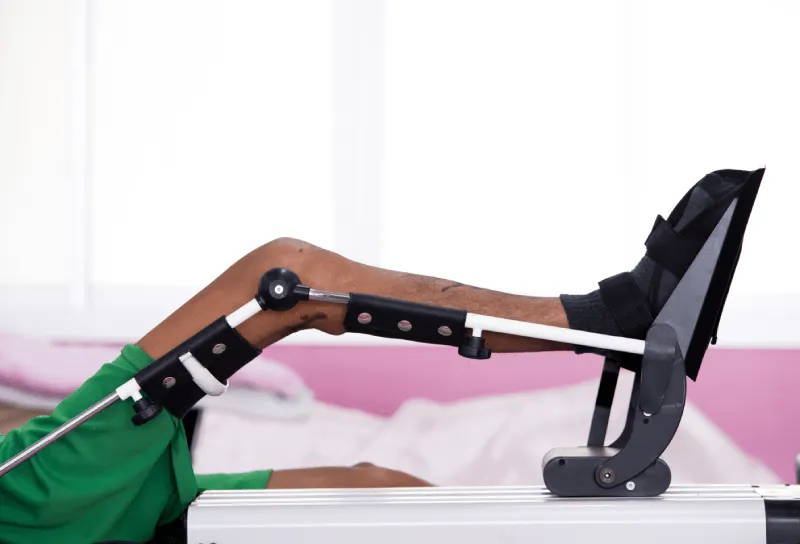
Physical therapy is not just a supplement; it is an absolute necessity and constitutes at least half of the treatment’s success. As the bones lengthen, the surrounding muscles and tendons can become extremely tight, which may lead to joint stiffness or permanent contractures if not managed correctly. Physiotherapists guide patients through intensive daily stretching and strengthening exercises to maintain the range of motion in the knees and ankles. Furthermore, physical therapy promotes blood circulation, which accelerates bone healing and reduces the risk of blood clots. Adhering to the physical therapy protocol ensures that the patient achieves a natural gait and avoids complications like the “ballerina foot” or walking imbalances.
How Does Nutrition Affect Bone Healing?
Nutrition plays a vital role in providing the body with the necessary building blocks to construct new bone tissue during the lengthening process. Patients are required to follow a diet rich in calcium, vitamin D, magnesium, and high-quality protein to support osteoblast activity. A deficiency in these essential nutrients can lead to slow bone consolidation or poor bone quality, increasing the risk of fractures. Vitamin C is also crucial for collagen synthesis, which is the scaffold upon which new bone is built. Experts strongly advise limiting alcohol and caffeine intake, while completely avoiding smoking, as these substances significantly hinder blood flow to the bone and delay the entire healing process.
Why is the Psychological Preparation Process Important?
Leg lengthening surgery is not only a physical challenge but also a significant mental and emotional test. The long duration of restricted mobility, the presence of persistent mild discomfort, and the complete change in daily routine can be taxing for any patient. Being mentally prepared for the journey helps in maintaining the motivation required for daily exercises and follow-up appointments. Patients with a history of anxiety or depression are encouraged to seek professional support to manage the stress of the process. Having a strong support system and realistic expectations about the timeline and the difficulties involved is often what distinguishes a successful recovery from a frustrating experience.
What are the Possible Risks of Leg Lengthening Surgery?
Like any major surgical intervention, leg lengthening surgery carries specific risks that must be carefully considered and managed. Common complications include infection, slow or rapid bone healing (non-union or premature union), nerve damage, and vascular injuries. There is also the risk of muscle contractures, where the muscles cannot keep up with the bone growth, leading to stiff joints. Deep vein thrombosis (DVT) is another serious concern during the period of reduced mobility. However, most of these risks can be effectively managed or avoided entirely through the expertise of the surgeon, the quality of the hospital facility, and the patient’s strict adherence to the post-operative care and physical therapy protocols.
How is the Risk of Infection Managed?
The risk of infection is a primary concern, especially in methods involving external fixators where pins pass through the skin into the bone. To manage this risk, strict sterilization protocols are followed both during and after surgery. Patients are taught specific pin-site care techniques to perform at home, which include daily cleaning and dressing changes. For internal methods like the Precice nail, the infection risk is significantly lower due to the absence of open wounds. In all cases, surgeons may prescribe prophylactic antibiotics and monitor the patient closely for signs of redness, swelling, or fever. Successful hospitals have dedicated teams focused on infection control to ensure the patient’s safety throughout the recovery.
What is the Condition of Non-Union in Bone Healing?
Non-union, or a “non-healing” bone, occurs when the body fails to produce enough new bone tissue to fill the lengthening gap. Factors contributing to this condition include poor nutrition, smoking, inadequate blood supply, or a lengthening rate that is too fast for the patient’s biology. If a non-union is detected, the surgeon may pause the lengthening process or even reverse it slightly to encourage bone contact and biological activity. In some instances, additional procedures like bone grafting or the use of bone morphogenetic proteins (BMPs) may be required to stimulate growth. Regular X-rays are essential for early detection, allowing the medical team to intervene before it becomes a permanent issue.
What Precautions are Taken Against the Risk of Nerve Damage?
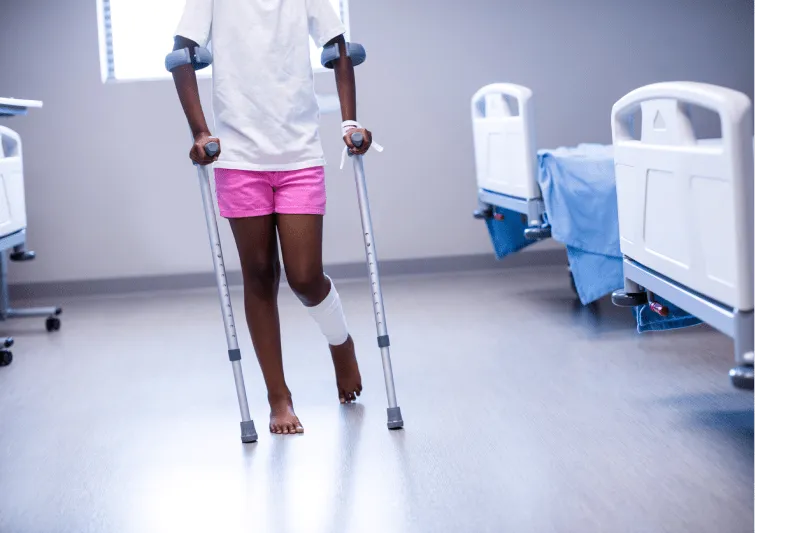
As the bones are gradually distracted, the nerves in the leg are also subjected to significant stretching forces. If this tension exceeds the nerve’s ability to adapt, the patient may experience symptoms like numbness, tingling, or muscle weakness. To prevent this, surgeons use meticulous techniques during the initial surgery to avoid direct nerve injury. Post-operatively, the patient’s motor and sensory functions are tested daily. If signs of nerve distress appear, the lengthening rate is immediately slowed or stopped to allow the nerve to recover. Specialized nerve mobilization exercises during physical therapy also help in reducing the tension and protecting the neurological integrity of the limb.
How Can Vascular Injuries Be Prevented?
Protecting the major blood vessels of the leg is a critical part of the surgical process. Surgeons rely on their deep anatomical knowledge and advanced intraoperative imaging to avoid damaging vessels during bone cutting and nail insertion. However, vessels must also stretch as the leg grows, which can occasionally lead to circulatory issues. To prevent this, a patient’s vascular health is assessed before surgery, especially in those with a history of vascular disease. After surgery, the temperature, color, and pulse of the leg are monitored continuously. Successful centers always have vascular surgery teams on standby to manage any rare but serious circulatory complications immediately, ensuring the patient’s safety.
How is the Problem of Joint Stiffness Resolved?
Joint stiffness occurs when the muscles, particularly the hamstrings and calves, become so tight that they restrict the movement of the knee or ankle. This is most effectively managed through aggressive and consistent physical therapy. Daily stretching, the use of night splints, and joint mobilization techniques are essential to keep the joints flexible. If physical therapy alone is not enough to resolve the stiffness, the surgeon may perform a minor procedure to lengthen the tight tendons or muscles. Early intervention is the key to preventing permanent range-of-motion loss. Patients must understand that being active and pushing through the discomfort of stretching is vital for a functional long-term result.
How Does Choosing a Successful Hospital Reduce Risks?
In complex procedures like leg lengthening, the choice of hospital is perhaps the most significant factor in risk management. A top-tier hospital provides a “safety net” through its advanced operating rooms, high-resolution imaging systems, and specialized emergency units. Institutions that maintain international accreditation, such as JCI, follow rigorous protocols for sterilization and patient safety, which can reduce complication rates by up to 90%. Furthermore, having a nursing and support staff experienced in the specific needs of leg lengthening patients ensures better day-to-day care and early detection of potential issues. A successful hospital doesn’t just provide surgery; it provides a managed environment for a safe recovery.
What Should Be Considered When Selecting an Experienced Surgeon?
The success of a leg lengthening procedure is highly dependent on the skill and experience of the surgeon. Patients should research how many similar procedures the surgeon has performed, their familiarity with various techniques, and their long-term success rates. An experienced surgeon is prepared for anatomical variations and can make critical decisions quickly if complications arise. Communication is also key; a good surgeon will be honest about the risks and provide a clear, realistic timeline for recovery. Choosing a doctor who is an active member of international orthopaedic societies and stays updated on the latest global advancements ensures that you are receiving the best possible care.
What is the Contribution of Technological Infrastructure to Surgical Success?
Technological advancements have transformed leg lengthening from a risky, painful ordeal into a highly manageable and precise treatment. The use of 3D planning software, robotic-assisted surgical tools, and high-definition imaging allows for unprecedented accuracy during the procedure. Internal motorized nails, such as the Precice system, have revolutionized patient comfort by eliminating external frames. Furthermore, modern rehabilitation equipment and bone stimulation devices used after surgery help to speed up the healing process. When a hospital’s technological infrastructure matches the expertise of the surgeon, the margin of error is minimized, and the likelihood of a perfect functional and aesthetic outcome is significantly increased.
Why are Sterilization Standards Critical?
In orthopaedic surgery, infection is the most challenging complication because metal implants like nails or pins are foreign objects where bacteria can thrive. If the bone becomes infected (osteomyelitis), the treatment can be long and difficult. Therefore, maintaining a sterile environment in the operating room, using laminar air flow systems, and ensuring the absolute sterility of all instruments is paramount. Corporate and accredited hospitals follow strict protocols for every stage of sterilization. A hospital that prioritizes hygiene and follows international standards provides the best protection for the patient, ensuring that the recovery process remains focused on healing rather than fighting preventable infections.
How Does a Multidisciplinary Approach Affect Treatment?
Leg lengthening is a complex journey that requires more than just an orthopaedic surgeon. A successful outcome depends on a team that includes physiotherapists, nutritionists, psychologists, and sometimes plastic or vascular surgeons. This multidisciplinary approach ensures that the patient is supported from every angle. For example, a physiotherapist might notice a specific muscle tension that requires the surgeon to adjust the lengthening rate, while a nutritionist ensures the patient has the minerals needed for bone growth. This level of coordination prevents errors, speeds up recovery, and ensures that the patient feels supported and safe throughout the entire months-long treatment process.
Why Should Corporate Hospitals Be Chosen for Complication Management?
While everyone hopes for a smooth recovery, it is essential to be in a facility that can handle the unexpected. Corporate hospitals are equipped with 24/7 laboratories, advanced intensive care units, and a wide array of specialists who can be called upon at a moment’s notice. Smaller clinics often lack the resources to manage serious complications, which might lead to dangerous delays in treatment if a patient needs to be transferred. A corporate hospital structure offers an “all-inclusive” safety system where every possible emergency is anticipated and can be managed on-site. Having immediate access to expert help provides immense peace of mind for patients undergoing such a major procedure.
Why is Turkey Preferred for Leg Lengthening Surgery?
Turkey has emerged as a global leader in leg lengthening surgery over the past decade, attracting thousands of international patients annually. This preference is driven by the high volume of cases handled by Turkish surgeons, which has led to an exceptional level of clinical expertise. Hospitals in Turkey are equipped with world-class technology and often hold prestigious international accreditations. Beyond the medical quality, the cost of treatment in Turkey is significantly more affordable than in Europe or the United States, without compromising on standards. Combining medical excellence with a culture of hospitality, Turkey offers a safe and attractive destination for patients seeking life-changing results.
What are the International Successes of Turkish Surgeons?
Turkish orthopaedic surgeons have made significant contributions to the global body of knowledge regarding bone lengthening and deformity correction. Many are recognized internationally for developing refined techniques and for their work in complex limb reconstruction. Having performed thousands of successful LON and motorized nail procedures, these surgeons are frequently invited to speak at international conferences and train peers from around the world. Their solution-oriented approach and high success rates in treating difficult cases have earned Turkey a reputation as a “center of excellence” in this branch of surgery. This expertise ensures that patients receive not just a height increase, but a functionally perfect result.
What are the Advantages of Health Tourism in Turkey?
Health tourism in Turkey is a professional and highly organized service model that goes far beyond the surgery itself. Patients are typically met at the airport with VIP transfers and provided with luxury accommodations or specialized rehabilitation centers during their stay. Throughout the treatment, dedicated translators ensure that there is never a communication barrier between the patient and the medical team. Additionally, Turkey’s pleasant climate and rich cultural heritage provide a morale-boosting environment for patients during their long recovery. With easy visa processes and the global reach of Turkish Airlines, Turkey is an accessible and convenient choice for patients from every corner of the world.
How to Receive Affordable and High-Quality Healthcare?
The balance between cost and quality is perfectly struck in Turkey’s healthcare sector. Due to favorable exchange rates and significant government support for health tourism, world-class treatments like Precice 2 or LON surgeries can be performed at a fraction of the cost found in Western countries. Lower prices in Turkey do not mean lower quality; instead, the high level of competition among top-tier hospitals drives a constant need for technological updates and superior service standards. Patients can access the best surgeons and modern medical facilities while keeping their budget manageable, which is especially important given the long-term nature of post-operative care and rehabilitation.
What are the Accommodation and Companion Facilities in Turkey?
For leg lengthening patients, long-term accommodation and the comfort of their companions are essential. Health tourism packages in Turkey are designed with these needs in mind. After being discharged from the hospital, patients can stay in modern, barrier-free apartments or hotels that are specifically designed for guests with limited mobility. These facilities often provide on-site physical therapy units and healthy dining options tailored to the patient’s nutritional needs. Companions are also well-catered for, with access to social areas, high-speed internet, and easy transportation to city centers. Turkey’s legendary hospitality ensures that both the patient and their family feel at home during the entire stay.
How Does the Treatment Process Start with Cure Holiday?
Cure Holiday offers a professional and seamless entry point for patients considering leg lengthening surgery. The journey begins with a simple online inquiry, followed by a detailed consultation where the Cure Holiday team requests radiological images and medical history. These are reviewed by top-tier surgeons to determine the best approach for the patient’s unique needs and budget. Once a plan is agreed upon, Cure Holiday organizes everything: from flight bookings and VIP transfers to hospital admissions and post-operative accommodation. This turnkey service allows the patient to focus entirely on their health and recovery, while all the complex logistical details are managed by professionals.
Why Should You Plan Your Height Increase with Cure Holiday?
Choosing Cure Holiday means placing your future and health in the hands of trusted experts. The company collaborates only with Turkey’s most successful surgeons and most advanced hospitals to minimize risks and ensure the best outcomes. With a policy of transparent pricing and 24/7 patient support, they provide a level of security that is rare in the industry. Cure Holiday acts as a dedicated partner throughout the entire journey—from the first consultation to the final stage of bone maturation. Their high patient satisfaction rates and a portfolio of thousands of successful results are a testament to why you should choose Cure Holiday for this life-altering procedure.
How Does Quality of Life Change After Leg Lengthening?
A successful leg lengthening operation often results in a dramatic improvement in a patient’s overall quality of life. The social anxiety and self-confidence issues associated with shorter stature are replaced by a new-found sense of self-assurance. For those with limb length discrepancies, the elimination of chronic back, hip, and knee pain significantly improves daily comfort and mobility. Patients find they can wear clothes they couldn’t before, participate more actively in social and physical activities, and even see new doors open in their careers. Living as a taller, functionally healthy, and mentally happier individual is the ultimate reward at the end of this challenging but rewarding journey.
Free Consultation
Fill out the form below to get your free medical travel plan and price quote.
Sources and how to verify this yourself
- Ministry of Health, Regulation on International Health Tourism and Tourist Health, Official Gazette 26 April 2025, No. 32882 — authorisation requirement for facilities and intermediaries, TÜSKA accreditation, compulsory complication insurance (deadline 31 December 2025 for insurance, 31 December 2026 for accreditation). source
- Ministry of Health, Regulation on Promotion and Information Activities in Health Services, Official Gazette 12 November 2025, No. 33075 — treatment promises and guarantees are prohibited; price and campaign announcements are permitted only within international health tourism. source