What is height reduction surgery?
Height reduction surgery is a specialized surgical procedure that involves the shortening of the long bones in the legs, specifically the femur or the tibia. This procedure is predominantly performed to rectify significant leg length discrepancies to restore balance or, in rarer cases, to address the height of individuals who feel excessively tall for aesthetic or functional reasons. The operation entails the removal of a precisely calculated segment of the bone, followed by the stabilization of the remaining bone ends using metal plates, screws, or intramedullary nails. Through modern medical techniques, the bone tissue eventually fuses together over time, successfully restoring structural integrity and strength.
How is leg reduction surgery performed?
The surgical procedure is a highly technical and meticulous process conducted under general anesthesia to ensure patient comfort and safety throughout. The surgeon makes a strategic incision to access either the thigh bone or the shin bone, depending on the specific requirements of the case. A segment of the bone, determined through rigorous pre-operative planning, is carefully removed using high-precision cutting tools in a process known as osteotomy. Following the removal, the remaining bone segments are meticulously aligned and brought together, taking great care to maintain perfect anatomical symmetry. Stabilization is typically achieved using an internal nail placed within the bone marrow canal or plates mounted on the bone surface, which is critical for weight-bearing capacity.
Who are the candidates for height reduction?
This operation is generally recommended for individuals who have a leg length discrepancy of more than five centimeters due to medical necessity. Such discrepancies can lead to significant gait disturbances, chronic back pain, and long-term hip joint deformities if left untreated. Additionally, adults who suffer from severe psychological distress due to extreme height or face significant ergonomic challenges in their daily lives may also be considered candidates for this procedure. However, it is mandatory that the candidate has fully completed their bone growth and is in good overall health to undergo such major surgery. A thorough psychological evaluation is also an integral part of the process to ensure the patient’s mental readiness.
What are the techniques for bone shortening?
Currently, the most widely utilized technique is the intramedullary nailing method, which offers several advantages for the patient. In this method, a metal rod is inserted into the hollow center of the bone, providing internal support without the need for any external apparatus. Another technique involves the use of plate and screw systems, which is often preferred when the bone structure is not suitable for a nail. In some complex cases, an external fixator, which is a metal frame attached outside the body, might be employed to provide stability. Each technique is specifically selected by the surgeon based on the patient’s bone quality, the amount of shortening required, and the individual’s lifestyle.
How is the pre-operative preparation process?
The preparation phase begins with comprehensive physical examinations and high-resolution radiological imaging to map out the surgical site. Full-length X-rays of the legs are taken to calculate the exact amount of bone to be removed down to the millimeter. Blood tests, anesthesia consultations, and cardiac evaluations are performed to minimize any potential surgical risks for the patient. Furthermore, patients are mentally prepared for the long rehabilitation process that follows the surgery through detailed consultations. It is also vital to stop habits like smoking weeks before the operation, as nicotine can significantly impair the bone healing process and overall recovery.
How long does the height reduction surgery take?
The duration of the operation varies depending on the number of bones being treated and the specific stabilization technique employed by the surgeon. A procedure performed on a single leg typically takes between two to three hours to complete with precision. If both legs are to be shortened in the same session, the duration can extend to anywhere between four to six hours. The experience of the surgeon and the technical infrastructure of the hospital also play significant roles in the overall timing. Every minute in the operating room is meticulously planned to preserve tissue integrity and keep blood loss under strict control.
How long does the recovery process take?
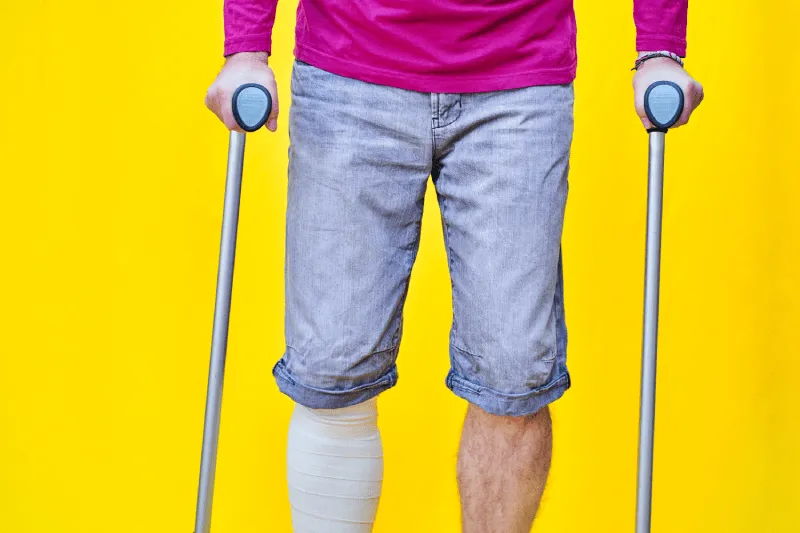
Full recovery and the restoration of the bone’s original strength usually span a period of six months to a full year. During the first few weeks following the surgery, patients are encouraged to begin mobilization with the assistance of crutches or a walker. The first signs of bone healing are typically observed through radiological imaging after the sixth week of the recovery period. While most patients begin walking without assistance by the third month, heavy activities such as sports must wait until the bone remodeling process is fully completed. Patience and a disciplined approach to the rehabilitation program are the primary keys to success during this long journey.
What are the risks of height reduction surgery?
Like any major surgical intervention, height reduction surgery carries certain inherent risks that must be carefully considered by the patient. The most prominent risks include infection, complications related to anesthesia, and the development of blood clots, also known as deep vein thrombosis. From an orthopedic standpoint, there is a possibility of non-union, where the bone fails to heal, or malunion, where it heals at an incorrect angle. Additionally, the nerves and blood vessels surrounding the bone could be affected during the surgery, leading to temporary or permanent numbness. While these risks sound daunting, their incidence is remarkably low in the hands of expert surgeons using modern techniques.
How to prevent infection risks?
The battle against infection begins with the highest sterilization standards in the operating room and continues until the patient is fully healed at home. The use of prophylactic antibiotics during the surgery is a standard procedure designed to prevent bacterial colonization. Regular dressing of the wound area and the timely removal of surgical drains help in maintaining a clean environment for healing. A nutritional program that supports the patient’s immune system and strict adherence to the surgical team’s wound care instructions are the most important factors in minimizing infection risks. In cases where external fixators are used, daily care of the pin sites is a vital discipline to prevent complications.
What is the possibility of nerve damage?
During the bone shortening process, it is rare but possible for nerves to be stretched or damaged due to surgical manipulation. Nerve damage typically manifests as numbness, tingling in the leg, or a loss of strength in specific muscle groups after the operation. To prevent this, surgeons adhere strictly to anatomical mapping and perform tissue retraction with the least amount of trauma possible. Most nerve-related issues are temporary, as the nerves have a natural ability to repair themselves during the long healing process. However, to minimize this possibility, it is essential to work with highly experienced surgeons who are proficient in microscopic surgical techniques.
How to prevent vascular injuries?
The major arteries and veins in the legs run very close to the bones, making their protection during surgery a matter of extreme importance. The use of advanced imaging technologies and intraoperative fluoroscopy allows the surgeon to constantly monitor the distance to these vital vascular structures. Using blunt dissection techniques and vascular protector apparatuses significantly increases the safety of the operation by reducing the risk of accidental injury. In the unlikely event of a vascular injury, having a vascular surgery team ready to intervene immediately in a fully equipped hospital explains why choosing the right center is so critical.
Is there a risk of malunion?
Malunion, or the bone healing outside the desired anatomical axis, can lead to functional disturbances and aesthetic concerns after the surgery. This condition usually occurs due to insufficient stabilization materials or the patient putting weight on the leg too early during the healing process. Modern orthopedic systems, such as locked intramedullary nails and high-strength titanium plates, ensure that the bone remains in the correct position. Precise measurements taken by the surgeon during the operation and regular X-ray checks during the post-operative period allow for any deviation to be detected and corrected early on.
How is post-operative pain managed?
Pain is an expected occurrence after major bone surgeries, but modern anesthesia methods allow this pain to be managed effectively and humanely. Epidural catheters or patient-controlled analgesia (PCA) pumps provide high levels of comfort for the patient during the first critical days after the procedure. After being discharged, the process is supported with powerful oral painkillers and anti-inflammatory medications to keep the patient comfortable. Pain management is not only important for the patient’s comfort but also critical for enabling them to start physical therapy movements as early as possible. As mobility increases, surgical swelling and the associated pain tend to decrease significantly.
Why is physical therapy important?
Physical therapy is one of the most critical factors determining the ultimate success of the height reduction operation for the patient. Preventing muscle atrophy in the operated leg, maintaining joint range of motion, and stimulating bone healing through controlled weight-bearing are the primary goals. Exercises performed under the guidance of a specialist physiotherapist ensure that the leg returns to its functional state as quickly as possible. Furthermore, physical therapy stimulates nerve conduction, helping any potential numbness to resolve much faster than it would otherwise. A disciplined rehabilitation period is the only guaranteed way for the patient to return to a normal walking pattern.
What to consider when choosing a hospital?
Choosing a hospital for complex procedures like height reduction surgery is a life-changing decision that requires careful research. The preferred hospital should ideally hold international accreditations, such as JCI, which serve as an indicator of superior sterilization and safety protocols. Furthermore, the hospital must be fully equipped with an intensive care unit, advanced radiology laboratories, and a dedicated orthopedic rehabilitation center. Hospitals that take a multidisciplinary approach to complication management, housing experts from various medical branches, create a necessary safety layer for every stage of the surgical operation.
Why is the surgeon’s experience critical?
Orthopedic surgery is both a science and an art that requires a high degree of manual dexterity and anatomical knowledge. In height reduction surgery, millimetric calculations and a deep understanding of bone biomechanics can only be mastered through the experience of thousands of cases. An experienced surgeon can quickly manage unforeseen situations encountered during the operation and can revise the surgical technique on the spot if necessary. The surgeon’s past success rates, patient reviews, and academic contributions to this specific field are the cornerstones of the trust a patient should feel. Equipment alone is never enough; the skill of the hand using it is paramount.
What is the role of modern medical devices?
Advanced surgical motor systems, fluoroscopy devices, and computer-aided navigation software have made height reduction surgeries much safer than in the past. Ultrasonic bone cutters allow for bone incisions to be made much thinner and smoother, minimizing the damage caused to the surrounding soft tissues. Additionally, advanced imaging methods used during the operation ensure that implants are placed within the bone at the most accurate angles possible. Thanks to these technologies, operation times are shortened, blood loss is significantly reduced, and the recovery process becomes much more comfortable for the patient.
What is the importance of sterilization?
Bone infections, such as osteomyelitis, are among the most difficult complications to treat, often requiring long-term antibiotic use and further surgeries. Therefore, the sterilization chain must not be broken at any stage, from the air in the operating room to the packaging of surgical instruments. HEPA filter-equipped air purification units and regular microbiological controls reduce the risk of hospital-acquired infections to almost zero. Receiving treatment in a hospital that does not compromise on sterilization protects both the physical health and the psychological peace of the patient. High hygiene standards are a fundamental prerequisite for a successful surgical outcome.
How is complication management performed?
While no one wants them to occur, how complications are managed when they do arise shows the true quality of a medical institution. In the event of an infection, microbiologists must step in quickly, or if bone healing is delayed, the use of biological stimulators like bone grafts should be planned. A good healthcare center does not just perform the surgery and send the patient away; it stays by the patient’s side until full recovery is achieved for any issue. By taking a proactive approach, small issues are prevented from turning into major problems that could affect the final result. Transparent communication is key here.
Why should you choose Turkey for treatment?
Turkey has become one of the world’s leading centers in the field of health tourism for many compelling reasons. The primary reasons include world-class technological infrastructure, surgeons with high levels of experience, and extremely cost-effective medical solutions. Turkish hospitals have success rates in orthopedics and traumatology that compete directly with the best institutions in Europe and America. Furthermore, Turkey’s geographical location and hospitable culture allow patients to spend their treatment process in the comfort of a holiday. Turkey, where modern medicine meets traditional hospitality, is a safe haven for those seeking high-quality healthcare.
What are the standards of hospitals in Turkey?
Private and university hospitals in Turkey are generally equipped with the very latest technological devices available in the global market. Most of these hospitals hold international quality certificates proving that they meet the highest global standards for patient care and safety. From the operating rooms to the patient suites, every detail is designed for the comfort and well-being of the international patient. Smart building technologies, digital tracking systems, and modern radiology units accelerate the diagnosis and treatment process. Additionally, the language proficiency of the staff makes the process seamless for international patients.
What is the expertise level of Turkish surgeons?
Turkish orthopedic surgeons hold a respected position in the global medical world thanks to the training they receive both domestically and abroad. The high volume of cases they handle provides them with a level of practical experience that makes them extremely competent in even the most challenging procedures. Many Turkish surgeons present their findings at international congresses and play active roles in the development of new surgical techniques. Their empathy towards their patients and the meticulous follow-up process they provide after the operation are among the top reasons why they are preferred globally.
What are Turkey’s advantages in health tourism?
Turkey offers health services not only at high quality but also in very comprehensive packages that cover every need. From airport transfers to luxury accommodation and from translation services to guided tours, every detail is pre-planned for the patients. Visa facilitations and the touristic opportunities offered by world-class cities like Istanbul turn the treatment process from a stressful event into a recovery-oriented journey. Furthermore, waiting times in Turkey are much shorter compared to many European countries, allowing patients to access the treatment they need almost immediately.
Why are costs more affordable in Turkey?
The fact that treatment costs are more affordable in Turkey does not mean that the quality of service is lower than elsewhere. This situation is primarily due to the advantage of the exchange rate, government incentives for health tourism, and lower general operating costs compared to Europe or America. Additionally, the competition between hospitals in Turkey keeps the quality of service high while ensuring that prices remain at reasonable levels for the patient. Patients can often receive a comprehensive treatment and holiday package for much less than they would pay for the surgery alone in their home countries.
How to plan treatment with Cure Holiday?
Cure Holiday is a professional consultancy institution that manages the treatment journeys of patients in Turkey from beginning to end. The first step involves the review of the patient’s medical reports and radiological images by expert doctors to determine suitability. Based on this review, a personalized treatment plan and a clear budget are created specifically for the patient. Once approved, all logistical details from the moment the patient arrives in Turkey are organized by the Cure Holiday team. This allows the patient and their family to focus solely on the recovery process while professionals handle all the logistics.
What services does Cure Holiday provide?
Cure Holiday provides a full-scale assistance service that goes far beyond simple health consultancy for its international clients. These services include the selection of the best hospitals and doctors, transfers with private VIP vehicles, and luxury accommodation options. Professional translators and health consultants accompany the patient during all pre-operative and post-operative processes, eliminating any potential communication barriers. Furthermore, every detail from the patient’s diet program to their physical therapy sessions is closely monitored. Cure Holiday aims to create a treatment experience where the patient feels safe, cared for, and truly special.
What are the accommodation and transport facilities?
Patients coming to Turkey stay in high-comfort hotels located in the city center and close to the hospitals through Cure Holiday. Transport services are provided by VIP vehicles with private drivers, keeping the patient’s comfort and safety at the highest possible level. Ergonomic details are specifically considered so that the patient can move comfortably, especially during the post-operative period. All transfers, from the airport welcome to hospital appointments, are organized with absolute punctuality. This professional service network eliminates the feeling of being in a foreign country and instead offers the comfort of home.
How is post-operative follow-up ensured?
For Cure Holiday, the treatment process is not limited to the surgery itself but continues until full recovery is achieved. Even after the patient returns to their home country, the recovery process is monitored through regular online meetings and report follow-ups. Necessary coordination is provided so that a physical therapy program similar to the one in Turkey can be continued in the patient’s own country. In case of any questions or concerns, the patient is informed via a support line that is reachable 24/7. Long-term follow-up protocols ensure that bone healing and functional recovery are under professional supervision.
What is the patient feedback like?
Thousands of patients who have received treatment in Turkey through Cure Holiday express their satisfaction with high ratings and positive comments. Patients particularly mention the transparent communication they received, the expertise of the doctors, and the flawless nature of the overall organization. Feedback such as “I found the care in Turkey that I couldn’t get in my own country” proves the quality and dedication of Cure Holiday. Success stories and before-after case analyses provide a reassuring reference for new patients considering the procedure. These positive experiences increase the institution’s global reputation every day.
Is height reduction surgery permanent?
Yes, height reduction surgery is completely permanent because it is based on the physical removal of bone tissue from the skeletal system. The height achieved after the surgery becomes the individual’s new permanent height once the bones have fully fused together. Except for natural bone wear that can be seen in every human being during old age, it is biologically impossible for the height shortened by surgery to grow back. Therefore, the decision-making process before the operation must be managed very carefully, and the desired amount of shortening must be determined with realistic expectations. The permanence of the results is a major factor.
Is psychological support necessary?
Psychological support is very important in operations like height reduction surgery that directly change the individual’s body image and self-perception. Professional guidance can be beneficial for managing expectations before the surgery and keeping morale and motivation high during the long recovery period. Especially for patients who choose this surgery for aesthetic reasons, analyzing the underlying psychological motivations increases the overall success of the operation. Cure Holiday approaches this process holistically to provide its patients with the emotional support they need. A mentally prepared patient overcomes physical challenges much more easily.
When can you return to daily life?
Returning fully to daily life varies depending on the physical demands of the individual’s specific job or lifestyle. Returning to a desk job may be possible as early as the second or third month after the surgery, depending on progress. However, for jobs that require standing all day or significant physical exertion, it is recommended to wait at least six months for safety. Being able to perform one’s own self-care and move comfortably within the house usually happens within the first four to six weeks. The patient’s healing rate and response to physical therapy are the main determinants of these timelines.
Are surgery scars permanent?
Incisions made with modern surgical methods are usually closed with aesthetic sutures, which allows the scars to become minimal over time. Initially red and prominent, the scars fade and approach the color of the skin as the healing process progresses over several months. The surgeon’s planning of the incision sites along anatomical lines is another factor that reduces the visibility of the scars. Laser treatments or special scar creams can be used to make these marks even less noticeable. Nevertheless, since it is a surgical intervention, it is important to accept that a faint mark may remain at a microscopic level.
At what age can the surgery be performed?
The most fundamental criterion for this operation is that the epiphyseal plates, also known as growth plates, must be fully closed. This usually occurs around the age of 18 in women and around the age of 20 in men. Interventions performed before bone growth is complete can lead to serious and permanent deformities in the skeletal system. The upper age limit depends on the patient’s general health and bone quality. Individuals of advanced age who do not have problems like osteoporosis and have an active lifestyle can also have this surgery if medically necessary. Each case is evaluated on its own merits.
How to contact Cure Holiday?
Getting in touch with Cure Holiday is an extremely easy and fast process for any prospective patient. You can fill out a form on the institution’s official website, speak directly with a consultant via the WhatsApp line, or send your medical reports via e-mail. The first consultation is usually free, and detailed answers are provided to all the patient’s questions about the process. You can also follow current case shares and patient reviews through various social media platforms. If you are looking for a special solution partner for your height reduction journey, Cure Holiday’s expert team is just a phone call away.
How will height reduction technology change in the future?
The medical world is working every day on methods that are less invasive and provide much faster healing for the patient. In the future, it is expected that operations will be performed with much higher precision thanks to 3D-printed patient-specific bone guides and smart implants. Furthermore, with the integration of stem cell therapies and growth factor injections that accelerate bone healing, recovery times could be shortened by half. As robotic surgery becomes more involved in this field, the risk of human error will be almost completely eliminated. Turkey remains a leader in following and applying these innovations simultaneously with the rest of the world.-
Free Consultation
Fill out the form below to get your free medical travel plan and price quote.
Sources and how to verify this yourself
- Ministry of Health, Regulation on International Health Tourism and Tourist Health, Official Gazette 26 April 2025, No. 32882 — authorisation requirement for facilities and intermediaries, TÜSKA accreditation, compulsory complication insurance (deadline 31 December 2025 for insurance, 31 December 2026 for accreditation). source
- Ministry of Health, Regulation on Promotion and Information Activities in Health Services, Official Gazette 12 November 2025, No. 33075 — treatment promises and guarantees are prohibited; price and campaign announcements are permitted only within international health tourism. source