What Is the Relationship Between Gastric Bypass and Diabetes?
The relationship between gastric bypass surgery and diabetes is a multi-layered process that led to the birth of the concept of “metabolic surgery” in the medical world. Research shows that this operation does not only reduce stomach volume but also acts as a hormonal trigger that fundamentally changes the body’s sugar metabolism. A large majority of patients observe a dramatic improvement and stabilization in blood sugar levels in the first days of surgery, even before significant weight loss has occurred. This is the greatest proof of how hormones secreted from the digestive system directly and rapidly affect the sugar balance. The alleviation of the load on the pancreas in the post-operative period forms the basis of this relationship.
What Exactly Is the Gastric Bypass Operation?
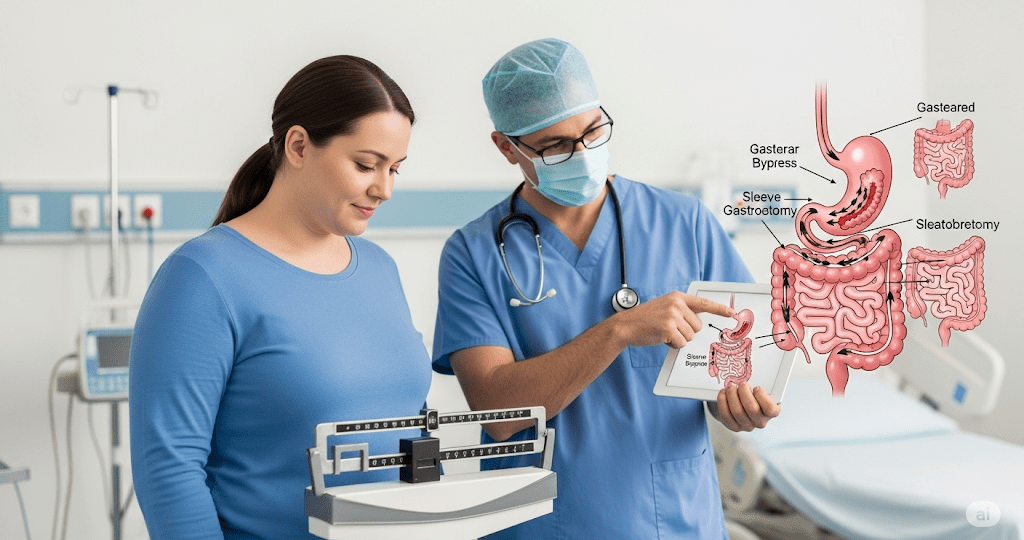
Gastric bypass is the process of creating a small pouch, about the size of an egg, in the upper part of the stomach and connecting this pouch directly to the middle part of the small intestine. Thanks to this surgical intervention, consumed foods bypass a large part of the stomach and the initial part of the small intestine (the duodenum) completely. This bypass process both physically restricts calorie intake and strategically reduces the absorption of nutrients. As a result, the body’s energy balance and nutrient processing mechanism are restructured. This situation contributes to the resolution of many metabolic problems, especially severe insulin resistance, at the cellular level, allowing the body to repair itself.
What Kind of Link Exists Between Obesity and Type 2 Diabetes?
Obesity is one of the most important and modifiable risk factors for Type 2 diabetes because excess fat tissue creates a state of chronic inflammation that is constantly active in the body. This inflammation causes cells to become desensitized to insulin, a condition called insulin resistance in medicine, through cytokines secreted from fat cells. Gastric bypass surgery eliminates one of the root causes of diabetes at a biochemical level by ensuring that this fat tissue decreases rapidly. As the body mass index drops and the volume of fat cells shrinks, the metabolism begins to work more efficiently, fatty liver decreases, and blood sugar management begins to fall under the patient’s control much more easily.

What Is the Role of Surgery in Blood Sugar Control?
Blood sugar control after surgical intervention is a surprising process that usually shows improvement even before being discharged from the hospital. Because gastric bypass anatomically changes the intestinal pathways, the speed of progress and contact points of nutrients in the digestive system change. This change triggers a mechanism that prevents sudden spikes in blood sugar after meals and encourages the pancreas to work more regularly. Many patients can completely stop the high-dose insulins or oral diabetes medications they used before surgery under doctor supervision. This rapid and effective recovery process scientifically proves how powerful and permanent a treatment tool surgery is compared to standard drug therapy.
How Do Hormonal Changes Affect Diabetes?
The success of gastric bypass surgery is not limited to “small stomach” capacity; the real medical miracle is hidden in the hormonal changes in the digestive system. After surgery, the levels of hormones called “incretins,” such as GLP-1, which are secreted from the lower parts of the small intestine, increase dramatically. These hormones optimize insulin secretion from the pancreas while simultaneously sending powerful satiety signals to the brain. At the same time, levels of ghrelin, known as the hunger hormone and secreted from the bypassed part of the stomach, drop rapidly. This hormonal storm improves the body’s ability to process sugar immediately after the surgical intervention and allows diabetes to be brought under control, effectively restarting the metabolism.
What Does the Concept of Metabolic Surgery Represent?
Bariatric surgery procedures, traditionally seen as only for weight loss, are now referred to as “metabolic surgery” in medical literature due to their healing effect on diabetes. Metabolic surgery is a multidisciplinary approach where the main goal is not only to lose weight but also to treat metabolic syndrome components such as diabetes, high blood pressure, sleep apnea, and high cholesterol. Gastric bypass is the world-renowned gold standard of this discipline. The metabolic profiles of patients can approach the levels of healthy individuals within just a few months after surgery, which shows that surgery provides a systemic recovery.
Is Diabetes Remission Really Possible?
The term “remission” in diabetes refers to the state where blood sugar levels remain within normal limits for a long period without using any diabetes medication. It is observed that diabetes goes into full remission in more than 80% of patients with appropriate criteria after gastric bypass surgery. The reason why the term remission is preferred over full “cure” in the medical world is that there is a theoretical risk of the disease returning in the following years due to excessive weight gain or wrong lifestyle habits. However, for many patients, remission means completely getting rid of decades of drug and needle dependency and taking their quality of life to levels they could not have imagined before.
What Are the Early Effects After Surgery?
The first few weeks following the gastric bypass operation is the critical period when the body’s metabolic adaptation is most intense and rapid. In this process, patients usually switch to a very low-calorie and liquid-based nutrition program upon the surgeon’s recommendation. When this restricted nutrition and the sudden hormonal changes created by the surgery combine, blood sugar levels usually start to stabilize within 24-48 hours. In many clinical cases, it has been observed that sugar measurements drop to normal levels before the patients’ stitches are even removed and before major changes are seen on the scale. This early success strengthens patients’ belief in the treatment and makes it easier for them to adapt to long-term disciplined lifestyle changes.
How Is Long-Term Sugar Balance Achieved?
The sugar balance provided by gastric bypass is not a temporary situation unique to the post-operative period; it can be permanent for life with correct follow-up and a sustainable lifestyle. Long-term follow-up studies conducted 5, 10, and even 20 years after surgery prove that a large portion of patients still continue their lives without needing diabetes medications. The key to long-term success is maintaining the lost weight, staying away from refined sugar, and not neglecting regular doctor check-ups. Surgical intervention offers the patient a metabolic “reset” button, but the protection of this new beginning is directly related to making habits that will keep the body’s glucose management system healthy permanent.
Who Is a Suitable Candidate for This Surgery?
Not every diabetic patient may be a suitable surgical candidate for gastric bypass; this decision requires a detailed endocrinological evaluation. Generally, patients with a body mass index (BMI) of 35 and above and whose Type 2 diabetes cannot be controlled with standard treatments are in the priority candidate group. However, new international guidelines state that individuals with a BMI between 30-35 and whose diabetes cannot be managed despite aggressive drug therapy can also benefit greatly from this surgery. The fact that the insulin reservoir in the patient’s pancreas has not yet been exhausted (C-peptide levels) and that the general health status is at a level that can handle a major surgery are also among the most critical evaluation criteria.
Can Insulin Resistance Be Broken with Surgery?
Rapid weight loss experienced after gastric bypass and especially the reduction in visceral (around the organs) lubrication are the most powerful medical factors that break insulin resistance. Insulin resistance is like the locks being rusted, where the cell doors cannot be opened with the insulin key and sugar accumulates in the blood. Surgery cleans these locks both by correcting hormonal signals and by reducing harmful free fatty acids that cause resistance and are secreted from fat tissue. As a result, even the small amount of insulin produced by the body becomes much more effective in getting the sugar circulating in the blood into the cell. This situation allows tissues to gain the energy they need while allowing blood sugar to drop naturally.
How Do Pancreatic Beta Cells Recover?
With the progression of diabetes, insulin-producing beta cells in the pancreas tire over time and lose their functions due to constantly trying to lower high sugar. Gastric bypass surgery gives these cells a chance to rest by rapidly reducing the “sugar load” (glucotoxicity) on them from the first days after surgery. Research shows that there is a significant improvement in the functions of beta cells whose toxic sugar load has been removed in the post-operative period and an increase in their insulin secretion capacities. This cellular recovery helps the pancreas secrete insulin much more efficiently and balancedly and plays a leading role in the permanent remission of diabetes.
Does Medication Use Decrease After Surgery?
For diabetes patients, the most concrete and life-changing benefit of gastric bypass is the end of dozens of pills taken every day or insulin injections performed several times a day. The end of drug dependency not only lightens the financial burden on the patient but also means getting rid of long-term side effects of drugs (edema, weight gain, stomach problems). Patients usually define this change as the turning point of their lives, saying “I feel much more free and unconstrained.” The process of dosage reduction or complete discontinuation of medications should be carried out gradually under the supervision of the surgeon and endocrinology specialist, with meticulous monitoring of blood sugar.
Is Medical Treatment or Surgery More Effective?
Many randomized controlled scientific studies conducted worldwide have compared gastric bypass surgery with intensive medical treatment (drugs, diet, exercise programs) and revealed the superiority of surgery. The results show that patients undergoing surgical intervention achieve diabetes remission at a much higher rate (approximately 5-10 times more) than those who only make lifestyle changes. In addition, blood sugar fluctuations (HbA1c levels) of patients in the surgical group are much more stable and the risk of diabetes-related organ damage is minimized in these patients. Although medical treatment is very valuable in the initial stage, surgery is the most radical and permanent solution in Type 2 diabetes cases combined with advanced obesity.
What Is the Power of Weight Loss Over Sugar?
Weight loss is a “must-have” element in diabetes treatment, but weight loss provided by gastric bypass is biologically different from weight lost with ordinary diets. While a very large percentage of weight lost after surgery goes directly from fat tissue, muscle mass is better protected with protein support. The reduction in fat tissue, especially fat around the belly, permanently cuts systemic inflammatory signals in the body. Every pound lost lightens the metabolic load on the heart, liver, and vascular system. As the weight loss process continues, the basal metabolic rate is optimized and this directly and permanently increases the body’s capacity to deal with glucose.
What Are the Weight-Independent Recovery Mechanisms?
The aspect of gastric bypass that surprises the medical world the most is that the sugar levels of patients improve before they lose even 1-2 kilos, which is explained by “foregut” and “hindgut” theories. The fact that nutrients pass without stopping at the upper parts of the small intestine such as the duodenum (foregut theory) prevents anti-incretin signals that raise sugar. At the same time, the fact that nutrients reach the last parts of the intestine much faster (hindgut theory) maximally stimulates the body’s own natural insulin-secreting hormones (GLP-1). These complex mechanisms prove that surgery treats diabetes not only by making one slim but by reprogramming the digestive system like an endocrine organ.
What Are the Cardiovascular Health Advantages?
The largest risk group creating a life-threatening danger for diabetic patients is heart and vascular diseases. Gastric bypass not only regulates blood sugar but also provides a systemic improvement, lowering high blood pressure and stabilizing cholesterol levels (bad LDL and triglycerides). This multifaceted effect (sugar, blood pressure, and cholesterol control) can reduce the patient’s risk of having a heart attack, heart failure, and stroke by more than 50%. The process of vascular hardening (atherosclerosis) slows down in individuals undergoing surgery and the heart muscle starts to work much more efficiently, which makes it possible for patients to live not only healthier but also much longer and active lives.
How Is Kidney Health Affected by This Process?
Kidney failure, which is one of the most insidious and feared complications of uncontrolled diabetes, can make patients dependent on dialysis. Gastric bypass surgery can stop the damage on the filtering units of the kidneys (glomeruli) or regress the existing damage by stabilizing blood sugar and blood pressure simultaneously. In clinical studies, it is frequently reported that this situation significantly improves in diabetic patients with protein excretion in the urine (microalbuminuria) after surgery. This protection of kidney health is a vital preventive medicine step that protects the patient from future dialysis needs and the risk of kidney transplant.

Can Eye Health and Retinopathy Improve?
Diabetes is a disease that can lead to vision loss and ultimately blindness by causing irreversible damage to the capillaries in the retina of the eye. Tight and permanent blood sugar control provided after gastric bypass significantly reduces the risk of diabetic retinopathy and the rate of progression of existing damage. When blood sugar levels are pulled to healthy limits, the structure of the vessels behind the eye is protected and the formation of new abnormal vessels is prevented. However, because very rapid drops in blood sugar in the first months following surgery can sometimes cause temporary vision blurring, it is critical for the success of the operation that patients are followed by a specialist ophthalmologist with regular fundus examination.
Do Neuropathy Symptoms Regress Over Time?
Diabetic neuropathy, the destruction caused by high sugar in the nerve endings, is characterized by unbearable numbness, burning, pins and needles, and pain in the hands and feet. Many patients undergoing gastric bypass surgery and whose blood sugar is regular state that these chronic pains and burning sensations, especially in the feet, alleviate or completely disappear over time. Although complete healing (regeneration) of nerve damage takes time at the tissue level, stable blood sugar allows nerve sheaths to repair themselves. Better sugar management increases the patient’s physical mobility and sleep quality, making their life much more comfortable.
What Are the Potential Risks of the Surgery?
Although gastric bypass is a powerful treatment method, it carries certain risks and complications possibilities, as in every major surgical procedure. In the post-operative period, risks such as bleeding, infection, problems related to anesthesia, or leakage at the intestinal junctions, although less than 1-2% in experienced hands, exist. In the long term, digestive disorders called “dumping syndrome,” internal hernias, or gallstones due to rapid weight loss can be seen. However, these risks have been minimized thanks to modern laparoscopic and robotic techniques. The life risks of chronic organ destruction created by diabetes in the body are usually much higher and more dangerous than the controlled risks of surgery.
Are Vitamin Supplements Used for Life?
Due to the anatomical structure of gastric bypass, as the nutrient absorption surface decreases, it is a medical necessity for patients undergoing surgery to use regular vitamin and mineral supplements for life to protect their body resistance. Especially B12 vitamin, iron, calcium, and D vitamin deficiencies are observed more frequently in these patients due to the change in the intestinal pathway. If these supplements are not taken at the doses recommended by the doctor and regularly, they can lead to preventable problems such as severe fatigue, anemia, hair loss, or osteoporosis. Diabetic patients undergoing surgery should closely monitor their blood values within the scope of annual check-up programs. This support process is a manageable price to be paid for a drug-free and healthy life.
What Should the Nutrition Plan Be Like?
Nutrition after gastric bypass is not just a diet list, but a new and healthy eating culture that the patient will apply throughout their entire life. In the first weeks following the surgery, a program weighted with liquids and purees is started, followed by a gradual transition to solid foods. For individuals with a history of diabetes, high-quality protein consumption (eggs, cheese, white meat) is of vital importance to prevent muscle loss. Sugary foods, packaged products, and simple carbohydrates should be completely removed from the diet plan as they can rapidly raise blood sugar and cause “dumping syndrome.” Small portions, eating slowly, and chewing every bite at least 20-30 times is the basic golden rule for the comfortable functioning of the new stomach system.
How Much Does Exercise Contribute to Treatment?
Doing regular exercise in the post-operative period not only speeds up the weight loss process but also takes the insulin sensitivity of muscles to the highest level. Skeletal muscles are the largest consumers of sugar in the body, and active muscles need much less insulin to burn sugar. Brisk walks, swimming, or light weight training for at least 150 minutes a week makes the metabolic revolution created by gastric bypass permanent. The duration and quality of diabetes remission in patients who exercise are much higher than in sedentary patients. An active lifestyle is an indispensable element that supports not only physical health but also mental health and self-confidence after surgery.
How Is the Psychological Preparation Process Managed?
Deciding on a major surgical operation and adapting to the radical changes following it requires not only physical but also strong psychological resilience and a preparation process. For many patients, eating is a tool for regulating emotions; the cutting of this link with surgery can cause emotional difficulties. Therefore, meeting with a bariatric psychologist or a consultant specialized in this field before surgery is very beneficial in keeping expectations realistic. The desire to get rid of diabetes and obesity is the greatest source of motivation that pushes patients to maintain discipline in this process. Participating in support groups or sharing experiences with people who have gone through similar processes allows the patient to feel safe on this journey.
What Are the Success Rates of the Surgery?
Scientific data and follow-ups of tens of thousands of patients clearly reveal the success of gastric bypass surgery on Type 2 diabetes. Large-scale meta-analyses show that in approximately 80% to 85% of patients, blood sugar levels return to normal without medication within the first year after surgery. In the remaining 15-20% group, even if diabetes does not completely disappear, the number of medications and insulin doses used decrease significantly, pulling the disease to a manageable level. The most determining factor in success rates is the duration of diabetes at the moment the patient lies on the operating table; the earlier the stage of the disease, the more dramatically the chance of full recovery increases.
How Does the Age Factor Affect Success?
Gastric bypass surgery is technically applied successfully to suitable candidates between the ages of 18 and 65, but these limits can be stretched by experts according to the patient’s biological age and organ reservoirs. In young patients, because the metabolic rate is higher, tissue healing and the remission process of diabetes are usually faster and more pronounced. In elderly patients (over 60), the primary purpose of the operation is usually not full recovery but stopping the destructive effects of diabetes on the heart and kidneys and increasing the patient’s quality of life. Age alone does not constitute an obstacle; the most important criterion in the medical decision is how much of the insulin production capacity of the pancreas is preserved and the patient’s capacity to comply with the post-operative rules.
Can Type 1 Diabetes Patients Have Surgery?
Gastric bypass surgery is a method designed for and effective in the Type 2 diabetes patient group, which proceeds with insulin resistance due to its biological mechanism. Type 1 diabetes is a condition where the body’s immune system completely destroys the insulin-producing cells, so surgical intervention does not radically “treat” or “send into remission” this disease. However, in Type 1 diabetes patients with excessive weight (obesity), gastric bypass can make blood sugar control more stable and reduce insulin need by breaking the resistance formed against insulin taken from outside. For individuals with Type 1 diabetes, this operation should be considered very carefully as only a supportive treatment option, not a salvation, with the approval of a multidisciplinary team.
What Is Done in Pre-Operative Preparation?
Before a surgery appointment is made, a comprehensive medical screening and preparation protocol conducted meticulously for the patient for about 1-2 weeks is applied. In this process, cardiology examines the heart, chest diseases measure lung capacity, endocrinology evaluates the sugar balance, and the anesthesiologist approves the patient’s suitability for surgery. In addition, endoscopy to see the inner surface of the stomach and a whole abdominal ultrasound to evaluate the intra-abdominal organs are definitely performed. In the last 10 days before surgery, the patient is asked to go on a special protein diet to shrink the volume of the liver and provide a more comfortable working area for the surgeon. This meticulous preparation phase is the most important step that maximizes safety during surgery.
What Should Be Considered During the Recovery Period?
The first one-month period after being discharged from the hospital is the most critical time frame for the body to adapt to its new anatomy and nutrition plan. Patients should make maximum effort to drink enough water (at least 1.5-2 liters a day) sip by sip and prevent dehydration in order not to put pressure on the stomach pouch. Lifting heavy weights, doing exercises that increase intra-abdominal pressure, and trying solid foods that have not been chewed well are strictly forbidden at this stage. In cases such as any sudden onset of severe abdominal pain, persistent fever, or constant vomiting, the surgery team should be contacted without losing time. The recovery period requires patience and discipline; strictly following the medication and vitamin program given by the doctor is the key to a smooth recovery.
Why Is Blood Sugar Monitoring Important?
Even if diabetes medications have been discontinued by the doctor after surgery, blood sugar monitoring should continue regularly for a while (especially the first 3-6 months). This follow-up provides vital data to understand the new responses the body gives to carbohydrates and to notice early on possible hypoglycemia (lowering of sugar) or reactive situations. Patients are usually asked to note their morning fasting and post-meal sugar levels two hours later. These records are the most important compass evaluating the patient’s metabolic progress for both the surgeon and the dietitian. The fact that blood sugar measurements are normal becomes a great source of motivation for the lifestyle change by proving to the patient every day what a right decision the surgery was.

Why Is Lifelong Follow-Up Necessary?
For an individual undergoing gastric bypass surgery, the hospital and doctor relationship does not end on the operating table; on the contrary, it turns into a health partnership that will last a lifetime. Routine controls and blood tests are mandatory in the 1st, 3rd, 6th, and 12th months of the first year after surgery, and at least once a year in the following years. In these controls, not only blood sugar but also liver functions, kidney values, bone density, and vitamin levels (B12, Folate, Iron, etc.) are examined in detail. Regular follow-up ensures that any deficiency that may occur in the body or a weight regain signal is noticed and intervened before the problem grows. Long-term success is only possible with the supervision of a professional team and the patient’s loyalty to these follow-ups.
Is There a Risk of Diabetes Recurrence?
Although gastric bypass is one of the most powerful methods in diabetes treatment, there is a possibility (relapse) of the disease returning years later, albeit with a very low probability. This situation is usually triggered by the patient abandoning the healthy habits gained after surgery, returning to excessive carbohydrate consumption, and regaining a significant portion of the weight lost. If the body mass index approaches the obesity limits again, the decreasing fat tissue can expand again and restart insulin resistance. However, even if diabetes returns, it usually does not follow as severe a course as before the surgery and can be controlled with much fewer medications. Protecting this great advantage provided by surgery depends entirely on the patient’s own life choices and self-discipline.
What Are the Cost and Insurance Coverage?
The total cost of gastric bypass surgery may vary according to the technological equipment of the hospital where the operation will be performed, the quality of the consumables used (staplers, energy devices), and the experience of the team performing the surgery. In Turkey and many European countries, if the patient’s body mass index is over 35 and there is a co-morbid disease such as diabetes, the cost of the operation can be covered by social security institutions or private health insurances under certain conditions. When evaluating the cost, not only the surgery figure should be looked at; it should not be forgotten that this operation will save the patient from expensive lifelong diabetes medications, dialysis costs, and possible heart surgeries, meaning it is a long-term investment in health.
What Are the Future Lifestyle Changes?
In conclusion, gastric bypass surgery is a second chance given to the patient in the fight against diabetes, a metabolic miracle, and the “reset” button of life. However, turning this surgical success into a permanent quality of life depends on the sustainable lifestyle changes the patient plans for the future. The post-operative period requires being an individual who is purified from processed foods, nourished with protein, makes drinking water a habit, and puts movement at the center of their life. Patients who internalize these changes not only get rid of the shackles of diabetes but also step into a future full of health, more self-confident, more energetic, and at peace with their reflection in the mirror.
Free Consultation
Fill out the form below to get your free medical travel plan and price quote.