What Is Transit Bipartition Surgery?
Transit Bipartition is a revolutionary metabolic surgery procedure specifically designed for the treatment of Type 2 diabetes. This sophisticated operation is a hybrid technique that combines a specific type of gastric sleeve with a strategic redirection of the small intestines. The primary mechanism involves allowing a portion of the food to follow the traditional digestive path while the majority is diverted directly to the final segment of the small intestine. This dual-pathway system triggers powerful hormonal signals that effectively reset the body’s glucose metabolism. Unlike traditional weight loss surgeries, its main objective is to treat the underlying metabolic dysfunction rather than just reducing caloric intake.
Is It A Permanent Solution For Type 2 Diabetes?
For a vast majority of patients, Transit Bipartition offers a potential lifelong escape from the daily burden of insulin injections and oral medications. Clinical studies have shown that over 90% of patients achieve long-term remission, meaning their blood sugar levels return to normal ranges without the need for pharmacological intervention. However, the term “permanent” is often coupled with the patient’s commitment to a healthier lifestyle. While the surgery provides a powerful metabolic reset, maintaining the results requires a balanced diet and regular physical activity to prevent the recurrence of metabolic stress. It is widely considered the most effective surgical tool available today for lasting diabetes control.

What Does Metabolic Surgery Mean?
Metabolic surgery refers to a specialized field of surgical intervention aimed at treating metabolic diseases, particularly Type 2 diabetes, through the alteration of the gastrointestinal tract. While it shares some technical aspects with bariatric (weight loss) surgery, the fundamental goal is different. Metabolic surgery focuses on correcting hormonal imbalances and biochemical processes rather than just fat reduction. By modifying how the body processes nutrients and secretes hormones like insulin and glucagon, these procedures can resolve conditions like high blood pressure, high cholesterol, and fatty liver disease, which often cluster together as metabolic syndrome.
What Is The Primary Goal Of The Surgery?
The overarching objective of Transit Bipartition surgery is to achieve euglycemia, which is the maintenance of normal blood glucose levels without external medication. Beyond blood sugar control, the surgery aims to halt the progression of diabetic complications that affect the kidneys, eyes, and nerves. Furthermore, it serves to eliminate systemic inflammation associated with obesity and metabolic dysfunction. By reorganizing the digestive architecture, the surgery ensures that the body’s own insulin production becomes more efficient, ultimately leading to a significant improvement in overall cardiovascular health and life expectancy for the patient.
Who Are The Ideal Candidates For Transit Bipartition?
Not every individual with diabetes is a suitable candidate for this procedure. The ideal candidates are patients diagnosed with Type 2 diabetes who still possess a functional pancreatic reserve. This is determined through specific blood tests that measure the body’s ability to produce its own insulin. Typically, individuals aged 18 to 65 with a Body Mass Index (BMI) of 30 or higher are considered. Patients who have been unable to control their blood sugar through diet, exercise, and standard medication are the primary beneficiaries. It is important to note that this surgery is not applicable for Type 1 diabetes, as that condition involves a total lack of insulin production.
How Is The Surgical Decision Made?
The decision to proceed with Transit Bipartition is the result of a comprehensive multidisciplinary evaluation. A team of experts, including endocrinologists, metabolic surgeons, dietitians, and cardiologists, assesses the patient’s overall health profile. The most critical factor is the measurement of C-peptide levels, which indicates the remaining capacity of the pancreas to secrete insulin. If the pancreas is still active but the body is resistant to the insulin it produces, the surgical prognosis is excellent. Additionally, the patient’s psychological readiness and commitment to postoperative protocols are evaluated to ensure the highest possible success rate.
What Is The Body Mass Index Limit?
Standard international protocols generally suggest a BMI of 30 and above for metabolic surgery eligibility. However, in cases of “metabolic illness” where Type 2 diabetes is severe and uncontrolled, leading to rapid organ damage, surgery may be considered for patients with a BMI slightly below 30. For those in the morbid obesity category (BMI > 40), Transit Bipartition serves as a dual-action solution, providing both massive weight loss and complete metabolic correction. The focus is increasingly shifting from the number on the scale to the severity of the metabolic comorbidities the patient is facing.
Does Diabetes Disappear Completely With This Method?
In the medical community, we prefer the term “remission” over a “complete cure.” After Transit Bipartition, most patients experience a dramatic disappearance of diabetic symptoms and a normalization of laboratory values. While the disease is effectively “silenced,” the genetic predisposition remains. If a patient reverts to highly processed diets and a sedentary lifestyle years later, there is a small chance that the metabolic system could be stressed again. Thus, the surgery is a powerful tool that grants a “second chance” at a healthy life, and its longevity is supported by the patient’s new, healthier habits.
How Does The Surgical Procedure Work Technically?
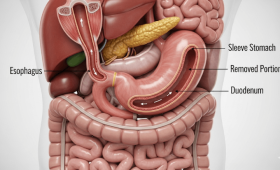
The procedure is performed using advanced laparoscopic (minimally invasive) techniques, involving small incisions in the abdomen. The technical process is divided into two main stages. First, a longitudinal sleeve gastrectomy is performed to reduce the stomach volume while preserving the pylorus (the stomach’s exit valve). Second, the small intestine is measured, and a connection is created between the lower part of the intestine (ileum) and the stomach. This creates a “bipartition” or two distinct pathways for food. One pathway allows food to follow the natural route through the duodenum, while the other sends it directly to the ileum for rapid hormonal activation.
Is Gastric Sleeve Part Of This Surgery?
Yes, a modified version of the gastric sleeve is the foundational first step of Transit Bipartition. However, it differs from a standard sleeve gastrectomy used purely for weight loss. In this procedure, the stomach is left slightly larger to ensure there is enough pressure to drive food through both intestinal pathways. Reducing the stomach size is crucial because it significantly lowers the levels of Ghrelin, the “hunger hormone,” and promotes early satiety. It also accelerates the passage of food into the small intestine, which is essential for the metabolic effect of the surgery to take place.
What Change Is Made In The Small Intestine?
The most critical innovation of Transit Bipartition lies in the “re-routing” rather than the “bypassing” of the small intestine. The ileum, which is the final section of the small intestine, is moved up and connected to the stomach. Unlike other bypass procedures, no part of the intestine is removed or entirely excluded from the digestive process. This specific arrangement ensures that as soon as the patient eats, the food makes contact with the ileum very quickly. This contact triggers the release of incretin hormones, which are the body’s natural signals to the pancreas to start producing high-quality insulin.
How Is The Digestive System Reorganized?
The reorganization is designed to be “physiologically harmonious.” Because the duodenum (the first part of the small intestine) remains active, bile and pancreatic enzymes mix with food in the traditional way. This helps maintain the natural absorption of essential vitamins and minerals, which is a significant advantage over more aggressive bypass techniques. The dual-pathway system effectively creates a “metabolic shortcut” while preserving the “nutritional highway.” This balance allows for the correction of diabetes without the severe malabsorption issues often seen in older surgical methods.
How Do Hormonal Changes Occur?
Following surgery, the body undergoes a profound “hormonal symphony.” The removal of the stomach’s fundus leads to a sharp decline in Ghrelin, reducing the constant urge to eat. Simultaneously, the early arrival of food in the distal small intestine causes a massive surge in hormones like Glucagon-Like Peptide-1 (GLP-1) and Peptide YY (PYY). These hormones are responsible for enhancing insulin secretion, improving the body’s sensitivity to its own insulin, and sending strong “fullness” signals to the brain. This hormonal shift is the secret behind the rapid improvement of blood sugar levels often seen within days of the operation.
How Is Insulin Resistance Broken?
Insulin resistance is a condition where the body’s cells “ignore” the insulin circulating in the bloodstream. Transit Bipartition breaks this resistance by flooding the system with natural incretin hormones. These hormones act like a key that unlocks the cells, allowing them to absorb glucose efficiently. Furthermore, the surgery reduces the liver’s excessive production of sugar and decreases the systemic inflammation caused by visceral fat. By addressing the root causes of resistance at a cellular and organ level, the surgery restores the body’s natural ability to regulate its own energy.
What Is The Difference From Gastric Bypass Surgery?
The primary difference lies in the “closed loops.” In a standard Gastric Bypass, a large portion of the stomach and the entire duodenum are bypassed and cannot be easily accessed for future medical checks (like endoscopy). In Transit Bipartition, there is no “blind” or bypassed section. The entire digestive tract remains accessible to endoscopic intervention if needed in the future. Additionally, because the Bipartition maintains the original digestive path for a portion of the food, the risk of “dumping syndrome” and severe vitamin deficiencies is significantly lower compared to the traditional bypass.

Why Is It Preferred More Than Other Methods?
Transit Bipartition is increasingly preferred because it offers the best of both worlds: the high success rate of a bypass with the safety profile of a sleeve. It is particularly attractive for patients who are concerned about lifelong dependency on heavy vitamin and mineral supplements. Because the procedure preserves the pylorus and the duodenal pathway, the body continues to absorb nutrients naturally. Its reversible nature and the ability to perform follow-up endoscopies also make it a “future-proof” choice for many patients and surgeons alike.
What Tests Should Be Done Before Surgery?
Preparation involves an exhaustive battery of medical screenings. Blood work is performed to analyze hemoglobin A1c, fasting insulin, lipid profiles, and kidney and liver function. An upper GI endoscopy is mandatory to check the health of the stomach lining. Abdominal ultrasound helps identify any gallbladder issues or liver fat levels. Furthermore, patients undergo pulmonary function tests for sleep apnea, an EKG for cardiac health, and a psychiatric evaluation to ensure they have the necessary support system and mindset for the postoperative journey.
How Many Hours Does The Surgery Last?
Despite its complexity, the use of advanced laparoscopic technology allows the surgery to be completed within 2.5 to 4 hours. The duration depends on the patient’s individual anatomy and the presence of any previous abdominal surgeries. Because the operation is performed through tiny incisions, the physical trauma to the body is minimized. The surgical team uses high-definition cameras and precision instruments to perform the delicate bowel connections. Patients are usually awake and in the recovery room shortly after the procedure ends.
How Long Does The Recovery Process Take?
The initial hospital stay is typically 3 to 4 days, during which the patient’s vitals and hydration are closely monitored. Most patients can return to light desk work within 10 to 14 days. However, complete internal healing of the new connections (anastomoses) takes about 4 to 6 weeks. During this period, heavy lifting and strenuous exercise are strictly prohibited. The recovery is surprisingly fast for most, as the laparoscopic approach significantly reduces the time needed for the abdominal wall to heal compared to open surgery.
Is There Pain After Surgery?
Pain management has improved significantly with modern techniques. Since the surgery is laparoscopic, patients experience much less pain than they would with a large incision. Most describe the sensation as a feeling of “heaviness” or “gas pressure” in the abdomen during the first 24 hours. This is easily managed with intravenous pain relievers. By the second day, most patients are walking comfortably and require only mild oral analgesics. Early mobilization (walking) is encouraged as it helps dissipate gas and speeds up the overall recovery.
What Should The Nutrition Plan Look Like?
The postoperative diet is a gradual transition designed to protect the healing stomach and intestines. It begins with a “clear liquid phase” for the first two weeks, followed by a “pureed food phase” for another two weeks. By the second month, patients transition to soft solids and eventually to a regular, high-protein, low-carbohydrate diet. The focus is on quality over quantity. Because the stomach is smaller, every bite must count; therefore, lean proteins, vegetables, and healthy fats are prioritized while refined sugars and processed flours are minimized.
Is A Liquid Diet Mandatory In The First Weeks?
Yes, the liquid diet phase is non-negotiable. It serves two purposes: first, it prevents the new dikiş (staple) lines from being stretched by solid food, and second, it allows the intestinal connections to heal without the pressure of digestion. During this phase, patients consume protein shakes, broths, and strained soups. Proper hydration is critical, and patients are taught to sip fluids slowly throughout the day. Skipping this phase or introducing solids too early can lead to serious complications such as leaks or severe discomfort.
Are Vitamin And Mineral Supplements Necessary?
While Transit Bipartition has a lower risk of malabsorption, temporary supplementation is usually required. Most patients take a multivitamin, calcium, and vitamin B12 during the first year to support the body during rapid weight loss. Regular blood tests are performed every three months to monitor these levels. Interestingly, because the duodenum is not bypassed, many Transit Bipartition patients find they can maintain healthy levels through diet alone after the first year, which is a major benefit compared to other metabolic surgeries.
How Much Weight Loss Is Expected In The Long Term?
Patients can expect to lose between 70% and 90% of their excess body weight within the first 12 to 18 months. The most rapid weight loss occurs in the first six months. However, the true success of the surgery is measured by the quality of the weight loss. Because of the hormonal changes, patients tend to lose fat while maintaining more muscle mass compared to traditional dieting. Long-term weight maintenance is exceptionally high, provided the patient stays active and follows the nutritional guidelines provided by their clinical team.
What Are The Risks And Potential Complications?
As with any major surgery, there are inherent risks such as infection, bleeding, or reactions to anesthesia. Specific to Transit Bipartition, there is a small risk of “leaks” at the connection points or the development of marginal ulcers. In the long term, rapid weight loss can sometimes lead to gallstone formation. However, when the surgery is performed by an expert team in a high-tech facility, the overall complication rate is very low (less than 2%). Strict adherence to pre-operative preparation and post-operative follow-up is the best way to mitigate these risks.
Is There A Risk Of Leakage?
Leakage refers to a small hole or gap in the staple line or bowel connection. This is a rare but serious complication that occurs in about 1% of cases. Surgeons use specialized “leak tests” during the operation—either by filling the stomach with blue dye or air—to ensure everything is airtight. Modern stapling technology has made this risk even lower. If a leak does occur, it is usually detected within the first 48 hours while the patient is still in the hospital, allowing for immediate and effective treatment.
Do Gallbladder Problems Occur?
Rapid weight loss changes the balance of bile salts and cholesterol, which can lead to the formation of gallstones in some patients. This is a common phenomenon across all weight loss methods, not just surgery. Some surgeons prescribe medication for the first six months to help prevent stone formation. If a patient already has gallstones before the surgery, the gallbladder is often removed during the same procedure to prevent future complications, a practice that is very common and safe.
Is Revision Surgery Necessary?
In most cases, Transit Bipartition is the “final” surgery because it is so effective. In fact, it is often used as a revision surgery for patients who did not achieve their desired results with a simple gastric sleeve. However, if a patient experiences insufficient weight loss or a return of diabetes symptoms due to extreme dietary non-compliance over many years, a revision could theoretically be discussed. Fortunately, the need for revision after a properly performed Transit Bipartition is extremely rare due to the surgery’s powerful hormonal impact.
What Kind Of Change Is Expected In Quality Of Life?
The transformation is often described as “life-altering.” Patients report a surge in energy levels, better sleep, and the disappearance of joint pain. Psychologically, the relief of no longer being “chained” to a glucometer and insulin pens provides immense mental freedom. Activities that were once impossible, like playing with grandchildren or traveling long distances, become part of daily life again. The improvement in self-esteem and the reduction in the risk of heart disease and stroke contribute to a much happier and more active lifestyle.
When Can You Return To Social Life?
Most patients feel ready to socialize within two to three weeks. The main challenge during social outings is managing the diet, especially during the liquid or pureed phases. We recommend choosing social environments that don’t revolve solely around food in the early stages. After the first month, you can comfortably dine out by choosing small, protein-rich portions. Alcohol should be avoided for at least the first six months, as the surgery changes how your body processes it, making you much more sensitive to its effects.
What Are The Psychological Effects Of Surgery?
The rapid physical change can sometimes be a “shock” to the system, requiring a period of mental adjustment. While most feel a sense of euphoria as the weight drops and health improves, some may struggle with their new body image or the loss of food as a “coping mechanism” for stress. This is why we emphasize the importance of psychological support. Developing new, non-food-related ways to handle emotions is a key part of the long-term success story. A positive mindset and a supportive community make the transition much smoother.
Why Should You Have Surgery In Turkey?
Turkey has emerged as the global leader in metabolic and bariatric surgery for several reasons. Turkish surgeons are renowned for their high volume of cases, which translates to exceptional technical expertise and lower complication rates. The hospitals are ultra-modern, often exceeding European and American standards in terms of technology and hygiene. Furthermore, Turkey offers a “holistic” experience where world-class medical care is combined with exceptional hospitality. The cost-effectiveness of the Turkish health system allows patients to access premium care at a fraction of the cost found in other countries, without compromising on quality.
What Kind Of Treatment Plan Does Cure Holiday Offer?
Cure Holiday provides a comprehensive, “A to Z” treatment plan that takes the stress out of your medical journey. We don’t just book a surgery; we design a full health experience tailored to your specific metabolic needs. Our plan includes initial online consultations with top-tier surgeons, all necessary pre-operative tests in world-class facilities, and the surgery itself performed by elite metabolic specialists. Beyond the hospital, we provide luxury accommodation, VIP airport transfers, and a dedicated 24/7 personal assistant who speaks your language, ensuring you never feel alone during your stay in Turkey.
What Are The Advantages Of Health Tourism With Cure Holiday?
Choosing Cure Holiday for your health tourism needs means choosing peace of mind. We act as your guardian and advocate throughout the entire process. One of our biggest advantages is our network of Ministry of Health–authorised hospitals that use the latest medical technologies. We handle all the logistics—from your flight coordination to your post-operative dietary follow-ups—so you can focus entirely on your recovery. Our patients enjoy a seamless blend of high-end medical treatment and a relaxing holiday atmosphere, making the path to health a positive and memorable experience.
How Does Cure Holiday support success With Its Expert Staff?
Success in metabolic surgery is the result of precision and long-term support. At Cure Holiday, we only partner with surgeons who have performed thousands of successful Transit Bipartition procedures and who are recognized internationally in their field. Our multidisciplinary team includes specialized bariatric dietitians who provide you with a personalized nutrition roadmap for the months following your surgery. By combining surgical excellence with a rigorous follow-up system, we ensure that every patient achieves the highest possible remission rate for their diabetes and reaches their weight loss goals safely.
Why Should You Contact Cure Holiday Immediately To Change Your Life?
Every day spent with uncontrolled diabetes is a day that puts your heart, kidneys, and vision at risk. You don’t have to live with the fear of long-term complications or the burden of constant medication. Cure Holiday is ready to help you reclaim your health and your future today. By contacting us now, you can take the first step toward a life free from the constraints of Type 2 diabetes. Our team is waiting to provide you with a free evaluation and a customized plan to start your journey. Don’t wait for your health to decline further—reach out to Cure Holiday today and open the door to a healthier, more vibrant version of yourself.
Free Consultation
Fill out the form below to get your free medical travel plan and price quote.
Sources and how to verify this yourself
- Eisenberg D, et al. 2022 ASMBS and IFSO Indications for Metabolic and Bariatric Surgery. — surgery is recommended at BMI ≥35 regardless of co-morbidity, and considered at BMI 30–34.9 with metabolic disease (lower thresholds for Asian populations). source
- Ministry of Health, Regulation on International Health Tourism and Tourist Health, Official Gazette 26 April 2025, No. 32882 — authorisation requirement for facilities and intermediaries, TÜSKA accreditation, compulsory complication insurance (deadline 31 December 2025 for insurance, 31 December 2026 for accreditation). source
- Ministry of Health, Regulation on Promotion and Information Activities in Health Services, Official Gazette 12 November 2025, No. 33075 — treatment promises and guarantees are prohibited; price and campaign announcements are permitted only within international health tourism. source