
Eye laser surgery is recognized as one of the most effective methods offered by modern medicine to eliminate refractive errors. While this technology has allowed millions of people to break free from their dependence on glasses and contact lenses, it also brings several questions to mind. Concerns such as “Will my eyes be damaged?”, “Is there a risk of blindness?”, or “Will there be permanent damage after surgery?” are among the top issues potential patients are most curious about. In this guide, we will dive deep into Excimer laser technology, analyze the risks with scientific data, and discover the safest path to treatment.
Is Eye Laser Surgery Really Risky?
Eye laser surgery is one of the most frequently performed surgical procedures worldwide, and the rate of complications is remarkably low. With a success rate exceeding 95% in medical literature, this procedure is considered extremely safe when combined with correct patient selection and advanced technology. However, as with any surgical intervention, some risks do exist in laser surgery. Most of these risks are temporary and can be managed through medication or simple interventions. The crucial factor is undergoing a comprehensive screening process before the operation and working with an expert team that minimizes risks.
Is Excimer Laser Technology Reliable?
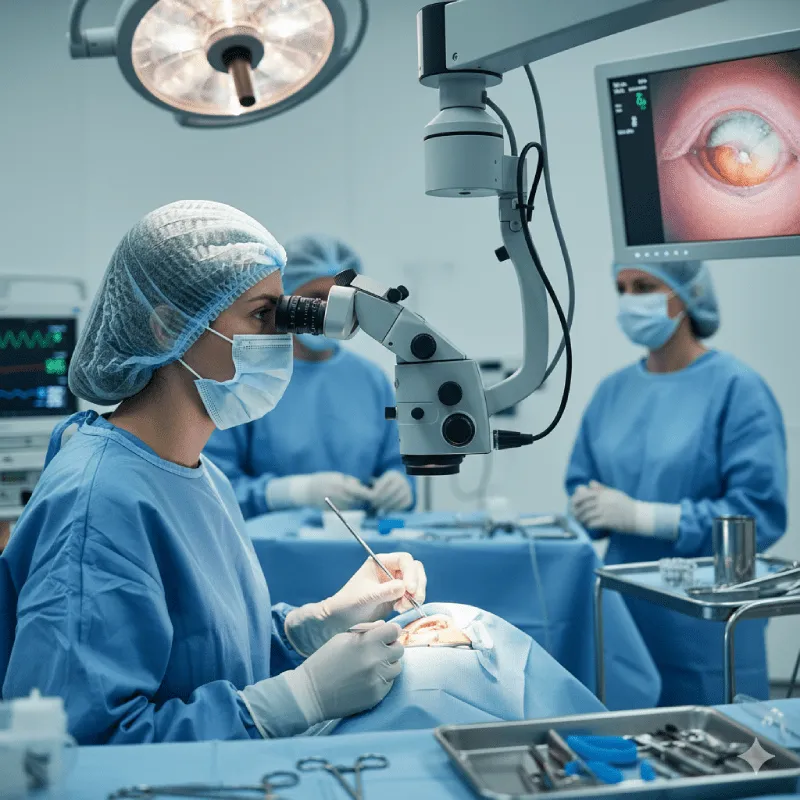
Excimer laser is a proven technology that has been continuously developing since the 1980s. These devices use ultraviolet light beams to reshape the corneal tissue at the micron level. The most reliable aspect of the technology is its ability to vaporize only the targeted cells without causing thermal damage to the surrounding tissues. Modern devices used today are equipped with eye-tracker systems that follow the millimetric movements of the eye. These systems ensure that the laser remains focused on the correct point even if your eye moves during the operation, reducing the margin of error to near zero.
What is Laser Eye Correction and How is it Performed?
The procedure commonly known as “eye laser correction” is actually the process of changing the refractive power of the cornea using a laser. No incisions are made with a blade during this process; instead, computer-controlled laser beams are utilized. The procedure generally lasts between 5 to 10 minutes and is painless as it is performed under topical drop anesthesia. The laser corrects focusing problems like myopia, hyperopia, and astigmatism by altering the curvature of the cornea. Once light is perfectly focused onto the retina, the individual achieves clear vision without the need for glasses.
Why Are Pre-Operative Tests Vital for Success?
The success of a laser surgery is determined in the examination room, not on the operating table. Detailed tests such as corneal topography, pachymetry (thickness measurement), and pupillometry indicate whether the eye’s structure is suitable for this procedure. If a patient’s cornea is too thin or has structural irregularities, the decision to operate may be risky. These tests play a key role in preventing serious complications like “ectasia” that may occur post-operatively. Therefore, a comprehensive preliminary examination is the most important step in eliminating risks.
Which Eye Structures Are Not Suitable for Laser?
Not every eye structure is ideal for laser surgery. In particular, individuals with very thin corneas, those suspected of subclinical keratoconus, or people with irregularities on the corneal surface are considered risky candidates for laser surgery. Furthermore, the procedure should be postponed or alternative methods considered for young individuals whose eye prescription has not yet stabilized or those with uncontrolled glaucoma (eye pressure). The suitability of the eye structure is directly related to the eye’s biomechanical resistance, not just the degree of the refractive error.
How Does Corneal Thickness Affect Laser Risk?
Corneal thickness is regarded as the “safety limit” in laser surgery. During every diopter correction with a laser, a certain amount of corneal tissue is ablated. The amount of “residual stromal bed” remaining after the surgery must not fall below a specific level. If the cornea becomes too thin, intraocular pressure can push the cornea outward, leading to a condition called ectasia which can result in vision loss. This is why surgeons meticulously measure corneal thickness before surgery to determine the safest method (LASIK, PRK, or No-Touch).
Is There a Risk of Blindness During Laser Surgery?
The fear of “going blind,” which is the greatest concern among the public, is practically non-existent in modern Excimer laser surgery. The laser beam does not enter the eye; it only operates on the cornea, which is the outer surface layer. Therefore, it is out of the question for it to damage the optic nerve or the lens inside the eye’s internal structure. In history, the number of cases who completely lost their vision due to laser is negligible among billions of procedures. Risks are generally limited to slight decreases in vision quality or treatable side effects.
Does Blinking During Surgery Create a Problem?
Many patients worry about blinking during the operation and causing the laser to hit the wrong spot. However, this is physically impossible. During surgery, your eyelids are held open by a gentle apparatus called a “blepharostat,” so you cannot close your eye even if you wanted to. Furthermore, modern laser systems possess sensors that track eye movement thousands of times per second. If your eye moves excessively, the device automatically stops the laser and does not resume until your eye returns to the correct position.
Do Laser Beams Damage the Inner Layers of the Eye?
The working principle of the Excimer laser is based on a process called “photo-ablation.” This means that the laser breaks molecular bonds only on the surface it touches, vaporizing the tissue. Laser beams cannot penetrate beneath the cornea into the pupil, iris, or lens. The penetration depth of the beams is extremely shallow. For this reason, the laser does not damage the anatomical structures in the inner part of the eye. In terms of eye health, this feature makes laser much less invasive and safer than cataract or retina surgeries.
What Are the Side Effects Experienced During Recovery?
It is expected to experience some side effects during the first few days after the operation. These most commonly include burning, stinging, watering, and sensitivity to light. These symptoms may be slightly more pronounced, especially in surface treatments like PRK and No-Touch. Additionally, temporary blurred vision or a foreign body sensation in the eyes may occur. These symptoms usually subside rapidly within the first 24-48 hours. Regular use of drops recommended by the doctor makes this process quite comfortable.
Does Dry Eye Turn Into a Permanent Problem?
The most frequently reported side effect after laser surgery is dry eye. Since the nerve endings in the cornea are temporarily interrupted during the procedure, tear production may slow down. In the vast majority of patients, this condition heals completely within 3 to 6 months. The risk of permanent dryness is quite low and is usually seen in people who already had dryness problems before surgery. This process is successfully managed with artificial tear drops and sometimes tear duct plugs. Performing a tear analysis before surgery is critical to predicting this risk.
Why Do Night Vision Problems and Halos Occur?
Some patients may complain of halos around lights or light scattering (glare) while driving at night after a laser procedure. This situation usually occurs in people with large pupils or in high-numbered corrections. It stems from the transition zone between the treated and untreated areas of the cornea. Modern “Wavefront” and “Topography-guided” technologies are specifically designed to minimize this risk. For most patients, these visual phenomena are tolerated and diminish over time through neuroadaptation by the brain.
How Can Infection Risk Be Minimized?
Every surgical intervention carries a risk of infection, but in eye laser surgery, this rate is less than 1 in 5000. The primary way to prevent infection is for the operation to be performed in a sterile operating room environment and for the patient to strictly follow post-operative hygiene rules. Antibiotic drops used after surgery create a protective shield against potential microbes. Patients avoiding touching their eyes for the first few days, being careful while washing their faces, and avoiding dirty environments almost completely eliminate the risk of infection.
What Is the Possibility of the Eye Prescription Returning?
The situation commonly referred to as “the prescription came back” is actually the healing tissue of the eye slightly reducing the laser’s effect (regression) or the eye prescription continuing its natural progression. Especially in those with very high myopia or hyperopia, a small amount of regression may occur. However, this usually does not mean returning to the old prescription. If the corneal structure is suitable, this situation can be easily corrected years later with a small “touch-up” laser. Having surgery at the age when the prescription has stabilized reduces this possibility.
What Are Flap Complications and How Are They Prevented?
In the LASIK method, a thin flap is created in the cornea. Rare complications such as displacement, wrinkling of this flap, or cell accumulation under it (epithelial ingrowth) can occur. However, today, the use of Femtosecond lasers instead of mechanical blades (microkeratomes) to create flaps has dramatically reduced these risks. Flaps created by laser have a much smoother and more stable structure. Not rubbing the eyes for the first 24 hours after the operation is sufficient for the flap to adhere securely in place.
Is the No-Touch Laser Method Safer?
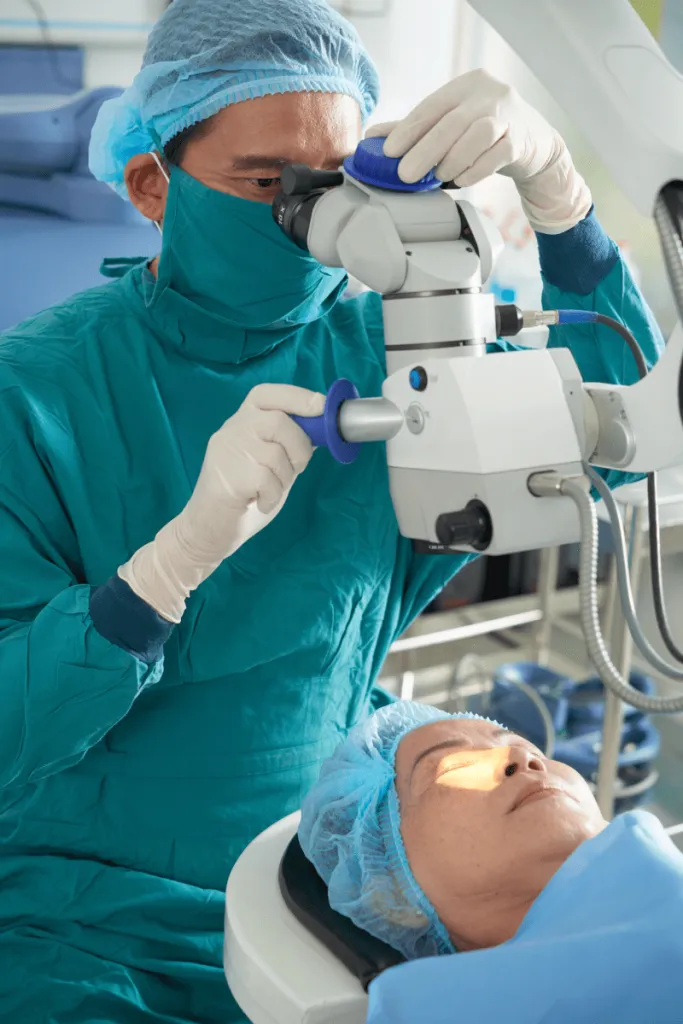
No-Touch laser is a procedure where no mechanical intervention is made to the eye, and it is performed only with light. Since no flap is lifted in this method, complications related to the flap are completely eliminated. It is a much safer option, especially for patients with thin corneas and athletes at risk of impact (boxers, soldiers). However, the healing process is slightly slower compared to LASIK, and there may be a feeling of pain for the first few days. In terms of safety, it is very successful in preserving long-term corneal stability.
What Are the Risk Differences Between LASIK and PRK Methods?
The fundamental difference between LASIK and PRK is the way the corneal tissue is accessed. LASIK offers the advantages of fast healing and less pain but carries flap risks. PRK, while appearing more invasive, preserves the corneal integrity more effectively. From a risk perspective, while the risk of infection is lower in LASIK operations, there is a risk of corneal haze in PRK operations. However, thanks to the medications used in modern surgery, the development of “haze” after PRK is now rare. Which method is less risky for you depends on your eye structure.
What Advantages Does SMILE Laser Technology Offer?
SMILE (Small Incision Lenticule Extraction) is the newest generation of laser surgery technology. Since it is performed through a small incision of only 2-4 millimeters, it causes very little damage to the corneal nerves, which greatly reduces the risk of post-operative dry eye. Furthermore, because no flap is created, there is no risk of flap displacement. SMILE is a comfortable and safe alternative, particularly for patients with high myopia and astigmatism. It stands out as one of the methods that protects the cornea the most in terms of biomechanical strength.
Who Should Avoid Having Eye Laser Surgery?
Certain systemic and ocular conditions constitute absolute contraindications for laser. Those with active autoimmune diseases such as rheumatoid arthritis or lupus, individuals with impaired wound healing, and pregnant women should avoid this surgery. Additionally, laser is not suitable for patients with cataracts or advanced keratoconus. In individuals who are blind in one eye or have very low vision potential, surgery is generally avoided by considering the surgical risk-benefit balance. The decision should always be made with a person-specific risk analysis.
Is Laser Surgery Risky for Diabetes Patients?
Diabetes is a condition that requires attention in eye surgery. Laser surgery is generally not recommended for people whose blood sugar levels are not under control and who have developed diabetic damage in the back of the eye (retina). This is because diabetes can delay corneal healing and increase the risk of infection. However, in diabetes patients whose blood sugar has been stable for a long time and who have no problems in the retina, the laser procedure can be performed with a doctor’s approval. The critical point here is the full screening of the effects of diabetes on the eye.
Can Laser Surgery Be Done During Pregnancy?
Hormonal changes in the body during pregnancy and breastfeeding can cause temporary fluctuations in eye prescriptions. Furthermore, medications that need to be used after surgery can pass to the baby. For these reasons, surgeons do not recommend laser surgery throughout pregnancy and until at least 3-6 months after the breastfeeding period has ended. Ensuring that vision is stable and hormones have returned to normal is of great importance to prevent the prescription from changing (no regression) after surgery.
Is Keratoconus Disease an Obstacle for Laser?
Keratoconus is a disease characterized by the progressive thinning and steepening of the cornea. Classic laser methods (LASIK, PRK) are strictly contraindicated for keratoconus patients; they cannot be performed because they can further weaken the corneal structure. However, in mild cases or situations where the disease has been halted, specialized laser techniques combined with Cross-Linking (CCL) treatment can be applied. Subjecting a patient with keratoconus to a standard laser surgery is vital to avoid, as it would increase the risk of ectasia to 100%.
How Does the Age Factor Affect the Success of Laser Surgery?
The ideal age range for laser surgery is usually between 18 and 45. In those younger than 18, prescriptions may change as eye development continues. After the age of 45, the near vision problem we call “presbyopia” begins. While the laser corrects distance vision, it may not completely eliminate the need for reading glasses. In patients over 40, options like smart lenses or multifocal lasers should be evaluated. Cataracts seen in old age are a sign that the laser should leave its place to cataract surgery.
Is Pain and Stinging Normal After Surgery?
It is completely normal to have a foreign body sensation, stinging, and mild pain in the eyes for the first few hours after surgery. This is a natural reaction of the eye to the laser’s effect on the cornea. While this process lasts a few hours in LASIK surgeries, it can continue for 2-3 days in No-Touch or PRK methods. Painkiller tablets and protective drops prescribed by your doctor help you manage this process. The intensity of the pain is usually at a tolerable level and decreases with each passing hour.
How Long Does Sensitivity to Light Last?
Photophobia or light sensitivity is an expected symptom in the early period after surgery. While the healing process on the eye surface continues, lights may disturb the eye more than normal. Usually, this situation largely passes by the end of the first week. Patients are recommended to wear high-quality UV-protected sunglasses when going out in the first days after surgery. This both protects the eye and increases the patient’s comfort by reducing light sensitivity. If sensitivity lasts for weeks, a doctor should be consulted for inflammation control.
Why Should Medication Use Not Be Neglected After Laser?
Half of the success of surgery is the surgery itself, while the other half is post-operative care. Antibiotic and steroid drops given by the doctor are critical for preventing infection and controlling the healing rate. Especially the dose of steroid drops must be reduced gradually as told by the doctor; stopping suddenly can trigger eye pressure or corneal edema with a “rebound” effect. Neglecting medications can lead to permanent corneal cloudiness (haze) or incomplete correction of prescriptions.
How Long Should One Wait to Play Sports and Return to Social Life?
Most patients can return to work and social life the day after LASIK surgery. However, some restrictions are of vital importance. Entering pools and the sea is forbidden for the first 2 weeks due to the risk of infection. Makeup materials should not be applied around the eyes for at least 1 week. While light sports that do not require contact can be started from the 3rd day, it is necessary to wait at least 1 month for sports with a risk of impact, such as football, basketball, or boxing. Protecting the eye is the key to a successful healing process.
Does Laser Surgery Prevent Cataract Surgery?
One of the misconceptions among the public is that those who have had laser surgery cannot have cataract surgery in the future. This is absolutely false. While laser is performed on the corneal layer, cataract surgery is performed on the lens layer inside the eye. A person who has had laser surgery can easily have cataract surgery when they get older. Only, the cataract surgeon should know that the person has had laser before when calculating the intraocular lens power before surgery. This information changes the formulas used in technological calculations for correct lens selection.
Is It Safe to Have a Second Laser Surgery?
If a prescription remains after the first surgery or if a small change occurs in the eye over the years, a second operation (enhancement) is possible. However, it is essential that the cornea is still of sufficient thickness and in a healthy structure for this. The surgeon decides whether a second procedure is safe by re-evaluating the corneal topography. Most of the time, perfect vision can be achieved with a small touch-up. However, if the cornea has thinned too much, contact lenses or glasses may be preferred instead of a second procedure for security reasons.
What Are the Success Rates of Eye Laser Surgery Worldwide?
Scientific studies show that the satisfaction rate of modern laser surgery is between 95% and 99%. This rate is higher than many common surgeries such as hip replacement or gallbladder surgery. The vast majority of patients state that their vision after surgery is better than or equal to what it was with glasses. The most important factors affecting success are the realism of the patient’s expectations, the experience of the surgeon, and the up-to-dateness of the laser technology used.
What Are the Long-Term Effects of the Surgery?
Laser surgery has a history of over 30 years, and long-term follow-ups have proven the procedure to be safe. No extra risk increase has been observed in those who have had the surgery in their old age. The most common situation encountered in the long term is the near vision disorder that occurs depending on age (presbyopia), which is a natural process that every person experiences independently of the laser. The laser does not disturb the anatomical structure of the eye; it only optimizes its refractivity.
How Should Doctor Selection Be Made for the Best Result?
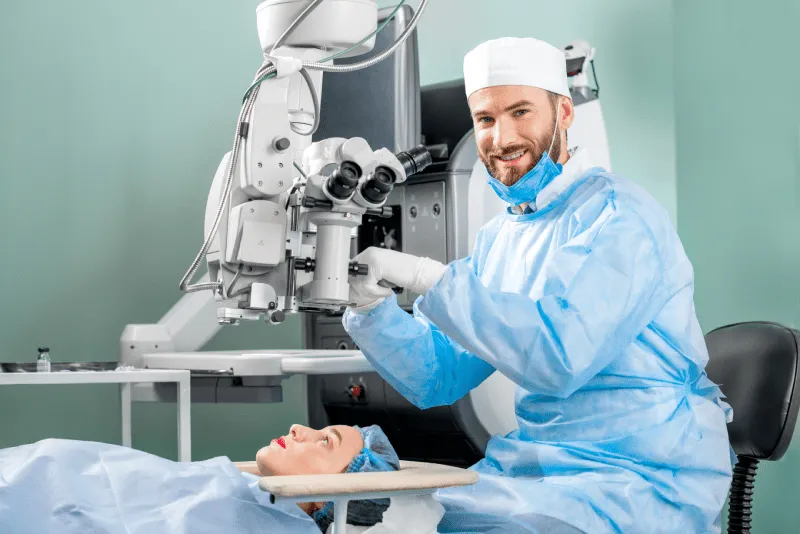
Your eyes are your most valuable organs, so choosing a doctor is a vital decision. Not only how many surgeries the expert surgeon has performed, but also their experience in managing complications is important. A good doctor is the one who not only operates on you but “the doctor who can say no to you if you are not suitable for laser.” Working with an expert who provides satisfactory answers to your questions during the examination, follows technology closely, and offers a personalized treatment plan will minimize your risks.
How Does Technological Infrastructure Increase Surgery Safety?
In laser surgery, technology is the greatest guarantee of safety. There are major differences in terms of margin of error between old-generation laser devices and new-generation devices. For example, “iris recognition” systems prevent the laser from firing at the wrong eye or the wrong axis. “Aspheric treatment” profiles preserve night vision quality. The technological investment of the clinic is a direct reflection of your vision quality. Having surgery in a center equipped with the latest devices is the smartest investment that minimizes the possibility of side effects.
How Is a Safe Treatment Process Planned with Cure Holiday?
If you want to reduce the risks in eye laser surgery to a level close to zero, Cure Holiday offers you a world-class health tourism experience. Every detail of your treatment process is meticulously planned from beginning to end. Cure Holiday ensures that its patients are treated with the safest and most effective methods by cooperating only with clinics that have the most advanced technology. From digital check-up processes before surgery to online follow-up systems after surgery, everything is designed for your safety and comfort.
Why Should You Trust the Expert Staff of Cure Holiday?
Cure Holiday houses experienced ophthalmologists who are experts in their fields and have performed thousands of successful surgical cases. Our expert staff considers each patient’s eye structure to be as unique as a fingerprint and creates personalized treatment maps. With our approach that does not compromise on medical ethical rules, no case that poses a risk is accepted for operation. We promise you not just a surgery, but a safe recovery journey. Our experience is the strongest guarantee of your clear vision.
Are You Ready to Open a New Page in Your Eye Health with Cure Holiday?
Do not let your visual impairments restrict your life. Cure Holiday aims to liberate you from your glasses by using all the possibilities of modern medicine. We overcome your fear of surgery with scientific data and our transparent communication. It is no longer a dream to have a treatment process in the comfort of a holiday in the best hospitals in Turkey. This new page you will start with Cure Holiday will allow you to see the world with all its colors and clarity as soon as you wake up in the morning.
What Should You Do to Achieve the Vision of Your Dreams with Cure Holiday?
All you need to do to take action is to contact Cure Holiday experts. You can get general information about your eye structure with our free pre-evaluation process and have your personalized risk analysis done. While our professional consultants organize your transportation, accommodation, and treatment plan within seconds, all that remains for you is to enjoy this change. Cure Holiday is with you to increase your life quality and look at the world with brighter eyes. Contact us today and start the change!
Free Consultation
Fill out the form below to get your free medical travel plan and price quote.
Sources and how to verify this yourself
- Ministry of Health, Regulation on International Health Tourism and Tourist Health, Official Gazette 26 April 2025, No. 32882 — authorisation requirement for facilities and intermediaries, TÜSKA accreditation, compulsory complication insurance (deadline 31 December 2025 for insurance, 31 December 2026 for accreditation). source
- Ministry of Health, Regulation on Promotion and Information Activities in Health Services, Official Gazette 12 November 2025, No. 33075 — treatment promises and guarantees are prohibited; price and campaign announcements are permitted only within international health tourism. source