Polycystic Ovary Syndrome (PCOS) is one of the most common hormonal disorders affecting millions of women worldwide and is a leading cause of reproductive challenges. This condition not only leads to hormonal imbalances but can also make it difficult to conceive due to irregular menstrual cycles and ovulation problems. However, modern medicine, particularly In Vitro Fertilization (IVF) technologies, opens promising doors for women diagnosed with PCOS. In this guide, we will examine in detail all the steps, medical processes, and strategic approaches required for women living with PCOS to achieve their dreams of becoming mothers.
What Is Polycystic Ovary Syndrome and How Does It Affect Fertility?
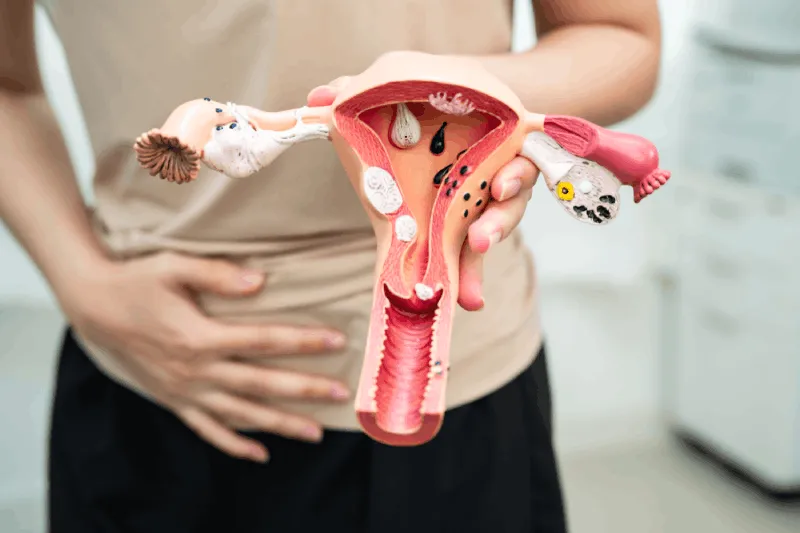
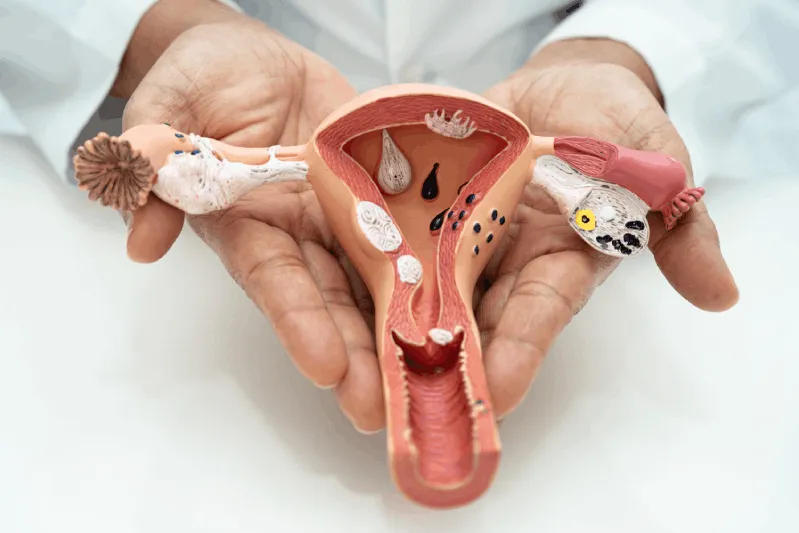
Polycystic Ovary Syndrome (PCOS) is a complex condition characterized by higher-than-normal levels of androgens (male hormones) in the female body and the accumulation of follicles seen as small cysts in the ovaries. Its primary effect on fertility is the prevention of regular ovulation. In a normal cycle, an egg matures and is released every month, whereas in PCOS, eggs cannot mature and remain at the follicle stage. This means that a viable egg cannot be found for sperm to fertilize, which is the primary cause of infertility in these cases.
What Are the Symptoms of PCOS and What Changes in the Body?
PCOS symptoms can vary greatly from woman to woman. The most common symptoms include irregular or absent menstrual periods, excessive hair growth (hirsutism), acne problems, hair loss, and weight gain. Changes also occur in the body’s metabolic structure, with insulin resistance often at the center of this process. High insulin levels trigger the ovaries to produce more androgens, causing symptoms to enter a vicious cycle. These physical changes affect not only outward appearance but also emotional health and reproductive potential directly.
According to Which Criteria Is a PCOS Diagnosis Made?
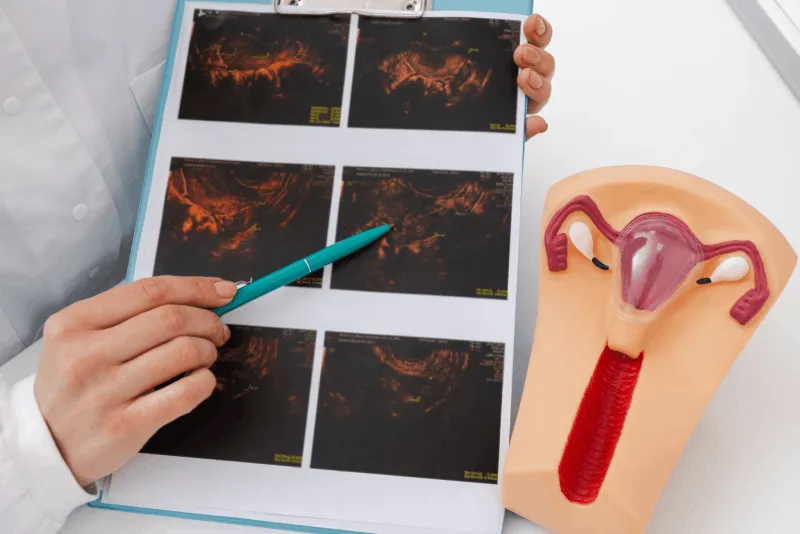
In modern medicine, a PCOS diagnosis is generally made using a standard called the “Rotterdam Criteria.” For a woman to be diagnosed with PCOS, at least two of the following three criteria must be present: irregular periods or lack of ovulation (oligo/anovulation), clinical or biochemical signs of hyperandrogenism (excessive hair growth or high androgens in the blood), and the appearance of polycystic ovaries on an ultrasound. Your doctor will also perform comprehensive blood tests and physical examinations to rule out other hormonal disorders and confirm the diagnosis.
Is It Possible to Get Pregnant Naturally with PCOS?
Being diagnosed with PCOS never means that natural pregnancy is impossible. Many women can regain regular ovulation by balancing their hormones through lifestyle changes and weight control. If menstrual cycles have not completely stopped and the condition is in a mild form, there is a chance of success with the timed intercourse method. However, if ovulation is not regular or if other factors (sperm quality, the condition of the tubes) complicate the process, medical intervention becomes inevitable. The important thing is to read the signals the body gives correctly and consult an expert.
Why Is the Link Between PCOS and Infertility So Strong?
The strong link between infertility and PCOS is based on the cessation of ovulation due to disrupted hormonal balance. The delicate balance between LH (Luteinizing Hormone) and FSH (Follicle Stimulating Hormone) is disrupted in PCOS, which stops the development of follicles. Additionally, the irregular preparation of the endometrium (the inner lining of the uterus) due to irregular periods can pose an obstacle to embryo implantation. However, this link is not unsolvable. Today, a large portion of infertility treatments result in very high success rates for PCOS patients.
Why Does Insulin Resistance Play a Critical Role in PCOS?
Insulin resistance is a central problem that can be both a cause and a result of PCOS. When body cells show resistance to insulin, the pancreas secretes more insulin. High insulin levels stimulate the theca cells in the ovaries, leading to excessive testosterone production. This situation both disrupts the ovulation process and triggers metabolic issues like abdominal fat. Managing insulin resistance not only increases the chance of conceiving but also reduces the risk of complications that may occur during pregnancy.
What Are the Lifestyle Changes Recommended for PCOS?
The first and most effective step in PCOS management is often lifestyle modification. This includes regular sleep, stress management, and a balanced life. Stress can deepen hormonal imbalance by increasing cortisol levels; therefore, activities like yoga or meditation are recommended. Additionally, ending smoking and alcohol consumption is of vital importance for improving reproductive health. Small but sustainable changes can dramatically improve the body’s response to treatment and allow for lower medication dosages.
How Do Diet and Nutrition Play a Role in PCOS Management?
Diet is considered the “golden key” to PCOS treatment. Consuming low-glycemic index foods (whole grains, legumes, fibrous vegetables) prevents insulin fluctuations and balances hormones. Avoiding processed sugar and refined carbohydrates plays a key role in regaining ovarian function. Furthermore, adding healthy fats (omega-3, olive oil) and sufficient protein to the diet supports egg quality. Losing just 5% to 10% of body weight can cause ovulation to start spontaneously in many women.
Does Exercise Support Ovulation in PCOS Patients?
Yes, exercise is an indispensable element in managing PCOS. Physical activity allows muscles to use insulin more effectively, lowering blood sugar and reducing androgen levels. It is recommended to engage in at least 150 minutes of moderate-intensity cardio or resistance exercises per week. Exercise not only helps with weight loss but also ensures the release of endorphins that improve mood, thereby reducing stress during the treatment process. It has been observed that resistance to medications used during IVF decreases in PCOS patients who move regularly.
Is IVF Treatment Suitable for PCOS Patients?
In Vitro Fertilization (IVF) treatment is one of the methods offering the highest chance of success for PCOS patients. Especially when results cannot be obtained from simpler methods like ovulation induction with medication or intrauterine insemination (IUI), IVF is an ideal solution. The fact that women with PCOS generally have high ovarian reserves allows for a large number of eggs to be collected during the IVF process. This increases the chance of obtaining more embryos in a laboratory environment and selecting the highest quality one. Therefore, PCOS is not an obstacle for IVF but can be turned into a strategic advantage.
What Is the Success Rate of IVF in Women with PCOS?
Generally, IVF success rates in women with PCOS are quite high. In many cases, if the age factor is also favorable, the chance of success can be higher than in patients without PCOS. The main reason for this is the abundance of eggs. However, a high number of eggs does not always mean high quality. Thanks to modern laboratory techniques and personalized protocols, live birth rates in PCOS patients can reach the 50-70% range globally. The most important factors determining success are clinical experience and the patient’s general health status.
How Does the Pre-IVF Preparation Process Work?
The preparation process is at least as important as the treatment itself for a successful result. At this stage, your doctor will evaluate your hormone levels (AMH, FSH, Estradiol, etc.) and uterine structure in detail. If insulin resistance exists, metabolism can be regulated with medications like Metformin. Additionally, folic acid and multivitamin supplements started at least 3 months in advance are used to improve egg quality. Approaching an ideal weight and optimizing dietary habits during this process ensures that the ovaries respond more healthily to stimulation once treatment begins.
How Is Ovarian Stimulation Performed for PCOS?
Ovarian stimulation in the IVF process involves using hormone injections to encourage the ovaries to produce more eggs. In PCOS patients, this process must be managed very carefully because the ovaries of these women are prone to “over-responding” to medications. Usually, a method called the “Antagonist Protocol” is preferred. This protocol keeps the process shorter and reduces the risk of overstimulation. The doctor monitors the developing follicles every few days with ultrasound and blood tests, adjusting medication doses daily.
Why Is the Risk of OHSS Higher in PCOS Patients?
Ovarian Hyperstimulation Syndrome (OHSS) is a condition where the ovaries overreact to stimulation. Since the ovarian reserve is very high in PCOS patients, many follicles start growing at the same time during stimulation. This can increase vascular permeability, leading to fluid accumulation in the body. While mild cases involve bloating and abdominal pain, severe cases can lead to serious complications. Because of this risk, the stimulation process in PCOS patients should be conducted with lower doses and closer monitoring.
What Methods Are Used to Prevent OHSS?
In modern IVF applications, the risk of OHSS can be almost entirely controlled. One of the most effective methods is the “Freeze-All” strategy. After the egg collection process, the obtained embryos are frozen, and the transfer is postponed to a later month to allow the uterus to rest. This allows the body’s hormone levels to return to normal, eliminating the risk of OHSS. Additionally, using a GnRH analog (Dual trigger or agonist trigger) instead of hCG during the egg-triggering phase is a revolutionary development in minimizing risk.
How Can Egg Quality Be Improved in PCOS Patients?
Even if the egg count is high, chronic inflammation and high androgen levels in women with PCOS can sometimes negatively affect egg quality. Supplements such as inositol (especially Myo-inositol), CoQ10, melatonin, and omega-3 are scientifically supported to improve quality. Furthermore, avoiding cigarette smoke, reducing toxin exposure, and getting quality sleep support cell regeneration. The 3-6 month preparation period before treatment is a critical window for egg cells to possess the best genetic material during the maturation stage.
Is the Embryo Transfer Process Different in PCOS?
The embryo transfer procedure is technically the same in PCOS patients; however, the timing may change strategically. If the patient’s hormone levels (especially progesterone) are too high on the day of collection, the receptive capacity of the uterus may decrease. For this reason, Frozen Embryo Transfer (FET) often yields more successful results in PCOS patients. During the transfer, the embryo is placed into the uterus with a thin catheter under ultrasound guidance. This procedure is painless and takes only a few minutes, but its success depends on the preparation and laboratory quality behind it.
Why Is Frozen Embryo Transfer Preferred in PCOS?
Frozen Embryo Transfer (FET) has become the “gold standard” in PCOS for both safety and success. In a fresh transfer, because the body is exposed to high doses of stimulation medication, the lining of the uterus (endometrium) may sometimes not be ready to accept the embryo. In the FET method, the uterus is prepared for the most ideal period with natural or light hormonal support. This “uterine resting” process increases the chance of the embryo attaching, while studies have shown that risks like preeclampsia after pregnancy are also lower.
Is There a Relationship Between PCOS and Pregnancy Loss?
It is reported that the risk of pregnancy loss (miscarriage) is slightly higher in PCOS patients compared to the general population. Reasons for this may include factors like high LH levels, insulin resistance, and progesterone deficiency. However, the IVF process offers excellent tools to manage these risks. For example, only healthy embryos can be selected with Preimplantation Genetic Testing (PGT). Additionally, hormonal supports given after pregnancy (progesterone supplementation) and keeping blood sugar under control largely guarantee the healthy continuation of the pregnancy.
Does Metformin Use Affect the IVF Process?
Metformin is actually a diabetes medication but is widely used in the treatment of PCOS. It helps lower androgens and improve ovulation cycles by increasing insulin sensitivity. Metformin use during the IVF process can reduce the risk of OHSS, especially in patients with insulin resistance, and make the ovaries’ response to stimulation more stable. Some studies also suggest that Metformin use can increase pregnancy rates. However, the dosage and duration of use of this medication must be determined by an expert doctor.
Which Vitamins Should PCOS Patients Use?
Vitamin protocols formulated specifically for women with PCOS can increase success. Myo-inositol and D-chiro-inositol mixtures are the most popular supplements for improving insulin sensitivity and egg quality. Since Vitamin D deficiency can exacerbate PCOS symptoms, supplementation is essential. Additionally, micronutrients like folic acid, B12, magnesium, and selenium support hormonal balance. It should not be forgotten that supplements do not create a miracle on their own, but they bring the body to its best condition when combined with a healthy diet and correct medical treatment.
How Are Medication Doses Adjusted in IVF Treatment?
Adjusting the medication dose in PCOS patients is an art. A standard dose can lead to the growth of hundreds of follicles and risky situations in a patient with PCOS. Therefore, a “low-dose, slow-start” (Low-dose step-up) protocol is frequently applied. Treatment begins with very low units of hormones, and doses are increased millimetrically according to the ovaries’ reaction. This delicate balancing aims to obtain a sufficient number of high-quality eggs without being excessive. An experienced embryologist and IVF specialist play a critical role at this stage.
Is Psychological Support Necessary in PCOS and IVF Treatment?
The journey of infertility is a stressful process in itself, and the hormonal fluctuations brought by PCOS can fuel this stress. Symptoms of anxiety and depression can be more common in women with PCOS. Receiving psychological support or counseling increases resilience during the treatment process. It is known that stress hormones (adrenaline, cortisol) suppress the reproductive system; therefore, a relaxed state of mind also positively affects the physiological success of the treatment. Not feeling alone and walking through the process with professional guidance will seal your success.
What Is the Relationship Between Ovarian Reserve and PCOS?
PCOS patients generally have a very high ovarian reserve. Anti-Müllerian Hormone (AMH) levels are much higher than normal. This means that the age of menopause may be later than in women without PCOS. However, while the “polikystic” appearance says there are many eggs waiting inside the ovaries, it means these eggs are not released regularly. In IVF treatment, this high reserve, when managed correctly, is a huge reservoir and allows for multiple transfer attempts from a single egg collection process.
Are Genetic Tests Recommended for PCOS and IVF?
While PCOS is not directly a single genetic disorder, it shows a familial tendency. During the IVF process, especially if there are recurrent miscarriages or advanced maternal age, performing PGT (Preimplantation Genetic Screening) on embryos may be recommended. This test checks whether embryos are chromosomally normal. Since a high number of embryos can be obtained in PCOS patients, the PGT test offers a great opportunity to select the healthiest one among them and shorten the time to pregnancy. Thus, the chance of having a healthy baby is maximized.
Is Acupuncture Beneficial in PCOS Treatment?
Acupuncture has gained popularity in recent years as an auxiliary method for infertility treatments. Some research indicates that acupuncture can increase blood flow to the pelvic region, lower stress levels, and support hormonal balance. There are findings suggesting it helps in managing insulin resistance and regulating menstrual cycles in PCOS patients. Sessions conducted before and after embryo transfer add emotional comfort to the process by ensuring the patient’s relaxation. While it does not replace medical treatment, it can be part of a holistic approach.
Does Stress Management Increase the Chance of Pregnancy?
The relationship between stress and fertility is a scientific fact. Chronic stress can affect the hypothalamus region of the brain, disrupting the release of hormones that provide ovulation. For PCOS patients, as the treatment process can be full of uncertainties, stress management is of vital importance. Sufficient rest, engaging in hobbies, and working with expert teams where you can take control of the process will reduce your stress. When the body exits “fight or flight” mode and enters “safe and ready” mode, a more suitable ground is formed for embryo implantation and a healthy pregnancy.
What Should Be Done to Have a Healthy Pregnancy with PCOS?
Once PCOS patients become pregnant, they should have their pregnancies monitored a bit more closely. The risk of gestational diabetes (pregnancy sugar) and high blood pressure is slightly higher in PCOS. However, with regular doctor check-ups, healthy nutrition, and light walks, these risks can be entirely managed. A diet program that keeps blood sugar under control and, if necessary, the continued use of Metformin with expert approval is the key to a healthy process. The vast majority of mothers with PCOS carry out completely healthy and normal births with the right follow-up.
What Is the Difference Between Ovulation Induction and IVF?
Ovulation induction involves stimulating the ovaries usually with pills (Clomid, Letrozole) or injections and expecting a natural pregnancy through timed intercourse at home. This method is less costly and simpler but difficult to control (such as the risk of multiple pregnancies). In Vitro Fertilization (IVF), on the other hand, is the process where eggs are taken out of the body, fertilized in a laboratory, and then placed into the uterus. IVF is a much more definitive solution with a higher success rate, especially in cases where ovulation induction failed, tubes are blocked, or sperm quality is low.
Does Natural Pregnancy Occur After PCOS Treatment?
Many women notice that their body’s hormonal system “resets” after they have a child through IVF or other treatments. The process of pregnancy and breastfeeding can sometimes temporarily or permanently fix the hormonal balance of PCOS. Therefore, some PCOS patients who have their first child through treatment may become pregnant naturally with their second child. Always listening to the body and checking hormone levels regularly ensures you are prepared for these surprises. Maintaining a healthy lifestyle will increase this chance.
Which Technologies Are Used in PCOS and IVF Treatment?
Modern clinics offer many specialized technologies for PCOS patients. With “Time-Lapse” (Embryoscope) cameras, the growth of embryos is monitored 24/7 without being removed from the incubator. “Laser Assisted Hatching” can facilitate the attachment of the embryo to the uterus. Additionally, advanced freezing techniques (Vitrification) ensure that embryos are stored with almost zero damage. Artificial intelligence-supported embryo selection algorithms are also opening new horizons in determining the embryo with the highest pregnancy potential. All these technologies minimize uncertainties in the PCOS journey.
Why Does Cure Holiday Make a Difference in PCOS Treatment?
Cure Holiday is a world-class platform specialized in the field of PCOS and infertility, offering patients not just a medical procedure but a holistic healing experience. We work with teams that understand the complex nature of PCOS and prepare personalized “tailor-made” treatment protocols for each patient. Thanks to our modern laboratory infrastructure and personalized approach, we turn the dream of becoming a mother into a reality for many of our patients who have not received results at other clinics. For us, every patient is unique, and the key to treatment success is producing solutions suitable for that uniqueness.
How Is the IVF Process Planned with Cure Holiday?
Your journey with Cure Holiday begins with a free initial consultation where our experts meticulously review your medical history. All your reports are evaluated without you having to leave your home, and a special roadmap is created for you. Throughout the treatment, every detail from accommodation to transfers, from language support to professional consultancy is organized by Cure Holiday. While you focus only on your own health and this beautiful process, we manage all logistics and medical processes in the background with the highest quality. With us, every step is planned, safe, and full of peace.
What Are the Advantages of Choosing Cure Holiday?
The biggest advantage of choosing Cure Holiday is its combination of high success rates with a stress-free and luxurious service approach. We offer the latest IVF technologies (PGT-A, Microchip, Vitrification) at affordable costs and without waiting lists. For PCOS patients, our expert staff, who are experts in the most critical “correct medication dosage and follow-up,” aim for maximum egg quality while keeping the OHSS risk close to zero. Additionally, by ensuring you spend your treatment process in the comfort of a holiday, we eliminate the negative effects of stress and support your fertility with positive energy.
How to Start the Journey to Motherhood with Cure Holiday?
If you are struggling with PCOS and have to postpone your dreams of starting a family, today is the right time to take that big step. You can schedule a meeting with an expert immediately by reaching out to us through our Cure Holiday website or our contact numbers. Let us determine the most suitable treatment timing for you, answer all your questions, and start this exciting process together. Remember, PCOS is not an end; it is the threshold of a great beginning when managed with the right method. As the Cure Holiday family, we are by your side to help you meet the baby of your dreams.
Free Consultation
Fill out the form below to get your free medical travel plan and price quote.
Sources and how to verify this yourself
- HFEA (UK regulator), Fertility treatment 2024: trends and figures — average birth rate 30% per embryo transferred with the patient’s own eggs; 38% at ages 18–34 and 8% at 43–44. source
- Ministry of Health, Regulation on Assisted Reproductive Treatment Practices and Centres (ÜYTE), Official Gazette 30 September 2014 — treatment is limited to married couples using their own gametes; donor eggs, donor sperm, donor embryos and surrogacy are not permitted in Türkiye. source
- Ministry of Health, Regulation on International Health Tourism and Tourist Health, Official Gazette 26 April 2025, No. 32882 — authorisation requirement for facilities and intermediaries, TÜSKA accreditation, compulsory complication insurance (deadline 31 December 2025 for insurance, 31 December 2026 for accreditation). source
- Ministry of Health, Regulation on Promotion and Information Activities in Health Services, Official Gazette 12 November 2025, No. 33075 — treatment promises and guarantees are prohibited; price and campaign announcements are permitted only within international health tourism. source