What Exactly Is Eye Laser Surgery?
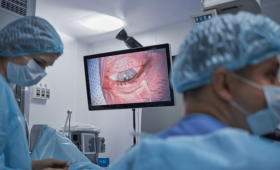
Eye laser surgery, known in medical literature as refractive surgery, is a procedure that reshapes the cornea—the eye’s outermost clear layer. The primary goal of this operation is to allow light to focus correctly onto the retina, permanently correcting refractive errors such as myopia (nearsightedness), hyperopia (farsightedness), and astigmatism. While LASIK is the most common method used today, different techniques like PRK, LASEK, or No-Touch (Trans-PRK) may be preferred depending on the patient’s unique eye structure. The surgery is performed using high-tech Excimer laser devices and is typically completed in a very short duration, usually taking only 10 to 15 minutes for both eyes.
Who Is A Suitable Candidate For Laser Eye Surgery?
To undergo laser eye surgery, certain medical criteria must be met. First, the patient must be at least 18 years old, and their eye prescription should not have shown any significant changes within the last year. The suitability of the eye structure, particularly the corneal thickness and surface curvature, is determined through a detailed preliminary examination. Individuals who do not have chronic conditions like diabetes, rheumatic diseases, or severe dry eye, and whose overall health is stable, are ideal candidates. An expert ophthalmologist will decide on the most appropriate method for you based on the results of topography and pachymetry tests.
Is Pain Felt During The LASIK Procedure?
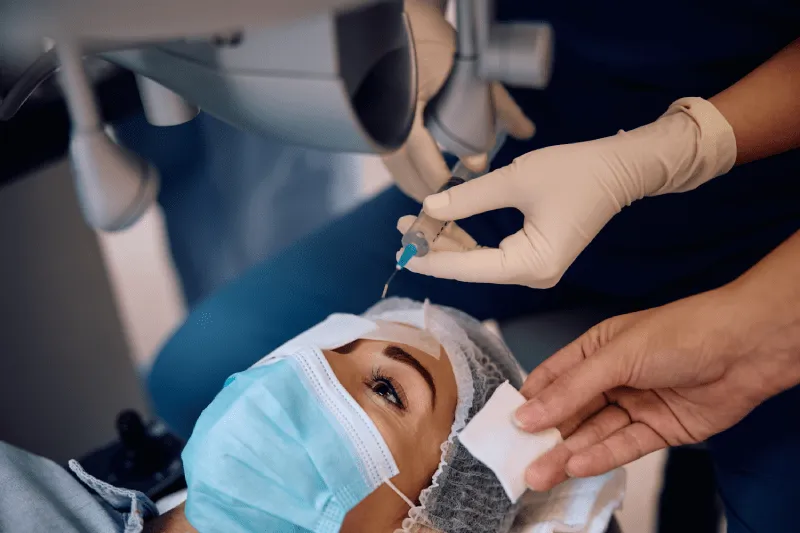
The fear of pain, which is the biggest concern for most patients, has been completely eliminated thanks to modern anesthesia techniques. Just before the surgery begins, numbing drops are applied to the eye, preventing any pain or discomfort throughout the operation. During the procedure, you might only perceive a slight sensation of pressure or a vacuum-like feeling on the eye, but this is certainly not a sharp pain. After the procedure is finished and the effect of the anesthesia wears off, a sensation of stinging or watering for a few hours is considered normal. This situation is generally easily managed with the prescribed soothing drops.
What Preparations Are Made Before The Surgery?
Once the decision for surgery is made, the preparation process is quite simple but requires diligence. If you use contact lenses, you will be asked to stop wearing soft lenses at least one week before and hard lenses three weeks before to allow the cornea to return to its natural shape. On the day of the surgery, no eye makeup should be applied, and scented products like perfumes or lotions should be avoided. Additionally, there is no harm in having a light meal on the day of the operation. It is highly recommended to have sunglasses with you, as you will experience sensitivity to light following the procedure. These preparations are critical for increasing the success of the operation and minimizing the risk of infection.
How Many Minutes Does Laser Eye Surgery Take?
Laser eye surgery is a surprisingly fast procedure for patients. The preparation process, including the sterilization of the eye and positioning, takes some time, but the actual laser application duration is measured in seconds for each eye. In total, the time a patient spends in the operating room is generally between 10 and 15 minutes. The phase where the laser device reshapes the cornea typically lasts between 20 to 40 seconds, depending on the magnitude of the prescription being corrected. This speed both enhances patient comfort and speeds up the healing process by reducing the tissue’s exposure time to air.
Is A Needle Used For Anesthesia?
In eye laser surgeries, general anesthesia or local anesthesia methods involving needles are almost never used. The surgery is performed entirely through the “topical anesthesia” method, which involves using drops. A few drops of medication applied to the eye numb the cornea within seconds, making the entire operation comfortable. This method allows the patient to communicate with the doctor and follow instructions during the surgery. Being a needle-free procedure eliminates the risk of bleeding and helps patients feel much more comfortable psychologically. At the end of the operation, the effect of the anesthesia gradually disappears within about 30 to 45 minutes.
What Happens If I Blink My Eyes During Surgery?
Many patients worry about reflexively blinking their eyes and disrupting the procedure. However, modern surgical equipment is designed to make this situation completely impossible. During the surgery, your eyelids are held open with the help of a small and gentle apparatus called a “blepharostat.” Thanks to this device, you cannot close your eye even if you wanted to. Additionally, “eye-tracker” technology found in advanced laser systems monitors even the microscopic movements of your eye hundreds of times per second. If your eye moves outside the designated boundary, the laser stops automatically and resumes exactly where it left off once the correct position is regained.
How Does Excimer Laser Technology Work?
The Excimer laser is a cold ultraviolet light beam obtained from a mixture of argon and fluoride gases. The most significant feature of this laser is its ability to remove microscopic layers from the cornea by breaking molecular bonds without burning the tissue or damaging surrounding areas. This computer-controlled system follows a pre-programmed map to change the refractive power of the cornea. In myopia, it flattens the center of the cornea; in hyperopia, it steepens it; and in astigmatism, it regularizes the asymmetrical surface. This precise reshaping process helps achieve clear vision by ensuring light falls exactly on the visual center of the retina.
What Are The Differences Between LASIK And No-Touch Laser?
The primary difference between LASIK and No-Touch (Trans-PRK) methods lies in how the laser reaches the cornea. In the LASIK method, a thin flap is lifted from the upper surface of the cornea, and the laser is applied to the underlying layer; the flap is then closed back. This method offers very fast recovery and minimal pain. In the No-Touch method, no device touches the eye; the laser starts directly from the outer surface and passes through the epithelial tissue as well. No-Touch is generally preferred for patients with thin corneas. While clear vision begins the next day with LASIK, the recovery process in No-Touch can take a few days, and a slight stinging sensation is more prominent during the first 48 hours.
What Is The SMILE Laser Method?
SMILE (Small Incision Lenticule Extraction) is the latest and most minimally invasive technology in laser surgery. In this method, a large flap is not lifted as in LASIK, nor is the outer surface completely removed as in No-Touch. A small disc called a “lenticule” is created inside the cornea using a femtosecond laser, and this disc is removed through a tiny 2-millimeter incision. Because it is a flapless surgery, the biomechanical structure of the eye is much better preserved, and the risk of severe dry eye after surgery is minimized. Smile laser offers revolutionary comfort, especially for high myopia and astigmatism patients, as well as those who engage in active sports.
What Is Experienced In The First Hours After Surgery?
Immediately after the operation, your vision will typically be slightly blurry, as if you were “underwater.” As the effect of the anesthesia begins to wear off, you may experience burning, stinging, watering, and extreme sensitivity to light in your eyes. This is a completely normal and temporary reaction of the body to the surgical procedure. It is very important to use the protective drops recommended by your doctor and absolutely avoid rubbing your eyes. Generally, patients are advised to go home and sleep in a dark room for a few hours. When you wake up, you will notice that the stinging sensation has largely diminished and your vision has started to clear up.
How Long Does The Recovery Process After Eye Surgery Take?
Clinical recovery after eye laser surgery is quite rapid, but full stabilization takes time. In the LASIK method, 90% of patients can return to their normal daily activities and see clearly enough to drive the next day. Tissue healing is largely completed within the first week. However, it may take 1 to 3 months for the eye prescription to fully settle and for slight halos in night vision to disappear. During this period, the use of protective drops directly affects the speed of recovery. In surface treatments like No-Touch, reaching full clarity may take 2 to 4 weeks; therefore, it is necessary to be patient and not miss doctor follow-ups.
When Can I Return To Work After Surgery?
The time to return to work depends on the method used and your working environment. A person who has undergone LASIK or Smile laser can usually return to work 24 to 48 hours after the operation if they work in an office environment. However, those working at a computer are recommended to apply artificial tear drops frequently and take short breaks every hour to prevent dry eye. For those working in jobs involving dust, dirt, or risk of physical impact, it is safer to rest for at least a week. Patients who have undergone No-Touch laser may find it more comfortable to wait 4-5 days before returning to work, as their visual acuity increases more slowly.
Does Dry Eye Occur After Laser Surgery?
Dry eye is one of the most common temporary side effects encountered after laser operations. Because the nerve endings in the cornea temporarily lose their sensitivity during the laser procedure, the eye may have difficulty perceiving the amount of tears it needs. This condition is usually prominent during the first few months after surgery and is easily managed with regular use of artificial tears. In most patients, dry eye completely resolves within 3 to 6 months as the nerve endings return to their former function. SMILE laser technology stands out as the method that minimizes this risk because it does not involve a flap incision. If you have severe dryness before surgery, your doctor will treat this condition beforehand.
Is Light Sensitivity Normal After The Operation?
Experiencing sensitivity to light (photophobia) in the first few days following the operation is a highly expected situation. Since the cornea has been reshaped and the epithelial tissue is in the healing phase, the eyes may react to bright light. It is normal to see halos or starbursts around headlights, especially during night driving in the first few weeks. This situation will improve on its own as the edema in the cornea decreases and the brain adapts to the new quality of vision. Using high-quality sunglasses when going outside both increases your comfort and supports healing by protecting your eyes from harmful UV rays.
Is Eye Laser Surgery A Permanent Solution?
Yes, the changes made to the cornea with laser eye surgery are permanent. The laser physically alters the refractive power of the cornea, and the removed tissue does not grow back. However, since the human eye is a living organ, age-related changes can continue. For example, “presbyopia” (age-related near vision loss) that naturally begins in everyone after the age of 45 does not affect your distance vision corrected by the laser but may create a need for reading glasses. In rare cases (1-3%), a small portion of the eye prescription may return; this is usually seen in patients with very high prescriptions and can be corrected with a second laser (enhancement) if the corneal structure is suitable.
Can Laser Surgery Be Performed A Second Time?
If a return of the eye prescription occurs years after the first surgery or if the desired clarity is not fully achieved, the possibility of a second operation (touch-up) can be evaluated. The most important criterion for this is that the cornea must still be of sufficient thickness. Your doctor will decide whether a second laser can be performed by looking at the method used in the first surgery and the biomechanical resistance of the cornea. Generally, in patients who have had LASIK, a correction can be made by lifting the existing flap or applying a different method. However, for most patients, a single operation is sufficient to provide lifelong visual clarity.
Who Cannot Undergo Laser Eye Surgery?
Certain medical conditions may pose an obstacle to laser surgery. Those with keratoconus (thinning and bulging of the cornea), advanced glaucoma (eye pressure), or active eye infections are not suitable for laser. Additionally, uncontrolled diabetes, immune system diseases, and pregnancy or breastfeeding periods are contraindications for the operation. Since hormonal changes during pregnancy can temporarily affect the eye prescription, the surgery should be postponed until after childbirth and the completion of the breastfeeding process. Laser is also not recommended for individuals whose corneal thickness is below the safe limits; for these patients, alternative methods like “smart lenses” or ICL are considered.
What Is The Best Age Range To Get Rid Of Glasses?
The ideal age range for laser surgery is generally between 20 and 40 years old. While 18 is a lower limit, the stabilization of the eye prescription usually occurs in the early 20s. After the age of 40, the eye’s ability to accommodate begins to decrease, and near vision problems come into play. For this reason, even if distance vision is corrected in patients over 40, the need for reading glasses may continue. However, today, both distance and near vision problems can be successfully treated in patients over 40 using techniques like “presbyLASIK” or “monovision.” The important factor is that the prescription is stable and the eye structure remains healthy.
Why Is Corneal Thickness So Important?
Corneal thickness is the most critical parameter for the safety of laser eye surgery. Since the laser process is performed by shaving tissue from the cornea at a microscopic level, the remaining tissue must be strong enough to withstand intraocular pressure once the procedure is finished. If the cornea is too thin and laser is applied to it, the structure of the cornea may weaken, leading to a serious condition called “ectasia” that causes severe vision problems. Therefore, corneal thickness is measured with a precision of one-thousandth of a millimeter (micron) using pachymetry measurements before surgery. Patients below the safe limits are recommended tissue-saving or non-laser methods instead of laser.
Does Astigmatism Disappear Completely With Laser?
There is a misconception among the public that astigmatism cannot be corrected with laser. On the contrary, modern Excimer laser devices are highly successful in treating astigmatism. Astigmatism occurs when the cornea is asymmetrical, like an American football instead of a perfect sphere. The laser maps this asymmetry with the help of a computer (topolaser) and makes the irregular surface smooth. Today, astigmatism up to 6 diopters can be safely eliminated. The success rate after the operation is as high as in myopic patients, and following the procedure, patients are completely freed from the shadowed and distorted vision caused by astigmatism.
What Are The Risks Of Laser Surgery?
As with any surgical procedure, laser eye surgery carries some risks, but these have been reduced to below 1% with modern technology. The most common risks include temporary dry eye, halos in night vision, and slight light sensitivity. The risk of infection is extremely rare thanks to sterile conditions and antibiotic drops used after surgery. In the LASIK method, “flap complications” (the flap not opening completely or shifting) can occur, but the use of bladeless laser (Femto-LASIK) has virtually eliminated this risk. With correct patient selection and an experienced surgeon, all of these risks can be minimized and successfully managed.
Can Sports Be Done After The Surgery?
The process of returning to sports activities varies depending on the type of sport you do. There is no obstacle to taking light walks in the first few days after the operation. However, intense cardio and weight training should be avoided for about a week to prevent sweat from getting into the eye and to avoid the reflex of rubbing the eye. For sports that require contact (such as boxing, karate, basketball) and carry a risk of physical impact to the eye, one should wait at least one month. If you had LASIK, this period is critical so that the flap does not move out of place. Water sports like swimming should be postponed for at least 2-3 weeks due to the risk of infection.
When Can Makeup Be Applied After Eye Reshaping?
Eye makeup should be restricted for a while due to the risk of infection after surgery and the possibility of rubbing the eye. Generally, it is requested that no eye pencil, eyeshadow, or mascara be applied around the eyes for the first week after surgery. Makeup can be applied after the first week, but it is important that the products used are new and clean, especially ensuring that mascara does not get into the eye. When removing makeup, the process should be done with gentle cleansers without applying pressure to the eyelids. Skin makeup (foundation, blush) can be started 2-3 days after the operation, provided it does not come into contact with the eyes.
How Long Should One Wait To Take A Bath?
There is no harm in taking a shower from the neck down the day after the surgery. However, you must take extreme care not to get water or shampoo into your eyes for the first week while washing your face and bathing. Getting water in your eye can increase the risk of infection or, in the LASIK method, cause the corneal flap to move. It is recommended to wash your hair by tilting your head back or using protection similar to swimming goggles. You can gently clean your face with a damp cloth, avoiding the eye area. After the one-week period, you can return to your normal bathing habits.
Is It Safe To Go Into A Pool Or The Sea?
Sea and pool water pose a great risk for the sensitive cornea after surgery due to the microorganisms and chemicals like chlorine they contain. Especially pools are the most dangerous environments for the development of infection. It is recommended to wait at least 2 weeks to go into the sea after surgery and at least 3-4 weeks to go into a pool. Even after these periods, using swimming goggles when entering the water will be beneficial to protect the eye from irritation. Remember that this waiting period is of vital importance for your cornea to be fully sealed and gain resistance against external factors.
How Is Night Vision Affected By The Surgery?
Some patients who undergo laser eye surgery may see light flashes (glare) or halos around lights, especially in the first few weeks. This situation is related to the pupil dilating in the dark and reaching the boundaries of the laser-treated area. Modern “Custom-LASIK” or “Wavefront” technologies are designed to minimize these side effects; the laser area is specially expanded according to the diameter of the patient’s pupil. In most patients, these light plays disappear within the first 3 months as the brain and eye adapt. Once recovery is complete, patients generally state that their night vision is clearer and more contrasted than before.
Why Is Drop Use So Critical After Laser?
The success of the operation depends not only on the surgeon’s skill but also on the patient’s post-operative care. The antibiotic and steroid drops prescribed to you play a vital role in preventing infection and controlling any edema that may occur during healing. Artificial tear drops, on the other hand, speed up the recovery process by keeping the cornea moist and increase your comfort. Using the drops at the time intervals specified by your doctor and with the correct technique ensures that your vision quality increases rapidly. Neglecting drop use can lead to delayed healing or temporary blurry vision problems.
Can Cataract Surgery Be Performed After Laser?
Having undergone eye laser surgery does not pose an obstacle to having cataract surgery in the future. While laser is a procedure performed on the cornea, a cataract is the clouding of the lens inside the eye and is in a completely different area. If a cataract develops in later years, your surgeon can successfully perform the cataract operation. However, you must inform your surgeon that you had a laser in the past; because special formulas and devices will need to be used to calculate the power of the lens to be placed in the eye during cataract surgery. Thanks to developments in modern medicine, multi-focal smart lenses can also be successfully implanted in eyes that have had laser.
Is Laser Performed For Those Whose Eye Numbers Are Progressing?
The most important rule of eye laser surgery is that the increase in the eye prescription must have stopped. If your eye number is still increasing regularly every year, your eye will continue to progress after the laser procedure, so you may need to wear glasses again after a while. This does not mean that the surgery failed; it only shows that your eye is biologically continuing its growth process. Therefore, doctors usually recommend that patients who have shown a change of more than 0.50 diopters in the last year postpone the surgery. A procedure performed after your prescription has stabilized will offer you permanent clarity.
Is Eye Laser Surgery Performed During Pregnancy?
Pregnancy and breastfeeding periods are not suitable times for laser eye surgery. Intense hormonal changes experienced by the body during this process can cause the cornea to retain fluid and the eye prescription to change temporarily. Additionally, the risk of the medicated drops that need to be used after surgery entering the bloodstream and reaching the baby should be considered. The healthiest approach is to plan the surgery at least 3-6 months after childbirth and the completion of the breastfeeding process, when hormones and the eye prescription have become stable. This will ensure that the measurements taken are much more accurate.
What Are The Advantages Of Health Tourism With Cure Holiday?
In a sensitive procedure like eye laser surgery, access to experienced surgeons and the latest technology is of vital importance. Cure Holiday offers international patients the opportunity to receive treatment in Turkey’s best hospitals accompanied by expert doctors. When you choose Cure Holiday within the scope of health tourism, you receive professional support covering the entire process, not just your medical operation. Modern medical infrastructure, personalized treatment plans, and cost advantages make Cure Holiday a popular choice worldwide. While achieving crystal-clear vision, you also experience a safe and comfortable health journey.
What Do Cure Holiday Eye Laser Packages Include?
Cure Holiday prepares comprehensive packages offering end-to-end solutions so that patients can focus only on their treatment. These packages generally include the surgery performed with the most advanced laser technologies, as well as airport transfers, luxury accommodation options, and all necessary medications and protective equipment for the post-operative period. Additionally, professional consultants with whom you can communicate in your native language are by your side throughout the entire process. Every detail, from detailed pre-operative examinations to the first post-operative controls, is meticulously planned under the assurance of Cure Holiday. This way, you can receive your treatment in peace without encountering any hidden costs.
Why Should You Plan Your Treatment With Cure Holiday?
When choosing the institution to which you will entrust your health, trust, transparency, and success rate are the most important criteria. Cure Holiday has become a brand in laser eye surgery with its years of experience and thousands of happy patients. Thanks to its personalized approach, it ensures that you receive the method most suitable for your eye structure (LASIK, Smile, No-Touch, etc.) from the most experienced hands. It offers a system that follows you not only at the moment of surgery but also during your recovery process. No matter where you are in the world, you can take the first step with confidence to achieve the vision of your dreams by contacting Cure Holiday and meeting our expert staff with high success rates.
How Can You Achieve Your Dream Vision With Cure Holiday?
It is now very easy to get rid of the limitations created by glasses and lenses and look at life through a clearer window. Your treatment process with Cure Holiday begins with a preliminary meeting and free consultancy. Our expert team examines your medical history and informs you about the most suitable treatment options. You are guided through every step, from your travel to the day of the operation. With the most painless and fast-healing methods offered by modern technology, you begin to see the world through new eyes within a few days. If you, like thousands of others, want to say “hello” to a clear future with the privilege of Cure Holiday, contact us today and start your story of change.
Free Consultation
Fill out the form below to get your free medical travel plan and price quote.
Sources and how to verify this yourself
- Ministry of Health, Regulation on International Health Tourism and Tourist Health, Official Gazette 26 April 2025, No. 32882 — authorisation requirement for facilities and intermediaries, TÜSKA accreditation, compulsory complication insurance (deadline 31 December 2025 for insurance, 31 December 2026 for accreditation). source
- Ministry of Health, Regulation on Promotion and Information Activities in Health Services, Official Gazette 12 November 2025, No. 33075 — treatment promises and guarantees are prohibited; price and campaign announcements are permitted only within international health tourism. source