About the prices on this page. The figures below are indicative market prices and country comparisons, not a quote. Our own current, all-inclusive prices are published on our hair transplant in Turkey page, and we confirm your figure in writing before you commit to anything.
Hair Mesotherapy in Turkey: A Comprehensive Guide
Turkey has rapidly emerged as a global leader in medical tourism, and hair mesotherapy is no exception. The combination of highly skilled medical professionals, advanced clinics, and significantly lower costs makes it an increasingly popular destination for individuals seeking effective hair loss treatments. This section will detail the specifics of undergoing hair mesotherapy in Turkey, focusing on what sets it apart from options available in countries like Germany and France.
The appeal of Turkey lies primarily in its cost-effectiveness. Procedures that can easily cost upwards of €800-€1500 per session in Western European nations like Germany or France are routinely offered in Turkey for between €200-€500. This represents a potential saving of up to 70% – a substantial difference that makes treatment accessible to a wider range of patients. However, reduced cost does *not* equate to reduced quality.
Turkish clinics specializing in hair restoration have invested heavily in state-of-the-art equipment and adhere to international standards of hygiene and medical practice. Many doctors are internationally certified and have extensive experience in performing hair mesotherapy. Furthermore, the competitive landscape drives clinics to continually improve their services and patient care.
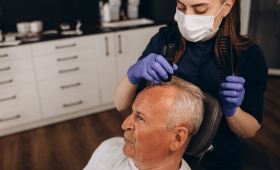
The process itself is generally consistent with international protocols. A thorough consultation with a qualified dermatologist or trichologist is the first step. This involves a detailed examination of the scalp, assessment of hair loss patterns (often utilizing a dermatoscope), and a review of the patient’s medical history. This is crucial to determine the underlying cause of hair loss – whether it’s androgenetic alopecia (male/female pattern baldness), telogen effluvium, or another condition – and tailor the mesotherapy cocktail accordingly.
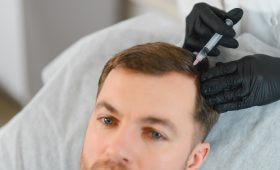
The mesotherapy session typically involves a series of micro-injections into the scalp. These injections deliver a customized blend of vitamins, minerals, amino acids, peptides, and sometimes platelet-rich plasma (PRP). The depth of the injections varies depending on the patient’s scalp thickness and the specific area being treated. Local anesthetic is usually applied to minimize discomfort. A typical session lasts between 30-60 minutes.
Unlike more invasive procedures like hair transplantation, mesotherapy requires no downtime. Patients can usually return to their normal activities immediately after treatment, although some may experience mild redness or swelling at the injection sites. A course of treatment usually involves 4-8 sessions, spaced 2-4 weeks apart, followed by maintenance sessions every 3-6 months.
The composition of the mesotherapy cocktail is a key factor in its success. Common ingredients include biotin, vitamin D, zinc, selenium, and various amino acids essential for hair growth. Many clinics also incorporate peptides, which stimulate collagen production and improve blood circulation to the hair follicles. Understanding the specific ingredients used and their benefits is paramount, and reputable clinics will provide a detailed breakdown of the cocktail composition.
Compared to the often rushed appointments and limited follow-up care sometimes experienced in busy European clinics, Turkish clinics frequently offer more personalized attention. This includes detailed pre- and post-treatment instructions, ongoing monitoring of progress, and readily available communication with the medical team.
Choosing a clinic in Turkey requires careful consideration. Look for clinics with experienced dermatologists or trichologists specializing in hair loss treatment. Check for certifications, read patient reviews, and ensure the clinic utilizes high-quality ingredients and adheres to strict hygiene protocols. While the price difference is significant, prioritize quality and expertise over simply seeking the cheapest option. Investing in a reputable clinic can ensure optimal results and a positive experience, saving you not only money but also potential complications. The savings realized by choosing Turkey allows for more frequent and sustained treatment, potentially yielding better long-term outcomes than a limited number of expensive sessions in Europe.
> ✨ All-Inclusive Comfort: With CureHoliday, you never walk alone. Our 24/7 patient support ensures you are safe, comfortable, and well-cared for throughout your stay in Turkey.
Introduction: Tackling Hair Loss – A Modern Solution
Hair loss, or alopecia, is a prevalent concern affecting millions globally, impacting not only aesthetic appearance but also psychological well-being. While often perceived as a natural part of aging, hair loss can begin at any age and stem from a multitude of factors. Addressing this issue requires a nuanced understanding of its causes and the available treatment options, moving beyond simple remedies to embrace scientifically-backed solutions.
For decades, individuals experiencing hair loss faced limited choices – often invasive surgical procedures like hair transplantation, or topical treatments with varying degrees of efficacy. These options frequently came with substantial financial burdens, particularly in Western European countries like Germany and France, where the cost of even initial consultations and preliminary treatments can be exceedingly high. This financial barrier often delayed or prevented individuals from seeking effective care.
However, the landscape of hair restoration is evolving. A modern, non-surgical approach gaining significant traction is hair mesotherapy. This innovative treatment offers a compelling alternative, particularly for those in the early to moderate stages of hair loss, and is rapidly becoming a favored destination for medical tourism.
Turkey has emerged as a leading hub for high-quality, affordable hair mesotherapy. This isn’t simply about lower costs; it’s about a confluence of factors including highly skilled medical professionals, state-of-the-art clinics, and a commitment to patient care. Patients traveling to Turkey for hair mesotherapy routinely save up to 70% compared to equivalent treatments in countries like Germany or France, without compromising on the quality of care or the expertise of the administering physician.
The appeal extends beyond mere economics. While a course of mesotherapy in France or Germany might easily exceed €2000-€3000, the same treatment in Turkey, delivered by equally qualified (and often internationally certified) specialists, can be obtained for a fraction of the price. This accessibility is a game-changer for many.
But why is Turkey so well-positioned to offer this value? The country has invested heavily in its medical infrastructure and attracts a large number of skilled dermatologists and trichologists. Competition amongst clinics drives innovation and ensures consistently high standards. Moreover, the lower cost of living in Turkey translates directly into more affordable healthcare for international patients.
Hair mesotherapy isn’t a ‘quick fix’. It’s a series of treatments designed to stimulate hair follicles, improve blood circulation to the scalp, and nourish hair roots with essential vitamins, minerals, and peptides. It’s a preventative and restorative approach, aiming to halt hair loss progression and encourage regrowth. Understanding the underlying principles of this treatment – the science behind the ‘cocktails’ injected into the scalp – is crucial for anyone considering this option.
The growing demand for hair mesotherapy in Turkey reflects a broader trend: a shift towards patient-centric, affordable, and effective medical solutions. Individuals are no longer willing to accept exorbitant prices for quality healthcare, and Turkey is effectively meeting that demand, establishing itself as a global leader in hair restoration.
> 💡 Price Fact: While this treatment can cost thousands of Euros in Germany, France, or the Netherlands, CureHoliday offers the same high-quality procedure in Turkey for 70% less.
The Growing Problem of Hair Loss: Causes & Impact
Hair loss, or alopecia, is a prevalent condition affecting millions globally, and its incidence is demonstrably increasing. This isn’t simply a cosmetic concern; it’s a condition with significant psychological and emotional repercussions. Understanding the underlying causes and the broader impact of hair loss is crucial for both patients seeking solutions and practitioners offering them.
The etiology of hair loss is complex and multifactorial. While often associated with aging – particularly androgenetic alopecia (male and female pattern baldness) – numerous other factors contribute. Genetic predisposition plays a major role, but environmental factors, lifestyle choices, and underlying medical conditions are frequently implicated.
Hormonal imbalances are significant contributors. In men, dihydrotestosterone (DHT), a derivative of testosterone, is a primary culprit, shrinking hair follicles and shortening the growth phase of hair. Women experience hair loss related to hormonal shifts during menopause, pregnancy, or due to polycystic ovary syndrome (PCOS). Thyroid disorders, both hyperthyroidism and hypothyroidism, can also disrupt the hair growth cycle.
Nutritional deficiencies are often overlooked. Insufficient intake of vital nutrients like iron, zinc, vitamin D, biotin, and protein can severely impact hair health. Crash diets, restrictive eating patterns, and malabsorption syndromes exacerbate these deficiencies. Chronic stress, both physical and emotional, is another significant trigger, leading to telogen effluvium – a temporary but noticeable increase in hair shedding.
Autoimmune diseases, such as alopecia areata, cause the immune system to attack hair follicles, resulting in patchy hair loss. Scalp infections like ringworm can also lead to temporary hair loss. Certain medications – chemotherapy drugs, antidepressants, and blood thinners – are known to have hair loss as a side effect. Increasingly, lifestyle factors like pollution and excessive use of heat styling tools contribute to hair damage and loss.
The impact of hair loss extends far beyond aesthetics. It can significantly affect self-esteem, body image, and overall quality of life. Individuals experiencing hair loss may report feelings of anxiety, depression, and social withdrawal. This can lead to decreased confidence in professional and personal settings. The psychological burden can be particularly acute for younger individuals who perceive hair loss as an indicator of premature aging or diminished attractiveness.
The demand for effective hair loss treatments is therefore soaring, driving a multi-billion dollar industry. However, many treatments available in Europe – such as advanced surgical procedures and ongoing topical medications – come with a hefty price tag. In countries like Germany and France, the costs associated with consistent hair loss management can easily exceed several thousand euros annually.
This is where Turkey has emerged as a leading destination for hair restoration treatments, particularly hair mesotherapy. Patients are increasingly opting for medical tourism in Turkey, attracted by the promise of high-quality care at significantly reduced costs. It’s not uncommon for patients to save up to 70% on hair mesotherapy treatments in Turkey compared to equivalent procedures in Western Europe.
Critically, this cost saving doesn’t equate to compromised quality. Turkish clinics often boast state-of-the-art facilities, highly qualified and experienced medical professionals, and adherence to international standards of hygiene and safety. The lower costs are primarily due to favorable exchange rates, reduced overheads, and a competitive healthcare market.
Furthermore, the accessibility of comprehensive diagnostic evaluations in Turkey allows for a more personalized treatment approach. Doctors can accurately identify the root cause of hair loss and tailor mesotherapy cocktails to address specific nutritional deficiencies, hormonal imbalances, or follicle stimulation needs. This targeted approach enhances the efficacy of the treatment and improves patient outcomes, all while remaining significantly more affordable than alternatives available elsewhere.
> 🏥 CureHoliday Advantage: We don’t just book your treatment; we manage your entire journey. From VIP airport transfers to 5-star hotel accommodation, everything is included in your package.
Introducing Hair Mesotherapy: A Non-Surgical Solution
Hair mesotherapy presents a compelling, non-surgical approach to combating hair loss, increasingly favoured by individuals seeking alternatives to more invasive procedures like hair transplantation. Unlike transplantation, which physically relocates hair follicles, mesotherapy focuses on nourishing existing follicles and stimulating regrowth through the delivery of essential nutrients directly into the scalp. This technique has gained significant traction in Turkey, becoming a hub for high-quality, affordable treatment.
The appeal of hair mesotherapy lies in its minimal invasiveness. The procedure involves a series of micro-injections containing a customized cocktail of vitamins, minerals, amino acids, peptides, and sometimes, platelet-rich plasma (PRP). These substances work synergistically to improve blood circulation to the scalp, reduce inflammation, and provide the building blocks necessary for healthy hair growth. This targeted delivery bypasses the digestive system, maximizing absorption and efficacy.
Hair loss manifests in various forms – androgenetic alopecia (pattern baldness) being the most common, followed by alopecia areata, telogen effluvium, and others. While the underlying causes differ, a common thread is often nutrient deficiency or impaired circulation at the follicular level. Mesotherapy directly addresses these issues, providing localized support where it’s needed most.
Turkey has rapidly emerged as a leading destination for hair mesotherapy, and for good reason. While the same quality of treatment in countries like Germany or France can easily reach €800-€1500 per session, the same procedure in Turkey typically costs between €150-€300. This represents a potential saving of up to 70% without compromising on quality. The lower costs are attributable to reduced overheads and a favourable exchange rate, not a reduction in skill or technology.
Clinics in Turkey often employ highly qualified dermatologists and trichologists, utilising advanced techniques and adhering to stringent hygiene standards. Furthermore, many clinics offer comprehensive consultations to accurately diagnose the cause of hair loss and tailor the mesotherapy cocktail to the patient’s specific needs. This personalized approach is crucial for optimal results.
The ingredients within the mesotherapy cocktail are carefully selected. Common components include biotin, essential for keratin production; vitamin C, an antioxidant that protects against free radical damage; zinc, vital for tissue growth and repair; and various amino acids, which are the building blocks of protein. Peptides, such as copper peptides, can stimulate collagen production and improve blood vessel formation, further enhancing follicle health. Some clinics also incorporate growth factors derived from PRP, leveraging the patient’s own healing capabilities.
It’s important to understand that mesotherapy isn’t a ‘quick fix’. A typical course of treatment involves multiple sessions – usually 6-8 – spaced several weeks apart. Maintenance sessions may be recommended every few months to sustain the results. While individual responses vary, many patients experience noticeable improvements in hair density, thickness, and overall scalp health within a few months.
The appeal of choosing Turkey extends beyond just the financial benefits. The country boasts a well-developed medical tourism infrastructure, offering comprehensive packages that include accommodation, airport transfers, and post-treatment care. This streamlines the entire process for international patients, making it a convenient and stress-free experience. Patients traveling from Europe are often astounded by the level of care they receive, combined with significant cost savings, making Turkey an increasingly attractive option for those seeking effective hair loss solutions.
> 🏥 CureHoliday Advantage: We don’t just book your treatment; we manage your entire journey. From VIP airport transfers to 5-star hotel accommodation, everything is included in your package.
What This Guide Will Cover
This comprehensive guide delves into the world of hair mesotherapy in Turkey, offering a detailed exploration for individuals seeking effective and affordable solutions to hair loss. We aim to equip you with the knowledge to make informed decisions about this increasingly popular treatment.
We begin by establishing the significant and growing problem of hair loss, examining its diverse causes – from genetic predisposition and hormonal imbalances to stress and nutritional deficiencies – and the profound psychological and emotional impact it can have on sufferers. Understanding these factors is crucial before considering any treatment option.
The guide then introduces hair mesotherapy as a viable, non-surgical alternative to more invasive procedures like hair transplantation. We’ll provide a historical overview of mesotherapy, tracing its origins and evolution, before focusing specifically on its application to hair restoration.
A core section will unpack the science behind hair mesotherapy. We’ll explain *how* it works, detailing the targeted delivery of revitalizing cocktails directly into the scalp and hair follicles. This isn’t a superficial treatment; it’s a method of nourishing hair at the root, stimulating growth and improving overall hair health.
We dedicate significant attention to the composition of these “cocktails”. You’ll gain a thorough understanding of the key ingredients – vitamins (like biotin and vitamin D), essential minerals (zinc, magnesium), peptides, and other growth factors – and their specific roles in promoting hair growth and strengthening follicles.
Crucially, we address the role of dihydrotestosterone (DHT), a hormone heavily implicated in androgenetic alopecia (pattern baldness). We’ll explain how DHT shrinks hair follicles and how mesotherapy can be used, in conjunction with other therapies, to mitigate its effects.
The heart of the guide is a step-by-step walkthrough of the hair mesotherapy procedure itself. From initial consultation and scalp assessment to the actual injections and post-treatment care, you’ll know exactly what to expect. We’ll cover session frequency, potential side effects (which are generally minimal), and realistic expectations regarding results.
However, this guide goes beyond simply explaining the *what* and *how* of hair mesotherapy. We specifically highlight Turkey as a leading destination for this treatment, and for good reason. Patients from across Europe – particularly from countries like Germany and France, where medical costs are significantly higher – are increasingly choosing Turkey for hair mesotherapy.
The difference in price is substantial. Individuals can expect to save upwards of 70% on the cost of treatment in Turkey compared to undergoing the same procedure in Western European nations. This isn’t a compromise on quality; quite the opposite. Turkey boasts highly qualified and experienced medical professionals, many of whom have trained internationally, and utilize state-of-the-art facilities.
We’ll detail what contributes to this affordability – lower operating costs, favorable exchange rates, and a thriving medical tourism industry – while emphasizing that these savings *do not* come at the expense of patient safety or treatment efficacy. In fact, many clinics in Turkey offer more personalized care and longer consultation times than their counterparts in busier European cities.
Furthermore, we will provide practical advice on choosing a reputable clinic in Turkey, including what to look for in terms of qualifications, experience, and patient testimonials. We will also discuss the logistical aspects of traveling to Turkey for treatment – visa requirements, accommodation options, and potential language barriers.
This guide isn’t just about hair mesotherapy; it’s about empowering you to take control of your hair health and make an informed decision that aligns with your needs and budget. It’s about accessing world-class treatment at a price that makes it accessible, and experiencing the transformative potential of hair restoration in a modern, welcoming environment.
> 💡 Price Fact: While this treatment can cost thousands of Euros in Germany, France, or the Netherlands, CureHoliday offers the same high-quality procedure in Turkey for 70% less.
Understanding Hair Mesotherapy: The Science Behind It
Mesotherapy, at its core, is a minimally invasive technique that delivers a cocktail of revitalizing substances directly into the mesoderm – the middle layer of skin – where hair follicles reside. While historically used for pain management and skin rejuvenation, its application in treating hair loss, particularly androgenetic alopecia (male and female pattern baldness), has gained significant traction due to a growing understanding of follicular biology. The science hinges on bypassing the skin’s natural barrier function to deliver concentrated nutrients directly to the target: the hair follicle.
Traditional topical treatments struggle to penetrate effectively, and oral supplements are subject to significant first-pass metabolism in the liver, reducing bioavailability. Mesotherapy circumvents these limitations. The injections create micro-injuries, stimulating localized inflammation. This, counterintuitively, is beneficial. It encourages neovascularization – the formation of new blood vessels – around the follicles, improving blood supply and nutrient delivery. Increased circulation provides follicles with the oxygen and essential compounds they need to function optimally.
The efficacy isn’t simply about delivery, however. It’s about addressing the complex interplay of factors contributing to hair loss. Androgenetic alopecia, the most common cause, is heavily influenced by dihydrotestosterone (DHT), a potent androgen. While mesotherapy doesn’t *eliminate* DHT, certain ingredients can help mitigate its negative effects on follicles, such as reducing inflammation and improving scalp health. This is a crucial component, often overlooked in simpler treatments.
The “cocktail” used in hair mesotherapy is precisely formulated, varying based on the patient’s specific needs and the severity of their hair loss. This personalized approach is a hallmark of quality treatment, especially prevalent in leading Turkish clinics. Common ingredients include vitamins (biotin, B vitamins), minerals (zinc, magnesium), amino acids, and peptides. These compounds play vital roles in protein synthesis, cellular metabolism, and collagen production – all essential for healthy hair growth.
Peptides, in particular, are gaining prominence. Certain peptides, like copper peptides, have been shown to stimulate hair follicle activity and promote angiogenesis. Others can help block the effects of DHT at the receptor level. The careful selection and concentration of these ingredients are paramount, and experienced practitioners in Turkey excel in tailoring these cocktails.
The procedure itself encourages a localized growth factor response. The micro-injuries stimulate the release of growth factors, signaling the body to repair and regenerate tissue, including hair follicles. This cascade of events promotes an environment conducive to hair regrowth and improved hair density.
The rising popularity of hair mesotherapy in Turkey isn’t accidental. It’s a direct result of the country’s commitment to medical tourism and its provision of high-quality treatment at significantly reduced costs. Patients traveling from Europe – particularly Germany and France, where similar procedures can cost upwards of €2000-€4000 per session – are now routinely saving 60-70% while receiving care from qualified dermatologists and utilizing advanced techniques.
This isn’t about simply lower labor costs. Turkish clinics have invested heavily in state-of-the-art equipment and have a large pool of experienced practitioners specializing in hair restoration. They perform a high volume of procedures, leading to refined techniques and consistently excellent results. The combination of affordability and expertise makes Turkey a leading global destination for hair mesotherapy.
Furthermore, the stringent regulations and quality control measures implemented in reputable Turkish clinics ensure patient safety and efficacy. While DIY mesotherapy kits exist, attempting self-treatment is strongly discouraged due to the risk of infection, improper ingredient delivery, and potentially worsening hair loss. Professional administration, as practiced in Turkey, is crucial for maximizing benefits and minimizing risks.
The scientific understanding of hair mesotherapy continues to evolve, with ongoing research exploring the optimal ingredient combinations and delivery methods. However, the fundamental principle remains consistent: targeted nutrient delivery to revitalize hair follicles and promote sustainable hair growth.
> 🏥 CureHoliday Advantage: We don’t just book your treatment; we manage your entire journey. From VIP airport transfers to 5-star hotel accommodation, everything is included in your package.
What is Mesotherapy? A Historical Overview
Mesotherapy, while experiencing a surge in popularity for hair restoration, boasts a surprisingly rich history rooted in traditional medical practices. Its origins aren’t a sudden innovation, but rather an evolution of techniques developed throughout the 20th century.
The foundation can be traced back to 1952, when French physician Michel Pistorini first developed the technique – initially not for hair loss, but for alleviating pain and improving circulation. Pistorini’s initial concept involved injecting small amounts of substances directly into the skin, targeting specific areas to achieve localized effects. He termed this ‘méso-thérapie’, derived from the Greek ‘meso’ meaning middle, and ‘therapy’ meaning treatment. The idea was to deliver medication directly to the site of pathology, minimizing systemic side effects.
Early applications focused on vascular conditions, pain management (particularly in sports medicine), and localized inflammation. Pistorini believed that by directly addressing the underlying cellular environment, he could stimulate the body’s natural healing processes. The original injections primarily consisted of procaine, a local anesthetic, and other compounds aimed at increasing blood flow and reducing inflammation.
The technique gradually spread throughout Europe, becoming more widely adopted in France, Germany, and Italy during the 1980s. However, its application remained diverse, encompassing treatments for skin conditions, cellulite reduction, and even weight loss, alongside its continued use in pain management.
The adaptation of mesotherapy for hair loss treatment occurred later, primarily in the 1990s and early 2000s. Physicians began to recognize the potential of delivering nutrients and growth factors directly to hair follicles, stimulating them and potentially reversing hair thinning. This marked a shift from treating symptoms to addressing the root causes of hair loss at a cellular level.
The evolution of hair mesotherapy saw the refinement of ‘cocktails’ – customized blends of vitamins, minerals, amino acids, peptides, and other bioactive substances. These cocktails were designed to nourish hair follicles, improve microcirculation in the scalp, and counteract the effects of dihydrotestosterone (DHT), a hormone heavily implicated in androgenetic alopecia (pattern baldness).
However, the accessibility of hair mesotherapy remained limited for many years due to its cost. In countries like Germany and France, a full course of treatment could easily exceed €3,000-€5,000, placing it beyond the reach of a significant portion of the population. This price disparity was largely due to high labor costs, clinic overhead, and the expense of pharmaceutical-grade ingredients.
This is where Turkey emerged as a leading destination for hair mesotherapy. Turkish clinics, leveraging a favorable economic landscape and highly skilled medical professionals, began offering the same high-quality treatments at significantly reduced prices. Patients now routinely save 60-70% on their hair mesotherapy in Turkey, without compromising on quality or safety.
The Turkish approach often incorporates advanced diagnostic tools to personalize treatment plans, utilizing sophisticated scalp analysis to determine the specific needs of each patient. Clinics frequently employ experienced dermatologists and plastic surgeons specializing in hair restoration, ensuring a level of expertise comparable to, and often exceeding, that found in Western European countries. The focus isn’t simply on affordability; it’s on providing superior care at a fraction of the cost.
Furthermore, the regulatory environment in Turkey ensures adherence to international standards of hygiene and patient safety. This combination of affordability, expertise, and quality control has established Turkey as a global hub for hair mesotherapy, attracting patients from across Europe and beyond. The historical progression of mesotherapy, from its origins in pain management to its current status as a popular hair restoration technique, demonstrates its adaptability and enduring relevance in modern medicine.
> 🏥 CureHoliday Advantage: We don’t just book your treatment; we manage your entire journey. From VIP airport transfers to 5-star hotel accommodation, everything is included in your package.
How Does Hair Mesotherapy Work? Targeting Follicles
Hair mesotherapy’s efficacy hinges on directly targeting hair follicles – the microscopic structures within the skin responsible for hair growth. Unlike treatments that work systemically (through the bloodstream), mesotherapy delivers vital nutrients *directly* to these follicles, maximizing their impact where it’s needed most. This localized approach is key to revitalizing dormant or weakened follicles and stimulating hair regrowth.
The process begins with understanding the follicle’s needs. Healthy hair follicles require a consistent supply of oxygen, vitamins, minerals, amino acids, and peptides. However, various factors – genetics, stress, hormonal imbalances (like elevated DHT, discussed later), poor nutrition, and even environmental pollution – can disrupt this supply, leading to follicle miniaturization and, eventually, hair loss.
Mesotherapy aims to counteract these deficiencies. A specially formulated cocktail, tailored to the individual’s specific needs, is injected into the scalp using a fine needle. The depth of injection varies, generally ranging from 2-5mm, strategically targeting the dermal papilla – the nutrient supply center of the hair follicle. This ensures the active ingredients are delivered to the cells actively involved in hair production.
The injection process creates a controlled micro-injury. This isn’t harmful; in fact, it’s a beneficial component. These micro-injuries stimulate local blood flow, further enhancing nutrient delivery and encouraging the release of growth factors. These growth factors act as signaling molecules, promoting cellular repair and stimulating dormant follicles to enter the active growth phase (anagen).
The composition of the ‘cocktail’ is crucial. While formulations vary between clinics and depending on the patient’s diagnosis, common ingredients include vitamins (B complex, Vitamin D, Vitamin C), minerals (zinc, magnesium, selenium), amino acids (proline, arginine), and peptides. These components work synergistically to strengthen the follicle, improve blood circulation, reduce inflammation, and promote keratin production – the primary protein that makes up hair.
Compared to European clinics, particularly in countries like Germany and France, where a single mesotherapy session can easily exceed €300-€500, Turkey offers a significantly more affordable option. Patients travelling to Turkey routinely save 60-70% on their hair mesotherapy treatments *without* compromising on quality or expertise. This cost difference isn’t due to lower standards; it’s a result of lower operational costs and a favorable exchange rate.
Furthermore, Turkish clinics often employ highly qualified dermatologists and utilize state-of-the-art technology, frequently exceeding the standards found in many European counterparts. The focus isn’t just on price, but on delivering superior results with a personalized approach.
It’s important to note that mesotherapy isn’t a ‘one-size-fits-all’ solution. A thorough consultation and scalp analysis are essential to determine the underlying cause of hair loss and formulate the most effective cocktail. Clinics in Turkey prioritize this diagnostic phase, conducting detailed examinations to identify specific nutrient deficiencies and tailor the treatment accordingly.
The number of sessions required varies depending on the severity of hair loss and individual response. Typically, a course of 6-8 sessions, spaced 2-4 weeks apart, is recommended for optimal results. Maintenance sessions, performed every 3-6 months, can then help sustain the achieved regrowth and prevent further hair loss. The significant savings in Turkey allow patients to comfortably afford these maintenance sessions, ensuring long-term benefits.
The precision of the injection technique is also paramount. Experienced practitioners in Turkey utilize specialized injection techniques – such as the napage or linear threading method – to ensure even distribution of the cocktail and minimize discomfort. This expertise contributes significantly to the treatment’s effectiveness and reduces the risk of side effects.
> 🇹🇷 Why Turkey? You don’t have to compromise on quality to save money. Istanbul hosts some of the world’s best clinics with JCI accreditation, offering prices 3-4 times lower than Europe.
Key Ingredients Used in Hair Mesotherapy Cocktails
The efficacy of hair mesotherapy in Turkey, and indeed globally, hinges on the precise composition of the injected cocktail. These aren’t one-size-fits-all solutions; skilled practitioners meticulously tailor formulations based on individual patient needs, hair loss patterns, and underlying deficiencies identified through consultation and potentially blood analysis. Understanding these core ingredients is crucial for anyone considering treatment.
At the heart of most hair mesotherapy cocktails lie vital vitamins. Biotin (Vitamin B7) is a cornerstone, renowned for its role in keratin production – the primary protein comprising hair. Deficiencies are strongly linked to hair loss, and supplementation via mesotherapy delivers biotin directly to the scalp where it’s most needed. Similarly, Vitamin D, increasingly recognized for its connection to hair follicle cycling, is frequently included. Many patients, even in sunny climates, exhibit Vitamin D deficiencies, and direct scalp delivery bypasses the limitations of oral absorption.
Minerals are equally vital. Zinc plays a crucial role in tissue growth and repair, including hair follicles. Selenium acts as an antioxidant, protecting against oxidative stress that can damage hair. Magnesium contributes to overall scalp health and blood circulation. These minerals aren’t just ‘add-ons’; they are foundational components supporting the entire hair growth process.
However, the most advanced cocktails go far beyond simple vitamin and mineral supplementation. Peptides, short chains of amino acids, are gaining prominence. Pentapeptide-44, for instance, demonstrates promising results in stimulating hair growth by strengthening the dermal papilla – the structure at the base of the hair follicle responsible for growth initiation. Other peptides like copper peptides are used to promote collagen synthesis, improving scalp health and potentially reversing follicle miniaturization.
Amino acids, the building blocks of proteins, are often included to provide direct nutritional support to the hair follicles. L-Cysteine, L-Arginine, and L-Lysine are commonly utilized, each contributing to hair strength, growth, and overall health. These components facilitate the production of keratin and other essential proteins necessary for robust hair.
Addressing the hormonal component of hair loss, particularly androgenetic alopecia (pattern baldness), is a key differentiator in Turkish mesotherapy protocols. While not a direct ‘cure’ for DHT (dihydrotestosterone), certain ingredients can help mitigate its effects. Finasteride and Minoxidil, though sometimes used orally or topically, can also be incorporated into mesotherapy cocktails in carefully calibrated dosages. *It’s vital to note that the use of Finasteride requires a thorough medical evaluation due to potential side effects.*
Furthermore, hyaluronic acid is a common addition, not for direct hair growth, but for its hydrating and skin-conditioning properties. A healthy scalp environment is crucial, and hyaluronic acid improves microcirculation and nutrient absorption.
The quality of these ingredients is paramount. In Turkey, clinics prioritize pharmaceutical-grade components, sourced from reputable European suppliers. This commitment to quality directly translates to better patient outcomes. Contrast this with some clinics in Europe – particularly in countries like Germany and France – where ingredient sourcing may be less transparent, and costs are significantly higher. Patients traveling to Turkey routinely save 60-70% on their treatment while receiving the same, or even superior, quality of care.
The complexity of these cocktails also explains why a qualified and experienced practitioner is essential. Simple, generic formulas offer limited benefit. Turkish clinics specializing in hair mesotherapy employ physicians with extensive training in dermatology and trichology, allowing for truly personalized treatment plans. They understand the synergistic effects of combining different ingredients and adjusting concentrations based on the patient’s specific profile.
Finally, PRP (Platelet-Rich Plasma) is often combined *with* the mesotherapy cocktail, rather than being a standalone treatment. PRP delivers growth factors directly to the scalp, further stimulating hair follicles and enhancing the effects of the injected vitamins, minerals, and peptides. This combination is increasingly popular in Turkey, offering a powerful and comprehensive approach to hair restoration, all at a fraction of the cost compared to equivalent treatments in Western Europe.
> 🏥 CureHoliday Advantage: We don’t just book your treatment; we manage your entire journey. From VIP airport transfers to 5-star hotel accommodation, everything is included in your package.
The Role of Vitamins, Minerals, and Peptides
Vitamins, minerals, and peptides form the cornerstone of effective hair mesotherapy cocktails, acting as vital building blocks and growth stimulators for healthier, more resilient hair. These aren’t simply ‘add-ons’; they are the *active* components driving follicular revitalization. The precise formulation varies depending on the patient’s specific needs, diagnosed deficiencies, and hair loss pattern, but several key ingredients consistently feature.
Vitamin complexes, particularly B vitamins (Biotin, B12, Folate), are fundamental. Biotin, often highlighted for hair health, plays a critical role in keratin production – the protein that makes up the hair shaft. Deficiencies are common in those experiencing hair loss, making supplementation via mesotherapy a direct and effective delivery method. B12 and Folate are crucial for red blood cell formation, ensuring adequate oxygen and nutrient delivery to the scalp and follicles. In Europe, obtaining these vitamins through repeated clinic visits and individual prescriptions can quickly become expensive – a stark contrast to the comprehensive, cost-effective mesotherapy packages available in Turkey.
Minerals like Zinc, Selenium, and Magnesium are equally important. Zinc supports tissue growth and repair, including hair follicles, and also helps maintain the oil glands around the follicles, preventing dryness and scaling. Selenium acts as an antioxidant, protecting against oxidative stress which can contribute to hair aging and loss. Magnesium regulates blood sugar and supports protein synthesis, both essential for hair growth. The bioavailability of these minerals is often superior when delivered directly to the scalp via mesotherapy, bypassing the digestive system. Patients travelling from countries like Germany and France frequently report saving upwards of 70% on equivalent treatments in Turkey, without compromising on ingredient quality or expertise.
Peptides, however, represent a more sophisticated component of modern hair mesotherapy. These short chains of amino acids act as signaling molecules, instructing hair follicles to enter the growth (anagen) phase. Different peptides target different aspects of hair growth. For example, copper peptides are known to stimulate collagen and elastin production, strengthening the dermal papilla – the structure at the base of the follicle responsible for hair growth.
Biotinoyl Tripeptide-1 is another frequently used peptide, proven to increase hair density and reduce hair loss by anchoring the hair follicle to the scalp. Pentapeptide-4 helps improve the extracellular matrix around the follicle, promoting better nutrient absorption. These peptides aren’t merely surface-level treatments; they address the underlying biological mechanisms of hair loss.
The concentration and combination of these peptides are carefully calibrated by the physician based on the patient’s hair loss type. Androgenetic alopecia, for instance, might benefit from peptides that counteract the effects of DHT (dihydrotestosterone), a hormone heavily implicated in pattern baldness. While effective peptide treatments in France or other Western European countries can easily exceed several hundred euros per session, Turkey offers the same high-quality protocols at a fraction of the price.
Furthermore, Turkish clinics often utilize pharmaceutical-grade ingredients, sourced from reputable European suppliers, ensuring purity and efficacy. This commitment to quality, coupled with lower overhead costs, translates into significant savings for patients. The careful selection of vitamins, minerals, and peptides, tailored to the individual, is what differentiates a successful hair mesotherapy treatment from a superficial procedure.
It’s crucial to remember that mesotherapy isn’t a one-size-fits-all solution. A thorough diagnosis, including blood tests to identify specific deficiencies, is paramount before formulating the optimal cocktail. Experienced Turkish practitioners prioritize this individualized approach, maximizing treatment efficacy and patient satisfaction. The savings achieved by choosing Turkey don’t just apply to the procedure itself, but also to the accompanying diagnostic assessments and post-treatment care.
> 💡 Price Fact: While this treatment can cost thousands of Euros in Germany, France, or the Netherlands, CureHoliday offers the same high-quality procedure in Turkey for 70% less.
Understanding DHT and Its Impact on Hair Loss
Dihydrotestosterone (DHT) is a potent androgen, a derivative of testosterone, and a primary culprit in androgenetic alopecia – commonly known as male-pattern baldness and female-pattern hair loss. Understanding DHT’s mechanism is crucial to appreciating how hair mesotherapy offers a targeted solution, particularly in a cost-effective environment like Turkey.
Testosterone itself isn’t inherently damaging to hair follicles. The enzyme 5-alpha reductase converts testosterone into DHT. This conversion happens primarily within the hair follicle, specifically in the dermal papilla. Individuals genetically predisposed to hair loss have hair follicles that are overly sensitive to DHT, or have higher levels of 5-alpha reductase activity.
DHT binds to androgen receptors in the hair follicles. In genetically susceptible individuals, this binding triggers a process called follicular miniaturization. Essentially, the hair growth phase (anagen) shortens, while the resting phase (telogen) lengthens. Over time, this leads to progressively smaller, thinner, and shorter hairs. Eventually, the follicles may cease to produce visible hair altogether.
The pattern of hair loss dictated by DHT sensitivity varies between men and women. In men, it typically presents as a receding hairline and thinning at the crown. Women often experience a more diffuse thinning across the scalp, though a widening part is a common initial sign.
While medications like finasteride and dutasteride aim to block the production of DHT or its uptake by receptors, they come with potential side effects and require long-term commitment. These medications can be prohibitively expensive in countries like Germany or France, where specialist consultations and prescriptions add significantly to the cost. Hair mesotherapy presents an alternative or complementary approach, often at a fraction of the price.
Hair mesotherapy, performed in Turkey, delivers a cocktail of revitalizing substances *directly* to the scalp and hair follicles. While not a DHT blocker in the same way as pharmaceutical interventions, carefully formulated cocktails can address the downstream effects of DHT and support healthier follicle function. Ingredients like biotin, amino acids, and vitamins can strengthen existing hairs and potentially prolong the anagen phase, counteracting the miniaturization process.
Furthermore, peptides included in mesotherapy cocktails can stimulate collagen production, improving the microcirculation around the follicles – crucial for delivering nutrients and removing waste products. A healthy scalp environment is less susceptible to the damaging effects of DHT.
The advantage of receiving mesotherapy in Turkey is significant. Patients routinely save up to 70% compared to similar treatments in Western European nations. This isn’t a compromise on quality; Turkey has become a global hub for medical tourism, boasting highly qualified dermatologists and state-of-the-art facilities. The lower cost is due to reduced overhead and a favorable exchange rate, not diminished care.
It’s important to note that mesotherapy isn’t a ‘cure’ for DHT-related hair loss, but a proactive treatment aimed at slowing down the process and improving hair density. Multiple sessions are typically required for optimal results, and combining mesotherapy with other treatments, under the guidance of a qualified physician, can yield even better outcomes.
In contrast to the ongoing financial burden of DHT-blocking medications in countries like France, where consultations, medication, and follow-up appointments quickly accumulate, the affordability of Turkish hair mesotherapy allows for consistent, long-term maintenance. This consistent approach is vital for managing androgenetic alopecia effectively.
> 💡 Price Fact: While this treatment can cost thousands of Euros in Germany, France, or the Netherlands, CureHoliday offers the same high-quality procedure in Turkey for 70% less.
The Hair Mesotherapy Procedure: A Step-by-Step Guide
The hair mesotherapy procedure in Turkey, while appearing straightforward, requires meticulous execution by a qualified medical professional. It’s crucial to understand each step to appreciate the precision involved and why choosing an experienced clinic is paramount. Here’s a detailed breakdown of what you can expect:
1. Initial Consultation & Scalp Assessment: The process begins with a thorough consultation. A specialist will assess your hair loss pattern, medical history (including allergies and current medications), and conduct a detailed scalp examination. This isn’t simply a visual check; advanced clinics utilize tools like a trichoscope – a magnified skin viewer – to analyze follicle density, health, and potential underlying issues. This evaluation determines if you’re a suitable candidate for mesotherapy and helps tailor the cocktail composition to your specific needs. In Europe, such comprehensive assessments can add significantly to the initial cost, often exceeding €200-€300. In Turkey, this detailed consultation is frequently included as part of the overall treatment package, contributing to the 70% savings patients enjoy.
2. Scalp Preparation & Cleansing: Before any injections, the scalp undergoes a rigorous cleansing process. This involves removing any product buildup, oils, and debris. An antiseptic solution, typically containing chlorhexidine or povidone-iodine, is applied to sterilize the treatment area. This minimizes the risk of infection and ensures optimal absorption of the mesotherapy cocktail. This sterilization is *critical* and is performed with the same stringent standards as found in leading European clinics – but at a fraction of the price.
3. Anesthesia (Optional but Recommended): While mesotherapy is generally well-tolerated, discomfort can vary depending on individual pain thresholds. Most reputable clinics in Turkey offer a topical anesthetic cream applied 20-30 minutes prior to the procedure. This effectively numbs the scalp, making the injections virtually painless. Some clinics may also utilize a cooling device to further enhance comfort. The use of effective anesthesia is often an additional cost in countries like Germany and France, potentially adding another €100-€200 to the procedure. Turkish clinics typically include this comfort measure as standard.
4. Injection Technique & Cocktail Administration: This is the core of the procedure. The mesotherapy cocktail – a customized blend of vitamins, minerals, peptides, and potentially anti-DHT medications – is injected directly into the scalp using a fine needle. There are two primary injection techniques:
- Traditional Mesotherapy: Involves multiple superficial injections spaced approximately 1-2 cm apart across the scalp. This technique covers a wider area but may require a larger volume of cocktail.
- Nappage Technique: Utilizes a specialized injector gun with a multi-needle attachment. This allows for a more even distribution of the cocktail across the scalp with a “stamp-like” motion. Many Turkish clinics now favor this technique for its efficiency and reduced discomfort.
The depth of injection is carefully controlled – typically 2-4 mm – to target the dermal papilla, the structure responsible for nourishing hair follicles. The entire scalp is systematically treated, focusing on areas exhibiting the most significant hair loss.
5. Post-Procedure Care & Instructions: Following the injections, patients receive specific aftercare instructions. These typically include:
- Avoiding washing the hair for at least 24-48 hours.
- Avoiding strenuous exercise, saunas, and direct sun exposure for a few days.
- Gentle scalp massage to aid absorption.
- Avoiding alcohol and blood-thinning medications if possible.
Minor redness, swelling, or pinpoint bleeding at the injection sites are common and usually subside within a few hours. Clinics will provide a follow-up schedule, typically recommending a series of treatments (4-8 sessions) spaced 2-4 weeks apart for optimal results.
Why Choose Turkey for Hair Mesotherapy?
The expertise of Turkish medical professionals in hair restoration is rapidly gaining international recognition. Coupled with significantly lower operational costs compared to Western Europe, this translates into substantial savings for patients. You can expect to save upwards of 70% on the total cost of a comprehensive mesotherapy program compared to undergoing the same treatment in countries like France or Germany, *without* compromising on quality or safety. The advanced techniques, personalized cocktail formulations, and meticulous attention to detail offered in Turkish clinics rival those found anywhere in Europe, making it a compelling destination for those seeking effective and affordable hair loss solutions.
> 💡 Price Fact: While this treatment can cost thousands of Euros in Germany, France, or the Netherlands, CureHoliday offers the same high-quality procedure in Turkey for 70% less
Free Consultation
Fill out the form below to get your free medical travel plan and price quote.
Sources and how to verify this yourself
- Comparative study of graft survival by donor site (scalp, beard, chest) at 12 months — roughly 89% for scalp, 95% for beard and 76% for chest hair; survival also falls the longer grafts stay outside the body. source
- Ministry of Health, Regulation on International Health Tourism and Tourist Health, Official Gazette 26 April 2025, No. 32882 — authorisation requirement for facilities and intermediaries, TÜSKA accreditation, compulsory complication insurance (deadline 31 December 2025 for insurance, 31 December 2026 for accreditation). source
- Ministry of Health, Regulation on Promotion and Information Activities in Health Services, Official Gazette 12 November 2025, No. 33075 — treatment promises and guarantees are prohibited; price and campaign announcements are permitted only within international health tourism. source