What is Alopecia Areata?
Alopecia areata is a complex autoimmune condition where the body’s immune system mistakenly attacks its own hair follicles, leading to sudden hair loss. It typically manifests as small, round, and smooth patches on the scalp, but it can affect any hair-bearing area of the body. When the immune system identifies hair roots as foreign invaders, it halts the production phase, causing existing hair to fall out prematurely. The course of this disease varies significantly from person to person; while some individuals experience spontaneous regrowth within a few months, others may face permanent hair loss or progression to more severe forms involving the entire body.
What Causes Alopecia Areata?
The exact cause of alopecia areata remains unknown, although scientists believe it results from a combination of genetic predisposition and environmental triggers. Research continues into why the immune system suddenly targets hair follicles without warning. Factors such as extreme stress, viral infections, exhaustion, or chronic illnesses can trigger the condition in susceptible individuals. People with a family history of other autoimmune disorders, like type 1 diabetes, rheumatoid arthritis, or thyroid disease, are at a higher risk. This is a multifaceted process where the delicate balance of the body’s defense mechanisms is disrupted, leading to localized inflammation.
What are the Symptoms of Alopecia Areata?
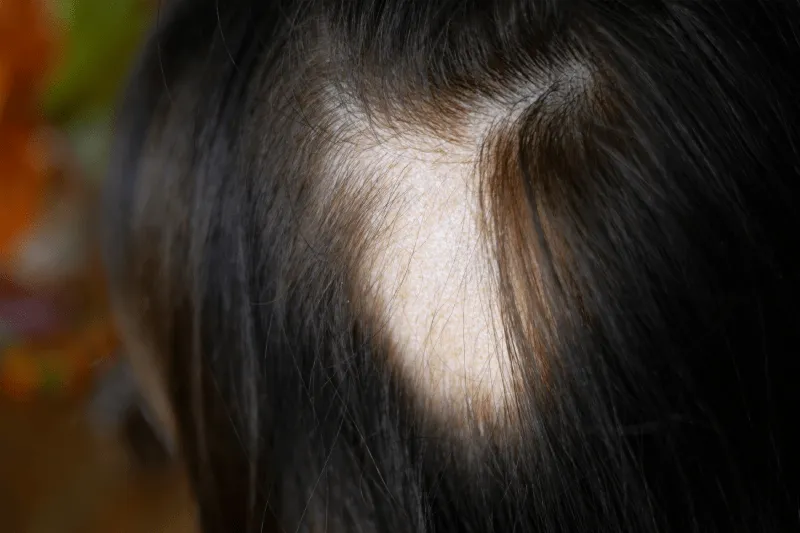
The most prominent symptom is the sudden appearance of coin-sized bald spots on the scalp that are smooth to the touch, without redness or scarring. Occasionally, patients might feel a slight tingling, itching, or sensitivity in the area just before the hair begins to fall out. Small, broken hairs known as “exclamation point hairs”—which are narrower at the base than the tip—are often visible at the edges of the bald patches. In rare cases, changes in fingernails or toenails, such as tiny pits, roughness, or white spots, may also occur. The disease can be limited to the scalp or extend to facial hair and body hair.
Is the Disease Contagious?
Alopecia areata is strictly non-contagious and cannot be transmitted from person to person through physical contact or sharing personal items. Since it is not caused by viruses, bacteria, or fungal infections, there is absolutely no risk of “catching” it from someone else. The condition is entirely an internal process related to the individual’s own immune system dysfunction. While it is sometimes confused with fungal infections in public settings, its clinical appearance and biological mechanism are completely different. Increasing public awareness is vital to prevent the social isolation of patients who may feel self-conscious about their visible hair loss patches.
Does Alopecia Areata Go Away on Its Own?
In many cases, hair can regrow on its own within a year without the need for medical intervention once the immune system stops the attack. When the follicles are no longer under siege, they return to their active growth phase. Initially, the new hair might appear thinner or white, but it usually regains its natural color and thickness over time. However, predicting when the disease will resolve or if it will recur is difficult. Some people experience a single episode with full recovery, while others go through cycles of loss and regrowth. If the bald area is very large or has been empty for years, spontaneous recovery becomes less likely.
Is Hair Transplant Possible for Someone with Alopecia Areata?
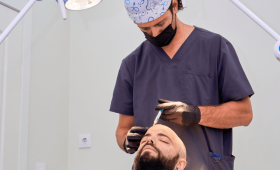
For patients with alopecia areata, hair transplantation can only be considered a viable option if the disease is no longer in its “active” phase. If hair loss is still progressing or if the bald patches are constantly changing locations, a transplant is not recommended because the new grafts would likely be attacked and destroyed. However, if the condition has stabilized—meaning no new patches have appeared for at least one to two years and existing bald areas show no signs of regrowth—surgery may be evaluated. A detailed analysis by an expert dermatologist and a hair transplant surgeon is the most critical step in determining success.
Does the Immune System Affect Hair Transplant?
Yes, the state of the immune system has a direct and profound impact on the ultimate success of a hair transplant procedure. Because alopecia areata is an autoimmune disorder, the immune cells may identify the newly transplanted hair grafts as targets for destruction. For the operation to be successful, the hyperactive immune response must have subsided significantly. If the immune system is still aggressively attacking follicles, the risk of “graft loss” after the surgery is extremely high. Therefore, a systemic evaluation before the procedure is necessary to ensure the immune response is under control for long-term results.
Is Surgery Safe While the Disease is Active?
Undergoing a hair transplant while the disease is active is medically discouraged and generally considered unethical by reputable clinics. An operation performed during an active phase can trigger further hair loss in surrounding areas and reduces the survival rate of the transplanted grafts to nearly zero. The inflammatory environment of the skin during active shedding negatively impacts the healing process and graft integration. Most surgeons prefer to wait until the patient has had no new flare-ups for at least a full year. Medical treatments like steroids or immunotherapy should be prioritized during active periods to achieve stabilization before considering surgery.
Is it Necessary to Wait for a Hair Transplant?
Yes, the waiting period is perhaps the most important stage for patients suffering from alopecia areata to ensure the best outcome. It is crucial to observe the course of the disease and wait until it enters a “burnt-out” or dormant phase. Clinical literature generally suggests that the hairless area should remain stable for at least 12 to 24 months. This duration also allows time to see if the hair will regrow naturally on its own. If the hair does not return after two years, it is assumed the follicles are permanently damaged or dormant, making transplantation a reasonable next step for restoration.
Why is the Remission Period Important?
The remission period is the timeframe when the immune system stops attacking hair follicles and the disease enters a dormant state. Identifying this window is vital for planning a hair transplant because the success of the operation depends on a calm biological environment. During remission, the body is more likely to accept the newly moved grafts, and tissue healing occurs much more rapidly. Additionally, having the procedure during this time provides the patient with much-needed psychological confidence. While it is impossible to predict how long remission will last, a long period of inactivity is the strongest indicator of a successful restoration.
Which Area is Used for Hair Extraction?
In hair transplantation, grafts are typically harvested from the “donor area,” which is located at the back of the head and behind the ears. While hair in this region is genetically resistant to male-pattern baldness, the situation is different with alopecia areata, as the disease can potentially strike any part of the scalp. The surgeon must verify that the donor area is healthy and shows no signs of active shedding or inflammation. In some cases where the scalp donor area is insufficient, body hair from the beard or chest may be used, although these grafts may have different growth characteristics compared to scalp hair.
Is the Donor Area Healthy?
The health of the donor area in alopecia areata patients must be scrutinized with extreme care before any surgical intervention. While the donor zone is usually safe in typical male pattern baldness (androgenetic alopecia), alopecia areata can affect the back of the head just as easily as the top. If there are signs of micro-inflammation or thinning in the donor area, the grafts harvested from there are unlikely to survive once transplanted. An expert must use dermoscopy to check the density and follicular health of the donor zone. Proceeding without ensuring the donor area is “safe” leads to the waste of precious hair follicles.
Will the Transplanted Hair Fall Out Again?
The answer to this question depends entirely on whether the disease becomes active again in the future. If the immune system decides to target hair follicles once more, the transplanted hair is unfortunately subject to the same risk of shedding as the original hair. However, if the disease has completely “burned out” or remains dormant for many years, the transplanted hair can be permanent for a lifetime. Hair transplantation does not cure the underlying condition; it only aesthetically covers the bald areas. Maintaining a healthy lifestyle and monitoring immune health post-operatively is essential to protecting the longevity of the results.
Is Alopecia Areata Genetic?
Genetic predisposition plays a significant role in the development of alopecia areata, but it is not the sole determining factor for everyone. Individuals with a family history of the condition are at a higher risk of developing it themselves. Research has identified multiple genes related to the immune system that are linked to this form of hair loss. However, having the genetic markers does not guarantee the disease will manifest; environmental triggers are usually required to activate those genes. If a family member has a severe form like alopecia universalis, other members should be vigilant about any early signs of hair loss.
Does Psychological Stress Ruin a Hair Transplant?
Stress is both a known trigger for alopecia areata and an enemy of the healing process after any surgery. High levels of stress can destabilize the immune system, potentially causing the disease to relapse and attack the new grafts. During the post-operative period, the body needs tranquility and energy to focus on healing and graft integration. Excessive stress can impair blood circulation and increase inflammation, which may starve the new follicles of oxygen. Therefore, managing stress through meditation, yoga, or relaxation techniques is not just good for the mind, but a fundamental component of ensuring the success of the hair transplant.
Is Medication an Obstacle to Hair Transplant?
Depending on the type of medication being used, some treatments may require adjustments before a hair transplant procedure can take place. For instance, high doses of systemic steroids or immunosuppressive drugs can delay wound healing and increase the risk of post-operative infections. On the other hand, local injections or topical treatments like minoxidil are usually not an obstacle. It is imperative that patients disclose all medications they are taking to their surgeon during the consultation. In some cases, certain medications must be paused a few weeks before the operation to ensure the safety and efficacy of the hair restoration process.
Do PRP and Mesotherapy Provide Support?
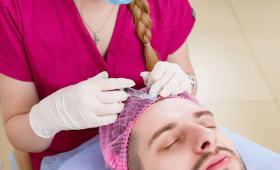
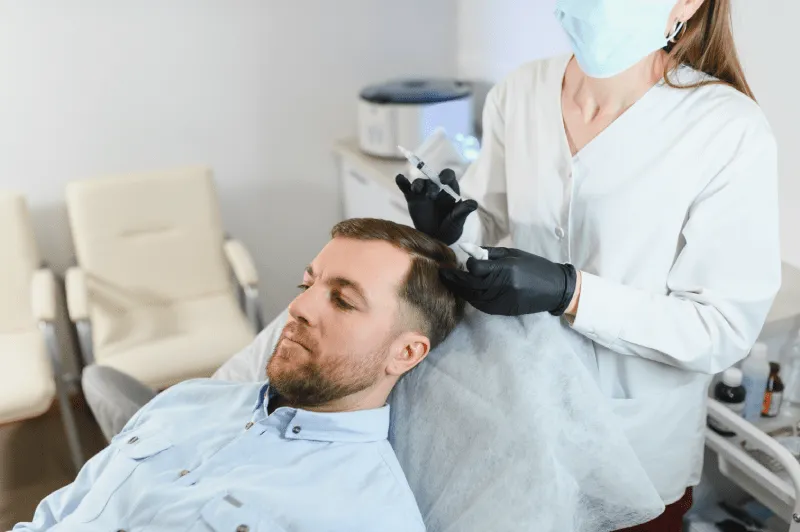
PRP (Platelet Rich Plasma) and hair mesotherapy are excellent supportive treatments for alopecia areata patients both before and after a hair transplant. PRP involves injecting growth factors derived from the patient’s own blood into the scalp to accelerate tissue repair and stimulate dormant follicles. Mesotherapy delivers a cocktail of vitamins, minerals, and amino acids directly to the hair roots. These treatments improve the overall health of the scalp, creating a more nourishing environment for the transplanted grafts. When applied after surgery, they can shorten the recovery period and help the new hair grow thicker, stronger, and much healthier.
Which Tests are Done Before a Hair Transplant?
A comprehensive evaluation process is mandatory before any surgical steps are taken for patients with autoimmune hair loss. Blood tests are performed to check iron levels, vitamin concentrations (B12, D), thyroid functions, and other hormonal balances that might affect hair growth. In alopecia areata cases, specific immune markers may also be assessed. A physical examination includes a “pull test” to determine if the shedding is currently active. Furthermore, dermoscopic analysis is used to inspect the scalp tissue and the condition of the follicles. These tests aim to identify if the patient is an ideal candidate and to predict potential risks.
What is the Success Rate of the Operation?
While general hair transplant success rates are over 90%, the rate for alopecia areata patients depends heavily on the stabilization of the underlying condition. If the procedure is performed at the right time using the correct technique by an experienced team, the results are highly satisfying. However, it must be remembered that there is always a small margin of uncertainty with autoimmune diseases. Success is influenced by the quality of the donor area, the blood circulation at the recipient site, and the patient’s adherence to post-operative care instructions. Having realistic expectations and a thorough plan is the best way to avoid disappointment.
What to Do If the Bald Area is Very Large?
If the bald area on the scalp is extensive and the donor hair is insufficient to cover the entire space, a “maximum coverage” strategy is employed. In such cases, the surgeon prioritizes the front hairline and the most visible crown areas to create the best aesthetic impact. By placing grafts strategically, a visual illusion of density can be achieved even with limited resources. If scalp hair is truly insufficient, body hair transplantation (BHT) might be an option. Some patients choose to combine a hair transplant with scalp micropigmentation (SMP) to camouflage remaining gaps, providing a fuller appearance through a multi-modal approach.
Is the FUE Technique Suitable for This Disease?
The FUE (Follicular Unit Extraction) technique is one of the most common and successful methods in modern hair restoration and is highly suitable for alopecia areata patients. In this method, individual hair follicles are extracted one by one and placed into the target areas. It requires no stitches, offers a fast recovery, and leaves minimal scarring. Since the skin of alopecia areata patients can be sensitive to trauma, choosing a less invasive method like FUE is a significant advantage. The surgeon can minimize tissue damage while achieving a natural-looking result, making it ideal for filling in specific patches or thinning areas.
Does the DHI Technique Offer Advantages?
The DHI (Direct Hair Implantation) technique offers specific advantages for patients with alopecia areata, particularly those with localized patches. In this method, hair follicles are harvested and then immediately implanted using a specialized “Choi” pen without the need for prior canal opening. This reduces the time the grafts spend outside the body, potentially increasing their survival rate. Since no channels are opened beforehand, there is less trauma to the scalp and minimal bleeding. DHI is also perfect for increasing density between existing hairs without damaging them, making it a preferred choice for those looking for a dense and natural finish.
How Long Does the Recovery Process Take?
The first 10 days after a hair transplant are the most critical for healing and graft survival. During this time, the tiny scabs that form at the graft sites will begin to fall off as the roots integrate with the skin. Some redness and mild swelling are normal and usually subside within a week. Full tissue healing takes about one month. During this period, the patient must protect the scalp from direct sunlight, physical impacts, and excessive sweating. Because the skin of alopecia areata patients can be more reactive, recovery speed may vary, but most patients return to their social lives within two weeks.
When Does the Transplanted Hair Grow?
After a hair transplant, patients experience “shock loss” between the 2nd and 4th weeks, where the newly transplanted hair shafts fall out. This is a completely normal part of the process, as the follicles remain healthy beneath the skin. Permanent hair growth typically begins from the 3rd or 4th month onwards. Around the 6th month, about 60-70% of the results are visible, while the final outcome can take between 12 and 18 months to fully manifest. Patience is the most important part of this journey. The hair may initially appear thin or wispy, but it will thicken and normalize over time.
What are the Side Effects?
Like any surgical procedure, hair transplantation has some potential temporary side effects that patients should be aware of. The most common include mild pain, itching, swelling, and temporary numbness in the donor or recipient areas. These are usually easily managed with medications prescribed by the doctor. The risk of infection is very low but can occur if hygiene protocols are not followed. In the specific context of alopecia areata, there is a rare chance that the surgical stress could temporarily trigger a new flare-up; this highlights the importance of operating during a stable phase. Most side effects are short-lived.
Can it be Applied to Brows and Beards?
Yes, alopecia areata can affect eyebrows and beards as well, and transplantation can be successfully performed in these areas. Eyebrow transplantation requires a very delicate and artistic approach because it directly impacts facial expression and symmetry. Beard transplantation is a popular option for men looking to restore their confidence after localized loss. The process for both is similar to scalp hair transplantation, with the main difference being the angle of implantation and the use of finer needles. Because facial skin is thinner, healing is often faster, and the results can provide a perfectly natural and masculine or defined look.
Is There an Age Limit?
While there is no strict upper age limit for a hair transplant, it is generally performed on individuals over the age of 18. However, for alopecia areata patients, the stability of the disease is a much more important factor than chronological age. In younger patients, the immune system is more dynamic, which may mean a higher risk of recurrence. Consequently, many experts prefer to wait until a patient is at least in their mid-20s and has shown long-term stabilization. For older patients, general health and the quality of the remaining donor hair are the primary considerations during the surgical evaluation.
What Happens if the Disease Recurs?
If the disease recurs after a transplant, it poses a risk to the transplanted hair, but it does not always mean the hair will be lost permanently. If a new flare-up begins, medical treatments such as local cortisone injections are immediately used to stop the inflammation from spreading. Early intervention is vital for protecting both the transplanted grafts and the original surrounding hair. Because of the nature of the disease, attacks can be transient. If the attack is successfully managed and subsides, the hair often regrows. Staying in constant communication with a dermatologist is the best way to manage these unexpected cycles.
Why is Expert Selection So Important?
Hair transplantation for alopecia areata patients requires significantly more caution and expertise than standard cases. The surgeon must not only be skilled in extraction and implantation but must also understand the complex biology and pathology of autoimmune hair loss. An operation performed at the wrong time or with too much trauma to the skin can lead to poor results or further hair loss. A seasoned expert will guide the patient honestly, set realistic expectations, and choose the safest time for the procedure. Choosing a high-quality clinic ensures that your health is protected and the risk of complications is minimized.
What Should the Nutrition Process Be?
Post-operative nutrition is vital for the survival of the grafts and overall immune health. A diet rich in protein is necessary for tissue repair and strengthening the hair structures. Furthermore, vitamins such as biotin, zinc, and vitamins A, C, and E, along with omega-3 fatty acids, nourish the follicles from within. Drinking plenty of water maintains skin hydration and helps flush out toxins. Avoiding processed sugars and excessive fats can help reduce systemic inflammation. For alopecia areata patients, an anti-inflammatory diet (like the Mediterranean diet) can help keep the immune system calm, providing a better foundation for healthy hair growth.
Does Smoking and Alcohol Affect Results?
Smoking and alcohol consumption are two major factors that can negatively impact the success of a hair transplant. Smoking lowers oxygen levels in the blood and constricts blood vessels, which can prevent the newly transplanted follicles from receiving the nutrients they need to survive. It also significantly delays the healing process and increases the risk of infection. Alcohol thins the blood, increasing the risk of bleeding during and after the operation, and makes it harder for the body to reduce swelling. For the best results, it is strongly advised to quit these habits at least one week before the surgery until healing is complete.
Does Sunlight Damage Transplanted Hair?
During the first few months following a hair transplant, the scalp must be protected from direct sunlight. The UV rays from the sun can damage the delicate tissue of the new grafts and may cause permanent pigmentation (spotting) on the treated areas of the scalp. Additionally, hot weather can lead to excessive sweating, which might increase the risk of infection in the early stages. Wearing a loose-fitting, soft hat is recommended when going outside. Protecting the scalp even after it has healed is a good practice for maintaining hair quality and preventing skin damage in the long run.
When is it Safe to Exercise?
Physical activities should be resumed gradually after a hair transplant to avoid any complications. For the first week, heavy physical exertion must be completely avoided because an increase in blood pressure can cause the grafts to pop out or bleed. From the second week, light walking can begin. However, heavy weightlifting, running, and contact sports (like football or basketball) should be avoided for at least one month. Swimming in pools or the sea also requires a one-month wait to protect the scalp from chlorine or salt. Listening to your body and avoiding strenuous movements will ensure a much smoother recovery.
How Should Shampoo Selection Be Made?
Initial hair washes after the operation are usually done with special, pH-balanced, and paraben-free shampoos provided or recommended by the clinic. These products clean the scalp without causing irritation and help the scabs soften and fall off gently. In the following months, nourishing products containing aloe vera, biotin, or natural oils should be preferred. For alopecia areata patients, ingredients that soothe the scalp and prevent inflammation are particularly beneficial. Avoiding harsh chemicals and heavily scented commercial shampoos is essential. The right shampoo maintains the natural balance of the scalp, ensuring the new hair looks vibrant and healthy.
Free Consultation
Fill out the form below to get your free medical travel plan and price quote.
Sources and how to verify this yourself
- Comparative study of graft survival by donor site (scalp, beard, chest) at 12 months — roughly 89% for scalp, 95% for beard and 76% for chest hair; survival also falls the longer grafts stay outside the body. source
- Ministry of Health, Regulation on International Health Tourism and Tourist Health, Official Gazette 26 April 2025, No. 32882 — authorisation requirement for facilities and intermediaries, TÜSKA accreditation, compulsory complication insurance (deadline 31 December 2025 for insurance, 31 December 2026 for accreditation). source
- Ministry of Health, Regulation on Promotion and Information Activities in Health Services, Official Gazette 12 November 2025, No. 33075 — treatment promises and guarantees are prohibited; price and campaign announcements are permitted only within international health tourism. source