Is Pregnancy Safe After Weight Loss Surgery?
Getting pregnant after obesity surgery is not only safe but also a much healthier process in many cases due to the reduction of obesity-related risks. Research shows that women who lose weight are less likely to experience serious complications during pregnancy, such as preeclampsia (pregnancy poisoning) and gestational diabetes (pregnancy sugar). However, for this safety to be ensured, correct timing, strict medical follow-up, and a personalized nutrition plan are of vital importance. Since the body undergoes a major change after the operation, it must be ensured that you have sufficient nutrient stores to support the development of the baby.
How Long Should You Wait After Surgery To Get Pregnant?
The general consensus of experts is to wait at least 12 to 18 months to get pregnant after obesity surgery. This period is a critical time when the body experiences the fastest weight loss and the metabolism has not yet stabilized. Metabolic changes and potential nutritional deficiencies that occur during rapid weight loss can pose a risk to the developing fetus. When body weight stabilizes and nutrient absorption becomes regular, pregnancy sits on a much safer ground. This waiting period is necessary both to protect the health of the mother and to guarantee that the baby grows in a healthy environment.
Does Fertility Increase After Gastric Sleeve Surgery?
Yes, weight loss after obesity surgery usually significantly increases fertility. Obesity can lead to hormonal imbalances in women, especially conditions that prevent ovulation such as polycystic ovary syndrome (PCOS). With weight loss, insulin resistance decreases, estrogen and testosterone balance returns to normal, and menstrual cycles become regular. While many women cannot get pregnant despite trying for years before surgery, they can get pregnant quickly as they lose weight after the operation. For this reason, using an effective method of protection during the waiting period after surgery is very critical to prevent unplanned early pregnancies.
Which Controls Should Be Done Before Pregnancy?
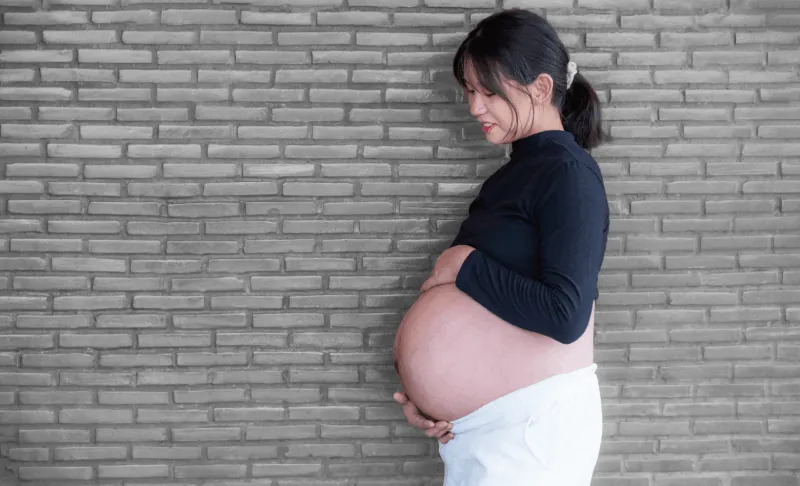
It is essential to have a comprehensive check-up before planning a pregnancy. These controls should not be limited only to the gynecologist; your obesity surgeon and a nutritionist should also be included in the process. Vitamin and mineral levels (B12, iron, folate, calcium, vitamin D) should be examined in detail through blood tests. If there is any deficiency, these stores should be filled before pregnancy. In addition, the status of co-morbidities (blood pressure, sugar), if any, should be checked and whether the drugs used are safe in pregnancy should be evaluated. The general condition of the surgery area and the gastrointestinal system should also be reviewed with physical examinations.
Which Vitamin Supplements Must Be Taken?
Since absorption decreases after bariatric surgery, standard prenatal vitamins may not be sufficient. During pregnancy, high-dose folic acid, iron, calcium citrate, vitamin D, and B12 supplements are usually mandatory in addition to multivitamins. Folic acid is critical in the first weeks for the development of the baby’s nervous system and the prevention of neural tube defects. Calcium is necessary both to protect the mother’s bone health and to form the baby’s skeletal structure. The dosage of these supplements should be adjusted by the doctor according to regular blood tests. Instead of determining the vitamin dose on your own, you should prefer the forms with the highest absorption.
How Does Iron Deficiency Affect Pregnancy?
Iron is indispensable for the increased blood volume in pregnancy and the oxygen needs of the baby. Iron deficiency anemia is very common in those who have undergone obesity surgery, especially in operations that disrupt absorption such as gastric bypass. Severe iron deficiency during pregnancy can lead to extreme fatigue, shortness of breath, and weakening of the immune system in the mother, while it can increase the risk of low birth weight and developmental delay in the baby. In some cases, oral iron supplements may be insufficient and intravenous (IV) iron therapy may be required. Therefore, hemoglobin and ferritin levels should be closely monitored in every trimester throughout pregnancy.
Is Vitamin B12 Deficiency Risky For The Baby?
Vitamin B12 plays a critical role in the baby’s brain development and the healthy formation of the central nervous system. Since the “intrinsic factor” in the stomach decreases after gastric surgeries, B12 absorption drops significantly. While B12 deficiency in the mother causes symptoms such as weakness, numbness, and forgetfulness, it can cause permanent neurological damage and developmental delays in the baby. Sublingual pills or monthly B12 injections are generally recommended during pregnancy. Keeping the level of this vitamin in the optimal range throughout pregnancy to protect the baby’s cognitive abilities is one of the most important responsibilities of the mother-to-be.
How Should Calcium Needs Be Met?
During pregnancy, the baby draws the calcium it needs for its own bone development from the mother’s stores. If the mother does not take enough calcium, her own bone density decreases and the risk of osteoporosis increases in the future. After obesity surgery, the “calcium citrate” form, which is absorbed without the need for acid in the stomach, should be preferred instead of calcium carbonate. The daily requirement is usually between 1200-1500 mg, but this amount should be determined by your doctor. It should also be noted that calcium must be taken with vitamin D for absorption. Calcium-rich foods such as dairy products, green leafy vegetables, and almonds should also be added to the diet.
Why Is Protein Intake So Important?
Protein is the most basic building block in pregnancy; it is necessary for the growth of the baby’s cells, organs, and placenta. Since stomach capacity is limited after surgery, expectant mothers should focus on getting the highest protein with a small amount of food. Inadequate protein intake can lead to the baby experiencing growth retardation (IUGR) and the mother losing muscle mass. Quality protein sources such as eggs, chicken, fish, legumes, or low-sugar yogurt should be present in every meal. If sufficient protein cannot be taken with solid foods, doctor-approved protein powders or drinks can be used as supplements. You should track whether you reach your daily goal by keeping a food diary.
Does The Type Of Surgery Change The Pregnancy Process?
Yes, the type of surgery performed directly affects pregnancy management. For example, “Gastric Sleeve” (Sleeve Gastrectomy) surgery is essentially a restrictive method, and vitamin absorption is less impaired compared to gastric bypass. However, in surgeries that are both restrictive and malabsorptive, such as “Gastric Bypass” (RYGB), vitamin and mineral deficiencies are much more aggressive. The risk of “dumping syndrome” and internal hernia is also higher in bypass patients. Therefore, nutrition follow-up and laboratory controls of pregnant women who have had gastric bypass should be done much more frequently. It is essential for your doctor to know your operation details in order to create a special follow-up protocol for you.
How Should Nutrition Be After Gastric Bypass?
Women who get pregnant after gastric bypass should plan their meals very well. Small and frequent meals (5-6 times a day) reduce the pressure on the stomach and ensure better absorption of nutrients. Not consuming liquids and solid foods at the same time is the golden rule to use stomach capacity efficiently. Avoiding simple carbohydrates and sugary foods both prevents unnecessary weight gain and minimizes the risk of dumping syndrome. In the diet, priority should always be protein, then vegetables, and finally healthy carbohydrates (whole grains). Working with a nutritionist ensures that you stay on the right track in this complex process.
What Should Be Considered In Pregnancy After Gastric Sleeve?
The biggest challenge in pregnancy after gastric sleeve surgery is usually getting enough calories and nutrients due to the narrowness of the stomach capacity. In the later months of pregnancy, the growth of the uterus can put pressure on the stomach and increase the feeling of early satiety. In this case, nutrient-dense soft foods should be preferred without falling into the “liquid calorie trap.” Heartburn and reflux can be seen more frequently in pregnancy in gastric sleeve patients; therefore, acidic and spicy foods should be avoided. In addition, vitamin supplements should not be neglected because certain deficiencies (especially iron and B12) can also develop after gastric sleeve.
Does Dumping Syndrome Occur During Pregnancy?
There is a risk of dumping syndrome especially in pregnant women who have undergone gastric bypass. It occurs as a result of the rapid passage of stomach contents into the small intestine with the consumption of sugary, fatty, or high-carbohydrate foods. Symptoms include palpitations, sweating, nausea, dizziness, and diarrhea. During pregnancy, these attacks can make the mother-to-be very tired and affect the baby by causing fluctuations in blood sugar. To prevent this situation, foods with a low glycemic index should be consumed, fruits should not be eaten alone but with a protein source, and care should be taken to chew quickly while eating.
What Can Be Done Instead Of The Sugar Loading Test?
Standard glucose tolerance test (OGTT) is not recommended for women who have undergone obesity surgery, especially bypass. Because the high-sugar liquid drunk during the test can cause severe dumping syndrome followed by reactive hypoglycemia (a sudden drop in blood sugar). This situation can be dangerous for both mother and baby. Instead, alternative methods are used; it is the safest way to perform finger-stick blood sugar monitoring at home for one or two weeks or to check the HbA1c level. In addition, measuring postprandial blood sugar after breakfast is also considered an effective method for the diagnosis of gestational diabetes.
How Should Weight Gain Be Monitored?
Weight gain in pregnancy after surgery should be planned individually according to the person’s starting body mass index (BMI). If you are still at the obesity limit, you may need to gain less, and if you have reached your ideal weight, you may need to gain more. Generally, an increase of between 7 and 12 kilograms is considered healthy. Sudden and very rapid weight gain or no weight gain at all are situations you should consult your doctor about. While monitoring weight, your focus should be on “feeding the baby,” not “eating for the baby.” Remember that every kilogram you gain coming from nutrient-dense foods is more important for the baby to be born healthy than the numerical increase.
Does Excessive Weight Gain Create Risk?
The fear of quickly regaining the weight you lost through surgery during pregnancy can create psychological pressure, but excessive weight gain poses a medical risk. Excessive weight gain in pregnancy increases the risk of high blood pressure, preeclampsia, gestational diabetes, and macrosomia (large baby). A large baby can cause the birth to become difficult and increase the possibility of a cesarean section. It can also overshadow the metabolic success achieved through surgery and make it difficult to lose weight after birth. Therefore, appetite control and portion management should be meticulously maintained even while under the influence of pregnancy hormones.
Does Gaining Too Little Weight Affect The Baby?
Being unable to gain enough weight due to small stomach capacity or nausea can cause low birth weight (SGA) in the baby. The baby can get the energy it needs from the mother’s fat stores up to a point, but the lack of basic nutrients can restrict fetal development. If you are not making progress on the scale, you should look for ways to increase meal density with your dietitian. For example, adding healthy fats (olive oil, avocado) to meals or enriching liquid meals with protein can increase calorie intake in a healthy way. The important thing is that the baby grows in accordance with its week in ultrasound measurements; the baby can develop healthily even if the mother gains little weight.
Does Internal Hernia Risk Increase During Pregnancy?
In women who have undergone gastric bypass, there is a risk of internal hernia during pregnancy, albeit low. The growing uterus can change the place of the intestines in the abdomen and cause them to enter the gaps (mesenteric defects) formed during the surgery. This situation manifests itself with severe abdominal pain, vomiting, and bloating. Since it can be confused with pregnancy complaints, its diagnosis is difficult, but if not intervened early, it can lead to intestinal obstruction. If your abdominal pain is unusual and does not pass, you should definitely consult your obesity surgeon or apply to the emergency department. This is a rare but serious condition, and awareness can be life-saving.

How To Deal With Morning Sickness?
Nausea in the first months of pregnancy can be more challenging in a stomach that has undergone surgery. Due to the small-volume stomach, vomiting leads to dehydration much faster. To manage nausea, it can be helpful to snack on something dry like crackers or galettes before getting out of bed in the morning. Ginger tea, cold foods, and odorless meals also provide relief. If you cannot eat anything and vomit constantly (hyperemesis gravidarum), you may need to receive fluid and vitamin support intravenously. Try not to leave your stomach completely empty; snacking frequently, even a little, can suppress the acid.
What Should Be Done For Heartburn and Reflux?
Especially in those who have had gastric sleeve surgery, pregnancy hormones can relax the stomach valve and trigger reflux. To prevent heartburn, you should not lie down immediately after meals and keep your head high while lying down. Limiting the consumption of spicy, fatty, acidic foods, and caffeine relieves symptoms. If natural methods are insufficient, antacid syrups that are safe to use in pregnancy or stomach protector drugs recommended by your doctor can be used. Reflux not only spoils your comfort but also causes you to be malnourished by closing your appetite, so it must be resolved.
How Should Liquid Consumption Be Adjusted?
Water consumption is a vital issue as dehydration can trigger urinary tract infections and preterm birth pains during pregnancy. Since obesity surgery patients cannot drink much water in one go, they should make it a habit to drink water sip by sip throughout the day. At least 2-2.5 liters of water per day should be targeted. However, cutting fluid intake 30 minutes before and after meals is necessary to reserve the stomach for nutrients. Your urine being light yellow is the best indicator that you are getting enough fluids. If the taste of water makes you nauseous, you can flavor it by adding mint, lemon, or fruit slices.
Is It Safe To Exercise?
Exercising during pregnancy is extremely beneficial for both physical and mental health. If a risky situation is not specified by your doctor, staying active reduces the risk of gestational diabetes and excessive weight gain. It can also facilitate labor by strengthening muscles and alleviate back pain. However, in individuals with a history of surgery, movements that greatly increase intra-abdominal pressure or require lifting heavy weights should be avoided. Care should be taken not to raise body temperature too much during exercise and to get enough fluids. Listen to the signals your body gives; do not hesitate to rest when you are tired.
Which Exercises Should Be Preferred?
Low-impact exercises are ideal for pregnant women after obesity surgery. Walking both protects heart health and does not put a load on the joints. Swimming is great for working all the muscles without feeling the body weight, thanks to the lifting power of water. Pregnancy yoga and Pilates increase flexibility and allow you to work on breath control. These activities also strengthen the pelvic floor muscles and speed up recovery after birth. Aiming for 150 minutes of moderate-intensity activity per week is ideal. You should definitely get approval from your gynecologist before starting any exercise program.
How Should The Baby’s Development Be Monitored?
Pregnancies after obesity surgery can be evaluated in the “high risk” category; this is not a scary term, it just means more careful follow-up. In addition to standard ultrasound controls, extra ultrasounds may be needed to monitor the baby’s growth curve. Doppler examinations, which check blood flow, are used to understand whether the placenta is feeding the baby sufficiently. The mother’s vitamin levels should be re-tested every trimester. Advanced screening tests and detailed ultrasound (organ scan) are very important in this process, as in every pregnancy. A good communication network ensures early diagnosis of all possible problems.
Is There A Risk Of Preterm Birth?
Some studies show that the risk of preterm birth and low birth weight babies may be slightly higher in women who have undergone obesity surgery (especially in malabsorptive types) compared to the general population. The biggest reason for this is usually vitamin and mineral deficiencies or the mother’s inadequate calorie intake. However, these risks can be minimized with regular follow-up and correct nutrition. When regular contractions, changes in vaginal discharge, or pelvic pressure, which are symptoms of preterm birth, are felt, one should go to the hospital without losing time. A healthy lifestyle and stress management play a key role in reaching the full term of pregnancy.
Cesarean Section Or Normal Birth?
Having undergone obesity surgery is not a reason for a cesarean section on its own. If the mother and baby are healthy and there is no medical obstacle, normal birth (vaginal birth) is perfectly possible. In fact, having lost weight can facilitate normal birth compared to before surgery due to the reduction of fat tissue in the birth canal. However, the baby being very large, the mother’s pelvic structure, or other complications not related to the surgery may make a cesarean section necessary. The decision on the birth method is a decision to be made together with your doctor in the last weeks of pregnancy. The most important focus is for the baby to come into the world in the safest way.
How Is The Postpartum Weight Loss Process?
One should not rush to lose weight immediately after birth. Your body needs time to heal and bond with the baby. Since the effect of the surgery is still ongoing, weight gained in pregnancy is usually lost faster than in other women. However, it is healthiest to wait at least 6-8 weeks (or until the end of breastfeeding) to start a low-calorie diet. Breastfeeding is already a process that burns calories by itself. Continuing your vitamins in the postpartum period is critical to prevent problems such as hair loss and fatigue. Be kind to your own body and remember that this process is a marathon.
How Should Nutrition Be During Breastfeeding?
Breastfeeding can increase the mother’s energy and nutrient needs even more than during pregnancy. An additional 500 calories and extra protein per day may be needed for milk production. Since stomach capacity is small, these calories should be taken with healthy fats and proteins. Fluid intake should not fall below 3 liters per day as it directly affects the amount of milk. Continuing your supplement vitamins throughout breastfeeding increases the nutritional quality of your milk while protecting your stores. If the baby is restless or has gas, it may be necessary to review the foods you eat. Remember, a well-nourished mother can take better care of her baby.
Are Surgery Sutures Strained During Pregnancy?
This is a very common concern but is usually unfounded. Stomach sutures (staple line) heal completely about 6 weeks after the surgery and become a solid tissue. The growth of the abdomen and the rise of the uterus during pregnancy do not cause the stomach line to open or burst. Stomach tissue is flexible. However, in rare cases, stretching pains may be felt due to old scars (adhesions). These pains are usually harmless and pass as the body adapts to change. Still, if you have persistent, sharp, and localized pains, you can ensure your inner peace by consulting your surgeon.
Is It Necessary To Get Psychological Support?
While body perception is already undergoing a major change after obesity surgery, the growth of the abdomen and the increase in numbers on the scale during pregnancy can be confusing. Some women may develop eating disorders or extreme anxiety for fear of “regaining weight.” In addition, hormonal changes can trigger the risk of postpartum depression. Being in contact with a psychologist or support group helps you manage this emotional turmoil. You need to be mentally strong to strike a balance between your own health and your baby’s health. Asking for help is not a weakness, but a sign of a conscious mother-to-be.
Why Is A Multidisciplinary Approach Important?
Pregnancy after obesity surgery is not a process that a single doctor can manage. The ideal is for the gynecologist, obesity surgeon, and bariatric dietitian to work in coordination. While the gynecologist monitors the baby, the surgeon evaluates the risks in the surgery area, and the dietitian closes the micronutrient gaps. This triple communication ensures that small problems that may arise during pregnancy are resolved before they grow. For example, when a vitamin deficiency is detected, the dietitian adjusts the dose, the surgeon checks the absorption, and the gynecologist looks at how this reflects on the baby. This teamwork maximizes the success and comfort of the pregnancy.
Is Hair Loss Normal During Pregnancy?
Both rapid weight loss after obesity surgery and hormonal changes after pregnancy can cause hair loss (telogen effluvium). If these two occur at close times, the shedding may be more pronounced. It is usually a temporary condition and hair grows back when hormones stabilize. However, severe shedding can be a sign of iron, zinc, or protein deficiency. You should pay attention to your nutrition to protect your hair health and use supplements such as biotin by consulting your doctor. Knowing that even if your hair falls out, it is not permanent will reduce your stress.

Why Is Dental Health Critical In This Period?
Increased acid (due to vomiting and reflux) and calcium needs during pregnancy can cause damage to teeth. Since the intraoral acid balance may have already changed in obesity surgery patients, the risk of gum inflammation and cavities increases. It is necessary to go through a dentist control before pregnancy and give extra importance to oral hygiene during pregnancy. Taking calcium supplements regularly is your biggest helper in protecting your teeth. Rinsing your mouth with water after every vomiting (instead of brushing immediately) helps prevent tooth enamel erosion. The belief that “every baby takes a tooth” can become history with correct care.
Could A Second Obesity Surgery Be Needed?
If some of the weight gained after pregnancy remains permanent or the gastric pouch expands too much, some patients may start considering “revision surgery.” However, it is necessary to wait at least one year after birth to make this decision. In most cases, returning to post-surgery habits (protein-oriented nutrition, exercise) is sufficient to lose pregnancy weight. You may feel that your stomach has expanded during pregnancy, but this is usually a hormonal increase in appetite and is temporary. You should definitely try to return to your old discipline with dietitian support before lying on the operating table again.
What Are The Golden Rules For A Successful Pregnancy?
The first rule for a successful and peaceful pregnancy is patience; give your body time after surgery. The second rule is honesty; explain your entire surgery history and eating habits clearly to your doctor. Taking your vitamins without skipping even a day, seeing drinking water as a duty, and making protein the star of every meal are other golden rules. Learn to listen to your own body; do not ignore your pains or fatigue. And most importantly, by focusing on that tiny miracle you will have at the end of this process, do not forget that taking good care of yourself is actually taking good care of your baby.
When Should Folic Acid Use Begin?
Folic acid use should be started at least 1-3 months before the pregnancy is planned, or even before protection is stopped. Since absorption is limited in those who have undergone obesity surgery, doctors may generally recommend folic acid above the standard dose (e.g., 5 mg). Folic acid performs its most critical task in the first 4-6 weeks when the baby’s neural tube (spine and brain) development is completed. Many women already have this process started when they learn they are pregnant, so “starting before getting pregnant” makes a vital difference. If there was an unplanned pregnancy, it should be started at a high dose as soon as it is learned.
Free Consultation
Fill out the form below to get your free medical travel plan and price quote.
Sources and how to verify this yourself
- Eisenberg D, et al. 2022 ASMBS and IFSO Indications for Metabolic and Bariatric Surgery. — surgery is recommended at BMI ≥35 regardless of co-morbidity, and considered at BMI 30–34.9 with metabolic disease (lower thresholds for Asian populations). source
- Ministry of Health, Regulation on International Health Tourism and Tourist Health, Official Gazette 26 April 2025, No. 32882 — authorisation requirement for facilities and intermediaries, TÜSKA accreditation, compulsory complication insurance (deadline 31 December 2025 for insurance, 31 December 2026 for accreditation). source
- Ministry of Health, Regulation on Promotion and Information Activities in Health Services, Official Gazette 12 November 2025, No. 33075 — treatment promises and guarantees are prohibited; price and campaign announcements are permitted only within international health tourism. source