Hair transplantation has evolved from a basic restorative procedure into a highly sophisticated art form. For most candidates, the primary concern isn’t just the growth of new hair on the crown or hairline, but also the preservation of the donor area. The fear of “tell-tale” signs or visible scarring at the back of the head is a significant barrier for many. However, with the advent of Minimally Invasive Surgery (MIS), the landscape of hair restoration has changed. This guide explores the depths of donor site management, the reality of scarring across different techniques, and how you can achieve a natural look that leaves no trace of surgery.
Why Is The Donor Area Critical For The Success Of Your Transplant?
The donor area, typically located at the back and sides of the scalp, serves as the “bank” for your hair follicles. The health and density of this region determine the feasibility and the ultimate volume of your hair transplant. If the donor site is mismanaged or over-harvested, it can lead to permanent thinning or visible patches, making the entire procedure look unnatural. Ensuring the integrity of this area is not just about aesthetics; it is about preserving the future potential for additional procedures should hair loss progress over time. Professional clinics prioritize donor preservation as much as recipient growth.
How Do Modern Techniques Prevent Visible Scarring In The Donor Site?
Technological advancements have moved hair transplantation away from the aggressive “strip” methods of the past toward individual follicle extraction. Modern techniques like FUE (Follicular Unit Extraction) and DHI (Direct Hair Implantation) utilize micro-tools that create incisions so small they are measured in fractions of a millimeter. Because these tools do not require sutures or large incisions, the body can heal the puncture sites through a process called secondary intention. This results in microscopic dots that are virtually invisible to the naked eye, even with relatively short hairstyles, ensuring a clean and untouched appearance.
What Exactly Is The FUE Method’s Impact On The Scalp Skin?
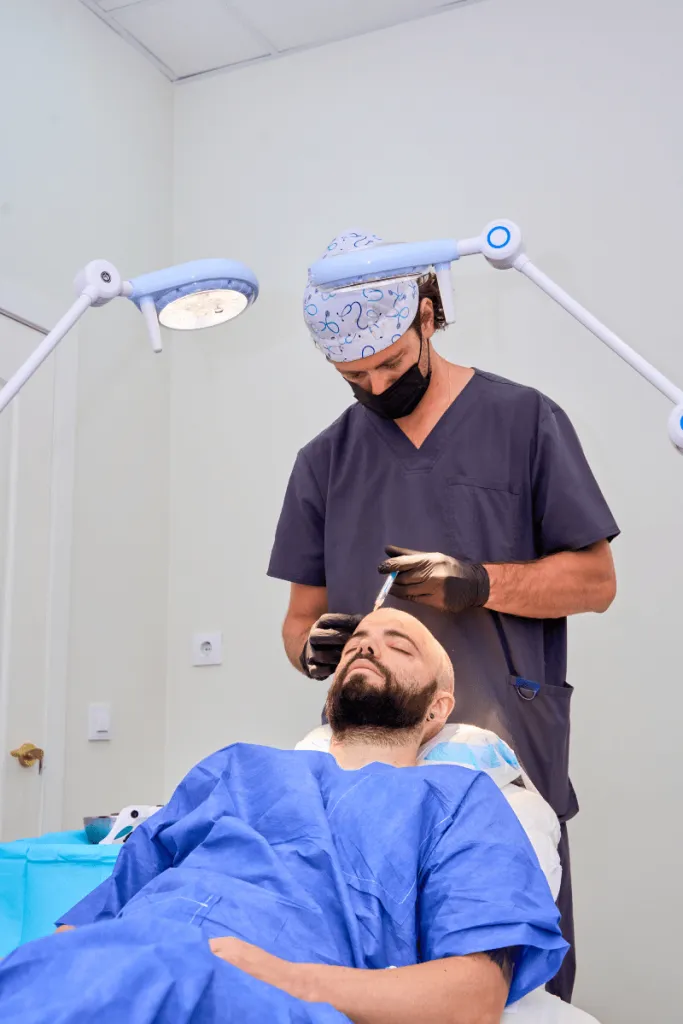
The Follicular Unit Extraction (FUE) method involves the individual removal of hair follicles using a specialized micro-punch tool. Unlike older methods, FUE does not involve a linear incision. Each extraction site is a tiny circular wound. Within 24 to 48 hours, these sites begin to close and form small scabs. Because the extractions are dispersed across a large surface area rather than concentrated in one line, the skin’s natural tension remains intact. Once fully healed, the skin appears smooth, and the “white dots” often associated with FUE are only visible if the head is completely shaved.
Does The DHI Technique Offer Superior Healing Benefits For The Donor Area?
Direct Hair Implantation (DHI) is often considered a refinement of the FUE process. While the extraction phase is similar to FUE, DHI utilizes a specialized tool known as the Choi Implanter Pen for the placement phase. Regarding the donor area specifically, DHI practitioners often focus on high-precision extraction to minimize the time follicles spend outside the body. The healing benefits are significant because the precision of the tools used reduces collateral tissue damage. Faster healing times and less post-operative inflammation are common hallmarks of the DHI approach, making it a preferred choice for those seeking the quickest recovery.
Why Should Patients Be Cautious Of The FUT Strip Method Regarding Scars?
The Follicular Unit Transplantation (FUT) method, also known as the “strip” technique, involves removing a horizontal strip of skin from the donor area. This strip is then dissected into individual grafts. The primary drawback of this method is the resulting linear scar. Even with advanced “trichophytic” closure techniques, which allow hair to grow through the scar, a visible line will always remain. For patients who prefer short haircuts, this scar can be difficult to hide. While FUT is still used in specific cases where high graft counts are needed, it is generally considered less favorable for those worried about donor area scarring.
How Does Surgeon Expertise Influence The Final Aesthetic Of The Donor Region?
The skill and experience of the surgeon are arguably the most critical factors in preventing donor area scarring. A skilled surgeon understands the concept of “graft spacing.” By carefully selecting which follicles to extract and leaving enough surrounding hair to maintain density, the surgeon prevents the “moth-eaten” look associated with poor-quality transplants. Furthermore, a professional knows the exact depth and angle required for extraction, which minimizes trauma to the surrounding tissue and the underlying blood vessels, leading to a much smoother and faster healing process without residual scarring.
What Role Does The Micro-Punch Diameter Play In Skin Recovery?
The tools used during a hair transplant are not “one size fits all.” The diameter of the punch tool used in FUE typically ranges from 0.6mm to 0.9mm. Choosing the smallest possible punch that can safely extract the follicle is essential for minimizing scars. A smaller punch diameter creates a smaller wound, which heals faster and leaves a smaller mark. If a punch is too large, it increases the risk of visible white spots. Advanced clinics use high-quality, sharp, and appropriately sized punches tailored to the patient’s specific hair type and scalp thickness to ensure optimal healing.
Can Manual Extraction Techniques Further Reduce Tissue Trauma?
Manual extraction involves the surgeon using a hand-held punch tool without a motor to remove follicles. This technique allows for the highest level of tactile feedback, meaning the surgeon can “feel” the resistance of the skin and adjust the angle in real-time. This precision significantly reduces the risk of “transection” (damaging the follicle) and minimizes unnecessary trauma to the donor site. While manual FUE is more time-consuming and often more expensive, it is frequently cited as the gold standard for patients who are highly concerned about the long-term health and appearance of their donor area.
How Long Does The Donor Site Take To Fully Recover After Surgery?
The recovery timeline for the donor area is remarkably fast with modern techniques. Within the first 3 to 5 days, the micro-wounds will close and form tiny scabs. By day 7 to 10, these scabs typically fall off during the recommended washing process, revealing pinkish skin underneath. By the end of the second week, most of the redness subsides, and the hair surrounding the extraction sites grows long enough to cover the area completely. Internally, the tissue continues to remodel for several months, but from an external perspective, the donor area usually looks normal within two weeks.
What Are The Common Symptoms Of Donor Area Healing To Watch For?
During the first few weeks of recovery, it is normal to experience some mild symptoms in the donor area. These include itching, slight redness, and a sensation of tightness. Itching is a positive sign that the nerves and skin are healing, but it is crucial not to scratch the area to avoid infection or scarring. Some patients may also experience temporary numbness as the micro-nerves in the scalp recover from the local anesthesia and the extraction process. These symptoms are transient and typically resolve within a few weeks without any long-term consequences for the skin’s appearance.
Is It Possible To Achieve A Scarless Hair Transplant Result?
Technically, any medical procedure that involves an incision or extraction will leave some form of mark on the tissue. Therefore, “scarless” is a relative term in the medical community. However, with FUE and DHI, the “scars” are microscopic and dispersed. When performed by an expert, these marks are so tiny that they are indistinguishable from the natural texture of the scalp. For all practical purposes, the result is considered scarless because it does not alter the visible aesthetics of the head, even upon close inspection. The goal is “invisible” results rather than a total absence of tissue modification.
How Does Over-Harvesting Lead To Permanent Donor Area Damage?
Over-harvesting occurs when a surgeon extracts too many follicles from a concentrated area or exceeds the safe limit of the donor bank. This leads to a permanent decrease in hair density, often resulting in a “patchy” or “transparent” look at the back of the head. In severe cases, the skin may look shiny or scarred because there isn’t enough hair left to provide natural coverage. Preventing over-harvesting is a hallmark of ethical hair transplantation. A reputable clinic will always prioritize the long-term health of your donor area over the number of grafts implanted in a single session.
Can Shock Loss Occur In The Donor Region After A Procedure?
“Shock loss” is a temporary condition where the existing hair in or around the donor area falls out due to the trauma of the surgery and the local anesthesia. This can be alarming for patients, as it may look like permanent thinning. However, unlike over-harvesting, shock loss is temporary. The follicles enter a resting phase and typically begin to regrow within 3 to 4 months. To minimize the risk of shock loss, surgeons use gentle extraction techniques and may recommend post-operative treatments like PRP (Platelet-Rich Plasma) therapy to support the health of the surrounding hair.
What Are The Best Ways To Manage Post-Operative Donor Pain?
Post-operative pain in the donor area is usually minimal with FUE and DHI. Most patients describe it as a mild soreness or a “sunburn” sensation. This can be easily managed with over-the-counter pain relievers recommended by your doctor. Additionally, keeping the head elevated while sleeping for the first few nights can reduce swelling and pressure on the donor site. Applying a cold compress to the forehead (never directly on the grafts or extraction sites) can also help. Most discomfort disappears within the first 48 to 72 hours as the initial healing phase completes.
How Does Scalp Elasticity Affect Scar Formation And Healing?
Scalp elasticity, or “laxity,” plays a more significant role in FUT procedures than in FUE. In FUT, a tight scalp can put more tension on the wound closure, potentially leading to a wider linear scar. In FUE, while elasticity is less of a concern for scarring, the “firmness” of the skin can affect how easily the micro-punch can extract the follicle. A surgeon will assess your scalp’s characteristics during the consultation to determine the best approach. Patients with very tight scalps are almost always better candidates for FUE to avoid the tension-related complications associated with strip harvesting.
Why Is Proper Hydration Essential For Rapid Donor Site Repair?
Hydration is a fundamental component of wound healing. Water is necessary for the transport of nutrients to the skin and for the removal of metabolic waste products. When the body is well-hydrated, the skin remains supple, and the blood flow to the scalp is optimized. This allows the micro-incisions in the donor area to heal more efficiently and reduces the risk of prolonged redness or inflammation. Patients are advised to increase their water intake significantly in the week leading up to surgery and for at least two weeks afterward to support the body’s natural repair mechanisms.
Can Smoking Significantly Delay The Healing Of Donor Wounds?
Smoking is one of the most detrimental habits for anyone undergoing surgery. Nicotine acts as a vasoconstrictor, meaning it narrows the blood vessels and reduces the amount of oxygen reaching the scalp. This can significantly delay the healing process, increase the risk of infection, and potentially lead to more visible scarring in the donor area. Furthermore, poor blood flow can negatively impact graft survival. Most surgeons require patients to stop smoking at least two weeks before and two weeks after the procedure to ensure the best possible aesthetic and health outcomes.
What Specialized Products Help Minimize Donor Site Redness?
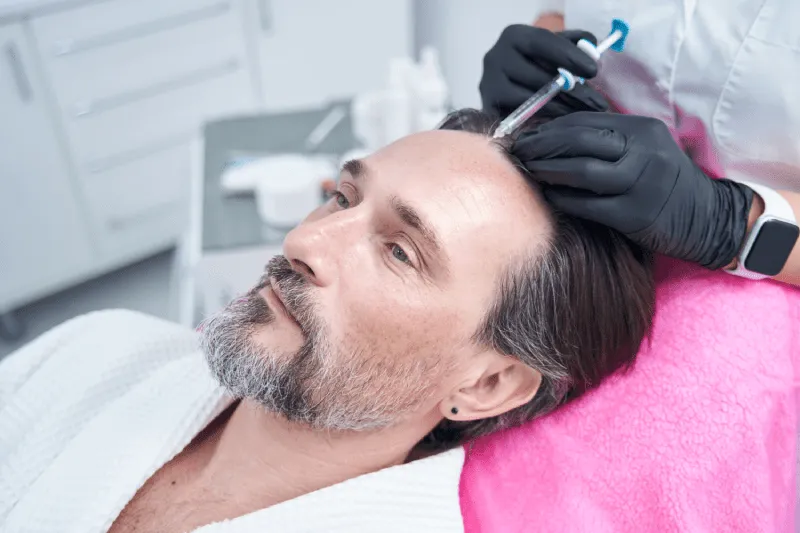
Following the surgery, your clinic will provide or recommend specific products to help with the healing process. These usually include a gentle, pH-balanced shampoo and a moisturizing spray or foam. These products are designed to keep the donor area clean and hydrated without causing irritation. Some clinics also recommend creams containing Bepantol or Aloe Vera to soothe the skin and reduce redness. Using only the products approved by your surgeon is vital, as some commercial shampoos contain harsh chemicals that could irritate the healing wounds and exacerbate scarring.
How Does Sun Protection Prevent Hyperpigmentation Of Donor Scars?
Freshly healed skin is extremely sensitive to Ultraviolet (UV) radiation. If the donor area is exposed to direct sunlight in the first few months after surgery, the micro-scars can undergo “hyperpigmentation,” causing them to turn darker than the surrounding skin. This makes them much more noticeable. To prevent this, patients should avoid direct sun exposure for at least 30 days. When going outside, wearing a loose-fitting hat is the best protection. Once the skin is fully healed, applying a high-SPF sunscreen to the donor area can help maintain a uniform skin tone.
Is Scalp Micro Pigmentation Effective For Hiding Old Donor Scars?
For patients who have old, visible scars from previous FUT procedures or poor-quality FUE, Scalp Micro Pigmentation (SMP) is an excellent solution. SMP is a medical-grade tattooing technique that replicates the appearance of natural hair follicles on the scalp. By applying specialized pigments into the scar tissue, a technician can “blend” the scar with the surrounding hair. This is particularly effective for those who want to wear their hair very short. SMP does not remove the scar, but it camouflages it so effectively that it becomes almost impossible to detect with the naked eye.
Can Laser Treatments Refine The Texture Of Donor Scar Tissue?
Fractional CO2 lasers and other skin-resurfacing technologies can be used to improve the appearance of donor area scars. These lasers work by creating microscopic channels of thermal damage in the scar tissue, which triggers the body to produce new collagen and elastin. Over several sessions, the texture of the scar becomes softer, flatter, and more similar to the surrounding skin. While this isn’t necessary for modern FUE patients, it is a valuable option for those looking to “clean up” results from older, more invasive hair transplant methods used decades ago.
How Does Hair Density Camouflage Potential Extraction Marks?
The natural density of your hair is your best ally in hiding extraction marks. Even if there are tiny white dots from an FUE procedure, they are easily covered by the surrounding hair as long as it is kept at a reasonable length (usually a “number 2” guard or longer). This is why a strategic surgeon will only remove a safe percentage of hair from the donor area. By maintaining a balance between the extracted follicles and the remaining hair, the overall density looks uniform, and any microscopic changes to the skin texture remain completely hidden under the hair canopy.
What Are The Psychological Benefits Of A Clean Donor Area?
The goal of a hair transplant is to boost confidence, not to replace one insecurity with another. Having a clean, scar-free donor area allows a patient to feel completely normal and confident in public spaces, gyms, or swimming pools without worrying about someone noticing a “surgery line.” It provides the freedom to choose various hairstyles without restriction. Knowing that the procedure was done so cleanly that it left no trace provides immense peace of mind and allows the patient to focus entirely on enjoying their new, fuller head of hair and improved self-image.
Why Is A Personalized Treatment Plan Necessary For Donor Safety?
No two scalps are identical. Factors like hair caliber, follicle grouping (singles, doubles, triples), scalp thickness, and the presence of any skin conditions must be considered. A personalized treatment plan involves a thorough analysis of the donor area to determine the “Safe Donor Zone.” This ensures that the follicles taken are those genetically resistant to thinning and that the extraction pattern is tailored to the patient’s unique anatomy. A “cookie-cutter” approach often leads to poor donor management, whereas a bespoke plan guarantees that the donor area remains healthy and aesthetically pleasing.
How Do Sapphire Blades Differ From Traditional Steel Tools In Healing?
While Sapphire blades are primarily used for creating incisions in the recipient area, the philosophy behind their use—minimizing trauma—is central to modern hair transplantation. Sapphire is a precious gemstone that can be honed into an incredibly sharp, smooth edge. Unlike steel, which can have microscopic irregularities, Sapphire creates cleaner, more precise channels. This leads to less tissue vibration during the procedure, reduced inflammation, and faster scabbing and healing. Clinics that invest in Sapphire technology generally follow high-standard protocols that extend to the care and precision used in the donor area as well.
Does Robotic Technology Improve The Precision Of Harvesting?
Robotic hair transplant systems, such as ARTAS, use advanced algorithms and high-resolution cameras to identify and extract the best hair follicles. The robot can maintain a level of consistency that a human might struggle with during a very long procedure. It calculates the optimal depth and angle for every single graft. For the donor area, this means a very even distribution of extractions, which helps in preventing patches or over-harvested spots. While many top surgeons still prefer the “artistic touch” of manual extraction, robotic assistance is a powerful tool for ensuring mathematical precision in donor management.
How Should You Clean The Donor Area In The First Week?
Proper hygiene is paramount to prevent infection, which is a leading cause of scarring. Most clinics recommend a “touch-free” washing method for the first few days. You will likely be told to lather a special shampoo in your hands and gently pat the foam onto the donor area, then rinse with lukewarm water at very low pressure (using a cup is safer than a showerhead). This removes excess blood and prevents thick scabs from forming. Keeping the area clean allows the micro-wounds to heal flat and quickly, ensuring that the skin returns to its original state as soon as possible.
Can Nutritional Choices Influence The Speed Of Skin Regrowth?
The body requires specific building blocks to repair tissue and grow hair. Protein is essential, as hair is primarily made of keratin. Vitamins like A, C, and E are powerful antioxidants that protect cells during the healing phase. Zinc and Biotin are also known to support skin health and hair strength. Incorporating lean proteins, leafy greens, nuts, and fruits into your diet after surgery provides your body with the fuel it needs to close the donor wounds and support the newly implanted grafts. A healthy body heals faster and with fewer complications, including minimal scarring.
What Happens If The Donor Area Becomes Infected?
While rare in sterile clinical environments, infections can occur if post-operative care instructions are ignored. Symptoms include increasing pain, swelling, pus, or a foul odor from the donor site. An infection can cause inflammation that destroys healthy tissue and leads to larger, more visible scars. If you suspect an infection, you must contact your clinic immediately. They will usually prescribe a course of antibiotics to resolve the issue. Early intervention is the key to preventing any long-term aesthetic damage to the donor area, making it vital to follow all sanitation protocols strictly.
Is It Possible To Perform A Touch-Up On A Scarred Donor?
If a patient has visible scarring from a previous poor-quality transplant, it is often possible to “repair” the area. This can be done by transplanting a small number of follicles directly into the scar tissue to break up the visibility of the mark. Alternatively, if the area is thinned due to over-harvesting, scalp micro-pigmentation or specialized hair-thickening treatments can be used. A revision surgery requires an even higher level of skill, as the blood supply in scarred tissue is often lower. Consulting with an expert clinic is the first step in assessing the possibilities for donor area restoration.
How Does The Angle Of Extraction Affect Scar Visibility?
Hair follicles grow at different angles across the scalp. If a punch tool is inserted at the wrong angle, it can cause “transection” and unnecessary trauma to the skin surface. A skilled surgeon follows the natural exit angle of the hair, which allows the punch to slide in with minimal resistance. This results in a cleaner wound that heals in a more predictable manner. Proper angulation ensures that the resulting micro-scar is aligned with the natural skin folds and hair growth patterns, making it even less detectable once the healing process is complete.
What Are The Signs Of A High-Quality Hair Transplant Clinic?
A high-quality clinic will always offer a comprehensive consultation where they use a densitometer to check your donor capacity. They will be transparent about the number of grafts you can safely provide and will never promise “unlimited” grafts at the expense of your donor health. Look for clinics that provide detailed aftercare kits, have a track record of natural-looking results, and employ surgeons who are members of recognized international hair restoration societies. The focus should always be on quality and long-term satisfaction rather than high-volume turnover.
How Does Cure Holiday Ensure A Seamless Patient Experience?
At Cure Holiday, we understand that a hair transplant is a significant journey. We provide a “360-degree” service that takes care of every detail, from your initial VIP transfer and luxury accommodation to the surgery itself. Our partner clinics utilize the latest FUE, Sapphire, and DHI techniques to ensure that your donor area is treated with the utmost respect and precision. We prioritize the “no-trace” philosophy, meaning our goal is for you to look like you’ve simply regained your natural hair without any visible evidence of a medical procedure. Your comfort and safety are our highest priorities.
Why Is Medical Tourism In Turkey Ideal For Hair Restoration?
Turkey has become the world’s leading destination for hair transplantation because it combines world-class medical expertise with highly competitive pricing. Turkish surgeons perform more hair transplants than those in almost any other country, giving them an unparalleled level of experience with various hair types and complex cases. When you choose to travel with Cure Holiday, you benefit from this immense expertise while enjoying the beauty and hospitality of Turkey. You receive premium medical care at a fraction of the cost found in the UK, USA, or Europe, without compromising on quality or safety.
How Can You Start Your Journey With Cure Holiday Today?
If you are ready to reclaim your hair transplant and your confidence without the fear of scarring, the first step is a free consultation. You can contact Cure Holiday through our website or WhatsApp to speak with a patient coordinator. We will ask for a few photos of your hair and donor area to provide an initial assessment. From there, we will build a personalized treatment plan and help you organize every aspect of your trip. Don’t let the fear of scarring hold you back; with the right team and the best techniques, a full head of hair is within your reach.
Why Choose Cure Holiday For Treatment?
Today, hair transplantation is more about “artistic restoration” than simply “transferring hair.” When you choose modern techniques like FUE or DHI, performed by experts, the fear of scarring becomes a thing of the past. By focusing on micro-instruments, personalized extraction patterns, and meticulous postoperative care, you can achieve a completely natural result that leaves your donor area looking untouched.
If you’re looking for the gold standard in hair restoration, Cure Holiday is here to guide you every step of the way. We combine the best medical techniques in Türkiye with a luxurious experience that ensures your comfort and privacy.
Take the first step towards a new you! Contact Cure Holiday now for a free and no-obligation consultation and learn how you can achieve the thick, natural hair you’ve always wanted with a perfectly preserved donor area
Free Consultation
Fill out the form below to get your free medical travel plan and price quote.
Sources and how to verify this yourself
- Howe M-S, Keys W, Richards D. Long-term (10-year) dental implant survival: a systematic review and sensitivity meta-analysis. Journal of Dentistry, 2019 — pooled 10-year implant survival 96.4% (95% CI 95.2–97.5%); conservative sensitivity estimate 93.2%. source
- Comparative study of graft survival by donor site (scalp, beard, chest) at 12 months — roughly 89% for scalp, 95% for beard and 76% for chest hair; survival also falls the longer grafts stay outside the body. source
- Ministry of Health, Regulation on International Health Tourism and Tourist Health, Official Gazette 26 April 2025, No. 32882 — authorisation requirement for facilities and intermediaries, TÜSKA accreditation, compulsory complication insurance (deadline 31 December 2025 for insurance, 31 December 2026 for accreditation). source
- Ministry of Health, Regulation on Promotion and Information Activities in Health Services, Official Gazette 12 November 2025, No. 33075 — treatment promises and guarantees are prohibited; price and campaign announcements are permitted only within international health tourism. source