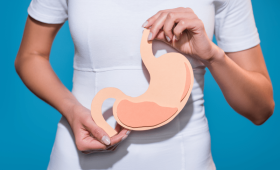
Why Does Skin Sag After Bariatric Surgery?
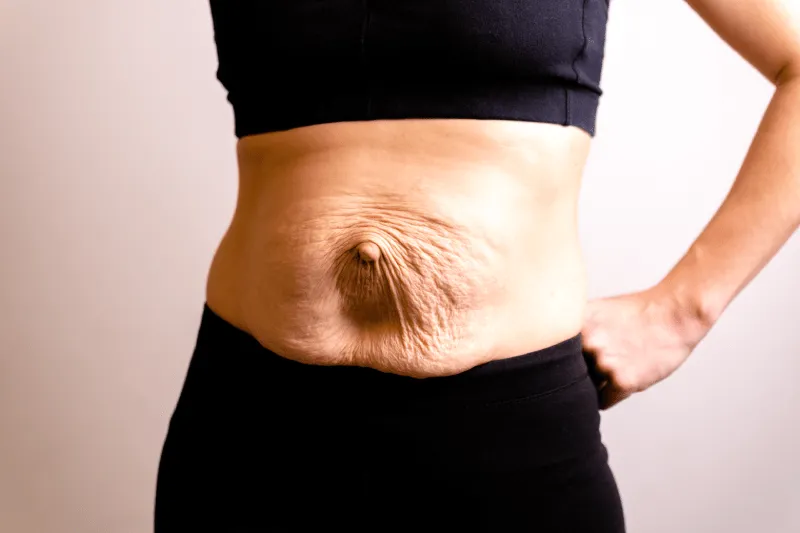
Bariatric surgery, or obesity surgeries, allows individuals to lose large amounts of weight in a very short period of time. However, this rapid change does not allow the skin, which is the body’s largest organ, to adapt at the same speed. The skin stretches to cover the expanding fat tissue during weight gain. If this stretching continues for a long time, the collagen and elastin fibers in the skin’s structure are damaged. When weight loss occurs, these fibers cannot return to their original form, resulting in sagging that resembles an “empty bag” appearance. This situation is entirely the result of a biological and physical process.
What Are The Biological Causes Of Skin Sagging?
The basis of skin sagging lies in the deterioration of the structure of proteins that provide skin elasticity. While collagen gives the skin durability, elastin fibers allow the skin to return to its old form after being stretched. In cases of long-term obesity, these fibers break or deform due to overstretching. Additionally, the body’s capacity to produce new collagen decreases as age progresses. External factors such as genetic factors, sun damage, and smoking also lower the biological quality of the skin and are among the main elements that determine the severity of sagging after weight loss.
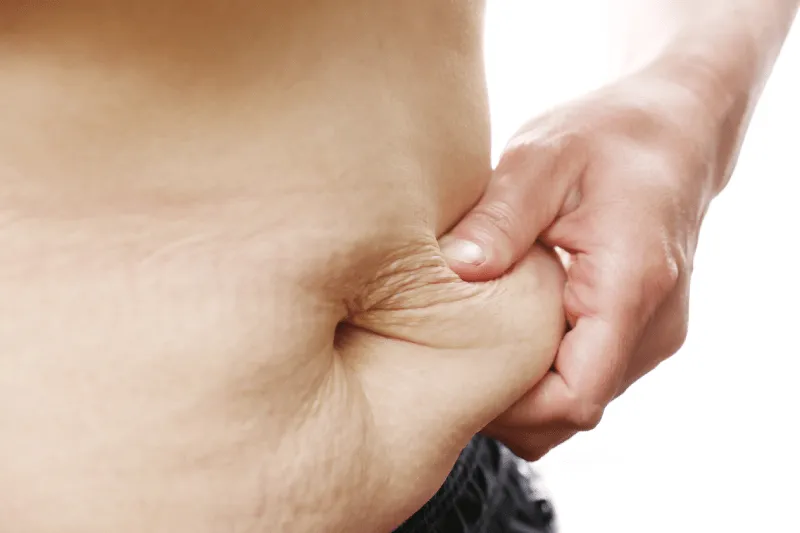
How Does Rapid Weight Loss Affect The Skin?
Rapid weight loss causes the volume of fat cells in the body to shrink rapidly. However, the skin is not capable of shrinking fast enough to respond to this sudden loss of volume. While the skin can find a chance to recover a bit during slow weight loss processes, skin sagging becomes inevitable when losses of 5-10 kilos per month are experienced after bariatric surgery. When the supportive fat layer under the skin disappears, the skin sags downwards, unable to resist gravity. This is not just an aesthetic problem; it also means that the mechanical balance of the skin is disturbed.
What Health Problems Does Sagging Skin Cause?
The excess skin tissue accumulated in the body not only affects the outward appearance but also brings serious health problems. Rashes, redness, and chronic skin irritations occur as a result of constant friction between two skin surfaces. The accumulation of sweat and moisture between these folds prepares an ideal environment for fungal infections and bacterial wounds. Additionally, when the sagging skin is heavy, it can cause back, waist, and joint pain. This physical weight, which restricts the person’s mobility, also significantly reduces the quality of life by making hygiene difficult to maintain.
What Are Non-Surgical Skin Tightening Methods?
In cases of mild or moderate sagging, there are many technological methods developed as an alternative to surgery. These generally aim to trigger collagen production by stimulating the lower layers of the skin. Procedures such as radiofrequency, ultrasound (HIFU), laser treatments, and mesotherapy are included in this category. However, it should not be forgotten that these methods provide limited success in cases of excessive and intense sagging after bariatric surgery. Non-surgical techniques are mostly preferred to improve the texture of the skin, tighten pores, and eliminate loosening in small areas, either as support for the surgical procedure or for patients who do not want surgery.
Is Radiofrequency Treatment Effective For Skin Sagging?
Radiofrequency technology is a method that tightens existing collagen fibers and supports the formation of new ones by sending controlled heat under the skin. The heated tissue activates the body’s natural healing mechanism. This process helps the skin look tighter and more vibrant. However, it cannot be expected to create a miracle on its own in deep tissue sagging after bariatric surgery. Radiofrequency is of great importance as a “complementary treatment” mostly in mild loosening in areas such as the arms, inner legs, or face and to increase the quality of the skin after surgery. A noticeable improvement can be observed as a result of regular sessions.
Can Skin Be Tightened With HIFU Technology?
HIFU (High-Intensity Focused Ultrasound) is a technology that can reach the deepest layers of the skin, even the fascial layer where surgeons intervene during surgery. This method, which has become popular as “non-surgical face lift,” provides tightening by creating micro-damage in the tissue through sound waves. It can give effective results, especially in sagging in the neck, jawline, and face in bariatric surgery patients. In the body area, it is mostly used to increase skin quality. The biggest advantage of the procedure is that it does not require a surgical incision and no recovery time is needed, but its effect remains limited in patients with excessive skin excess.
Do Laser Treatments Increase Skin Elasticity?
Laser systems provide tissue regeneration by targeting the upper and middle layers of the skin. Fractional lasers or laser devices with special wavelengths focused on tightening maximize elastin production by stimulating micro-channels in the skin. Laser treatments are quite effective for the skin’s appearance filled with cracks and lifeless after weight loss. While increasing the superficial quality of the skin, it also creates a slight recovery effect. However, it does not replace a surgical tightening procedure; it is more of a professional application recommended by aesthetic surgeons to smooth the skin, eliminate tone differences, and restore elasticity to some extent.
Is Vacuum Therapy A Solution For Sagging?
Methods such as vacuum therapy or endermology speed up blood circulation and provide lymphatic drainage by creating a mechanical massage effect. This process helps to remove edema in the tissues and makes the skin look more alive. It is especially effective in reducing the appearance of cellulite and revitalizing the sub-dermal connective tissue. However, it does not have the ability to “eliminate” large sagging skin masses after bariatric surgery. These treatments play a supportive role to soften the tissue in the preparation stage for the surgical process or to overcome the edema period more comfortably after surgery. It contributes to general health by increasing the blood supply of the skin.
What Is Abdominoplasty Surgery?
Abdominoplasty, or tummy tuck in medical terms, is the most frequently applied aesthetic operation after bariatric surgery. It is the process of surgically removing the sagging skin and stubborn fat tissue formed in the abdominal region after weight loss. During this surgery, not only is the excess skin removed, but the abdominal muscles that have been separated due to pregnancy or obesity are also repaired by bringing them closer together. Thus, a flatter, tighter, and more aesthetic abdominal form is provided to the individual. This operation both allows the patient to get rid of the physical weight and significantly increases their self-confidence by eliminating difficulties in choosing clothes.
For Whom Is Arm Lift Surgery Performed?
Arm lift (brachioplasty) is ideal for individuals who experience sagging in the form of “bat wings” especially when they open their arms to the sides. The excess skin accumulated in the inner and back part of the arm after weight loss can prevent the person from wearing short-sleeved clothes. With this surgery, the excess tissue between the elbow and the armpit is removed. If the amount of sagging is very high, the incision may extend from the armpit to the elbow, but there are also techniques limited only to the armpit. This procedure, which eliminates the discomfort caused by arms rubbing against each other during physical activities, allows the arms to look much thinner and more athletic.
How Is Thigh Lift Surgery Applied?
Thigh lift surgery is the process of recovering the sagging skin on the inner and sometimes outer parts of the thighs. After bariatric surgery, the skin on the inner thighs can sag so much that wounds can occur due to friction while the patient is walking. During surgery, the excess skin is pulled upwards and removed with incisions made from the groin area. In some cases, it is combined with liposuction to obtain a smoother result. After thigh lift surgery, the legs look more fit and walking comfort increases significantly. Although the recovery process requires patience, the results are quite satisfying for patients.
Is Breast Lift Surgery Necessary?
Rapid weight loss causes the fat tissue inside the breasts to empty and the breast tissue to move downwards. While this situation creates unhappiness aesthetically, it also causes sweating and rash formation in the under-breast area. Breast lift (mastopexy) surgery is performed by moving the nipple to the position it should be and removing the excess skin. If the loss of volume is very high, silicone prostheses can also be added to the surgery to gain fullness to the breast. This operation allows the woman’s body lines to become proportional again and creates an aesthetic silhouette.
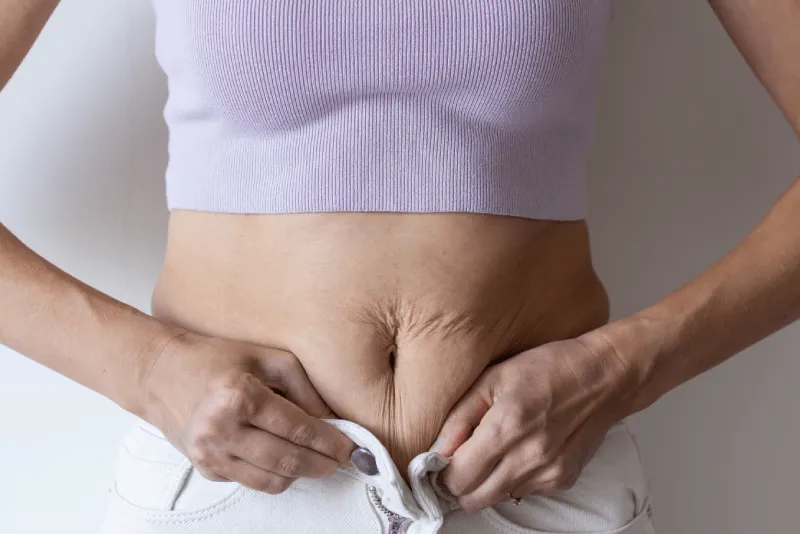
In Which Cases Is Back Lift Surgery Preferred?
Sagging in the back area generally manifests itself in the form of skin folds in the bra line or in the upper parts of the waist. These folds cause both hygiene problems and are clearly visible from under the clothes. Back lift surgery involves removing the excess tissue in these areas with a horizontal incision. It is generally evaluated as part of “upper body lift” procedures. This process, which makes the back look smoother and tighter, can even positively affect the patient’s posture. It is a critical step for the body contour to look flawless from the back as well.
What Is Total Body Lift?
Total body lift (Body Lift) is a comprehensive surgical intervention that recovers the middle and lower parts of the body with a 360-degree approach. In this operation, the abdomen, waist, hips, and sometimes the outer part of the thighs are intervened in a single session and tightened. With a belt-shaped incision, the entire body is recovered in a ring shape. It is the most effective solution for patients with extreme sagging after bariatric surgery. Although it creates a dramatic change at once, it is a major surgery, so the general health status and blood values of the patient must be very good.
When Should Face And Neck Lift Procedures Be Performed?
Weight loss causes the fat pads in the face to melt, causing the person to look much older and more tired than they are. In this image called “bariatric face,” the cheeks collapse, the jawline disappears, and sagging called “turkey neck” occurs in the neck. Face and neck lift procedures should be planned during the period when the weight is completely stabilized and the general health of the patient has returned. With these operations, sub-dermal tissues are moved upwards, excess skin is removed, and volume loss is eliminated with fat injections if necessary. The result is a young and dynamic appearance suitable for the person’s new weight.
What Is The Ideal Weight For Surgery?
The most important criterion for skin tightening surgeries is that the weight has remained stable for at least 6 months. Ideally, the patient has reached the targeted weight or is very close to this goal (BMI value should be below 30 if possible). If the person continues to lose weight after the surgery, the skin may sag again; on the contrary, if they gain weight, the surgical stitches may be forced. For this reason, surgeons generally prefer to perform these surgeries at least 12-18 months after bariatric surgery. It is critical for the body’s nutrient stores to be filled and the metabolism to be regulated for surgery success.
How To Prepare Before Skin Tightening Surgery?
The pre-surgery preparation process requires both physical and mental discipline. First, vitamin, mineral, and protein levels are checked by performing comprehensive blood tests; if there is a deficiency, it is completed. Since smoking impairs tissue healing, it must be stopped at least 4-6 weeks before the surgery. Blood thinners and herbal supplements are stopped under the control of the surgeon. Additionally, it is important to arrange a companion to help in the post-surgery process and to make the house suitable for the recovery period. Healthy nutrition and plenty of water consumption ensure that the tissues are ready for the operation.
What Is The Recovery Process Like After The Operation?
The recovery process varies according to the scope of the surgery performed. Generally, it is kept under observation in the hospital for the first few days. Thin tubes called “drains” can be used to throw out the fluid accumulated in the surgery area. Pain, edema, and bruises are normal in the first weeks and are controlled with medications. Patients are asked to wear special compression garments (corsets) for about 4-6 weeks. These corsets reduce edema and help the skin adapt to its new form. Full recovery and seeing the final results can sometimes take between 6 months and 1 year.
Do Surgical Scars Fade Over Time?
Unfortunately, skin tightening surgeries cannot be done without scars; because sagging skin can only be removed by making an incision. However, plastic surgeons generally place these incisions in concealable areas such as the underwear or swimsuit line. Scars may be red and prominent at first, but they fade over time (usually within 12-18 months), approaching the skin color and thinning. Special creams, silicone tapes, or laser treatments can be applied to increase the quality of the scars. The vast majority of patients express that the happiness of getting rid of sagging skin masses is much more valuable than the concealable scars.
What Are The Risks Of Skin Tightening Surgeries?
As with every surgical operation, there are some risks in skin tightening surgeries as well. These include infection, bleeding (hematoma), opening of the stitches, and healing delays. In bariatric surgery patients, wound healing problems may occur more frequently due to nutritional deficiencies in particular. Additionally, risks related to anesthesia and, although rare, serious conditions such as blood clots in the lungs (embolism) may occur. To minimize these risks, an experienced surgeon should be selected, all instructions before and after surgery should be followed to the letter, and smoking should be strictly avoided.
How Does The Diet Affect Skin Health?
Skin health starts from the inside. Since protein absorption decreases after bariatric surgery, it is of vital importance for patients to have a protein-focused diet for skin elasticity. Protein is the building block of collagen and elastin fibers. Insufficient protein intake causes the skin to sag more and the surgery wounds to heal very late. Additionally, vitamins A, C, and E, as well as minerals such as zinc and copper, increase the skin’s capacity to renew itself. A balanced and nutritious diet not only provides weight control but also directly contributes to the skin looking brighter, tighter, and healthier.
Do Collagen Supplements Prevent Sagging?
Collagen supplements have been quite popular in recent years, but it is not possible for these supplements to completely “reverse” the excessive sagging formed after bariatric surgery. Supplements can increase the skin’s moisture capacity and provide a superficial tightness. However, they cannot combine broken elastin fibers without surgery. Still, high-quality collagen peptides used with the surgeon’s approval in the pre- and post-surgery period can support tissue quality and help the recovery process. These supplements should be seen as a small but beneficial part of a holistic skin care and nutrition strategy.
Why Is Water Consumption Important For Skin Elasticity?
Water is one of the most important structural needs of the skin. Skin that has lost its moisture loses its elasticity and cracks, fades, and sags more easily. Sufficient daily water consumption ensures that cells remain plump and toxins are removed from the body. Paying attention to water consumption after bariatric surgery can help the skin adapt a little better to weight loss. Additionally, water plays a vital role in the healing of tissues and the removal of edema in the post-surgery period. Drinking at least 2-2.5 liters of water a day supports the lower layers of the skin to stay healthy.
Does Exercising Tighten Sagging Skin?
Exercise and sports help to fill the bottom of the skin by developing muscle tissue. However, if the skin sagging is at a very advanced level, it is not anatomically possible to fill this gap just by making muscle. Still, regular exercise provides nourishment to the skin by increasing blood circulation and improves the body contour. Strong muscles in the post-surgery period ensure that the surgical results look much more aesthetic and fit. Weight training in particular is the best lifestyle habit that should be combined with surgery to increase the general tightness of the body.
Do Vitamin And Mineral Deficiencies Trigger Sagging?
Yes, especially deficiencies in B, C, D, and E vitamins and biotin directly weaken the skin structure. Due to absorption disorders after bariatric surgery, the levels of these vitamins can drop rapidly. Vitamin C is a prerequisite for collagen synthesis; in its deficiency, the skin loses its elasticity and wounds heal with difficulty. Zinc is critical for cell division and tissue repair. It is of great importance for patients to have regular blood tests and use the supplements that are missing, in order to reduce the severity of sagging and to enter surgery with a healthier skin tissue.
How Does Smoking Affect The Healing Process?
Smoking is accepted as the “greatest enemy” of plastic surgery. Nicotine significantly reduces oxygen and blood flow to the skin by narrowing the vessels. This situation can lead to failure to feed the stitches, skin necrosis (tissue death), and inflammation after skin tightening surgeries. In patients who smoke, scars remain much wider and more prominent. Most surgeons refuse to perform these surgeries until their patient stops smoking completely. This factor, which directly affects the speed and quality of healing, is one of the most critical safety steps for the success of the operation.
Why Is It Important To Receive Psychological Support?
A major physical change process brings with it emotional challenges. Even if the person loses a lot of weight, they may still feel “overweight” or “ugly” when they see the sagging skin in the mirror; this situation can be accompanied by the risk of “body dysmorphic disorder.” Additionally, the recovery process brought by operations is a test of patience. Psychological support helps the person to accept their new body image, to create realistic expectations, and to manage emotional fluctuations in the post-surgery process. Mental health is as valuable as physical recovery and holistically completes the patient’s quality of life.
How Should The Right Surgeon Selection Be Made?
Body shaping surgeries require high technical skills and an aesthetic eye. When choosing a surgeon, it must be ensured that they are a specialist in “Plastic, Reconstructive, and Aesthetic Surgery.” Examining the surgeon’s previous work (before-after photos) with similar bariatric patients is guiding. It is important for the patient to work with a physician with whom they feel comfortable, who honestly explains the risks, and who meticulously follows up after the surgery. Correcting a wrongly performed operation is much more difficult and costly than performing the first one; therefore, the research process should not be rushed.
According To What Do Surgery Prices Vary?
Surgery costs are affected by many different variables. The number of regions to be intervened (only the abdomen or the whole body?), the duration of the surgery, the techniques to be used (lipo-abdominoplasty etc.), the duration of stay in the hospital, and the experience of the surgeon are the main determinants. Additionally, the quality of the materials used and the equipment of the hospital are reflected in the price. Instead of turning to cheap options, centers that prioritize safety and quality should be preferred. Many hospitals can optimize the cost by offering package prices when more than one region is done at the same time.
Can Multiple Areas Be Operated On At The Same Time?
Yes, these are called “combined surgeries.” For example, tummy tuck and breast lift or arm lift can be done in the same session. The advantage of this is to receive a single anesthesia and experience a single recovery process. However, there is a limit to this; when the surgery time is too long (usually when it exceeds 6-7 hours), complication risks increase. The surgeon decides which regions will be done together by looking at the patient’s general health status, blood values, and the body’s capacity to tolerate. Safety is always more prioritized than aesthetic results.
Are The Results Permanent?
The results of skin tightening surgeries are permanent as long as the patient maintains their weight. The excess skin removed does not come back. However, since the aging process continues, gravity and age-related loss of elasticity can create very slight changes over time. The biggest risk is the patient losing and gaining extreme weight again; this situation causes the skin to stretch and sag again. A lifestyle supported by a healthy diet and regular exercise ensures that surgical results are preserved for a lifetime. These surgeries should be seen as the beginning of a new life and the gains should be protected.
Does Using A Corset Speed Up Recovery?
Using a corset after surgery is definitely a necessity that speeds up recovery and provides shaping. The corset helps the skin to stick to the tissue under it more tightly and smoothly. It also suppresses edema formation, reduces the risk of blood accumulation, and provides a sense of “confidence” to the patient, ensuring the protection of the stitches while moving. Surgeons generally recommend wearing a corset 24 hours for the first month, and then only during the day for the next few weeks. A correctly selected corset is a medical aid that directly affects surgery success.
When Can One Return To Normal Life?
The process of returning to normal life depends on the size of the procedure performed. Generally, patients with a desk job can return to their jobs within 2-3 weeks. However, at least 6-8 weeks should be waited for jobs requiring physical strength. While light activities such as walking are encouraged from the first week, surgeon approval is required for heavy sports and fitness (usually after the 2nd month). To fully mix into social life and feel comfortable in clothes, the critical first 1nd-2nd month period must be overcome. Being patient is the most important rule for long-term success.
Will New Techniques Develop In The Future?
The medical world is advancing every day. In the future, it is expected that surgical techniques that leave fewer scars, cell treatments that rejuvenate the skin from within with tissue engineering, and robotic surgery will be used more actively in this area. Additionally, studies are continuing on stitchless wound closure methods and laser technologies that allow scars to be completely eliminated. However, in today’s technology, the “gold standard” for large skin excesses formed after bariatric surgery is still tightening procedures with plastic surgery. As technology develops, recovery times shorten and patient comfort increases.
What Are The Most Frequently Asked Questions By Patients?
Patients generally ask questions such as “Is the surgery very painful?”, “How big will my scars be?”, and “What happens if I gain weight again after the surgery?”. Thanks to modern anesthesia and pain management techniques, pain is no longer a feared factor. Scars fade over time and can be hidden with clothes. The most important answer is this: These operations are not a weight loss method, but a successful final to the weight loss process. Knowing this fact, patients starting the process and establishing open communication with their doctors is the key to the happiest results.
Free Consultation
Fill out the form below to get your free medical travel plan and price quote.
Sources and how to verify this yourself
- Eisenberg D, et al. 2022 ASMBS and IFSO Indications for Metabolic and Bariatric Surgery. — surgery is recommended at BMI ≥35 regardless of co-morbidity, and considered at BMI 30–34.9 with metabolic disease (lower thresholds for Asian populations). source
- Ministry of Health, Regulation on International Health Tourism and Tourist Health, Official Gazette 26 April 2025, No. 32882 — authorisation requirement for facilities and intermediaries, TÜSKA accreditation, compulsory complication insurance (deadline 31 December 2025 for insurance, 31 December 2026 for accreditation). source
- Ministry of Health, Regulation on Promotion and Information Activities in Health Services, Official Gazette 12 November 2025, No. 33075 — treatment promises and guarantees are prohibited; price and campaign announcements are permitted only within international health tourism. source