Why Does Skin Sag After Gastric Sleeve Surgery?
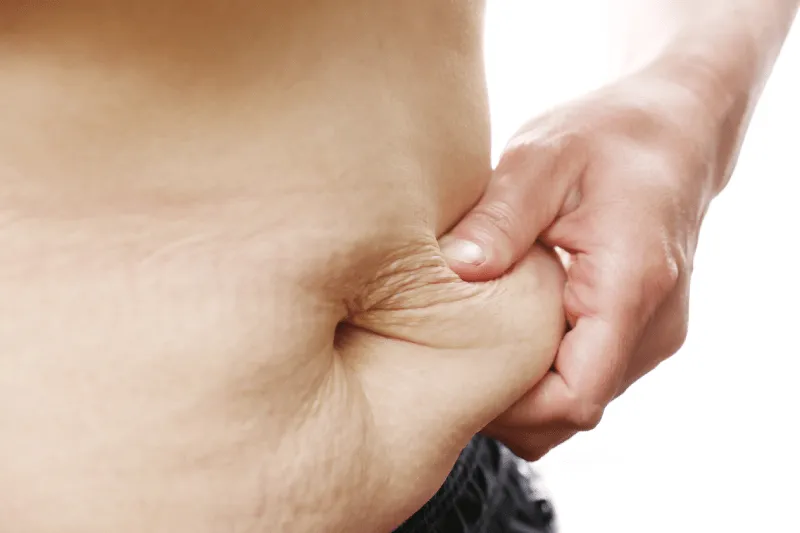
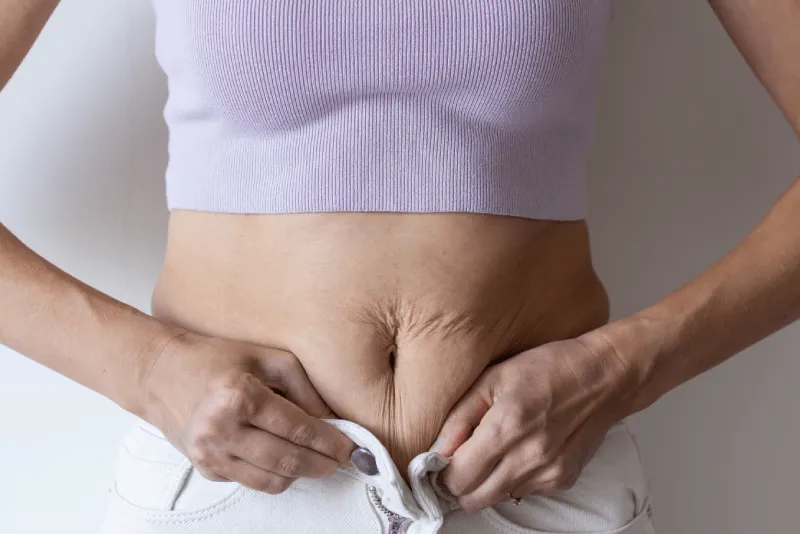
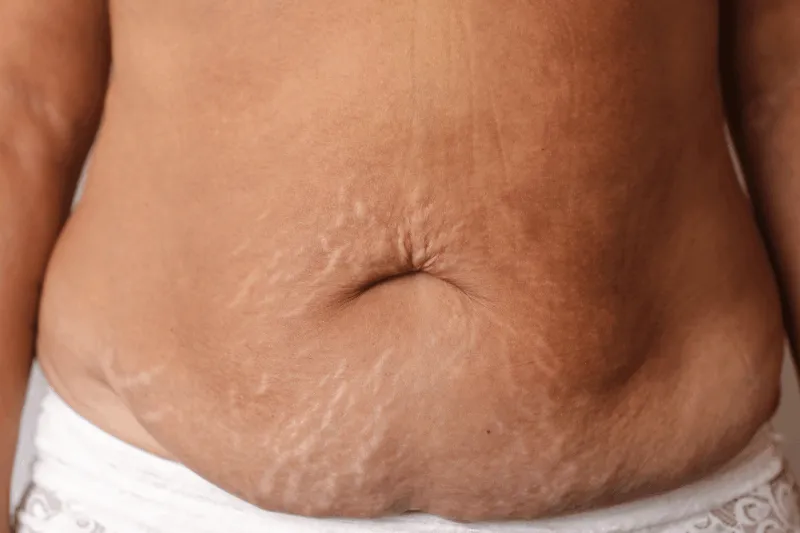
Skin sagging after gastric sleeve surgery is essentially a natural biological response of the skin to excessive stretching. During long periods of obesity, the skin expands to accommodate excess fat tissue, and in this process, elastin and collagen fibers can be permanently damaged. The dozens of kilograms lost in a very short time after surgery occur much faster than the skin’s ability to shrink. This results in the skin being unable to adapt to the emptied internal volume, leading it to hang downward under the influence of gravity.
How Do Genetic Factors Affect Sagging?
The fundamental architecture of our skin structure depends largely on our genetic heritage. Some individuals are born with a denser collagen structure and a more elastic skin type, so they experience less sagging even with significant weight loss. If your family history shows a high capacity for skin regeneration, this is an advantage for you. However, no matter what your genetic luck is, it is always possible to increase skin resistance and keep the amount of sagging to a minimum with the right lifestyle choices.
How Does Protein Consumption Protect The Skin?
Protein is the primary source of collagen and elastin, the most important building blocks of the skin. Prioritizing protein intake after gastric sleeve surgery not only preserves muscle mass but also nourishes the lower layers of the skin, helping it appear firmer. When you complete the required daily amount of protein, your body has the amino acids necessary to repair damaged skin tissue. This situation slows down the sagging process while visibly increasing the overall quality and resilience of your skin.
Does Drinking Water Increase Elasticity?
The moisture balance of the body is directly linked to skin elasticity. Drinking enough water ensures that skin cells remain plump and helps the skin look tighter by maintaining “turgor” pressure. Dehydrated skin loses its flexibility by drying out and becomes much more vulnerable to sagging. For gastric sleeve patients, the rule of drinking water sip by sip is of vital importance not only for stomach health but also for the skin’s ability to recover and maintain its youthful tension.
Why Are Vitamin Supplements Important?
Because absorption changes after bariatric surgery, the body’s need for vitamins increases significantly. Especially vitamins A, C, and E, along with biotin, play a critical role in the skin’s collagen synthesis and cell renewal processes. Vitamin C is one of the most powerful antioxidants that triggers collagen production. Regularly using the multivitamins recommended by your doctor ensures the skin is nourished from the inside, preventing sagging from deepening. These supplements directly affect your outward appearance as well as your general health.
Does Muscle Mass Prevent Sagging?
Increasing muscle mass is one of the most effective ways to combat skin sagging. When fat tissue in the body decreases rapidly, the area under the skin becomes empty; filling this void with muscle tissue allows the skin to stand much tighter. Muscles act as a physical skeleton upon which the skin rests, making it physically harder for the skin to sag downward. Therefore, including muscle-building exercises in the weight loss process after surgery ensures that the aesthetic results are much more successful and defined.
When Should Resistance Training Begin?
To start heavy sports after gastric sleeve surgery, it is generally expected that the first few months pass and the doctor gives approval. However, once the body is ready, lifting weights or exercising with resistance bands is of vital importance. These workouts accelerate metabolism as well as tighten the skin. Starting with a light tempo in the early period and increasing resistance over time will greatly help the body take shape and assist in the recovery of sagging areas.
Does Collagen Supplementation Work?
Collagen supplements, which have increased in popularity in recent years, can play a supportive role in preventing skin sagging. Supplements containing Type 1 and Type 3 collagen can increase elasticity by strengthening the dermis layer of the skin. However, it should not be forgotten that collagen supplementation does not create miracles on its own; it must be supported by a balanced diet and regular exercise. Peptide collagens in liquid or powder form have higher absorption by the body and can provide more effective results.
How Does Rapid Weight Loss Affect The Skin?
Due to the nature of gastric sleeve surgery, weight loss usually happens very quickly. However, the more controlled and gradual the weight loss is, the easier it is for the skin to adapt to the change. Very aggressive calorie restrictions can cause the body to burn muscle tissue, which makes sagging even more prominent. The skin needs time to renew itself within the first year after surgery, and managing this process at a healthy pace minimizes the overall risk of severe skin sagging.
Does Smoking Accelerate Sagging?
Smoking is one of the biggest threats to skin health. Tobacco products reduce blood flow to the skin, preventing oxygen and nutrients from reaching the cells. This leads to the breakdown of collagen fibers and causes the skin to age prematurely and lose its elasticity. Continuing to smoke after gastric sleeve surgery not only delays wound healing but can also make skin sagging much more prominent and irreversible. Quitting smoking is essential for anyone wanting to achieve the best possible aesthetic results after weight loss.
Why Is Protection From The Sun Necessary?
Ultraviolet (UV) rays from the sun directly damage the elastic structure of the skin. Especially in individuals experiencing large weight loss, the skin is already in a sensitive state, and collagen bonds break faster under the influence of the sun. Using high-factor sunscreens to protect from the sun helps the skin maintain its limited remaining flexibility. Protecting the skin from sun damage not only prevents wrinkles but also supports the skin’s capacity to recover its shape after the volume loss.
Are Moisturizing Creams Really Effective?
Moisturizers applied externally strengthen the barrier of the upper layer of the skin (epidermis) and prevent water loss. Creams containing ingredients such as hyaluronic acid, shea butter, and cocoa butter ensure that the skin remains soft and pliable. Although creams cannot completely stop sagging in deep tissues, they improve the skin’s external appearance and contribute to superficial tightening. Regularly moisturizing the skin after every shower also increases blood circulation, helping the skin stay vibrant and healthy-looking throughout the day.
Is The Dry Brushing Method Beneficial?
Dry brushing is the process of brushing the skin in an upward direction using a natural bristle brush. This method stimulates lymphatic drainage and accelerates blood circulation in the skin, allowing cells to receive more oxygen. When done regularly, it contributes to the removal of dead skin and helps the skin appear brighter and tighter. Because increased blood circulation improves skin nutrition, it is frequently recommended as a supportive natural method during the sagging process to maintain the vitality of the outer dermal layers.
How Does Skin Elasticity Change With Age?
As age progresses, the body’s natural collagen production slows down and elastin fibers lose their durability. The skin of people who have gastric sleeve surgery at a young age recovers much faster than that of older individuals. In surgeries performed at age 40 and beyond, the risk of sagging is higher because the skin’s natural renewal process is slower. However, no matter what your age is, it is possible to improve your skin’s current condition and gain a better form through correct nutrition and care.
Does Starting Weight Determine The Amount Of Sagging?
The height of the starting weight before surgery and the duration of obesity are the fundamental factors determining the amount of skin sagging. The higher the Body Mass Index (BMI) and the longer the skin has remained stretched, the lower the chance of returning to its original state. Skin is like a spring; if it is stretched too much and for too long, it loses its ability to bounce back. Therefore, keeping expectations realistic according to the starting weight is important for maintaining motivation.
Does Swimming Prevent Sagging?
Swimming is a wonderful exercise that works all body muscles and tightens the skin by massaging it with the resistance of the water. Thanks to the buoyancy of water, it allows for muscle building without putting a load on the joints. Additionally, the coolness of the water causes blood vessels to contract and expand, performing a kind of vascular gymnastics that increases skin tone. Regular swimming several times a week is one of the most preferred and effective methods in the body-shaping process after gastric sleeve.
What Are The Benefits Of Yoga And Pilates?
Yoga and Pilates provide tightening and upright posture by working especially the “core” region and deep muscle groups. These disciplines support the lengthening and strengthening of the muscles under the skin, helping to reduce the saggy appearance. At the same time, they increase flexibility, making the skin more resistant to stretching. These exercises, which increase mind-body coordination, also offer great psychological support in the process of adapting to the changing body image after the surgery and weight loss journey.
Do Omega 3 Fatty Acids Nourish The Skin?
Omega 3 fatty acids are indispensable for the health of cell membranes. Omega 3 obtained from sources such as fish oil, walnuts, and flaxseed increases the moisture-holding capacity of the skin and reduces inflammation. Consuming healthy fats ensures the skin looks more flexible and bright, eliminating the dull appearance created by sagging. Omega 3 added to the diet after gastric sleeve surgery not only protects heart health but also heals and improves the outward appearance of the skin from the inside out.
How Does Vitamin C Support Collagen Production?
Vitamin C is one of the essential cofactors involved in collagen synthesis. When there is insufficient Vitamin C in the body, collagen fibers cannot form properly, and the skin structure weakens. Vitamin C obtained through fresh vegetables and fruits protects the skin from the damage of free radicals as a powerful antioxidant. Consuming plenty of colorful vegetables or taking supplements with doctor approval during the post-operative period helps the skin renew itself faster and stay much more firm and resilient against gravity.
Does Sleep Pattern Affect Skin Health?
During sleep, the body goes into repair mode, and critical hormones such as growth hormone reach their highest levels. Insufficient sleep causes an increase in cortisol, the stress hormone, which can accelerate collagen breakdown. A quality sleep pattern gives the body the time it needs to renew skin cells and repair damaged tissues. If you want your skin to stay healthy during the challenging recovery process after gastric sleeve, you should take care to get at least 7-8 hours of quality sleep daily.
Does Stress Cause Skin To Sag?
Chronic stress increases oxidative stress in the body, leading to faster aging and wear of skin cells. During stressful periods, the body directs its resources to vital organs, and secondary systems like the skin may remain undernourished. Additionally, stress can trigger poor eating habits, reducing protein intake. Using stress management techniques such as meditation and walking during the post-operative period is an indirect but very important factor in protecting your skin health and reducing the amount of visible sagging.
How Does Alcohol Consumption Ruin The Skin?
Alcohol causes dehydration, which is one of the biggest enemies of the body and skin. Dehydrated skin loses its elasticity, becomes dull, and is more prone to sagging. Furthermore, alcohol prevents the absorption of important vitamins in the body, disrupting the nutrition of the skin. Since alcohol tolerance drops significantly in people who have had gastric sleeve surgery, its effects are felt much more severely. If you want to protect your skin health and keep sagging to a minimum, avoiding alcohol consumption is strongly recommended.
What Is The Effect Of Hot And Cold Showers?
Hot-cold shower transitions, also known as hydrotherapy, revitalize the skin by instantly accelerating blood circulation. While hot water opens pores and relaxes muscles, the cold water applied afterward causes vessels to constrict and the skin to tighten. This shock effect increases skin tone and supports the speed of cell renewal. Ending every bath with a splash of cold water is a simple but effective habit that contributes to the skin gaining a tighter appearance and staying firm over the long term.
How Does Massage Therapy Accelerate Circulation?
Getting regular massages helps remove toxins from the body by activating the lymphatic system. Professional hand massages or vacuum therapies maximize blood flow under the skin and strengthen connective tissue. This makes the skin look more alive and can help in the recovery of mild sagging. Additionally, massage facilitates the removal of edema formed after surgery, helping body contours emerge more clearly and assisting the skin in adhering better to the underlying tissues for a smoother finish.
Does Radiofrequency Treatment Reduce Sagging?
Radiofrequency heats the deep layers of the skin, tightening existing collagen fibers and triggering new collagen production. This non-surgical method can provide quite effective results, especially for mild and moderate skin sagging. This treatment, applied in sessions, increases skin firmness while providing a smooth appearance. For patients who have started to maintain their weight and are looking for a non-surgical solution, radiofrequency is a highly preferred application in medical aesthetics to keep skin sagging under control and improve texture.
Is Skin Tightening With Laser Possible?
Laser technology allows for the stimulation of tissues by sending light energy to the skin surface and underneath. This stimulus activates the body’s natural healing mechanism, making the skin more tense and tight. Laser skin tightening offers successful results, especially in areas with thinner skin such as the face, neck, and arms. For patients who want to improve elasticity loss after gastric sleeve surgery without undergoing further surgery, laser treatments stand out as a modern, comfortable, and effective alternative.
Which Foods Are Skin Friendly?
Skin health begins in the kitchen. Avocado, tomatoes (lycopene), sweet potatoes (beta carotene), pumpkin seeds (zinc), and green leafy vegetables are among the top skin-friendly foods. These foods protect cells from damage by fighting the free radicals the skin is exposed to and maintain structural integrity. A diet enriched with healthy fats and colorful vegetables maximizes the skin’s ability to repair itself. Remember, what you eat is a fundamental factor determining how much your skin will glow and how tight it will remain.
How Much Exercise Should Be Done To Prevent Sagging?
Consistency is more important than quantity when it comes to preventing sagging. Ideally, activities should be done at least 4-5 days a week, lasting between 30 to 60 minutes. Part of this time should be devoted to cardiovascular exercises (walking, cycling) and another part to resistance exercises (weights, Pilates). Keeping the body constantly in motion keeps blood circulation active and preserves the muscle tone under the skin. Regular exercise, done without overdoing it but without abandoning discipline, is the strongest weapon for body transformation.
How Does Iron Deficiency Affect The Skin?
Iron is found in the structure of hemoglobin, which carries oxygen in the blood. When there is an iron deficiency, enough oxygen cannot reach the skin cells, causing the skin to look pale, dull, and fragile. In tissues deprived of oxygen, collagen production slows down, and the skin becomes more prone to sagging. Since iron absorption can be impaired in gastric sleeve patients, it is essential to follow blood values regularly and use iron supplements if necessary to maintain the health and quality of the skin.
What Are The Benefits Of Zinc Mineral For The Skin?
Zinc is one of the most important minerals necessary for the division and renewal of skin cells. It also plays a critical role in protein synthesis and wound healing. Zinc deficiency can lead to thinning of the skin and faster loss of elasticity. Seafood, nuts, and legumes are good sources of zinc. Having enough zinc in your post-operative nutrition helps your skin have a more robust structure and assists it in better combating the effects of sagging during rapid weight loss phases.
How Should The Process Be Managed After Pregnancy?
For women who become pregnant after gastric sleeve surgery, skin sagging can become more complex. Both the weight loss brought by the surgery and the rapid expansion in pregnancy put a lot of strain on the skin. In this process, extreme lubrication (moisturizing) of the skin and protein-weighted nutrition are of vital importance. Returning to exercises early but safely after birth and continuing skin-supportive methods will help reduce the risk of double-layered sagging and aid the body in returning to its pre-pregnancy state.
How To Cope With The Psychological Effects Of Sagging?
Skin sagging that appears after large weight loss can sometimes overshadow a person’s success and negatively affect self-confidence. The thought “I lost weight but I still don’t look the way I want” is common. It is important to be patient during this process, appreciate the distance traveled, and thank your body. Supporting yourself with a psychologist if necessary or sharing experiences with people who have gone through similar processes will help lighten the emotional burden of this temporary aesthetic problem and manage the journey more healthily.
What Should Be Done Immediately After Surgery?
The first months immediately after surgery are the period when the skin experiences the greatest change. In this period, drinking plenty of water, reaching protein targets, and starting light walks should be the main priorities. Choosing shower gels that do not dry out the skin and using moisturizer regularly every day should become a habit. These solid foundations laid in the early months ensure that the skin is better prepared when weight loss accelerates. Remember, the prevention process begins when weight loss starts, not when it ends.
When Should Aesthetic Surgery Be Considered?
Before considering surgical intervention for skin sagging after gastric sleeve, it is recommended that the weight loss process be completed and weight remains stable for at least 6-12 months. Body contouring surgeries (tummy tuck, arm lift, etc.) offer a permanent solution only after all natural methods have been tried and the ideal weight has been reached. For surgery, it is essential that the body is fully healed and the vitamin-mineral balance is restored for a successful result and a fast recovery process.
How Does Being Patient Make The Process Easier?
Combating skin sagging is a marathon, not a sprint. It takes time for the skin to recover, and every body responds at a different speed. Expecting immediate results can break your motivation. You must stay true to regular nutrition, exercise, and care routines and give your body time. At the end of the weight loss process, remembering what a great success you have achieved by looking at your starting point and following the developments in your skin month by month will give you the strength you need to reach your ultimate goal.
Free Consultation
Fill out the form below to get your free medical travel plan and price quote.
Sources and how to verify this yourself
- Eisenberg D, et al. 2022 ASMBS and IFSO Indications for Metabolic and Bariatric Surgery. — surgery is recommended at BMI ≥35 regardless of co-morbidity, and considered at BMI 30–34.9 with metabolic disease (lower thresholds for Asian populations). source
- Ministry of Health, Regulation on International Health Tourism and Tourist Health, Official Gazette 26 April 2025, No. 32882 — authorisation requirement for facilities and intermediaries, TÜSKA accreditation, compulsory complication insurance (deadline 31 December 2025 for insurance, 31 December 2026 for accreditation). source
- Ministry of Health, Regulation on Promotion and Information Activities in Health Services, Official Gazette 12 November 2025, No. 33075 — treatment promises and guarantees are prohibited; price and campaign announcements are permitted only within international health tourism. source