What Are Botox And Filler Applications?
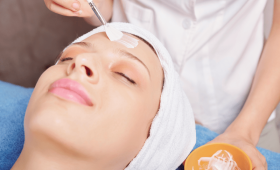
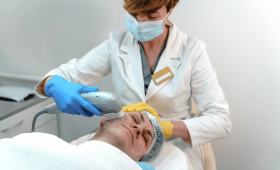
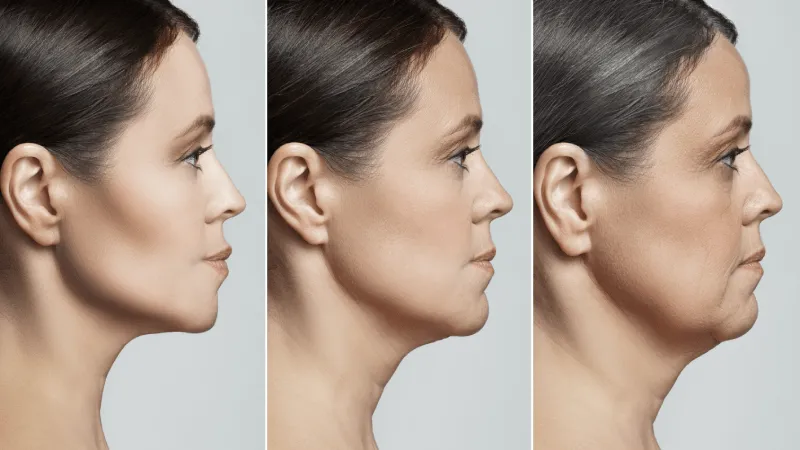
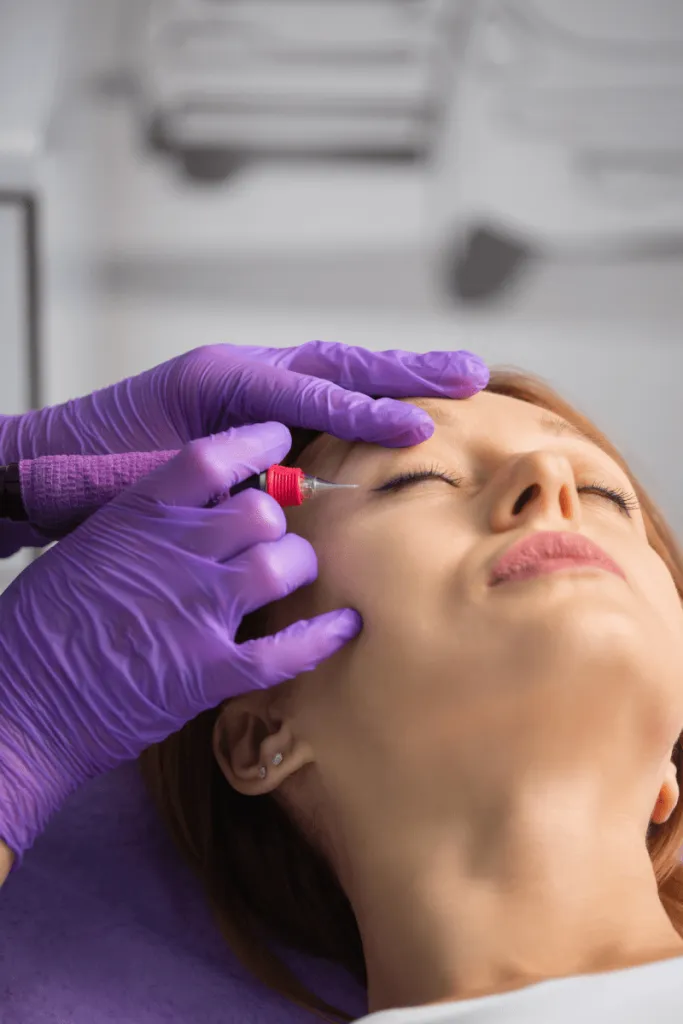
Botox and filler applications are medical aesthetic methods used to alleviate signs of aging and define facial features without requiring surgical intervention. Botox is a toxin obtained from the bacterium Clostridium botulinum, which prevents the formation of dynamic wrinkles by temporarily stopping the movement of muscles in the area where it is applied. Fillers, on the other hand, are procedures where substances like hyaluronic acid, which are naturally found in the body, are injected to give volume to the skin, fill deep lines, and improve facial contours. Both procedures provide an extremely natural and rejuvenated appearance when performed by a specialist physician. The success of these applications depends not only on the moment of injection but also strictly on the care process after the application.
How Should The First Hours After The Procedure Pass?
The first four to six hours after the procedure is the most critical period for the injected substance to settle fully into the tissue and prevent unwanted spread. If you have had Botox, you need to keep your head upright and avoid leaning forward to prevent the toxin from leaking into the surrounding muscles. In filler applications, it is important to avoid excessive facial movements so that the shape of the area is not disturbed. For the first few hours, the application area should definitely not be touched, rubbed, or pressured. Additionally, not being in excessively hot or cold environments during this short period helps the skin calm down. Although resting is a good idea, waiting at least four hours before moving to a horizontal position is a rule frequently recommended by experts.
Is It Normal To Have Edema And Bruising?
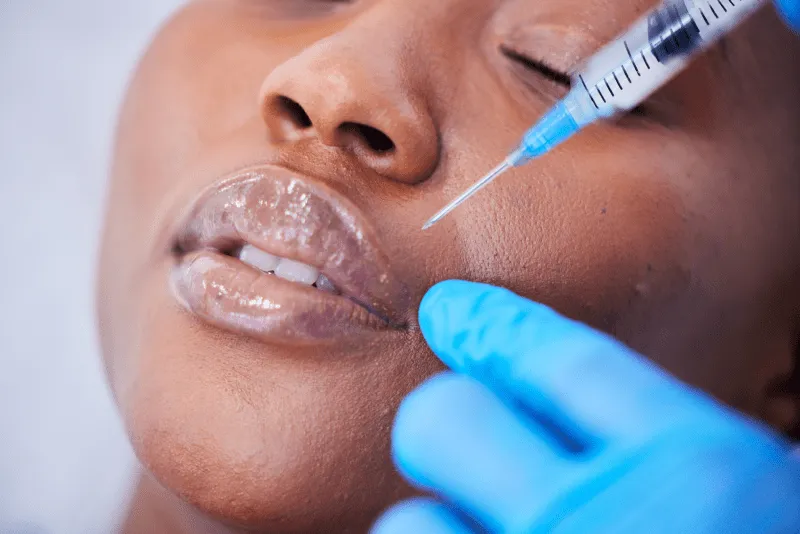
It is completely normal to see mild swelling, edema, or bruising after injection procedures and generally does not constitute a cause for concern. Small bruises may occur as a result of the needle contacting capillaries during entry under the skin; edema may be more pronounced especially in sensitive areas such as the lips. These side effects usually peak within the first 24 to 48 hours and then rapidly decrease and disappear completely within a week. If you have bruises, you can use creams containing arnica with your doctor’s approval or apply a cold compress without irritating the area. It should not be forgotten that every individual’s skin structure and healing speed are different, so having a bruise when your friend does not does not mean there was an error.
Why Is It Harmful To Touch The Application Area?
The urge to touch your skin after an injection can be quite strong, but manipulating this area can seriously jeopardize the aesthetic result you expect. Massaging the area after Botox application can cause the drug to leave the target muscle group and spread to neighboring muscles, leading to unwanted complications such as eyelid drooping. In filler procedures, applying pressure can cause the filler to displace, cause asymmetry, or result in lumps because the filler material has not yet integrated with the tissue. Additionally, bacteria from your hands can leak through the needle entry holes, increasing the risk of infection. You should be extremely gentle when touching your face for the first 24 hours and, if possible, not touch the application points at all.
Which Sleeping Position Should Be Preferred?
On the first night after the procedure, your sleeping position is of great importance both for edema control and for preserving the results of the application. Experts recommend sleeping on your back and supporting your head with two pillows to keep it higher than your body to minimize pressure on the face and prevent the filler/Botox from displacing. Sleeping on your side or face down can cause asymmetrical distribution of the filler material or the spread of Botox by applying excessive pressure to one side of the face. Keeping the head elevated contributes to the quicker subsidence of edema that may occur after the application by accelerating lymphatic drainage with the help of gravity. Maintaining this sleeping arrangement for at least two nights will speed up the healing process and help the final result remain as planned.
How Long Should You Wait To Apply Makeup?
After newly applied Botox and fillers, it is necessary to take a break from makeup for a while so that the skin can breathe and the injection points can close. Since needle entry sites are microscopic open wounds, bacteria carried by makeup materials can leak through these pores and cause infection. Generally, it is recommended not to apply any cosmetic products to the face for at least 12 to 24 hours after the procedure. If you absolutely must apply makeup, you must ensure that the brushes and sponges used are completely sterile and prefer mineral-based products that do not clog the skin. Also, you should not make harsh movements to the skin while applying or removing makeup and should be careful not to press on the areas where fillers were applied.
When Can You Start Doing Sports?
Sports and heavy physical activities should be restricted for a certain period after Botox and fillers because they increase body temperature and accelerate blood circulation. Increased blood flow during exercise can cause the Botox substance to move out of the muscle where it was injected, which can reduce the effect of the procedure or lead to asymmetry. Additionally, there may be a risk of irritation at the injection points along with sweating. While light walks are generally considered safe after 24 hours; at least 48 hours should be waited for weightlifting, yoga (poses containing head-down positions), cardio, or high-tempo workouts. Giving your body this rest period ensures that the injection substances hold onto the tissues healthily and prevents swelling from increasing.
Does Alcohol Consumption Affect The Healing Process?
As before the procedure, it is a medical necessity to avoid alcohol consumption for at least 24 hours after Botox and fillers. Alcohol has a blood-thinning effect, which can increase the risk of bruising and the severity of existing bruises at the injection sites. Additionally, alcohol triggers edema in the body, causing facial swellings to take longer to subside. The dehydrating effect of alcohol can prevent especially hyaluronic acid fillers from showing full performance; because these fillers gain volume by holding water. To ensure your healing process progresses healthily and your skin glows, consuming plenty of water instead of alcohol will support tissue regeneration and set the stage for bruises to heal faster.
Why Is Sun Protection Important?
Ultraviolet (UV) rays from the sun are one of the biggest enemies of the skin after medical aesthetic applications. Excessive heat can increase edema and bruising by dilating blood vessels, and can also negatively affect the integration process of the filler material with your skin. Especially hyaluronic acid fillers can be sensitive to heat, and excessive sun exposure can lead to the filler breaking down faster. After Botox, the redness and inflammation caused by the sun reduce the comfort of the procedure. You should avoid direct sunlight for the first few days after the application, use wide-brimmed hats, and definitely add a broad-spectrum sunscreen with at least SPF 30 to your routine. Protecting your skin will extend the life of your aesthetic result.
Is It Safe To Use Sauna And Turkish Bath?
Saunas, Turkish baths, steam rooms, or very hot showers are among the places to be avoided immediately after Botox and filler applications. These environments artificially raise the body temperature rapidly and trigger the skin’s inflammation response by causing intense sweating. High heat can disturb the activity of the Botox substance in the tissues and shorten the life of the fillers. Additionally, the vascular dilation created by hot environments causes the bruising and swelling in the application area to become much more prominent. It is recommended to stay away from such high-heat activities for at least one week until the application area is completely stabilized. Keeping your skin cool will make the healing phase much more comfortable and safe.
Is It Right To Have A Facial Massage?
For the first two weeks after Botox and fillers, professional facial massages, “gua sha” applications, or manual lymph drainage massages should be strictly avoided. The pressure and manipulation applied during massage can push the filler material, which is in the settling phase, or cause the face to look disproportionate by disturbing its shape. For Botox, massage carries the risk of moving the drug to unintended muscles. You should also be gentle when doing your own skin care at home, and should not stretch or pull the skin downwards while applying your creams. After about 14 days have passed, the tissues will be completely healed and the substances will have integrated with the tissue, so you can safely return to your massage routines by consulting your doctor.
How Should Skin Care Routines Be Updated?
You may need to make temporary but important changes to your skin care routine after the application. For the first 24 hours, you should wash your skin only with lukewarm water and a mild, soap-free cleanser. You should stay away from harsh scrubbing, peeling (exfoliation) processes, or brush cleaning devices for a few days. If you feel dryness in your skin, you can use soothing and moisturizing creams recommended by your doctor. It is the healthiest approach to wait at least two weeks for procedures that penetrate under the skin in the application areas (for example, dermapen, laser, or chemical peeling). Proceeding with simple and clean ingredient products that will strengthen your skin’s barrier will ensure that the injection points close quickly and the skin soothes.
Is Air Travel Harmful?
It is generally not recommended to go on a plane flight immediately after medical aesthetic applications. Changes in cabin pressure can affect the distribution of fluids in the body, causing the edema formed after the application to intensify. Especially after filler applications, the difference in air pressure can cause unexpected swelling or a feeling of tension in the filler area. Additionally, the extremely dry air inside the plane can irritate the newly injected skin. If you do not have a very urgent travel plan, it is safer to spend the first 24 to 48 hours after the procedure in a settled environment and prevent your body from being exposed to pressure changes. If you have to travel, you should maintain hydration by drinking plenty of water and take care to keep your skin moist.
Should Dental Treatment Be Postponed After Fillers?
Especially if filler has been applied to the lip, jaw, or cheek area, it is recommended to postpone your dental treatment appointments for a while in the following period. Keeping the mouth open for a long time in the dentist’s chair can cause deformation by creating excessive tension and pressure on the newly injected filler materials. Additionally, there is a risk of bacteria inside the mouth entering the circulation during procedures such as teeth cleaning or root canal treatment; this situation can, albeit rarely, set the stage for infection in the filler area. As a general rule, staying away from routine or elective dental interventions for at least two weeks after the filler application is the safest way. If you have an urgent dental problem, it is important to inform both of your physicians about the situation.
How Should Painkiller Use Be?
It is natural to feel a mild ache or sensitivity after the procedure, but the type of painkiller used directly affects healing. Non-steroidal anti-inflammatory drugs such as aspirin, ibuprofen, or naproxen increase the risk of bruising by thinning the blood. Therefore, doctors generally recommend using only paracetamol-containing painkillers. If you need to use a blood-thinning drug regularly, you should inform your physician performing the procedure about this situation in advance and follow their instructions. Usually, the pain subsides on its own within a few hours after the procedure. If you feel a severe and persistent pain, it would be the most correct behavior to consult your doctor immediately as this situation may be a sign of a rare complication.
How To Apply Cold Compress?
Applying a cold compress is a great method to reduce swelling and alleviate possible bruising, but the way it is applied is critical. You should not contact the cold gel or ice directly with your skin; you must wrap it in a clean cloth or paper towel. Direct contact with ice can cause burns or irritation on the skin. You should apply it in 10-15 minute periods and allow the skin to return to room temperature in between. Without applying pressure to the filler area, just touching it lightly to feel the cold is enough. Cold application performed in the first few hours after Botox limits edema by constricting blood vessels. Remember, overdoing it and freezing the area for too long can disturb tissue circulation, so it is important to proceed in a controlled manner.
What Should Be Considered In The Diet?
Your nutrition after the application can affect your body’s healing speed and the performance of the fillers. Since fillers containing especially hyaluronic acid love water, consuming plenty of water throughout the day ensures the skin looks fuller and healthier. Temporarily reducing salt consumption helps the facial edema subside faster by preventing the body from holding water. Consuming fruits containing bromelain such as pineapple or taking its supplement can contribute to reducing inflammation and helping bruises pass more quickly. Additionally, avoiding very hard and difficult-to-chew foods, especially for the first 24 hours after lip fillers, ensures you do not overwork the muscles in the area. A diet enriched with fresh vegetables and fruits will support the nourishment of your skin from the inside.
Does Smoking Affect Longevity?
Smoking is an important factor that negatively affects both the healing process and the life of Botox and filler applications. Nicotine in cigarettes narrows the blood vessels, reducing the amount of oxygen and nutrients going to the skin, which extends the healing time and increases the risk of infection. Additionally, repetitive lip movements made while smoking (the lines we call “smoker’s lines”) can distort the shape of especially lip fillers and make them difficult to settle. In the long run, smoking shortens the life of the filler by breaking down the hyaluronic acid and collagen in the body faster. To get the best return on your aesthetic investments and preserve the youth of your skin, staying away from smoking for the first few days after the procedure, and if possible quitting completely, is the healthiest decision.
When Should Blood Thinners Be Resumed?
If you have stopped using blood thinners (aspirin, coumadin, etc.) before the procedure with your doctor’s knowledge, when you will return to them depends entirely on your physician’s instructions. Usually, it is possible to return to these drugs 24-48 hours after the procedure because the risk of bruising decreases, but this should never be a decision you make on your own. Blood-thinning supplements (Omega-3, Vitamin E, garlic extract, ginkgo biloba) may also be beneficial to pause for a while as they can trigger bruising. If you use these drugs due to heart or vascular health, you must definitely get approval from your relevant branch doctor before the aesthetic procedure. Your safety is always more important than your aesthetic concerns, and drug management requires professional supervision.
What Are The Symptoms Of Infection?
Although the risk of infection after injection is low, knowing the symptoms is vital for early intervention. One should be careful if there is pain that does not decrease but gradually increases in the application area in the days after the procedure, severe redness, excessive heat increase when touched, or a throbbing sensation. Additionally, pus coming from injection points or a rise in body temperature in general can be a harbinger of a serious infection. In such cases, the doctor who performed the procedure should be consulted without losing time. Infections can usually be quickly controlled with antibiotic treatment, but when neglected, they can damage the filler material or leave permanent scars. Keeping your skin clean and following recommended care rules is the best way to minimize this risk.
When Exactly Are The Results Seen?
One needs to be patient to see the results of Botox and filler applications, because although the change is instant, it takes time for the final state to form. The Botox effect usually starts from the 3rd day, but it takes 10 to 14 days for the muscles to completely relax and the skin to smooth out. In filler procedures, the increase in volume is noticed immediately; however, the real result emerges when the swellings in the first days subside and the filler material integrates with the tissue fluid (about 2 weeks later). The “excess” volume you see when you look in the mirror on the first day should not scare you; this is usually edema and will become natural within a few days. You should give yourself and your skin at least a two-week period to see your “real” face and make the evaluation at the end of this period.
Can Filler Material Displace?
Displacement of filler material (“migration”) can happen, albeit rarely, due to faulty applications or wrong care, especially in the days immediately after the procedure. Applying intense pressure, hard massages, or very intense sports activities in the first 48-72 hours when the substance has not yet fully “anchored” to the tissue can cause the filler to shift in an unwanted direction. An example of this is the lip filler overflowing above the lip line. However, in high-quality fillers placed at the correct depth and with the correct technique by a specialist physician, the risk of displacement with normal daily activities is quite low. You can completely eliminate this risk by sticking to your doctor’s warnings about massage and sleeping position in the first days.
Is Headache Normal After Botox?
After Botox application, a mild or moderate headache may develop in some patients; this is a quite commonly seen and temporary side effect. Although the exact cause of this pain is unknown, it is thought to be related to the needle passing near the periosteum (bone membrane) or the temporary stretching of other surrounding muscles during the relaxation process of the targeted muscles. It usually starts a few hours after the procedure and disappears on its own within a day or two. Using a simple painkiller recommended by your doctor and drinking plenty of water during this process will help you relax. If your headache is very severe, accompanied by nausea, or lasts longer than a week, it would be appropriate to inform your doctor to exclude another underlying cause.
What To Do In Case Of Eyebrow Twitching Or Asymmetry?
In the first week after Botox, you may notice a slight asymmetry in your face or an unusual movement in your eyebrows (twitching, one being higher than the other, etc.). This situation usually stems from the muscles responding to the drug at different speeds and often resolves on its own at the end of the second week when the Botox is fully settled. Since the drug shows its effect on muscle groups slowly, one side of the face may “freeze” faster than the other. Instead of panicking and intervening, the most logical way is to wait for the 14-day period to be completed. If there is still a significant imbalance at the end of two weeks, your doctor can easily balance this situation by doing a small “touch-up”.
Should A Straw Be Used After Lip Fillers?
Avoiding the use of straws for the first 24 to 48 hours after having lip fillers is a small but effective detail for the success of the results. The puckering motion made while drinking something with a straw works the lip muscles intensely and can create an asymmetrical pressure on the filler material that has not yet settled. The same rule applies to whistling, smoking, or intense kissing. Keeping the lips in a “rest” state as much as possible during this time helps the filler to freeze in the planned form. Drinking your beverages by normal sips from the edge of the glass will minimize the pressure around the lips. You can return to using straws as you wish a few days later when your lips start to soften.
Do Hot Drinks Melt Fillers?
Although there is a belief among the public like “drinking something hot melts the filler immediately,” this is not exactly true. The temperature of the tea or coffee you drink does not directly melt the filler; however, consuming excessively hot liquids in the first few hours immediately after the procedure can trigger edema by increasing blood flow in the area. Especially in lip fillers, you may experience a risk of burning because you cannot feel the temperature as the lips are numb. Avoiding very hot or very cold foods until the numbness of the lips passes is important for safety. In the long run, very frequent sauna use or continuous extreme heat applications can increase the breakdown speed of hyaluronic acid a bit, but a single cup of hot coffee will not damage your filler.
How Should Skin Cleansing Be Done?
While cleansing your face after Botox and fillers, you should be gentler than ever. For the first 24 hours, definitely use lukewarm water instead of very hot or very cold water when washing your face. Apply a soft-formula, fragrance-free cleanser lightly with your fingertips without stretching the skin. When drying with a towel, take the wetness by gently touching with “tampon” movements instead of wiping your face. Definitely avoid scrubbing the skin, especially at the points where fillers were applied. If you use micellar water, navigate the cotton softly without pressing it on your skin. You can return to your normal cleansing routine two days later; however, making it a habit to proceed with sensitive movements that will preserve the natural form of the skin, not always upwards but in a way that protects it, is also good for your skin’s elasticity.
Can Retinol And Acidic Ingredients Be Used?
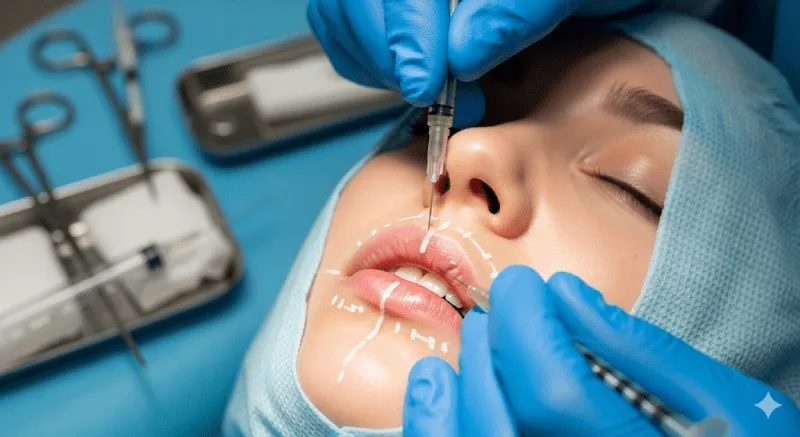
Strong active ingredients such as retinol, glycolic acid (AHA), salicylic acid (BHA), or Vitamin C should be suspended for a while as they can irritate the skin after injection. Since needle entry sites have not yet fully healed, such substances can lead to excessive burning, redness, or sensitivity on the skin. Generally, using only basic moisturizers and sunscreen for 48 hours after the procedure is sufficient. You can slowly return to your active ingredients when the sensitivity in your skin has completely passed and no bruising/swelling remains. If your skin is very sensitive, it is best to consult your doctor before starting to use these ingredients again. Soothing the skin gives a much more efficient result than aggressively stimulating the healing process.
How Should Eye Area Care Be?
The eye area is a region where Botox and filler applications are frequently performed but where the skin is thinnest and most sensitive. After Botox (crow’s feet) applied to the eye area, you should avoid rubbing your eyelids or applying eye creams harshly. Touching with light patting movements with your ring finger while applying your cream prevents the drug from escaping into the eye or lower muscles. In lower eyelid applications such as tear trough fillers, this area may look more baggy for the first few days due to edema; in this case, keeping your head upright and applying light cold compresses recommended by your doctor is very effective. Since the eye area tissue is very fragile, being extremely gentle in any intervention to this area is the basic rule.
What Should Be The Frequency Of Application?
Although the longevity of Botox and filler applications varies from person to person, creating a certain routine gives the best results. The Botox effect usually lasts 3 to 6 months; repeating the procedure when muscle movement starts to return prevents wrinkles from deepening. The life of fillers can range from 6 months to 18 months depending on the density of the substance used and the application area. Having applications too frequently can lead to an “overfilled” appearance or tissue damage. The ideal is to have maintenance doses at periods determined by your doctor, without waiting for the effect to completely pass but allowing the tissue to rest. A patient and controlled calendar always provides a more natural and sustainable rejuvenation.
Why Is The Follow-Up Appointment Important?
Although many patients neglect the follow-up appointment because everything goes well after the procedure, this appointment is actually a part of the process. The follow-up performed about 10-14 days after the procedure allows the doctor to see the balance of Botox on the muscles and evaluate how the filler has integrated with the tissue. If there is a small asymmetry or a point that needs to be touched, it is corrected at this stage. The “touch-up” period for Botox usually covers the first 15 days; additions made after this period can cause resistance to develop. When technical details you cannot notice with your own eyes are evaluated by an expert eye, the resulting outcome becomes much more flawless and professional. Therefore, definitely perform your follow-up appointment on time.
How To Recognize An Allergic Reaction?
Developing an allergy to Botox and hyaluronic acid fillers is extremely rare but a possibility, as in every medical procedure. Situations such as widespread itching developing immediately or a few hours after the procedure, hives, shortness of breath, or swelling in the tongue or throat are signs of a serious allergic reaction requiring emergency medical intervention. In milder cases, a persistent redness or rash may be seen in the application area. Medical aesthetic physicians are prepared for such situations and keep necessary antidotes (for example, hyaluronidase for fillers or antihistamines for allergies) in their clinics. Reaching the clinic without losing time when you feel an unexpected situation ensures the process is managed safely.
What Can Be Done To Increase Longevity?
Extending the life of your Botox and filler depends largely on your lifestyle habits. Hydrating the skin from within (drinking plenty of water), staying away from smoking, and regular use of sunscreen are the most basic requirements. Additionally, eating healthy and avoiding high levels of stress can slow down the body’s breakdown speed of these substances. There are studies suggesting that zinc supplementation extends the Botox period a bit; however, you should consult your doctor before using it. Professional treatments that increase your skin quality (mesotherapy, PRP, etc.) also support the infrastructure of your filler, making it look better. Remember, well-cared-for skin carries aesthetic interventions better and results maintain their form for much longer.
Who Should Avoid These Applications?
Aesthetic applications may not be suitable for everyone, and in some cases, avoiding these procedures is a medical necessity. It is not recommended to perform applications in pregnant and breastfeeding women as the effects of these substances are not fully known. Additionally, people with muscle diseases (such as Myasthenia Gravis), coagulation disorders, or an active autoimmune disease are in the risk group. If there is active cold sores, eczema, or infection in the area to be applied, the procedure needs to be postponed until it heals. For individuals with psychologically unrealistic expectations or experiencing body dysmorphic disorder, these procedures can also be disappointing. Sharing your medical history honestly in the first meeting is the most important step in protecting your health.
In Which Cases Should A Doctor Be Consulted?
During the healing process, some symptoms may go outside “normal” limits and require professional intervention. A sudden and blanching (pale) color change in the application area, severe pain increasing after the procedure, or a purple/blue netted appearance different from bruising on the skin can be a sign of vascular occlusion (blood vessel blockage) and should be intervened in immediately. Also, you should inform your doctor if visual impairment, persistent severe headache, or lump-like hardenable nodules form in the filler area. Most complications can be resolved quickly and without leaving permanent damage when noticed early. Staying in communication with your doctor and not hesitating to ask about anything that seems abnormal is essential for your safety.
What Are Long-Term Care Recommendations?
Botox and fillers are not a “magic wand” but tools that support your skin. To get the best efficiency from these applications, you should combine them with a holistic skin care philosophy. Create a home care routine suitable for your age and skin type, consume nutrients that support your collagen production, and pay attention to your sleep pattern. Avoiding rubbing your face constantly and harshly or habits of making excessive facial expressions (for example, constantly squinting eyes by not wearing sunglasses) preserves the effect of Botox. Proceeding with a single physician you trust in your aesthetic journey facilitates the follow-up of the change in your face and helps you avoid excessive applications. Taking good care of yourself will multiply the effect of every procedure performed.
Free Consultation
Fill out the form below to get your free medical travel plan and price quote.
Sources and how to verify this yourself
- Ministry of Health, Regulation on International Health Tourism and Tourist Health, Official Gazette 26 April 2025, No. 32882 — authorisation requirement for facilities and intermediaries, TÜSKA accreditation, compulsory complication insurance (deadline 31 December 2025 for insurance, 31 December 2026 for accreditation). source
- Ministry of Health, Regulation on Promotion and Information Activities in Health Services, Official Gazette 12 November 2025, No. 33075 — treatment promises and guarantees are prohibited; price and campaign announcements are permitted only within international health tourism. source