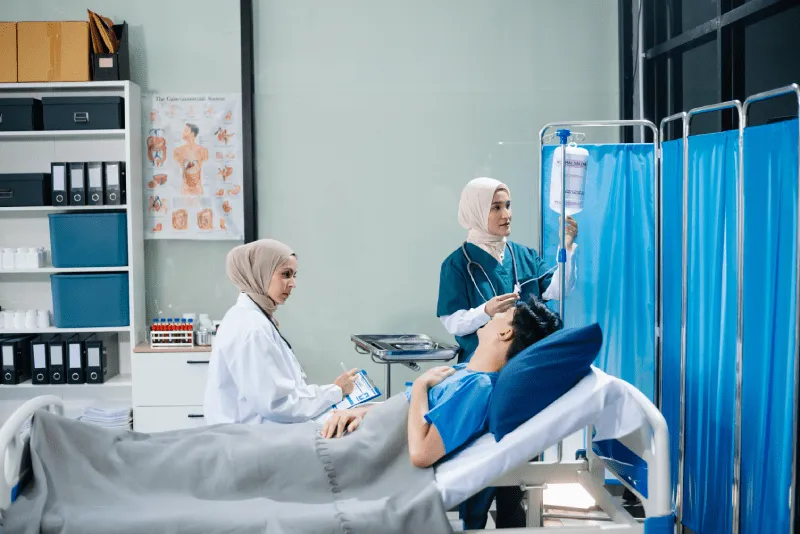
Lung Cancer Treatment in Turkey: A Convergence of Advanced Oncology & Holistic Care
For individuals facing a lung cancer diagnosis, navigating treatment options can be overwhelming. The search for effective, cutting-edge care often leads patients to consider medical tourism, and Turkey has rapidly become a sought-after destination. This isn’t simply due to competitive costs—though those are a significant factor—but because of the country’s commitment to adopting and mastering the latest advancements in oncology. Leading Turkish hospitals are not operating in isolation; they actively collaborate with renowned institutions like Johns Hopkins, leveraging global expertise to deliver world-class cancer care. Turkey’s infrastructure boasts technologies such as CyberKnife stereotactic radiosurgery, TrueBeam advanced radiotherapy, and the precision of robotic surgery utilizing the Da Vinci Surgical System. This Part 1 focuses on the initial stages of care, emphasizing the crucial – and often overlooked – role of nutritional support in optimizing treatment outcomes and bolstering a patient’s immune system before, during, and after aggressive therapies.
The Interplay Between Lung Cancer, Treatment, and Nutritional Status
Lung cancer, and its associated treatments like chemotherapy, radiation, and surgery, can significantly impact a patient’s nutritional status. These therapies often cause side effects such as nausea, vomiting, diarrhea, loss of appetite, and altered taste, leading to unintentional weight loss and muscle wasting (cachexia). Cachexia isn’t simply weight loss; it’s a complex metabolic syndrome associated with increased morbidity and mortality. A weakened immune system, directly linked to poor nutrition, hinders the body’s ability to fight cancer and recover from treatment. Therefore, proactive nutritional intervention is not an adjunct to treatment – it’s an integral component of it.
Why Prioritize Nutrition in Lung Cancer Care?
- Enhanced Treatment Tolerance: Well-nourished patients are better able to tolerate the side effects of chemotherapy and radiation, potentially allowing for full treatment dosages and schedules.
- Improved Immune Function: Adequate intake of essential nutrients strengthens the immune system, reducing the risk of infections – a major concern for cancer patients.
- Reduced Treatment Interruptions: By mitigating side effects and maintaining strength, nutritional support can minimize treatment delays or interruptions.
- Preserved Muscle Mass: Combating cachexia preserves muscle mass, crucial for maintaining strength, quality of life, and treatment response.
- Enhanced Quality of Life: Improved nutrition can lead to better energy levels, mood, and overall well-being during a challenging time.
Nutritional Assessment & Individualized Plans in Turkey
Hospitals in Turkey offering comprehensive lung cancer care understand the importance of early and ongoing nutritional assessment. Upon arrival, patients typically undergo a thorough evaluation by a registered dietitian specializing in oncology nutrition. This assessment goes beyond simply measuring weight and BMI. It includes:
- Detailed Dietary History: A review of the patient’s usual eating habits, food preferences, and any existing dietary restrictions.
- Anthropometric Measurements: Assessment of weight, height, body composition (muscle mass, fat mass), and other physical parameters.
- Biochemical Analysis: Blood tests to evaluate nutrient levels (albumin, prealbumin, vitamins, minerals), identify deficiencies, and assess overall nutritional status.
- Symptom Assessment: Identifying treatment-related side effects impacting nutritional intake.
Based on this comprehensive assessment, a personalized nutrition plan is developed. This plan isn’t a one-size-fits-all approach. It’s tailored to the patient’s specific cancer stage, treatment plan, side effects, and individual needs.
Key Nutritional Components for Lung Cancer Patients
While individual plans vary, certain nutritional components are consistently emphasized in supporting lung cancer patients:
| Nutrient | Importance | Food Sources |
|---|---|---|
| Protein | Preserves muscle mass, supports immune function, aids in tissue repair. | Lean meats, poultry, fish, eggs, beans, lentils, tofu. |
| Calories | Provides energy to combat fatigue and maintain weight. | Healthy fats (avocado, nuts, olive oil), complex carbohydrates (whole grains, fruits, vegetables). |
| Vitamins & Minerals | Supports immune function, cell growth, and overall health. (Vitamin D, Vitamin C, Zinc, Selenium) | Fruits, vegetables, fortified foods, supplements (as recommended by dietitian). |
| Hydration | Helps flush out toxins, prevents dehydration, and supports overall bodily functions. | Water, herbal teas, broth, fruits with high water content. |
Supplementation, while potentially beneficial, should always be guided by a registered dietitian to avoid interactions with cancer treatments.
Choosing the Right Care: Why cureholiday.com?
When considering medical tourism for lung cancer treatment, you deserve a partner who understands the complexities of both advanced oncology and holistic patient care. cureholiday.com offers a seamless experience, connecting you with leading hospitals in Turkey that prioritize a multidisciplinary approach – integrating cutting-edge cancer treatments with comprehensive nutritional support. We don’t just arrange your medical appointments; we guide you through every step of your journey, from initial consultations and treatment planning to accommodation, transportation, and post-treatment follow-up. Let cureholiday.com empower you with the knowledge and support you need to make informed decisions and embark on a path towards improved health and well-being. to discuss your specific needs and explore the possibilities of receiving world-class lung cancer care in Turkey.
Nutritional Strategies for Lung Cancer Patients Undergoing Treatment in Turkey
Turkey is rapidly becoming a sought-after destination for international patients seeking advanced cancer care. This is fueled by the country’s adoption of cutting-edge oncology technologies such as CyberKnife, TrueBeam radiotherapy, and robotic surgery (Da Vinci systems), coupled with internationally affiliated leading hospitals like Acibadem and Anadolu – institutions that maintain partnerships with renowned US centers like Johns Hopkins. Beyond these advanced treatments, a holistic approach to care, focusing on nutritional support, is paramount. Nutritional intervention isn’t simply about ‘eating well’; it’s a strategically designed plan to mitigate treatment side effects, preserve strength, and bolster the immune system throughout the cancer journey. This section delves into the specifics of nutritional support for lung cancer patients preparing for and undergoing treatment in Turkey.
The Critical Link Between Nutrition and Lung Cancer Treatment
Lung cancer and its treatment – including surgery, chemotherapy, and radiation therapy – can significantly impact nutritional status. Common side effects like nausea, vomiting, loss of appetite, taste changes, and mucositis (inflammation of the mouth and throat) can make it difficult to eat enough, leading to unintentional weight loss and malnutrition. This, in turn, weakens the body, reduces tolerance to treatment, and can even compromise treatment effectiveness. Prioritizing nutrition proactively, with guidance from a registered dietitian experienced in oncology, is therefore essential.
Key Nutritional Components for Lung Cancer Patients
| Protein | Helps preserve muscle mass, supports immune function, aids in tissue repair. | Lean meats, poultry, fish, eggs, beans, lentils, tofu. |
| Calories | Provides energy to combat fatigue and maintain weight. | Healthy fats (avocado, nuts, olive oil), complex carbohydrates (whole grains, fruits, vegetables). |
| Vitamins & Minerals | Supports immune function, cell growth, and overall health. (Vitamin D, Vitamin C, Zinc, Selenium) | Fruits, vegetables, fortified foods, supplements (as recommended by dietitian). |
| Hydration | Helps flush out toxins, prevents dehydration, and supports overall bodily functions. | Water, herbal teas, broth, fruits with high water content. |
Supplementation, while potentially beneficial, should always be guided by a registered dietitian to avoid interactions with cancer treatments.
Nutritional Approaches Based on Treatment Modality
The specific nutritional needs will vary based on the type of lung cancer treatment a patient is receiving. Here’s a breakdown:
Surgery
Prior to surgery, a focus on building up strength and nutritional reserves is vital. This means ensuring adequate protein and calorie intake to optimize muscle mass and immune function. Post-operatively, nutrition supports wound healing and recovery. A dietitian will likely recommend a high-protein, moderate-fat diet with sufficient vitamins and minerals to aid tissue repair. Liquid or soft foods may be initially recommended if swallowing is difficult.
Chemotherapy
Chemotherapy often leads to significant side effects impacting appetite and digestion. Maintaining hydration is crucial to manage nausea and vomiting. Small, frequent meals are often better tolerated than large ones. Choosing bland, easily digestible foods can help minimize discomfort. A dietitian can assist in managing taste changes and suggest alternative food options. Probiotics may be recommended to support gut health, which can be compromised by chemotherapy.
Radiation Therapy
Radiation therapy to the chest can cause esophagitis (inflammation of the esophagus) and mucositis, making swallowing painful. A soft or liquid diet, rich in calories and protein, is usually necessary. Avoiding acidic, spicy, and rough-textured foods can minimize irritation. Maintaining adequate hydration is essential. A dietitian can recommend strategies to manage these side effects and ensure sufficient nutrient intake.
The Role of a Registered Dietitian in Turkey
Access to a qualified registered dietitian is an integral part of the comprehensive cancer care offered in Turkish hospitals. These dietitians work closely with oncologists to develop individualized nutrition plans tailored to each patient’s specific needs, treatment plan, and tolerance levels. They provide ongoing monitoring, education, and support to ensure optimal nutritional status throughout the treatment journey. Dietitians can also provide guidance on managing food-related side effects and address any concerns regarding dietary restrictions or preferences.
cureholiday.com: Your Partner in Comprehensive Cancer Care
Choosing to undergo lung cancer treatment abroad requires careful consideration, and cureholiday.com is committed to providing a seamless and supportive experience. We understand that medical excellence extends beyond advanced technology; it encompasses a holistic approach that prioritizes patient well-being. When you choose cureholiday.com, you gain access to leading hospitals in Turkey renowned for their expertise in oncology and their commitment to integrated nutritional support. We meticulously vet our affiliated hospitals to ensure they employ registered dietitians specializing in cancer care, providing patients with personalized nutrition plans and ongoing support.
We don’t simply arrange medical appointments. cureholiday.com provides a complete end-to-end service, including assistance with visa applications, accommodation, transportation, and post-treatment follow-up. Our dedicated patient coordinators will be with you every step of the way, offering guidance, answering questions, and ensuring a stress-free experience.
Let cureholiday.com empower you with the knowledge and support you need to make informed decisions about your cancer care. to discuss your individual needs and explore the possibilities of receiving world-class treatment and comprehensive nutritional support in Turkey.
Nutritional Strategies to Enhance Lung Cancer Treatment Outcomes in Turkey
Turkey is rapidly becoming a premier destination for international patients seeking advanced cancer care, and for good reason. The nation’s hospitals are equipped with cutting-edge oncology technologies like CyberKnife, TrueBeam, and Robotic Surgery (Da Vinci), often coupled with affiliations to renowned US institutions such as Johns Hopkins. However, truly comprehensive cancer treatment extends far beyond technological prowess; it demands a holistic approach that acknowledges the vital role of nutrition. This is precisely where Turkish hospitals excel, integrating robust nutritional support as a fundamental component of lung cancer care.
The Importance of Nutrition During Lung Cancer Treatment
Lung cancer treatment, whether it involves surgery, chemotherapy, or radiation therapy, can significantly impact a patient’s nutritional status. Common side effects like nausea, loss of appetite, mucositis (inflammation of the mouth and throat), and altered taste can make it difficult to consume adequate calories and nutrients. This can lead to unintentional weight loss, muscle wasting (cachexia), weakened immunity, and reduced tolerance to treatment. Adequate nutrition, conversely, plays a pivotal role in:
- Maintaining Strength & Energy: Providing the body with the fuel needed to withstand the rigors of treatment.
- Boosting Immunity: Strengthening the immune system to fight infection and improve treatment response.
- Protecting Muscle Mass: Preserving lean muscle mass, which is crucial for physical function and overall health.
- Improving Treatment Tolerance: Reducing the severity of treatment-related side effects and enabling patients to complete their prescribed regimens.
- Enhancing Quality of Life: Improving overall well-being and enabling patients to maintain a more active and fulfilling life during treatment.
Individualized Nutrition Plans: A Cornerstone of Turkish Care
Registered dietitians specializing in oncology within Turkish hospitals don’t offer generic dietary advice. They conduct thorough assessments of each patient’s unique needs, considering factors such as cancer stage, treatment modality, overall health status, and personal preferences. This assessment typically includes:
- Detailed Dietary History: Understanding the patient’s usual eating habits and identifying any pre-existing nutritional deficiencies.
- Anthropometric Measurements: Assessing body composition (weight, height, BMI, muscle mass) to determine nutritional status.
- Biochemical Analysis: Evaluating blood tests to identify nutrient deficiencies or imbalances.
- Assessment of Treatment-Related Symptoms: Understanding the specific side effects the patient is experiencing and how they are impacting their ability to eat.
Based on this assessment, the dietitian develops a personalized nutrition plan that may include:
- Calorie and Protein Recommendations: Adjusted to meet the patient’s individual needs and help maintain or regain weight.
- Macronutrient Distribution: Balancing carbohydrates, fats, and proteins for optimal energy and tissue repair.
- Micronutrient Supplementation: Addressing any identified deficiencies in vitamins and minerals.
- Food Recommendations: Suggesting easily digestible, nutrient-rich foods that are well-tolerated during treatment.
- Meal Planning & Recipe Ideas: Providing practical guidance on how to prepare nutritious meals at home or in the hospital.
- Enteral or Parenteral Nutrition: In cases where oral intake is insufficient, providing nutrition through a feeding tube (enteral) or intravenously (parenteral).
Comparing Nutritional Approaches Across Treatment Modalities
The nutritional needs of a lung cancer patient will vary depending on the type of treatment they are receiving. Here’s a general comparison:
| Treatment Modality | Primary Nutritional Goals | Key Dietary Considerations |
|---|---|---|
| Surgery | Promote wound healing, maintain muscle mass, enhance immune function. | High protein intake, adequate calories, vitamin C, zinc, and arginine. |
| Chemotherapy | Manage side effects (nausea, mucositis, diarrhea), prevent weight loss, support immune function. | Small, frequent meals, bland foods, hydration, ginger for nausea, probiotics for diarrhea. |
| Radiation Therapy | Manage side effects (mouth sores, difficulty swallowing, diarrhea), maintain weight and energy. | Soft foods, liquid supplements, high-calorie, high-protein options, adequate hydration. |
| Immunotherapy | Support immune response, manage potential immune-related side effects, maintain overall health. | Focus on a balanced diet rich in fruits, vegetables, and lean protein, adequate hydration, and potential probiotic support. |
cureholiday.com: Your Partner in Comprehensive Lung Cancer Care
At cureholiday.com, we understand that successful cancer treatment demands more than just advanced medical technology. It requires a holistic, patient-centered approach that prioritizes nutritional well-being. We partner with leading hospitals in Turkey committed to integrating expert dietary support into every aspect of care. We ensure our affiliated facilities employ registered dietitians with specialized expertise in oncology, guaranteeing that you receive a personalized nutrition plan tailored to your specific needs and treatment regimen.
We go beyond simply arranging medical appointments. cureholiday.com offers a complete end-to-end service, encompassing visa assistance, comfortable accommodation, seamless transportation, and dedicated post-treatment follow-up. Our patient coordinators will be your unwavering support system, providing guidance, answering your questions, and ensuring a stress-free experience throughout your journey.
Don’t leave your nutritional health to chance. Let cureholiday.com empower you with the knowledge and support you need to navigate your lung cancer treatment with confidence. to explore the possibilities of receiving world-class medical care and comprehensive nutritional support in Turkey. Your health, and your well-being, are our top priorities.
Nutritional Strategies to Enhance Immunotherapy Response in Lung Cancer Treatment (Turkey)
Lung cancer treatment, particularly with immunotherapy, places significant demands on the body. While immunotherapy harnesses the power of the patient’s own immune system to fight cancer, it’s crucial to understand that a robust immune response is fueled by adequate nutrition. Turkey is rapidly becoming a sought-after destination for comprehensive cancer care, offering access to cutting-edge oncology technologies like CyberKnife, TrueBeam, and robotic surgery, often in partnership with renowned US institutions such as Johns Hopkins. However, the best technology is most effective when paired with holistic patient care – and that includes a meticulously planned nutritional approach. This section will delve into the specific nutritional needs of lung cancer patients undergoing immunotherapy, and how cureholiday.com can facilitate access to expert dietary support within a world-class medical environment in Turkey.
The Interplay Between Nutrition and Immunotherapy
Immunotherapy works by removing the “brakes” on the immune system, allowing it to recognize and attack cancer cells. However, this activation requires substantial energy and resources. Malnutrition, often prevalent in cancer patients due to treatment side effects and disease-related factors, can severely compromise immune function, hindering the effectiveness of immunotherapy and increasing the risk of adverse events. Specifically, key nutrients like protein, vitamins (D, C, E, B vitamins), minerals (zinc, selenium), and omega-3 fatty acids play vital roles in immune cell development, function, and communication.
Optimizing Dietary Intake During Immunotherapy
A tailored nutritional plan for patients receiving immunotherapy should focus on several key areas:
- Protein Intake: Protein is the building block of immune cells. Aim for 1.0-1.5 grams of protein per kilogram of body weight per day. Lean protein sources include poultry, fish, beans, lentils, and tofu.
- Caloric Adequacy: Maintaining sufficient calorie intake is vital to prevent weight loss and support immune function. High-calorie, nutrient-dense foods should be prioritized.
- Micronutrient Support: Ensure adequate intake of vitamins and minerals through a balanced diet and, if necessary, supplementation under the guidance of a registered dietitian. Vitamin D deficiency is common in cancer patients and can impair immune function.
- Gut Health: The gut microbiome plays a crucial role in immune regulation. Consuming probiotic-rich foods (yogurt, kefir, sauerkraut) and prebiotic fibers (fruits, vegetables, whole grains) can promote a healthy gut environment.
- Hydration: Adequate fluid intake is essential for overall health and immune function. Aim for at least 8-10 glasses of water per day.
- Anti-inflammatory Foods: Incorporating foods with anti-inflammatory properties, such as fatty fish, berries, and olive oil, may help manage immune-related side effects.
It’s important to note that individualized plans are essential. The specific nutritional needs will vary based on the patient’s cancer stage, treatment regimen, overall health, and any existing comorbidities.
Managing Immune-Related Adverse Events Through Nutrition
Immunotherapy can sometimes cause immune-related adverse events (irAEs), where the immune system attacks healthy tissues. While these are often manageable, nutritional strategies can play a supportive role. For example, diarrhea, a common irAE, can be exacerbated by certain foods. A bland diet, low in fiber and fat, may help alleviate symptoms. Similarly, mucositis (inflammation of the mucous membranes) can make eating painful; soft, moist foods and liquid supplements can provide essential nutrients.
The cureholiday.com Advantage: Integrated Nutritional Care in Turkey
At cureholiday.com, we recognize that exceptional cancer treatment extends beyond medical procedures. We collaborate with leading hospitals in Turkey that prioritize integrated care, including dedicated oncology dietitians. These registered dietitians will work closely with your medical team to develop a personalized nutrition plan designed to:
- Optimize your immune response to immunotherapy.
- Manage treatment side effects.
- Maintain your weight and energy levels.
- Improve your overall quality of life.
We don’t simply arrange medical appointments; we provide a seamless, end-to-end experience. This includes visa assistance, comfortable accommodation, smooth transportation, and unwavering post-treatment follow-up. Our patient coordinators are dedicated to ensuring your nutritional needs are met throughout your entire journey. The cost-effectiveness of receiving treatment in Turkey, coupled with the advanced technology and holistic approach, makes it an increasingly attractive option for patients worldwide.
Frequently Asked Questions (FAQ)
| Question | Answer |
|---|---|
| Can nutrition really affect how well immunotherapy works? | Yes! A strong immune system is essential for immunotherapy to be effective. Adequate nutrition provides the building blocks and energy your immune cells need to function optimally. |
| What if I have trouble eating due to side effects? | Our affiliated hospitals have registered dietitians who can help you find ways to get the nutrition you need, even if you have difficulty swallowing or experience nausea. Liquid supplements and soft food options are readily available. |
| Is it okay to take vitamin supplements during immunotherapy? | It’s essential to discuss any supplements with your doctor and dietitian. Some supplements may interfere with treatment or have adverse effects. |
| How much protein do I need during immunotherapy? | Generally, 1.0-1.5 grams of protein per kilogram of body weight per day is recommended, but this can vary based on your individual needs. |
| What role does gut health play in cancer treatment? | Your gut microbiome significantly influences your immune system. Probiotic and prebiotic-rich foods can help maintain a healthy gut environment. |
| Will cureholiday.com create a personalized nutrition plan for me? | Absolutely. Our affiliated hospitals provide personalized nutrition plans developed by registered dietitians specializing in oncology. |
| Are the hospitals you work with equipped to handle complex dietary needs? | Yes, our partner hospitals have dedicated nutrition departments with experienced dietitians who can manage a wide range of dietary requirements and preferences. |
Take the Next Step Towards Comprehensive Care.
Don’t let nutritional deficiencies compromise your immunotherapy treatment. cureholiday.com can connect you with world-class medical facilities and expert nutritional support in Turkey. Let us handle the logistics while you focus on your health and well-being. to learn more about how we can empower you on your cancer journey.
Fueling the Fight: Nutrition & Immunotherapy Success in Lung Cancer
Turkey is rapidly becoming a global destination for advanced cancer treatment, offering patients access to cutting-edge technologies like CyberKnife, TrueBeam, and robotic surgery (Da Vinci). Coupled with internationally affiliated hospitals – boasting partnerships with renowned US institutions like Johns Hopkins – and significantly competitive costs, the country presents a compelling option for comprehensive cancer care. However, maximizing the benefits of these advanced treatments, particularly immunotherapy, requires a holistic approach that includes robust nutritional support. This section delves into the crucial link between diet, gut health, and the efficacy of immunotherapy for lung cancer patients undergoing treatment in Turkey.
The Interplay of Nutrition and Immunotherapy
Immunotherapy has revolutionized cancer treatment by harnessing the power of the body’s own immune system to fight disease. Unlike traditional chemotherapy and radiation, which directly target cancer cells, immunotherapy works by stimulating the immune system to recognize and attack cancer. But this stimulation demands significant energy and resources. A well-nourished body is significantly better equipped to mount a robust and sustained immune response.
Adequate protein intake, as previously discussed, is fundamental for immune cell production and function. But it’s not just about protein. Vitamins, minerals, and healthy fats are equally vital. Deficiencies in nutrients like Vitamin D, Vitamin C, zinc, and selenium can impair immune cell activity, hindering the effectiveness of immunotherapy. Furthermore, the gut microbiome – the trillions of bacteria residing in your digestive system – plays a pivotal role.
Optimizing Gut Health for Immune Response
Approximately 70-80% of the immune system resides in the gut. The gut microbiome influences immune cell development, maturation, and activity. A diverse and balanced gut microbiome can enhance the immune system’s ability to recognize and attack cancer cells while also mitigating some of the side effects of immunotherapy.
Probiotics – live microorganisms that benefit gut health – and prebiotics – non-digestible fibers that feed beneficial gut bacteria – are key. Consuming foods rich in these components, such as yogurt (with live cultures), kefir, sauerkraut, kimchi, asparagus, bananas, onions, and garlic, can contribute to a healthier gut microbiome. However, it’s important to discuss probiotic supplementation with your oncologist and registered dietitian, as some strains may interact with immunotherapy treatments.
Personalized Nutrition Plans in Turkey
Understanding that each patient’s nutritional needs are unique, cureholiday.com facilitates access to personalized nutrition plans developed by registered dietitians specializing in oncology at our affiliated hospitals in Turkey. These plans take into account factors like cancer stage, treatment type, overall health status, and individual preferences. The goal is to create a sustainable and enjoyable dietary strategy that supports treatment efficacy and minimizes side effects.
Addressing Common Nutritional Challenges During Treatment
Lung cancer treatment, particularly immunotherapy, can often lead to side effects that impact nutrition, such as:
- Loss of Appetite: Can lead to unintentional weight loss and malnutrition.
- Nausea and Vomiting: Interfere with food intake and nutrient absorption.
- Diarrhea or Constipation: Affect gut health and nutrient absorption.
- Taste Changes: Can make food less appealing.
Registered dietitians can provide strategies to manage these side effects, such as recommending easily digestible foods, small frequent meals, hydration tips, and appetite stimulants (when appropriate).
Frequently Asked Questions (FAQ)
Take Control of Your Wellbeing
Don’t underestimate the power of nutrition in maximizing your immunotherapy success. cureholiday.com offers a seamless and supportive experience, connecting you with world-class medical facilities in Turkey and expert nutritional guidance. We handle all the logistical details – from hospital selection and appointment scheduling to accommodation and travel arrangements – so you can focus solely on your health and recovery. to begin your journey towards comprehensive cancer care and a brighter future.
Integrating Nutrition with Advanced Lung Cancer Treatment in Turkey
Turkey is rapidly becoming a sought-after destination for comprehensive cancer care, seamlessly blending advanced oncology technologies with patient-centric support services. Utilizing cutting-edge tools like CyberKnife, TrueBeam, and Robotic Surgery (Da Vinci), Turkish hospitals, including those with affiliations to prestigious US institutions like Johns Hopkins, offer world-class treatment options at competitive costs. However, maximizing the benefits of these treatments requires a holistic approach, and nutritional support plays a pivotal role, especially during immunotherapy.
The Synergy of Immunotherapy and Optimized Nutrition
Immunotherapy, while groundbreaking, can be demanding on the body. It works by stimulating the immune system to recognize and attack cancer cells. However, a weakened immune system – often exacerbated by the disease itself and treatment side effects – can hinder its effectiveness. This is where strategic nutrition steps in. A well-crafted nutritional plan isn’t merely about maintaining weight; it’s about actively fueling the immune response, reducing inflammation, and mitigating the adverse effects of treatment.
Key Nutritional Strategies for Immunotherapy Patients
- Protein Intake: Adequate protein is essential for immune cell production and tissue repair. We recommend individualized protein targets based on weight, activity level, and treatment response.
- Anti-Inflammatory Foods: Incorporating foods rich in omega-3 fatty acids (salmon, flaxseed), antioxidants (berries, leafy greens), and polyphenols (turmeric, ginger) can help dampen systemic inflammation.
- Gut Health: The gut microbiome significantly impacts immune function. A diet rich in fiber, prebiotics (garlic, onions, bananas), and probiotics (yogurt, kefir) supports a healthy gut environment.
- Hydration: Maintaining adequate hydration is crucial for overall health and helps flush out toxins generated during treatment.
- Micronutrient Support: Specific vitamins and minerals – such as Vitamin D, Vitamin C, Zinc, and Selenium – play vital roles in immune function. However, supplementation should *always* be guided by a registered dietitian and discussed with your oncologist to avoid interactions with immunotherapy.
Individualized Nutrition Plans: A Dynamic Approach
At cureholiday.com, we understand that every patient is unique. Our registered dietitians specializing in oncology don’t offer generic plans. They conduct thorough assessments of your medical history, current treatment regimen, nutritional status, and personal preferences to create a highly personalized plan. This plan isn’t static. It’s continuously monitored and adjusted based on your response to treatment, side effects experienced, and changing needs. For example, if you experience nausea, we might recommend smaller, more frequent meals and easily digestible foods. If diarrhea is a concern, we’ll focus on binding foods and adequate hydration.
Beyond Diet: Comprehensive Support at cureholiday.com
Choosing cureholiday.com means gaining access to a fully integrated healthcare experience. We don’t just connect you with leading oncology facilities in Turkey; we provide a complete package of support, including:
- Hospital Selection: We carefully vet and partner with hospitals renowned for their advanced technology, experienced medical teams, and commitment to patient care.
- Appointment Scheduling: We handle all logistical arrangements, from scheduling appointments with specialists to coordinating diagnostic tests.
- Accommodation & Travel: We arrange comfortable and convenient accommodation and manage all your travel needs.
- Dedicated Case Manager: You’ll have a dedicated case manager available 24/7 to address your questions and concerns.
- Nutritional Counseling: Our registered dietitians will work closely with your medical team to develop and implement a personalized nutrition plan that supports your treatment and recovery.
Frequently Asked Questions
- Q: Will I lose weight during immunotherapy?
- Q: Can diet help with fatigue during treatment?
- Q: Is it okay to eat sweets while undergoing treatment?
- Q: What if I have dietary restrictions?
- Q: How will my progress be monitored?
- Q: Are there any foods I should avoid during immunotherapy?
- Q: How much does nutritional support cost through cureholiday.com?
A: Weight loss is a common side effect, but a proactive nutrition plan can help minimize it by ensuring adequate calorie and protein intake.
A: Yes, a nutrient-rich diet, focusing on iron-rich foods and consistent hydration, can combat fatigue.
A: While occasional treats are fine, prioritize whole, unprocessed foods. Excess sugar can suppress immune function.
A: Our dietitians are skilled at creating plans that accommodate various dietary restrictions and preferences, including vegetarian, vegan, and gluten-free diets.
A: Regular nutritional assessments and communication with your dietitian will ensure your plan is effective and adjusted as needed.
A: It’s best to avoid undercooked meats, unpasteurized dairy, and raw sprouts due to the risk of foodborne illness, as your immune system may be compromised.
A: Nutritional counseling is included as part of our comprehensive package. The overall cost will depend on the length of your stay and specific treatment plan.
Don’t let nutritional gaps compromise your cancer treatment journey. cureholiday.com is committed to providing you with the comprehensive care you deserve, combining cutting-edge medical technology with personalized nutritional support in the vibrant and welcoming environment of Turkey. to explore your options and begin your path to a healthier future.
Schedule a consultation for Lung Cancer Nutritional Support Turkey in Turkey with cureholiday.com
Free Consultation
Fill out the form below to get your free medical travel plan and price quote.
Sources and how to verify this yourself
- Ministry of Health, Regulation on International Health Tourism and Tourist Health, Official Gazette 26 April 2025, No. 32882 — authorisation requirement for facilities and intermediaries, TÜSKA accreditation, compulsory complication insurance (deadline 31 December 2025 for insurance, 31 December 2026 for accreditation). source
- Ministry of Health, Regulation on Promotion and Information Activities in Health Services, Official Gazette 12 November 2025, No. 33075 — treatment promises and guarantees are prohibited; price and campaign announcements are permitted only within international health tourism. source