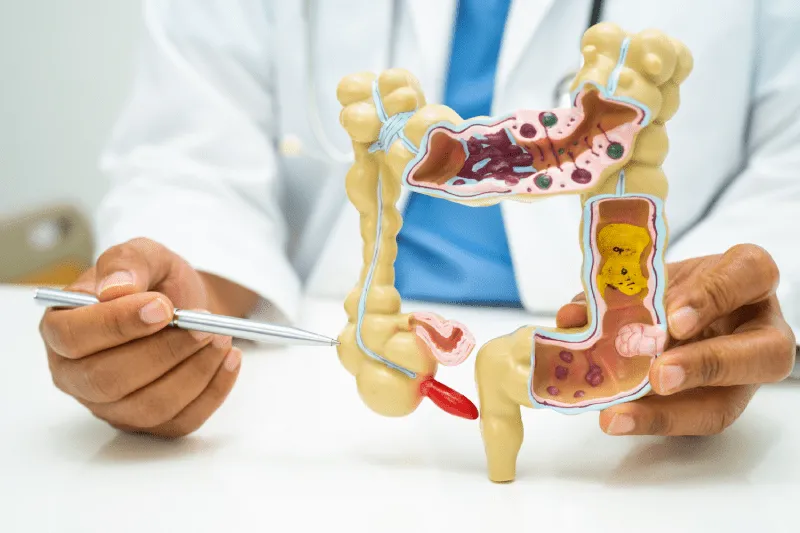
Navigating Prostate Cancer with Bone Metastasis: Why Turkey is a Leading Destination
A prostate cancer diagnosis is life-altering, and the news becomes even more challenging when the disease has metastasized to the bones. Bone metastasis significantly impacts quality of life, causing pain, fractures, and potential complications. For patients seeking advanced, effective, and affordable treatment options, Turkey has emerged as a prominent destination for medical tourism, particularly in the realm of oncology. This is driven by a commitment to adopting cutting-edge technologies, a highly skilled medical workforce, and competitive pricing structures. Turkey isn’t just offering treatment; it’s offering a pathway to potentially extended life expectancy and improved well-being, utilizing resources comparable to those found in leading US and European centers.
This six-part series will delve into the specific treatment strategies available in Turkey for prostate cancer patients with bone metastasis. We’ll explore the diagnostic process, treatment modalities – including radiation therapies, systemic treatments, and pain management techniques – and the benefits of choosing Turkey as your healthcare destination. Notably, Turkish hospitals are increasingly affiliated with renowned institutions like Johns Hopkins, ensuring adherence to international best practices and quality standards.
Understanding Prostate Cancer and Bone Metastasis
Prostate cancer is the most common cancer in men. While many cases are slow-growing and easily managed, some are aggressive and can spread – metastasize – to other parts of the body. Bones are a frequent site of metastasis for prostate cancer due to their rich blood supply and the cancer’s propensity to seek out bone tissue. Bone metastasis can lead to several complications:
- Pain: This is the most common symptom, ranging from mild discomfort to severe, debilitating pain.
- Fractures: Weakened bones are susceptible to fractures, even from minor trauma.
- Spinal Cord Compression: Metastasis to the vertebrae can put pressure on the spinal cord, causing weakness, numbness, or even paralysis.
- Hypercalcemia: Bone breakdown can release calcium into the bloodstream, leading to hypercalcemia, which can cause confusion, nausea, and constipation.
Early detection and aggressive treatment are crucial in managing bone metastasis and improving patient outcomes.
Diagnostic Procedures in Turkey
Upon arrival in Turkey, a comprehensive diagnostic workup will be performed to assess the extent of the cancer and guide treatment decisions. This typically includes:
- Bone Scan: This imaging test detects areas of increased bone activity, which can indicate the presence of metastasis.
- Magnetic Resonance Imaging (MRI): MRI provides detailed images of the bones and surrounding tissues, helping to identify and characterize metastasis.
- Computed Tomography (CT) Scan: CT scans offer cross-sectional images of the body, providing another means of detecting metastasis and assessing its impact on organs.
- Prostate-Specific Antigen (PSA) Blood Test: Monitors PSA levels, which can indicate the presence and progression of prostate cancer.
- Biopsy: A biopsy of the bone or other suspected sites of metastasis may be performed to confirm the diagnosis and determine the cancer’s characteristics.
Turkish hospitals are equipped with state-of-the-art imaging technology, including advanced MRI and CT scanners, ensuring accurate and reliable diagnostic results. The expertise of radiologists and oncologists in interpreting these images is paramount.
Treatment Approaches: A Multi-Disciplinary Strategy
Treatment for prostate cancer with bone metastasis is rarely a single approach. It generally involves a combination of therapies designed to control the cancer, relieve symptoms, and improve quality of life. These can be broadly categorized as:
- Systemic Therapies: Medications that travel throughout the body to target cancer cells. This includes hormone therapy (androgen deprivation therapy), chemotherapy, and newer targeted therapies.
- Bone-Targeted Therapies: These drugs help strengthen bones, reduce pain, and prevent fractures. Examples include bisphosphonates and denosumab.
- Radiation Therapy: Used to kill cancer cells in specific areas, such as painful bone metastases or to prevent fractures. Turkey boasts advanced radiation technologies like CyberKnife, TrueBeam, and Robotic Surgery (Da Vinci), allowing for highly precise and effective radiation delivery.
- Pain Management: A crucial component of care, involving medications, nerve blocks, and other techniques to control pain and improve quality of life.
The specific treatment plan will be tailored to each patient’s individual needs, taking into account factors such as the extent of the cancer, the patient’s overall health, and their preferences.
At cureholiday.com, we understand the complexities of navigating prostate cancer treatment, especially when facing bone metastasis. We offer a comprehensive service, coordinating your entire medical journey in Turkey – from initial consultations and diagnostic testing to treatment, accommodation, and post-treatment care. Our dedicated team will guide you through every step, ensuring a seamless and stress-free experience. We prioritize connecting you with leading medical professionals and facilities equipped with the latest technology, providing you with the best possible chance for a positive outcome.
Navigating Treatment Modalities for Prostate Cancer with Bone Metastasis in Turkey
For men facing a prostate cancer diagnosis that has spread to the bone, the landscape of treatment can seem daunting. However, Turkey has emerged as a leading destination for specialized oncology care, offering access to cutting-edge technologies like CyberKnife, TrueBeam, and robotic surgery (Da Vinci), alongside established systemic and bone-targeted therapies. This combination, coupled with competitive costs compared to Western Europe and the USA, presents a compelling option for those seeking comprehensive and effective treatment. Many of Turkey’s leading hospitals also maintain affiliations with renowned US medical centers, such as Johns Hopkins, ensuring adherence to international standards of care.
Systemic Therapies: Controlling Cancer at the Source
Systemic therapies form the cornerstone of treatment for prostate cancer with bone metastasis. These medications work throughout the entire body to target cancer cells, slowing their growth and spread. The primary systemic approach is typically Androgen Deprivation Therapy (ADT), also known as hormone therapy. Prostate cancer cells rely on androgens (male hormones like testosterone) to grow. ADT aims to lower androgen levels, effectively starving the cancer. This can be achieved through several methods:
- LHRH Agonists/Antagonists: These medications reduce testosterone production by suppressing the signal from the brain that tells the testicles to produce it.
- Anti-Androgens: These drugs block androgen receptors on cancer cells, preventing androgens from fueling their growth.
- Abiraterone Acetate: A more recent addition to ADT, abiraterone blocks the production of androgens not only in the testicles but also in other parts of the body.
When ADT eventually stops being effective (castration-resistant prostate cancer), chemotherapy may be considered. Docetaxel and cabazitaxel are commonly used chemotherapy drugs for advanced prostate cancer. More recently, targeted therapies, such as PARP inhibitors and radioligand therapies (like Lutetium-177 PSMA), are showing promising results in specific cases.
Bone-Targeted Therapies: Strengthening Support and Relieving Pain
Bone metastasis can cause significant pain, weaken bones, and increase the risk of fractures. Bone-targeted therapies are crucial for managing these complications. The two main classes of drugs used are bisphosphonates and denosumab.
Bisphosphonates (like zoledronic acid) work by inhibiting the activity of osteoclasts, cells that break down bone. This helps to strengthen bones and reduce pain. Denosumab is a monoclonal antibody that also targets osteoclasts, providing a slightly different mechanism of action. Both bisphosphonates and denosumab are typically administered intravenously on a regular schedule.
Precision Radiation Delivery: CyberKnife, TrueBeam, and Robotic Surgery
Radiation therapy plays a vital role in managing painful bone metastases and preventing fractures. Turkey’s advanced radiation facilities offer a range of options, but CyberKnife and TrueBeam represent a significant advancement in precision. These technologies allow for highly focused radiation delivery, minimizing damage to surrounding healthy tissues.
CyberKnife is a robotic stereotactic radiosurgery system. It delivers high doses of radiation from multiple angles, precisely targeting the tumor while sparing healthy tissue. This is particularly useful for treating small, well-defined bone metastases. TrueBeam is another advanced linear accelerator that combines imaging, beam shaping, and precise delivery. It allows for faster treatment times and improved accuracy.
Robotic Surgery (Da Vinci), while primarily used for prostatectomy (removal of the prostate), can also assist in certain palliative procedures related to bone metastasis management, like nerve blocks for pain control, though its role is less direct than CyberKnife and TrueBeam in treating the metastases themselves.
Comparing Radiation Technologies
| Feature | CyberKnife | TrueBeam |
|---|---|---|
| Technology Type | Robotic Radiosurgery | Advanced Linear Accelerator |
| Precision | Extremely High – Robotic precision allows for highly targeted radiation | Very High – Advanced beam shaping and imaging |
| Treatment Time | Variable, depending on the number and size of lesions | Faster treatment times |
| Best Suited For | Small, well-defined metastases; difficult-to-reach areas | A wide range of bone metastases; larger treatment areas |
At cureholiday.com, we understand that choosing the right treatment approach is a deeply personal decision. Our expert team will work with you and your chosen medical professionals in Turkey to develop a tailored treatment plan based on your specific needs. We provide comprehensive support, from pre-treatment diagnostics and logistics to post-treatment care and follow-up. We handle all aspects of your medical journey, including accommodation, transportation, and translation services, allowing you to focus on your health and recovery.
Don’t navigate this complex process alone. cureholiday.com is dedicated to providing a seamless, stress-free, and medically exceptional experience for patients seeking world-class prostate cancer care in Turkey. to learn more about your options and begin your journey toward a brighter future.
Optimizing Treatment Plans: Combining Modalities for Bone Metastasis
Turkey has rapidly become a leading destination for international patients seeking advanced cancer treatment, particularly in the realm of prostate cancer and its complications. This is driven by the widespread adoption of cutting-edge oncology technologies like CyberKnife, TrueBeam linear accelerators, and robotic surgical systems such as the da Vinci Surgical System. Hospitals consistently demonstrate affiliations with renowned institutions like Johns Hopkins, ensuring adherence to internationally recognized standards of care. Crucially, these advancements are accessible at costs significantly more competitive than those found in Europe or the USA, making Turkey an attractive option for comprehensive prostate cancer treatment.
While systemic therapies like hormone therapy, chemotherapy, and radionuclide therapy (e.g., radium-223) form the backbone of treatment for prostate cancer with bone metastasis, localized radiation therapies – specifically CyberKnife and TrueBeam – play a critical role in palliative care and symptom management. It’s crucial to understand that these technologies are not typically curative for metastatic disease, but they offer significant improvements in quality of life by targeting painful bone lesions and preventing pathological fractures. The optimal approach often involves a combination of these modalities, tailored to the individual patient’s disease burden, performance status, and overall health.
Understanding the Role of Systemic Therapies
Before delving further into localized radiation techniques, it’s essential to acknowledge the foundational importance of systemic therapies. Hormone therapy (androgen deprivation therapy or ADT) aims to reduce testosterone levels, slowing the growth of prostate cancer cells. Chemotherapy is used in more aggressive cases or when hormone therapy becomes ineffective. Radionuclide therapy delivers radiation directly to bone metastases, alleviating pain and potentially extending survival. These therapies are generally administered by medical oncologists and form the core of the treatment plan. Localized radiation therapies, such as those delivered via CyberKnife or TrueBeam, are then strategically integrated to address specific painful lesions or areas at high risk of fracture.
Step-by-Step: Radiation Therapy Procedure for Bone Metastasis in Turkey
The process of receiving localized radiation therapy in Turkey through cureholiday.com is carefully coordinated to ensure a seamless patient experience. Here’s a typical outline:
- Initial Consultation & Imaging: Upon arrival, you will undergo a comprehensive evaluation, including a review of your medical history and previous treatment records. Advanced imaging studies – typically a bone scan, CT scan, and potentially an MRI – are performed to precisely locate and characterize the bone metastases.
- Treatment Planning: A team of radiation oncologists, medical physicists, and imaging specialists collaborate to develop a customized treatment plan. This involves defining the target areas (metastatic lesions), determining the optimal radiation dose, and designing the beam arrangement to maximize effectiveness while minimizing damage to surrounding healthy tissues. This planning phase is crucial for precision.
- Immobilization & Positioning: During each treatment session, you will be carefully positioned using immobilization devices to ensure consistent accuracy. This might involve custom-fitted molds or masks.
- Radiation Delivery: The radiation is delivered using either the CyberKnife or TrueBeam system, as determined by the treatment plan. The duration of each session is typically brief, often lasting only a few minutes.
- Post-Treatment Monitoring: Following the completion of the radiation therapy, you will be monitored closely with regular follow-up appointments and imaging studies to assess the treatment response and manage any potential side effects.
Comparing Radiation Technologies – A Deeper Dive
| Feature | CyberKnife | TrueBeam |
|---|---|---|
| Technology Type | Robotic Radiosurgery | Advanced Linear Accelerator |
| Precision | Extremely High – Robotic precision allows for highly targeted radiation, adapting to patient movement during treatment. | Very High – Advanced beam shaping and imaging, including IGRT (Image-Guided Radiation Therapy), ensures accurate targeting. |
| Treatment Time | Variable, depending on the number and size of lesions. Typically completed in fewer sessions than traditional radiotherapy. | Faster treatment times, often allowing for higher doses to be delivered with greater precision. |
| Best Suited For | Small, well-defined metastases; difficult-to-reach areas; spinal lesions; limited number of metastases. | A wide range of bone metastases; larger treatment areas; patients who may not be suitable for CyberKnife due to size or location of lesions. |
| Treatment Delivery | Delivers radiation from multiple angles, dynamically adjusting to track the target. | Utilizes advanced modulation techniques to conform the radiation dose to the tumor shape. |
The choice between CyberKnife and TrueBeam often depends on the specifics of the patient’s case. For instance, CyberKnife’s robotic flexibility makes it particularly well-suited for treating metastases in the spine, where patient movement can be a significant challenge. TrueBeam, with its rapid delivery and precise targeting, is often preferred for larger treatment areas or when a higher dose of radiation is needed.
At cureholiday.com, we specialize in navigating these complex decisions. Our dedicated team collaborates with leading oncologists in Turkey to ensure you receive the most appropriate and effective treatment plan, tailored to your unique circumstances. We understand that facing a prostate cancer diagnosis and dealing with bone metastasis can be overwhelming. Therefore, we provide end-to-end support, encompassing everything from pre-treatment diagnostics and logistical arrangements to comfortable accommodation, seamless transportation, and professional translation services. Let us handle the complexities so you can focus on what matters most: your health and recovery.
Embark on your journey to exceptional prostate cancer care in Turkey with cureholiday.com. for a personalized consultation and discover how we can help you reclaim your future.
Precision Radiation Therapy: CyberKnife vs. TrueBeam for Bone Metastasis
Turkey has rapidly become a globally recognized center for advanced cancer treatment, particularly in oncology. This reputation is built on the widespread adoption of cutting-edge technologies such as CyberKnife, TrueBeam, and robotic surgical systems like the Da Vinci platform. Leading Turkish hospitals maintain strong affiliations with prestigious US institutions like Johns Hopkins, ensuring international standards of care are consistently met. Furthermore, the cost of these advanced treatments in Turkey is significantly more competitive than in Western Europe or the United States, making it an increasingly attractive destination for medical tourists seeking both quality and affordability.
When prostate cancer spreads to the bone – bone metastasis – precision radiation therapy plays a crucial role in pain management, slowing disease progression, and improving quality of life. Two of the most sophisticated radiation delivery systems available are CyberKnife and TrueBeam. While both offer significant advantages over traditional radiation, understanding their distinct characteristics is essential to determining the optimal treatment approach for each individual patient.
| Technology | CyberKnife | TrueBeam |
| Radiation Type | Linear Accelerator (Linac) with Robotic Arm | Linear Accelerator (Linac) |
| Treatment Approach | Stereotactic Body Radiation Therapy (SBRT) | Image-Guided Radiation Therapy (IGRT) & Stereotactic Body Radiation Therapy (SBRT) |
| Targeting Precision | Sub-millimeter accuracy due to real-time image guidance and robotic flexibility. | Millimeter accuracy with advanced imaging and treatment planning. |
| Treatment Time | Typically shorter sessions, often completed in 1-5 sessions. | Variable, depending on complexity; generally 5-10 sessions. |
| Patient Positioning | Allows for dynamic treatment without requiring a rigid frame; patient can move slightly during treatment. | Requires more precise patient positioning and immobilization; minimal movement tolerated. |
| Best Suited For | Small, well-defined metastases; difficult-to-reach areas; spinal lesions; limited number of metastases. | A wide range of bone metastases; larger treatment areas; patients who may not be suitable for CyberKnife due to size or location of lesions. |
| Treatment Delivery | Delivers radiation from multiple angles, dynamically adjusting to track the target. | Utilizes advanced modulation techniques to conform the radiation dose to the tumor shape. |
The choice between CyberKnife and TrueBeam often depends on the specifics of the patient’s case. For instance, CyberKnife’s robotic flexibility makes it particularly well-suited for treating metastases in the spine, where patient movement can be a significant challenge. TrueBeam, with its rapid delivery and precise targeting, is often preferred for larger treatment areas or when a higher dose of radiation is needed.
Understanding the Treatment Process
Both CyberKnife and TrueBeam treatments begin with a comprehensive planning phase. This involves high-resolution imaging – typically CT and MRI scans – to precisely locate the bone metastases and define the treatment area. A dedicated team of radiation oncologists, medical physicists, and dosimetrists then collaborate to develop a personalized treatment plan tailored to the patient’s anatomy and the characteristics of the metastases. During treatment, advanced imaging techniques are used to ensure accurate targeting and delivery of the radiation dose.
Beyond Radiation: A Holistic Approach at cureholiday.com
At cureholiday.com, we believe in offering more than just exceptional medical treatment. We specialize in navigating these complex decisions. Our dedicated team collaborates with leading oncologists in Turkey to ensure you receive the most appropriate and effective treatment plan, tailored to your unique circumstances. We understand that facing a prostate cancer diagnosis and dealing with bone metastasis can be overwhelming. Therefore, we provide end-to-end support, encompassing everything from pre-treatment diagnostics and logistical arrangements to comfortable accommodation, seamless transportation, and professional translation services. Let us handle the complexities so you can focus on what matters most: your health and recovery.
Frequently Asked Questions
- What are the potential side effects of radiation therapy for bone metastasis? Common side effects can include fatigue, skin irritation, and localized pain. The severity of these effects varies depending on the dose and location of treatment.
- How long does it take to see results from radiation therapy? Pain relief and stabilization of bone metastases often occur within a few weeks of treatment.
- Is radiation therapy a cure for bone metastasis? While not a cure, radiation therapy can significantly improve quality of life by managing pain and slowing disease progression.
- What is the recovery process like after radiation therapy? Recovery is generally gradual, with most patients returning to their normal activities within a few weeks.
- What are the risks associated with CyberKnife and TrueBeam? Both technologies are generally safe, but potential risks include damage to surrounding tissues and temporary side effects.
- How do I prepare for radiation therapy in Turkey with cureholiday.com? We will guide you through all necessary preparations, including medical evaluations, travel arrangements, and accommodation details.
- Are there any dietary restrictions before or after treatment? Your oncologist will provide specific dietary recommendations based on your individual needs.
- What if I don’t speak Turkish? cureholiday.com provides professional translation services to ensure clear communication throughout your entire journey.
- What are the potential side effects of radiation therapy for bone metastasis?Common side effects can include fatigue, skin irritation, and localized pain. The severity of these effects varies depending on the dose and location of treatment.
- How long does it take to see results from radiation therapy?Pain relief and stabilization of bone metastases often occur within a few weeks of treatment.
Embark on your journey to exceptional prostate cancer care in Turkey with cureholiday.com. for a personalized consultation and discover how we can help you reclaim your future.
Advanced Radiation Therapies for Bone Metastasis in Turkey
Turkey is rapidly becoming a sought-after destination for cancer treatment, particularly for prostate cancer with bone metastasis. This is due to the country’s commitment to incorporating cutting-edge oncology technologies, mirroring and often exceeding the standards found in Western Europe and the United States. Specifically, facilities are equipped with advanced radiation therapy systems like CyberKnife, TrueBeam, and increasingly, robotic surgery options such as the Da Vinci Surgical System. Leading hospitals have cultivated strong affiliations with globally renowned institutions like Johns Hopkins, ensuring a consistent and high level of medical expertise. Furthermore, treatment costs in Turkey are significantly more competitive than those typically found in Europe or the USA, making it an accessible option for patients seeking world-class care without prohibitive financial burden.
Understanding Radiation Therapy Options
When prostate cancer spreads to the bones (bone metastasis), radiation therapy plays a crucial role in managing pain, preventing fractures, and improving quality of life. Traditional radiation techniques deliver radiation to a broad area, potentially affecting surrounding healthy tissues. However, the technologies available in Turkey offer significantly more targeted and precise treatment.
CyberKnife Radiosurgery
CyberKnife is a non-invasive, highly precise form of radiation therapy. It utilizes a compact linear accelerator mounted on a robotic arm, allowing it to deliver beams of radiation from virtually any angle. This precision minimizes damage to healthy tissue and delivers a higher dose to the tumor site. For bone metastasis, CyberKnife is particularly effective in treating isolated lesions, offering rapid pain relief and slowing disease progression. Typically, treatment is completed in fewer sessions (often 1-5) compared to conventional radiation therapy, minimizing disruption to a patient’s life.
TrueBeam Technology
TrueBeam is another advanced linear accelerator that offers image-guided radiation therapy (IGRT). IGRT utilizes imaging technology to precisely target the tumor while accounting for patient movement during treatment. TrueBeam allows for the delivery of radiation at higher doses with greater accuracy, resulting in improved outcomes and reduced side effects. It is also well-suited for treating multiple bone metastases, offering a comprehensive treatment plan. Treatment schedules with TrueBeam typically involve daily fractions over a period of several weeks.
The Treatment Process in Turkey
At affiliated hospitals in Turkey, the treatment process is comprehensive and patient-centered. Here’s a general outline:
- Initial Consultation & Diagnostic Evaluation: Upon arrival, you’ll undergo a thorough medical evaluation, including a review of your medical history, physical examination, and advanced imaging studies (bone scan, MRI, CT scan) to assess the extent of the bone metastasis.
- Treatment Planning: A multidisciplinary team of radiation oncologists, medical physicists, and imaging specialists will collaborate to develop a personalized treatment plan tailored to your specific needs. This involves detailed imaging and computer simulations to precisely target the affected areas.
- Radiation Therapy Delivery: The selected radiation therapy (CyberKnife or TrueBeam) will be delivered according to the treatment plan. Throughout the process, medical staff will closely monitor your response and adjust the plan as needed.
- Supportive Care: Alongside radiation therapy, supportive care measures, including pain management, nutritional guidance, and psychological support, will be provided to ensure your comfort and well-being.
- Follow-up: After treatment completion, regular follow-up appointments will be scheduled to monitor your progress and address any concerns.
- Is radiation therapy painful?While radiation itself is painless, you may experience some discomfort like fatigue or skin irritation. Your medical team will provide guidance on managing any side effects.
- How effective is radiation therapy for bone metastasis?Radiation therapy can significantly reduce pain, stabilize bone lesions, and improve quality of life for many patients.
- Are there any long-term side effects of radiation therapy?Potential long-term side effects are rare, but can include fatigue, bone weakness, and changes to skin appearance. These are carefully discussed with your medical team.
- Can I combine radiation therapy with other treatments?Yes, radiation therapy can be effectively combined with hormone therapy, chemotherapy, and other targeted therapies.
- How long will my stay in Turkey be for radiation therapy?The length of your stay will vary depending on the type of radiation therapy and your individual treatment plan, but generally ranges from 1-4 weeks.
- What is the role of imaging in radiation therapy?Advanced imaging is crucial for precise treatment planning and ensuring accurate delivery of radiation to the target areas.
- Will I need assistance with accommodation and transportation?cureholiday.com provides comprehensive medical tourism services, including assistance with accommodation, transportation, translation, and visa support.
- What is the typical recovery process like after radiation?Recovery varies but typically involves managing fatigue and potential skin reactions. Your care team will provide detailed instructions.
Don’t let bone metastasis define your future. With advanced technology, experienced specialists, and a commitment to patient care, Turkey offers a compelling solution for managing prostate cancer. cureholiday.com is dedicated to making your medical journey seamless and stress-free. From personalized treatment planning to logistical support and post-treatment follow-up, we are with you every step of the way. for a confidential consultation and let us help you explore your options for exceptional prostate cancer care in Turkey.
Navigating Life After Treatment & Long-Term Management
Successfully addressing prostate cancer with bone metastasis requires more than just the initial treatment phase. A proactive and comprehensive long-term management plan is crucial for maximizing quality of life, monitoring for recurrence, and ensuring sustained well-being. Turkey, with its advanced oncology infrastructure and commitment to holistic patient care, offers a robust framework for this ongoing journey. The nation’s embrace of cutting-edge technologies – including CyberKnife, TrueBeam, and Robotic Surgery – ensures patients have access to the most modern and effective tools available. Hospitals frequently collaborate with leading US institutions like Johns Hopkins, fostering a high standard of medical practice. Moreover, the cost-effectiveness of treatment in Turkey allows for a sustained commitment to long-term monitoring without imposing undue financial burden.
Post-Treatment Monitoring & Surveillance
Following radiation therapy, regular check-ups are essential. These typically involve Prostate-Specific Antigen (PSA) blood tests, bone scans, and potentially imaging studies (CT or MRI) to assess treatment response and detect any signs of disease progression. The frequency of these assessments will be tailored to your individual case, considering factors such as the initial stage of the cancer, the extent of bone involvement, and your response to therapy. cureholiday.com understands the importance of consistent follow-up and will facilitate scheduling appointments with experienced oncologists in Turkey, even after your initial treatment is completed.
Managing Potential Side Effects
While advanced radiation techniques like CyberKnife and TrueBeam minimize damage to surrounding healthy tissue, some side effects are possible. These can include fatigue, skin irritation in the treated area, urinary or bowel changes, and bone pain. Your care team will provide detailed guidance on managing these effects, including medications, physical therapy, and lifestyle adjustments. Pain management is a particularly important aspect of care for patients with bone metastasis, and Turkey’s specialists are adept at utilizing a multi-modal approach to alleviate discomfort and improve quality of life. cureholiday.com provides access to pain management specialists and supportive care services, ensuring a comfortable and dignified recovery process.
Bone Health & Supportive Therapies
Bone metastasis can weaken bones, increasing the risk of fractures and other complications. Therefore, maintaining bone health is critical. This may involve medications to strengthen bones (bisphosphonates or denosumab), calcium and vitamin D supplementation, and a healthy diet rich in nutrients. Additionally, physical therapy can help maintain mobility and prevent falls. cureholiday.com can arrange consultations with nutritionists and physical therapists to develop a personalized wellness plan tailored to your needs.
The Role of Medical Tourism with cureholiday.com
Choosing to receive treatment abroad can feel daunting, but cureholiday.com simplifies the process. We offer a complete suite of medical tourism services designed to alleviate stress and ensure a seamless experience. This includes:
- Personalized Treatment Planning: We connect you with leading oncologists who will review your medical records and develop a customized treatment plan.
- Accommodation & Transportation: We arrange comfortable, convenient accommodation and reliable transportation to and from appointments.
- Visa Assistance: We provide guidance and support with the visa application process.
- Translation Services: We offer professional translation services to ensure clear communication with your medical team.
- Post-Treatment Follow-Up: We facilitate continued care and monitoring even after you return home.
Frequently Asked Questions
- What is the long-term prognosis for prostate cancer with bone metastasis?Prognosis varies greatly depending on the extent of the disease, response to treatment, and individual factors. Regular monitoring and adherence to a comprehensive management plan can significantly improve outcomes.
- Will I experience significant pain after treatment?Pain management is a priority. The care team will employ various strategies to minimize discomfort, including medication, radiation therapy, and supportive therapies.
- How often will I need follow-up appointments?The frequency of follow-up appointments will be determined by your oncologist based on your individual case and treatment response.
- Are there any lifestyle changes I should make after treatment?Maintaining a healthy diet, regular exercise, and avoiding smoking are beneficial. Your care team will provide specific recommendations.
- Can bone metastasis be cured?While a complete cure may not always be possible, treatment can effectively control the disease, alleviate symptoms, and improve quality of life.
- What financial assistance is available for medical tourism?cureholiday.com offers transparent pricing and financing options to help make treatment accessible. We can also provide detailed cost breakdowns for your review.
- How do I prepare for travel to Turkey for treatment?cureholiday.com will provide a comprehensive pre-travel guide, including information on visa requirements, packing essentials, and cultural considerations.
Don’t navigate the complexities of prostate cancer treatment alone. cureholiday.com is your trusted partner in accessing world-class oncology care in Turkey. With a commitment to patient-centered service, advanced technology, and cost-effective solutions, we empower you to take control of your health and embrace a brighter future. for a confidential consultation and let us help you design a personalized treatment plan that meets your needs and exceeds your expectations.
Schedule a consultation for Prostate Cancer Bone Metastasis Turkey in Turkey with cureholiday.com
Free Consultation
Fill out the form below to get your free medical travel plan and price quote.
Sources and how to verify this yourself
- Ministry of Health, Regulation on International Health Tourism and Tourist Health, Official Gazette 26 April 2025, No. 32882 — authorisation requirement for facilities and intermediaries, TÜSKA accreditation, compulsory complication insurance (deadline 31 December 2025 for insurance, 31 December 2026 for accreditation). source
- Ministry of Health, Regulation on Promotion and Information Activities in Health Services, Official Gazette 12 November 2025, No. 33075 — treatment promises and guarantees are prohibited; price and campaign announcements are permitted only within international health tourism. source