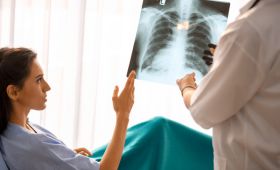
Prostate Cancer Radiation Therapy in Turkey: A Modern Approach to Treatment and Wellbeing
Facing a prostate cancer diagnosis can be daunting, but advancements in treatment offer hope and increasingly effective outcomes. Turkey has emerged as a leading destination for high-quality, affordable cancer care, attracting patients from around the globe. This is driven by the nation’s adoption of cutting-edge oncology technologies – including CyberKnife, TrueBeam, and robotic-assisted surgery utilizing the Da Vinci Surgical System – and strategic partnerships between Turkish hospitals and renowned US institutions like Johns Hopkins. These collaborations ensure international standards of care are consistently met, offering patients access to world-class treatment at competitive prices. This article series will delve into prostate cancer radiation therapy options available in Turkey, focusing specifically on side effects and their proactive management, guiding you through each step of the process.
Understanding Radiation Therapy for Prostate Cancer
Radiation therapy uses high-energy rays to kill cancer cells. For prostate cancer, it can be used as a primary treatment, or in conjunction with surgery, hormone therapy, or chemotherapy. The goal is to destroy cancer cells while minimizing damage to healthy tissue. Several types of radiation therapy are employed, each with its own benefits and potential side effects. The choice of method depends on the stage and grade of the cancer, the patient’s overall health, and individual preferences.
Types of Radiation Therapy Available in Turkey
Turkish hospitals offer a comprehensive range of radiation therapy modalities, enabling personalized treatment plans. These include:
- External Beam Radiation Therapy (EBRT): This delivers radiation from a machine outside the body, precisely targeting the prostate gland. Modern EBRT techniques, like Intensity-Modulated Radiation Therapy (IMRT) and Image-Guided Radiation Therapy (IGRT), conform the radiation beam more closely to the tumor, reducing exposure to surrounding healthy tissues.
- Stereotactic Body Radiation Therapy (SBRT): SBRT, often delivered via CyberKnife or TrueBeam, delivers high doses of radiation in fewer sessions (typically 5-7) to highly targeted areas. This is particularly effective for localized prostate cancer.
- Brachytherapy (Seed Implantation): This involves implanting radioactive seeds directly into the prostate gland. It’s often used in combination with EBRT.
Potential Side Effects of Prostate Cancer Radiation Therapy
While radiation therapy is generally safe, it can cause side effects. These side effects vary depending on the type of radiation, the dose, and the individual patient. It’s important to understand these potential effects to be prepared and to know when to seek medical attention. Side effects are often categorized as acute (occurring during or shortly after treatment) and late (developing months or years after treatment). Turkey’s leading oncology centers prioritize comprehensive side effect management programs to ensure patient comfort and quality of life.
Common Acute Side Effects
- Fatigue: Feeling tired is a very common side effect, and can last for several weeks after treatment ends.
- Urinary Problems: These are frequent, including increased urinary frequency, urgency, burning during urination, and difficulty starting or stopping urination.
- Bowel Problems: Radiation can irritate the rectum, causing diarrhea, rectal discomfort, or a feeling of needing to have a bowel movement even when the bowels are empty.
- Sexual Dysfunction: Erectile dysfunction is a possible side effect, but often temporary.
- Skin Changes: The skin in the treated area may become red, dry, and itchy, similar to a sunburn.
Potential Late Side Effects
- Urinary Incontinence: Difficulty controlling urine flow.
- Rectal Stricture: Narrowing of the rectum, potentially causing constipation.
- Proctitis: Chronic inflammation of the rectum.
- Erectile Dysfunction: May persist in some cases.
- Lymphedema: Swelling in the legs or genitals (rare).
Proactive Side Effect Management in Turkey
Hospitals in Turkey employ a multidisciplinary approach to managing side effects, involving radiation oncologists, medical oncologists, nurses, and supportive care specialists. Strategies include:
- Dietary Recommendations: Adjusting diet to minimize bowel discomfort and urinary irritation.
- Medications: Prescribing medications to manage diarrhea, pain, and urinary symptoms.
- Pelvic Floor Exercises: Strengthening pelvic floor muscles to improve urinary control.
- Wound Care: Providing guidance on skin care to prevent and manage skin irritation.
- Psychological Support: Offering counseling and support groups to address emotional challenges.
The emphasis on holistic care in Turkey extends beyond the technical aspects of treatment, addressing the patient’s overall well-being. This dedication to patient comfort and quality of life is a key differentiator for medical tourists.
Ready to explore your treatment options in Turkey? cureholiday.com offers a seamless and supportive journey, connecting you with leading oncology experts and ensuring a comfortable and stress-free experience. We handle everything from pre-treatment consultations to post-treatment follow-up, providing you with the peace of mind you deserve. to learn more about how we can help you navigate your prostate cancer treatment with confidence.
Prostate Cancer Radiation Therapy in Turkey: A Technological & Supportive Approach
Turkey has rapidly become a recognized hub for advanced oncology care, attracting international patients seeking high-quality treatment at competitive costs. This is driven by significant investment in cutting-edge technologies, including CyberKnife, TrueBeam linear accelerators, and robotic surgical systems like Da Vinci. Many leading Turkish hospitals foster collaborative relationships with renowned institutions like Johns Hopkins, ensuring adherence to international best practices and consistently high standards of patient care. This commitment to innovation, combined with a holistic approach to patient wellbeing, positions Turkey as a compelling destination for prostate cancer radiation therapy.
Delving Deeper: Types of Radiation Therapy Utilized in Turkey
Several radiation therapy techniques are employed in Turkey for prostate cancer treatment. The choice depends on factors like cancer stage, Gleason score, patient health, and individual preferences. Here’s a detailed look at the common modalities:
- External Beam Radiation Therapy (EBRT): This is the most traditional form, delivering radiation from a machine outside the body. Modern EBRT in Turkey utilizes techniques like Intensity-Modulated Radiation Therapy (IMRT) and Volumetric Modulated Arc Therapy (VMAT). These advanced techniques conform the radiation beam precisely to the prostate gland, minimizing damage to surrounding healthy tissues. Treatment typically involves daily sessions, five days a week, for approximately 6-9 weeks.
- Brachytherapy (Internal Radiation): This involves placing radioactive seeds directly into the prostate gland. Two main types exist:
- Low-Dose Rate (LDR) Brachytherapy: Seeds are implanted under ultrasound guidance, delivering radiation over several hours. This is often used as a standalone treatment for low-risk prostate cancer.
- High-Dose Rate (HDR) Brachytherapy: A temporary catheter is inserted into the prostate, and a radioactive source is delivered for short periods, repeated over several sessions. HDR brachytherapy is frequently combined with EBRT for more aggressive cancers.
- Stereotactic Body Radiation Therapy (SBRT): Delivered using technologies like CyberKnife and TrueBeam, SBRT delivers highly focused, high-dose radiation in fewer sessions (typically 5-7) compared to conventional EBRT. This offers convenience for patients and potentially fewer side effects.
Step-by-Step: A Typical Radiation Therapy Process in Turkey
The radiation therapy process in Turkey is meticulously structured, ensuring optimal treatment planning and delivery:
- Initial Consultation & Diagnostics: A thorough medical evaluation, including a review of medical history, physical exam, PSA levels, biopsy results, and imaging scans (MRI, CT, bone scan), is conducted.
- Treatment Planning: This crucial stage involves creating a personalized treatment plan based on the diagnostic findings. This includes CT or MRI simulation to precisely define the prostate gland and surrounding organs.
- Treatment Delivery: Radiation is delivered according to the planned schedule. Regular monitoring ensures treatment accuracy and manages any side effects.
- Post-Treatment Follow-up: Regular check-ups, including PSA testing and imaging scans, are scheduled to monitor treatment response and detect any recurrence.
Comparing Radiation Therapy Modalities
Understanding the differences between these modalities is vital for informed decision-making. The following table provides a comparative overview:
| Modality | Treatment Duration | Typical Side Effects | Suitable For |
|---|---|---|---|
| EBRT (IMRT/VMAT) | 6-9 weeks | Fatigue, urinary frequency, bowel irritation, skin irritation | All stages of prostate cancer |
| LDR Brachytherapy | One-time implantation | Urinary retention, rectal discomfort, erectile dysfunction | Low-risk, localized prostate cancer |
| HDR Brachytherapy | Several sessions over 2-3 weeks | Similar to EBRT, but potentially milder | Intermediate to high-risk prostate cancer, often combined with EBRT |
| SBRT (CyberKnife/TrueBeam) | 5-7 sessions | Similar to EBRT, potentially fewer side effects | Localized prostate cancer, recurrence after previous treatment |
Managing Potential Side Effects: A Holistic Approach
While radiation therapy is highly effective, side effects are common. Hospitals in Turkey prioritize comprehensive side effect management, employing a multidisciplinary team approach. This includes proactive strategies such as dietary adjustments, medications to alleviate symptoms, pelvic floor exercises to improve urinary control, and psychological support to address emotional wellbeing. Emphasis is placed on open communication between the patient and the care team to ensure individual needs are met.
Considering prostate cancer treatment in Turkey with cureholiday.com means gaining access to world-class technology, experienced specialists, and a dedication to personalized, holistic care. We understand the anxieties surrounding a cancer diagnosis and are committed to providing a seamless and supportive experience, from pre-treatment consultations and travel arrangements to post-treatment follow-up and ongoing support. Let us guide you through your journey to recovery with confidence. Contact cureholiday.com today for a personalized consultation.
Navigating Radiation Therapy Side Effects: A Patient-Centric Approach in Turkey
Turkey has rapidly become a sought-after destination for international patients seeking advanced cancer treatment, and rightfully so. The country boasts state-of-the-art oncology technology – including cutting-edge platforms like CyberKnife, TrueBeam, and robotic surgery – alongside highly skilled medical professionals. Leading hospitals often maintain affiliations with renowned institutions like Johns Hopkins, ensuring adherence to international best practices. When combined with significantly competitive costs compared to Europe and the USA, the benefits are clear. This commitment to innovation and quality extends to the comprehensive management of potential side effects associated with prostate cancer radiation therapy, focusing on improving patient quality of life throughout treatment.
Understanding Common Side Effects
Radiation therapy, while a powerful tool against prostate cancer, can impact surrounding healthy tissues. The type and severity of side effects depend on the radiation technique used (EBRT, Brachytherapy, SBRT), the dose of radiation, and individual patient factors. It’s crucial to understand these potential effects to proactively address them and maintain a positive treatment experience. Side effects are generally classified as acute (occurring during or shortly after treatment) and late (developing months or years later).
Acute Side Effects
- Urinary Symptoms: Radiation can irritate the bladder and urethra, leading to increased frequency, urgency, burning sensation during urination, and in some cases, urinary retention.
- Bowel Symptoms: The rectum is close to the prostate, and radiation can cause discomfort, cramping, diarrhea, or constipation.
- Fatigue: A common side effect of many cancer treatments, fatigue can range from mild tiredness to debilitating exhaustion.
- Erectile Dysfunction: Radiation can damage the nerves responsible for erections, leading to temporary or, less commonly, permanent erectile dysfunction.
- Skin Changes: In EBRT, the skin in the treated area may become red, dry, itchy, or blistered, similar to a sunburn.
Late Side Effects
- Bladder Issues: Long-term urinary frequency, urgency, or incontinence can occur.
- Rectal Issues: Chronic rectal discomfort or changes in bowel habits may develop.
- Erectile Dysfunction: As mentioned earlier, this can persist beyond the acute phase.
- Proctitis: Inflammation of the rectum, causing bleeding or discomfort.
- Urethral Stricture: Narrowing of the urethra, potentially causing difficulty urinating.
Proactive Side Effect Management in Turkey
Hospitals in Turkey specializing in prostate cancer treatment prioritize a holistic, proactive approach to side effect management. This goes beyond simply treating symptoms as they arise; it involves anticipating potential issues and implementing strategies to minimize their impact. A multidisciplinary team, often including radiation oncologists, urologists, medical oncologists, nurses, dietitians, and psychologists, collaborates to create a personalized care plan for each patient.
Key components of this management strategy include:
- Dietary Counseling: A registered dietitian can provide guidance on adjusting your diet to manage bowel symptoms (e.g., low-fiber diet during diarrhea, increased fiber for constipation), maintain energy levels, and support overall health.
- Medications: Medications can be prescribed to alleviate symptoms like pain, nausea, diarrhea, urinary frequency, and erectile dysfunction.
- Pelvic Floor Exercises (Kegels): Strengthening the pelvic floor muscles can improve urinary control and reduce the risk of incontinence.
- Skin Care: For patients undergoing EBRT, proper skin care, including gentle cleansing, moisturizing, and avoiding irritants, is essential.
- Psychological Support: A cancer diagnosis and treatment can be emotionally challenging. Access to counseling or support groups can help patients cope with anxiety, depression, and other emotional issues.
- Proactive Urological Evaluation: Regular monitoring of urinary function throughout and after treatment allows for early intervention if issues arise.
Table: Side Effect Management Strategies
| Side Effect | Management Strategy |
|---|---|
| Urinary Frequency/Urgency | Fluid management, medications, pelvic floor exercises |
| Diarrhea | Dietary adjustments (low-fiber), anti-diarrheal medications |
| Constipation | Dietary adjustments (high-fiber), stool softeners |
| Fatigue | Rest, exercise (as tolerated), nutritional support |
| Erectile Dysfunction | Medications, vacuum erection devices, psychological counseling |
| Skin Irritation | Gentle skin care, moisturizing creams |
Choosing cureholiday.com for your prostate cancer journey in Turkey means you’ll benefit from this comprehensive, patient-centered approach to side effect management. We meticulously vet our partner hospitals to ensure they adhere to the highest standards of care and prioritize your comfort and wellbeing. Our dedicated care coordinators will guide you through every step of the process, from pre-treatment planning and travel arrangements to post-treatment follow-up and ongoing support. We understand that facing cancer can be overwhelming, and we are committed to providing a seamless and stress-free experience, allowing you to focus on your recovery.
Don’t navigate this journey alone. cureholiday.com offers personalized consultations to discuss your specific needs and create a tailored treatment plan. to learn more about how we can help you achieve the best possible outcome with confidence.
Navigating Potential Side Effects: A Proactive Approach in Turkey
Turkey has rapidly become a prominent destination for international patients seeking advanced cancer treatment, particularly for prostate cancer. This is largely due to the availability of cutting-edge technologies such as CyberKnife, TrueBeam, and robotic surgery (Da Vinci), alongside world-class facilities affiliated with renowned institutions like Johns Hopkins. However, like any cancer treatment, radiation therapy for prostate cancer can be accompanied by side effects. Understanding these potential effects and, crucially, how they are managed, is essential for a positive treatment experience. At cureholiday.com, we prioritize a comprehensive, patient-centered approach to side effect management, ensuring you feel informed, supported, and comfortable throughout your journey.
Understanding the Spectrum of Side Effects
The side effects experienced following prostate cancer radiation therapy vary depending on the radiation dose, the specific technique used (IMRT, 3D-CRT, etc.), and individual patient factors. Generally, side effects are categorized by the area of the body affected – the rectum, bladder, skin, and overall systemic effects like fatigue. It’s important to remember that not everyone experiences all of these side effects, and the severity can vary significantly.
The table below summarizes common side effects and their corresponding management strategies. Our partner hospitals in Turkey excel in proactive side effect management, employing a multidisciplinary team including radiation oncologists, nurses, dietitians, and supportive care specialists.
| Side Effect | Management Strategy |
|---|---|
| Urinary Frequency/Urgency | Fluid management, medications, pelvic floor exercises |
| Diarrhea | Dietary adjustments (low-fiber), anti-diarrheal medications |
| Constipation | Dietary adjustments (high-fiber), stool softeners |
| Fatigue | Rest, exercise (as tolerated), nutritional support |
| Erectile Dysfunction | Medications, vacuum erection devices, psychological counseling |
| Skin Irritation | Gentle skin care, moisturizing creams |
Proactive & Personalized Management at Partner Hospitals
The leading hospitals we collaborate with in Turkey prioritize proactive side effect management. This means anticipating potential issues and implementing strategies before they become problematic. For example, patients often receive dietary counseling before and during treatment to help manage gastrointestinal side effects. Pelvic floor exercises, guided by specialized therapists, are routinely recommended to help maintain bladder control.
Beyond these standard protocols, our partner hospitals offer truly personalized care. Treatment plans are tailored to each patient’s unique needs and medical history. Regular monitoring allows the medical team to quickly address any emerging side effects and adjust the management plan accordingly. This commitment to individualized attention is a cornerstone of the excellent care you’ll receive in Turkey.
Long-Term Considerations & Supportive Care
While many side effects are temporary and resolve within weeks or months after treatment, some may persist long-term. Erectile dysfunction, for example, may require ongoing management. Our partner hospitals provide comprehensive long-term follow-up care, including access to specialists and support groups. cureholiday.com ensures continuity of care by coordinating post-treatment monitoring and providing ongoing support even after you return home.
Frequently Asked Questions (FAQ)
- What should I do if I experience severe diarrhea during treatment? Contact your medical team immediately. They may adjust your medication or recommend additional supportive care.
- Will radiation therapy definitely cause erectile dysfunction? While it is a potential side effect, not everyone experiences it, and the severity varies. There are several effective treatments available.
- How can I manage fatigue during treatment? Prioritize rest, but also incorporate gentle exercise if tolerated. Maintaining good nutrition and staying hydrated are also crucial.
- Is skin irritation from radiation permanent? Most skin reactions are temporary and resolve within a few weeks. Follow your medical team’s skincare recommendations carefully.
- What if I’m worried about the psychological impact of treatment? Our partner hospitals offer access to psychological counseling and support groups.
- Are there any specific dietary restrictions I should follow? Your dietitian will provide personalized recommendations, but generally, a balanced diet low in processed foods and high in fruits, vegetables, and lean protein is advisable.
- How will my pain be managed? Your medical team will assess your pain levels and prescribe appropriate pain medication as needed.
cureholiday.com is dedicated to ensuring your prostate cancer journey in Turkey is as comfortable and stress-free as possible. We meticulously vet our partner hospitals to ensure they adhere to the highest standards of care and prioritize your wellbeing. Our dedicated care coordinators will guide you through every step of the process, from pre-treatment planning and travel arrangements to post-treatment follow-up and ongoing support. Don’t navigate this complex journey alone. for a personalized consultation and discover how cureholiday.com can help you achieve the best possible outcome with confidence.
Navigating Potential Side Effects & Maximizing Comfort During Prostate Cancer Radiation Therapy in Turkey
Turkey has rapidly become a globally recognized destination for high-quality, affordable cancer treatment. Leveraging cutting-edge oncology technologies such as CyberKnife, TrueBeam, and robotic surgery (Da Vinci), leading Turkish hospitals, often with affiliations to esteemed institutions like Johns Hopkins, offer patients access to world-class care at competitive prices. While radiation therapy for prostate cancer is generally safe and effective, understanding potential side effects and proactive management strategies is crucial for a positive treatment experience. This section addresses common concerns and provides guidance for maximizing comfort throughout your treatment journey in Turkey, with the support of cureholiday.com.
Understanding Common Side Effects
Radiation therapy, while precisely targeted, can sometimes affect healthy tissues surrounding the prostate. The type and severity of side effects vary depending on the radiation dose, technique used (IMRT, 3D-CRT, etc.), and individual patient factors. It’s important to remember that these side effects are usually temporary and manageable. Common side effects include:
- Fatigue: This is a very common side effect, often described as overwhelming tiredness that doesn’t improve with rest.
- Urinary Symptoms: These can include increased frequency, urgency, burning sensation during urination, and a weak urine stream.
- Bowel Symptoms: Diarrhea, cramping, and bloating are possible, especially with radiation targeting the lower prostate.
- Skin Reactions: The skin in the treatment area may become red, dry, itchy, or even blistered, similar to a sunburn.
- Erectile Dysfunction: Radiation can sometimes damage nerves responsible for erections.
- Rectal Discomfort: Proximity of the rectum to the prostate can cause discomfort or a feeling of fullness.
Proactive Management Strategies
At our partner hospitals in Turkey, a multi-faceted approach is taken to minimize side effects and enhance your overall wellbeing. This includes detailed pre-treatment planning, meticulous radiation delivery, and comprehensive supportive care. Here’s what you can expect:
- Personalized Skincare: Your medical team will provide specific instructions on how to care for your skin during and after treatment, including the use of gentle cleansers and moisturizers.
- Dietary Guidance: A registered dietitian will work with you to create a personalized meal plan designed to support your energy levels, promote bowel health, and manage any dietary restrictions.
- Medication Management: Your doctor may prescribe medications to alleviate specific side effects, such as anti-diarrheal drugs or pain relievers.
- Pelvic Floor Exercises: These exercises can help strengthen the muscles that support the bladder and bowel, potentially reducing urinary and bowel symptoms.
- Psychological Support: Access to counseling and support groups is available to address the emotional challenges that often accompany cancer treatment.
Frequently Asked Questions
- What should I do if I experience severe diarrhea during treatment? Contact your medical team immediately. They may adjust your medication or recommend additional supportive care.
- Will radiation therapy definitely cause erectile dysfunction? While it is a potential side effect, not everyone experiences it, and the severity varies. There are several effective treatments available.
- How can I manage fatigue during treatment? Prioritize rest, but also incorporate gentle exercise if tolerated. Maintaining good nutrition and staying hydrated are also crucial.
- Is skin irritation from radiation permanent? Most skin reactions are temporary and resolve within a few weeks. Follow your medical team’s skincare recommendations carefully.
- What if I’m worried about the psychological impact of treatment? Our partner hospitals offer access to psychological counseling and support groups.
- Are there any specific dietary restrictions I should follow? Your dietitian will provide personalized recommendations, but generally, a balanced diet low in processed foods and high in fruits, vegetables, and lean protein is advisable.
- How will my pain be managed? Your medical team will assess your pain levels and prescribe appropriate pain medication as needed.
- Can I continue to be sexually active during radiation therapy? It’s best to discuss this with your doctor, as it depends on your individual situation and symptoms.
- What if I develop a fever during treatment? Contact your medical team immediately, as fever could indicate an infection.
- How long will it take for side effects to subside after treatment? Most side effects will gradually improve in the weeks and months following treatment, but some may take longer.
cureholiday.com is dedicated to ensuring your prostate cancer journey in Turkey is as comfortable and stress-free as possible. We meticulously vet our partner hospitals to ensure they adhere to the highest standards of care and prioritize your wellbeing. Our dedicated care coordinators will guide you through every step of the process, from pre-treatment planning and travel arrangements to post-treatment follow-up and ongoing support. Don’t navigate this complex journey alone. We provide transparent cost estimates, assist with visa applications, and arrange comfortable accommodations. Choose cureholiday.com for a seamless and supportive experience, allowing you to focus on your health and recovery. for a personalized consultation and discover how cureholiday.com can help you achieve the best possible outcome with confidence.
Navigating Potential Side Effects and Maximizing Your Recovery in Turkey
Prostate cancer radiation therapy in Turkey, leveraging advanced technologies like CyberKnife, TrueBeam, and Robotic Surgery, offers patients a world-class treatment experience at competitive costs. However, understanding potential side effects and how to manage them is crucial for a smooth recovery. Turkish hospitals, often affiliated with leading US institutions like Johns Hopkins, prioritize patient wellbeing throughout the entire process. This section details common side effects and provides strategies for effective management, ensuring a comfortable and positive treatment journey.
Understanding Common Side Effects
Radiation therapy, while highly effective, can affect healthy tissues in the treatment area. The specific side effects and their severity will depend on the radiation dose, the technique used (IMRT, SBRT, etc.), and individual patient factors. It’s important to remember that not everyone experiences all side effects, and most are temporary.
- Fatigue: One of the most common side effects, fatigue can range from mild tiredness to debilitating exhaustion. It’s often cumulative, meaning it worsens over time during treatment but typically improves afterward.
- Urinary Issues: As the prostate is located close to the bladder and urethra, radiation can cause urinary frequency, urgency, burning during urination, and difficulty starting or stopping the flow of urine.
- Bowel Problems: If the radiation beam passes through the rectum, it can cause diarrhea, rectal discomfort, cramping, or a feeling of needing to have a bowel movement constantly.
- Erectile Dysfunction: Radiation can damage the nerves and blood vessels responsible for erections. The onset and severity vary, and treatment options are available (detailed below).
- Skin Changes: The skin in the radiation area may become red, dry, itchy, or blistered, similar to a sunburn.
- Hair Loss: Hair loss can occur in the treated area, although it’s typically temporary.
Proactive Management Strategies During Treatment
Effective side effect management starts with open communication with your medical team in Turkey. They can tailor strategies to your specific needs and adjust treatment as necessary. Here are some helpful tips:
- Fatigue: Prioritize rest, maintain a healthy diet, and engage in light exercise as tolerated. Avoid strenuous activities during periods of intense fatigue.
- Urinary Issues: Drink plenty of fluids (water is best) to stay hydrated. Avoid caffeinated and alcoholic beverages, which can irritate the bladder. Your doctor may prescribe medication to manage urinary symptoms.
- Bowel Problems: Follow a low-fiber diet to reduce bowel movements. Avoid foods that worsen diarrhea, such as dairy products, greasy foods, and sugary drinks. Your doctor may recommend anti-diarrheal medication.
- Skin Changes: Keep the treated skin clean and dry. Avoid harsh soaps, lotions, and tight clothing. Your doctor may prescribe a soothing cream to relieve discomfort.
Addressing Erectile Dysfunction
Erectile dysfunction is a sensitive topic, but it’s crucial to discuss it with your medical team. While radiation can contribute to this side effect, it is not inevitable. Several effective treatments are available, including:
- Medications: PDE5 inhibitors (such as sildenafil, tadalafil, and vardenafil) can improve blood flow to the penis.
- Vacuum Erection Devices: These devices create a vacuum around the penis, drawing blood into the area.
- Penile Injections: Medications injected directly into the penis can cause an erection.
- Penile Implants: Surgical implants can provide a permanent solution for erectile dysfunction.
- Rehabilitation Therapy: Early intervention with regular, supervised erections (using medication or devices) can help preserve erectile function.
Post-Treatment Recovery & Long-Term Follow-Up
Recovery from radiation therapy continues long after the final treatment session. Most side effects will gradually improve over weeks and months, but some may persist. Regular follow-up appointments with your oncologist are essential to monitor your progress, address any ongoing concerns, and detect any signs of recurrence.
cureholiday.com is dedicated to providing comprehensive support throughout your entire prostate cancer journey in Turkey. Our experienced care coordinators understand the emotional and physical challenges of cancer treatment and are committed to ensuring your comfort and wellbeing. We handle all logistical arrangements, including pre-treatment planning, travel arrangements, accommodation, and post-treatment follow-up, allowing you to focus solely on your health. We provide transparent cost estimates and assist with visa applications, minimizing stress and maximizing your peace of mind.
cureholiday.com meticulously vets its partner hospitals, ensuring they adhere to the highest international standards of care. We work with facilities equipped with cutting-edge oncology technologies – CyberKnife, TrueBeam, and Robotic Surgery – and staffed by highly skilled medical professionals. Don’t navigate this complex journey alone. Choose cureholiday.com for a seamless, supportive, and confidence-boosting experience. for a personalized consultation and let us help you achieve the best possible outcome.
Schedule a consultation for Prostate Cancer Radiation Therapy Turkey in Turkey with cureholiday.com
Free Consultation
Fill out the form below to get your free medical travel plan and price quote.
Sources and how to verify this yourself
- Ministry of Health, Regulation on International Health Tourism and Tourist Health, Official Gazette 26 April 2025, No. 32882 — authorisation requirement for facilities and intermediaries, TÜSKA accreditation, compulsory complication insurance (deadline 31 December 2025 for insurance, 31 December 2026 for accreditation). source
- Ministry of Health, Regulation on Promotion and Information Activities in Health Services, Official Gazette 12 November 2025, No. 33075 — treatment promises and guarantees are prohibited; price and campaign announcements are permitted only within international health tourism. source