
Garnier Opera House Architecture
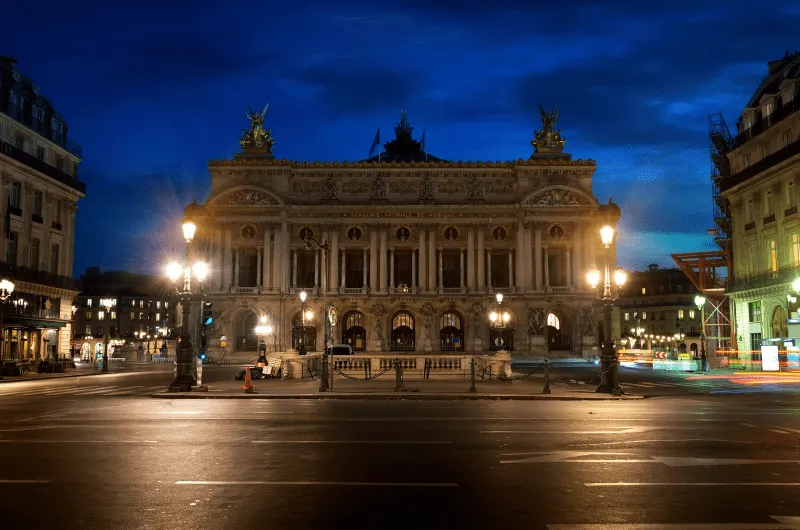
The Opéra Garnier, also known as the Palais Garnier, is one of the world’s most famous opera houses, named after its architect, Charles Garnier. Built at the zenith of the Second Empire in the late 19th century, this magnificent structure reflects the wealth, aesthetic taste, and architectural ambition of the era’s bourgeois society. Though dazzling at first glance with its gold leaf, sculptures, and rich marble, its walls house legends, scandals, and the dark secrets that inspired Gaston Leroux’s immortal novel, “The Phantom of the Opera.” Garnier aimed to create a colossal stage where art, architecture, and social life converged. This mesmerizing building is simultaneously an artistic hub and a labyrinth where whispers from the past echo eternally.
Charles Garnier’s First Masterpiece
Charles Garnier, the architect of the Opéra Garnier, was relatively young and unknown when he won the project. He secured the opportunity to create his life’s work by winning the design competition in 1861. Garnier’s vision was not just to construct a concert hall, but to create a social architecture where the audience felt they were part of the show itself. The different colored marbles used on the exterior facade reflect the ‘Napoleonic Style,’ a rich combination of Baroque and Classicism elements. Despite the challenging construction process, Garnier successfully achieved a seamless harmony between art and architecture, inscribing his name in history in golden letters for this exceptional accomplishment.
Construction of Opéra Garnier
The construction of the Opéra Garnier was part of Emperor Napoleon III’s urban renewal project in Paris (Haussmannization) and served as a manifesto of the Second Empire’s absolute power and splendor. The Palace was designed as a showcase for the rapidly enriching bourgeoisie and aristocracy of the period. The arrival of the royal family and nobles at the opera was a spectacle in itself, and the building’s architecture was perfectly suited to display these social rituals. This magnificent structure is an architectural monument that embodies the economic prosperity, cultural wealth, and optimism for the future prevalent during that significant period in French history.
The Challenging Construction of Opéra Garnier
The palace’s construction began in 1862, but the process proved much more difficult than anticipated. The construction site was located on one of Paris’s old marshlands, and the ground was extremely unstable due to continuously seeping groundwater. Garnier was forced to step outside conventional methods to solve this problem. Construction was repeatedly halted by political crises, such as the Franco-Prussian War and the Paris Commune, and ultimately took more than 15 years to complete. These challenges contribute to the opera house’s legendary status, forming a story of architectural perseverance against overwhelming odds.
The most famous and mysterious secret of the Opéra Garnier
The most famous and mysterious secret of the Opéra Garnier is the underground lake that inspired Gaston Leroux’s “The Phantom of the Opera.” During construction, to contain the seeping water in the ground, Garnier decided to build a colossal water cistern beneath the foundation. This artificial underground lake is actually an engineering solution designed to ensure the foundation’s stability and counterbalance water pressure. Over time, the cistern filled with water, and its dark depths gave birth to the ghost stories. This technical solution is a unique example born from an architectural problem that later transformed into a literary myth.
Opéra Garnier Underground Secrets
The primary purpose of the underground water cistern was to guarantee the building’s structural integrity. Instead of draining the leaking water, Garnier chose to collect it in a large reservoir, ensuring the water level in the ground remained constant. This prevented the wooden piles from rotting and eliminated the risk of the foundation collapsing. The cistern also served as a vast water reserve for emergencies; specifically in case of fire, it was a vital source to protect the most important sections of the building. This subterranean structure remains a silent guarantor of the building’s safety and longevity to this day.
What are the reasons for the delay in the opening of the Opera Garnier?
The construction of the Opéra Garnier dramatically stalled during the Franco-Prussian War (1870-1871) and the subsequent Paris Commune. During the war, the unfinished opera house was used as a depot and military headquarters, with its roof serving as an observation post. During the Commune period, a part of the building was seized by the rebels. These political and military crises increased the cost of construction and delayed its opening, but the national importance of the building prevented the project from being completely canceled. This period of crisis shows that the opera house is not only an artistic landmark but also a witness to the nation’s history.
Opening Ceremony of Opera Garnier
The Opéra Garnier finally opened with a grand ceremony on January 5, 1875, during the Republican era. The opening gala was attended by leading artists, politicians, and European nobility of the time. The inaugural performance included a scene from Giacomo Meyerbeer’s opera L’Africaine and a portion of Léo Delibes’ ballet La Source, specially composed for the occasion. The opening was not merely an artistic event but also a declaration of France’s political stability and cultural revival. The hall’s acoustics and splendor left an unforgettable impression on the audience, immediately solidifying the building’s reputation.
What was the fatal incident at Opera Garnier?
The most dramatic element of “The Phantom of the Opera” legend is the incident where the grand chandelier falls onto the audience. This event indeed occurred on May 20, 1896. One of the counterweights holding the massive chandelier in place loosened, and a part of the enormous fixture fell onto a spectator in the hall. The falling weight caused the death of one person and injured several others. This tragic accident became perfect inspiration for the novel’s author, Gaston Leroux, and the real event laid the groundwork for the mystery surrounding the phantom.
The Importance of Acoustics in the Architecture of Opéra Garnier
Just as aesthetics were vital in the Opéra Garnier’s architecture, the hall’s acoustics were equally paramount. Charles Garnier worked with the best scientists of his time to perfect the opera house’s acoustics. The hall’s horseshoe shape, the height of the ceiling, and the materials used (especially wood and velvet) were meticulously calculated to ensure sound was distributed equally and clearly to every seat. Although some acoustic experts suggest Garnier’s aesthetic concerns negatively impacted the acoustics, the hall’s sound quality is generally considered very high, offering an ideal setting for opera performances.
Exclusive Subscribers of Opera Garnier
The Rotonde des Abonnés (Subscribers’ Rotunda) was one of the Opéra Garnier’s most important social spaces, featuring a private entrance only accessible to annual ticket holders (subscribers). This circular hall was a luxurious waiting area where subscribers could meet and socialize before or during performance intermissions. The existence of this private entrance emphasizes the rigid hierarchy and wealth-based privileges within the Parisian society of the time. Subscribers could directly access their private boxes and backstage areas from this space, which further reinforced their status at the opera.
What is the purpose of the Opera Garnier Stairs?
The most striking architectural feature of the Opéra Garnier is, undoubtedly, the Grand Staircase (Grand Escalier). This imposing marble staircase was designed as the social heart of the building. Visitors would have the opportunity to display their clothes and jewelry as they ascended the stairs before the show or during intervals. Garnier designed the staircase as a stage where the act of “seeing and being seen” could best take place. Adorned with green and white marble, onyx, and bronze details, this staircase is a concrete expression of bourgeois splendor and social rituals.
A miniature Versailles Palace
The Mirror Gallery (Foyer de la Danse), reached after ascending the Grand Staircase, was designed to resemble the famous Hall of Mirrors in the Palace of Versailles, though on a more intimate scale. This luxurious hall was a light-filled space where nobles and the wealthy could gather and converse during performance intermissions. Frescoes and chandeliers on the ceiling complemented the hall’s grandeur, while the mirrors on the wall reflected the hall’s crowded and vibrant social life. This was a space for social intrigues and secret agreements, as well as a place for discussing art.
What was being done in the area reserved for dancers?
The Foyer de la Danse (Dancers’ Foyer) was a private area located backstage, accessible only to subscribers with close ties to the ballet dancers and the opera management. Known as a frequent haunt of the Phantom in the novels, this foyer was a place where wealthy, older subscribers would often meet young ballerinas to offer sponsorship or arrange dates. This situation highlights the social and moral grey areas within the opera world of the era. The secrecy and location of this area provided essential context for the Phantom’s ability to navigate the labyrinth unnoticed.
Have you read the novel that tells the story of the opera Garnier?
The legend of “The Phantom of the Opera” (Le Fantôme de l’Opéra) was immortalized in 1910 by the French author Gaston Leroux. When writing his novel, Leroux drew inspiration from real events during the Opéra Garnier’s construction and rumors circulating around the palace. Specifically, the underground cistern, the falling chandelier incident, and mysterious deaths backstage formed the basis of the novel’s plot. Leroux used these real secrets and architectural details to create an unforgettable Gothic love and horror story, emphasizing the building’s labyrinthine structure and its isolated nature.
Are the events described in the novel “The Phantom of the Opera” real?
Erik, the protagonist and phantom of the novel, is a mysterious character with a deformed face but a genius for music and architecture. According to the legend, Erik found a sanctuary deep within the building during its construction and lived there. Historically, it is unknown whether anyone actually lived beneath the Opéra Garnier, but there were rumors of many workers and immigrants disappearing during construction. Erik is considered the embodiment of these rumors, the architectural complexity, and the subterranean secrets of the building.
What is the Phantom of the Opera’s special place?
In “The Phantom of the Opera” novel, Box Number Five, which the Phantom specifically demanded the opera management reserve to prevent the disruption of performances, is one of the legend’s most important symbols. This box offered one of the best sightlines to the stage and was often left empty as the Phantom’s exclusive domain. In reality, while the box was sometimes left empty, this was usually reserved for management or guests. Nevertheless, this box has become a physical symbol that constantly reminds visitors of the Phantom’s presence and power.
Secret Passages and Labyrinths at Opera Garnier
The Opéra Garnier is a complex labyrinth, not just visibly, but also behind its walls. Charles Garnier designed an extensive network of corridors, stairs, and secret passages connecting the opera’s colossal stage machinery, dressing rooms, and rehearsal studios. These hidden routes allowed personnel, props, and costumes to move swiftly and discreetly. This labyrinthine structure created a perfect environment for the Phantom to reach every part of the building without being detected and to maintain his mystery.
Who changed Chagall’s ceiling?
The ceiling of the opera hall was originally painted by the artist Jules-Eugène Lenepveu in the 1870s. However, in 1964, by order of the then Minister of Culture André Malraux, it was replaced with a modern, colorful fresco by Marc Chagall. Chagall’s work, referencing 14 opera composers and their works, offered a sharp contrast to the building’s original grandiose style. Although this modern intervention was seen by some as a disrespect to the palace’s historic texture, it is today one of the most discussed and photographed sections of the building.
What happened to Chagall’s modern ceiling?
The biggest secret behind the controversy over Chagall’s modern ceiling is the fate of the original one. In fact, Chagall’s work was painted on a removable canvas mounted over the original Lenepveu ceiling. Thus, Lenepveu’s 19th-century fresco is preserved underneath Chagall’s modernism. This decision was a clever compromise between preserving the artistic heritage and adding a modern touch to the building. This means that if a restoration decision is made in the future, the original work can be safely reinstated.
Stages and Boxes at Opera Garnier
Although the Opéra Garnier was originally designed for Napoleon III, the royal box was never used by an Emperor due to the end of the Empire. However, during the Republican era, this box continued to be used as the Presidential Box for official events and important guests. The location and grandeur of the box are designed in such a way that the audience might focus on the box itself as much as the stage. This box remains a symbol that continually emphasizes the building’s place in the political and social hierarchy.
What is the Phantom of the Opera’s Obsession?
The backstage area of the Opéra Garnier, in stark contrast to the luxurious audience halls, was an area characterized by intense work, competition, and strict discipline. The lives of ballerinas were particularly difficult in that era; they rehearsed long hours and received low wages. The existence of the Foyer de la Danse shows that young ballerinas were part of a challenging social circle, becoming the focus of attention for wealthy and powerful subscribers. This background provides a complex environment, both artistically and socially, where the Phantom’s obsession with the ballerina Christine Daaé unfolds.
Secret Workshops for Costumes and Set Design at the Opera Garnier
The Opéra Garnier is not just a stage building but a colossal art center that houses its own costume and decor production workshops. These workshops are hidden in the underground and rear parts of the palace. Hundreds of tailors, carpenters, and artisans produced the complex costumes and massive sets required for the operas and ballets here. These production units are unseen but vitally important secrets that ensure the building’s artistic autonomy and make the visual splendor of the performances possible.
Financial Intrigues of the Opéra Garnier
The construction and operation of the palace were constantly shadowed by financial intrigues and allegations of corruption. The colossal cost of the project, combined with a lack of transparency in the Second Empire’s administration, continually created public debate. Allegations of inflated costs, claims of poor quality construction materials, and Garnier’s personal expenditures were frequently reported in the newspapers of the time. These financial secrets reveal the political and economic turmoil that lay behind the palace’s splendor.
For what purposes was the Opéra Garnier used?
The Opéra Garnier was the most important meeting point for 19th-century Parisian society. Opera tickets were not just a means to watch art, but also a tool to display social status and influence. Boxes served as private salons where wealthy families showcased themselves and their guests. Intermissions at the opera were a social stage for making business deals, flirting, and political gossip. Garnier aimed to maximize this social function through the design of the staircases and foyers.
Hidden Artworks in the Museum
The Opéra Garnier also houses the Opéra Library and Museum within its building. This museum boasts a rich collection documenting the history of opera and ballet art. It contains many works, from costumes and set designs to manuscripts and paintings. This collection is as historically important as the building itself and is a relatively hidden treasure that details the artistic process behind the Phantom legend, the ballets, and famous opera premieres.
What are the sculptures and symbolism on the roof and their meanings?
The sculptures and decorative elements on the exterior facade of the Opéra Garnier form the building’s aesthetic and symbolic language. The sculptures of Harmony and Poetry by Charles Gumery, located at the apex of the roof, symbolize the foundation of opera art. Other sculptures on the facade represent lyrical poetry, music, and drama. These detailed sculptural works are a visual manifesto, emphasizing that the building is not just an architectural structure but a temple of art and inspiration.
What was the purpose of the Garnier Opera’s lighting system?
The Garnier Opera, when opened, had a complex lighting system initially powered by gas and later supplemented by electricity. The grand chandelier and the lamplights in the halls were designed to highlight the building’s grandeur. Lighting was not just a visual tool but also a demonstration of 19th-century technological progress. The palace’s lighting system was carefully adjusted to enhance the dramatic atmosphere of the performances, as well as to bring out the sparkle of the nobles’ clothes and jewels.
What precautions were taken against fire hazards at the Opera Garnier?
Opera houses have historically faced a constant threat of fire; many opera buildings, including the old Paris opera, were destroyed in blazes. Charles Garnier took this risk seriously and implemented numerous fire precautions when designing the palace. The underground water cistern served as a fire reserve, while fire curtains and iron doors were used between the stage and the auditorium. These measures are important elements demonstrating Garnier’s foresight in engineering, ensuring the building’s longevity.
Opera Garnier Maintenance and Refurbishment Processes
Since its opening, the Opéra Garnier has undergone continuous maintenance and renovation processes. The marble on the building’s exterior must be regularly cleaned and restored due to climate conditions and air pollution. The interior’s gold leaf, frescoes, and sculptures are also under constant scrutiny. This century-long maintenance process proves that the building is not merely a one-time construction project but a living work of art that requires continuous attention and resources.
Opéra Garnier and the Artistic Revolution
The Opéra Garnier played a significant role in ballet art in addition to traditional opera. Many famous ballet works (such as Debussy’s Prélude à l’après-midi d’un faune) premiered on this stage. The building became a center for artistic innovations and revolutions, introducing the audience to new forms of music and choreography. The Palace did not just stage old works but also opened its doors to the avant-garde art movements of the 20th century.
What contributions has Opera Garnier made to the arts?
Within the Opéra Garnier is housed the Paris Opéra Ballet School (École de Danse de l’Opéra de Paris), one of the world’s oldest and most respected ballet schools. This school is a disciplined and intensive training institution that nurtures the ballet stars of the future. The school’s existence shows that the building is not only a performance venue but also a cultural heritage center that perpetuates and renews the French ballet tradition. The close bond between the school and the opera house ensures the continuous maintenance of artistic excellence.
The Allure of the Palace’s Masked Balls
Since its opening, the Opéra Garnier has been famous for its magnificent masked balls. These balls were entertaining and often scandalous events where Parisian society and artists came together, and social hierarchy was temporarily relaxed. The balls utilized the building’s vast foyers and staircases, becoming a dramatic stage for social life with rich costumes and games of hidden identity. These events reinforced Garnier’s goal of designing the building as a hub for social experience.
Does Napoleon’s Secret Tunnel at the Opera Garnier Really Exist?
There are rumors that Emperor Napoleon III planned to build an underground tunnel that would allow him to reach the opera directly from the Tuileries Palace (which later burned down) or Government buildings near the opera. This tunnel might have been designed due to the Emperor’s security concerns or simply to avoid the crowds. The idea of the tunnel is a secret that points to the imperial power’s intense interest in the opera and the building’s political status, though whether this tunnel was ever completed remains a mystery.
The Creativity of Stage Design at Opera Garnier
The stage area of the Opéra Garnier is one of the building’s greatest architectural and engineering marvels. The stage is much taller than the peak of the fly tower and can accommodate more than 450 artists simultaneously. The stage machinery used the most advanced hydraulic and mechanical systems of the period, allowing sets to be changed quickly and silently. This vast machine room is an unseen engineering secret that made the visual splendor and complex productions of the opera possible.
Is The Ghost of the Opera Garnier Real?
The Opéra Garnier still attracts visitors and researchers today who are tracing the footsteps of the “Phantom.” Guided tours focus on the legend, showing Box Number Five and the doors leading to the underground cistern. The museum management actively markets the Phantom story, realizing that this legend contributes to the building’s cultural allure. This is a striking example of a literary fiction becoming an inseparable part of a real architectural structure’s identity.
The Aesthetic Impact of the Opéra Garnier
The exaggerated, eclectic, and rich architectural style of the Garnier Opera has influenced many theaters and concert halls in Europe and America. Considered an example of “Beaux-Arts” architecture, this style set a standard for the design of public buildings in the late 19th and early 20th centuries. Garnier’s architectural vision shaped the aesthetics of performance venues not only in Paris but across the globe.
Why should you visit Opera Garnier?
The Opéra Garnier is an immortal intersection of Charles Garnier’s genius, the splendor of the Second Empire, and the imagination of Gaston Leroux. The emptiness of Box Number Five, the depth of the underground cistern, and the drama of the falling chandelier all show that the building is not just an opera house, but also a stage for romance and dark secrets. To visit the Opéra Garnier is to see the architecture, experience the history, and most importantly, listen to the music that echoes eternally within its walls.
Free Consultation
Fill out the form below to get your free medical travel plan and price quote.