What is Teeth Grinding?
Teeth grinding, medically known as bruxism, is a condition where an individual involuntarily rubs their teeth together or clenches their jaw with great force. Although it usually occurs during sleep, it can also happen unconsciously during the day. This condition is not just a simple habit; it is a significant health problem that can cause serious damage to the tooth structure and the temporomandibular joint. If not diagnosed early, it can lead to the erosion of tooth enamel and the development of chronic pain.
Why Does Bruxism Occur?
The causes of bruxism vary from person to person but generally arise from a combination of physical, psychological, and genetic factors. The intense stress of modern life, anxiety, sleep disorders, and an irregular lifestyle are the most common triggers for this condition. Additionally, misalignments in the teeth (malocclusion) can cause the jaw muscles to function incorrectly, initiating the grinding habit. Experts also state that this condition may be related to neurotransmitter imbalances in the brain.
What are the Symptoms of Teeth Grinding?
The most prominent sign of teeth grinding is the feeling of fatigue and pain in the jaw and face area upon waking up in the morning. Physical symptoms of bruxism include tooth sensitivity, color changes resulting from the wear of the enamel layer, tooth marks on the tongue, and irritation on the inner cheeks. Most of the time, the individual does not notice this condition themselves; they usually learn about it from their partner due to the grinding noise made during sleep or during a dental examination.
Why is Nighttime Teeth Grinding Dangerous?
Bruxism that occurs during sleep is dangerous because the individual cannot control the massive pressure they apply to their jaw. A force many times greater than normal chewing power is exerted on the teeth. This situation can lead to broken teeth, falling fillings, and even damage to dental implants. In the long run, it can cause temporomandibular joint (TMJ) disorders, leading to irreversible functional losses such as the inability to open the mouth fully or jaw locking.
Can Daytime Teeth Grinding be Noticed?
Daytime bruxism is usually a semi-conscious clenching action that occurs during stressful moments, when concentrating on a task, or when feeling anger. The person can stop this condition the moment they realize their jaw is tensed or their teeth are touching. However, if awareness is low, this pressure lasting all day can cause chronic headaches and excessive growth of the muscles in the temple area (masseter hypertrophy), leading to a squaring of the facial features.
Does Stress Trigger Teeth Grinding?
Yes, stress is the most powerful trigger of bruxism. The jaw muscles tense up as one of the body’s mechanisms for coping with stress. Especially pressures in professional life, exam periods, or emotional traumas directly increase the frequency and severity of teeth grinding. When stress management is not performed, dental treatments remain only symptomatic; as long as the primary cause is not eliminated, the grinding habit continues during sleep, continuing to damage the teeth.
Do Genetic Factors Play a Role in Bruxism?
Research shows that people who experience teeth grinding problems are highly likely to have similar cases in their family history. If one of the family members has severe bruxism, the risk of this condition appearing in children and young people increases. Genetic predisposition affects not only the structure of the teeth but also the nervous system’s response to stress and sleep cycles, proving that bruxism has a hereditary aspect.
How Does Teeth Grinding Damage Teeth?
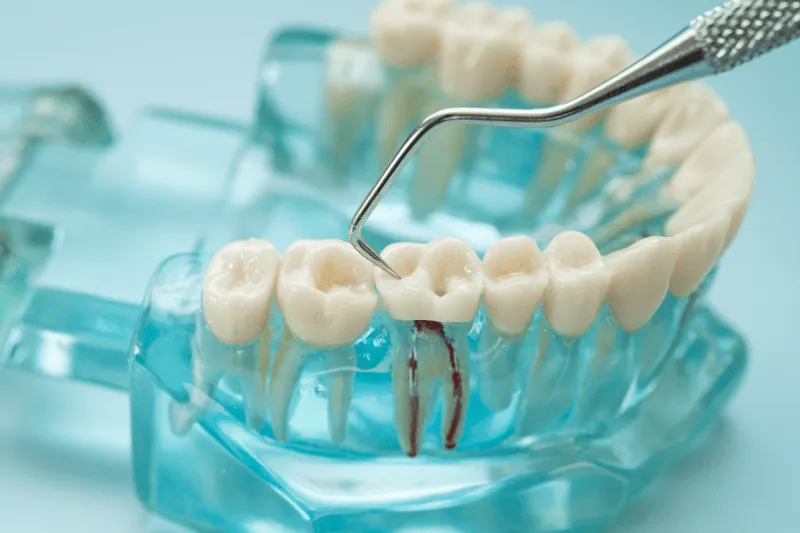
Teeth grinding gradually wears away the enamel, which is the outermost protective layer of the teeth. As the enamel layer thins, the underlying dentin tissue is exposed, which causes extreme hot-cold sensitivity. The height of the teeth may shorten, the tips may become jagged, and a process leading to tooth loss over time can begin. It also creates a mechanical trauma effect that leads to gum recession and loosening of the teeth.
Is Jaw Pain a Harbinger of Bruxism?
Widespread pain felt especially in front of the ear or in the temples is one of the strongest signals of bruxism. The temporomandibular joint (TMJ) can become inflamed or worn because it remains under constant pressure. If you have difficulty opening your mouth in the morning or if you hear a “clicking” sound, this is an indication that the jaw joint is exhausted due to bruxism. This pain can sometimes be confused with an earache, but the root cause is the fatigue of the chewing muscles.
Is There a Link Between Headaches and Teeth Grinding?
The vast majority of bruxism patients complain of tension-type headaches spreading from the temple area, especially in the morning. The masseter and temporal muscles, which contract throughout the night, trigger headaches by affecting blood circulation and stimulating nerve endings. Although most patients confuse this pain with a migraine, the source of the pain is actually the uncontrolled teeth-clenching action that lasts all night, and these pains decrease dramatically with appropriate appliances.
Does Sleep Apnea Lead to Teeth Grinding?
Modern medicine has revealed a serious relationship between sleep apnea and teeth grinding. In people with sleep apnea, the body tries to push the jaw forward to breathe when the airway is blocked. During this involuntary movement, the teeth rub against each other and bruxism occurs. In other words, teeth grinding can sometimes be a defense mechanism developed by the body to prevent suffocation; therefore, sleep disorders must be investigated.
Is Teeth Grinding Normal in Children?
Teeth grinding is quite common in children and is usually seen during the periods when baby teeth fall out and permanent teeth erupt. In most cases, this is a physiological process and passes spontaneously until adolescence. However, if the grinding is very severe, disturbs the child’s sleep, or creates visible wear on the teeth, an expert should evaluate whether there is an underlying enlarged adenoid or a psychological stress factor.
Is Teeth Grinding Treatment Possible?
Absolutely yes, teeth grinding is a treatable condition. However, the treatment process requires both physical protection and the resolution of underlying causes. The main goal of treatment is to protect the teeth against wear, reduce the load on the jaw joint, and relieve tension in the muscles. Today, many effective methods are available, ranging from custom-made night guards to Botox applications. Success is directly proportional to the patient’s compliance with the treatment and lifestyle changes.
What Does the Use of a Night Guard Do?
A night guard (splint) is a transparent appliance prepared according to measurements taken by a dentist and worn over the teeth during sleep. The primary purpose of this guard is to stop tooth wear by preventing the upper and lower teeth from coming into contact with each other. At the same time, it helps the muscles relax by distributing the load on the jaw joint evenly. Although the night guard does not completely end bruxism, the damage it causes can be 100% prevented mechanically.
Should a Soft or Hard Night Guard be Chosen?
Although many people prefer ready-made soft guards, experts generally recommend hard or semi-hard guards prepared specifically for the individual. Soft guards can increase the desire to grind in some patients because they create a chewing sensation and can make the chewing muscles work harder. Hard guards, on the other hand, allow the muscles to rest by keeping the jaw in the ideal position. Your dentist should decide which guard is suitable for you based on the severity of your bruxism.
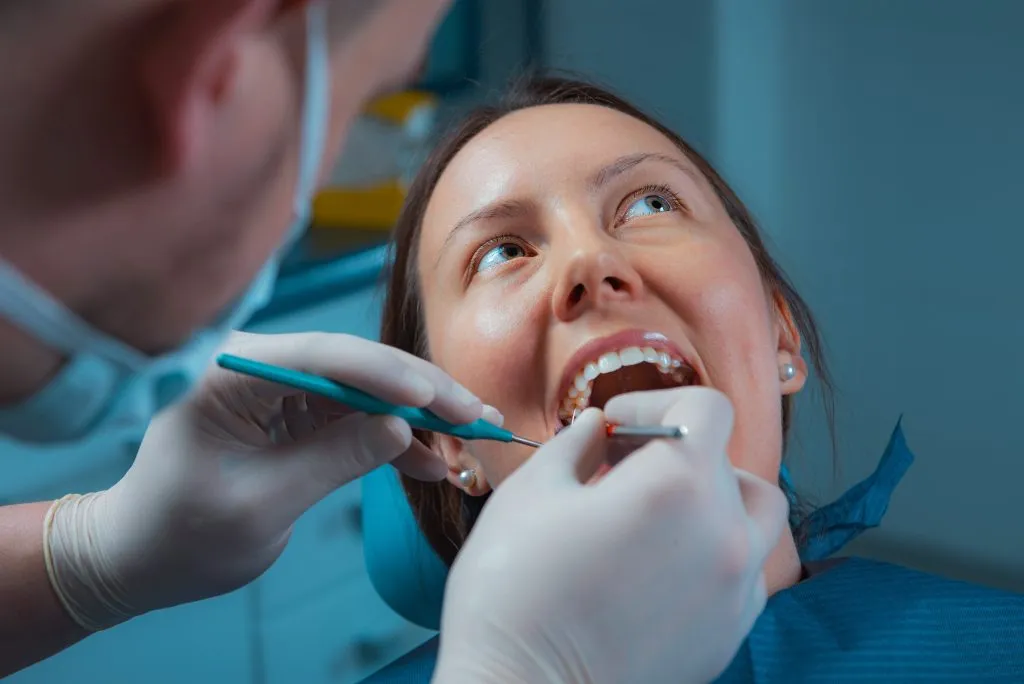
Can Teeth Grinding be Treated with Botox?
Botox (Botulinum Toxin) application has revolutionized bruxism treatment in recent years. Botox applied to the masseter and temporal muscles temporarily reduces the contraction power of these muscles. In this way, even if the person wants to clench their teeth, the muscles cannot contract that strongly. Botox application eliminates only the excessive pressure without disturbing chewing or speaking functions. This method, which is generally effective for 4-6 months, is a comfortable solution especially for patients with severe pain.
Is Masseter Botox Safe?
Masseter Botox is an extremely safe procedure when performed by specialist dentists or aesthetic surgeons. The procedure takes only a few minutes and does not require surgical intervention. Since it reduces the size of the muscle, it also creates a slimming (V-line) effect on the lower part of the face, which provides an aesthetic advantage. However, the correct adjustment of the dose and application point is of vital importance so that the smiling muscles are not affected.
Which Medications are Used for Teeth Grinding?
Drug therapy is generally preferred during acute and severe periods of bruxism. Muscle relaxants can be used before sleep to prevent excessive contraction of the jaw muscles throughout the night. If a deep anxiety or depression lies at the root of bruxism, the use of anxiolytics or antidepressants under the supervision of a psychiatrist may be required. However, medications alone are not a solution; they must be supported by protective guards or other mechanical treatments.
Is Psychological Support Necessary in Treatment?
If teeth grinding has become a way of emotional release, psychological support can be the most important part of the treatment. Cognitive Behavioral Therapy (CBT) allows the person to realize that they are clenching their teeth during moments of stress and to replace this habit with healthy responses. Meditation, breathing exercises, and professional therapy support can be more effective than dental treatments in providing permanent healing by drying up the root cause of bruxism.
Does Physical Therapy Relax Jaw Muscles?
Special physical therapy techniques applied to the jaw joint and facial muscles are very successful in reducing pain caused by bruxism. Manual therapy increases the mobility of the jaw joint, while laser therapy and ultrasound applications reduce inflammation and tension in the tissues. Additionally, tongue and jaw exercises recommended by physiotherapists help the jaw muscles learn the “correct resting position,” minimizing grinding.
Do Misaligned Teeth Cause Bruxism?
Closing disorders of the teeth (malocclusion) disturb the balance of the jaw system. If the teeth do not fit together perfectly, the body tries to “grind” and balance this incompatibility by grinding the teeth. Orthodontic treatments (treatment without braces or clear aligners) allow the jaw joint to relax by bringing the teeth into the correct alignment. In this way, structural-based teeth grinding problems can be solved at the root and the life of the teeth can be extended.
Do Caffeine and Alcohol Consumption Affect It?
Caffeine increases muscle tension by stimulating the nervous system and causes sleep to remain superficial. Alcohol, while appearing to relax the muscles, disrupts sleep quality and triggers uncontrolled muscle movements during sleep. Excessive coffee, tea, or alcohol consumed especially in the evening hours will directly increase the severity of the teeth grinding that will occur that night. Limiting the consumption of these substances during the treatment process positively affects the speed of recovery.
Does Smoking Increase Teeth Grinding?
Nicotine in cigarettes is a substance that stimulates the central nervous system. Nicotine use makes it harder to fall asleep while increasing brain activities and muscle tone during sleep. Research has revealed that the incidence of bruxism in individuals who smoke is twice as high as in non-smokers. Patients receiving teeth grinding treatment should quit or reduce smoking to help the nervous system calm down and the jaw muscles contract less.
What Happens if Bruxism is Not Treated?
Untreated bruxism opens the door to irreversible damage. The sensitivity resulting from the loss of enamel on the teeth can become unbearable, and teeth can break from the gum line. Even worse, serious problems such as disc displacement or calcification in the jaw joint (TMJ) can develop, leading to permanent limitations in opening the mouth. In addition, chronic pain reduces sleep quality, causing daytime fatigue, concentration disorders, and a general state of unhappiness.
How to Prevent Tooth Fractures?
The most effective way to prevent bruxism-induced tooth fractures is the use of a night guard. The guard acts as a barrier by completely cutting off the friction between the teeth. However, if there are existing cracks or weakened fillings, these teeth may need to be strengthened with porcelain crowns (zirconium or e-max). Your dentist can apply restorative procedures that will make the teeth more resistant to the vertical pressure created by grinding by strengthening their structure.
How are Jaw Joint Disorders Treated?
Temporomandibular joint (TMJ) disorders require a multidisciplinary approach. In treatment, the pressure on the joint is primarily reduced with stabilization splints (special night guards). When necessary, intra-articular washing (arthrocentesis) or injections are performed to increase the quality of the joint fluid. Lifestyle changes such as warm compress applications, avoiding hard foods, and quitting chewing gum are also fundamental steps that support the joint’s healing process.
What are the Relaxation Methods that can be Applied at Home?
To relax your jaw muscles at home, you can apply a warm compress to the jaw area for 10-15 minutes before sleep. This increases blood circulation and helps the muscles relax. During the day, make sure your teeth are not touching; try to maintain the position of lips closed, teeth apart. Creating an awareness of “Am I clenching my teeth?” by sticking small notes in places where you can see them at home or in the office helps you control daytime bruxism.
Are Meditation and Yoga Good for Bruxism?
The link between mind and body is very important in bruxism treatment. Practices such as yoga and meditation calm the body’s sympathetic nervous system (fight or flight response) and activate the parasympathetic system. In this way, general body tension decreases and the pressure on the jaw muscles is indirectly relieved. Especially a 10-minute meditation session performed before sleep can help you have a quality sleep where you are deep and do not clench your teeth.
Can Tooth Enamel Loss be Reversed?
Unfortunately, eroded tooth enamel does not come back on its own. However, modern dentistry offers great options to restore lost tissues. With composite bonding applications, eroded tips can be completed, or in more advanced cases, both the aesthetics and function of the teeth can be regained with porcelain laminates (veneers). Before these restorations are made, the grinding must be under control; otherwise, the new prostheses may also be damaged.
Does Your Partner Notice the Sound of Teeth Grinding?
Most bruxism cases are diagnosed based on complaints from the patient’s spouse or roommate. High-pitched grinding and rubbing sounds during the night can be severe enough to disturb the sleep of the person next to you. This sound is the most obvious proof of how much friction power the teeth are exposed to. If you are receiving such feedback from your partner, it is highly beneficial to see a dentist even if pain has not yet started in your teeth.
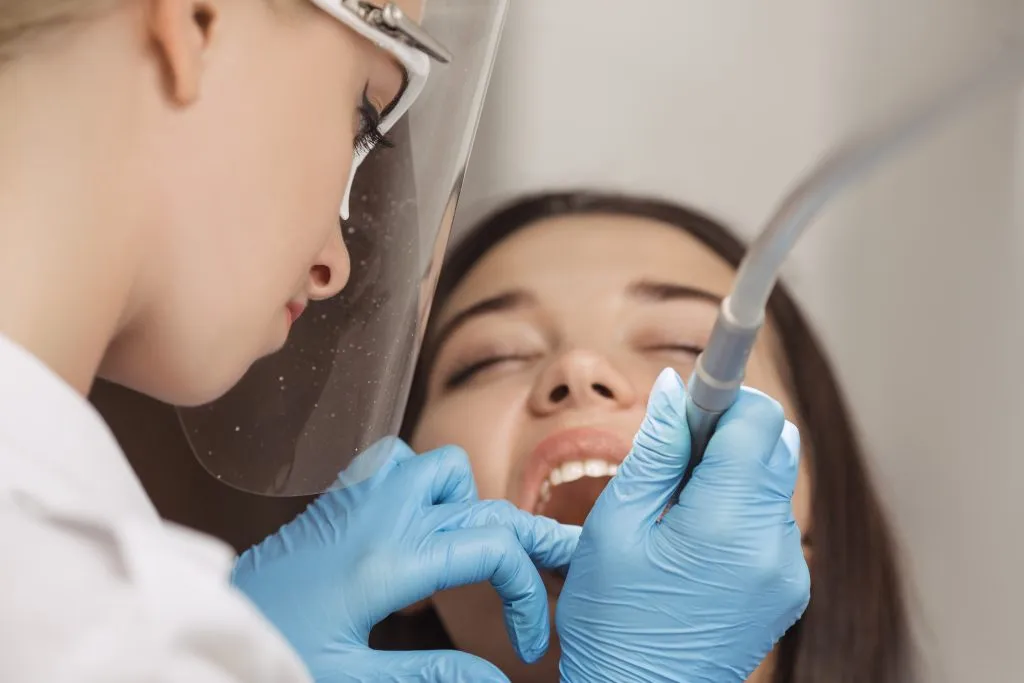
Which Doctor Should I Go To?
The first specialist to go to for teeth grinding problems is a dentist. The dentist determines the type and severity of bruxism by examining the wear patterns on the teeth. If the underlying cause is psychological, a referral to a psychologist can be made, or to a sleep specialist or neurologist if there is a systemic problem such as sleep apnea. Additionally, if jaw joint problems are very advanced, oral, dental, and maxillofacial surgery specialists can evaluate surgical intervention options.
Does Teeth Grinding Stop Permanently?
Teeth grinding is usually a periodic condition and can be completely stopped or reduced to a level that will not harm the teeth with the right treatment approaches. Grinding can end when stress factors are eliminated or when a new muscle memory is taught to the brain with habit-breaking methods such as a night guard. However, in some individuals, this condition is chronic and requires lifelong management. The important thing is to ensure that the teeth and jaw structure emerge from this process without damage.
Are Dental Prostheses and Implants Affected by Bruxism?
Yes, in fact, bruxism can be more dangerous for prostheses and implants than for natural teeth. While natural teeth have periodontal ligaments that cushion the pressure, implants are directly connected to the bone and have no margin for stretching. Severe teeth clenching can cause the bone around the implants to melt or the implant screw to break. Therefore, it is critical for patients who have implants to use a protective night guard and have a bruxism check-up for the longevity of the prostheses.
What Should be Done for a Healthy Smile?
A healthy smile does not just mean pearly white teeth; it also means a jaw system that functions correctly. Fighting bruxism is the most important step in smile design processes. Regular dentist check-ups, a balanced diet, adequate sleep, and stress management are the cornerstones of a healthy oral structure. If there is wear on your teeth, functional treatment (guard, Botox, etc.) must be planned before aesthetic interventions, and your smile must be protected.
Is Dental Treatment in Turkey Advantageous?
Turkey has become a global center in the field of dentistry. Thanks to modern clinics, specialist dentist staff, and advanced technological equipment, complex treatments such as teeth grinding are offered at much more economical prices compared to Europe and America. Especially in personalized digital smile design and jaw joint treatments, Turkey is above global standards in terms of both speed and quality. The opportunity to both have treatment and have a holiday is a great source of motivation for patients.
How Does the Treatment Process Work with Cure Holiday?
Cure Holiday offers a professional end-to-end experience for patients who want to receive treatment in Turkey. The process begins with the digital examination of the patient’s X-rays and complaints. After a personalized treatment plan is created for you, all your travel details, including accommodation and transfer services, are organized by Cure Holiday. While your Botox, night guard, or restorative treatments applied by expert dentists are being completed, you can enjoy the beauties of Turkey.
Start Your Treatment with Cure Holiday in Turkey!
If you want to get rid of the teeth grinding problem, wake up without pain in the morning, and achieve the smile of your dreams, the most correct address is Turkey and Cure Holiday. Combining all the possibilities of modern medicine with a comfortable holiday experience, Cure Holiday offers permanent solutions in bruxism treatment. Do not let your teeth be damaged further; contact Cure Holiday today to make an appointment with our expert staff and entrust your health to safe hands. Turkey’s hospitality and high treatment standards are waiting for you!
Free Consultation
Fill out the form below to get your free medical travel plan and price quote.