Living with diabetes presents unique challenges, especially when it comes to surgical procedures and long-term healing. One of the most common questions for individuals facing tooth loss is: “Can diabetics get dental implants?” For years, many patients were told that diabetes was a direct contraindication for implant surgery. However, modern dental technology and advanced medical management have changed the landscape entirely. Today, with proper blood sugar control and a specialized approach, diabetic patients can enjoy the life-changing benefits of dental implants just as successfully as non-diabetics. This guide explores every aspect of the process, from medical requirements to the specialized care provided by experts like Cure Holiday.
Can Diabetics Safely Get Dental Implants?
The short answer is a resounding yes. Most people with diabetes are eligible candidates for dental implants, provided their condition is well-managed. The primary concern for dentists is not the diabetes itself, but how it affects the body’s ability to heal and fight off infections. When blood glucose levels are stable, the body can integrate the titanium implant into the jawbone through a process called osseointegration. Safe surgery requires a thorough pre-operative assessment and a commitment to maintaining stable sugar levels throughout the recovery period.
How Does Diabetes Impact the Success Rate?
While the general success rate for dental implants is between 95% and 98%, diabetes can slightly alter these numbers if not managed correctly. Studies show that for well-controlled diabetics, the success rate is nearly identical to that of healthy individuals. However, uncontrolled blood sugar can lead to slower healing times and a higher risk of early implant failure. The impact is primarily seen in the initial months after surgery, where the bone needs to fuse with the implant. If the body’s metabolic processes are compromised, this fusion may take longer or be less robust.
Is Blood Sugar Control the Primary Factor?
Blood sugar control is the single most important variable in determining whether a diabetic patient is a good candidate for dental implants. High glucose levels in the bloodstream can impair the function of white blood cells, which are essential for fighting bacteria and healing wounds. Furthermore, chronic hyperglycemia can damage blood vessels, reducing the delivery of oxygen and nutrients to the surgical site. By keeping levels within a target range, patients ensure that their immune system is primed for recovery and that the surgical site receives the support it needs to thrive.
What HbA1c Levels Are Required for Surgery?
The HbA1c test provides a three-month average of blood sugar levels and is the gold standard for assessing surgical risk. Most dental surgeons prefer to see an HbA1c level below 7% for optimal results. However, many specialists will perform the procedure on patients with levels up to 8% if other health factors are favorable. If a patient’s HbA1c is consistently above 8.5% or 9%, the risk of infection and implant failure increases significantly. In such cases, the dentist will usually recommend working with an endocrinologist to lower the levels before proceeding with the implant.
Why Does High Glucose Delay Bone Healing?
Bone healing is a complex biological process that requires the activation of specific cells called osteoblasts. High glucose levels create an “advanced glycation end-products” (AGEs) environment, which interferes with the collagen matrix formation in the bone. This environment can suppress osteoblast activity while potentially increasing osteoclast activity (the cells that break down bone). Consequently, the jawbone may not grow around the implant as quickly or as densely as required. This delay means diabetic patients must be more patient and diligent during the months following their surgery.
Does Type 1 Diabetes Change the Procedure?
Type 1 diabetes is an autoimmune condition that requires lifelong insulin therapy, but it does not automatically disqualify a patient from getting dental implants. Because Type 1 diabetics often have more volatile blood sugar swings, the surgical planning must be even more meticulous. The timing of the surgery is often coordinated with insulin doses and meal times to prevent hypoglycemia during the procedure. While the surgical technique itself remains largely the same, the monitoring and aftercare protocols are usually more rigorous to account for the body’s specific metabolic needs.
Is Type 2 Diabetes Easier to Manage for Implants?
Type 2 diabetes is often managed through diet, exercise, and oral medications, which can sometimes make the blood sugar levels more predictable than Type 1. However, Type 2 is often associated with other metabolic issues, such as high blood pressure or slower circulation, which must also be considered. From a dental perspective, if a Type 2 diabetic patient has stable glucose levels, they are considered excellent candidates. The ease of management depends entirely on the individual’s commitment to their treatment plan and their body’s response to the prescribed medications.
What Are the Common Risks for Diabetic Patients?
The primary risks for diabetic patients undergoing dental implant surgery include post-operative infection, delayed wound healing, and peri-implantitis. Because diabetes can weaken the immune response, bacteria in the mouth have a better chance of causing an infection at the site of the incision. Furthermore, if the gums do not heal quickly, the underlying bone is exposed to oral bacteria for a longer duration. Understanding these risks allows both the dentist and the patient to take proactive steps, such as using specialized mouthwashes and temporary dietary adjustments, to mitigate potential complications.
Can Diabetes Lead to Post-Surgical Infections?
Diabetes is known to create a pro-inflammatory environment in the body. When blood sugar is high, it provides a “food source” for certain types of bacteria, allowing them to multiply more rapidly. This increases the risk of an infection occurring in the soft tissue around the implant. To prevent this, dentists often prescribe a course of antibiotics before and after the procedure. Diabetic patients are also advised to use antimicrobial rinses and maintain impeccable oral hygiene to ensure that the surgical site remains as sterile as possible during the critical first few weeks of healing.
How Does Diabetes Affect the Osseointegration Process?
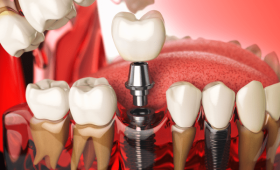
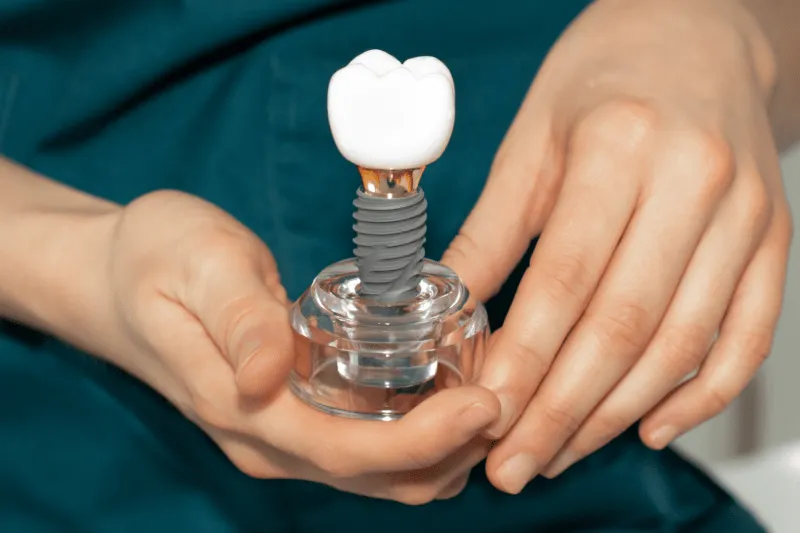
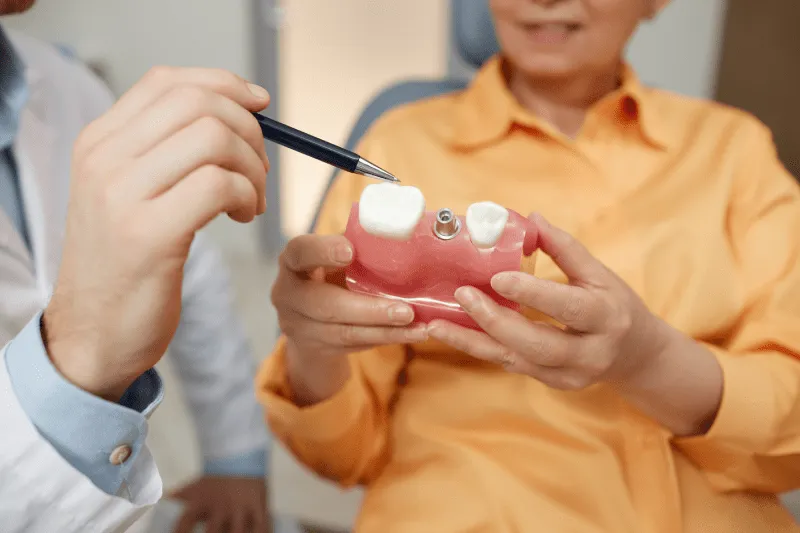
Osseointegration is the biological “locking” of the implant into the jawbone. In diabetic patients, the formation of the new bone around the titanium screw can be slightly sluggish. The microscopic architecture of the bone might be less dense if blood sugar has been poorly controlled in the past. To compensate for this, many dentists allow for a longer healing period before attaching the final crown. While a healthy patient might wait 3 to 4 months, a diabetic patient might be advised to wait 5 to 6 months to ensure the foundation is rock-solid.
Should Diabetics Take Special Antibiotics Before Surgery?
Antibiotic prophylaxis is a common practice for diabetic patients undergoing dental surgery. This involves taking a dose of antibiotics shortly before the procedure to create a “shield” in the bloodstream against wandering bacteria. The choice of antibiotic depends on the patient’s medical history and any potential allergies. This preventive measure significantly reduces the risk of early-stage infection and provides peace of mind for patients who may be concerned about their body’s ability to fight off oral pathogens during the invasive stage of the treatment.
Is There a Specific Diet Before Dental Implants?
In the weeks leading up to surgery, diabetic patients should focus on a “glycemic-friendly” diet that is rich in vitamins and minerals. Nutrients like Vitamin D, Calcium, and Vitamin C are crucial for bone health and tissue repair. Avoiding highly processed sugars and maintaining a consistent carbohydrate intake helps stabilize blood glucose levels, which is vital for the upcoming healing process. On the day of the surgery, the patient should follow their doctor’s advice regarding fasting or eating a light meal, depending on the type of anesthesia being used and their specific insulin regimen.
How Does Gum Health Influence Implant Stability?
The health of the gingival tissue (gums) is just as important as the health of the bone. Diabetes is a major risk factor for periodontal disease, which can cause the gums to recede and the bone to deteriorate. For an implant to be successful, there must be enough healthy gum tissue to create a tight seal around the implant post. This seal prevents bacteria from reaching the bone. If a diabetic patient has active gum disease, this must be treated and resolved before the implant can be placed, ensuring a healthy environment for the new tooth.
What Is the Relationship Between Diabetes and Peri-implantitis?
Peri-implantitis is a condition similar to gum disease that specifically affects the area around a dental implant. It causes inflammation of the soft tissue and gradual loss of the supporting bone. Diabetic patients are statistically at a higher risk for this condition due to the heightened inflammatory response. Managing this risk requires regular professional cleanings and a strict home-care routine. By controlling blood sugar and following a maintenance schedule, diabetics can prevent peri-implantitis and ensure that their dental implants last for several decades, if not a lifetime.
Can Diabetic Patients Choose Full Mouth Restorations?
Yes, diabetic patients are often candidates for full mouth restorations, such as “All-on-X” or full arch bridges. For many diabetics, tooth loss is widespread due to years of battling gum issues. Replacing an entire arch of teeth can actually improve a diabetic’s overall health by allowing them to eat a wider variety of nutritious, crunchy vegetables and proteins that were previously too difficult to chew. The surgical plan for a full mouth restoration is more complex, but the benefits to the patient’s quality of life and nutritional status are often transformative.
Are All-on-Four Implants Suitable for Diabetics?
The All-on-Four technique is highly suitable for diabetic patients because it often eliminates the need for extensive bone grafting. By angling the implants, the surgeon can utilize the existing bone density more effectively. Since bone grafting adds another layer of complexity to the healing process, avoiding it can be a major advantage for someone with diabetes. This “fixed-on-four” solution provides immediate stability and allows the patient to regain their smile and chewing function much faster than traditional implant methods, provided their glucose levels are closely monitored.
How Important Is the Dentist’s Experience with Diabetes?
Choosing a dentist who understands the intricacies of diabetic health is paramount. An experienced surgeon will know how to adjust the surgical protocol, which medications to prescribe, and how to monitor for signs of delayed healing. They will also communicate effectively with the patient’s primary care physician or endocrinologist. This collaborative approach ensures that the dental treatment is not viewed in isolation but as part of the patient’s overall health management. Expert clinics like Cure Holiday specialize in these high-risk, high-reward cases, providing a level of care that prioritizes safety.
What Role Does Smoking Play in Diabetic Implant Success?
Smoking is a significant risk factor for everyone, but for diabetics, the combination can be devastating for dental implants. Smoking constricts blood vessels and reduces the amount of oxygen in the blood, further compounding the circulation issues already caused by diabetes. The risk of implant failure is significantly higher in diabetic patients who smoke compared to those who do not. Most dentists will strongly urge diabetic patients to quit smoking at least several weeks before and after the procedure to give the implants the best possible chance of success.
Can Stress Affect Blood Sugar During the Procedure?
Dental anxiety is common, and for diabetics, the stress response can cause a spike in blood sugar levels. When the body is stressed, it releases hormones like cortisol and adrenaline, which trigger the liver to release more glucose. To manage this, clinics often offer sedation options or a very calm environment to keep the patient relaxed. Monitoring blood sugar immediately before and after the surgery is a standard safety protocol. Ensuring the patient is comfortable not only makes the experience better but also helps maintain metabolic stability.
How Should Recovery Be Monitored Day by Day?
The first 72 hours after surgery are critical. Diabetic patients should monitor their blood sugar levels more frequently than usual, as the body’s response to surgery can cause fluctuations. Any signs of excessive swelling, redness that spreads, or a persistent fever should be reported to the dentist immediately. Keeping a log of glucose readings and sharing them with the dental team can help identify any trends that might require medical intervention. Most patients find that with proper rest and adherence to their medication, the initial recovery is quite manageable.
What Signs Indicate an Early Implant Failure?
While rare, it is important to know the signs of early implant failure. These include persistent pain that does not improve with medication, significant mobility of the implant, or discharge from the surgical site. In diabetic patients, these signs might be subtle due to changes in nerve sensitivity (neuropathy). Regular follow-up appointments are essential because the dentist can use X-rays to check the bone-to-implant contact and ensure that everything is progressing as planned. Early detection of issues often allows for corrective measures that can save the implant.
Is Local Anesthesia Safe for Diabetic Patients?
Local anesthesia is generally very safe for diabetic patients. Most local anesthetics used in dentistry contain a small amount of epinephrine to prolong the effect and reduce bleeding. While epinephrine can theoretically raise blood sugar, the amount used in a typical dental procedure is so small that it rarely has a clinical impact on glucose levels. However, if a patient has specific cardiovascular concerns related to their diabetes, the dentist can choose an anesthetic without epinephrine to ensure maximum safety and comfort during the procedure.
How Do Medications for Diabetes Affect Oral Surgery?
Most common diabetes medications, such as Metformin or insulin, do not interfere with the dental implant procedure itself. However, it is vital that the dentist has a full list of all medications and supplements the patient is taking. For example, some patients with diabetes may also be taking blood thinners or medications for kidney health, which can influence bleeding and healing. By reviewing the entire medical profile, the dental team can tailor the surgical approach and post-operative care to ensure there are no adverse drug interactions or complications.
Can Proper Oral Hygiene Reverse Diabetic Risks?
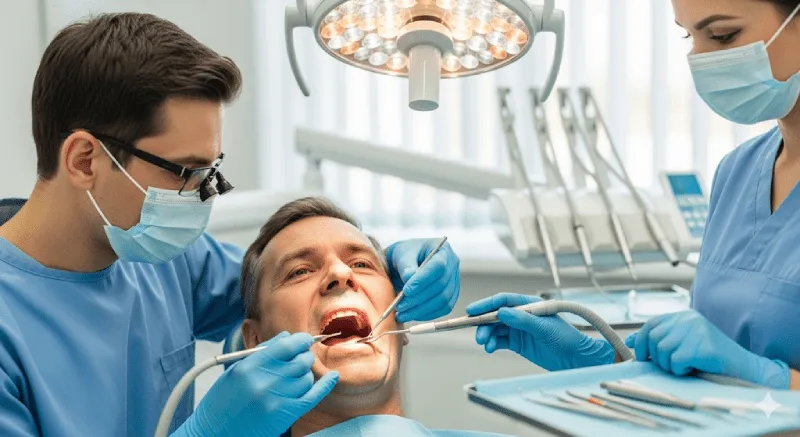
While diabetes increases the risk of oral health issues, excellent oral hygiene can effectively neutralize much of that risk. Diabetic patients should be “super-brushers,” using soft-bristled toothbrushes, interdental cleaners, and non-alcoholic antimicrobial mouthwashes. Regular professional cleanings—every three to four months instead of the standard six—are often recommended for diabetics. By keeping plaque and tartar to an absolute minimum, the patient prevents the inflammatory triggers that lead to gum disease and peri-implantitis, thereby protecting their investment in their new smile.
Does Age Play a Factor in Diabetic Dental Surgery?
Age itself is not a barrier to dental implants, but older diabetic patients may have lived with the condition longer, potentially leading to more systemic complications. However, many seniors in their 70s and 80s successfully receive dental implants. The focus is always on the individual’s current health status rather than the number on their birth certificate. For many older adults, the ability to chew properly and enjoy a healthy diet is one of the best ways to manage their diabetes and maintain their overall vitality into their later years.
What Imaging Technologies Help Diabetic Patients?
Modern dentistry utilizes 3D CBCT scans (Cone Beam Computed Tomography) to plan implant placement with extreme precision. For diabetic patients, this is a game-changer. These scans allow the surgeon to see the exact density and volume of the bone before making a single incision. This allows for “guided surgery,” which is faster, less invasive, and requires fewer stitches. Reduced surgical time and less tissue trauma mean a faster healing process and less stress on the patient’s body, which is ideal for maintaining stable blood sugar levels.
Is Bone Grafting Necessary for Most Diabetics?
Bone grafting is sometimes necessary if the jawbone has thinned due to long-term tooth loss. While diabetics can undergo bone grafting, it does add another stage to the healing process. Whenever possible, surgeons try to use techniques that minimize the need for grafting in diabetic patients to simplify the recovery. However, if grafting is required, the same rules of blood sugar control apply. Using high-quality grafting materials and potentially growth factors can help the body integrate the new bone more effectively, even with the metabolic challenges of diabetes.
How Do Flapless Surgery Techniques Benefit Diabetics?
Flapless surgery is a minimally invasive technique where the implant is placed through a small hole in the gum, rather than cutting a large “flap” of tissue. This technique results in significantly less bleeding, less swelling, and a much faster recovery time. For diabetic patients, minimizing the wound size is a major advantage, as it reduces the “entry points” for bacteria and puts less strain on the immune system. Not every patient is a candidate for flapless surgery, but it is a preferred method for those with well-managed diabetes whenever anatomically possible.
Why Is a Collaborative Approach with Physicians Vital?
A dental implant is a medical procedure, and for a diabetic, it’s part of their larger health journey. The best outcomes occur when the dentist and the patient’s primary doctor or endocrinologist work together. This collaboration might involve adjusting medication doses before surgery or confirming that the patient’s recent lab results are within a safe range. This holistic view ensures that every potential complication is anticipated and that the patient is supported from both a dental and a systemic medical perspective, leading to a much smoother overall experience.
What Are the Long-Term Benefits of Implants for Diabetics?
The long-term benefits of dental implants for diabetics extend far beyond aesthetics. Implants prevent further bone loss in the jaw, which can occur when teeth are missing. More importantly, they allow for a diet filled with high-fiber, nutrient-dense foods that are essential for blood sugar management. When a person can chew effectively, they can eat raw vegetables, nuts, and lean proteins, all of which help maintain a stable glycemic index. In this way, dental implants can actually be a tool that helps a person manage their diabetes more effectively over time.
Can Implants Improve Nutritional Habits for Diabetics?
Many people with missing teeth or poorly fitting dentures gravitate toward soft, highly processed foods that are often high in carbohydrates and sugar because they are easier to chew. This is a dangerous cycle for a diabetic. Dental implants provide the biting force of natural teeth, breaking this cycle and allowing the patient to return to a healthy, diabetes-friendly diet. The psychological boost of having a functional, beautiful smile also encourages patients to take better care of their overall health, often leading to better compliance with their diabetes management plan.
Why Is Professional Aftercare Essential for Success?
Aftercare doesn’t end when the stitches come out. For a diabetic patient, the first year following implant placement is a period of continued monitoring. Regular check-ups allow the dentist to ensure that the bone is remaining stable and that the gum tissue is healthy. Professional cleanings help remove any sub-gingival bacteria that the patient might miss at home. This proactive approach ensures that any small issues are caught before they become major problems, guaranteeing that the dental implants remain a successful, permanent solution for tooth loss.
Why Should You Choose Cure Holiday for Your Treatment?
When it comes to complex cases like dental implants for diabetic patients, the expertise of the clinical team is non-negotiable. Cure Holiday has established itself as a leader in dental tourism, specifically catering to patients who require a higher level of medical attention. Our team understands that a diabetic patient is not “just another case.” We provide a comprehensive assessment process that takes your entire medical history into account. By choosing Cure Holiday, you are opting for a clinic that uses the latest technology and specialized protocols designed to maximize safety and success for those living with diabetes.
How Does Cure Holiday Manage Diabetic Patient Safety?
At Cure Holiday, patient safety is our cornerstone. We utilize advanced diagnostic tools, including 3D imaging, to plan minimally invasive procedures that promote faster healing. Our surgeons are highly experienced in working with diabetic patients and are trained to manage the specific risks associated with the condition. From the moment you contact us, we coordinate with your medical history to ensure your blood sugar levels are optimized for surgery. During the procedure, we maintain a sterile, stress-free environment, and our post-operative care includes detailed monitoring instructions tailored specifically to your needs.
What Benefits Does Cure Holiday Offer for International Patients?
Choosing Cure Holiday in Turkey offers more than just world-class dental care; it offers a seamless, stress-free experience. We handle all the logistics, from airport transfers to luxury accommodations, allowing you to focus entirely on your health and recovery. Our prices are significantly more affordable than those in the UK or USA, without ever compromising on the quality of materials or the expertise of our surgeons. For a diabetic patient, the ability to recover in a beautiful, relaxing environment with a dedicated support team available 24/7 is a major factor in a successful outcome.
How Can You Contact Cure Holiday for a Consultation?
If you are a diabetic patient looking for a permanent solution to tooth loss, don’t let your condition hold you back. Cure Holiday is here to guide you through every step of the process with compassion and expertise. You can start your journey today by contacting us through our website for a free, no-obligation consultation. Our specialists will review your case, discuss your HbA1c levels, and create a personalized treatment plan that prioritizes your safety and your smile. Take the first step toward a healthier, more confident life with Cure Holiday—where your health is our mission.
Diabetes is no longer a barrier to achieving the smile you deserve. With the right preparation, stable blood sugar levels, and an expert dental team, dental implants are a safe and highly effective option. By restoring your ability to eat a healthy diet and boosting your self-esteem, implants can even help you manage your diabetes more effectively.
Are you ready to transform your life? Don’t settle for anything less than the best. Contact Cure Holiday today and discover why thousands of patients trust us with their dental health. Let our experts provide you with the specialized care you need to ensure your dental implant journey is a complete success. Contact Cure Holiday now for your free consultation!
Free Consultation
Fill out the form below to get your free medical travel plan and price quote.