Why is Nutrition Important After Gastric Sleeve Surgery?
Gastric sleeve surgery is a procedure in which approximately eighty percent of your stomach is surgically removed. After this major change, the diet is the most critical factor for your stomach to adapt to its new structure and for the staple lines to heal healthily. Correct nutrition in the first days not only initiates weight loss but also ensures that the body receives the energy it needs from the right sources by minimizing the risk of complications. Since any wrong step can lead to gastric leaks or severe pain, it is of vital importance to strictly adhere to the list provided by your surgeon and dietitian who are in constant communication with you.
What are the Critical Roles of the First Thirty Days?
The first thirty days after surgery are the “introduction to the new stomach” phase for the patient. During this time, the digestive system is extremely sensitive and its capacity is very limited. Since the body has just undergone a major surgical operation, it expects extra care for tissue repair. Nutritional transitions during this stage are planned step-by-step to prepare your stomach to accept solid foods again. Not letting go of discipline in the first month is the key to your long-term success. If the rules are followed during this period, risks such as stomach expansion decrease and the weight loss process gains a much healthier momentum.

How Does the Recovery Process Work After Surgery?
Immediately after the surgical procedure, the body enters a repair mode. The sutures in the stomach wall and the internal tissue are quite edematous in the first days. For this reason, it is necessary to avoid all kinds of substances that will strain digestion. The healing process is not only about wound healing but also about re-establishing hormonal balance. Although the decrease in levels of ghrelin, known as the hunger hormone, makes it easier for you to manage your appetite, it is essential for the body to receive its basic building blocks. Being patient in this process and listening to the signals given by the body are among the factors that directly affect the speed of recovery.
What are the Basic Rules of the Liquid Phase?
The liquid period, which starts immediately after surgery, is designed to prevent mechanical exhaustion of the stomach. The most basic rule in this phase is to consume liquids “sip by sip” and very slowly. Fast drinking should never be done; liquids should be kept in the mouth for a while and then swallowed. Also, the temperature of the liquids should be at room temperature or lukewarm; very hot or very cold drinks can cause stomach spasms. Not drinking more than half a glass at one sitting is a critical rule to prevent the stomach from stretching. The liquid period is the stage where discipline is tested the most but is also the safest harbor.
What is the Clear Liquid Diet and What Does It Include?
The clear liquid diet is a stage that covers the first few days of surgery and involves the consumption of liquids that are transparent when looked through. This list includes water, sugar-free and pulp-free apple juice, clear chicken or beef broth, and herbal teas. The goal of clear liquids is to meet the body’s water needs without straining the stomach at all. Although these liquids are poor in protein, they serve as a vital bridge to prevent dehydration. It is essential that it is pulp-free because even the smallest solid particle can irritate the fresh suture lines or cause a feeling of blockage.
How is Blood Pressure and Hydration Balance Maintained?
Rapid weight loss and restricted nutrition can cause low blood pressure, especially in the first weeks. The biggest reason for this is insufficient fluid intake. A target of at least 1.5 – 2 liters of water consumption per day should be set. Maintaining hydration balance protects not only blood pressure but also kidney health and general energy levels. Your urine being light yellow is the best indicator that you are drinking enough water. If you are experiencing dizziness or weakness, this is likely due to lack of water or electrolytes; in this case, you should check your salt balance by consulting your doctor.
How is Protein Requirement Met in the First Month?
After gastric sleeve surgery, the body needs a high amount of protein to protect muscle mass and heal wounds. Getting enough protein during the first 30 days is essential to prevent hair loss and keep the metabolism alive. However, since the stomach capacity is small, it is difficult to meet this need with normal foods. Therefore, specially formulated, easy-to-digest protein supplements are used. The daily protein target is usually between 60-80 grams. Neglecting protein can cause you to feel tired all the time and result in weight loss from muscle rather than fat.
Why is the Principle of Slowness Important in Liquid Consumption?
Your new stomach is like a funnel, and liquids that descend rapidly from the top can accumulate at the bottom and create pressure. This pressure results in stomach pain, nausea, and sometimes vomiting. That’s why “slowness” is the golden rule. Spreading a glass of water over 20-30 minutes gives your stomach time to digest this liquid and pass it down. Hurrying causes accumulation in the esophagus and a distressing feeling of pressure in the chest area. Slowing down your eating speed should be one of the most important and permanent habits you will acquire in your life after surgery.
What are the Forbidden Drinks and Their Reasons?
There are certain drinks that should definitely not be on the list after surgery. At the top of these are sugary soft drinks, alcohol, and energy drinks. Sugary drinks can lead to a condition called “Dumping Syndrome,” characterized by a drop in blood pressure, sweating, and palpitations. Alcohol, on the other hand, is both high in calories and its absorption speeds up significantly after surgery, which tires the liver and creates serious health risks. Also, even if freshly squeezed, high-acid fruit juices can irritate the stomach wall. Staying away from these drinks is a necessity for a successful recovery.
What are the Risks of Using Straws?
Many patients prefer to use straws, thinking they can drink liquids more easily, but this is a big mistake. When drinking with a straw, you send a significant amount of air to your stomach along with the liquid. This air in your small and sensitive stomach causes severe gas pains and bloating. Gas pain is one of the biggest sources of discomfort after surgery, and using a straw is one of the main factors that trigger these pains. Therefore, you are recommended to always drink liquids from a glass, in small and controlled sips. Paying attention not to swallow air will increase your comfort.
Why Should Caffeine and Acidic Drinks Be Avoided?
Caffeinated drinks like coffee and tea can lead to the body losing water due to their diuretic effects. Also, caffeine can increase stomach acid, creating a burning and restless feeling in the newly operated stomach. Acidic (carbonated) drinks, on the other hand, cause the stomach to expand suddenly and put pressure on the suture lines; this situation can carry vital risks. Completely staying away from caffeine and acid during the first month after surgery is a critical discipline in order to protect the inner peace of the stomach. Herbal teas or decaf options are safer alternatives as long as your doctor approves.
What Does the Full Liquid Period in the Second Week Include?
After successfully completing the first week, a transition is usually made to the “Full Liquid” period. In this stage, liquids can now be not only clear but also more nutritious and dense. Strained soups, diluted yogurts, and protein shakes are the main heroes of this period. Your stomach is now able to tolerate slightly more complex liquids. However, every new food should still be tried alone and the body’s reaction should be measured. If a food causes gas or bloating, the most logical way is to take a break from it for a few days and try again. Increased variety will boost your morale.
How Should Milk and Yogurt Consumption Be?
During the full liquid period, milk and yogurt are the most important sources of calcium and protein. However, some patients may develop temporary lactose intolerance after surgery. If your stomach is rumbling or bloating when you drink milk, you should prefer lactose-free milks. Yogurt, on the other hand, helps regulate the digestive system thanks to its probiotic content. Consuming yogurt by turning it into a drink or thinning it with a very little water makes swallowing easier. Sugar-free, fruit-free, and natural yogurts should always be your first choice. These foods will support your feeling of fullness while nourishing your muscles.
Where Does the Nutritional Power of Ayran Come From?
Ayran (a traditional yogurt drink) is a miraculous drink that both meets the fluid need and helps electrolyte balance. Especially in hot weather or when feeling weak, ayran with a bit of salt added helps balance blood pressure. The protein and minerals in its content are very valuable for the body in the healing process. However, care should be taken not to drink ayran very quickly and not to fill the stomach all at once. Ayran is also known for its stomach-soothing effect and is an indispensable part of the full liquid period as it is among the easiest foods to digest.
What Should Be Considered When Choosing Protein Powder?
Although there are many protein powders on the market, “Whey Isolate” is generally the best option for gastric sleeve patients. Since isolate proteins are better purified from carbohydrates and fat, their absorption is much faster and they do not tire the stomach. It is important that the taste of the powder is not too sugary to reduce the risk of dumping syndrome. You can increase the nutritional value of your soups by adding unflavored protein powders (while lukewarm, without boiling). You should definitely get your dietitian’s recommendation on which brand to use; because even the sweeteners in the content can disturb your stomach.
Why is Choosing Sugar-Free Products Mandatory?
As in your whole life after surgery, sugar is your biggest enemy in the first 30 days. You should gain the habit of reading the labels of packaged foods. The phrase “no added sugar” does not always mean that product is healthy; you should also check the amount of natural sugar. Sugar means empty calories and you should not fill your limited capacity with such low-quality fuels after stomach surgery. Also, sugar can trigger hunger attacks by fluctuating insulin levels. Adjusting your palate to sugar-free foods in the first month is a fundamental strategy for long-term weight control.
How Does the Third Week Purée Period Start?
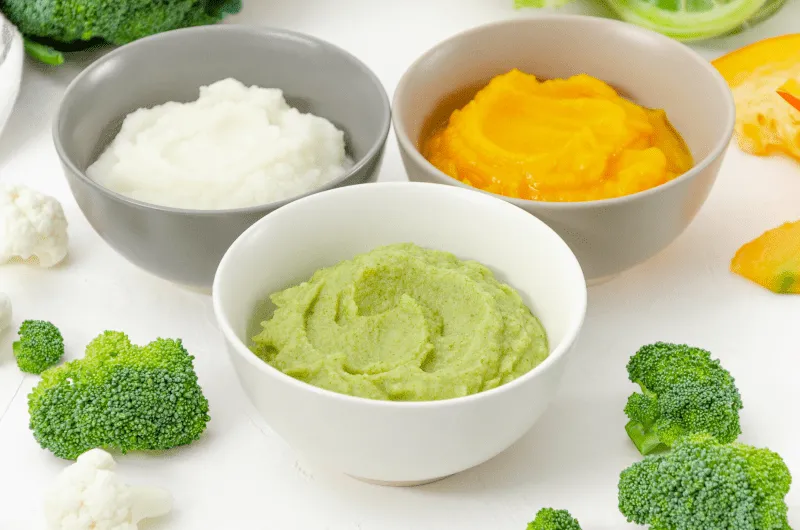
By the end of the second week, your stomach is now ready to accept slightly more “consistent” foods. The purée period covers foods that become purée consistency when mashed with a fork or have been passed through a blender. This stage is a period when patients begin to remember the chewing reflex again and taste foods more. Purées should be in the consistency of baby food and there should be no hard pieces in them at all. In this phase, the number of meals is usually divided into 5-6 small meals. The purée period is the most important preparatory step before transitioning to solid foods and must be managed very carefully.
What are the Tips for Using a Blender?
The blender is your best friend during the purée period. However, while passing foods through the blender, you should be careful not to form too many air bubbles; because this air can cause gas in your stomach. Passing the purées you prepare through a sieve is a good way to weed out unwanted fibers or skins that may remain inside. When puréeing meat, chicken, or fish, you must soften it with some meat broth or vegetable broth. A dry purée can make swallowing difficult and create a “stuck feeling.” The consistency of the purée should be fluid but dense, and it should slide easily from the palate.
How Should the Transition to Egg Consumption Be?
Eggs are one of the highest quality protein sources in nature and are included in the meals during the purée period. However, many patients may develop sensitivity to the smell or texture of eggs after surgery. Initially, whisking the egg with very little milk and cooking it as a very soft “omelet” makes digestion easier. Soft-boiled or hard-boiled eggs can sometimes feel heavy on the stomach. If the egg is sitting heavy in your stomach, don’t force it, try again a few days later. Cooking the yolk and white of the egg by mixing them thoroughly will make its texture more homogeneous and easier to tolerate.
Which Soft Cheese Options Should Be Preferred?
Cheese provides both flavor and protein during the purée period. However, hard and oily cheeses should be avoided. Labneh, curd cheese, or low-fat feta-style cheeses are ideal for this period. Instead of eating cheeses directly, you can increase the protein value by mixing them into vegetable purées. Curd cheese is worth its weight in gold for gastric sleeve patients, especially with its high protein and low fat ratio. While consuming cheese, you should also remember to be slow and melt every small bite thoroughly in your mouth. Salted cheeses will make you thirsty, so it is useful to consume salt in a controlled way to balance blood pressure.
How to Prepare Vegetable Purées?
Vegetables such as zucchini, carrots, broccoli, and cauliflower become great vitamin sources when boiled thoroughly and puréed. Care should be taken while trying vegetables like broccoli and cauliflower, which have a possibility of causing gas. You should definitely peel the skins of the vegetables and weed out the fibrous parts. Adding some protein powder or curd cheese while preparing the vegetable purée increases the nutritional quality of the meal. Although mashed potatoes are delicious, they can raise blood sugar quickly due to high starch content; so it is a better approach to keep the amount low by mixing potatoes with other vegetables.
What Should Be Considered in Fruit Purées?
Fruits should be consumed in moderation during the purée period as they contain natural sugar (fructose). Fruits like apples and pears are easier to digest when steamed and puréed. Bananas are rich in potassium but can cause constipation in some patients; so the portion should be kept small. While preparing fruit purées, you should definitely peel the skins and obtain a smooth consistency. Very sugary fruits like melon and watermelon are prone to dumping syndrome, so great care should be taken while consuming them. Fruit should usually be consumed as part of a main meal or in very small amounts as a dessert, not between meals.
Why is Changing Chewing Habits Important?
The biggest revolution you will make in your life after surgery is your “chewing” style. Now you need to chew a bite at least 20-30 times before swallowing it. Even during the purée period, you should turn foods into liquid by blending them thoroughly with saliva in your mouth. This habit makes your stomach’s job easier and allows the time needed for satiety signals to reach the brain. Fast eating and less chewing are the most common causes of stomach pain and vomiting. The strategy of “leaving the fork on the table after every bite” is a simple but effective method that will help you slow down and increase your chewing quality.
How to Learn to Follow the Sensation of Fullness?
The satiety signal coming from your new stomach may not be in the form of “abdominal bloating” as before. A pressure in the rib cage, hiccups, a runny nose, or a sudden reluctance can be indicators that you are full. The moment you receive these signals, you must stop eating no matter what is left on your plate. Saying “one more bite” is forcing the stomach more than necessary and inviting discomfort. Learning to listen to your body’s voice is the most important psychological and physical gain of the post-surgical process. Remember, now the feeling of fullness will come much earlier and much more clearly.
Why is Not Forcing Stomach Capacity Important?
The stomach, which is reduced by surgery, has a volume of about one tea glass. Forcing this volume can cause the sutures to stretch and, in the long run, your stomach to expand again. Accepting that your portions should always be tiny makes the healing process easier. Avoiding drinking water during meals is also important to protect stomach capacity. According to the “Solid-Liquid Separation” rule, you should stop fluid intake 30 minutes before and 30 minutes after eating. In this way, you fill your stomach volume only with nutritious foods and stay full longer by extending the stay of nutrients in the stomach.
What are the Vitamin and Mineral Supplements?
Due to the shrinking of stomach volume and the change in absorption, the vitamins you get from foods may no longer be enough for your body. Using the multivitamins recommended by your doctor regularly in the first month after surgery keeps your immune system strong. Usually, chewable or liquid form vitamins are preferred. Neglecting vitamins can lead to weakness, muscle cramps, and more serious neurological problems. These supplements are not “optional” but an “indispensable” part of your new life. Monitoring these values with your blood tests and correcting deficiencies early is of vital importance for a healthy weight loss process.
How to Prevent Vitamin B12 Deficiency?
After gastric sleeve surgery, the production of the substance called “intrinsic factor,” which provides B12 absorption in the stomach, decreases. This situation leads to B12 deficiency in many patients. B12 deficiency manifests itself with symptoms such as forgetfulness, numbness in hands, extreme fatigue, and anemia. In the first 30 days and afterwards, it is usually necessary to take B12 support in the form of sublingual pills, sprays, or injections. To protect your nervous system and keep your energy levels high, you should have your B12 level checked regularly and take your supplement as prescribed by your doctor.
Why are Calcium and Vitamin D Supplements Necessary?
Bone health is one of the most neglected issues during the rapid weight loss period. Insufficient calcium intake causes the body to pull the calcium it needs from the bones and increases the risk of osteoporosis. Vitamin D is also required for calcium absorption. For this reason, supplements in the form of calcium citrate are usually recommended; because this form is better absorbed independently of stomach acid. You should also get support through natural ways as long as you can tolerate dairy products. However, supplements serve as a safe insurance in this critical period to protect your bone density.
What is the Importance of Iron Supplementation?
Iron deficiency anemia is common after stomach surgery, especially in female patients. The fact that red meat consumption is limited in the first months can trigger this situation. Iron supplements can sometimes disturb the stomach, so your doctor will choose the most suitable form for you (liquid or capsule that does not tire the stomach). You should take care not to take iron at the same time as calcium supplements; because calcium can prevent iron absorption. You can increase iron absorption with foods containing vitamin C (for example, a few drops of lemon added to the purée). Keeping your iron stores full directly affects your energy so as not to experience anemia.
What are the Symptoms of Dumping Syndrome?
Dumping syndrome is a condition where foods (especially high-sugar and fatty foods) pass very quickly from your stomach into your small intestine. Its symptoms include severe abdominal pain, diarrhea, nausea, dizziness, palpitations, and cold sweating. It usually occurs 10 to 30 minutes after eating. To avoid this situation, you should avoid simple sugars, excessively fatty foods, and consuming liquids with food. Dumping is your body’s way of telling you “you ate something wrong.” If you are experiencing these symptoms, you should lie down and rest immediately and analyze where the mistake was in your next meal.

How to Deal with Nausea and Vomiting?
Mild nausea can be considered normal in the first weeks after surgery, but continuous vomiting is a sign that there is a problem. The most common causes of vomiting are; eating too fast, not chewing enough, forcing the capacity, or intolerance to a food. If you have nausea, you can try natural soothers like ginger tea or use the anti-nausea medications given by your doctor. Continuous vomiting leads to the body becoming dehydrated and the electrolyte balance being disturbed. If it lasts more than 24 hours, you must definitely inform your surgeon. Strictly following nutritional rules reduces the risk of vomiting by 90%.
What are the Problems and Solutions for Constipation?
The decrease in the amount of food and the restricted fiber consumption are the main factors that trigger constipation after surgery. In addition, the iron and calcium supplements used can also contribute to this situation. The most important rule to prevent constipation is to drink enough water. Water is the primary motor force for intestinal motility. Not neglecting fibrous vegetables during the purée period and using probiotics with doctor’s approval can be beneficial. If the problem becomes chronic, you can use medical softeners recommended by your doctor. Exercise and short walks also provide great support for your intestines to work more regularly.
How Should Nutrition Management Be in Social Life?
Eating out or participating in social activities within the first 30 days can be challenging. While the people around you are eating large portions, the fact that you are content with a glass of soup can create psychological pressure. During this process, you should always have a safe snack (for example, a suitable protein shake) or water with you. Do not hesitate to request suitable purée-consistency options from the menu in the places you go. Explaining your situation to your social circle or being in more controlled environments for a while helps you maintain your motivation. Remember, this period of restriction is temporary and serves a great goal.
How to Provide Psychological Support and Motivation?
Gastric sleeve surgery changes not only your stomach but also your relationship with food. In the first month, you start to understand the difference between “emotional hunger” and “physical hunger.” Sometimes not being able to eat can create a state of sadness or irritability. Accepting that these feelings are normal and getting support from a psychologist if necessary increases your success. Your motivation will rise when you see the weight loss, but you should focus on the improvement in your health rather than the numbers on the scale. Set small goals for yourself and celebrate every stage (such as the transition from liquid to purée) as a success. This journey requires patience and self-compassion.
How Should Exercise and Physical Activity Be Done?
In the first 30 days, you should avoid heavy sports and movements that strain the abdominal area; because it takes time for your sutures to heal from the inside. However, short walks starting from the day after surgery are of vital importance. Walking speeds up blood circulation, reduces the risk of embolism (clot), and ensures the intestines work. You can start with 15-20 minute light-paced walks every day and increase the duration as you feel better. Listen to your body; if you feel pain or extreme fatigue, rest. Moving will help not only in losing weight but also in raising your morale.
What are the Tips for Long-Term Success?
Successfully completing the first 30 days is a great victory, but this is just a beginning. For long-term success, you must turn the “slow eating,” “chewing a lot,” and “solid-liquid separation” rules you learned this month into a way of life. Keeping a food diary is a great way to track what affects you and how much protein you are getting. Never neglect your appointments with your dietitian and consult your team for any questions. This surgery has offered you a “second chance”; by supporting this chance with correct nutrition and healthy habits, you can reach the healthy life you have dreamed of.
Free Consultation
Fill out the form below to get your free medical travel plan and price quote.