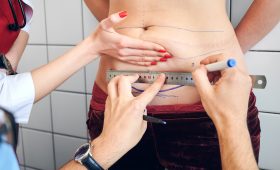
Can Breast Augmentation and Tummy Tuck Be Done at the Same Time?
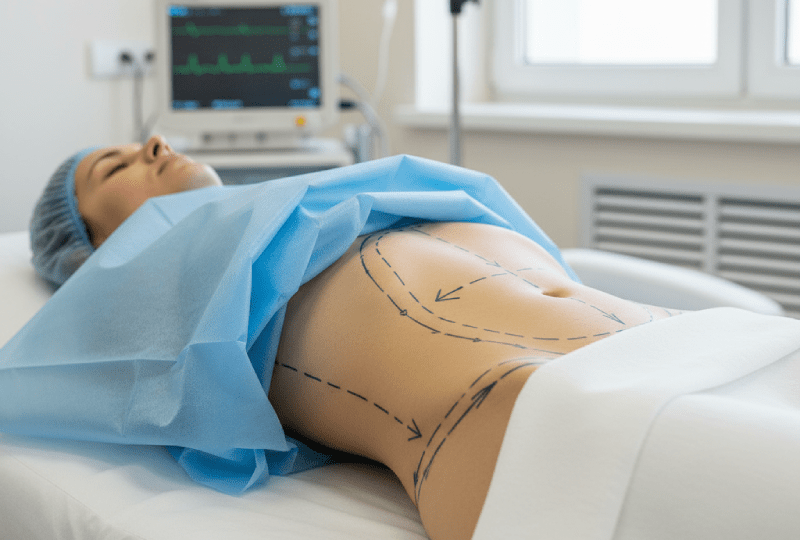
Yes, breast augmentation and tummy tuck surgeries can technically be performed safely within the same surgical process. This application is frequently accepted in the literature as one of the cornerstones of the “Mommy Makeover” package. Surgeons may prefer to shape both the upper and middle regions of the body at the same time, as long as the general health condition of the patient is suitable. This approach allows the patient to achieve their dream appearance with a single anesthesia session.
What Is the Greatest Advantage of Combined Surgery?
The most obvious advantage of combined operations is the consolidation of the recovery period. Instead of waiting for two separate recovery periods for two separate surgeries, the patient completes the process with a single convalescence period. In addition, a single hospital stay and a single anesthesia application help the patient achieve significant savings in terms of both time and logistics. Adjusting the general balance of the body at the same time ensures that the aesthetic results look much more harmonic and proportional.
How Is Anesthesia Duration Managed in These Operations?
The duration of anesthesia in combined surgeries is naturally longer than in single operations. During this period, which usually varies between 4 and 6 hours, the anesthesiologist follows the patient’s vital functions second by second. Thanks to modern anesthesia techniques and drugs, this long-term application has been made quite safe. The speed of the surgeon and the coordination of the team play a critical role in minimizing the time the patient remains under anesthesia, which reduces the risk of complications.
Who Is the Ideal Candidate for Combined Aesthetics?
The most ideal candidates for this dual operation are individuals who are in good general health, do not smoke, and are close to their ideal weight. Especially women who have completed the pregnancy and breastfeeding period and experience sagging in the abdominal area and loss of breast volume get the highest efficiency from this process. Pre-operative blood tests and physical examinations are meticulously analyzed to determine whether the patient’s body can handle this comprehensive trauma.
What Should Be Done During the Pre-Operative Preparation Process?
The preparation process is at least as important as the operation itself for the success of the surgery. Patients are asked to quit smoking at least 3 weeks before the operation, avoid blood thinners, and switch to a healthy diet. In addition, it is of great importance to prepare the materials necessary for the recovery process at home in advance and to arrange a companion who will support for the first few days after the operation. Psychological preparation is also critical for the patient to keep their motivation high in this process.
Which Problems Does Tummy Tuck Surgery Solve?
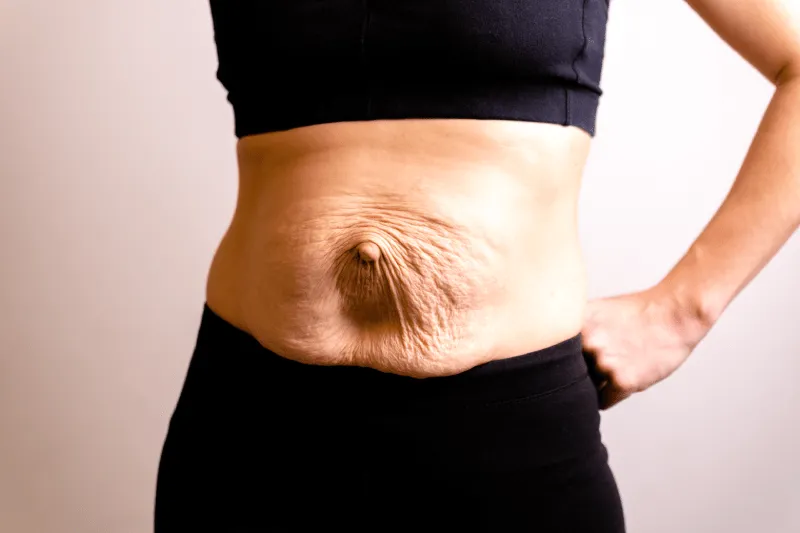
Tummy tuck surgery is not just a process of removing excess skin; it also involves the repair of loosened abdominal muscles (diastasis recti). The sagging skin structure resulting from pregnancy or excessive weight gain or loss is recovered and stubborn fat tissues are removed from the area. In this way, the abdominal area achieves a much flatter, tighter, and more athletic appearance. While the operation increases the patient’s self-confidence, it can also contribute to the correction of posture disorders indirectly.
Which Techniques Are Used in Breast Augmentation Surgery?
The most common method in breast augmentation today is the use of silicone implants. Implants can be placed under the muscle or over the muscle; this decision varies according to the patient’s current breast tissue and the surgeon’s preference. In addition, fat injection methods can be an alternative for patients who want a more natural result. The surgeon performs detailed measurements before the operation to determine the most appropriate size and shape for the patient’s body lines and listens to the patient’s expectations.
Is the Recovery Period Harder Than Single Surgeries?
The recovery period after a combined operation may require a little more patience as the recovery process begins in two different parts of the body. However, this does not mean that it is harder than the total recovery period of two separate surgeries. Although mobility restriction is felt for the first few days, this process can be overcome comfortably thanks to modern pain management techniques. Since the patient needs to protect both areas, the issue of resting and following the surgeon’s instructions is of vital importance.
How Long Is the Hospital Stay After Surgery?
After combined breast augmentation and tummy tuck operations, patients are usually kept under observation in the hospital for one or two nights. During this period, pain control is provided, drains are followed, and the patient’s first mobilization process is carried out accompanied by professional healthcare personnel. Hospital stay is important for early detection of possible complications and for the patient to feel safe. After discharge, the control schedule determined by the surgeon should be adhered to.
How Is Pain Managed After Combined Aesthetics?
Post-operative pain is usually felt most intensely in the first 48 hours and then decreases rapidly. Surgeons use powerful painkillers, muscle relaxants, and sometimes local anesthesia blockades to manage this process. This protocol, arranged according to the patient’s pain threshold, allows the person to rest comfortably and take light walks. The aim is not the complete disappearance of pain, but to keep it at a tolerable level; thus, the patient is encouraged to move in the early period.
What Is the Best Season for These Surgeries?
Autumn and winter months are generally preferred for aesthetic operations. The main reason for this is that the corsets and bras that must be used after surgery can cause discomfort in hot weather. In addition, cool weather is ideal for avoiding the negative effects of sun rays on surgical scars and ensuring that edema is dissipated faster. However, with the patient’s schedule and the surgeon’s approval, these operations can be successfully performed in every season by taking the necessary precautions.
How Do Surgical Scars Look Over Time?
In breast augmentation and tummy tuck operations, surgeons try to hide the scars as much as possible. While the tummy tuck scar is usually planned to remain under the bikini line, breast augmentation scars are hidden in the sub-mammary fold or around the nipple. These scars, which are red and prominent in the first months, approach the skin color and fade at the end of the first year. Regular scar cream use and protection from the sun are elements that directly affect the aesthetic success of this process.
Can Those Planning Future Pregnancy Have This Surgery?
Individuals planning a future pregnancy are generally advised to postpone these surgeries. Because a new pregnancy process may cause the abdominal muscles to stretch again and the breast tissue to undergo volume changes, thus spoiling the results of the surgery. However, there is no medical obstacle; if pregnancy occurs after the operation, the health of the mother and baby is not put at risk. For the most permanent and satisfactory results, the priority recommendation of surgeons is that the childbearing process should be completed.
How Is the Cost of Combined Operations Determined?
The cost of combined surgeries is generally more economical than the total cost of two separate surgeries. This is because anesthesia, hospital costs, and operating room usage fees are covered at once. Factors determining the price include the surgeon’s experience, the brand of the implant used, the equipment of the hospital, and the scope of the operation. This process, which seems like a one-time investment for the patient, is advantageous as it saves from the cost of multiple recovery periods in the long run.

How Should Breast Implant Selection Be Made?
Implant selection should be made by considering the patient’s body structure, shoulder width, and existing breast tissue. When choosing between round or teardrop (anatomical) forms, it is questioned whether the patient wants a natural appearance or a fuller upper pole. The surgeon can determine the size that provides the most balanced appearance by using trial implants during the operation. What is important is to choose a weight that will not disturb the general proportions of the body and will not cause sagging in the long run.
When Can You Exercise After a Tummy Tuck?
Only light walks inside the house are allowed in the first weeks after surgery. These walks speed up blood circulation and reduce the risk of clots. It is usually necessary to wait 6 to 8 weeks to start heavy sports, exercises that will force the abdominal muscles, and weight lifting. Since the recovery rate of the body varies from person to person, the surgeon’s approval should be obtained at every stage. Forced movements made in the early period can lead to the opening of stitches or fluid accumulation at the wound site.
Why Is Corset Use Important After Surgery?
The special medical corset used after tummy tuck surgery ensures that the tissues adapt to their new places and minimizes edema formation. Similarly, the sports-type supportive bras used after breast surgery prevent the implants from sliding and support the healing process. These garments should usually be worn day and night for the first 4-6 weeks. Corset use is not only a physical support but also an element that makes the patient feel safer and more gathered.
What Is the Effect of Smoking on Surgical Results?
Smoking is one of the biggest risk factors in aesthetic surgery. Nicotine narrows the blood vessels, reducing the amount of oxygen reaching the tissues, which increases the risk of skin death (necrosis), especially in extensive tissue sliding procedures such as tummy tucks. It also seriously delays wound healing and increases the risk of infection. Surgeons are extremely strict about not smoking for a certain period before and after the operation, and following this rule is of vital importance.
How Does Diet Affect the Recovery Process?
To support the body’s repair mechanisms after surgery, a protein-rich and vitamin-packed diet is essential. Vitamin C and zinc speed up wound healing by increasing collagen production. Plenty of water consumption helps to remove toxins after anesthesia and maintain the elasticity of the skin. Restricting salt consumption ensures that edemas go down faster. Healthy nutrition should become a lifestyle not only for the recovery period but also for maintaining the form obtained with surgery.
When Can You Return to Work After Surgery?
The time to return to work varies depending on the physical difficulty of the job being done. Patients working in a desk job can usually return to their jobs after 2 weeks. However, in jobs that require standing or physical effort, this period can take 3-4 weeks. In the process of returning to work, it is necessary to still wear a corset and avoid heavy lifting. The patient’s feeling energetic and the stabilization of the wound sites are prerequisites for a healthy transition to professional life.
How Long Should You Wait After the Breastfeeding Period?
For women planning combined aesthetics after birth, the most important criterion is that breastfeeding has been completed. It is recommended to wait at least 6 months after breastfeeding ends for the breast tissue and milk to be completely withdrawn. This waiting period allows the breast tissue to take its final form and the surgeon to make a more accurate planning. The balancing of hormones and the body completely throwing off the postpartum edemas is a factor that directly increases the success and safety of the surgery.
What Are the Risk Factors in Combined Aesthetics?
As with every surgical procedure, there are risks such as infection, bleeding, anesthesia complications, and opening at the suture sites in combined operations. The prolongation of the operation time may increase the risk of blood clots (embolism) slightly; therefore, precautions such as the use of compression stockings and early mobilization are taken during and after the operation. Choosing an expert surgeon and a fully equipped hospital is the greatest assurance for minimizing these risks.
What Should the Sleeping Position Be After Surgery?
The safest sleeping position after a combined operation is on the back and in a slightly upright (semi-sitting) position. To reduce the tension in the abdominal area, putting a pillow under the knees provides great comfort. To avoid putting pressure on the breast tissue, sleeping on the side or face down should be avoided for at least 4-6 weeks. This positional restriction is necessary both for the protection of the stitches and for the implants to be fixed in the correct position. Normal sleeping patterns can be gradually returned to as the body heals over time.
Can Tummy Tuck and Liposuction Be Performed Together?
The “Lipo-Abdominoplasty” technique is applied in most modern tummy tuck surgeries. That is, while the tummy tuck is being performed, stubborn fats in the waist and side areas are also removed with liposuction. This combination ensures the clarification of the waist curve and the abdominal area to have a much more aesthetic contour. Since liposuction targets not only skin excess but also fat masses that disrupt the body silhouette, it supports the results to be much more striking and satisfying.
Can Breast Lift Be Added to This Combination?
If the patient’s breast has not only volume loss but also serious sagging, a “breast lift” (mastopexy) process can also be added to the breast augmentation operation. In this case, although the operation time is slightly longer, the results are much more dramatic. The nipple is moved higher and the breast tissue is gathered to obtain a rejuvenated appearance. This triple combination combined with a tummy tuck is called a “full mommy makeover” and renews the entire front part of the body.
When Are Surgical Results Fully Visible?
Although you notice the results immediately when you get up from the surgical table, time is needed for the final appearance to emerge. Edemas, which are intense in the first weeks, decrease rapidly from the 3rd month. The softening of the tissues, the fading of the surgical scars, and the settling of the body lines usually take between 6 months and 1 year. In this process, it is necessary to be patient and respect the body’s own healing rhythm. Real success is hidden in long-term results where all tissues harmonize with each other.
Is a Tummy Tuck Mandatory for Skin Tightening?
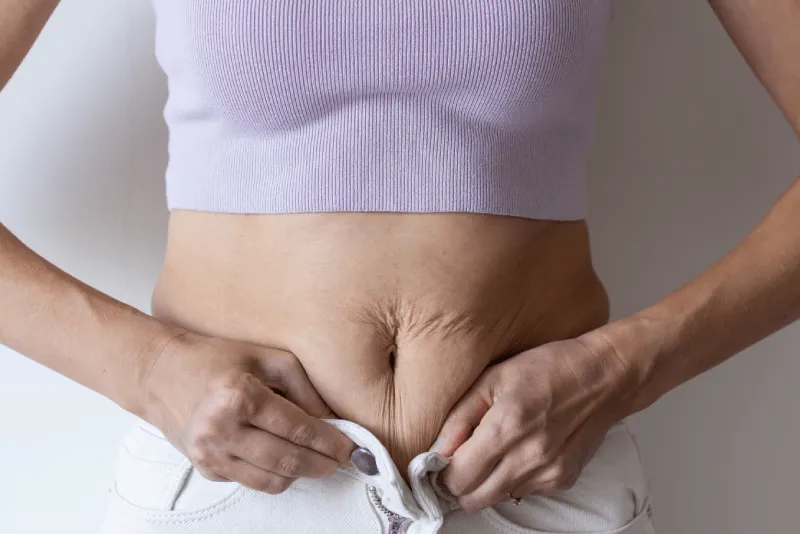
If the amount of sagging in the skin is too much, liposuction alone is not enough; because liposuction does not remove skin excess, it only cleans fat cells. If there is a sagging skin in the form of an “apron” in the abdominal area, a tummy tuck (abdominoplasty) is inevitable. In mild saggings, methods performed with smaller incisions such as mini tummy tuck can be preferred. The surgeon decides before the operation which method will be most effective for you by examining the elasticity and sagging degree of your skin.
How to Prepare Psychologically for Surgery?
Aesthetic surgeries require psychological preparation as much as physical change. It is important for patients to have realistic expectations and understand that “better” is targeted, not “perfect.” Temporary states of unhappiness due to fatigue and edemas that may be felt in the first weeks after surgery should be considered normal. As the healing process is completed and new body lines emerge, the patient’s self-confidence increases. Giving yourself time and accepting that this process is a journey of change is the key to success.
How to Choose the Right Aesthetic Surgeon?
Surgeon selection is of vital importance in combined surgeries. The surgeon you choose must be an expert in the field of plastic and reconstructive surgery, be experienced in these types of complex procedures, and be able to offer references from previous operations. A surgeon who gives clear answers to the questions you ask in the first examination, tells the risks honestly, and communicates well with you inspires confidence. In addition, the equipment of the hospital where the operation will be performed and the emergency protocols must be questioned.
How Do Edema and Bruising Resolve After Surgery?
Edema and bruising are a natural part of surgery and usually take their most prominent form within the first two weeks. Drinking plenty of water to reduce edemas, restricting salt, and benefiting from lymphatic drainage massages in cases recommended by the surgeon can be effective. Bruises usually disappear within 10 days by turning yellow. Regular use of the post-operative corset ensures the stability of the tissues, prevents fluid accumulation (seroma), and contributes to the faster cleaning of the edema from the tissue spaces.
How Long Should You Wait for Air Travel?
After combined surgeries, long-term air travel is not recommended for the first 2-3 weeks due to the risk of clots. If travel is mandatory, short-distance flights can be performed with surgeon approval. During the journey, compression stockings must be worn, plenty of water should be drunk, and blood circulation should be supported by taking short walks inside the cabin. The body gaining resistance against pressure and the wound sites being healed enough to handle the stress of flight are the basic requirements for a safe journey.
Is Age Limit Important in Combined Surgeries?
The lower age limit for these operations is usually 18-20 years old, when body development is completed. The upper age limit is related to the general health status and organ functions of the patient rather than the age itself. Every individual of any age who does not have a chronic disease and does not have any drawback in receiving anesthesia can be evaluated for combined aesthetics. However, factors such as decreased skin elasticity and slower healing rate in advanced ages are elements that must be taken into account by the surgeon during the planning stage.
How Is Medication Use Regulated Before the Operation?
Two weeks before the operation, the use of aspirin, herbal teas, vitamin E, and some multivitamins with blood-thinning properties should be stopped. These substances can increase the risk of bleeding during and after surgery. Medications used regularly for blood pressure, diabetes, or thyroid should be reported to the surgeon; usually, these medications are allowed to be taken with very little water on the morning of the surgery. Your surgeon and anesthesiologist will provide you with a detailed list of the medications you should use and stop before the operation.
What Should Be Considered During Home Care?
The home process after being discharged from the hospital is the most critical stage of recovery. Prescribed antibiotics and painkillers should be taken on time, drain follow-up should be done meticulously, and wound dressings should be protected as described by the surgeon. Providing a hygienic environment at home reduces the risk of infection. In addition, the patient should avoid heavy work but move slightly without being completely bedridden. Nutritious meals and uninterrupted sleep will directly increase the body’s self-repair speed.
Does Combined Aesthetics Really Save Time?
Yes, combined aesthetics provides real time savings. When two separate surgeries are planned, there is a loss of at least 1-2 months of recovery and labor for each. This process, which takes 4-6 months in total, is reduced to only a 4-6 week convalescence period with a combined operation. In addition, the stress and preparation process experienced before each surgery is experienced once. This is a great advantage for individuals who work at an intense pace or cannot stay away for a long time due to family responsibilities.
What Should Be Done to Maintain the Longevity of Results?
Breast augmentation and tummy tuck results are long-lasting, but this longevity depends on the patient’s lifestyle. Maintaining weight through a balanced diet and regular exercise after surgery is critical so that the result in the abdominal area is not spoiled. Excessive weight gain or loss can cause the tissues to sag again. Routine annual checks should not be neglected for breast implants. Taking good care of your body ensures that the surgical investment made will make you happy for a lifetime and you will be proud of your image in the mirror.
This comprehensive content aims to shed light on all the basic points you need to know about combined aesthetic operations. Every case is unique, so for the most accurate information, having a face-to-face meeting with a plastic surgeon will be the healthiest step.
Free Consultation
Fill out the form below to get your free medical travel plan and price quote.
Sources and how to verify this yourself
- Ministry of Health, Regulation on International Health Tourism and Tourist Health, Official Gazette 26 April 2025, No. 32882 — authorisation requirement for facilities and intermediaries, TÜSKA accreditation, compulsory complication insurance (deadline 31 December 2025 for insurance, 31 December 2026 for accreditation). source
- Ministry of Health, Regulation on Promotion and Information Activities in Health Services, Official Gazette 12 November 2025, No. 33075 — treatment promises and guarantees are prohibited; price and campaign announcements are permitted only within international health tourism. source