How To Choose The Right Time For Cosmetic Surgery?
Timing in aesthetic surgery planning is as critical as the choice of your surgeon. When determining the best time, you should look not only at the calendar but also at your personal life pace, work intensity, and social responsibilities. The healing process covers a quiet and calm period required for the body to repair itself. Therefore, choosing a period when you feel the least under stress and can focus on recovery is the key to success. Seasonal factors can physically support or complicate this healing process depending on the nature of the procedure you choose.
Why Is Winter Popular For Aesthetic Operations?
Winter months are considered the “golden period” in the world of aesthetic surgery for several reasons. The primary reason is that cold weather creates a reducing effect on edema in the tissues. Additionally, thick and layered clothes worn in winter make it much easier to hide bruises, swellings, and supportive apparatus such as corsets after surgery. Patients can comfortably complete their recovery processes without being isolated from their social environment. Cold weather also constricts blood vessels, which can minimize the risk of bleeding and significantly increase the general comfort of the patient during the initial days.
Is It Risky To Have Plastic Surgery In Summer?
Having aesthetic surgery in the summer months is definitely not forbidden, but it brings some challenges that require careful management. Hot weather can cause blood vessels to dilate, leading to increased edema and a more painful healing process. Furthermore, sweating can pave the way for irritation or, rarely, infection risk at the suture sites. The biggest risk is sun rays; exposure of fresh scars to the sun can lead to permanent discoloration or hyperpigmentation. However, for patients who can rest in air-conditioned environments and be fully protected from the sun, the summer period can still be a viable option.
Are Spring Months Suitable For Body Contouring?
Spring months are an excellent transition period for patients who want to prepare for their summer holidays. Weather conditions that are neither too hot nor too cold optimize the body’s healing capacity. Tight corsets that must be worn after procedures like liposuction or tummy tuck are more comfortably tolerated in the mild coolness of spring. For people who want to see the final results on the beach or by the pool in summer, the months of March, April, and May provide enough time for the tissues to fully settle and the scars to fade significantly before the heat arrives.
How Does The Autumn Season Affect The Recovery Process?
Autumn is a season when the scorching heat is left behind and the skin is more open to renewing itself. This period is very productive for those who want to repair the skin worn by the sun in summer or redefine their body lines. As schools open and the work pace becomes regular, patients often prefer this time to enter the winter feeling more fit and self-confident. Additionally, the calmness of autumn contributes positively to the psychological resting process required after surgery and ensures that the patient is ready for any upcoming winter holiday plans or social gatherings.
Does Cold Weather Reduce The Formation Of Edema?
The body responds to a surgical intervention with inflammation and fluid accumulation. Cold weather creates a natural compress effect, stabilizing blood flow and keeping vascular permeability under control. This situation significantly limits the collection of fluid in the tissue spaces, namely edema. It has been observed that the swelling of patients who have surgery in winter subsides faster and the tissues heal more quickly compared to those who have surgery in summer. This physical advantage makes a big difference, especially in areas where edema is very prominent, such as the face and nose.
How Do Sun Rays Affect Surgical Scars?
Surgical scars are initially in a pink and fresh structure. This fresh tissue is extremely sensitive to UV rays. Developing scars that are directly exposed to sunlight face the risk of permanent darkening called “hyperpigmentation.” This situation can cause scars to remain more prominent for a lifetime. That is why experts strongly recommend the use of high-factor sunscreen and avoiding direct sun for at least 6-12 months, especially after facial operations. Choosing the right season can make this protection easier and more manageable during the most critical phases of healing.
Which Is The Ideal Month For Liposuction?
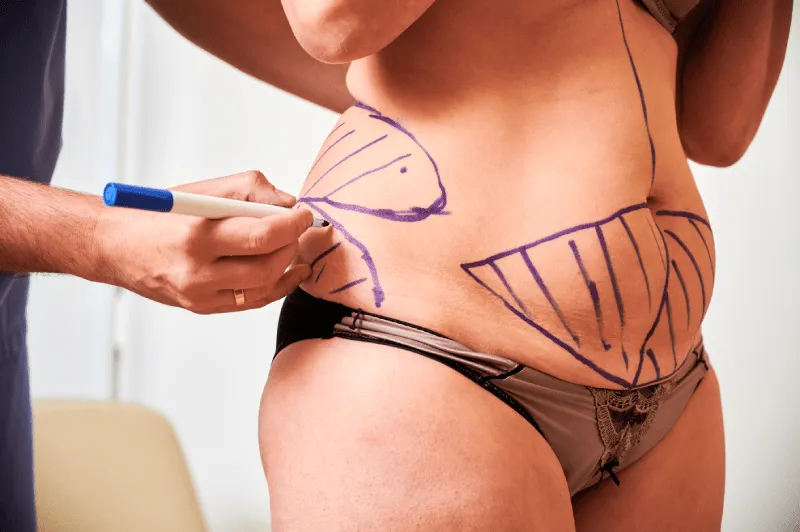
The period between November and February is generally seen as the most ideal time frame for fat removal procedures like liposuction. The main reason for this is the medical corsets that must be worn for approximately 4 to 6 weeks after the operation. Since these corsets are thick and elastic, they can seriously overwhelm the patient in the summer heat and cause problems like heat rashes on the skin. In winter, the use of corsets is not noticeable under clothes and helps keep the body temperature in balance. Also, edema is guaranteed to be gone before summer arrives.
In Which Season Is Rhinoplasty More Comfortable?
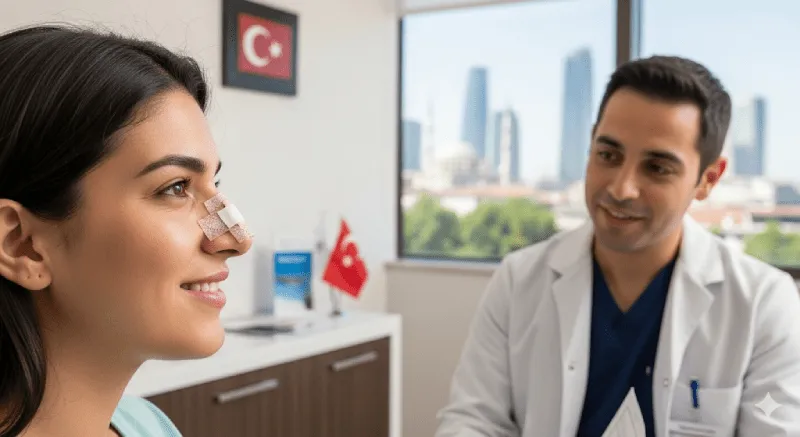
The most comfortable time for rhinoplasty, or nose surgery, is usually the spring or winter months. In summer, extreme heat can increase the swelling of the mucosa inside the nose, making breathing difficult and causing the splint (cast) on the nose to loosen due to sweating. Also, since the use of sunglasses is prohibited in the first months after surgery, protecting yourself from bright light in summer can be challenging. In winter, since stings may be felt at the tip of the nose in extreme cold, mild winter or cool spring days are the most balanced choice.
When Is The Sea And Pool Safe After Breast Surgery?
After breast augmentation, reduction, or lift operations, it generally takes a period of 6-8 weeks for the sutures to close completely and the tissues to gain resistance. Sea and pool waters are not allowed until the wounds are fully healed because they can carry a risk of infection. For this reason, it is recommended that a person who wants to swim in the sea during the summer holiday should plan their operation at the latest by the beginning of April or May. A late summer surgery may force you to spend your holiday just sitting on a sunbed.
Why Are Winter Months Recommended For Facelift Surgery?
Facelift surgeries are among the most sensitive procedures in surgery and cover a wide area. Bandages on the face and temporary bruises that will occur after surgery can be easily hidden in winter with the help of scarves, hats, or turtleneck sweaters. Also, facial skin is at its most vulnerable to the harmful effects of the sun because it thins after surgery. The fact that the sun’s angle is more oblique in winter and the time spent outside is shorter provides a great safety shield for protecting the skin. Patients can return to life with a completely renewed face when spring arrives.
Is Corset Use Difficult After Tummy Tuck Surgery?
Abdominoplasty, or tummy tuck, is an operation that requires a serious recovery process in the middle part of the body. After the surgery, a very tight corset is worn to support the abdominal muscles and facilitate the skin’s adaptation to its new form. Carrying out daily life with this corset in the summer months can be quite laborious due to sweating and itching. In winter, this corset feels like an extra layer and gives the patient confidence. Cool air makes it easier for the skin to breathe under the corset, maximizing the recovery comfort significantly.
Do Seasonal Changes Alter The Healing Rate?
The healing speed of the skin and tissues actually depends on your metabolism and the surgical technique; however, environmental conditions affect this speed indirectly. For example, in very humid weather, it can be difficult for the suture sites to stay dry, which can delay healing. In very dry and cold weather, cracking may occur on the skin. For an ideal healing rate, the thermal balance of the body must be maintained. Since the body’s adaptation process during seasonal transitions can sometimes weaken the immune system, vitamin support and balanced nutrition before surgery are of critical importance in every season.
How Should Vacation Plans Affect The Aesthetic Calendar?
Since aesthetic surgery is not an “emergency” intervention, it should be planned according to the most important events in your life. If you have a big summer holiday, a wedding, or an important business trip, you should perform the surgery at least 3 months before this date. Many patients think they will look normal just 2 weeks after surgery, but the healing of deep tissues and achieving the “ideal look” takes time. In order not to experience restrictions during the planned holiday, it is healthiest to create a realistic recovery schedule with your surgeon and choose the season accordingly.
Are School Holidays An Opportunity For Parents?
In families with children, parents usually adjust their own recovery processes according to the children’s school schedule. The semester break or the beginning of the summer holiday can be preferred as periods when children are at home but the school rush is over. Especially the semester break (late January) is a popular time for mothers who want to use the advantages of winter. However, it should not be forgotten that it is difficult to lift heavy weights and provide active childcare for the first 1-2 weeks after surgery; therefore, getting support from family elders or an assistant during the holiday period should be part of the plan.
Is It Possible To Enter The New Year With A New Look?
For many people, the new year means new decisions and physical changes. November and December are the busiest periods for aesthetic clinics. Operations performed during this period allow the patient to enter the new year having largely gotten rid of their swelling and feeling refreshed. Psychologically, the feeling of a “new beginning” also increases morale and motivation during the recovery process. Combining official leaves during the winter holiday period with the surgery recovery process is also a smart strategy for professionals who want to minimize the time away from work life.
Does The Sweating Problem Infect Surgical Wounds?
Sweat, by its nature, is a liquid that contains salt and sometimes bacteria. The constant moisture and sweat on fresh suture lines can cause the wound edges to soften (maceration) and create a suitable environment for microorganisms to grow. This situation can trigger the risk of infection or spoil the quality of the scar. Especially in folded areas such as the armpit, under the breast, and the abdominal region, sweat control is of vital importance. To reduce this risk, staying in cool, air-conditioned, and non-humid environments after summer surgeries is specifically recommended by surgeons to ensure a sterile healing environment.
Are Compression Garments Worn After Surgery Overwhelming In Summer?
Compression garments used after aesthetic surgery (corsets, stockings, bandages) are designed to protect the surgical result and close tissue gaps. These garments are usually produced from synthetic and thick fibers. Carrying these garments all day long in temperatures of 30 degrees and above in summer can create thermal stress in the patient. It can cause not only physical overwhelming but also rashes and severe itching on the skin. Therefore, for comprehensive body contouring surgeries, cooler months are unquestionably superior in terms of the patient’s psychological resilience and physical comfort.
Why Should Laser Procedures Only Be Done In Winter?
Procedures such as laser spot treatment, skin rejuvenation, or hair removal affect the upper layer of the skin in a controlled way and make the skin extremely sensitive to light. If the area where laser is applied is exposed to the sun, permanent sunspots or burns may occur instead of the expected healing. That is why dermatologists and aesthetic surgeons usually compress aggressive laser applications between October and March. Although the winter sun still carries risks, providing protection is much easier and safer compared to the summer months, allowing the skin to regenerate without external interference.
Is It Necessary To Avoid The Sun For Eyelid Surgery?
Blepharoplasty, or eyelid surgery, is a procedure performed on very thin skin. Since the skin around the eyes is the thinnest skin of the body, it is very prone to bruising while healing and to color change under the influence of the sun. Sunlight can cause an increase in edema in the eyelids and sensitivity in the eyes. Also, it is mandatory to wear sunglasses to protect the suture lines after surgery. Going out during hours when the sun is very steep in summer can make the healing process uncomfortable. For this reason, cool weather offers a more peaceful environment for the eye area to calm down.
Does The Immune System Affect Surgery During Seasonal Transitions?
Seasonal transitions, especially the beginnings of spring and autumn, are periods when the body tries to adapt to temperature changes and viral infections like the flu and cold increase. It is essential for the patient to be completely healthy before surgery. If your immune system weakens during these transitions, it may be safer to plan your surgery in the middle of the season (for example, the middle of winter or the middle of summer). Since the body will spend all its energy on healing after surgery, a cold caught during this period can interrupt the healing process and increase the risk of complications.
Are Thick Clothes Concealing During The Recovery Period?
Perhaps the biggest aesthetic advantage of the winter season is the possibility of “camouflage.” Large scarves after a facelift, mufflers after rhinoplasty, or loose sweaters and jackets after body surgeries are great tools for the patient to hide that they have had surgery. This situation is priceless, especially for people who value privacy and do not want to announce that they have had aesthetic work to their social circle immediately. In summer, since thin and tight clothes are worn, it becomes impossible to hide bandages or swellings, which can force the patient to completely disconnect from social life.
Does Hot Weather Increase The Risk Of Bleeding?
Heat causes blood vessels to dilate (vasodilation). Theoretically, being in an extremely hot environment can pave the way for an increase in leakage-type bleeding or bruises after surgery. Surgeons want cold application (ice compress) for the first 48 hours after surgery for this reason; because cold stops bleeding and constricts vessels. Since it can be difficult to keep body temperature low in the summer heat, it is of vital importance for patients to spend the first few days after surgery in a well-ventilated and cool room to ensure stability and reduce the chance of any hematoma.
Do Months With A Stagnant Social Life Provide An Advantage?
The healing process is not just a physical process, but also a mental one. In the summer months when social life is very active and parties and events become frequent, staying at home and waiting for recovery can create a feeling of “missing out” and low morale in the patient. In contrast, the winter months, when social life is relatively more stagnant, prepare a more natural ground for the patient to take time for themselves and rest. Since staying at home, watching movies, and reading books is a more acceptable and enjoyable activity in winter, the recovery process passes more peacefully.
When Should You Have Surgery To Be Ready For Summer Vacation?
If your goal is to walk confidently on the beaches in July or August, you should run your calendar backwards. It takes about 3 to 6 months for the tissues to settle and the real form to emerge after body contouring surgeries (tummy tuck, liposuction, breast aesthetics). In this case, you should have sat on the surgery table in January or February at the latest. March can be considered the last wagon. In operations in April and later, you may still have edema in the summer and your suture scars may remain too fresh to go out in the sun.
Do Procedures Like Botox And Fillers Choose A Season?
Non-surgical aesthetic procedures such as Botox, fillers, and mesotherapy can actually be done in any season. However, there are always minor bruising risks in these procedures as well. Although there are some opinions that extreme heat in filler applications done in summer slightly shortens the life of the filler, there is no scientifically definitive obstacle. Still, it is necessary not to go out immediately after these procedures during hours when the sun is very intense and to protect the injection areas. These practical procedures maintain their place in our lives as “lunch break aesthetics” independent of the season.
Does Sweating Pose A Problem For Hair Transplantation?
The first few weeks after hair transplantation is the most critical period for the transplanted roots (grafts) to take hold. Excessive sweating can affect the pores in the scalp and decrease the retention rate of the roots by increasing the risk of infection. Also, direct sun hitting the scalp in summer can irritate the sensitive area where the transplantation was done. For this reason, autumn and winter months are much more preferred for hair transplantation. If it is necessary to wear a hat in winter, very loose and soft models that will not damage the transplanted roots should be chosen or one should wait until healing is complete.
Which Season Is Easy For Patients Coming From Out Of Town?
Patients traveling for aesthetic tourism also need to consider travel comfort. Flight travels and airport densities in summer can be exhausting for a postoperative patient. Also, when long-term inactivity and hot weather combine after surgery, the risk of “deep vein thrombosis” (blood clot) may increase slightly. Traveling in winter or spring months is generally less tiring and it is easier to maintain body temperature. For those coming from out of town, the choice of season is a critical logistical decision in terms of both post-operative control processes and accommodation comfort.
Which Season Psychologically Prepares You For Surgery?
A person’s mood has a direct effect on the healing process. While some patients enter surgery more positively with the energy brought by spring, some evaluate the calmness of winter as a “seclusion” and prefer this period. Major surgeries in the middle of winter for people experiencing Seasonal Affective Disorder (winter depression) can lower recovery motivation. That’s why it’s important to determine the period when you feel most emotionally balanced before surgery. In the meeting you will have with your surgeon, sharing not only your physical but also your mental readiness will make the process easier.
What Are The Weather Conditions Where Edema Subsides The Fastest?
The “ideal” weather conditions during the healing process are low humidity, cool, and a stable temperature. While very hot air dilates the vessels and increases edema, extremely freezing colds can also slow down healing by reducing tissue blood supply. Therefore, mild, breezy weather between 15-20 degrees provides the most productive environment for healing. Setting the air conditioner or heater in the indoor environment so as not to affect the patient directly also helps the edema dissipate at a healthy speed. Patients should keep circulation alive by taking regular short walks during this period.
How Is Sun Protection After Skin Care And Peeling?
Chemical peeling, dermabrasion, or intensive skin care temporarily weaken the skin’s barrier. After these procedures, the skin is as sensitive as “baby skin.” Having these procedures in summer brings the risk of staining no matter how good the protection is. In winter, the fact that the sun’s rays do not come steeply provides a safety margin for the patient. Nevertheless, even in the winter months, making it a habit to not forget the effect of sun rays reflecting from the snow or UV rays in cloudy weather and applying sunscreen guarantees the permanence and success of the procedure performed.
In What Weather Are Post-Operative Walks More Efficient?
From the first days after the surgery, doctors want short and non-tiring walks to be taken. These walks prevent clot formation by increasing the blood circulation in the legs. Walking outside in the summer heat can speed up the pulse, tire the patient quickly, and increase edema. On the other hand, walks taken in the fresh air of spring or in the coolness of winter keep the patient fit, regulate breathing, and give morale. However, when walking in winter, one should be extra careful against slippery floors and the risk of falling, and flat and safe areas should be preferred.
Does The Seasonal Effect Of Eating Habits Speed Up Recovery?
Seasonal nutrition is a hidden helper in the recovery process. Citrus fruits, which are C-vitamin stores consumed in winter, ensure that wounds close faster by supporting collagen production. In summer, plenty of water consumption and fresh vegetables help to remove edema from the body. Protein intake is a must for the healing of sutures in every season. Including the fresh and natural foods of the season you are operated on in your nutrition program provides the fuel the body needs for repair mechanisms. Especially edema-relieving herbal teas and natural antioxidants are healing-friendly in every season.
Is The Hospital Environment Sterile Regardless Of The Season?
Modern hospitals have advanced technology air conditioning and sterilization systems that will not be affected by seasonal weather conditions. Operating rooms are always kept at a certain temperature and humidity rate, so snowing outside or scorching heat does not change the technical success of the surgery. Risks begin in the process after leaving the hospital. The controlled environment inside the hospital provides you with full safety at the time of surgery; however, it is your responsibility to be prepared for the seasonal conditions in the outside world after being discharged and to follow your surgeon’s home care instructions to the letter.
Is The Surgeon’s Advice Or The Season More Important For Best Results?
As a result, the most important factor in aesthetic surgery is not the season, but your general health status and the expertise of your surgeon. An experienced surgeon will inform you about how to protect yourself in every season and take the necessary precautions. Seasonal advantages are only auxiliary factors that make the process more comfortable. If there is a change you really want and the only suitable gap in your life is in the summer months, you should not see the season as an obstacle, but you should be more disciplined against the challenges brought by summer (avoiding the sun, staying cool).
Are Personal Comfort And Schedule More Prioritized Than The Season?
Definitely yes. The best season is the season when you feel most ready both physically and psychologically, and when you can grant yourself enough time to heal. Every moment when you can take leave from work, when family support is with you, and when you can apply post-operative instructions is the “right time.” Seasonal preferences are only to make this process a little more “comfortable.” The important thing is to talk about all the details with your surgeon before the operation and to create the calendar that best suits your lifestyle together to achieve your dream appearance safely.
Free Consultation
Fill out the form below to get your free medical travel plan and price quote.
Sources and how to verify this yourself
- Ministry of Health, Regulation on International Health Tourism and Tourist Health, Official Gazette 26 April 2025, No. 32882 — authorisation requirement for facilities and intermediaries, TÜSKA accreditation, compulsory complication insurance (deadline 31 December 2025 for insurance, 31 December 2026 for accreditation). source
- Ministry of Health, Regulation on Promotion and Information Activities in Health Services, Official Gazette 12 November 2025, No. 33075 — treatment promises and guarantees are prohibited; price and campaign announcements are permitted only within international health tourism. source