Abdominoplasty, commonly known as a tummy tuck, is a transformative surgical procedure designed to remove excess skin and fat while restoring weakened muscles. While the functional and aesthetic benefits are immense, the procedure inevitably leaves a surgical scar. Understanding how to manage this scar is paramount for patients seeking the best possible aesthetic outcome. Post-operative care is not just about the surgery itself but the months of dedicated maintenance that follow. This guide provides a deep dive into every aspect of scar maturation, treatment options, and professional advice to ensure your recovery is as smooth and successful as the surgery itself.
What Is A Tummy Tuck Scar?
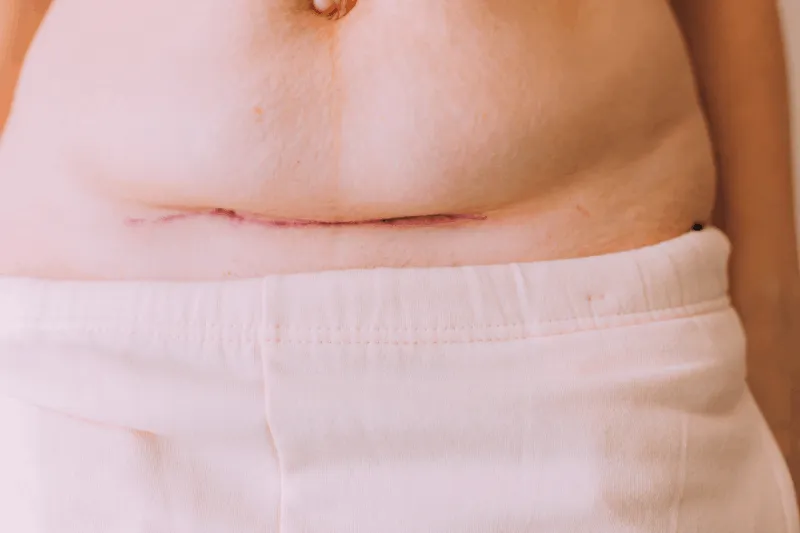
A tummy tuck scar is the visible mark left behind after a surgeon makes an incision to remove excess abdominal tissue. Typically, this incision runs horizontally across the lower abdomen, just above the pubic area, often extending from hip to hip. The appearance of the scar depends on the surgical technique used—whether it was a full, mini, or extended abdominoplasty. During the healing process, the body produces collagen to bridge the gap in the skin, which initially results in a firm, red, or pink line. Over time, this tissue remodels and ideally fades into a thin, pale line that is easily concealed by swimwear or undergarments.
Why Is Post-Op Scar Care Important?
The quality of a surgical scar is influenced significantly by the care it receives during the first year of healing. Without proper management, scars can become thick, raised, or hyperpigmented, leading to dissatisfaction with the surgical results. Effective scar care reduces tension on the wound, prevents infection, and optimizes the skin’s natural regenerative processes. By adhering to a strict post-operative regimen, patients can minimize the risk of complications like keloids or hypertrophic scarring. Proactive care ensures that the skin remains supple and that the final aesthetic result aligns with the patient’s expectations for a flatter, smoother abdominal profile.
How Long Does It Take For A Tummy Tuck Scar To Heal?
Scar healing is a biological journey that typically spans 12 to 18 months. In the initial weeks, the wound closes and forms a visible scab or thin scar line. Between three and six months, the scar often enters a “hyperemic” phase, appearing its most red and prominent as blood flow to the area increases to support tissue repair. After the six-month mark, the scar begins to “mature,” gradually losing its redness and flattening out. Complete maturation, where the scar reaches its final color and texture, usually occurs around the one-year anniversary of the surgery, though individual timelines vary based on health and skin type.
What Factors Affect Tummy Tuck Scar Appearance?
Several variables determine how well a tummy tuck scar heals. Genetics play a massive role; some individuals are predisposed to creating more collagen, which can lead to thicker scars. Skin tension is another critical factor; if the skin is pulled too tightly during closure, the scar may widen over time. Additionally, the surgeon’s technique, the patient’s age, and lifestyle habits like smoking or sun exposure significantly impact the final look. Proper nutrition and hydration also provide the building blocks necessary for healthy skin synthesis, making the patient’s overall health a cornerstone of the scarring process.
Where Is The Tummy Tuck Incision Located?
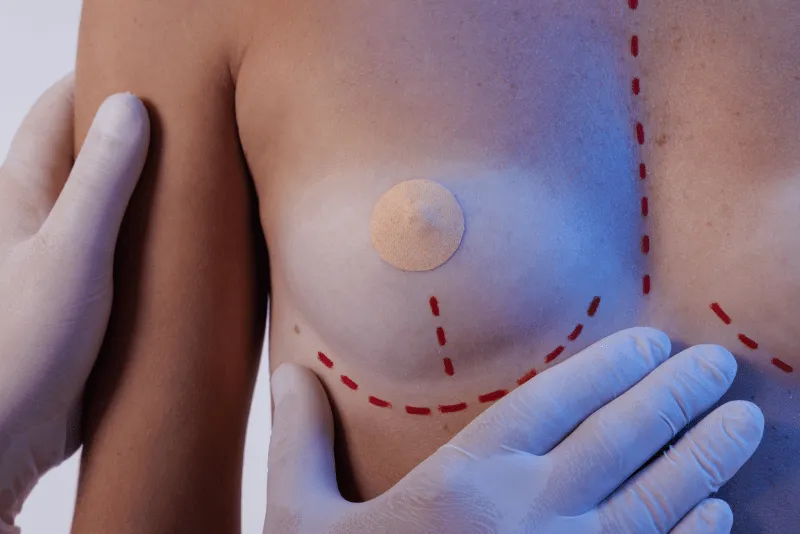
Strategic placement is a hallmark of a skilled plastic surgeon. The primary incision for a tummy tuck is usually positioned low on the abdomen, within the “bikini line.” This placement ensures that most standard underwear and swimsuit styles will hide the scar effectively. In a full tummy tuck, there is often a second, smaller incision around the navel to reposition the belly button. The goal of this placement is to achieve the desired contouring while keeping the evidence of surgery discreet. During your consultation, your surgeon will likely map out the exact location based on your unique anatomy and clothing preferences.
What Are The Stages Of Scar Maturation?
Scar maturation occurs in three distinct phases: inflammation, proliferation, and remodeling. The inflammatory phase lasts a few days, characterized by redness and swelling as the body clears debris. The proliferative phase follows for several weeks, where new collagen fibers are laid down to close the wound. Finally, the remodeling phase is the longest, lasting over a year. During this time, the haphazardly arranged collagen is replaced by more organized fibers, allowing the scar to soften, flatten, and change color from deep red to a silvery white or flesh tone that blends with the surrounding skin.
Can Tummy Tuck Scars Be Completely Removed?
While modern medicine can significantly diminish the appearance of a scar, it is impossible to remove it completely. A scar represents a permanent change in the structure of the dermis. However, with advanced treatments like laser therapy, silicone application, and surgical revision, a scar can be made so faint that it is barely noticeable to the naked eye. The objective of scar management is not “erasure” but “optimization.” Most patients find that a well-healed, thin scar is a very acceptable trade-off for the improved abdominal contour achieved through the abdominoplasty procedure.
How Should You Clean The Incision Site?
Cleanliness is the first line of defense against infection, which is a major cause of poor scarring. For the first few days, your surgeon may advise keeping the area dry. Once cleared for showering, use a gentle, fragrance-free soap and lukewarm water to cleanse the incision. Avoid scrubbing the area; instead, let the soapy water run over the site and pat it dry with a clean, lint-free towel. Keeping the area free of bacteria and crusting allows the skin edges to knit together without interference, laying the groundwork for a much smoother and more aesthetic scar line.
When Can You Start Using Topical Scar Treatments?
Timing is everything when it comes to topical treatments. You should never apply scar creams or gels to an open wound or a site that still has scabs or active drainage. Most plastic surgeons recommend waiting until the incision is fully closed and the sutures have been removed or absorbed, typically around three to four weeks post-surgery. Starting treatments too early can irritate the delicate new tissue and potentially cause the wound to reopen. Always consult with your surgical team before introducing any over-the-counter products to ensure they are compatible with your specific healing progress.
Are Silicone Sheets Effective For Tummy Tuck Scars?
Silicone gel sheeting is widely considered the “gold standard” in non-invasive scar management. These medical-grade sheets work by providing a protective barrier that hydrates the scar tissue and mimics the occlusion of healthy skin. This hydration signals the body to slow down collagen production, which prevents the scar from becoming raised or hard. Clinical studies consistently show that consistent use of silicone sheets can significantly flatten and soften surgical scars. For best results, they should be worn for 12 to 24 hours a day for several months, especially during the first half-year of recovery.
Which Scar Creams Do Surgeons Recommend?
Surgeons often recommend medical-grade scar gels containing silicone, as they are easy to apply and effective for areas where sheets might be uncomfortable. Brands like Strataderm or Silagen are frequently cited due to their high silicone content and clinical backing. Some creams also incorporate ingredients like Vitamin E, Allantoin, or Onion Extract (Mederma), which may help soothe itching and improve texture. However, silicone-based products remain the most scientifically supported option. The “best” cream is often the one that the patient is willing to use consistently, as daily application is the key to seeing visible improvements.
Does Sun Exposure Make Scars Darker?
Ultraviolet (UV) radiation is one of the greatest enemies of a healing scar. Fresh scar tissue is highly sensitive to the sun; exposure can cause “post-inflammatory hyperpigmentation,” where the scar turns a dark brown color that may become permanent. Because the skin in the scar is thinner and lacks normal melanocyte function, it cannot protect itself from UV rays. For at least the first year, it is vital to keep the scar covered or apply a high-SPF mineral sunscreen (zinc oxide or titanium dioxide) if the area will be exposed to sunlight, even through a swimsuit.
How Does Hydration Influence Skin Healing?
Hydration is a fundamental requirement for cellular repair. When the body is well-hydrated, skin elasticity is maintained, and nutrients are more efficiently transported to the site of the incision. Dehydrated skin tends to be more brittle and less capable of regenerating healthy tissue, which can lead to a more prominent or “crinkled” scar appearance. Drinking at least eight glasses of water a day supports the lymphatic system in flushing out toxins and reducing post-operative swelling. Internal hydration works in tandem with topical treatments to create an ideal environment for the skin to heal from the inside out.
What Role Does Nutrition Play In Scar Recovery?
Your body requires an increased supply of specific nutrients to rebuild tissue after major surgery. Protein is the most critical, as it provides the amino acids necessary for collagen synthesis. Vitamins C and A are also essential; Vitamin C helps cross-link collagen fibers to give the scar strength, while Vitamin A promotes cell turnover. Zinc and Copper are trace minerals that play roles in the enzymatic reactions of wound healing. A diet rich in lean proteins, leafy greens, citrus fruits, and nuts can significantly accelerate the healing timeline and improve the structural integrity of your tummy tuck scar.
Should You Avoid Smoking After A Tummy Tuck?
Smoking is arguably the most detrimental habit a patient can have during surgical recovery. Nicotine is a vasoconstrictor, meaning it narrows the blood vessels and reduces the delivery of oxygen and nutrients to the healing incision. This lack of oxygen (hypoxia) can lead to tissue necrosis, where the skin around the incision dies, resulting in severe scarring or the need for further surgery. Furthermore, smoking impairs the immune system, increasing the risk of infection. Most surgeons require patients to stop smoking at least six weeks before and after surgery to ensure the scar heals without catastrophic complications.
Can Massage Help Flatten Tummy Tuck Scars?
Scar massage is a highly effective technique used to break up internal scar tissue and adhesions. Once the incision is fully healed and stable (usually around 6 weeks), gentle circular pressure applied with the fingertips can help soften the scar. This manual manipulation encourages the collagen fibers to align more linearly rather than in a tangled mess, which results in a flatter, more flexible scar. Massage also increases local blood circulation, which helps with the remodeling process. Many patients find that five to ten minutes of massage twice a day significantly improves the “feel” and “look” of their abdomen.
How Do Compression Garments Support Scar Healing?
Compression garments serve multiple purposes in the post-operative phase. Initially, they help reduce swelling and provide support to the newly tightened abdominal muscles. Regarding the scar, the gentle, constant pressure from the garment helps prevent the formation of raised, hypertrophic tissue. By keeping the skin immobilized and minimizing “micro-movements” that pull on the incision, the garment allows the wound to heal under less stress. Most patients are instructed to wear their compression garment for six to eight weeks, transitioning from a medical binder to a lighter shapewear as healing progresses.
What Is A Hypertrophic Scar?
A hypertrophic scar is a common complication where the body produces an excess of collagen, resulting in a scar that is raised, red, and firm. Unlike keloids, hypertrophic scars stay within the boundaries of the original incision. They often develop in areas of high tension, such as the lower abdomen. While they are not dangerous, they can be itchy or uncomfortable and are aesthetically displeasing. Treatment usually involves silicone therapy, pressure garments, or in more persistent cases, steroid injections or laser treatments to flatten the tissue and reduce the redness.
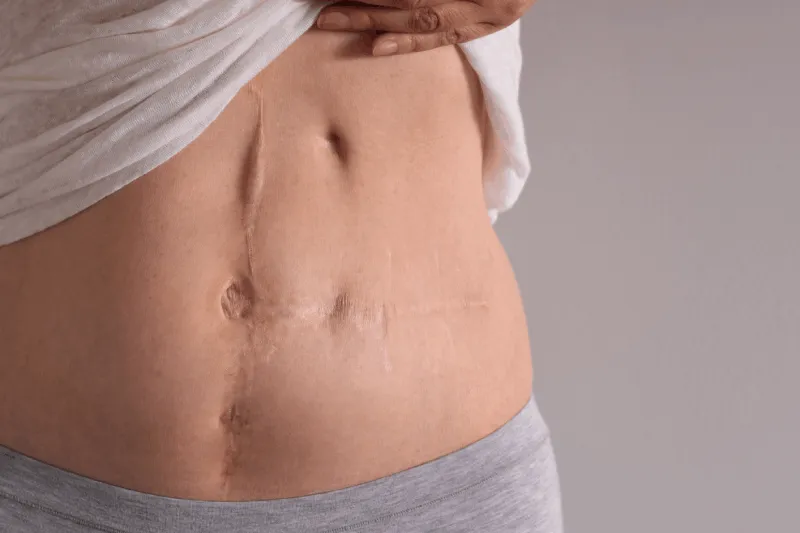
How Can You Prevent Keloid Formation?
Keloids are more aggressive than hypertrophic scars; they grow beyond the original incision site and can become quite large and painful. Prevention starts with identifying a genetic predisposition; if you have a history of keloids, you must inform your surgeon. Specialized techniques, such as meticulous tension-free closure and early intervention with silicone sheets, are vital. In high-risk patients, some surgeons may use prophylactic measures like low-dose radiation or immediate post-operative steroid injections. Maintaining a moist wound environment and avoiding any trauma to the healing site are also crucial steps in preventing these stubborn growths.
When Is Laser Therapy Used For Scar Revision?
Laser therapy is a powerful tool for refining scars that have already matured or those that are showing signs of poor healing. Pulsed Dye Lasers (PDL) are excellent for removing the redness from “fresh” scars by targeting the blood vessels within the tissue. Fractional CO2 or Er:YAG lasers can be used later to resurface the skin, smoothing out irregularities in texture and blending the scar more seamlessly with the surrounding skin. Laser treatments are typically performed in a series and are usually considered once the scar has reached a stable state, often six months to a year after surgery.
What Is Microneedling For Surgical Scars?
Microneedling, or collagen induction therapy, is a minimally invasive procedure that uses tiny needles to create controlled micro-injuries in the scar tissue. This process triggers the body’s natural healing response, producing new collagen and elastin. For tummy tuck scars, microneedling can help break up dense, fibrotic tissue and improve the overall texture of a wide or indented scar. It is often combined with topical serums or Platelet-Rich Plasma (PRP) to further enhance the regenerative effects. It is a cost-effective alternative to lasers for patients looking to improve scar pliability and appearance.
Does Steroid Injection Help Thick Scars?
Corticosteroid injections are a standard treatment for flattening raised, firm scars like hypertrophic or keloid tissue. The steroids work by suppressing the overactive inflammatory response and slowing down collagen production. Typically, a series of injections spaced several weeks apart is required to see significant softening and flattening. While very effective, there is a small risk of skin thinning (atrophy) or pigment changes at the injection site, so these should only be administered by an experienced professional. They are particularly useful if the scar is causing physical discomfort such as itching or tightness.
Can Tattooing Hide A Tummy Tuck Scar?
Medical tattooing or “scar camouflage” is an increasingly popular option for patients whose scars have healed but remain pale or white (hypopigmented). A specialist tattoo artist uses pigments that match the patient’s natural skin tone to blend the scar away. Alternatively, many women choose decorative artistic tattoos to completely cover the horizontal line across the lower abdomen. It is vital to wait at least one full year, and sometimes two, before tattooing over a surgical scar to ensure the tissue is completely stable and the ink will hold properly without causing further trauma.
How Does Exercise Affect The Healing Incision?
While staying active is good for overall health, premature or intense exercise can be disastrous for a tummy tuck scar. Straining the abdominal muscles or performing activities that involve significant stretching (like yoga) can put undue tension on the incision. This tension can cause the scar to “stretch” and become wider than intended. Most surgeons recommend only light walking for the first few weeks, gradually increasing intensity after six weeks. Avoiding heavy lifting and core-specific exercises is essential until your surgeon gives you the definitive “green light” to protect the integrity of the internal and external repair.
What Are The Warning Signs Of Poor Healing?
It is important to distinguish between normal healing and potential complications. Normal healing involves some redness, mild swelling, and occasional itching. However, warning signs that require immediate medical attention include increasing pain, spreading redness (cellulitis), foul-smelling discharge, or the wound edges pulling apart (dehiscence). A fever or chills can also indicate a systemic infection. Catching these issues early is vital, as an infection or wound breakdown is almost guaranteed to result in a much wider, more visible scar. Always err on the side of caution and contact your clinic if something feels “off.”
Does Genetics Influence How You Scar?
Genetics are perhaps the single most significant factor in scar quality that a patient cannot control. Your DNA dictates how your body responds to injury, how much collagen it produces, and how your skin pigment reacts to trauma. Some ethnicities, particularly those with darker skin tones (African, Mediterranean, or Asian descent), are at a higher risk for developing keloids or hyperpigmentation. Understanding your family history regarding scarring can help you and your surgeon plan a more aggressive post-operative care strategy. Even with “poor” genetics, modern scar treatments can still provide excellent results if managed properly from the start.
How Long Should You Wear Silicone Tape?
Consistency is the secret to success with silicone tape. Most clinical guidelines suggest wearing silicone products for a minimum of three months, though many plastic surgeons recommend continuing for up to six months or even a year for high-risk patients. The tape should ideally be worn 24 hours a day, only being removed for cleaning the area or the tape itself. The goal is to keep the scar under constant hydration and occlusion. If you stop the treatment too early, the remodeling process might shift back toward excessive collagen production, causing the scar to thicken.
What Is The Impact Of Tension On Scar Width?
Tension is the primary reason why some scars become wide and unsightly. When the skin is under tension, the body compensates by producing more scar tissue to “bridge the gap” and ensure the wound doesn’t open. In a tummy tuck, the skin is pulled tight to create a flat look, which naturally increases tension on the horizontal incision. This is why surgeons emphasize the use of compression garments and why they advise against stretching movements in the early weeks. By minimizing tension through proper positioning and support, you allow the scar to remain as thin as possible.
Can Vitamin E Improve Scar Outcomes?
Vitamin E has long been a popular home remedy for scars, but its effectiveness is a subject of debate in the medical community. While Vitamin E is a potent antioxidant that can help moisturize the skin, some studies suggest that topical application can actually cause skin irritation or contact dermatitis in a significant percentage of people. If you choose to use Vitamin E, it is best to wait until the scar is well-established and perform a patch test first. Taking Vitamin E supplements orally as part of a balanced diet is generally considered more beneficial for overall skin health than topical application alone.
Is Professional Lymphatic Drainage Necessary?
Manual Lymphatic Drainage (MLD) is a specialized massage technique designed to move excess fluid (lymph) away from the surgical site and into the lymph nodes. After a tummy tuck, significant swelling (edema) is common, and this fluid can put pressure on the incision line. By reducing swelling, MLD not only makes the patient more comfortable but also improves the local environment for scar healing. While not strictly “necessary” for everyone, many patients find that a few sessions of professional MLD in the first month significantly speed up their recovery and result in a smoother abdominal contour.
How Do You Manage Itching During Healing?
Itching is a common and often frustrating part of the scar maturation process. It occurs because the nerves in the skin are regenerating and because the skin is often dry and tight. To manage itching, keep the area well-moisturized with surgeon-approved lotions or silicone gels. Avoid scratching, as this can damage the fragile new skin and lead to inflammation or infection. If the itching is severe, an over-the-counter antihistamine may help. Some patients find that applying a cold compress (not directly on the skin) for a few minutes can also provide relief by numbing the nerve endings.
Why Choose Cure Holiday For Your Surgery?
Cure Holiday stands out as a premier destination for medical tourism, specifically for those seeking high-quality plastic surgery like a tummy tuck. Choosing the right provider is the first step in ensuring a successful surgery and minimal scarring. Cure Holiday partners with internationally accredited hospitals and board-certified surgeons who specialize in the latest, least invasive techniques. Their commitment to patient safety and aesthetic excellence means you are in the hands of experts who understand the nuances of body contouring. With Cure Holiday, you receive world-class medical care combined with a supportive environment that prioritizes your comfort and recovery.
What Are The Advantages Of Treating With Cure Holiday?
The advantages of choosing Cure Holiday for your tummy tuck are manifold. Firstly, patients benefit from significant cost savings without compromising on the quality of care or the expertise of the surgeons. Secondly, Cure Holiday offers comprehensive “all-inclusive” packages that take the stress out of planning; this includes luxury accommodation, VIP transfers, and personalized follow-up care. Moreover, the surgical teams are experienced in treating international patients, ensuring that communication is clear and that post-operative instructions are thoroughly understood. This holistic approach ensures that every aspect of your journey, from the first incision to the final scar care, is handled with professionalism.
How To Start Your Journey With Cure Holiday?
Starting your transformation with Cure Holiday is a straightforward and transparent process. It begins with a free online consultation where you can share your goals and provide photos for a preliminary assessment by their expert surgeons. Once a personalized treatment plan is created, a dedicated patient coordinator will guide you through the booking process, answering any questions you may have about the surgery, the recovery, or the travel arrangements. Cure Holiday prides itself on its transparency, providing clear pricing and detailed information so that you can make an informed decision about your health and your body with total confidence.

What Medical Services Does Cure Holiday Provide?
Cure Holiday provides a full spectrum of medical and aesthetic services beyond just the surgical procedure. Their offerings include detailed pre-operative screenings to ensure you are a fit candidate for surgery, state-of-the-art operating rooms, and dedicated nursing staff for immediate post-operative monitoring. They also emphasize the importance of the recovery phase, providing patients with “recovery kits” that often include necessary compression garments and initial scar care supplies. Their service model is built on the belief that a successful surgery is a result of meticulous planning, expert execution, and attentive aftercare, all of which are standard at Cure Holiday.
How Does Cure Holiday Support Post-Op Recovery?
Post-operative support is where Cure Holiday truly shines. They understand that the weeks following a tummy tuck are critical for both physical healing and scar management. Patients have access to 24/7 support from their medical coordinators to address any concerns during the initial recovery period. Furthermore, they provide clear, written protocols for scar care, including guidance on silicone use and activity levels. By maintaining a connection with patients even after they return home, Cure Holiday ensures that the recovery process continues on the right track, leading to the beautiful, confident results that every patient deserves.
Free Consultation
Fill out the form below to get your free medical travel plan and price quote.