Why Is The First Week Of Rhinoplasty Recovery So Critical?
The first seven days following a rhinoplasty procedure represent the foundation of your long-term aesthetic and functional results. During this initial window, the delicate tissues of the nose, the reshaped cartilage, and the newly positioned nasal bones are at their most vulnerable state. This period is when the body initiates its primary inflammatory response, leading to the hallmark signs of surgery like bruising and swelling. Managing this week correctly through strict adherence to your surgeon’s protocols ensures that the underlying structures heal in their intended alignment. If a patient neglects care during this critical phase, it can lead to complications such as hematomas, prolonged edema, or even structural shifts that might necessitate a revision surgery. Therefore, understanding every nuance of the first week is essential for any patient seeking the perfect profile and a healthy respiratory outcome.
What Immediate Changes Should You Expect Right After Surgery?
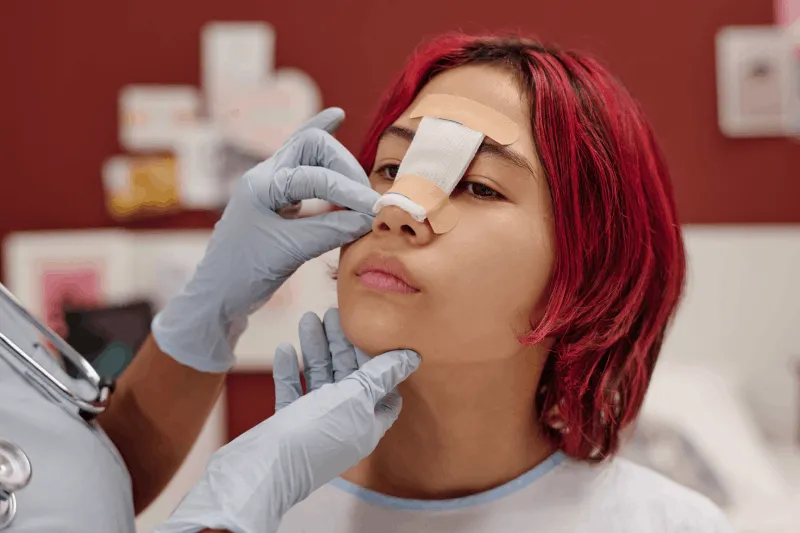
Immediately after waking up from general anesthesia, you will notice several physical changes that are entirely normal for the rhinoplasty experience. The most prominent feature will be the external nasal splint or cast, which is applied to protect the nose and maintain its new shape. You might also feel a significant amount of nasal congestion, often likened to a severe head cold, due to internal swelling and potential nasal packing. It is common to experience a “heavy” sensation in the mid-face area rather than sharp pain. Some patients notice immediate redness around the eyes or a small amount of bloody drainage from the nostrils, which is managed with a “drip pad” or gauze taped under the nose. These early signs are the body’s natural reaction to the trauma of surgery and signal that the complex healing machinery has begun its work.
How Does Bruising Progress During The Initial Postoperative Days?
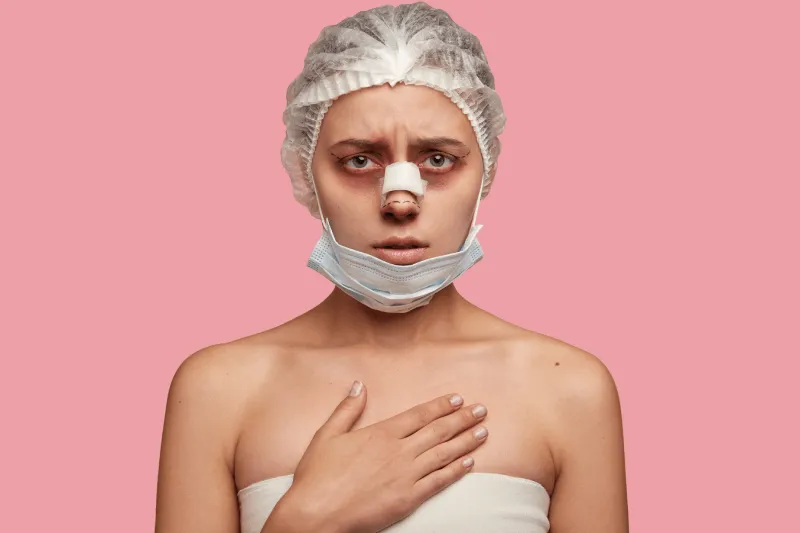
Bruising, or ecchymosis, typically follows a predictable chronological pattern after a nose job. In the first twenty-four hours, you might only see slight redness or a pale yellow tint under the eyes. However, as the clock nears the forty-eight-hour mark, the bruising usually intensifies, turning deep purple or blue as blood pigments settle into the skin tissues near the lower eyelids. This is because the surgical manipulation of the nasal bones often causes minor bleeding that gravitates toward the thinnest skin on the face. By the third and fourth days, the dark colors begin to fade into a greenish-brown hue, indicating that the body is successfully reabsorbing the stagnant blood. By the end of the first week, most patients find that their bruising has transitioned to a faint yellow, which is easily masked with light, mineral-based makeup.
What Are The Primary Causes Of Swelling After A Nose Job?
Post-rhinoplasty swelling, scientifically known as edema, is a multi-faceted physiological response. The primary cause is the direct trauma to the vascular and lymphatic systems within the nasal skin and soft tissues. When a surgeon performs osteotomies (breaking the nasal bones) or reshapes the cartilage, the surrounding vessels leak fluid into the interstitial spaces. Furthermore, the body’s immune system sends an influx of white blood cells and healing factors to the site, which naturally increases volume. The degree of swelling is also influenced by whether the surgery was an “open” or “closed” rhinoplasty; open procedures typically involve more extensive dissection, leading to more pronounced tip swelling. Gravity also plays a role, as fluids tend to settle in the cheeks and around the eyes, making the mid-face appear fuller than usual during the first few days.
Why Do Some Patients Experience More Bruising Than Others?
The intensity of bruising varies significantly from person to person due to a combination of biological factors and surgical techniques. Genetics play a massive role; individuals with thinner skin or more fragile capillary walls are naturally prone to more visible discoloration. Age is another factor, as older skin loses some of its structural integrity and may bruise more easily. Beyond biology, the specific maneuvers performed during surgery, such as the extent of bone work, directly impact the level of trauma to the blood vessels. Furthermore, lifestyle choices and medications taken prior to surgery are major contributors. Patients who consume blood-thinning substances like aspirin, vitamin E, or certain herbal teas in the weeks leading up to the procedure will likely see much more extensive bruising than those who followed a strict preoperative supplement-free protocol.
How Can You Effectively Manage Pain In The First Forty Eight Hours?
Contrary to popular belief, rhinoplasty is generally not a highly painful surgery; rather, it is characterized by discomfort and pressure. During the first forty-eight hours, the most effective way to manage this is through a combination of prescribed medication and environmental control. Surgeons typically prescribe a mild narcotic or a high-strength non-aspirin analgesic to bridge the initial recovery gap. It is vital to take these medications on a schedule rather than waiting for the pain to peak, as keeping a consistent level of medication in the bloodstream is more efficient. Additionally, maintaining a quiet, cool environment and keeping the head elevated can significantly reduce the “throbbing” sensation associated with increased blood flow to the face. Using a humidifier can also prevent the throat from becoming dry and sore due to necessary mouth breathing, further increasing overall comfort levels.
What Role Does Sleep Position Play In Reducing Facial Edema?
The way you position your body during sleep is one of the most influential factors in controlling postoperative swelling. During the first week, you must sleep with your head elevated at a thirty to forty-five-degree angle. This use of gravity prevents fluid from pooling in the facial tissues, which is the primary cause of the “puffy” look many patients fear. Using two or three firm pillows or a specialized wedge pillow is highly recommended. Sleeping flat on your back or, worse, on your side, can lead to asymmetrical swelling and increased pressure on the nasal structure. Furthermore, side sleeping runs the risk of accidentally rubbing the nose against the pillow, which could displace the delicate internal sutures or the external splint. By remaining upright, you encourage efficient lymphatic drainage, which can shave days off the visible recovery timeline.
Why Is Hydration Essential For A Successful Healing Process?
Hydration is the fuel that powers the body’s cellular repair mechanisms. When you are well-hydrated, your blood circulation is more efficient, allowing oxygen and essential nutrients to reach the nasal tissues more effectively. Water also helps the kidneys flush out the remnants of anesthesia and any medications used during and after the surgery, reducing the risk of postoperative nausea and fatigue. Furthermore, since rhinoplasty patients often have to breathe through their mouths due to nasal packing or swelling, the oral mucosa dries out very quickly. Constant sipping of water prevents painful dry throat and cracked lips. Proper fluid balance also keeps the skin supple, which is important when the skin needs to shrink-wrap over the new nasal framework. Aiming for at least two to three liters of water a day is a standard recommendation for optimal recovery.
Which Foods Should You Avoid To Minimize Postoperative Inflammation?
Your diet during the first week can either accelerate or hinder your progress. To minimize inflammation, it is crucial to avoid high-sodium foods. Salt causes the body to retain water, which directly translates to increased swelling in the nose and under the eyes. Processed snacks, canned soups, and fast food should be strictly avoided. Additionally, extremely spicy foods should be off the menu as they can trigger nasal secretions and even cause sneezing, both of which are risky for a fresh surgical site. It is also wise to avoid very hard or crunchy foods, such as carrots or tough meats, because the excessive chewing motion can strain the muscles around the nose and upper lip. Stick to a “soft diet” of lukewarm soups, smoothies, yogurt, and mashed vegetables to ensure you are getting nutrition without putting physical stress on your face.
How Do Cold Compresses Help In Controlling Early Swelling?
Cold therapy is a powerful tool for vasoconstriction, which is the narrowing of blood vessels to reduce blood flow and fluid leakage. During the first forty-eight to seventy-two hours, applying cold compresses to the cheeks and forehead (never directly on the nose) can significantly limit the extent of bruising and edema. The cold temperature numbs the nerve endings, providing a natural form of pain relief while simultaneously slowing down the inflammatory cascade. This proactive approach helps to keep the swelling “at bay” before it reaches its peak on the third day. Patients who use cold compresses consistently often report a much faster transition from the purple-bruising phase to the yellow-fading phase. However, the timing is key; after the first three days, cold is less effective, and some surgeons may recommend a switch to warm compresses to help stimulate circulation for the final stages of bruise clearance.
What Is The Correct Way To Apply Ice Near The Surgical Site?
Precision is vital when applying ice or cold packs after a nose job. You should never place a heavy ice bag or any direct pressure on the nasal bridge or the tip, as this can compromise the blood supply to the skin or shift the underlying grafts. Instead, use a clean cloth or specialized gel eye mask cooled in the refrigerator. Apply the cold source to the orbital area (under the eyes) and the upper cheeks for about fifteen to twenty minutes at a time, followed by a twenty-minute break. This “on-and-off” cycle prevents the skin from becoming too cold, which could actually damage the tissue. It is often helpful to use frozen peas in a small bag because they conform to the contours of the face without being excessively heavy. Always ensure there is a thin barrier, like a paper towel, between the cold pack and your skin to prevent ice burns.
Why Must You Avoid Blowing Your Nose During The First Week?
Blowing your nose is perhaps the most dangerous action you can take during the first week of recovery. When you blow your nose, you create significant internal pressure that can rupture delicate internal sutures and cause immediate, severe bleeding. Furthermore, the force can push air and bacteria into the surgical space, increasing the risk of infection or creating “subcutaneous emphysema,” where air gets trapped under the skin. It can also physically displace cartilage grafts that have been meticulously placed to create your new nasal shape. Surgeons generally advise patients to wait at least three to four weeks before blowing their nose. If you feel the urge to sneeze, you must do so with your mouth wide open to allow the pressure to escape through the oral cavity rather than the nasal passages. This simple precaution is a non-negotiable rule for protecting your investment.
How Should You Handle Congestion Without Compromising Your Results?
Congestion is inevitable after rhinoplasty, but there are safe ways to manage it without blowing your nose. Most surgeons recommend the frequent use of a saline nasal spray (often called “ocean spray”). These sprays keep the internal linings moist, prevent the formation of hard crusts, and help to gently dissolve any dried blood. Using a saline spray several times a day can provide immense relief from the “clogged” feeling. Additionally, your surgeon may provide an antibiotic ointment to be applied just inside the nostrils with a cotton swab to keep the area clean and hydrated. If the congestion is particularly bothersome, a lukewarm humidifier in your room can help thin the mucus. Patience is the best remedy here; as the internal swelling subsides naturally over the first week, your breathing will gradually improve on its own without the need for forceful intervention.
What Happens During The First Twenty Four Hours Of Recovery?
The first twenty-four hours are often described as a “blur” for most patients due to the lingering effects of anesthesia. During this window, you will likely spend most of your time resting in an upright position. You will need to change the drip pad under your nose frequently, as a moderate amount of blood-tinged drainage is normal. Your focus should be on staying hydrated, taking your prescribed medications, and applying cold compresses to your cheeks. You may feel a bit groggy or nauseous, which is a common reaction to the anesthetic gases. It is a time for total relaxation; avoid any tasks that require concentration or physical effort. Your nose will feel very congested, but it is important to remember that this is temporary. Having a caregiver nearby to help with water and medications is highly recommended during this initial day of healing.
How Does The Second Day Differ From The Day Of Surgery?
On the second day, the anesthesia has completely worn off, and you may feel more “present” but also more uncomfortable. This is typically when the swelling begins to move from the nose out toward the cheeks and eyes. You might wake up feeling quite stiff, and the nasal congestion might feel more intense than it did on day one. It is common for the bruising to start showing its true colors—moving from a light red to a deeper blue or purple. However, many patients find that their energy levels start to return slightly, and they can manage short walks around the house. It remains a day for strict adherence to the elevation and icing protocol. The drainage from the nose usually slows down significantly by the end of day two, allowing you to stop using the drip pad as frequently.
Why Is The Third Day Often Considered The Peak Of Swelling?
Day three is frequently the most challenging day for rhinoplasty patients from a purely visual perspective. This is when the inflammatory response typically reaches its zenith. The swelling around the eyes may be at its maximum, and some patients find it difficult to fully open their eyes in the morning. This “peak” happens because it takes about seventy-two hours for the body’s fluid-accumulation processes to stabilize. It is important not to panic; looking “worse” on day three is a standard part of the recovery curve and does not mean anything is wrong with the surgery. After this peak, the body begins the process of clearing the excess fluid through the lymphatic system. If you can get through day three with a positive mindset, you will typically see a noticeable improvement every single morning thereafter.
What Improvements Can You Expect By The Fourth Postoperative Day?
By the fourth day, the “tide” usually begins to turn. Most patients notice that the intense pressure in their face starts to dissipate. The swelling may begin to shift downward toward the jawline, a sign that the fluid is being processed and removed. The bruising often starts to change from dark purple to a lighter green or yellow. You will likely feel much more comfortable and may even be able to reduce your reliance on pain medications, switching to over-the-counter alternatives if your surgeon permits. This is also the stage where you might start to get used to the sensation of the splint. Your appetite generally returns to normal, and you can start incorporating more solid, yet still soft, foods into your diet. While you are still “healing,” the overwhelming feeling of being “surgically taxed” begins to lift.
How Do You Safely Clean Your Nose During The Healing Phase?
Cleaning the nose after surgery requires a very gentle touch. You should never use your fingers or any sharp objects to remove debris from inside the nostrils. Instead, use a clean cotton swab dipped in a mixture of hydrogen peroxide and water or a specialized saline solution provided by your clinic. Gently dab the edges of the nostrils and the visible suture lines to remove any crusting or dried blood. This not only keeps the area looking neat but also prevents the “tight” feeling that occurs when scabs pull on the skin. After cleaning, apply a thin layer of prescribed antibiotic ointment or petroleum jelly to the area to keep the skin moist. Keeping the nasal entrance clean is a vital step in preventing minor infections and ensuring that the scars heal as invisibly as possible.
Why Are Nasal Splints And Casts Necessary For Recovery?
The external splint or cast serves several critical functions. First and foremost, it acts as a “mold” that holds the nasal bones and cartilage in their new, corrected position while they begin to knit together. Without this support, the natural pull of the facial muscles or even minor accidental bumps could cause the nose to heal crookedly. Secondly, the splint provides a physical barrier against the environment, protecting the sensitive area from accidental contact. Finally, the pressure applied by the splint helps to minimize the amount of swelling that can occur directly on the nasal bridge. It may feel tight or itchy, but it is the most important tool in ensuring that the final shape of your nose matches the surgical plan. Never attempt to loosen or remove the splint yourself; it must remain in place until your first follow-up appointment.
When Is The Typical Time For Splint Removal To Occur?
For most patients, the “big reveal” happens between day six and day eight. This is when you return to the clinic to have the external splint and any internal supports or non-dissolvable sutures removed. The removal process is usually quick and involves a sensation of significant relief as the pressure is finally lifted. Once the splint is off, you will see the initial shape of your new nose for the first time. It is important to manage your expectations: the nose will be quite swollen and may look slightly “upturned” or thicker than expected due to the edema. However, this is the moment when most patients truly feel that the hardest part of the journey is over. The skin may be a bit oily or flaky under the splint, which is normal and can be addressed with gentle cleansing.
How Can You Differentiate Normal Bruising From Potential Complications?
While bruising is expected, it is important to know the signs of a potential issue. Normal bruising is localized around the eyes and cheeks and follows the color-changing pattern mentioned earlier. It should not be accompanied by increasing, throbbing pain or a fever. A complication to watch out for is a “hematoma,” which is a large collection of blood under the skin that feels hard and is extremely painful. If one side of your face is significantly more swollen and painful than the other, or if the skin feels hot to the touch and looks bright red, you should contact your surgeon immediately. Additionally, any foul-smelling discharge from the nose or a sudden, heavy nosebleed that won’t stop with gentle pressure should be reported. Understanding these distinctions allows you to recover with peace of mind.
Why Should You Strictly Avoid Strenuous Activities Initially?
The first week is a time for rest, not for the gym. Engaging in strenuous activity increases your heart rate and blood pressure, which can lead to several problems. Higher blood pressure puts stress on the newly healing blood vessels in the nose, significantly increasing the risk of a “rebound” nosebleed or a hematoma. Physical exertion also increases facial swelling, which can prolong your recovery time and make the healing process more uncomfortable. Even simple actions like bending over to tie your shoes or lifting heavy grocery bags should be avoided, as these cause blood to rush to the head. Most surgeons recommend waiting at least two weeks for light cardio and four to six weeks for heavy lifting or high-impact sports. Your primary job during week one is to be a professional “rester.”
What Is The Impact Of Smoking On Your Nasal Healing Journey?
Smoking is one of the greatest enemies of successful plastic surgery. Nicotine is a potent vasoconstrictor, meaning it shrinks the blood vessels and significantly reduces the amount of oxygen and nutrients that can reach the surgical site. This “starvation” of the tissues can lead to delayed healing, skin necrosis (death of the skin tissue), and even the failure of cartilage grafts. Furthermore, the act of inhaling smoke can irritate the nasal passages, causing coughing or sneezing that can damage internal structures. Smoking also increases the risk of infection and can lead to more prominent, unsightly scarring. Most reputable surgeons require patients to stop smoking at least four weeks before and four weeks after surgery. Choosing to smoke during the first week of recovery is a direct threat to the aesthetic and functional outcome of your rhinoplasty.
How Does Sun Exposure Affect The Appearance Of Bruised Skin?
Direct sun exposure should be strictly avoided during the first week and for several months following your procedure. The skin on the nose and around the eyes is incredibly sensitive after surgery. UV rays can cause the pigments in your bruises to “tattoo” into the skin, leading to long-term or even permanent brown discoloration (hyperpigmentation) in the under-eye area. Furthermore, heat from the sun causes vasodilation, which will increase the swelling in your nose and make it feel more throbby and uncomfortable. If you must go outside, wear a wide-brimmed hat and stay in the shade as much as possible. Once the splint is removed, your surgeon will likely advise you on the safe use of high-SPF sunblock to protect the delicate, healing skin from the sun’s damaging effects.
Can Wearing Glasses Interfere With The Stability Of The Nasal Bone?
Wearing traditional glasses or sunglasses is generally forbidden for several weeks after the splint is removed. During the first week, the splint itself provides enough protection that you can sometimes rest light glasses on top of it. However, once the splint is gone, the nasal bones are still in a “malleable” state as they continue to calcify and stabilize. The weight of glasses resting on the nasal bridge can actually create permanent indentations or cause the bones to shift, ruining the surgical result. If you must wear glasses, you can tape them to your forehead so they “hover” over your nose without touching it, or use specialized “nose-free” glass holders. Alternatively, many patients switch to contact lenses during the recovery period to avoid any risk of pressure on the nasal structure.
What Emotional Changes Might You Experience During The First Week?
It is very common to experience a “post-op emotional rollercoaster” during the first week. The combination of physical discomfort, lack of sleep, the effects of anesthesia, and the “shock” of seeing yourself bruised and swollen can lead to temporary feelings of regret or sadness, often called the “post-op blues.” Patients often look in the mirror on day three and feel like they made a mistake because they don’t recognize themselves. It is important to remember that this is a temporary chemical and psychological state. Your body is pouring its energy into healing, which can leave you feeling emotionally drained. Talking to friends, staying off social media (where “perfect” results are often filtered), and focusing on the long-term goal will help you navigate these normal emotional waves.
How Can A Supportive Recovery Environment Speed Up Your Healing?
A calm, organized, and supportive environment at home can have a tangible impact on your physical recovery. When you are stressed, your body produces cortisol, which can interfere with the inflammatory process and slow down healing. Having a space where everything you need—water, medications, tissues, remote control—is within arm’s reach prevents you from having to move around unnecessarily. Having a family member or friend to handle cooking, cleaning, and emotional support allows you to focus entirely on resting and following your surgeon’s instructions. A positive atmosphere reduces blood pressure and promotes better sleep, both of which are essential ingredients for a fast and smooth recovery. Preparing your “recovery nest” before you go into surgery is one of the smartest things a patient can do.
Why Are Follow Up Appointments Non Negotiable For Patient Safety?
Your follow-up appointments are not just for removing the splint; they are vital check-ins to ensure your body is healing according to plan. During these visits, your surgeon will inspect the internal and external incisions for any signs of infection, check the stability of the nasal framework, and ensure that the swelling is receding at a healthy rate. Sometimes, surgeons need to perform minor “adjustments” or cleanings that you cannot do yourself. They may also provide specific instructions on nasal exercises or massage techniques to help shape the nose as it continues to heal. Missing these appointments can lead to undetected issues becoming permanent problems. Your surgeon’s expertise in monitoring the healing process is just as important as the surgery itself in achieving a world-class result.
What Signs Indicate That You Need Immediate Medical Attention?
While most rhinoplasty recoveries are smooth, you should always be aware of “red flag” symptoms. Contact your surgical team immediately if you experience a high fever (above 38°C or 101°F), which could indicate an infection. Sudden, severe pain that is not relieved by your prescribed medication is another warning sign. If you notice a sudden, large increase in swelling or a “rushing” feeling of fluid in the nose, it could be a hematoma. Shortness of breath or chest pain could indicate a rare but serious reaction to anesthesia or a blood clot. Finally, while minor spotting is normal, a steady stream of bright red blood that does not stop after ten minutes of gentle pressure is a reason for an urgent call. Being proactive about these signs ensures that any rare complications are handled swiftly and safely.
How Long Does It Take For The Most Visible Bruising To Fade?
For the vast majority of patients, the most “socially visible” bruising disappears within ten to fourteen days. By the end of the first week, as the splint comes off, the dark purples and blues have usually faded into a pale yellow or light green. By day ten, these colors are often so faint that they can be completely hidden with a small amount of concealer. However, it is important to note that while the bruising fades quickly, the “micro-swelling,” especially in the tip of the nose, can take much longer to resolve. While you will look “normal” to a stranger on the street within two weeks, it may take several months to a year to see the final, refined definition of your nose. Patience is key, but the “bruised” look is a very short-lived part of the overall process.
Why Is Choosing An Experienced Surgeon Vital For Recovery Outcomes?
The skill and experience of your surgeon directly correlate with the ease of your recovery. A surgeon who uses refined, minimally invasive techniques and handles tissues with extreme care will naturally cause less trauma, resulting in significantly less bruising and swelling for the patient. Experienced surgeons are also better at predicting how a specific patient’s anatomy will respond to surgery and will tailor their postoperative protocol accordingly. They use the latest advancements in “piezo” (ultrasonic) technology to shape bones without damaging the surrounding soft tissues and blood vessels. Choosing a surgeon based on their expertise rather than just the price tag is the best way to ensure that your first week—and your final result—is as successful and stress-free as possible.
Why Is Cure Holiday The Best Choice For Your Rhinoplasty Journey?
Cure Holiday stands out as a premier destination for rhinoplasty because they prioritize the patient’s entire experience, from the initial consultation to the final stage of recovery. They work with world-class, board-certified surgeons who specialize in the latest nasal reshaping techniques, ensuring that every patient receives a bespoke result that harmonizes with their unique facial features. Beyond the surgery itself, Cure Holiday understands that the recovery environment is paramount. They provide a seamless bridge between high-end medical care and luxury hospitality, allowing patients to heal in a stress-free, supportive setting. When you choose Cure Holiday, you aren’t just getting a procedure; you are investing in a comprehensive care package that minimizes risks and maximizes aesthetic satisfaction through expert guidance and superior medical standards.
What Are The Unique Advantages Of Getting Treated Through Cure Holiday?
One of the primary advantages of Cure Holiday is their “all-inclusive” approach to medical tourism, which removes the logistical stress typically associated with international surgery. Patients benefit from transparent pricing, VIP transfers, and accommodation in premium hotels that are specifically selected for their suitability for postoperative recovery. Furthermore, Cure Holiday provides a dedicated personal coordinator who speaks your language and is available to answer any questions throughout your first week of recovery. This level of personalized attention ensures that you never feel alone or confused during the healing process. Their partner clinics are equipped with state-of-the-art technology, such as 3D imaging and ultrasonic tools, providing a level of precision that is often unavailable at local clinics, all while maintaining a focus on patient safety and natural-looking results.
How Does Cure Holiday Ensure A Stress Free Recovery Environment?
Cure Holiday goes above and beyond to create a “sanctuary” for healing. They recognize that the first week after rhinoplasty is a time of vulnerability, so they handle every detail—from scheduling follow-up appointments to ensuring your recovery room is stocked with everything you need. Their partner facilities are located in beautiful, serene locations that promote mental well-being, which is a key factor in physical healing. By taking care of the “heavy lifting” of travel and logistics, Cure Holiday allows patients to dedicate 100% of their energy to following their recovery protocols and resting. This holistic approach significantly reduces the “post-op blues” and ensures that the transition from the operating room to the “new you” is as smooth and comfortable as possible.
Why Do International Patients Prefer Cure Holiday For Their Surgery?
International patients flock to Cure Holiday because they offer a rare combination of world-class surgical talent, affordable excellence, and a “patient-first” philosophy. Many patients find that the quality of care and the expertise of the surgeons at Cure Holiday exceed what they can find in their home countries, often at a fraction of the cost. The reputation of Cure Holiday is built on a track record of successful transformations and glowing testimonials from patients around the globe. They bridge the gap between different healthcare systems, providing a standardized, high-quality experience that meets international medical protocols. For someone traveling for surgery, the peace of mind that comes from knowing every detail is managed by professionals is the ultimate deciding factor.
What Steps Should You Take To Start Your Journey With Cure Holiday?
Starting your journey with Cure Holiday is a simple and empowering process. The first step is to reach out for a free, no-obligation consultation through their website. During this stage, you can share your aesthetic goals, upload photos for initial assessment, and receive a personalized treatment plan from one of their expert surgeons. Once you are comfortable with the plan, your dedicated coordinator will help you choose the best dates and handle all the arrangements for your travel, accommodation, and surgery. There is no need to worry about the complexities of international medical travel; Cure Holiday acts as your expert guide every step of the way. If you are ready to achieve the profile you’ve always dreamed of with the support of a world-class team, the first step is just a click away.
Free Consultation
Fill out the form below to get your free medical travel plan and price quote.
Sources and how to verify this yourself
- Ministry of Health, Regulation on International Health Tourism and Tourist Health, Official Gazette 26 April 2025, No. 32882 — authorisation requirement for facilities and intermediaries, TÜSKA accreditation, compulsory complication insurance (deadline 31 December 2025 for insurance, 31 December 2026 for accreditation). source
- Ministry of Health, Regulation on Promotion and Information Activities in Health Services, Official Gazette 12 November 2025, No. 33075 — treatment promises and guarantees are prohibited; price and campaign announcements are permitted only within international health tourism. source