
The landscape of metabolic and bariatric surgery has undergone a tectonic shift over the last decade. As obesity rates climb globally, the demand for safer, more precise, and less invasive surgical interventions has never been higher. Robotic surgery, particularly with systems like the Da Vinci, represents the pinnacle of this evolution. This technology is not just an incremental improvement over traditional laparoscopy; it is a transformative leap that addresses the unique anatomical challenges posed by high Body Mass Index (BMI) patients. By providing surgeons with unparalleled visualization, dexterity, and control, robotic platforms are redefining success in weight loss surgery, ensuring that patients can achieve their health goals with minimal risk and maximum efficiency.
Why Is Robotic Surgery Becoming A Standard In Obesity Treatment?
The rise of robotic surgery in the field of obesity treatment is driven by the need for extreme precision in a challenging anatomical environment. Obesity often involves significant visceral fat, which can obscure vital organs and blood vessels. Standard laparoscopic tools are straight and rigid, making it difficult to navigate the deep, curved spaces of the abdomen. Robotic systems, however, overcome these limitations by offering 360-degree instrument rotation and high-definition 3D views. This standard of care is becoming preferred because it consistently yields better clinical outcomes, reduces human error, and allows surgeons to perform complex maneuvers—such as delicate suturing in gastric bypasses—with a level of stability that was previously impossible.
What Defines Robotic-Assisted Bariatric Surgery?
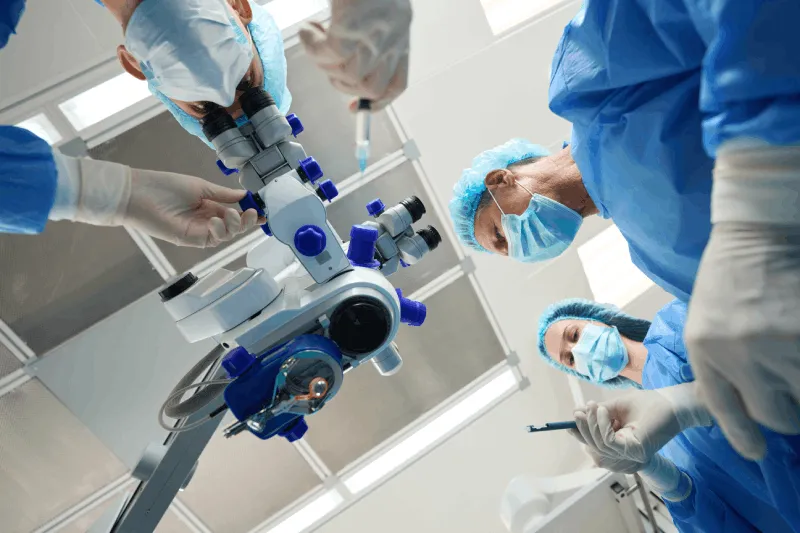
Robotic-assisted bariatric surgery is a minimally invasive technique where the surgeon operates using a computer-controlled console rather than standing directly over the patient. It is important to clarify that the robot does not perform the surgery independently; every movement of the robotic arms is a direct, filtered translation of the surgeon’s hand motions. The system includes a patient-side cart with multiple arms that hold the camera and specialized surgical instruments. These instruments are designed to mimic the human wrist but with a much greater range of motion. This synergy between human expertise and mechanical precision defines the procedure, offering a hybrid approach that minimizes physical trauma to the abdominal wall while maximizing the surgeon’s capabilities inside the body.
How Does The Da Vinci System Function In Obesity Operations?
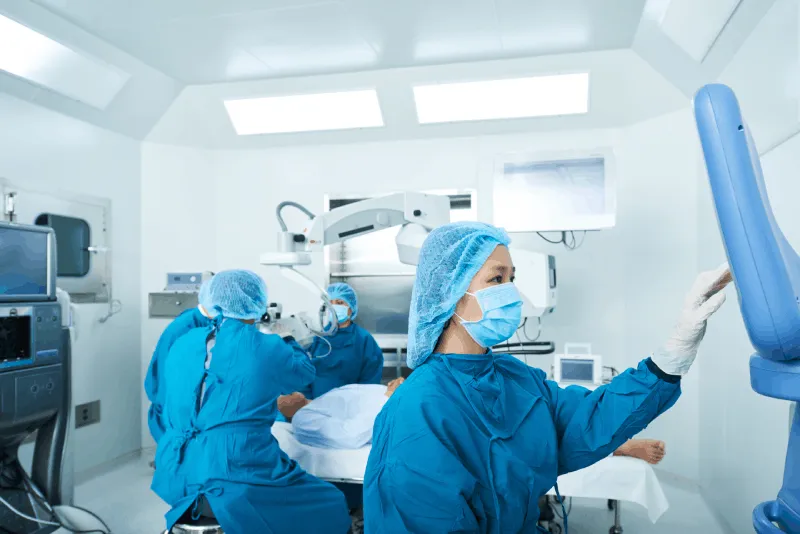
The Da Vinci system functions as an advanced interface between the surgeon and the patient. During an obesity operation, the surgeon sits at a console several feet away from the operating table. Looking through a viewfinder, the surgeon sees a magnified, three-dimensional image of the surgical field. Using master controls that resemble joysticks, the surgeon directs the robotic arms. These arms are equipped with “Endowrist” technology, allowing them to bend and rotate with seven degrees of freedom. In bariatric procedures like a sleeve gastrectomy or gastric bypass, this allows for incredibly precise stapling and suturing. The system also filters out natural hand tremors, providing a steady hand even during the most delicate parts of the operation, such as creating an anastomosis.
Why Is High-Definition 3D Imaging Crucial For Surgeons?
High-definition 3D imaging is the cornerstone of robotic surgery because it restores the depth perception that is often lost in traditional 2D laparoscopy. In bariatric surgery, the stakes are high; even a millimeter of deviation during the creation of a gastric pouch can affect long-term weight loss or lead to complications. The 3D view allows the surgeon to see tissue planes, blood vessels, and nerves with incredible clarity, magnified up to ten times. This level of visual detail is crucial for identifying small anatomical variations and ensuring that stapling is performed on healthy, well-vascularized tissue. By providing a “natural” view of the internal organs, the system reduces the cognitive load on the surgeon, allowing for better decision-making throughout the procedure.
What Are The Primary Differences Between Laparoscopy And Robotic Surgery?
While both techniques are minimally invasive, the primary differences lie in visualization, instrument range, and surgeon ergonomics. Traditional laparoscopy uses a 2D camera, which requires the surgeon to estimate depth. Furthermore, laparoscopic instruments act like “chopsticks,” moving in the opposite direction of the surgeon’s hand due to the fulcrum effect at the incision site. Robotic surgery eliminates this fulcrum effect, so the instruments move exactly as the surgeon’s hands do. Additionally, the robot provides a stable platform for the camera, whereas in laparoscopy, an assistant must hold it, leading to potential “camera shake.” The robotic platform’s ability to “wrist” instruments inside the patient’s body is perhaps the most significant mechanical advantage over the rigid tools used in standard laparoscopy.
How Does Robotic Technology Improve Surgical Precision?
Robotic technology improves surgical precision through a combination of motion scaling and tremor filtration. In traditional surgery, even the most experienced surgeons have microscopic hand tremors. The robotic system uses advanced algorithms to identify and neutralize these tremors, resulting in perfectly smooth instrument movement. Motion scaling allows the surgeon to set the system so that a large hand movement at the console translates into a tiny, precise movement of the instrument inside the patient. This is particularly beneficial in obesity surgery when working around the esophagus or large blood vessels, where precision is paramount to preventing leaks or bleeding. The ability to perform delicate micro-dissection with such control is what sets the robotic approach apart.
Why Is The Endowrist Technology Revolutionary For Bariatric Procedures?
The Endowrist technology is revolutionary because it gives the surgeon’s “hands” a presence inside the patient’s abdomen without the need for large incisions. In bariatric procedures, surgeons often need to work “around corners”—for instance, when mobilizing the fundus of the stomach during a sleeve gastrectomy or when suturing the small intestine to the stomach in a bypass. Traditional laparoscopic tools are straight and cannot bend at the tip, limiting the angles of approach. Endowrist instruments can rotate 360 degrees and bend in ways that the human wrist cannot. This flexibility allows for superior suturing angles, more efficient tissue handling, and the ability to reach difficult anatomical areas with ease, significantly reducing the physical strain on the patient’s tissues.
Can Robotic Surgery Reduce The Risk Of Postoperative Complications?
Clinical data increasingly suggests that robotic surgery can reduce the risk of postoperative complications, particularly in high-risk bariatric patients. Because the robotic arms pivot around the incision site with minimal torque, there is less trauma to the abdominal wall, which translates to a lower risk of wound infections and incisional hernias. Inside the abdomen, the enhanced visualization and precision help prevent accidental damage to surrounding structures like the spleen or liver. Furthermore, the accuracy of robotic stapling and suturing is linked to lower rates of anastomotic leaks—one of the most feared complications in weight loss surgery. By minimizing tissue manipulation and ensuring precise reconstruction, the robotic platform creates a safer environment for complex bariatric maneuvers.
How Does The Robot Minimize Blood Loss During Surgery?
The robot minimizes blood loss by allowing the surgeon to identify and control even the smallest blood vessels with extreme accuracy. The 3D high-definition camera provides such a clear view of the vascular anatomy that the surgeon can perform “vessel-sparing” dissections. If a vessel does need to be sealed or clipped, the robotic instruments can be positioned with perfect orientation, ensuring a secure closure. The stability of the robotic platform also prevents accidental nicks or tears that can occur with the sometimes-abrupt movements of traditional laparoscopic tools. For bariatric patients, who may have underlying health conditions that make them more sensitive to blood loss, this increased control is a significant safety advantage that contributes to overall surgical success.
Is The Recovery Period Shorter After Robotic Obesity Surgery?
Generally, the recovery period after robotic obesity surgery is shorter or more comfortable compared to traditional methods. While the internal healing time for the stomach and intestines is similar across minimally invasive techniques, the external recovery is often faster due to the nature of the robotic incisions. Because the robot moves with high precision and places less stress on the entry points in the abdominal muscles, patients typically experience less “soreness” at the site of the surgery. This reduction in physical trauma allows patients to mobilize sooner—often walking within hours of the procedure. Early mobilization is a key factor in preventing complications like deep vein thrombosis (DVT) and pneumonia, leading to a faster overall return to daily activities and work.
Why Do Robotic Systems Offer Better Access In High-BMI Patients?
High-BMI patients present a significant challenge for traditional laparoscopy due to the thickness of the abdominal wall and the amount of internal fat. In standard laparoscopy, the surgeon must physically push against the heavy abdominal wall to move the instruments, which can lead to fatigue and reduced precision. Robotic systems use powerful mechanical arms that can easily overcome the resistance of a thick abdominal wall without losing any accuracy. The robot maintains a “fixed point” at the incision, ensuring that all the force is handled by the machine rather than the patient’s skin and muscle. This allows the surgeon to maintain a high level of performance throughout the entire procedure, regardless of the patient’s size or the complexity of the internal environment.
Does Robotic Surgery Lead To Less Postoperative Pain For The Patient?
Yes, many patients report less postoperative pain following robotic-assisted bariatric surgery. This is primarily attributed to the “remote center” technology utilized by the robotic arms. In traditional laparoscopy, the surgical tools often “pry” against the incisions to gain leverage, causing stretching and bruising of the abdominal wall tissues. The robotic system is designed to pivot around a fixed point at the incision site, virtually eliminating this stretching. As a result, there is less inflammation and nerve irritation at the port sites. When patients experience less pain, they require fewer opioid medications, which is particularly beneficial as it avoids the side effects of narcotics, such as constipation and respiratory depression, further smoothing the recovery process.
How Are Incisions Minimized In Robotic-Assisted Operations?
In robotic-assisted bariatric surgery, the incisions are typically small—usually ranging from 8mm to 12mm. While the number of incisions might be similar to traditional laparoscopy, the way they are utilized is different. Because the robotic arms are so precise, the surgeon can perform the entire operation through these tiny ports without ever needing to “up-size” an incision to accommodate larger or more complex tools. The stability of the robot also means there is less “sawing” action at the skin level, which keeps the incision edges clean and promotes faster healing. For the patient, this means minimal scarring, which is not only a cosmetic benefit but also reduces the long-term risk of developing painful scar tissue or hernias at the site of the operation.
What Are The Benefits Of Robotic Surgery For Gastric Bypass Patients?
Gastric bypass is one of the most technically demanding bariatric procedures because it involves “rerouting” the intestines and creating two new connections, known as anastomoses. Robotic surgery is exceptionally beneficial here because of its superior suturing capabilities. Creating a hand-sewn connection with the robot is much easier and more precise than doing so with traditional laparoscopic tools. The 3D vision allows the surgeon to ensure that the tension on the bowel is perfect and that the blood supply to the new pouch is robust. These factors are critical for preventing leaks and strictures. By making the most difficult parts of the bypass more manageable, the robotic system enhances the overall safety and reliability of this “gold standard” weight loss procedure.
Why Is The Robotic Approach Preferred For Complex Revisional Surgeries?
Revisional bariatric surgery—surgery performed to correct or alter a previous weight loss operation—is notoriously difficult due to the presence of scar tissue (adhesions) and altered anatomy. Robotic surgery is often the preferred approach for these cases because it allows for meticulous dissection. The high-definition 3D view helps the surgeon distinguish between different types of tissue and safely navigate through dense adhesions that might be invisible or confusing on a 2D screen. The dexterity of the robotic instruments allows the surgeon to work in the very tight spaces often found in revisional cases. By providing better visualization and control, the robot reduces the likelihood that a revisional procedure will need to be converted to a more invasive “open” surgery.
How Does The System Filter Out Human Hand Tremors?
The robotic system employs a sophisticated technology called “tremor filtration” to enhance the surgeon’s natural abilities. No matter how skilled or experienced a surgeon is, the human body has a natural physiological tremor that can be magnified when using long surgical instruments. The robotic console’s computer system analyzes the surgeon’s hand movements hundreds of times per second. It can distinguish between an intentional movement and an unintentional tremor. The computer then “smooths out” the signal before it reaches the robotic arms. This results in incredibly steady instrument tips, which is vital when performing delicate tasks like dissecting near the vagus nerve or suturing the delicate lining of the stomach, where a steady hand is essential for a perfect result.
Can Robotic Surgery Decrease The Length Of Hospital Stays?
Data suggests that robotic bariatric surgery can indeed lead to shorter hospital stays. This is a direct result of several factors: reduced postoperative pain, lower complication rates, and faster return of bowel function. Because robotic patients generally experience less physical trauma, they are often able to meet their discharge criteria—such as tolerating liquids and walking independently—sooner than those who undergo more invasive procedures. In many cases, patients undergoing robotic sleeve gastrectomy or gastric bypass can be discharged within 24 to 48 hours. A shorter hospital stay not only reduces the cost of treatment but also allows the patient to begin their recovery in the comfort of their own home, which is often better for their mental and physical well-being.
What Makes The Robotic Platform Safer For The Patient’s Internal Organs?
The safety of internal organs is enhanced by the robot’s “force feedback” (in newer models) and the extreme precision of its movements. In traditional laparoscopy, instruments can sometimes move unexpectedly if the surgeon’s hand slips or if the tool catches on tissue. The robotic arms move only when the surgeon’s hands are in the master controls, and they stop instantly if the surgeon let’s go. Additionally, the camera is held perfectly still by a robotic arm, providing a “rock-solid” view that prevents the surgeon from accidentally hitting an organ that is off-screen. The ability to articulate the instrument tips also means the surgeon can “hug” the stomach or intestine during dissection, keeping the “business end” of the tool away from the liver, spleen, and major blood vessels.
How Does Ergonomics Affect The Surgeon’s Performance And Patient Outcomes?
Surgeon ergonomics is a frequently overlooked but vital aspect of surgical success. Traditional laparoscopy is physically demanding; surgeons often have to stand in awkward positions for hours, leading to fatigue, neck pain, and back strain. A tired surgeon is more prone to making errors. In robotic surgery, the surgeon sits in a comfortable, ergonomically designed chair with their head and arms supported. This reduces physical exhaustion and mental stress, allowing the surgeon to maintain peak focus throughout the entire procedure. For the patient, this means having a surgeon who is fresh and precise from the first incision to the last suture, which directly correlates to fewer errors and better overall clinical outcomes.
Is The Risk Of Infection Lower With Robotic Bariatric Techniques?
While all surgeries carry some risk of infection, robotic techniques tend to have very low rates of surgical site infections (SSI). This is partly due to the smaller, cleaner incisions and the fact that there is less manual handling of the tissues. Furthermore, because robotic surgery often results in shorter operative times for complex cases, the patient’s internal tissues are exposed to the environment for less time. In bariatric patients, who may have higher risks of wound healing issues due to obesity-related conditions like diabetes, the minimally invasive nature of the robot is a significant advantage. By promoting faster healing and reducing tissue trauma, the robotic platform helps keep the body’s natural defenses strong during the critical early postoperative period.
How Does The Robot Assist In Creating Precise Stapling Lines?
Stapling is perhaps the most critical part of bariatric surgery, as it creates the new stomach shape or the intestinal connections. Robotic systems often include “smart” staplers that provide the surgeon with real-time feedback. These staplers can sense the thickness of the tissue and will only fire if the conditions are optimal. If the tissue is too thick or too thin for a specific staple size, the system alerts the surgeon. This prevents “misfires” and ensures a uniform, leak-proof seal. Combined with the 3D view, which allows the surgeon to perfectly align the stapler, the robot ensures that every staple line is as straight and secure as possible, which is the key to preventing the most common long-term complications of weight loss surgery.
What Role Does Fluorescence Imaging Play In Robotic Surgery?
Many robotic systems are equipped with specialized “Firefly” fluorescence imaging. During surgery, a special dye is injected into the patient’s bloodstream. When the surgeon switches to the Firefly mode, the blood vessels and the blood supply to the organs glow a bright green. This is incredibly useful in bariatric surgery to ensure that the newly created gastric pouch or the intestinal segments have a healthy blood supply. If the tissue doesn’t glow, it means the blood supply is compromised, and the surgeon can adjust the plan immediately to prevent tissue death (necrosis) or a leak. This “superhuman” vision allows for a level of intraoperative safety that traditional laparoscopy simply cannot match, providing peace of mind for both the surgeon and the patient.
Why Is There A Lower Conversion Rate To Open Surgery With Robots?
“Conversion” refers to the need to stop a minimally invasive procedure and open the patient’s abdomen with a large incision because of a complication or technical difficulty. Robotic surgery has been shown to have lower conversion rates, especially in complex or high-BMI cases. This is because the robot provides the surgeon with the tools needed to handle difficult situations—such as heavy bleeding or dense scar tissue—without needing to resort to an open approach. The superior visualization and dexterity allow the surgeon to “see their way out” of trouble. For the patient, avoiding a conversion to open surgery is a major benefit, as open bariatric surgery carries a significantly higher risk of complications, longer recovery times, and more pain.
How Does Robotic Surgery Impact The Long-Term Success Of Weight Loss?
While the robot is a tool for the procedure itself, its precision directly impacts long-term success. In a sleeve gastrectomy, for instance, the robot allows for a more consistent and perfectly shaped “sleeve.” A sleeve that is too loose may result in inadequate weight loss, while one that is too tight can cause chronic reflux or vomiting. By ensuring the anatomy is reconstructed perfectly according to the surgical plan, the robot helps provide the best possible “mechanical” foundation for weight loss. When patients have a surgery that works exactly as intended, without the interference of chronic pain or minor complications, they are more likely to adhere to their post-operative diet and exercise plans, leading to better long-term health outcomes.
Are The Cosmetic Results Better With Robotic-Assisted Procedures?
Cosmetic outcomes are often a secondary but important consideration for patients. Robotic surgery typically results in very small, well-placed scars that fade significantly over time. Because the robotic ports are placed strategically and the skin is not stretched during the operation, the resulting scars are often less noticeable than those from traditional laparoscopy. Furthermore, because the risk of wound infection is lower, the scars are more likely to heal cleanly without becoming thickened or discolored. For many patients, the minimal scarring is a physical reminder of their successful transformation and contributes to improved body image as they lose weight and begin their new, healthier life.
How Does The Robot Improve The Management Of Fatty Liver Tissue?
Obesity is often accompanied by an enlarged, “fatty” liver (non-alcoholic fatty liver disease). During bariatric surgery, the liver must be gently retracted (held out of the way) to access the stomach. In traditional laparoscopy, this can be difficult, and the liver tissue can be easily bruised or torn because it is fragile. The robotic system allows for very steady and precise retraction. The robotic arm can hold the liver in exactly the right position without the slight “drifting” that can occur with manual retraction. This minimizes the risk of liver injury and ensures that the surgeon has a clear, unobstructed view of the stomach and esophagus throughout the entire procedure, further enhancing the safety of the operation.
What Are The Psychological Benefits Of A Smoother Recovery?
A smooth, low-pain recovery has significant psychological benefits for bariatric patients. Weight loss surgery is a major life event, and the early postoperative period can be stressful. When a patient recovers quickly, experiences minimal pain, and can return to their normal environment sooner, their overall outlook is more positive. This “early win” builds confidence and momentum, which is crucial for the lifestyle changes that must follow the surgery. Robotic surgery, by minimizing the physical trauma and complications, helps ensure that the patient’s journey starts on a high note. A positive early experience can reduce the risk of postoperative depression and help the patient stay focused on their long-term health and wellness goals.
Is Robotic Surgery Suitable For All Types Of Bariatric Patients?
While robotic surgery is a powerful tool, its suitability depends on the individual patient’s health profile and the surgeon’s recommendation. It is particularly advantageous for patients with a very high BMI, those who have had previous abdominal surgeries, or those requiring complex revisional procedures. However, for a straightforward primary sleeve gastrectomy in a patient with a lower BMI, traditional laparoscopy may be just as effective. The decision to use the robot is usually based on the surgeon’s assessment of the complexity of the case and the specific goals of the patient. Most modern bariatric centers now offer robotic surgery as an option for almost all their patients, recognizing the broad benefits of the technology.
How Has The Learning Curve For Surgeons Evolved With This Technology?
One of the interesting aspects of robotic surgery is that its intuitive interface can actually shorten the learning curve for some complex tasks compared to traditional laparoscopy. For example, learning to suture “backwards” in a mirror-image laparoscopic environment is very difficult. In contrast, the robotic system’s “intuitive motion”—where the instrument moves exactly like the hand—makes suturing much more natural. Surgeons still undergo rigorous training and must complete a certain number of supervised cases to become certified, but the technology itself is designed to work with the human brain rather than against it. This means that more surgeons can achieve a high level of proficiency in complex bariatric maneuvers, ultimately benefiting a larger number of patients.
What Are The Latest Innovations In Robotic Weight Loss Surgery?
The field of robotic surgery is constantly evolving. Recent innovations include integrated table motion, where the operating table moves in sync with the robotic arms, allowing the surgeon to reposition the patient without stopping the surgery. There are also advancements in “single-port” robotic surgery, where the entire operation is performed through just one small incision, usually in the belly button, for even better cosmetic results. Artificial intelligence is also beginning to play a role, with systems that can provide real-time guidance based on thousands of previous operations. These innovations continue to push the boundaries of what is possible, making bariatric surgery safer, more efficient, and more tailored to the individual patient’s needs.
How Does Data Integration During Surgery Help Bariatric Surgeons?
The robotic platform is essentially a powerful computer, which allows for the integration of vast amounts of data during the operation. Surgeons can display the patient’s preoperative CT scans or ultrasounds directly on the console screen while they are operating (TilePro technology). This “augmented reality” allows the surgeon to see “through” the tissue and know exactly where a specific blood vessel or tumor is located. Additionally, the system records data on every movement and staple fire, which can be used for quality control and to further refine surgical techniques. This data-driven approach is a key part of the “precision medicine” movement, ensuring that every patient receives a procedure that is as safe and effective as possible.
Why Should You Choose Cure Holiday For Your Robotic Bariatric Journey?
Choosing the right partner for your weight loss journey is just as important as the technology itself. Cure Holiday stands out as a premier destination for those seeking the highest standard of robotic-assisted bariatric surgery. We understand that deciding to undergo surgery is a life-changing step, and we are dedicated to providing a seamless, world-class experience from start to finish. At Cure Holiday, we combine the most advanced robotic technologies with the expertise of internationally recognized surgeons. Our focus is not just on the procedure, but on your total well-being, ensuring that you receive the precision of the Da Vinci system within a supportive, luxury environment designed for your comfort and successful transformation.
What Makes Cure Holiday A Leader In Robotic Obesity Treatments?
Cure Holiday has earned its reputation as a leader by prioritizing quality, safety, and patient satisfaction above all else. Our robotic surgery programs are led by specialized bariatric surgeons who have performed thousands of successful procedures and are at the forefront of robotic innovation. We invest in the latest Da Vinci platforms and integrated surgical technologies to ensure our patients have access to the safest and most effective treatments available. Beyond the operating room, our multidisciplinary team of nutritionists, psychologists, and patient coordinators provides comprehensive support. This holistic approach, combined with our technical excellence, makes Cure Holiday the preferred choice for patients from around the world looking to reclaim their health.
How Does Cure Holiday Personalize Your Surgical Experience?
At Cure Holiday, we recognize that no two patients are the same. Your journey begins with a deep dive into your unique health history, goals, and lifestyle. Our experts use this information to create a personalized surgical plan that utilizes robotic technology to your specific advantage. Whether you need a primary sleeve gastrectomy or a complex revisional bypass, we tailor every aspect of the care—from the surgical technique to your post-operative nutrition plan. Our “concierge” approach means that every detail of your stay, including travel arrangements and recovery accommodations, is handled with care. With Cure Holiday, you are not just a patient; you are a partner in a journey toward a more vibrant, healthy, and fulfilling life.
Are You Ready To Transform Your Life With Cure Holiday’s Robotic Solutions?
The path to a healthier version of yourself starts with a single, informed decision. If you have been struggling with obesity and are looking for a solution that offers the highest levels of safety, precision, and care, robotic surgery at Cure Holiday is the answer. We invite you to reach out to our team today for a consultation. Let us show you how our advanced robotic solutions can minimize your risks and maximize your results, all while you enjoy the world-class hospitality that defines the Cure Holiday experience. Don’t let another day pass feeling held back by your weight—contact Cure Holiday and take the first step toward the life you deserve. Your transformation is our mission, and we are ready to help you achieve the results you’ve always dreamed of.
Summary and Call to Action
In summary, robotic surgery offers a multitude of advantages for obesity surgery, including superior 3D visualization, unmatched instrument dexterity, and enhanced surgeon ergonomics. These factors lead to more precise procedures, fewer complications, less pain, and a faster recovery for the patient. Whether it’s a primary sleeve gastrectomy or a complex revisional bypass, the robotic platform is setting a new gold standard in bariatric care.
Are you ready to take control of your health with the world’s most advanced surgical technology? Don’t wait to start your transformation. Contact Cure Holiday today to learn more about our robotic-assisted weight loss programs and discover how we can help you achieve lasting success in your journey toward health and happiness. Your new life is just one click away!
Free Consultation
Fill out the form below to get your free medical travel plan and price quote.
Sources and how to verify this yourself
- Eisenberg D, et al. 2022 ASMBS and IFSO Indications for Metabolic and Bariatric Surgery. — surgery is recommended at BMI ≥35 regardless of co-morbidity, and considered at BMI 30–34.9 with metabolic disease (lower thresholds for Asian populations). source
- Ministry of Health, Regulation on International Health Tourism and Tourist Health, Official Gazette 26 April 2025, No. 32882 — authorisation requirement for facilities and intermediaries, TÜSKA accreditation, compulsory complication insurance (deadline 31 December 2025 for insurance, 31 December 2026 for accreditation). source
- Ministry of Health, Regulation on Promotion and Information Activities in Health Services, Official Gazette 12 November 2025, No. 33075 — treatment promises and guarantees are prohibited; price and campaign announcements are permitted only within international health tourism. source