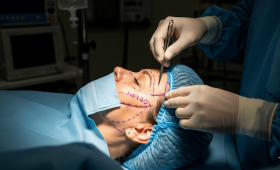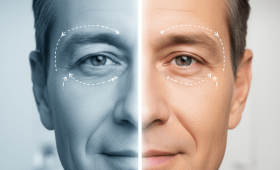
The journey toward a flatter, more contoured abdomen through tummy tuck surgery (abdominoplasty) is an exciting transformation. However, one of the most common concerns for patients is the resulting scar. While surgery involves incisions that inevitably leave a mark, the quality of that mark is heavily dependent on the post-operative care you provide. Proper scar management is not just a cosmetic preference; it is a critical component of the healing process that ensures the skin regains its strength and aesthetic appeal. In this guide, we will explore every facet of scar treatment, from the immediate recovery phase to long-term clinical interventions, providing you with the knowledge to achieve the best possible results.
What Is The Nature Of A Tummy Tuck Scar?
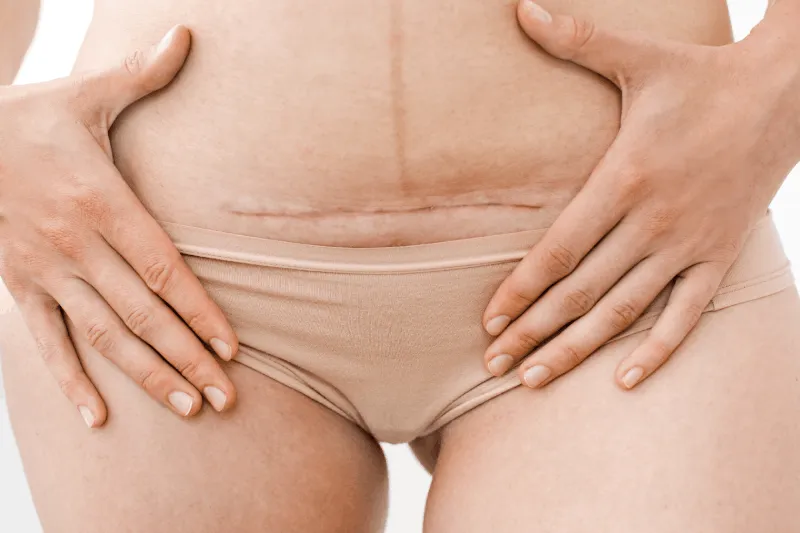
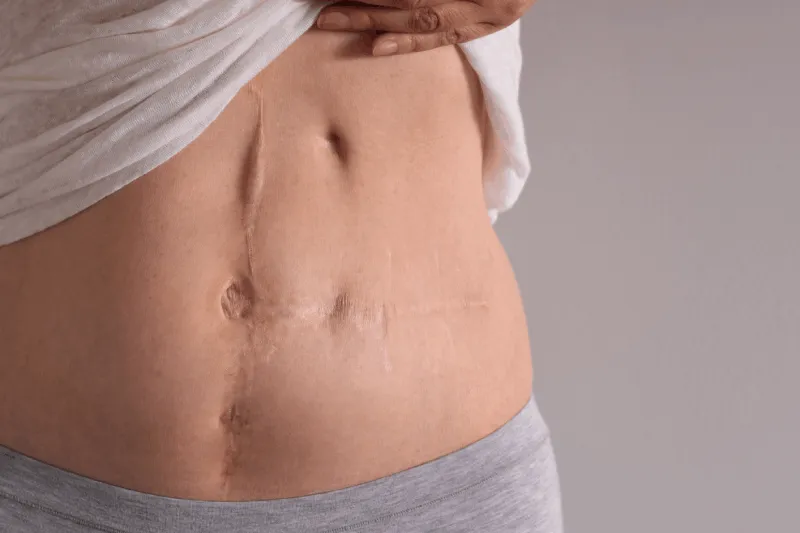
A tummy tuck scar is the permanent mark left behind after the surgical incision has healed. Because a tummy tuck involves removing excess skin and tightening the underlying muscles, the incision is typically placed horizontally across the lower abdomen, often from hip to hip. The length and shape of the scar depend on the specific technique used, such as a full abdominoplasty or a mini tummy tuck. Understanding that a scar is a natural part of the body’s repair mechanism is the first step in managing your expectations. The body uses collagen fibers to bridge the gap created by the incision, and while this tissue is strong, it differs in texture and appearance from the surrounding skin.
Why Does The Body Form Scars After Surgery?
Scarring is a biological necessity. When the dermis, the deep layer of your skin, is damaged during surgery, the body initiates a complex repair sequence. This process involves clotting to stop bleeding, inflammation to clear debris and prevent infection, and the production of new collagen to close the wound. Unlike the organized “basket-weave” pattern of collagen in healthy skin, scar tissue collagen is often aligned in a single direction, which makes it look and feel different. The goal of post-operative care is to help the body organize these fibers more efficiently, resulting in a scar that is flatter, softer, and less noticeable over time.
Where Is The Incision Typically Located?
Surgeons generally place the primary tummy tuck incision in the lower abdominal area, specifically where it can be concealed by underwear or a bikini bottom. This strategic placement is known as the “bikini line” incision. For a full tummy tuck, there is often a second incision around the belly button (umbilicus) to allow for the repositioning of the navel after the skin is pulled down. Knowing exactly where your incisions are located helps you focus your care efforts. By keeping the incision low, surgeons aim to minimize the psychological impact of scarring while delivering the physical benefits of a firmer abdominal wall.
How Does The Immediate Healing Phase Begin?
The immediate healing phase, often called the inflammatory phase, begins the moment the surgery ends and lasts for about a week. During this time, the wound is fresh and protected by surgical dressings or tapes. You may notice redness, swelling, and some fluid drainage, which are normal signs that the body is sending white blood cells to the area to prevent infection. It is vital to leave the initial dressings untouched as directed by your surgeon. This phase sets the foundation for everything that follows; avoiding strain on the incision line during these first few days is crucial to prevent the scar from widening.
Why Is Keeping The Incision Clean Essential?
Cleanliness is your primary defense against infection, which is the leading cause of poor scarring. An infected wound stays in the inflammatory phase much longer than necessary, leading to excessive collagen buildup and thicker, more raised scars. Once your surgeon gives you the green light to clean the area, usually after 48 to 72 hours, you should use mild, fragrance-free soap and lukewarm water. Avoiding harsh chemicals or scrubbing is important, as the new tissue is extremely delicate. Gently patting the area dry with a clean towel ensures that moisture does not get trapped under bandages, which could harbor bacteria.
What Role Do Surgical Drains Play In Recovery?
Many tummy tuck procedures require the use of surgical drains to prevent the accumulation of fluid, known as a seroma, under the skin. If fluid builds up, it creates pressure against the incision line, which can cause the wound to pull apart or heal unevenly. Managing these drains according to your surgeon’s instructions is a vital part of early scar care. By ensuring that excess fluid is removed, you allow the skin layers to adhere properly to the underlying muscle, creating a smoother surface for the scar to form. Once the drainage volume decreases sufficiently, the drains are removed, marking the end of the first stage of recovery.
When Should You Expect The Stitches To Be Removed?
The timing of stitch removal depends on the type of sutures used. Many modern surgeons use dissolvable stitches that the body absorbs over several weeks, eliminating the need for a removal procedure. However, if traditional sutures or staples are used, they are typically removed within 7 to 14 days. Leaving non-dissolvable stitches in for too long can lead to “railroad track” marks, where the entry points of the needles become visible scars themselves. Following your follow-up schedule precisely ensures that the support for the wound is removed at the exact moment the tissue is strong enough to hold itself together.
How Do Compression Garments Improve Scar Quality?
Compression garments are more than just a support system for your muscles; they are essential for scar maturation. By applying consistent, gentle pressure to the surgical site, these garments help reduce swelling and stabilize the incision. This pressure also helps to flatten the scar tissue as it forms, preventing the development of raised or hypertrophic scars. Most patients are required to wear a compression garment for 6 to 8 weeks. Neglecting this part of the recovery can result in increased tension on the skin, which often leads to the scar stretching and becoming wider and more prominent than it should be.
Why Is Sun Protection Critical For New Scars?
New scar tissue is highly sensitive to ultraviolet (UV) radiation. Exposure to the sun during the first year of healing can cause “post-inflammatory hyperpigmentation,” where the scar turns a dark brown or deep purple color that may become permanent. Because scar tissue lacks the normal melanin-producing cells of healthy skin, it cannot protect itself from UV rays. You must keep the scar covered with clothing or apply a high-SPF mineral sunscreen once the wound is fully closed. Protecting the area from the sun ensures that the scar eventually fades to a light, silvery line that blends in with your natural skin tone.
How Can Nutrition Accelerate Skin Repair?
Healing a large incision requires a significant amount of energy and specific building blocks from your diet. Protein is perhaps the most important nutrient, as it provides the amino acids necessary for collagen synthesis. Vitamins A and C are also vital; Vitamin C acts as a co-factor in collagen production, while Vitamin A helps with cell turnover and immune function. Zinc is another mineral that plays a key role in wound healing and tissue growth. By focusing on a diet rich in lean meats, leafy greens, citrus fruits, and nuts, you provide your body with the internal resources it needs to knit the skin back together efficiently and beautifully.
Why Is Staying Hydrated Important For Healing?
Hydration affects the elasticity of your skin and the efficiency of your circulatory system. When you are well-hydrated, your blood flows more easily, delivering oxygen and nutrients to the incision site while flushing out metabolic waste products. Dehydrated skin is more prone to becoming brittle and tight, which can increase the tension on the scar line. Aim to drink at least eight to ten glasses of water a day during your recovery. Maintaining optimal hydration levels helps the skin remain supple, allowing the scar to mature in a more flexible and less restricted manner.
Can Smoking Negatively Impact Your Tummy Tuck Scar?
Smoking is the single greatest lifestyle threat to successful tummy tuck recovery. Nicotine is a vasoconstrictor, meaning it narrows the blood vessels and significantly reduces the amount of oxygen reaching the healing tissue. Without adequate oxygen, the wound-healing process stalls, significantly increasing the risk of skin necrosis (tissue death) and wound dehiscence (the wound opening back up). Patients who smoke are much more likely to experience wide, thick, and discolored scars. Most surgeons require patients to quit smoking at least four to six weeks before and after surgery to ensure the best possible aesthetic and functional outcome.
What Are Silicone Sheets And How Do They Work?
Silicone sheets are considered the “gold standard” in non-invasive scar treatment. These thin, flexible adhesive sheets are applied directly over the healed incision. They work by creating an “occlusive” environment that traps moisture against the scar. This increased hydration signals the body to slow down the production of collagen, which prevents the scar from becoming raised or thick. Additionally, silicone sheets provide a protective barrier against friction from clothing. For the best results, they should be worn for 12 to 24 hours a day for several months, starting once the incision is completely closed and any scabs have fallen off.
Are Silicone Gels As Effective As Sheets?
For patients who find sheets cumbersome or have skin sensitivities, silicone gels are an excellent alternative. The gel is applied as a thin layer and dries to form a flexible, invisible film over the scar. Like the sheets, the gel provides hydration and occlusion, which are essential for modulating collagen production. Gels are particularly useful for the belly button area or for patients with active lifestyles. While sheets are often slightly more effective due to the added pressure they provide, the convenience of silicone gel makes it more likely that a patient will remain consistent with the treatment, which is the key to success.
When Is The Right Time To Start Scar Massage?
Scar massage is a powerful technique to break up excess collagen fibers and improve the flexibility of the tissue, but it must not be started too early. Typically, surgeons recommend beginning massage around the four to six-week mark, once the incision is fully healed and there is no risk of the wound opening. Massaging too early can disrupt the delicate new tissue and cause inflammation. Once cleared, performing gentle circular motions along the scar line for a few minutes each day helps to desensitize the area and ensures that the scar does not become “stuck” to the underlying tissues, a condition known as an adhesion.
How Do You Correctly Perform Scar Massage?
To perform an effective scar massage, use a small amount of vitamin E oil or a specialized scar cream to reduce friction. Using your fingertips, apply firm but gentle pressure and move in small circular motions along the entire length of the scar. You should also try moving the skin horizontally and vertically across the scar line. The goal is to feel the tissue moving freely over the muscle. This process helps to remodel the collagen fibers from a chaotic mess into a more organized structure. Over time, consistent massage makes the scar softer, flatter, and much more comfortable.
Why Is Managing Physical Activity Crucial For Scars?
Overexertion in the weeks following a tummy tuck is a common cause of scar widening. When you engage in heavy lifting or intense core exercises too soon, the tension on the abdominal wall pulls at the incision line. Because the new scar tissue is only a fraction of the strength of normal skin, it can easily stretch, leading to a much wider scar than the surgeon originally created. It is essential to follow a gradual return to activity, usually starting with light walking and avoiding any abdominal-specific exercises for at least six to eight weeks. Listening to your body’s signals of pulling or discomfort is your best guide.
What Is A Hypertrophic Scar?
A hypertrophic scar is a common complication where the scar becomes raised, red, and firm, but stays within the boundaries of the original incision. This happens when the body produces too much collagen during the healing process, often due to tension, infection, or genetics. While hypertrophic scars are not dangerous, they can be itchy, uncomfortable, and aesthetically displeasing. Fortunately, they often respond very well to consistent silicone therapy, pressure garments, and massage. If identified early, these scars can often be flattened and faded significantly without the need for secondary surgery.
How Does A Keloid Differ From A Hypertrophic Scar?
Keloids are more aggressive than hypertrophic scars. A keloid is a type of overgrown scar tissue that spreads beyond the boundaries of the original incision, sometimes becoming quite large and bulbous. They are caused by an overreaction of the body’s healing system and are more common in individuals with darker skin tones or a family history of keloids. Unlike hypertrophic scars, keloids rarely improve on their own and may require specialized medical treatments such as steroid injections, laser therapy, or even surgical revision. If you notice your scar growing significantly wider than the original line, you should consult your surgeon immediately.
What Are The Signs Of An Infected Incision?
Recognizing infection early can save your scar from unnecessary damage. Signs of infection include increasing redness that spreads away from the incision, warmth to the touch, significant swelling, persistent pain that gets worse instead of better, and foul-smelling discharge or pus. You might also experience systemic symptoms like fever or chills. If an infection occurs, it triggers a massive inflammatory response that degrades the quality of the healing tissue. Prompt treatment with antibiotics and professional wound care is necessary to clear the infection and minimize the impact on the final appearance of your scar.
How Do Topical Vitamin E And Cocoa Butter Help?
While silicone is the clinical leader, many patients find relief and improvement using natural emollients like Vitamin E oil or cocoa butter. These substances work by keeping the skin hydrated and supple, which reduces the itching and tightness often associated with healing. Vitamin E is also an antioxidant that may help protect the skin cells from damage. While there is less clinical evidence that these products “remove” scars compared to silicone, they are excellent for the massage process. Keeping the skin moist prevents the scar from becoming dry and crusty, which can lead to cracking and further irritation.
Can Laser Therapy Help Fade Older Scars?
For patients who are dissatisfied with their scar after it has matured (usually after one year), laser therapy offers a high-tech solution. Fractional CO2 lasers or Pulsed Dye Lasers (PDL) can be used to target the scar tissue. These lasers work by creating microscopic injuries in the scar, which triggers the body to replace the old, stiff collagen with new, more flexible fibers. Laser therapy can also target the redness in a scar by collapsing the tiny blood vessels that give it its color. While it usually requires multiple sessions, laser treatment can significantly improve the texture and tone of a tummy tuck scar.
What Is Microneedling For Scar Revision?
Microneedling, also known as collagen induction therapy, is another effective option for improving scar texture. During this procedure, a device with tiny needles creates thousands of microscopic punctures in the scar tissue. This process breaks up the dense bundles of collagen in the scar and stimulates the production of fresh, healthy collagen and elastin. Over several treatments, the scar becomes smoother and more even with the surrounding skin. Microneedling is often combined with topical treatments like Platelet-Rich Plasma (PRP) to further enhance the regenerative process and speed up the fading of the scar.
Are Steroid Injections Effective For Raised Scars?
Steroid injections, typically using triamcinolone, are a common treatment for stubborn hypertrophic scars or keloids. The steroid is injected directly into the scar tissue, where it works to break down the excess collagen bonds and reduce inflammation. This causes the scar to shrink, soften, and flatten. For many patients, a series of injections spaced several weeks apart can transform a thick, painful scar into a much more manageable and less visible one. While there is a small risk of skin thinning or pigment changes, steroid injections are a highly effective tool in the scar management arsenal.
How Long Does It Take For A Scar To Fade?
Patience is perhaps the most important “treatment” for a tummy tuck scar. The remodeling phase of healing can last for 12 to 18 months. Initially, the scar will appear red, purple, or dark pink and may feel quite firm or even “bumpy.” This is perfectly normal. As the months pass and the blood vessels in the area recede, the scar will gradually lose its color and soften. Most tummy tuck scars eventually fade to a thin, white, or silvery line. Judging your final result too early—such as at the three or six-month mark—can lead to unnecessary anxiety, as the scar is still very much an “active” tissue at that stage.
Can Genetics Influence How You Scar?
Despite the best care, genetics play a significant role in how your body responds to surgery. Some people are naturally “good healers” who produce very fine, faint scars, while others are predisposed to thicker scarring regardless of their post-operative routine. Factors such as skin elasticity, age, and ethnic background all contribute to the final outcome. However, having a genetic predisposition for scarring does not mean you are helpless. It simply means that you must be even more diligent with clinical treatments like silicone sheets and compression to counter your body’s natural tendency to over-produce collagen.
Why Is Weight Stability Important For Scar Care?
Significant weight fluctuations after a tummy tuck can place undue stress on the scar. If you gain a large amount of weight, the skin stretches, which can cause the scar to widen or become distorted. Conversely, rapid weight loss can lead to skin laxity, which might make the scar appear more prominent or saggy. Maintaining a stable weight through a healthy lifestyle ensures that the results of your surgery, including the quality of your scar, remain optimal for years to come. Your tummy tuck is an investment in your body, and protecting that investment includes maintaining the contours that your surgeon created.
What Should You Avoid Applying To A Fresh Scar?
In the early stages, “less is more” when it comes to topical applications. You should avoid using products containing alcohol, hydrogen peroxide, or harsh fragrances on a fresh incision, as these can irritate the tissue and delay healing. Additionally, avoid “home remedies” like lemon juice or undiluted essential oils, which can cause chemical burns or severe allergic reactions on compromised skin. Until the wound is fully closed and your surgeon gives approval, stick strictly to the prescribed ointments or simple, bland moisturizers. Protecting the delicate healing environment is far more important than experimenting with unproven treatments.
How Does Clothing Choice Affect Scar Irritation?
The friction caused by tight or rough clothing can irritate a healing scar, leading to redness and discomfort. During the first few months, it is best to wear soft, breathable fabrics like cotton. Avoiding waistbands that sit directly on the incision line is also helpful. Many patients find that wearing their compression garment provides a protective layer between the scar and their outer clothing, which reduces irritation. If you find that certain fabrics cause your scar to itch or become inflamed, try switching to looser styles until the tissue has become less sensitive and more mature.
Is It Possible To Have A Scar Revision Surgery?
If after a year or more you are still unhappy with the appearance of your tummy tuck scar, a surgical scar revision may be an option. This involves a surgeon carefully removing the old scar tissue and re-closing the incision using advanced techniques to minimize tension. While this means starting the healing process over, it allows the surgeon to correct issues like widening, puckering, or poor placement that occurred during the initial healing. Scar revision is usually a minor procedure compared to the original tummy tuck but requires the same level of dedicated post-operative care to ensure a better result the second time around.
Why Is Mental Health Important During Recovery?
Recovering from a major surgery like a tummy tuck is a physical and emotional journey. It is common for patients to feel frustrated or self-conscious during the “ugly duckling” phase of scar healing when the mark is at its most visible. Understanding that healing is a slow process and staying positive can actually help your recovery. High stress levels increase cortisol, which can negatively impact the immune system and slow down tissue repair. Surrounding yourself with support and focusing on the long-term benefits of your transformation will help you stay patient and committed to your scar care routine.
Why Should You Choose Cure Holiday For Your Treatment?
When it comes to transformative procedures like a tummy tuck, the expertise of the surgical team and the quality of the aftercare are paramount. Cure Holiday stands out as a premier destination for medical tourism, offering world-class surgical facilities paired with highly experienced plastic surgeons who specialize in body contouring. By choosing Cure Holiday, you are not just getting a surgery; you are entering a comprehensive care system designed to minimize risks and maximize aesthetic outcomes. Our surgeons utilize the latest incision techniques to ensure that your scar is as discreet and well-positioned as possible, setting you up for success from day one.
How Does Cure Holiday Support Your Recovery Journey?
At Cure Holiday, we believe that the surgery is only the beginning of your journey. We provide our patients with detailed, personalized recovery plans that include specific instructions for scar management. From the moment you leave the operating room, our dedicated support staff is available to answer your questions and guide you through the phases of healing. We offer high-quality compression garments and provide guidance on the best silicone products and massage techniques. Our goal is to ensure that every patient feels empowered and informed, reducing the stress of recovery and allowing you to focus on enjoying your new look.
What Packages Does Cure Holiday Offer For International Patients?
Cure Holiday offers all-inclusive packages that take the guesswork out of medical travel. Our packages include the surgical procedure, luxury accommodation for your recovery, all necessary medications, and VIP transfers between the airport, hotel, and hospital. This seamless experience ensures that you can recover in a stress-free environment, which is essential for optimal healing and scar maturation. We handle the logistics so that you can dedicate your energy to following your scar care routine and resting. With Cure Holiday, you receive premium care at a fraction of the cost you might find elsewhere, without ever compromising on quality or safety.
How Can You Contact Cure Holiday To Start Your Transformation Today?
Taking the first step toward your new body is easy with Cure Holiday. You can reach out to us through our website to schedule a free consultation with one of our medical consultants. During this call, we will discuss your goals, answer your questions about the tummy tuck procedure, and explain how we prioritize scar care and patient safety. We are committed to transparency and excellence, and we look forward to helping you achieve the confidence you deserve. Contact Cure Holiday today and let us help you navigate your surgical journey with professional care, expert guidance, and stunning results.
Why Is Following Professional Advice The Best Strategy For Success?
The most critical factor in your scar care journey is your commitment to the plan laid out by your surgical team. Every patient’s body is unique, and while general guides provide a great foundation, the specific advice from your Cure Holiday surgeon is tailored to your skin type and surgical details. By combining professional medical expertise with your diligent daily care—such as using silicone sheets, protecting the area from the sun, and maintaining a healthy lifestyle—you give yourself the best possible chance at a scar that is nearly invisible. Your journey to a beautiful abdomen is a partnership, and with the right care, your results will be something you are proud to show off for a lifetime.
Summary And Call To Action For Your Perfect Recovery
In summary, achieving a beautiful result after a tummy tuck requires a blend of surgical skill and dedicated patient aftercare. By understanding the phases of healing, utilizing clinical treatments like silicone and compression, and maintaining a healthy lifestyle, you can significantly influence the final appearance of your scar. Remember that patience is your greatest ally, as scars take over a year to fully mature. Do not settle for anything less than excellence when it comes to your body and your health.
If you are ready to take the next step in your body contouring journey, let the experts at Cure Holiday guide you. Our team is dedicated to providing you with the highest standard of care, ensuring that your tummy tuck results are as flawless as possible. From your initial consultation to your final follow-up, we are here to support you every step of the way. Visit our website or contact us today to learn more about our tummy tuck packages and start your path to a more confident you!
Free Consultation
Fill out the form below to get your free medical travel plan and price quote.