Breast augmentation is one of the most popular cosmetic procedures worldwide, empowering many women to achieve their desired aesthetic goals. However, for those planning to grow their families, a significant concern often arises: will these implants interfere with the natural process of breastfeeding? This question is at the heart of many pre-surgical consultations and postpartum discussions. Understanding the physiological changes, surgical techniques, and potential outcomes is crucial for making an informed decision about your body and your baby’s nutrition.
In this deep-dive guide, we explore the intricate relationship between breast implants and lactation. We will cover everything from incision types and implant placement to milk supply concerns and safety for the infant. Whether you are considering surgery or are already a mother with implants, this guide provides the clarity and expert insight you need to navigate your journey with confidence.
What Is The Relationship Between Breast Implants And Breastfeeding?
The relationship between breast implants and breastfeeding is a complex interplay of surgical technique, individual anatomy, and physiological response. Generally, most women with breast implants can successfully breastfeed their infants. The primary factor is not the presence of the implant itself, but rather how the surgery was performed and whether the milk ducts or nerves were affected. While the breast undergoes significant changes during pregnancy and lactation, the implant remains a physical entity within the tissue, requiring a balance between aesthetic maintenance and biological function. Understanding this connection helps mothers set realistic expectations for their nursing journey.
How Do Breast Implants Affect Milk Production?
Milk production is primarily governed by the glandular tissue within the breast and the hormonal signals sent to the brain. In many cases, breast implants do not significantly decrease the amount of milk a woman can produce. However, if a substantial amount of glandular tissue was removed or if the nerves responsible for triggering the “let-down” reflex were damaged during surgery, milk supply might be impacted. It is important to remember that even women without implants can face supply issues, so distinguishing between surgical impact and natural variation is a key part of postpartum care and lactation support.
Can Silicone Leak Into Breast Milk?
One of the most common fears among mothers is the potential for silicone from an implant to migrate into the breast milk. Scientific studies and major health organizations, including the FDA and the CDC, have found no evidence that silicone from intact or even ruptured implants poses a risk to nursing infants. Modern cohesive gel implants are designed to maintain their shape even if the shell is compromised, significantly reducing the risk of leakage. Furthermore, silicone is a common element found in many consumer products and even in standard infant formulas, making the minute amounts potentially present in breast milk negligible and safe.
Does The Incision Location Matter For Breastfeeding Success?
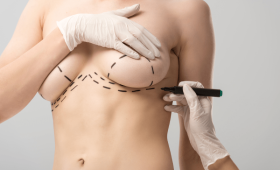
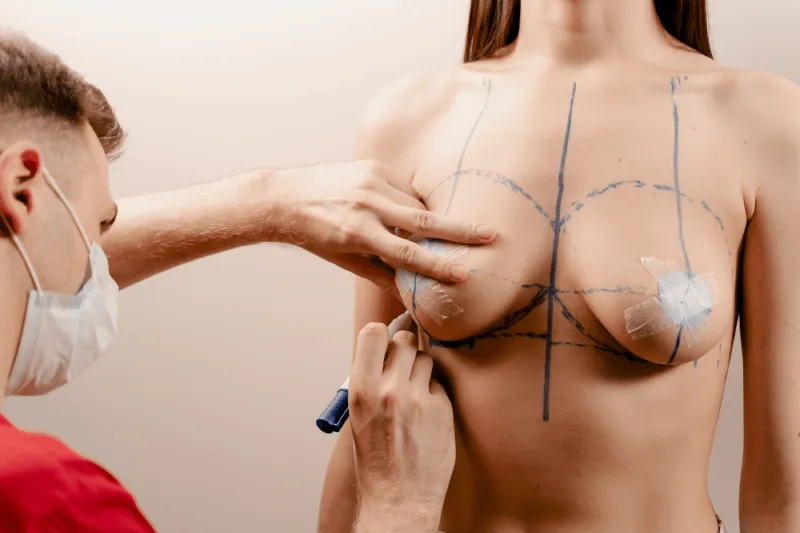
The choice of incision site is perhaps the most critical surgical factor determining future breastfeeding success. Surgeons typically use one of three main approaches: inframammary (under the fold), periareolar (around the nipple), or transaxillary (through the armpit). Each method has different implications for the internal structures of the breast. While all techniques aim to preserve function, some are inherently more invasive toward the milk-delivery system. Discussing your desire to breastfeed with your surgeon before the operation ensures that the chosen incision path minimizes risks to the lactiferous ducts and the nerves surrounding the nipple area.
Is An Inframammary Incision Better For Nursing?
The inframammary incision, located in the fold under the breast, is widely considered the most “breastfeeding-friendly” option. Because the incision is made at the base of the breast, the surgeon can usually navigate behind the glandular tissue without cutting through the milk ducts or the nerves that stimulate milk production. This path provides direct access for implant placement while leaving the nipple-areola complex entirely undisturbed. For women who prioritize the ability to nurse exclusively, this technique offers the highest statistical probability of maintaining a full and healthy milk supply after the augmentation procedure.
How Does A Periareolar Incision Impact The Milk Ducts?
The periareolar incision involves a cut along the border of the nipple’s areola. While this provides excellent concealment of scars, it carries a higher risk of interfering with lactation. This technique often requires the surgeon to cut through some glandular tissue and potentially sever milk ducts or nerves that are essential for the breastfeeding reflex. If these ducts are blocked or the nerves are damaged, the breast may produce milk that cannot be expressed, or the brain may not receive the signal to release milk. However, many skilled surgeons can still perform this method with minimal disruption to the vital structures.
Does Nerve Sensitivity Play A Role In Breastfeeding?
Nerve sensitivity is a vital component of the lactation process. When a baby latches and sucks, nerves in the nipple send signals to the brain to release oxytocin and prolactin, the hormones responsible for milk let-down and production. If these nerves are severed or damaged during surgery, the hormonal feedback loop may be weakened. This can lead to a delayed or insufficient milk supply. While some nerve damage heals over time, it is a significant factor to consider. Surgeons often take great care to avoid the fourth intercostal nerve, which is primary to nipple sensation and the nursing reflex.
Can Submuscular Placement Preserve More Glandular Tissue?
Placing the implant beneath the pectoral muscle (submuscular) is often recommended for women who plan to breastfeed. This method creates a physical barrier—the muscle itself—between the implant and the milk-producing glands. By keeping the implant deeper in the chest wall, there is less direct pressure on the glandular tissue, which can help prevent atrophy or compression of the ducts. Furthermore, submuscular placement often results in a more natural look over time and reduces the risk of capsular contracture, which could otherwise put secondary pressure on the milk-delivery system during the engorgement phase of lactation.
What Are The Risks Of Subglandular Implant Placement?
Subglandular placement involves putting the implant directly behind the breast tissue but in front of the muscle. While this can provide a more immediate “lift” and involves a faster recovery, it places the implant in closer proximity to the milk ducts and glands. The weight and pressure of the implant can occasionally lead to the compression of glandular tissue, potentially reducing its capacity to produce milk. Additionally, if the patient develops capsular contracture, the hardening of the tissue around the implant can interfere with the natural expansion of the breast during nursing, causing discomfort or supply issues.
How Long Should You Wait After Surgery To Get Pregnant?
Medical professionals generally recommend waiting at least six months to a year after breast implant surgery before becoming pregnant. This timeframe allows the body to fully heal, the implants to settle, and the internal scar tissue (the capsule) to mature. Pregnancy brings about rapid hormonal changes and breast enlargement, which can put stress on a fresh surgical site. Waiting ensures that the surgical results are stable and that the breast tissue is in the best possible condition to handle the physiological demands of pregnancy and the subsequent onset of lactation without compromising the aesthetic outcome.
Can Breast Augmentation Cause Mastitis During Nursing?
Mastitis is an inflammation of the breast tissue that often involves an infection, and while it is common among all breastfeeding mothers, those with implants may wonder if they are at higher risk. Having implants does not inherently cause mastitis, but severe engorgement or blocked ducts (which can sometimes be exacerbated by implant pressure) are known precursors. If a woman with implants develops mastitis, it is crucial to seek treatment promptly. In very rare cases, an untreated infection could spread to the implant pocket, but with standard antibiotic treatment and continued nursing or pumping, most women manage the condition successfully.
Does Breast Size Affect Milk Supply After Surgery?
There is a common misconception that larger breasts—whether natural or augmented—produce more milk. In reality, milk supply is determined by the amount of functional glandular tissue, not the overall volume of the breast or the size of the implant. A woman with small implants may have an abundant milk supply, while a woman with large implants might struggle if her glandular tissue was limited or damaged. The “storage capacity” of the breast can be influenced by the space taken up by an implant, but the body usually adapts by adjusting the frequency of milk production to meet the baby’s needs.
Are Saline Implants Safer Than Silicone For Breastfeeding?
Both saline and silicone implants are considered safe for breastfeeding by major health authorities. Saline implants are filled with sterile saltwater, which is harmless even in the extremely unlikely event of a leak into the surrounding tissue. Silicone implants, particularly the newer “gummy bear” varieties, use a cohesive gel that stays together even if the shell breaks. Neither material has been shown to change the composition of breast milk or harm the infant. The choice between saline and silicone should be based on aesthetic preference and your surgeon’s recommendation, rather than concerns about the safety of the milk.
What Is The Impact Of Capsular Contracture On Nursing?
Capsular contracture occurs when the scar tissue around an implant becomes unusually tight and hard. This condition can potentially interfere with breastfeeding by making the breast less flexible and more painful during the engorgement that happens when milk first “comes in.” In some cases, the tightness can compress milk ducts, making it harder for milk to flow freely. However, many women with mild capsular contracture nurse without any problems. If you have significant hardening or pain before pregnancy, it is wise to consult your surgeon to ensure your comfort and functionality during the postpartum period.
How Do Pregnancy Hormones Affect Existing Implants?
Pregnancy hormones, particularly estrogen and progesterone, cause the glandular tissue in the breast to expand and prepare for milk production. This leads to an increase in breast size and weight. If you already have implants, you may feel additional heaviness or tension. The skin and ligaments will stretch to accommodate both the implant and the new milk-producing tissue. While the hormones don’t affect the chemical composition of the implants, the physical stretching can sometimes change the long-term aesthetic result, potentially leading to more sagging (ptosis) after weaning. This is a natural part of the “mommy makeover” cycle.
Is It Normal To Experience Engorgement With Implants?
Engorgement is the swelling and fullness that occurs when milk production ramps up in the days following birth. For women with implants, this sensation can be more intense because the breast has less room to expand. The combination of the implant’s volume and the increased blood, lymph, and milk can make the breasts feel very tight, hard, and uncomfortable. To manage this, frequent nursing, cold compresses, and gentle massage are recommended. Understanding that this is a temporary phase can help mothers with implants push through the initial discomfort and establish a successful breastfeeding routine.
Can Nipple Sensation Be Fully Restored After Augmentation?
Temporary loss of nipple sensation is a common side effect of breast augmentation, but in most cases, feeling returns within a few months. However, if the nerves were severely stretched or cut, some permanent numbness can occur. Since the nipple-areola complex is the primary sensor for the breastfeeding reflex, any permanent loss of sensation can theoretically make it harder for the body to trigger milk production. Fortunately, the body is remarkably resilient, and many women find that even with partial sensation, the physical act of the baby nursing is enough to stimulate the necessary hormonal responses for lactation.
Do Breast Implants Change Position During Lactation?
During the course of breastfeeding, the breasts undergo significant fluctuations in size and weight. This can cause the implants to shift slightly or appear differently than they did before pregnancy. As the breast tissue expands, the implants might seem more integrated, but after weaning, as the glandular tissue shrinks, the implants may appear “higher” or “lower” depending on how much the natural skin has stretched. This change is not a failure of the implant but a result of the natural aging and maternal process. Many women opt for a minor revision or lift after they have finished their breastfeeding journey.
How Do You Know If Your Baby Is Getting Enough Milk?
Whether or not you have implants, the signs of a well-fed baby remain the same. You should monitor the number of wet and dirty diapers (usually 6-8 wet diapers a day after the first week), the baby’s weight gain, and their overall demeanor after feedings. A baby who is getting enough milk will typically seem satisfied and relaxed after a session. If you have concerns that your implants are limiting your supply, working closely with a pediatrician and a lactation consultant is essential. They can provide weight checks and “weighted feeds” to give you peace of mind and data-driven results.
Should You Mention Your Implants To A Lactation Consultant?
Absolutely. Transparency with your healthcare team is vital for receiving the best possible support. A lactation consultant who knows you have implants can tailor their advice to your specific situation. They can help you with positioning to minimize pressure on the implants, monitor for signs of blocked ducts more closely, and provide specialized techniques to manage engorgement. There is no shame in having had cosmetic surgery, and being open about it allows your support system to provide the most effective strategies for your unique anatomy and goals.
Can Breast Lift Surgery Be Combined With Augmentation?
Many women choose to combine a breast lift (mastopexy) with augmentation to address both volume loss and sagging. This is often referred to as an “augmentation-mastopexy.” While this procedure provides comprehensive aesthetic results, it is more invasive than a simple augmentation. Because a lift involves repositioning the nipple and removing excess skin, the risk of disrupting the milk ducts and nerves is slightly higher. If you plan to have more children and wish to breastfeed, you should discuss the timing of this combined procedure with your surgeon, as the results are often best preserved if the surgery is performed after you are done having children.
How Does A Breast Lift Affect Future Breastfeeding?
A breast lift primarily focuses on the skin and the position of the nipple-areola complex. The impact on breastfeeding depends on the technique used. In a “lollipop” or “anchor” lift, the surgeon must move the nipple, which can involve cutting through some of the internal tissue. While modern techniques aim to keep the nipple attached to a “pedicle” of tissue containing nerves and ducts, there is a risk of reduced milk production or expression. Women who have had a lift may need to be more vigilant about their supply and may benefit from early intervention by a lactation specialist to ensure the baby is thriving.
What Are The Signs Of Compromised Milk Ducts?
If milk ducts have been compromised during surgery, the most common sign is a persistent area of hardness or localized engorgement that does not soften after the baby nurses. This happens because the milk is being produced in the glands but has no path to exit the nipple. If you notice “islands” of hard tissue while the rest of the breast is soft, it could indicate surgical blockage. In such cases, it is important to monitor for signs of infection (redness, fever) and work with a professional to see if the milk can be redirected or if supplementation is necessary to ensure the baby’s health.
Is Exclusive Breastfeeding Possible With Implants?
Yes, exclusive breastfeeding is entirely possible for the vast majority of women with implants. Success depends on a combination of surgical history, proper latch, and the mother’s determination. Many women go on to nurse their babies for six months, a year, or even longer without ever needing to supplement with formula. The key is to start nursing as soon as possible after birth, ensure a deep and comfortable latch, and feed on demand to build a robust supply. While some may need to supplement, having implants should never discourage a mother from attempting to breastfeed exclusively if that is her goal.
How Does Previous Breast Surgery Affect Colostrum Production?
Colostrum, the nutrient-rich “liquid gold” produced in the first few days after birth, is usually unaffected by breast implants. The production of colostrum is triggered by the hormonal shift that occurs when the placenta is delivered. Even if a woman has reduced milk-producing tissue later on, she can almost always provide her baby with this vital early immunization and nutrition. The volume of colostrum is small by nature, so the physical presence of an implant or potential duct issues are less likely to interfere with this initial stage compared to the later stage of mature milk production.
Can Pumping Be More Difficult With Breast Implants?
Pumping is a useful tool for many mothers, but those with implants might find it slightly different. Because the implant takes up space within the breast, finding the right flange size and suction level is crucial for comfort and efficiency. Some women find that the pressure from a breast pump can cause minor discomfort if the implant is very large or if there is capsular contracture. However, with the right equipment and a proper fit, pumping can be just as effective for women with implants. It can also be a great way to monitor exactly how much milk is being expressed if there are concerns about supply.
Are There Specific Breastfeeding Positions For Women With Implants?
While there aren’t “mandatory” positions, some may be more comfortable than others. The football hold or the side-lying position can often reduce the amount of direct pressure on the breast tissue, which can be helpful if you are experiencing engorgement or if your implants feel heavy. These positions allow for a clearer view of the latch and can help ensure that the baby is not compressing the breast in a way that blocks the flow of milk. Experimenting with various holds and using supportive pillows like a Boppy or My Brest Friend can make a significant difference in your comfort level.
What Should You Discuss With Your Plastic Surgeon Initially?
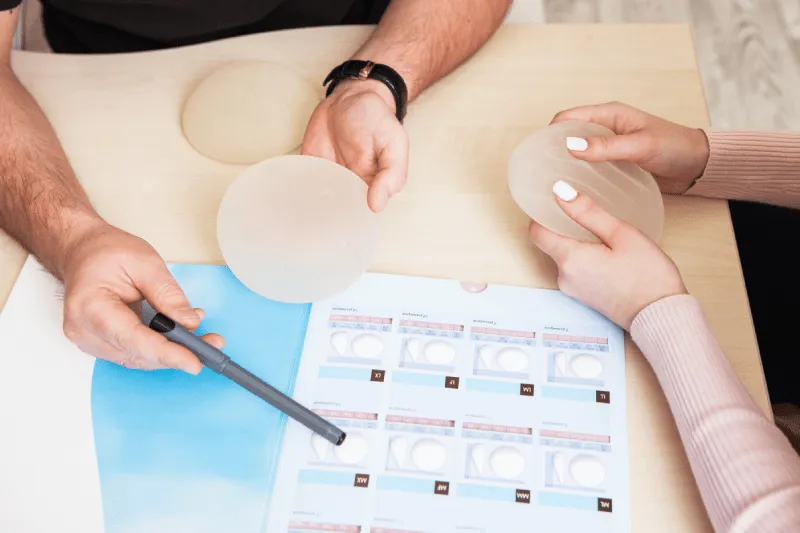
If you are planning a breast augmentation and want to keep the door open for future breastfeeding, you must be proactive. Tell your surgeon explicitly about your plans. Ask them about their preferred incision technique, where they plan to place the implant (submuscular vs. subglandular), and their track record with patients who have successfully nursed. A good surgeon will prioritize your long-term functional goals alongside your aesthetic desires and will choose the most conservative approach possible to protect your milk ducts and nerves. This initial conversation sets the stage for a satisfying outcome in both areas of your life.
Does Age At The Time Of Surgery Influence Future Nursing?
The age at which you have surgery doesn’t directly dictate your breastfeeding success, but it can play a role in how the breast tissue responds. Younger women may have denser breast tissue, while older women might have more fatty tissue. Furthermore, the length of time you have the implants before getting pregnant can affect the maturity of the scar tissue around the implant. However, the most important factor remains the surgical technique used. Whether you had surgery at 20 or 35, the preservation of the internal anatomy is the primary determinant of how your body will function during the lactation period.
Can Breast Massage Help Maintain Milk Flow?
Breast massage is a highly recommended technique for all nursing mothers, especially those with implants. Gentle massage before and during a feeding or pumping session can help stimulate the let-down reflex and encourage milk to move through the ducts more efficiently. For women with implants, massage can also help alleviate the feeling of tightness and prevent the formation of blocked ducts or mastitis. Using a warm compress before massage can further enhance its effectiveness. It is a simple, non-invasive way to support your body’s natural processes and maintain a steady flow of milk for your baby.
What Are The Psychological Benefits Of Successful Breastfeeding?
For many women, the ability to breastfeed after cosmetic surgery provides a profound sense of empowerment and reconciliation between their aesthetic choices and their biological roles. It can boost self-esteem and help mitigate any “mom guilt” associated with having had surgery. The bonding experience of nursing is a powerful psychological tool that fosters a deep connection between mother and child. Successfully navigating breastfeeding with implants proves that you can care for your personal confidence while also providing the best for your child, creating a balanced and positive outlook on motherhood and self-image.
How Can You Prepare Mentally For Nursing Post-Surgery?
Mental preparation involves gathering information and managing expectations. Understand that while challenges may arise, they are often manageable. Read books, join support groups for mothers with implants, and speak with professionals early on. Knowing the signs of success and the potential hurdles allows you to approach breastfeeding with a proactive rather than a reactive mindset. Remind yourself that even if you need to supplement, the effort you put into nursing is valuable. A flexible attitude, combined with solid information, is the best way to ensure a positive and stress-free breastfeeding journey.
Why Is Professional Guidance Essential For New Mothers?
Navigating the early weeks of motherhood is challenging for everyone, but when you add the layer of previous breast surgery, expert guidance becomes even more valuable. Pediatricians, lactation consultants, and even your plastic surgeon can provide a multi-faceted support system. They can help you troubleshoot issues like poor latch, low supply, or surgical discomfort before they become overwhelming. Early intervention is often the key to long-term breastfeeding success. Having a team of professionals to turn to gives you the confidence to trust your body and make the best decisions for your baby’s health.
What Are The Common Myths About Implants And Nursing?
There are many myths that can cause unnecessary worry. One common myth is that implants will “explode” or “pop” due to the pressure of milk; this is physically impossible. Another is that the milk will taste like plastic or be “toxic,” which has been debunked by numerous scientific studies. Some believe that if you have implants, you can only nurse for a few weeks, but many women nurse for years. Debunking these myths is essential for reducing anxiety. By focusing on facts rather than hearsay, you can approach your nursing journey with a clear mind and a focus on what truly matters: the health and happiness of you and your baby.
Why Should You Choose Cure Holiday For Your Medical Journey?
When it comes to sensitive procedures like breast augmentation, the quality of care and the expertise of the surgical team are paramount. Cure Holiday stands out as a premier provider of medical tourism, offering world-class surgical expertise in a supportive and luxurious environment. We understand that your goals are not just aesthetic but also functional. By choosing Cure Holiday, you are opting for surgeons who utilize the latest, most conservative techniques designed to preserve your natural anatomy, including your ability to breastfeed. Our commitment to excellence ensures that you receive a personalized treatment plan that respects your future as a mother.
How Does Cure Holiday Support Your Aesthetic And Health Goals?
At Cure Holiday, we believe that you shouldn’t have to choose between looking your best and functioning your best. Our team of board-certified surgeons specializes in “breast-friendly” augmentation techniques, prioritizing inframammary incisions and submuscular placement to protect your milk ducts and nerves. Beyond the operating room, Cure Holiday provides comprehensive consultations to discuss your family planning and nursing desires. We take the time to listen to your concerns and provide honest, data-backed advice. Our goal is to enhance your confidence today while ensuring your body is ready for all the milestones of tomorrow, including the joys of motherhood.
What Makes Cure Holiday The Best Choice For Post-Op Care?
Recovery is a critical phase of any surgical journey, and Cure Holiday excels in providing a seamless, stress-free healing experience. Our all-inclusive packages handle every detail, from comfortable accommodations to personalized follow-up care. This level of support is especially important for women who want to ensure their breasts heal perfectly for future functionality. We provide detailed post-operative instructions and are always available to answer questions about how your recovery might intersect with future life events like pregnancy. With Cure Holiday, you are never alone; you are supported by a team that cares about your long-term well-being and satisfaction.
Are You Ready To Start Your Transformation With Cure Holiday?
Your journey toward a more confident version of yourself begins with a single step. Whether you are looking for a subtle enhancement or a more dramatic change, Cure Holiday is here to guide you through every stage of the process with professionalism and compassion. We invite you to contact us for a consultation where we can address all your questions about breast implants and their impact on your life and future family. Don’t let uncertainty hold you back from achieving your dreams. Partner with Cure Holiday and experience the perfect blend of medical expertise, aesthetic artistry, and dedicated patient care.
In conclusion, while breast implant surgery does involve certain considerations for breastfeeding, it is by no means an insurmountable obstacle. By choosing the right surgical techniques, working with experienced professionals like those at Cure Holiday, and seeking early lactation support, you can successfully navigate both your aesthetic and maternal journeys. Your body is capable of incredible things, and with the right information and care, you can enjoy the confidence of your implants and the beauty of nursing your child.
Free Consultation
Fill out the form below to get your free medical travel plan and price quote.