Is Botox Really Snake Venom?
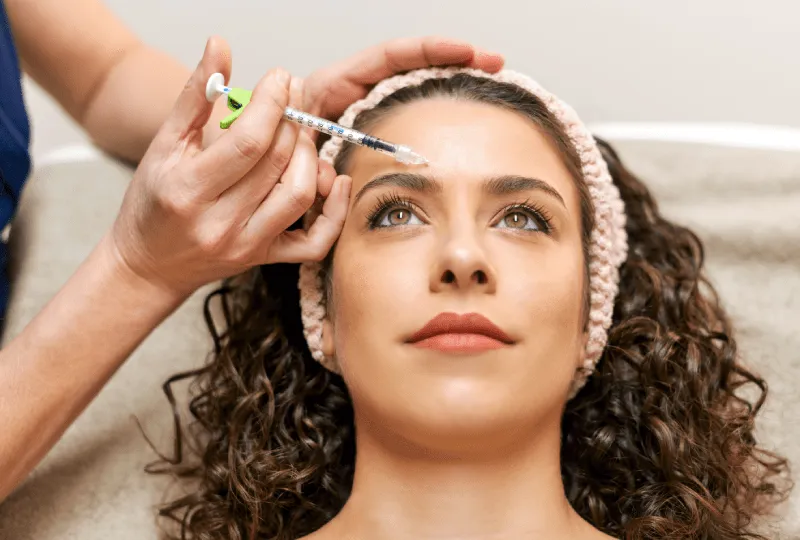
One of the biggest aesthetic myths that has persisted for years is the claim that Botox is derived from snake venom. However, scientific reality is quite different from this. Botox is a purified protein obtained from a bacterium called “Clostridium botulinum” under laboratory conditions. It has no biological connection with snakes or their venom. This misconception likely stems from the similarity between Botox’s effect of temporarily relaxing muscles and the nerve-paralyzing properties of certain snake venoms. Botox used in modern medicine is a medical product whose safety has been proven, passing through completely controlled production processes.
What Exactly Is Botulinum Toxin?
Botulinum toxin is a natural protein produced by a bacterium commonly found in nature. This substance is a neurotoxin that has revolutionized the world of medical aesthetics. Its primary function is to stop the muscle contraction signal by preventing the release of acetylcholine from nerve endings in the area where it is applied. When used in a purified form, it only shows its effect in the small area where it is injected. Scientists have succeeded in transforming this toxin into a safe form that serves human health and aesthetic goals by isolating and processing it. The fact that it is one of the most applied cosmetic procedures in the world today proves the success of this protein.
Why Did the Botox and Snake Venom Myth Arise?
The origin of this myth spread among the public is based on the misinterpretation of Botox’s working principle. The venom of some snake species blocks nerve-muscle transmission to immobilize their prey. Since Botox restricts muscle movements with a similar mechanism, an erroneous link has been established between these two substances through marketing strategies or hearsay. Additionally, the launch of cosmetic products such as “snake venom effect creams” has caused confusion in consumers’ minds between these two concepts. However, Botox is not an animal product but a product of microbiological synthesis.
Is Botox a Bacterial Product?
Yes, Botox is a biological product of entirely bacterial origin. The toxin released as a result of the fermentation process of the Clostridium botulinum bacterium is purified with high technology in special laboratories. In this process, the bacterium itself is not used, but only the toxin in the protein structure it produces. This substance, which is purified from all kinds of foreign substances and impurities during the production stage, is divided into doses suitable for medical use. The bacterial origin of a product allows it to maintain its naturalness while also being scientifically standardized. In this way, the same safe and predictable results are obtained in every application.
What Is Clostridium Botulinum Bacteria?
Clostridium botulinum is a gram-positive, rod-shaped bacterium species that lives in oxygen-free environments. It is widely found in nature in soil, and in sediments at the bottom of lakes and seas. This bacterium has the ability to produce botulinum toxin when appropriate conditions occur. When the medical world discovered the potential of this bacterium, it transformed it from its harmful effects into a beneficial treatment tool. Today, the bacterial strains used in Botox production are cultured in facilities with the highest safety standards. Although the presence of the bacterium in nature seems frightening, its derivatives produced in controlled environments offer healing and beauty to millions of people.
Is Botox Produced in a Laboratory Environment?
Botox production is a highly complex process carried out in the world’s most advanced and sterile laboratory environments. The production process covers the stages from culturing the bacteria to purifying the toxin, crystallizing it, and freeze-drying (lyophilization). The amount of active substance inside each vial is measured with precision at the nanogram level. This precision guarantees both the safety and effectiveness of the product. It is impossible to produce Botox in non-laboratory or sub-standard conditions; therefore, the use of only FDA or Ministry of Health-approved original brands is of vital importance.
Where Does the Medical History of Botox Date Back To?
The discovery journey of Botox dates back to the early 1800s, to the research of sausage poisonings. However, its use in modern medicine began in the 1960s with Dr. Alan Scott’s studies on strabismus treatment. Initially known as “Oculinum,” this substance was used to eliminate excessive contractions in the eye muscles. It was approved for medical use by the US Food and Drug Administration (FDA) in 1989 and reached a wide range of use in neurological and aesthetic fields over time. The historical process shows that Botox is the result of meticulous academic research rather than a accidental discovery.
What Was Botox Originally Used For?
Contrary to popular belief, the first clinical applications of Botox were not aesthetic but entirely treatment-oriented. It entered the literature as a non-surgical solution for eye diseases such as strabismus (crossed eyes) and blepharospasm (eyelid spasm). Low doses injected into the eye muscles prevented the muscles from becoming overactive, allowing the eyes to stand parallel. This success gave rise to the idea that the drug could also be used in other diseases involving muscle spasms. Used only by ophthalmologists and neurologists in the early periods, this substance has found a place in almost every branch of medicine over time and has become an important tool that increases human quality of life.
How Was the Cosmetic Use of Botox Discovered?
Cosmetic Botox applications were discovered as a result of a medical coincidence. At the end of the 1980s, Dr. Jean Carruthers, who applied Botox for eyelid spasms, noticed that her patients’ lines between the eyebrows (glabella) decreased as a side effect. Together with her husband, dermatologist Dr. Alastair Carruthers, they turned this observation into a scientific research project. The studies proved how effective Botox is in eliminating dynamic wrinkles and this situation started a new era in the aesthetic world. With the official approval of the FDA for cosmetic use in 2002, Botox became a worldwide phenomenon.
How Does Botox Affect Muscles?
Botox works by temporarily stopping the movement of the muscles in the area where it is injected. Muscles normally contract via chemical messages (acetylcholine) from nerves. Botox blocks the receptors that allow this message to reach the muscle cell. As a result, the muscle goes into “rest” mode and the skin layer above it also relaxes. This mechanism allows for the smoothing of lines formed especially due to facial expressions. The muscle does not become completely non-functional, only its response to the signal weakens. This effect disappears naturally after a few months as the body produces new nerve endings and the muscle regains its old mobility.
How Does Botox Stop Nerve Transmission?
Botox works like a molecular blocker at the level of the neuromuscular junction. It prevents the vesicles containing acetylcholine at the tip of the nerve cell from merging with the cell membrane. It does this by disabling a special protein complex called “SNARE.” Since the signal transmitters cannot be released, the “contract” command does not reach the muscle cell. This process does not cause permanent damage to the nerve cell itself; it only suspends communication temporarily. Scientifically, this condition is called “chemodenervation.” The nerve ending eventually repairs itself and transmission starts again, which is why the effect of the procedure is temporary.
Is Botox Application a Permanent Procedure?
Botox application is definitely not a permanent procedure. The body breaks down and excretes botulinum toxin over time through natural metabolic processes. At the same time, nerve endings establish new connections with the muscle through a process called “sprouting,” re-establishing communication. Generally, the peak of the effect is seen in the 2nd week, while muscle movements slowly start to return from the 3rd month. Between 4 and 6 months, the effect disappears completely. This transience is actually one of the greatest safety advantages of Botox; because undesirable results or rare side effects have the feature of resolving on their own.
What Factors Determine the Duration of Botox Effect?
The duration of Botox’s permanence varies from person to person and from application to application. The first factor is the person’s metabolic rate; in athletes and those with a fast metabolism, the body may break down the drug more quickly. The second factor is the amount of the dose applied and the quality of the product used. Thirdly, the strength and frequency of use of the muscles in the application area are important; the duration may be slightly shorter in people who make very strong facial expressions. In addition, environmental factors, smoking, and excessive exposure to sunlight can also affect the life of Botox. It is observed that the duration of effect extends over time in regular users as the muscles weaken.
Is Botox Used Only for Wrinkles?
Although Botox is known as a wrinkle remover among the public, it is actually a versatile drug used in many areas of medicine. Its non-cosmetic uses are much broader than its cosmetic applications. It plays a key role in the treatment of dozens of different ailments from chronic pain to overactive bladder in branches such as neurology, urology, ophthalmology, and general surgery. Modern medicine has positioned Botox as a reliable agent in the treatment of medical conditions that seriously impair quality of life, beyond being an “aesthetic wizard.” Therefore, Botox is not only for those who want to get younger but also a hope for patients who want to regain their health.
What Are Medical Botox Applications?
Medical Botox applications are a standard treatment method in many muscle and nervous system diseases that make life difficult. These include; involuntary contraction of the neck muscles (cervical dystonia), excessive muscle stiffness in the limbs (spasticity), vocal cord disorders, chronic anal fissures, and overactive bladder syndrome. It also offers non-surgical solutions for eye diseases such as strabismus and blepharospasm. In these treatments, Botox relieves the patient’s pain, increases mobility, and facilitates adaptation to social life. In medical applications, doses and application points differ from cosmetic use and are generally performed by relevant specialist physicians.
Is Botox Effective in Sweating Treatment?
Botox is one of the most effective and comfortable treatment methods for people suffering from excessive sweating (hyperhidrosis). When applied to areas such as the armpits, palms, and soles of the feet, it blocks the nerve signals that stimulate the sweat glands. In this way, sweat production decreases by 80% to 90%. Especially in underarm sweating, which negatively affects social life and clothing choices, a single session provides dryness for about 6-9 months. The nightmare of sweating ends with only a 15-minute injection process without the need for surgical interventions. This application is a medical miracle that increases the person’s self-confidence and maximizes daily comfort.
Is Botox Used in Migraine Treatment?
For chronic migraine patients, Botox is an FDA-approved preventive treatment method. In patients who suffer from headaches 15 days or more per month, Botox applied to specific points in the head and neck region prevents pain signals from reaching the brain. In this way, the frequency, severity, and duration of attacks are significantly reduced. Many patients are able to reduce or completely stop daily medication use after Botox treatment. Migraine Botox is not just a painkiller; it raises the brain’s pain threshold by reducing inflammation at the nerve endings. When done at regular intervals (usually every 3 months), it gives very successful results in breaking the chronic pain cycle.
What Is Masseter Botox for Teeth Grinding?
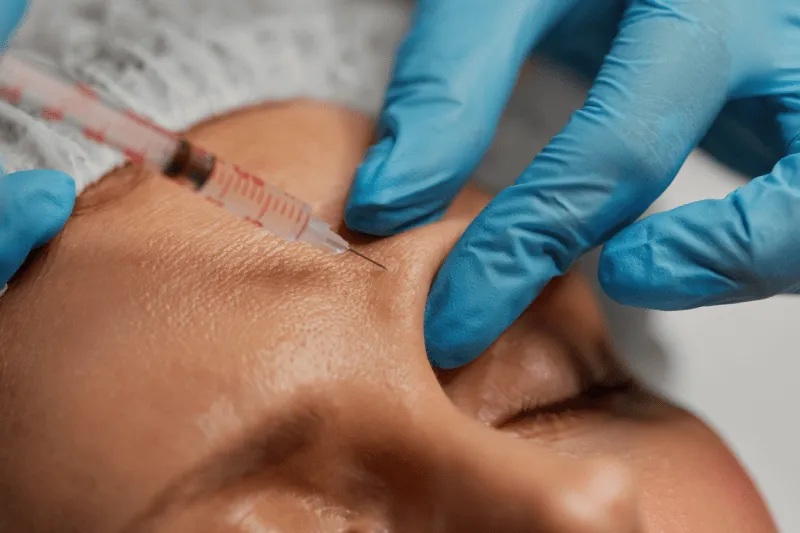
Masseter Botox is a procedure applied to the masseter muscle located at the corner of the jaw, which solves the problem of teeth grinding (bruxism). In people who clench or grind their teeth at night, this muscle grows excessively, both damaging the teeth and causing the lower part of the face to appear more square/masculine. With Botox injection, the strength of the muscle is reduced, so the patient cannot clench their teeth violently even if they want to. This prevents jaw joint pains, morning fatigue, and tooth wear. In addition, aesthetically, it allows the jawline to thin and the face to gain a more “V”-shaped, elegant appearance. It is both a functional and aesthetic solution.
Is Botox Application a Painful Procedure?
Botox application is a minimally invasive procedure and is generally described with a pain sensation as small as a “mosquito bite.” The needles used during the application are even thinner and more delicate than insulin needles. Local anesthetic creams or ice compresses applied to the area before the procedure reduce sensitivity to almost zero. Each of the injections takes only a few seconds and the entire process is completed within 10-15 minutes. The vast majority of patients can return to their daily lives immediately without the need for any painkillers. Very mild tingles that may occur after the procedure pass spontaneously within minutes.
Does Facial Expression Disappear After Botox?
The fear of a “frozen face” or “expressionless look” is a prejudice usually caused by applications made with wrong doses and incorrect techniques. A professional Botox application performed by correct hands never spoils the facial expression or completely destroys mimics. The goal is to soften the excessive muscle movements that cause the person to look tired and angry, but to protect their natural character. With techniques such as “Baby Botox” or “Natural Botox,” not 100% of the muscles, but only a part of them are relaxed. Thus, the person can smile, be surprised, and reflect all their emotions; only deep lines do not form during these movements. The natural result is a face that “does not show what was done but looks more vigorous.”
Does Botox Carry a Risk of Poisoning?
The risk of Botox causing poisoning (botulism) at aesthetic doses is theoretically almost non-existent. The amount that can cause medical poisoning is hundreds of times the amount used in cosmetic applications. Botox is a purified product that only acts locally and has a minimal rate of entering the blood. When FDA-approved original products are used and the application is performed by a specialist physician, a systemic side effect is not expected. The fear of poisoning usually stems from confusing it with the raw form of botulinum toxin that grows in spoiled canned foods. However, medical Botox is a controlled drug whose safety has been tested for decades.
What Are the Chemical Differences Between Snake Venom and Botox?
At the chemical level, snake venom and Botox belong to completely different worlds. Snake venom is a complex mixture containing hundreds of different complex proteins and peptides, from digestive enzymes to blood coagulants. Its aim is to create tissue damage or immediately paralyze the prey. Botox, on the other hand, consists of a single pure protein (Botulinum Toxin Type A). Botox does not create tissue damage, it only temporarily stops the nerve signal. While most types of snake venom can leave irreversible damage, Botox has a completely reversible mechanism. One is a natural defense and attack weapon, while the other is a drug refined in a laboratory environment for human benefit.
Is Botox Safe During Pregnancy?
Botox application during pregnancy is not recommended due to medical ethical rules. There are not enough clinical studies examining the effects of Botox on pregnant women. Even if Botox remains in the area where it is injected, it is not possible to completely exclude potential risks to the baby. For this reason, it is the safest approach for women who suspect pregnancy or whose pregnancy is confirmed to postpone aesthetic Botox applications until after delivery and after breastfeeding ends. The baby’s health comes before any aesthetic concerns. If it is necessary due to a medical necessity (severe disease), only the obstetrician and the relevant branch physician should decide on this together.
Can Breastfeeding Mothers Get Botox?
While there is no full consensus in the medical world on whether Botox can be done during breastfeeding, the general trend is towards being “cautious.” Although there is no definite evidence as to whether the drug passes into milk, it is recommended to wait until the breastfeeding process is completed to avoid potential risks. Many experts emphasize that any toxin or drug application should be avoided in the first months when the baby’s development is most critical. Mothers not putting themselves and their babies at risk during this period and planning aesthetic touches for the post-breastfeeding period is the most correct way for both peace and safety.
From What Age Can Botox Application Be Performed?
Although the legal lower limit for Botox application is usually 18, the starting age for aesthetic purposes varies according to the person’s skin structure and mimic use. Today, with the “preventative botox” approach, starting in the late 20s or early 30s before the lines deepen is quite popular. If the person frowns a lot or moves their forehead a lot, Botox started at an early age prevents these areas from permanently wrinkling. However, it is not recommended to do it at very early ages when there is no need, just because it is fashion. A specialist physician will make the healthiest decision whether the time for application has come by analyzing the skin.
What Are the Side Effects of Botox?
Like any medical procedure, Botox can have some side effects, but these are usually mild and temporary. The most common ones are; slight redness, bruising, or small swellings at the injection site. Some people may have a mild headache for a few hours after the procedure. In rare cases, temporary drooping of the eyebrow or eyelid (ptosis) may be seen as a result of the drug spreading to neighboring muscles. This situation usually resolves spontaneously within a few weeks. Serious allergic reactions are extremely rare. The way to minimize all these risks is to have the procedure done by a specialist doctor who knows the anatomy very well in a sterile environment.
Does Botox Cause Paralysis?
The expression “Botox paralyzes the face” among the public is an exaggeration caused by a misunderstanding of the procedure’s working mechanism. Botox does not create permanent paralysis; it only creates a temporary movement restriction in a targeted small muscle. This restriction is an intentional effect and the main purpose of the treatment. There is no permanent damage, melting, or loss of function in the structure of the nerves or muscles. When the body eliminates the drug, everything returns to its old state. Therefore, Botox should not be confused with paralysis, which is a “disease state”; on the contrary, it is a scientific balancing method that keeps muscle movements under control.
Is Botox a Filler That Swells the Face?
Botox and fillers are two different concepts most often confused in the aesthetic world. Botox definitely does not swell the face, does not give volume, and does not plump the lips. Botox only softens muscle movements and smooths wrinkles. If fullness, volume increase, or contour changes are seen in an area of the face, this is the result of hyaluronic acid-based “filler” substances, not Botox. Your face does not look wider or more swollen after Botox; it just looks smoother and more rested. Although these two procedures complement each other, their effects and usage aims are poles apart.
What Are the Main Differences Between Botox and Fillers?
To understand the difference between Botox and fillers, it is necessary to know the “dynamic” and “static” wrinkle distinction. Botox is applied to the muscles to treat “dynamic” lines (frowning, forehead lines, crow’s feet) that occur when making facial expressions. Fillers, on the other hand, are applied under the skin to fill deep grooves that exist even when the face is motionless, to define lips, or to lift sunken cheeks. Botox stops nerve transmission, while fillers replace lost volume. While the effect of Botox lasts 4-6 months, the life of fillers can vary between 6-18 months depending on the material used. A combination of both methods is usually preferred for a young and fresh look.
What Should Be Considered Before Botox Application?
For a safe Botox process, it is useful to make some small preparations before the application. At least 3-5 days before the procedure, the consumption of blood-thinning medications (aspirin etc.), vitamin E, omega-3, and substances such as green tea should be stopped; this significantly reduces the risk of bruising. It is preferred to have clean skin and go without makeup on the application day. In addition, alcohol should not be taken before the procedure. If you have a herpes problem or a medication you use regularly, you must inform your physician about this. Most importantly, it is to be sure about the reliability of the clinic where the procedure will be performed and the experience of the physician in advance.
What Should Not Be Done After Botox?
The first 4-6 hours after Botox are critical for the drug to be fixed in the injected muscles. During this period, you should not lean forward, you should not go to a lying position, and heavy sports should not be done. The area where the procedure was performed should definitely not be massaged and rubbed; otherwise, the drug may spread to unwanted muscles. For the first 24 hours, hot baths, saunas, Turkish baths, or excessively hot environments under the sun should be avoided. Very hard pressure should not be applied to the skin. Alcohol consumption is not recommended on the first day as it can increase the risk of edema. Following these simple rules guarantees the success of Botox and the absence of side effects.
Why Do Botox Prices Vary?
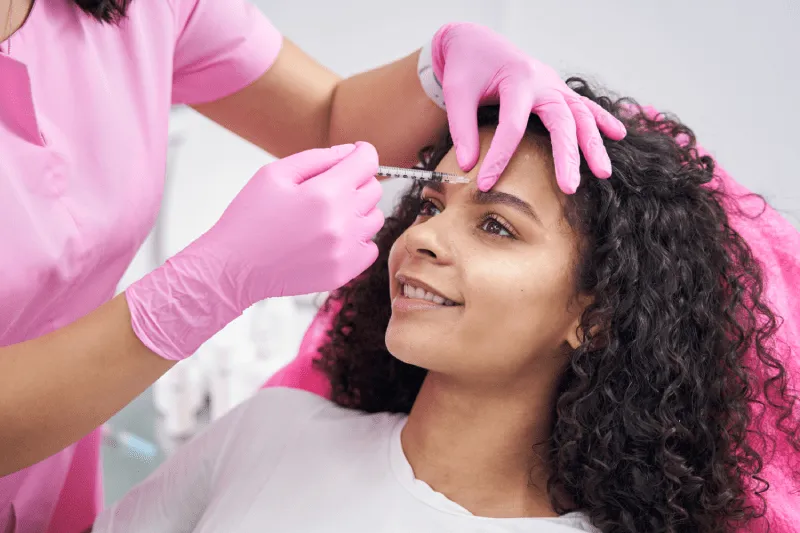
Differences between Botox prices are usually directly related to the brand of the product used, the amount (number of units), and the experience of the physician performing the application. World-famous and reliability-approved original Botox brands are high-cost biotechnological products. Applications offered very cheaply on the market usually indicate the use of fake products known as “Chinese botox” or very low doses and are risky for health. In addition, the anatomical knowledge and application art of a specialist doctor are also reflected in the price. It should not be forgotten that Botox is not a “commodity” but a medical art and your health is too valuable to be entrusted cheaply.
What Are the Quality Botox Brands?
There are a limited number of Botox brands worldwide whose reliability has been proven and which have been approved by official authorities. The most well-known of these is the “Botox” brand belonging to the Allergan company, which gives the procedure its name. Another much-preferred brand with a rapid onset of effect is the “Dysport” product of the Galderma company. In addition, “Xeomin” (Merz) is another important brand that stands out with its purity. The common feature of these brands is that the protein structure in their content is stabilized and the risk of allergy is minimized. It is your consumer right to ask which brand is used in the clinic where you will have the application and to ask for the vial to be opened in your presence.
Why Should a Specialist Doctor Be Preferred?
Botox is not a simple needle stroke, but a medical intervention that requires deep knowledge of facial anatomy. There are dozens of small muscles in our face and each of them has a different depth and function. Injections made into the wrong muscle or wrong depth can lead to asymmetries, drooping eyelids, or a frozen look. A specialist dermatologist or plastic surgeon evaluates your muscle structure, skin type, and aesthetic needs as a whole. Complication management and natural results are only possible in experienced hands. To protect your health and your face, certified physicians and licensed clinics should be your only choice.
How Is Safe Botox Applied with Cure Holiday?
If you are looking for trust and quality together in your aesthetic journey, Cure Holiday is the right address for you. Cure Holiday transforms Botox applications into an art with its modern clinics serving at international standards and its experienced physician staff, each specialized in their field. The process starts with a detailed analysis of your aesthetic expectations. Doses planned completely specifically for the person are applied with the highest quality and original products. In Cure Holiday points where hygiene and patient comfort are prioritized, you can enjoy getting younger without feeling any pain during the procedure. Our professional approach manages all your follow-up processes meticulously by being by your side after the procedure as well.
What Are the Advantages of Cure Holiday in Medical Tourism?
Aiming to be a world brand in health tourism, Cure Holiday offers not just a treatment but a holistic comfort experience. For our guests coming from home or abroad, we turn your treatment process into a holiday with our VIP transfer services, luxury accommodation options, and professional guidance support. Even for short-term procedures such as Botox, our boutique service approach makes you feel special. Thanks to the use of the most advanced technological devices and our internationally certified physicians, you experience Turkey’s power in the field of health with the assurance of Cure Holiday. By offering quality service at accessible costs, we ensure that you reach your aesthetic goals safely.
How Is the Treatment Process Planned with Cure Holiday?
Starting the journey of change with Cure Holiday is extremely easy and transparent. In the first step, when you contact us through our digital channels, our professional consultants welcome you. A free preliminary evaluation is made in line with your needs and the most appropriate treatment plan is created. After your appointment date is determined, all organization (travel, accommodation, and transfer) is meticulously coordinated by our team. From the moment you step into the clinic, the application is performed as a result of the consultation you will have with our specialist doctors. You are informed at every stage of the process, you do not encounter any surprise costs, and you feel at home.
How Do You Start Your Aesthetic Journey with Cure Holiday?
Entrusting your beauty and health to expert hands is one of the most important decisions in your life. As Cure Holiday, we are aware of this responsibility and we are here to offer you the natural youth you dream of. To get detailed information about our Botox and all other medical aesthetic applications, to examine our case studies, and to benefit from our special offers, you can visit our website or contact our call center. Remember, Botox is not a snake venom, but a youth elixir blended with science; the one who will use this elixir in the most correct way is Cure Holiday expertise. Take a step today and crown your smile in the mirror with us.
Free Consultation
Fill out the form below to get your free medical travel plan and price quote.