The Rising Tide of Medical Tourism & the Appeal of Turkey for Abdominoplasty
The pursuit of aesthetic surgery, particularly procedures like the tummy tuck (abdominoplasty), has fueled a significant rise in medical tourism globally. Patients are increasingly looking beyond their national borders for high-quality care at competitive prices. Turkey has rapidly emerged as a premier destination, consistently ranking among the top choices for individuals seeking cosmetic procedures. This isn’t merely due to cost savings; Turkey boasts a robust healthcare infrastructure featuring JCI-accredited hospitals – a testament to internationally recognized standards of patient safety and care – and a wealth of highly experienced, board-certified surgeons specializing in abdominoplasty. The combination of skilled medical professionals, modern facilities, and a commitment to patient wellbeing makes Turkey an attractive and increasingly popular option for those considering a tummy tuck. This article will delve specifically into scar minimization techniques employed during abdominoplasty in Turkey, a critical consideration for many patients.
Understanding that the visible scar is a primary concern for many prospective abdominoplasty patients, Turkish surgeons have become adept at employing innovative techniques specifically designed to minimize scarring and optimize aesthetic outcomes. This focus extends beyond the surgical procedure itself and includes meticulous pre-operative planning, intra-operative precision, and dedicated post-operative care.
Why Scar Minimization Matters in Abdominoplasty
A tummy tuck, while incredibly effective in removing excess skin and fat and tightening abdominal muscles, inevitably results in a scar. The length and visibility of this scar are major factors influencing patient satisfaction. A well-executed abdominoplasty prioritizes not just a flatter, firmer abdomen, but also a scar that is as discreet and aesthetically pleasing as possible. Several factors contribute to scar quality, including:
- Individual Healing Capacity: Each person heals differently. Genetic predisposition, lifestyle factors (smoking, nutrition), and overall health play crucial roles.
- Surgical Technique: The surgeon’s skill and choice of technique directly impact scar formation.
- Wound Closure Method: The type of sutures used and the precision with which the skin is closed are vital.
- Post-Operative Care: Proper wound care and adherence to post-operative instructions are essential for optimal healing.
Abdominoplasty Techniques & Their Impact on Scarring
There are various abdominoplasty techniques, each with its own implications for scar length and placement. The choice of technique depends on the extent of excess skin and muscle laxity, as well as the patient’s anatomy and desired outcome. Turkish surgeons meticulously evaluate each patient to determine the most suitable approach. Here are some commonly employed techniques:
- Full Abdominoplasty: This is the most comprehensive approach, addressing significant excess skin and muscle weakness. It typically results in a horizontal scar spanning from hip to hip, just above the bikini line.
- Mini Abdominoplasty: Suitable for patients with less excess skin and primarily concerns about lower abdominal laxity. The incision is shorter, leading to a smaller scar.
- Extended Abdominoplasty: Addresses excess skin extending around the flanks (love handles). The incision extends further around the body, potentially resulting in a longer scar but achieving a more contoured result.
- Float Abdominoplasty: This technique aims to minimize tension on the scar by carefully manipulating the abdominal flap, potentially leading to a less raised and more natural-looking scar.
Scar Minimization Strategies Employed by Turkish Surgeons
Beyond the choice of abdominoplasty technique, Turkish surgeons utilize a range of specialized strategies to minimize scarring. These include:
- Precise Incision Placement: Careful consideration is given to the natural skin creases and bikini line to conceal the scar as much as possible.
- Layered Closure: The surgeon uses multiple layers of sutures to ensure precise alignment of skin edges and minimize tension. Absorbable sutures are often used for deeper layers, while non-absorbable sutures are used for skin closure.
- Intradermal Sutures: These sutures are placed beneath the skin surface, reducing the visibility of the suture line.
- Wound Gluing: In some cases, surgical skin glue can be used in conjunction with or instead of sutures, further minimizing visible scarring.
- Negative Pressure Wound Therapy (NPWT): While not routinely used for every case, NPWT can be employed in specific situations to promote wound healing and reduce scar formation.
The focus on meticulous surgical technique, combined with advanced wound closure methods, helps to ensure that patients undergoing abdominoplasty in Turkey achieve optimal cosmetic results with minimal, discreet scarring. Choosing a surgeon with a demonstrated commitment to scar minimization is paramount.
Planning your medical journey to Turkey for a tummy tuck doesn’t have to be overwhelming. cureholiday.com provides a seamless and supportive experience, connecting you with JCI-accredited hospitals and experienced surgeons, handling all the logistics from accommodation to post-operative care, ensuring a safe, comfortable and confident journey toward achieving your aesthetic goals. We prioritize your wellbeing and strive to deliver exceptional results.
Turkey: A Premier Destination for Scar-Minimizing Tummy Tucks
Turkey has rapidly become a leading global destination for medical tourism, attracting patients seeking high-quality cosmetic procedures at competitive prices. A significant driver of this popularity is the country’s commitment to internationally recognized standards of care, evidenced by the presence of numerous Joint Commission International (JCI)-accredited hospitals and a wealth of highly experienced and skilled surgeons specializing in abdominoplasty – commonly known as a tummy tuck. Beyond affordability, Turkish surgeons are increasingly recognized for their advanced techniques in scar minimization, a critical concern for many patients considering this transformative procedure. This dedication to aesthetic excellence, coupled with comprehensive patient care, makes Turkey an attractive option for individuals seeking the best possible outcomes. This section delves into the specific scar minimization strategies frequently employed by Turkish surgeons during and after a tummy tuck procedure.
Scar Minimization Strategies Employed by Turkish Surgeons
Beyond the choice of abdominoplasty technique (discussed in Part 1), Turkish surgeons utilize a range of specialized strategies to minimize scarring. These techniques aren’t merely aesthetic enhancements; they represent a commitment to holistic patient care, focusing on both functional and cosmetic results. These include:
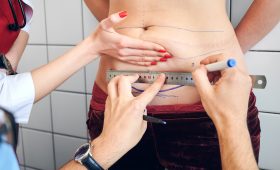
- Precise Incision Placement: Careful consideration is given to the natural skin creases and bikini line to conceal the scar as much as possible. Surgeons meticulously map the incisions to follow the body’s natural contours, leveraging the principle that scars are less noticeable when they align with existing skin folds. This process involves assessing skin laxity, abdominal muscle tone, and the patient’s specific anatomy to tailor the incision pattern.
- Layered Closure: The surgeon uses multiple layers of sutures to ensure precise alignment of skin edges and minimize tension. Absorbable sutures are often used for deeper layers, such as the fascia and muscle repairs, eliminating the need for removal and reducing the risk of infection. Non-absorbable sutures, chosen for their strength and durability, are used for skin closure, providing reliable wound support during the critical healing phase.
- Intradermal Sutures: These sutures are placed beneath the skin surface, reducing the visibility of the suture line. The technique creates minimal surface disruption, leading to a finer, less conspicuous scar. The surgeon carefully everts the skin edges during closure, further enhancing the appearance of the scar as it matures.
- Wound Gluing: In some cases, surgical skin glue can be used in conjunction with or instead of sutures, particularly for smaller portions of the incision. This is especially helpful in areas with good apposition and minimal tension. Wound glue offers the advantage of being painless and eliminating the need for suture removal.
- Negative Pressure Wound Therapy (NPWT): While not routinely used for every case, NPWT can be employed in specific situations – particularly in cases with larger incisions or a higher risk of wound dehiscence (separation). NPWT involves applying controlled negative pressure to the wound, promoting granulation tissue formation, reducing edema, and enhancing blood flow, all of which contribute to faster healing and improved scar quality.
The focus on meticulous surgical technique, combined with advanced wound closure methods, helps to ensure that patients undergoing abdominoplasty in Turkey achieve optimal cosmetic results with minimal, discreet scarring. Choosing a surgeon with a demonstrated commitment to scar minimization is paramount. Factors like the surgeon’s experience, attention to detail, and understanding of wound healing principles all play a crucial role in achieving a superior cosmetic outcome.
Understanding Scar Types and Management
It’s important to understand that all surgical incisions will result in some degree of scarring. However, the type of scar can vary significantly. Hypertrophic scars are raised and red, while keloid scars extend beyond the original incision site. Turkish surgeons employ techniques to minimize the likelihood of these problematic scars, often recommending post-operative scar management strategies, including:
- Silicone Gel Sheeting or Gel: Applied to the scar after it has closed, silicone can help flatten and soften the scar.
- Massage: Gentle massage can help break down collagen and improve the scar’s texture.
- Sun Protection: Protecting the scar from sun exposure is crucial, as UV rays can darken the scar and hinder its healing.
- Topical Treatments: Certain topical creams or ointments prescribed by the surgeon can aid in scar maturation and reduce inflammation.
Comparing Scar Minimization Techniques: A Closer Look
| Technique | Description | Scar Visibility | Healing Time | Suitable For |
|---|---|---|---|---|
| Traditional Layered Closure | Multiple suture layers for precise alignment. | Moderate – Dependent on surgical skill. | 6-12 months for maturation | Most abdominoplasty cases. |
| Intradermal Sutures | Sutures placed beneath the skin surface. | Low – Minimizes surface disruption. | 6-12 months for maturation | Areas with good skin apposition. |
| Wound Gluing | Surgical adhesive used for skin closure. | Very Low – Minimal visible residue. | Weeks for complete absorption. | Smaller incisions, low-tension closures. |
| NPWT | Negative pressure applied to promote wound healing. | Moderate – Primarily improves healing; can affect scar quality positively. | Variable, dependent on application duration | Larger incisions, complex wounds. |
Planning your medical journey to Turkey for a tummy tuck doesn’t have to be overwhelming. cureholiday.com provides a seamless and supportive experience, connecting you with JCI-accredited hospitals and experienced surgeons, handling all the logistics from accommodation to post-operative care, ensuring a safe, comfortable and confident journey toward achieving your aesthetic goals. We prioritize your wellbeing and strive to deliver exceptional results. Our dedicated team offers personalized assistance throughout every stage of your experience, ensuring a stress-free and rewarding medical tourism adventure. Let cureholiday.com guide you towards a beautifully sculpted physique and a revitalized sense of self-confidence.
Optimizing Scar Outcomes: A Deep Dive into Techniques
Turkey has rapidly become a globally recognized hub for medical tourism, attracting patients seeking high-quality cosmetic procedures at competitive prices. This growth is fueled by the presence of JCI-accredited hospitals and a wealth of highly experienced surgeons specializing in procedures like abdominoplasty, commonly known as a tummy tuck. Achieving aesthetically pleasing results with a tummy tuck requires not only skillful execution of the core surgical technique but also meticulous attention to scar management. Minimizing visible scarring is a primary concern for many patients, and surgeons employ various techniques to optimize healing and cosmetic outcomes. This section delves into the nuances of these scar minimization strategies, expanding on the techniques briefly outlined previously.
Understanding Scar Formation & Influencing Factors
Scarring is a natural part of the healing process. When the skin is injured, the body rapidly produces collagen to repair the damage. The characteristics of the resulting scar – its width, color, and texture – are influenced by a complex interplay of factors. These include the patient’s genetics, skin type, age, overall health, surgical technique, and post-operative care. Patients with naturally higher collagen production or a predisposition to hypertrophic scarring may require more aggressive management strategies. Similarly, individuals with darker skin tones are often more prone to hyperpigmentation, potentially resulting in more noticeable scars. Surgeons carefully assess these factors during the pre-operative consultation and tailor their approach accordingly.
Detailed Look at Scar Minimization Techniques
Beyond simply closing the incision, surgeons utilize a range of specialized techniques to encourage optimal scar healing. Let’s examine each of the previously mentioned methods in greater detail.
| Technique | Description | Scar Visibility | Healing Time | Suitable For |
|---|---|---|---|---|
| Traditional Layered Closure | Multiple suture layers are employed, starting with deep sutures to approximate the underlying muscle and fascia, followed by intermediate sutures to support deeper tissues, and finally superficial sutures to close the skin. Precise tissue alignment is prioritized. | Moderate – Dependent on surgical skill. Can result in noticeable linear scars if not performed meticulously. | 6-12 months for maturation. Initial redness subsides in 3-6 months, with continued improvement over time. | Most abdominoplasty cases, particularly those requiring significant tissue repositioning. |
| Intradermal Sutures | Sutures are placed entirely beneath the skin surface, avoiding direct tension on the epidermal layer. This technique results in minimal surface disruption and promotes a more subtle scar. Often used in conjunction with layered closure for added support. | Low – Minimizes surface disruption, resulting in finer, less noticeable scars. | 6-12 months for maturation. Scars tend to flatten and blend more naturally with surrounding skin. | Areas with good skin apposition and minimal tension. |
| Wound Gluing | Surgical adhesive, such as cyanoacrylate, is applied to approximate the skin edges. This is a convenient and relatively painless option, especially for closures with minimal tension. | Very Low – Minimal visible residue. Adhesive degrades and falls off naturally. | Weeks for complete absorption. Scars are typically very faint and difficult to detect. | Smaller incisions, low-tension closures. Not suitable for all wound types. |
| NPWT | Negative pressure wound therapy (NPWT), also known as a vacuum-assisted closure (VAC), applies controlled negative pressure to the wound bed. This promotes granulation tissue formation, reduces edema, and encourages wound contraction. While primarily used for complex wounds or those at risk of infection, it can positively influence scar quality by optimizing the healing environment. | Moderate – Primarily improves healing; can affect scar quality positively by promoting even tissue remodeling. | Variable, dependent on application duration. Typically used for a few days to weeks. | Larger incisions, complex wounds, or those with delayed healing. |
The choice of technique often involves a combination of approaches, tailored to the specific patient and surgical plan. For instance, a surgeon might use layered closure for the deep tissues, followed by intradermal sutures for the skin, and potentially incorporate wound gluing for specific areas.
Post-Operative Scar Management
Surgical technique is only half the battle. Proper post-operative care is crucial for minimizing scarring. This includes meticulous wound care, consistent use of recommended dressings and silicone sheeting, sun protection (avoiding direct sunlight is paramount), and avoidance of smoking, which significantly impairs wound healing. Patients are typically advised to massage the scar area once healing has begun to help break up collagen and improve its texture.
Your Journey to Confidence with cureholiday.com
Planning a tummy tuck in Turkey is a significant decision, and it’s essential to choose a provider dedicated to your safety, comfort, and aesthetic outcomes. cureholiday.com simplifies this process by offering a comprehensive, all-inclusive medical tourism experience. We partner with JCI-accredited hospitals and highly skilled surgeons known for their expertise in abdominoplasty and scar minimization techniques. From initial consultation and pre-operative assessment to post-operative care and follow-up, our dedicated team handles every detail, ensuring a seamless and stress-free journey. We understand the importance of achieving natural-looking results and prioritize your wellbeing throughout every stage of your treatment.
Don’t leave your aesthetic goals to chance. Trust cureholiday.com to guide you towards a beautifully sculpted physique, enhanced self-confidence, and a rewarding medical tourism experience in Turkey.
Optimizing Scar Outcomes Following Turkey Tummy Tuck Surgery
Turkey has rapidly become a leading global destination for medical tourism, attracting patients seeking high-quality surgical procedures at competitive prices. Central to patient satisfaction, particularly with aesthetic surgeries like abdominoplasty (tummy tuck), is not only achieving the desired body contour but also minimizing visible scarring. While a tummy tuck inherently involves an incision, modern surgical techniques and diligent post-operative care significantly reduce the prominence of these scars. This section delves into the strategies employed to achieve optimal scar outcomes for patients undergoing tummy tuck procedures in Turkey, with a focus on techniques facilitated by experienced surgeons available through cureholiday.com.
Beyond Surgical Precision: A Multi-faceted Approach
Minimizing scarring isn’t solely about the surgeon’s skill during the operation; it’s a holistic process beginning with careful pre-operative planning and extending through meticulous post-operative management. A comprehensive approach considers the patient’s skin type, tendency to scar (keloid or hypertrophic scarring), overall health, and lifestyle factors like smoking. Surgeons specializing in abdominoplasty in Turkey, partnered with cureholiday.com, prioritize these individual patient characteristics to tailor the surgical plan and subsequent care protocol.
The surgical technique itself is paramount. Surgeons commonly employ techniques such as strategic incision placement within the natural curves and folds of the body, minimizing visibility when wearing swimwear or revealing clothing. The length and pattern of the incision are dictated by the extent of skin excess and muscle tightening required. Often, a ‘drain’ is placed under the flap of skin to prevent fluid build-up, which can increase the risk of wound separation and subsequent, more noticeable scarring. Modern techniques also prioritize minimizing tissue trauma during dissection and suturing, further contributing to improved healing.
Layered Closure and Advanced Suture Techniques
The method of wound closure significantly impacts scar appearance. Surgeons often utilize a layered closure technique. This involves closing the deep fascia (the connective tissue surrounding muscles) in one layer, followed by closure of the subcutaneous tissues, and finally, the skin. This distributes tension evenly and minimizes stress on the skin edges, leading to a cleaner, more refined scar.
Intradermal sutures are frequently employed for skin closure. These sutures are placed *within* the skin, rather than on the surface, leaving minimal external markings. The surgeon’s choice of suture material is also crucial; absorbable sutures are preferred in many cases, eliminating the need for removal and further reducing potential scarring. In some instances, surgeons may utilize tissue adhesives (wound glue) for smaller areas of the incision, providing a seamless closure and further reducing visible scarring. The focus is always on creating a fine, thin, and well-approximated wound edge.
Post-Operative Scar Management: A Patient’s Role
As previously noted, the post-operative period is vital. Meticulous wound care, as guided by the surgical team at cureholiday.com’s partner facilities, is essential. This includes keeping the incision clean and dry, applying recommended topical ointments or creams (often containing silicone or vitamin E), and regularly changing dressings. Consistent use of silicone sheeting – a proven method for reducing scar height and redness – is strongly encouraged.
Critically, patients must protect their scars from sun exposure. UV radiation can darken scars and make them more prominent. Wearing high-SPF sunscreen, or covering the scar with clothing, is paramount for at least six to twelve months post-surgery. Smoking cessation is *non-negotiable*, as nicotine severely impairs wound healing and increases the risk of complications. Finally, gentle scar massage, once healing has sufficiently progressed (as advised by the surgeon), can help break down collagen and improve scar texture.
Frequently Asked Questions (FAQ)
- Will my scar be visible? While a tummy tuck always results in a scar, modern techniques aim to minimize its appearance. The scar’s visibility will depend on its length, width, and your skin type.
- How long will it take for my scar to fade? Scar maturation takes time. Expect the scar to be red and raised initially, gradually fading and flattening over 12-18 months.
- Can I use over-the-counter scar creams? Some over-the-counter creams can be helpful, but it’s essential to consult with your surgeon before using any product.
- What if I’m prone to keloid or hypertrophic scarring? Your surgeon will take this into consideration and may employ additional techniques, such as steroid injections, to minimize the risk.
- When can I resume exercise after surgery? Your surgeon will provide specific guidelines, but generally, strenuous exercise should be avoided for at least six weeks.
- Does the technique of the surgeon make a difference? Absolutely. An experienced surgeon with expertise in scar minimization techniques can significantly impact the final outcome.
- How does smoking affect scar healing? Smoking constricts blood vessels, reducing oxygen supply to the healing tissues and dramatically increasing the risk of complications and poor scarring.
JSON-LD FAQ Schema:
    },
    }
  ]
}
Your Seamless Journey with cureholiday.com
Choosing to undergo a tummy tuck is a personal investment in your wellbeing and self-confidence. cureholiday.com simplifies the process of accessing world-class surgical care in Turkey. We meticulously vet our partner hospitals and surgeons, ensuring they meet the highest standards of quality and possess proven expertise in abdominoplasty and advanced scar minimization techniques. We provide a complete package, encompassing pre-operative assessments, surgical fees, accommodation, transportation, and dedicated post-operative support. Our commitment extends beyond the operating room; we are dedicated to ensuring your comfort, safety, and a truly rewarding experience. Don’t compromise on quality or your aesthetic goals.
Advanced Scar Minimization Techniques in Turkish Tummy Tucks
Turkey has rapidly become a leading global destination for medical tourism, attracting patients seeking high-quality surgical procedures at competitive prices. A significant contributor to this reputation is the country’s commitment to internationally recognized standards, with many hospitals achieving Joint Commission International (JCI) accreditation. This dedication to excellence extends to abdominoplasty, commonly known as a tummy tuck, where surgeons are increasingly adept at employing advanced scar minimization techniques. While any surgical incision will leave a scar, these techniques aim to make them as inconspicuous as possible, enhancing patient satisfaction and long-term aesthetic outcomes.
Understanding Scar Formation
Before delving into the techniques themselves, it’s crucial to understand the process of scar formation. When the skin is cut during surgery, the body immediately begins to heal by forming collagen. This collagen initially creates a raised, red scar. Over time, this scar will ideally flatten and fade, but its final appearance is influenced by a variety of factors including genetics, skin type, the surgical technique employed, and post-operative care. Understanding these factors empowers both the surgeon and the patient to optimize the healing process and minimize visible scarring.
Techniques Employed by Turkish Surgeons
Turkish surgeons specializing in tummy tucks are at the forefront of utilizing a range of sophisticated scar minimization techniques. These aren’t single procedures but rather a combination of surgical artistry and meticulous attention to detail:
- Strategic Incision Placement: The primary goal is to position the incision within the natural contours of the body, typically along the bikini line. Skilled surgeons meticulously plan the incision length and curvature to follow these lines, making the scar less noticeable when wearing swimwear or revealing clothing.
- Wound Closure Techniques: Several techniques are employed to minimize tension on the wound edges. These include:
- Subdermal Suturing: Using dissolvable sutures beneath the skin surface distributes tension and promotes a smoother, less raised scar.
- Layered Closure: Closing the skin in layers – dermis, subcutaneous tissue, and skin – provides better support and minimizes the risk of puckering.
- Vertical Closure: Utilizing specialized sutures that pull the wound edges together vertically can reduce tension and promote a finer, less noticeable scar.
- Tissue Redistribution: Careful manipulation and redistribution of skin and underlying tissues can reduce tension on the incision line, leading to improved healing and scar appearance.
- Dermal Regeneration Techniques: Some surgeons utilize techniques to stimulate collagen production and improve the skin’s elasticity, further minimizing scarring.
Post-Operative Scar Management
The surgical procedure is only part of the equation. Diligent post-operative care is paramount to achieving optimal scar healing. Turkish surgeons provide comprehensive post-operative instructions that typically include:
- Silicone Gel Sheets or Ointment: These help to hydrate the scar and reduce its redness and thickness.
- Massage: Gentle massage of the scar tissue, once initial healing has occurred, can help to break down collagen and improve its texture.
- Sun Protection: Protecting the scar from sun exposure is crucial, as UV rays can darken the scar and hinder its maturation.
- Avoiding Smoking: As previously discussed, smoking severely impairs wound healing and significantly increases the risk of poor scarring.
Frequently Asked Questions
- Is it possible to completely avoid scarring with a tummy tuck?
While it’s not possible to avoid scarring altogether, advanced techniques aim to minimize the scar’s visibility. The goal is to create a scar that blends well with the natural skin contours and is easily concealed. - Will the scar be raised or indented?
Initially, the scar will likely be raised and red. Over time, with proper care, it should flatten and fade. However, some individuals may be prone to hypertrophic (raised) or keloid (excessive growth) scarring, which may require further treatment. - Can I use makeup to conceal the scar?
Yes, once the scar has fully healed, makeup can be used to camouflage it effectively. - Are there non-surgical options to minimize scarring?
While non-surgical treatments like laser therapy and microdermabrasion can sometimes improve the appearance of existing scars, they are generally more effective for older scars and may not be sufficient to address scarring from a fresh surgical wound. - How does skin elasticity affect scar appearance?
Individuals with good skin elasticity tend to heal better and have less noticeable scars. Surgeons will assess your skin elasticity during the consultation and may recommend pre-operative treatments to improve it. - What should I expect during the scar maturation process?
The scar will initially be red and raised. Over the first few weeks, it will gradually become less inflamed. After 6-12 months, it will continue to fade and flatten, although it may never completely disappear. The full maturation process can take up to 18 months. - What if I develop a problematic scar?
If you develop a problematic scar, such as a hypertrophic or keloid scar, your surgeon may recommend treatments like corticosteroid injections, laser therapy, or surgical revision.
JSON-LD FAQ Schema:
    },
    },
    },
    }
  ]
}
Your Seamless Journey with cureholiday.com
Choosing to undergo a tummy tuck is a significant decision, and selecting the right surgeon and facility are paramount. cureholiday.com streamlines the process of accessing world-class abdominoplasty care in Turkey. We meticulously vet our partner hospitals and surgeons, ensuring they adhere to the highest international standards, including JCI accreditation, and demonstrate exceptional expertise in advanced scar minimization techniques. We offer a comprehensive package that includes pre-operative assessments, all surgical fees, luxurious accommodation, seamless transportation, and dedicated post-operative care. Our team is committed to providing a comfortable, safe, and rewarding experience, extending far beyond the operating room. We prioritize your wellbeing and aesthetic goals, ensuring you receive the highest level of care throughout your journey. Don’t compromise on your health or desired results.
Navigating Post-Operative Scar Management: A Holistic Approach
Turkey has rapidly become a leading destination for individuals seeking high-quality medical procedures, including abdominoplasty (tummy tucks). This is driven by the availability of JCI-accredited hospitals and surgeons with extensive experience. A crucial aspect of a successful tummy tuck, beyond achieving the desired aesthetic result, lies in optimal scar management. While modern techniques prioritize minimizing visible scarring, some level of scarring is inevitable after any surgical incision. This final section delves into post-operative care designed to encourage healthy healing, address potential complications, and provide options for scar refinement, ensuring a smooth and confident recovery journey.
Understanding the Healing Timeline
The healing process following a tummy tuck is gradual. Immediately post-surgery, the incision will be covered with dressings. These are typically changed by your surgical team within the first week. Initially, expect redness, swelling, and some discomfort. Over the following weeks, the swelling will subside, and the incision will begin to close. A raised, red scar is common, and this is part of the normal healing process. The color will gradually fade from bright red to pink, and then to a lighter shade. It’s important to maintain consistent follow-up appointments with your surgeon to monitor the healing and address any concerns.
Proactive Post-Operative Care: Your Role in Optimal Healing
Your active participation is paramount in achieving the best possible scar outcome. Following your surgeon’s instructions meticulously is crucial. This includes:
- Wound Care: Keep the incision clean and dry. Follow the provided instructions for dressing changes and antiseptic application.
- Compression Garment: Wearing a compression garment as directed (typically for several weeks) helps reduce swelling, support the tissues, and encourage proper scar formation.
- Sun Protection: Protecting the scar from sun exposure is vital. UV radiation can darken the scar and impede healing. Use sunscreen with a high SPF or cover the area with clothing.
- Hydration & Nutrition: Adequate hydration and a nutrient-rich diet support tissue repair and overall healing.
- Avoid Smoking: Smoking significantly impairs wound healing and increases the risk of complications, including poor scar formation.
- Limited Activity: Follow your surgeon’s instructions regarding activity levels to avoid straining the incision.
Addressing Potential Scarring Complications
While most incisions heal well, some individuals may experience hypertrophic or keloid scarring. Hypertrophic scars are raised but remain within the boundaries of the original incision. Keloid scars extend beyond the incision lines and can continue to grow. If you notice any signs of abnormal scarring, such as excessive redness, thickening, or growth, contact your surgeon immediately. Treatment options may include:
- Silicone Gel Sheeting/Creams: These can help hydrate and flatten raised scars.
- Corticosteroid Injections: These can reduce inflammation and shrink hypertrophic or keloid scars.
- Laser Therapy: Certain laser treatments can improve the appearance of scars by reducing redness, texture, and pigmentation.
- Surgical Revision: In some cases, a minor surgical revision may be necessary to improve the scar’s appearance.
Frequently Asked Questions
Here are some common questions patients have regarding scarring after a tummy tuck:
| Question | Answer |
|---|---|
| How long will it take for my scar to fade? | It takes up to 12-18 months for a scar to fully mature and fade, although significant improvement is usually visible within the first six months. |
| Will my scar be visible in a swimsuit? | The visibility of the scar depends on the extent of the surgery and your individual healing process. The incision is typically placed low on the abdomen, within the bikini line, to minimize visibility. |
| Can I use makeup to conceal the scar? | Yes, once the scar has fully healed, makeup can be used to camouflage it effectively. |
| Are there non-surgical options to minimize scarring? | While non-surgical treatments like laser therapy and microdermabrasion can sometimes improve the appearance of existing scars, they are generally more effective for older scars and may not be sufficient to address scarring from a fresh surgical wound. |
| What if I develop a keloid scar? | Keloid scars require professional treatment. Contact your surgeon, who may recommend corticosteroid injections, laser therapy, or surgical revision. |
| Will the scar feel numb? | Some degree of numbness or altered sensation is common after surgery. This usually improves over time, but some residual numbness may persist. |
| How can I prevent abnormal scarring? | Diligent adherence to post-operative care instructions, including wound care, compression garment use, sun protection, and avoiding smoking, are key preventative measures. |
Your Seamless Journey with cureholiday.com
Choosing to undergo a tummy tuck is a significant decision, and selecting the right surgeon and facility are paramount. cureholiday.com streamlines the process of accessing world-class abdominoplasty care in Turkey. We meticulously vet our partner hospitals and surgeons, ensuring they adhere to the highest international standards, including JCI accreditation, and demonstrate exceptional expertise in advanced scar minimization techniques. We offer a comprehensive package that includes pre-operative assessments, all surgical fees, luxurious accommodation, seamless transportation, and dedicated post-operative care. Our team is committed to providing a comfortable, safe, and rewarding experience, extending far beyond the operating room. We prioritize your wellbeing and aesthetic goals, ensuring you receive the highest level of care throughout your journey. Don’t compromise on your health or desired results.
Schedule a consultation for Turkey Tummy Tuck Scar Minimization in Turkey with cureholiday.com
Free Consultation
Fill out the form below to get your free medical travel plan and price quote.