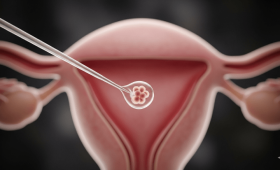
A Rising Tide of Hope: Egg Freezing in Turkey
For individuals and couples facing the increasing pressures of modern life and the desire to delay parenthood, egg freezing – or oocyte cryopreservation – is becoming a widely embraced fertility preservation option. While accessible globally, Turkey has rapidly emerged as a leading destination for this procedure, attracting patients from around the world. This isn’t simply due to competitive pricing, but rather a confluence of factors including remarkably high IVF success rates, state-of-the-art laboratory technologies, and a growing reputation for exceptional medical care. In fact, success rates for women under 35 undergoing IVF utilizing frozen eggs in Turkey regularly exceed 60%, placing it amongst the top-performing countries worldwide.
This deep dive will explore the intricacies of egg freezing in Turkey, providing a comprehensive guide for those considering this powerful pathway to future family building. We will cover the medical procedures involved, explore the advanced technologies driving success, address common concerns, and detail why cureholiday.com is the ideal partner to navigate your fertility journey.
The Modern Woman & Delayed Parenthood
The societal landscape has changed dramatically in recent decades. Women are prioritizing education, career development, and personal fulfillment, often leading to a postponement of childbearing years. While this empowers individuals, it also presents a biological challenge. Female fertility naturally declines with age, particularly after the mid-30s. Egg quality and quantity diminish, making conception more difficult and increasing the risk of chromosomal abnormalities. Egg freezing offers a proactive solution, allowing women to preserve their fertile eggs at a younger age for use in the future, effectively ‘pausing’ their biological clock.
Why Turkey for Egg Freezing?
Turkey stands out as a premier destination for several key reasons:
- Advanced Laboratory Technology: Clinics in Turkey have invested heavily in cutting-edge reproductive technologies, most notably Preimplantation Genetic Testing for Aneuploidy (PGT-A) and Intracytoplasmic Sperm Injection (ICSI). PGT-A, a commonly utilized screening process, ensures that only chromosomally normal eggs are used for fertilization, significantly increasing the chances of a healthy pregnancy. ICSI is a powerful tool when dealing with male factor infertility, and frequently used to maximize fertilization rates.
- High Success Rates: As previously noted, Turkish clinics boast impressive IVF success rates, particularly for younger patients. This is attributable to the combination of advanced technology, skilled medical professionals, and personalized treatment protocols.
- Cost-Effectiveness: Compared to many Western countries, egg freezing in Turkey is significantly more affordable without compromising on quality of care.
- Comprehensive Medical Tourism Support: cureholiday.com specializes in seamlessly coordinating all aspects of your medical tourism experience – from initial consultation and treatment planning to accommodation, travel arrangements, and post-treatment support.
- Stringent Quality Control: While gender selection is legally restricted in Turkey, the country maintains high standards of medical practice and patient safety.
Who is a Good Candidate for Egg Freezing?
While egg freezing is a viable option for many, certain individuals are particularly well-suited to consider it:
- Women delaying childbearing: Those planning to postpone pregnancy for career, financial, or personal reasons.
- Women facing medical conditions: Individuals undergoing cancer treatment (chemotherapy or radiation) which may impact fertility.
- Women with diminished ovarian reserve: Those diagnosed with a lower egg count or reduced ovarian function.
- Women facing premature ovarian insufficiency (POI): A condition where the ovaries stop functioning normally before age 40.
- Women who wish to preserve fertility prior to gender affirming surgeries.
Understanding the Process: A First Look
The egg freezing process, while sophisticated, can be broken down into several key stages. These will be examined in greater detail in subsequent sections. Briefly, the process involves:
- Ovarian Stimulation: Administering hormonal medications to stimulate the ovaries to produce multiple eggs.
- Egg Retrieval: A minimally invasive procedure performed under ultrasound guidance to collect the eggs from the ovaries.
- Cryopreservation (Freezing): Rapidly freezing the eggs using a process called vitrification, which prevents ice crystal formation and preserves their viability.
- Storage: Maintaining the frozen eggs in liquid nitrogen tanks for future use.
The duration of each stage can vary depending on individual circumstances, but the entire process typically takes around 2-4 weeks.
Choosing the right destination and partner for such a crucial decision is paramount. cureholiday.com is dedicated to providing a transparent, supportive, and personalized experience, ensuring your peace of mind throughout every step of the egg freezing process in Turkey.
Turkey is rapidly becoming a leading destination for fertility preservation, particularly egg freezing. Boasting advanced reproductive technologies – including Next Generation Sequencing (NGS) and Intracytoplasmic Sperm Injection (ICSI) – Turkish clinics consistently report high IVF success rates, often exceeding 60% for women under 35. While gender selection is legally prohibited, comprehensive medical genetic screening, such as Preimplantation Genetic Testing for Aneuploidy (PGT-A), is routinely employed to ensure the health of future embryos. This commitment to cutting-edge science, combined with internationally accredited facilities and competitive pricing, makes Turkey an increasingly attractive option for those considering egg freezing.
A Detailed Look at Ovarian Stimulation
The first critical stage in the egg freezing process is ovarian stimulation. This involves the administration of hormonal medications designed to encourage the ovaries to develop multiple follicles – each containing an egg. This is necessary because typically, only one egg matures during a natural menstrual cycle. By stimulating the ovaries, we aim to retrieve a greater number of high-quality eggs, increasing the chances of future success.
The specific protocol for ovarian stimulation is highly individualized, determined by factors such as the patient’s age, ovarian reserve (assessed through Anti-Mullerian Hormone – AMH – and antral follicle count), Body Mass Index (BMI), and medical history. A typical protocol involves a combination of medications, often including:
- Gonadotropins: These are follicle-stimulating hormone (FSH) and luteinizing hormone (LH) analogs. They directly stimulate the ovaries to produce follicles.
- GnRH Antagonists or Agonists: These medications prevent premature ovulation, ensuring the eggs have sufficient time to mature. GnRH antagonists are preferred for their faster action and reduced risk of ovarian hyperstimulation syndrome (OHSS).
- Growth Hormone: In some cases, growth hormone may be added to the protocol to potentially improve egg quality and quantity.
The stimulation phase typically lasts between 8-14 days. Throughout this period, patients will undergo regular monitoring via transvaginal ultrasound and blood tests. Ultrasound allows us to track follicle development – monitoring their size and number – while blood tests measure estrogen levels, providing insights into ovarian response. Dosage adjustments are made throughout the stimulation phase to optimize the number and quality of eggs produced while minimizing the risk of complications.
Monitoring and Adjustments During Stimulation
Close monitoring is paramount during ovarian stimulation. The goal is to achieve a balanced follicular development, avoiding both under-stimulation (too few eggs) and over-stimulation (potentially leading to OHSS). cureholiday.com ensures a dedicated team of experienced endocrinologists and embryologists meticulously analyze each patient’s response and tailor the protocol accordingly. This proactive approach minimizes risks and maximizes the potential for a successful outcome.
The Egg Retrieval Procedure: A Step-by-Step Guide
Once the follicles have reached the appropriate size – typically around 18-20mm in diameter – the egg retrieval procedure is scheduled. This is a minimally invasive procedure performed under conscious sedation or general anesthesia, ensuring patient comfort.
The procedure itself involves the following steps:
- Preparation: The patient will be instructed to fast for several hours before the procedure.
- Ultrasound Guidance: A transvaginal ultrasound probe is inserted into the vagina, allowing the physician to visualize the ovaries and follicles.
- Needle Aspiration: A thin needle, guided by the ultrasound, is inserted through the vaginal wall and into each follicle. Gentle suction is applied to retrieve the follicular fluid, which contains the egg.
- Fluid Analysis: The follicular fluid is immediately examined by an embryologist under a microscope to identify the eggs.
- Recovery: Following the procedure, the patient will be monitored for a few hours before being discharged. Mild cramping and spotting are common and typically resolve within a day or two.
The egg retrieval process typically takes around 30-60 minutes. The number of eggs retrieved can vary significantly, but a typical retrieval yields 8-15 mature eggs.
Post-Retrieval Care
Following egg retrieval, it’s crucial to adhere to post-procedure instructions. cureholiday.com provides comprehensive aftercare guidance, including recommendations for pain management, activity restrictions, and signs to watch for that may require medical attention. We prioritize patient well-being and provide ongoing support throughout the recovery period.
Beyond Retrieval: Cryopreservation and Storage
Following retrieval, the eggs undergo a critical process called vitrification, a rapid freezing technique that minimizes the formation of ice crystals, which can damage the egg’s cellular structure. This is vastly superior to older, slower freezing methods. The vitrified eggs are then stored in liquid nitrogen at -196°C, effectively halting biological time and preserving their viability for years, even decades. cureholiday.com utilizes state-of-the-art cryopreservation technology and adheres to the highest international standards for storage, ensuring the long-term safety and integrity of your precious eggs.
Our comprehensive packages at cureholiday.com include not only the medical procedures but also accommodation, airport transfers, and dedicated case management, ensuring a seamless and stress-free experience. We understand that undergoing egg freezing is a significant decision, and we are committed to providing compassionate, personalized care every step of the way.
Egg Freezing in Turkey: A Detailed Look at Cryopreservation & Storage
Turkey has rapidly become a leading destination for fertility tourism, boasting impressive IVF and egg freezing success rates – often exceeding 60% for women under 35. This success isn’t accidental; it’s driven by the country’s investment in advanced reproductive technologies, including Next-Generation Sequencing (NGS) and Intracytoplasmic Sperm Injection (ICSI), and adherence to stringent quality control measures. While gender selection is legally prohibited, comprehensive medical genetic screening (Preimplantation Genetic Testing for Aneuploidy – PGT-A) is routinely offered, enhancing the chances of a healthy pregnancy. cureholiday.com leverages these advancements to offer world-class egg freezing services with a patient-centric approach.
The Science of Vitrification: Preserving Egg Quality
The journey doesn’t end with egg retrieval. The immediate post-retrieval phase centers around a process vital to successful future fertilization: cryopreservation. Historically, slow freezing methods were utilized, but these often led to ice crystal formation within the egg, damaging its delicate cellular structures and significantly reducing viability. Today, the gold standard is vitrification – a rapid freezing technique that bypasses ice crystal formation altogether.
Vitrification involves several key steps:
- Dehydration: The egg is carefully dehydrated using cryoprotectants – specialized solutions that replace water within the cell, preventing ice crystal formation. This process is meticulously controlled to ensure the egg’s structure remains intact.
- Rapid Cooling: The dehydrated egg is then plunged into liquid nitrogen at an incredibly fast rate – typically exceeding -20,000°C per minute. This speed transforms the cytoplasm into a glass-like, amorphous state, hence the term “vitrification”.
- Storage: The vitrified eggs are stored in specialized liquid nitrogen tanks at a consistent temperature of -196°C. At this temperature, all biological activity ceases, effectively pausing the egg’s aging process.
- Warming: When a patient is ready for embryo transfer, the eggs are carefully and rapidly warmed, reversing the vitrification process. Skilled embryologists employ refined techniques to minimize any potential damage during thawing.
Long-Term Egg Storage: Ensuring Viability
The longevity of frozen eggs is a crucial consideration for many patients. With proper storage techniques, vitrified eggs can remain viable for years, even decades. cureholiday.com understands this critical need and utilizes state-of-the-art storage facilities and monitoring systems. We adhere to the highest international standards for cryopreservation, guaranteeing the long-term safety and integrity of your eggs. Our storage protocols include:
- Continuous Monitoring: Liquid nitrogen levels are continuously monitored to maintain the optimal storage temperature.
- Backup Systems: Redundant backup systems are in place to prevent temperature fluctuations in the event of a power outage or equipment malfunction.
- Detailed Record Keeping: Every egg is meticulously tracked with a unique identifier, ensuring accurate and secure storage and retrieval.
- Regular Quality Control: Routine quality control checks are performed on storage equipment and procedures to maintain the highest standards of safety and viability.
Comparing Cryopreservation Methods
Understanding the differences between cryopreservation techniques can help you make an informed decision. The table below highlights the key distinctions between slow freezing and vitrification:
| Feature | Slow Freezing | Vitrification |
|---|---|---|
| Cooling Rate | Slow (approximately 1°C per minute) | Rapid (exceeds -20,000°C per minute) |
| Ice Crystal Formation | Significant – can damage cell structure | Minimal to none |
| Cell Survival Rate | Lower (typically 50-70%) | Higher (typically 80-90%+) |
| Cryoprotectant Concentration | Lower | Higher |
| Suitability | Less suitable for complex cells like eggs | Ideal for eggs and other sensitive cells |
At cureholiday.com, we exclusively utilize vitrification due to its demonstrably superior outcomes and commitment to preserving egg quality.
A Seamless Experience with cureholiday.com
We understand that undergoing egg freezing is a significant emotional and logistical undertaking. That’s why cureholiday.com provides more than just medical procedures. Our comprehensive packages include:
- Dedicated Case Management: A personal case manager will guide you through every step of the process, from initial consultation to post-treatment follow-up.
- Accommodation: We offer comfortable and convenient accommodation options near our partnered facilities.
- Airport Transfers: Hassle-free airport transfers ensure a smooth arrival and departure.
- Translation Services: For international patients, we provide professional translation services to facilitate clear communication.
- Ongoing Support: We’re committed to providing compassionate and personalized care throughout your entire journey.
Choose cureholiday.com for a stress-free, medically advanced, and compassionate egg freezing experience in Turkey. Let us help you preserve your fertility options and secure your future family.
Preserving Your Future: Why Vitrification is Key to Successful Egg Freezing in Turkey
Turkey has rapidly become a leading global destination for fertility treatments, particularly egg freezing (oocyte cryopreservation). This is driven by a combination of factors – advanced laboratory technologies like Next Generation Sequencing (NGS) and Intracytoplasmic Sperm Injection (ICSI), highly skilled medical professionals, and cost-effective packages. Success rates for women under 35 undergoing IVF in Turkey consistently exceed 60%, a testament to the quality of care available. However, the success of egg freezing isn’t solely about advanced technology; the method of freezing is paramount. At cureholiday.com, we are dedicated to offering patients the most advanced techniques, which is why we exclusively employ vitrification.
Understanding the Difference: Slow Freezing vs. Vitrification
For many years, slow freezing was the standard method for preserving eggs. However, as our understanding of cellular biology has deepened, the limitations of slow freezing have become increasingly clear. The primary issue lies in the formation of ice crystals within the egg cells during the freezing process. These crystals act like tiny daggers, damaging cellular structures and reducing the chances of a viable, healthy egg being recovered after thawing. Vitrification, a revolutionary process, overcomes this challenge.
| Feature | Freezing Method | |
| Slow (approximately 1°C per minute) | Rapid (exceeds -20,000°C per minute) | |
| Ice Crystal Formation | Significant – can damage cell structure | Minimal to none |
| Cell Survival Rate | Lower (typically 50-70%) | Higher (typically 80-90%+) |
| Cryoprotectant Concentration | Lower | Higher |
| Suitability | Less suitable for complex cells like eggs | Ideal for eggs and other sensitive cells |
Vitrification essentially transforms the egg into a glass-like state, bypassing the formation of damaging ice crystals altogether. This is achieved through the use of higher concentrations of cryoprotectants – specialized substances that protect the cell from freezing damage – and an ultra-rapid cooling rate. The speed of cooling is so fast that water molecules don’t have time to form crystals; instead, they solidify into an amorphous, glass-like substance.
Beyond the Science: The cureholiday.com Advantage
At cureholiday.com, we don’t just offer vitrification; we offer a comprehensively supportive experience designed to minimize stress and maximize your chances of success. We understand that making the decision to freeze your eggs is a deeply personal one, and the logistical and emotional aspects of travelling to Turkey for treatment can be daunting.
Our inclusive packages are built around providing a seamless and personalized journey. This includes:
- Dedicated Case Management: A personal case manager will be your single point of contact, guiding you through every stage, from initial consultation and pre-treatment assessment to the egg freezing procedure itself and post-treatment follow-up.
- Accommodation: We offer comfortable and conveniently located accommodation options close to our partnered, state-of-the-art fertility facilities.
- Airport Transfers: Enjoy hassle-free transportation to and from the airport, ensuring a smooth arrival and departure.
- Translation Services: For our international patients, we provide professional translation services to ensure clear and accurate communication with the medical team.
- Ongoing Support: We are committed to providing compassionate and personalized care throughout your entire journey, even after you return home.
Frequently Asked Questions About Egg Freezing in Turkey with cureholiday.com
Here are some common questions we receive from prospective patients:
- What is the optimal age to freeze my eggs? While you can freeze your eggs at any age, the best time is generally before age 35, as egg quality and quantity decline with age.
- How many eggs should I freeze? The number of eggs to freeze depends on your age and individual circumstances. Your doctor will discuss this with you during your consultation.
- What is the success rate of egg freezing? Success rates vary depending on the age at the time of freezing and the quality of the eggs. With vitrification, success rates are significantly higher than with slow freezing.
- What are the risks associated with egg freezing? The risks are minimal, but can include side effects from the hormonal stimulation used to retrieve the eggs, such as bloating or mild cramping.
- How long can frozen eggs be stored? There is no definitive time limit for storing frozen eggs, and they can remain viable for many years.
- Is egg freezing covered by insurance? Insurance coverage varies depending on your insurance provider and country of residence.
- What pre-treatment tests will I need? You will undergo a series of blood tests and an ultrasound to assess your ovarian reserve and overall health.
- How long will my stay in Turkey last? Typically, the process requires a stay of approximately 10-14 days.
JSON-LD FAQ Schema:
Choose cureholiday.com for a truly exceptional egg freezing experience in Turkey. We combine cutting-edge medical technology with compassionate care and a commitment to your long-term well-being. Let us partner with you to preserve your fertility options and secure your future family. for a free consultation and discover how cureholiday.com can help you achieve your dreams.
Preserving Your Future: The Advantages of Egg Freezing in Turkey
Turkey is rapidly becoming a global leader in reproductive tourism, particularly for procedures like egg freezing (oocyte cryopreservation). This isn’t simply due to competitive pricing, but also to the consistently high success rates achieved through the integration of advanced laboratory techniques such as Next Generation Sequencing (NGS) and Intracytoplasmic Sperm Injection (ICSI). For women considering proactively safeguarding their fertility, Turkey offers a compelling combination of medical excellence, personalized care, and a streamlined patient experience. Success rates for women under 35 undergoing IVF cycles in Turkey consistently exceed 60%, demonstrating the efficacy of the available technology and expertise.
Understanding the Egg Freezing Process in Turkey
The egg freezing process in Turkey, facilitated through cureholiday.com, is a meticulously planned series of steps designed to maximize the retrieval of high-quality eggs. The typical timeline requires approximately 10-14 days, and we prioritize patient comfort and support throughout every stage.
- Initial Consultation & Ovarian Reserve Assessment: The journey begins with a comprehensive consultation, either in person or remotely, to discuss your medical history, fertility goals, and expectations. Crucially, we’ll conduct a series of blood tests (including AMH, FSH, and Estradiol) and a transvaginal ultrasound to assess your ovarian reserve – essentially, the quantity and quality of eggs remaining. This allows us to personalize a stimulation protocol tailored to your individual needs.
- Ovarian Stimulation: This phase involves daily hormone injections designed to stimulate the ovaries to produce multiple mature eggs, rather than the single egg typically released during a natural menstrual cycle. This stimulation is closely monitored via regular blood tests and ultrasounds to track follicle development.
- Egg Retrieval: Once the follicles have reached an appropriate size, a minor surgical procedure called egg retrieval is performed. This is typically done under sedation, minimizing discomfort. Using ultrasound guidance, a thin needle is inserted through the vaginal wall to aspirate the eggs from the follicles.
- Cryopreservation (Freezing): The retrieved eggs are immediately assessed and the highest quality eggs are selected for freezing. We employ vitrification – a rapid freezing technique – which offers significantly higher survival rates compared to slower, traditional methods. This rapid freezing minimizes the formation of ice crystals, which can damage the eggs.
- Storage: Frozen eggs are safely stored in liquid nitrogen at -196°C in state-of-the-art facilities, where they can remain viable for many years without degradation.
Medical Genetic Screening (PGT-A) – A Complementary Option
While gender selection is legally restricted in Turkey, preimplantation genetic testing for aneuploidy (PGT-A) is commonly performed. This screening process, offered through cureholiday.com, analyzes the chromosomes of embryos created through IVF to identify those with the correct number of chromosomes. PGT-A can significantly improve the chances of a successful pregnancy, especially for women of advanced maternal age or those with a history of miscarriages.
Frequently Asked Questions About Egg Freezing in Turkey
- What is the ideal number of eggs to freeze for a good chance of future pregnancy? The optimal number varies based on your age. Younger women generally require fewer eggs, while older women may benefit from freezing a larger quantity. Your doctor will provide a personalized recommendation.
- Are there any long-term health risks associated with egg freezing? Egg freezing itself is generally considered safe. The primary risks are related to the hormonal stimulation, such as ovarian hyperstimulation syndrome (OHSS), which is typically mild and manageable.
- How successful is egg freezing in leading to a live birth? Success rates depend on factors like age at the time of freezing, the number of eggs frozen, and the quality of the eggs. With optimized protocols and advanced technology, cureholiday.com aims to maximize your chances of a successful future pregnancy.
- What is the cost of egg freezing in Turkey compared to other countries? Egg freezing in Turkey is often significantly more affordable than in countries like the United States or the United Kingdom, without compromising on the quality of care.
- What happens when I’m ready to use my frozen eggs? The eggs will be thawed, fertilized with sperm via ICSI, and the resulting embryos will be transferred to your uterus.
- Does the clinic offer any support services during my stay? cureholiday.com provides comprehensive support services, including accommodation assistance, airport transfers, and a dedicated patient coordinator to address all your needs.
- What is the process for transferring my frozen eggs from another clinic to a clinic in Turkey? We can assist with the transfer of your frozen eggs from another facility, ensuring a seamless and secure process.
- What are the legal considerations regarding egg freezing and storage in Turkey? Turkish law recognizes and protects the rights of patients undergoing egg freezing. We adhere to all relevant regulations and ethical guidelines.
- Is there an age limit for egg freezing in Turkey? While there is no strict legal age limit, the quality and quantity of eggs decline with age, making it more advantageous to freeze them at a younger age.
- What aftercare is provided following egg retrieval? You will receive detailed aftercare instructions and follow-up appointments to monitor your recovery. cureholiday.com remains committed to your well-being long after the procedure is complete.
JSON-LD FAQ Schema:
Don’t delay safeguarding your fertility. Choose cureholiday.com for an exceptional and reassuring egg freezing experience in Turkey. We offer state-of-the-art facilities, expert medical teams, and a dedication to providing individualized care. for a free consultation and let us help you take control of your future family planning.
Optimizing Your Chances: Success Rates & Long-Term Considerations
Turkey has rapidly become a globally recognized destination for fertility treatments, particularly egg freezing, boasting impressive success rates fueled by advancements in laboratory technology such as Next Generation Sequencing (NGS) and Intracytoplasmic Sperm Injection (ICSI). For women under 35 considering proactive fertility preservation, success rates frequently exceed 60%, a figure comparable to, and often surpassing, those found in other leading fertility tourism destinations. However, understanding the variables that influence these rates, and what to expect throughout the process, is crucial for making informed decisions. This section delves deeper into the factors that contribute to successful egg freezing and addresses potential long-term considerations.
Understanding Egg Freezing Success: What Impacts the Outcome?
While Turkey’s advanced facilities offer a strong foundation for success, the ultimate outcome of egg freezing isn’t simply about location. Several interconnected factors play a vital role. These include:
- Age at Freezing: This is arguably the most significant factor. Egg quality and quantity naturally decline with age. Younger women generally have a higher number of viable eggs, increasing the chances of a successful future pregnancy.
- Number of Eggs Frozen: Freezing a sufficient number of eggs is critical. While the “ideal” number varies based on age, generally, the more eggs frozen, the higher the probability of having a live birth.
- Egg Quality: This is intrinsically linked to age but can also be influenced by individual health factors. Pre-treatment evaluation helps assess egg quality.
- Freezing and Thawing Technique: Vitrification (fast freezing) is the preferred method due to its superior results compared to slower freezing techniques. cureholiday.com utilizes state-of-the-art vitrification protocols to maximize egg survival rates.
- Clinic Expertise & Technology: Access to advanced laboratory technologies like NGS and ICSI significantly enhances the selection of viable eggs and improves fertilization prospects.
Beyond the Numbers: The Comprehensive Evaluation Process
Before commencing egg freezing, a thorough evaluation at cureholiday.com is undertaken. This typically includes:
- Hormonal Assessment: Blood tests to evaluate ovarian reserve (Anti-Müllerian Hormone – AMH, Follicle Stimulating Hormone – FSH) and overall hormonal profile.
- Antral Follicle Count (AFC): An ultrasound scan to count the number of small follicles in the ovaries, providing an indication of ovarian reserve.
- Infectious Disease Screening: Essential for ensuring patient safety and preventing transmission of any potential infections.
- Genetic Counseling: While gender selection is legally restricted in Turkey, medical genetic screening (Preimplantation Genetic Testing for Aneuploidy – PGT-A) is commonly available to assess the chromosomal health of embryos. This is an option discussed during consultation.
Long-Term Health Considerations & Safety
Egg freezing is generally considered a safe procedure. However, as with any medical intervention, it’s important to be aware of potential, albeit typically mild, risks. The primary risks are associated with the ovarian stimulation process, which includes:
- Ovarian Hyperstimulation Syndrome (OHSS): A condition where the ovaries become swollen and painful. cureholiday.com employs careful monitoring and individualized stimulation protocols to minimize the risk of OHSS. Most cases are mild and resolve with conservative management.
- Minor Side Effects: Temporary bloating, breast tenderness, and mild abdominal discomfort are common and usually subside quickly.
- Emotional Considerations: The process can be emotionally demanding. cureholiday.com provides comprehensive support throughout the journey, including access to counseling services.
There is currently no evidence of long-term health risks directly attributable to the egg freezing process itself. Extensive research continues to monitor the long-term outcomes for women who have undergone egg freezing.
Frequently Asked Questions
- What is the minimum number of eggs I should aim to freeze? Ideally, we recommend freezing at least 15-20 eggs for women under 35, but this number increases with age.
- How long can frozen eggs be stored? Indefinitely, with no known degradation in egg quality over time, given proper storage conditions.
- What happens after egg retrieval? You will receive detailed aftercare instructions and follow-up appointments to monitor your recovery.
- Is egg freezing covered by insurance in Turkey? Insurance coverage varies. cureholiday.com offers comprehensive packages to address costs transparently.
- Can I use my frozen eggs at any fertility clinic worldwide? Yes, frozen eggs can be transferred to any clinic equipped with the necessary technology.
- What is the role of PGT-A in the process? PGT-A helps identify chromosomally normal embryos, increasing the chances of successful implantation and reducing the risk of miscarriage.
- What lifestyle changes can I make to improve egg quality? Maintaining a healthy diet, regular exercise, managing stress, and avoiding smoking and excessive alcohol consumption can positively impact egg quality.
- How does the Turkish healthcare system ensure quality control in fertility clinics? Turkey adheres to strict medical standards and regulations overseen by the Ministry of Health, ensuring patient safety and quality of care.
JSON-LD FAQ Schema:
Don’t leave your future family planning to chance. Choose cureholiday.com for an exceptional and reassuring egg freezing experience in Turkey. We combine cutting-edge technology, a dedicated team of medical professionals, and a personalized approach to care, providing you with the highest standard of fertility preservation. for a free consultation and begin your journey towards securing your future.
Schedule a consultation for Egg Freezing Turkey Preserving Fertility in Turkey with cureholiday.com
Free Consultation
Fill out the form below to get your free medical travel plan and price quote.