🩺 Medical Editor’s Note (2026 Verified Data)
This technical guide has been verified against 2026 medical tourism standards in Turkey.
Verified Price Range: Standard Cycle: 3,000 – 5,000 USD | With Pgt: add 1,500 – 3,000 USD | Egg Donation: Legal in Turkey (with specifics), costs vary.
Facility Standards: JCI Accredited, Ministry of Health Regulated.
Currency: USD / EUR / GBP accepted at all clinics.
Egg Donation IVF: A Guide for Couples Navigating Egg Banks and Turkish Laws
Egg Donation IVF: A Deep Dive into Medical Foundations and Turkish Practices
For couples facing infertility due to diminished ovarian reserve, advanced maternal age, premature ovarian insufficiency, or genetic concerns, egg donation represents a significant pathway to parenthood. This pillar focuses on the medical intricacies of egg donation IVF, outlining the procedures, technologies employed, and the unique aspects of pursuing this treatment within the Turkish reproductive landscape. We will explore the ‘what’ and ‘why’ behind each step, providing a comprehensive overview grounded in current medical standards.
Understanding Oocyte Dysfunction and the Need for Egg Donation
Infertility isn’t always a male-factor issue. Female infertility stemming from oocyte (egg) quality or quantity is increasingly common. As women age, not only does the ovarian reserve – the total number of eggs remaining – diminish, but the chromosomal integrity of those eggs also declines. This leads to a higher incidence of aneuploidy (abnormal chromosome number), which results in failed fertilization, early miscarriage, or genetic abnormalities in the resulting embryo. Ovarian conditions like endometriosis, Polycystic Ovary Syndrome (PCOS), and those resulting from cancer treatment (gonadotoxicity) can further compromise egg quality and quantity. Egg donation bypasses these challenges by utilizing healthy oocytes from a screened donor.
The Egg Donation Process: A Step-by-Step Medical Overview
The egg donation process is a carefully synchronized series of events. It begins with rigorous donor screening. Prospective donors undergo comprehensive medical and genetic testing, including evaluation for infectious diseases (HIV, Hepatitis B & C, Syphilis, Rubella immunity), assessment of ovarian reserve via Anti-Müllerian Hormone (AMH) and antral follicle count (AFC), and karyotyping to detect chromosomal abnormalities. Psychological evaluation is also crucial to ensure the donor understands the implications of egg donation.
Once a suitable donor is identified and matched with the recipient couple, both donor and recipient undergo hormonal preparation. The donor receives follicle-stimulating hormone (FSH) and potentially human chorionic gonadotropin (hCG) to stimulate multiple follicle development. This process is carefully monitored with transvaginal ultrasound and estradiol level assessments. Simultaneously, the recipient’s endometrium (uterine lining) is prepared using estrogen therapy to create a receptive environment for embryo transfer. This endometrial preparation is critical, and protocols vary depending on the recipient’s individual hormonal profile and previous IVF attempts.
Egg retrieval is performed approximately 34-36 hours after hCG administration. This minimally invasive procedure involves transvaginal ultrasound guidance to aspirate the oocytes from the mature follicles. The retrieved oocytes are immediately assessed by embryologists, and only morphologically mature eggs are selected for fertilization.
Fertilization is typically achieved using Intracytoplasmic Sperm Injection (ICSI), a technique where a single sperm is directly injected into each egg. This bypasses potential issues with sperm motility or morphology. More advanced techniques like Micro-chip sperm sorting can further refine sperm selection based on DNA fragmentation and motility parameters, potentially improving fertilization rates and embryo quality.
Embryo Development and Preimplantation Genetic Testing (PGT)
Following fertilization, the resulting zygotes are cultured in a closely monitored laboratory environment. Modern IVF clinics, particularly those accredited by JCI, utilize advanced culture systems like the Embryoscope. This time-lapse imaging system continuously monitors embryo development, providing valuable insights into cell division patterns and predicting implantation potential without disrupting the embryos.
For couples with a history of recurrent pregnancy loss, advanced maternal age, or known genetic concerns, PGT is highly recommended. PGT involves biopsying a few cells from the trophectoderm (the outer layer of the developing embryo) at the blastocyst stage (typically day 5-7) and analyzing them for chromosomal abnormalities (PGT-A) or specific genetic mutations (PGT-M). Choosing to incorporate PGT adds approximately 1,500 – 3,000 USD to the overall cycle cost.
Turkish Regulations and Medical Standards for Egg Donation
Egg donation is legal in Turkey, but operates under specific regulations set by the Ministry of Health. Turkish law mandates that egg donation is altruistic, meaning donors cannot receive financial compensation beyond reimbursement for reasonable expenses. The anonymity of both donor and recipient is generally maintained, though some clinics offer ‘open donation’ where the child can access identifying information about the donor upon reaching adulthood. It is vital to confirm the clinic’s adherence to these legal frameworks. Clinics accredited by JCI (Joint Commission International) demonstrate a commitment to international quality and safety standards, providing an added layer of reassurance.
Cost Considerations and Financial Planning
The cost of egg donation IVF in Turkey typically ranges from 3,000 – 5,000 USD for a standard cycle. This includes donor recruitment and screening, recipient preparation, egg retrieval, fertilization, embryo culture, and embryo transfer. As noted, adding PGT increases the cost. Clinics commonly accept payments in USD, EUR, and GBP, providing flexibility for international patients. A detailed breakdown of costs should be provided upfront, including medications, monitoring appointments, and any potential additional procedures.
Recovery and Support in Turkey
Turkey offers diverse options for recovery post-embryo transfer. Istanbul provides access to world-class medical facilities alongside vibrant city life. Antalya, a popular resort destination, offers a relaxing beachside recovery experience. For those seeking a quieter environment, Izmir on the Aegean coast offers thermal spas and a more laid-back atmosphere. Most clinics offer dedicated patient coordinators to provide support and guidance throughout the entire process, including assistance with travel arrangements and accommodation.
Success rates for egg donation IVF in Turkey are generally promising. For women under 35, success rates can reach up to 60-70% per transfer. However, success rates decline with age, with approximate rates of 15-20% for women over 42. These figures are influenced by factors such as donor age, egg quality, endometrial receptivity, and embryo quality.
The Surgical & Clinical Journey: Egg Donation IVF in Turkey
Following the initial consultation and ovarian stimulation protocol design, the egg donation IVF process in Turkey enters a meticulously orchestrated surgical and clinical phase. This pillar details the technical steps, outlines a typical patient journey, and highlights crucial risk mitigation strategies employed within JCI-accredited Turkish fertility clinics.
Ovarian Stimulation & Monitoring of the Egg Donor
The donor, carefully screened and matched to the recipient couple, undergoes controlled ovarian hyperstimulation (COH). This typically involves daily subcutaneous injections of follicle-stimulating hormone (FSH) and luteinizing hormone (LH), tailored to her ovarian reserve assessed via Anti-Müllerian Hormone (AMH) levels and antral follicle count (AFC) during the preliminary stages. Monitoring isn’t limited to blood tests; transvaginal ultrasounds are performed every 2-3 days to assess follicular development. We meticulously track follicle size and estradiol levels. A “trigger shot” – typically human chorionic gonadotropin (hCG) – is administered when the follicles reach mature size (generally 18-20mm), initiating final egg maturation.
Egg Retrieval – A Minimally Invasive Procedure
Approximately 34-36 hours post-trigger, the egg retrieval process takes place. This is conducted under conscious sedation – a light anesthetic allowing the donor to remain comfortable and cooperative. Utilizing transvaginal ultrasound guidance, a fine-needle is passed through the vaginal wall into each follicle, and follicular fluid containing the eggs is aspirated. This fluid is immediately passed to the embryology lab for assessment. The procedure itself usually takes 20-30 minutes. Following retrieval, the donor is monitored for a few hours before being discharged with post-procedure instructions. Pain is typically mild and managed with over-the-counter analgesics.
Sperm Preparation & Fertilization Techniques
Concurrently with egg retrieval, the recipient partner’s semen sample undergoes rigorous preparation. This includes assessment of sperm count, motility, and morphology. Advanced techniques like micro-chip sperm sorting are frequently employed, particularly in cases of male factor infertility, to select morphologically normal, highly motile sperm. This concentrates the healthiest sperm, increasing the chances of successful fertilization.
Fertilization is predominantly achieved via Intracytoplasmic Sperm Injection (ICSI). In ICSI, a single sperm is directly injected into each mature egg. While conventional insemination is an option, ICSI is the standard protocol for egg donation cycles due to the often limited number of eggs retrieved and the desire to maximize fertilization rates. Following ICSI, the eggs are incubated in a controlled environment.
Embryo Development & Selection
Over the next 5-7 days, the fertilized eggs develop into embryos. Embryologists meticulously monitor their progression, assessing cell division, blastomere morphology, and overall quality. Many clinics utilize the Embryoscope – a time-lapse imaging system – providing a continuous, non-invasive monitoring of embryo development. This allows for a more accurate assessment of developmental potential without disturbing the embryos. Embryo grading is based on established criteria (e.g., Day 1: cleavage rate & symmetry; Day 3: blastomere number, fragmentation; Day 5/6: blastocyst formation, inner cell mass, trophectoderm quality).
Preimplantation Genetic Testing (PGT) – An Optional Enhancement
For couples at increased risk of genetic disorders or those over the age of 35, Preimplantation Genetic Testing (PGT) is frequently recommended. A small number of cells (typically trophectoderm cells) are biopsied from the developing blastocyst without harming the embryo. These cells are then sent to a genetic laboratory for analysis. PGT-A screens for aneuploidy (abnormal chromosome number), while PGT-M tests for specific single-gene disorders. Adding PGT to a standard cycle increases the total cost by approximately 1,500 – 3,000 USD.
Embryo Transfer & Luteal Phase Support
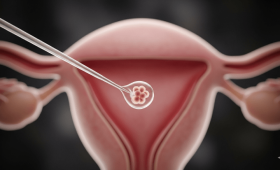
The embryo transfer is a relatively simple procedure, typically performed 5-7 days after egg retrieval. The highest-quality embryo(s) are selected, and a thin, flexible catheter is used to gently deposit them into the recipient’s uterus under ultrasound guidance. No anesthesia is required. Following the transfer, the recipient receives luteal phase support, typically progesterone supplementation (vaginal or intramuscular injections), to support the uterine lining and facilitate implantation. A pregnancy test is performed approximately 12-14 days after transfer.
Persona Case Study: Mrs. Eleanor Davies (45, UK)
Eleanor, a 45-year-old from the UK, presented with diminished ovarian reserve and a history of recurrent miscarriages. After comprehensive consultations, she opted for egg donation IVF in Istanbul. Her donor was a healthy 28-year-old woman with a positive medical history. Eleanor’s cycle included ICSI and PGT-A due to her age. She underwent a standard stimulation protocol, achieving 8 mature eggs. Six embryos were developed, and three were biopsied for PGT-A. One euploid (chromosomally normal) embryo was transferred, resulting in a successful pregnancy. The total cost of her treatment, including PGT, travel, and accommodation, was approximately 4,500 USD. Eleanor chose Istanbul for its combination of high-quality medical facilities and affordability.
Risk Mitigation & Quality Assurance
Turkish fertility clinics, particularly those JCI accredited, adhere to stringent quality control measures. These include:
- Donor Screening: Rigorous screening of egg donors for infectious diseases, genetic disorders, and psychological health.
- Embryology Lab Quality: Advanced laboratory infrastructure, stringent quality control protocols, and regular participation in proficiency testing programs.
- Infection Control: Adherence to strict infection control protocols to minimize the risk of infection.
- Medication Protocols: Use of high-quality medications sourced from reputable manufacturers.
- Patient Monitoring: Close monitoring of both the donor and the recipient throughout the process to identify and address any potential complications.
Potential risks associated with egg donation IVF include ovarian hyperstimulation syndrome (OHSS) in the donor, multiple pregnancies (if more than one embryo is transferred), ectopic pregnancy, and miscarriage. Clinics actively implement strategies to minimize these risks, including careful monitoring, appropriate medication dosages, and elective single embryo transfer (eSET) when appropriate.
Financial Considerations & Logistics
A standard egg donation IVF cycle in Turkey typically costs between 3,000 – 5,000 USD. Acceptable currencies include USD, EUR, and GBP. Most UK/US/EU citizens are eligible for an e-visa allowing a 90-day stay in Turkey. Popular recovery hubs include Istanbul (City/Boutique), Antalya (Resort/Beach), and Izmir (Aegean/Thermal), offering a range of accommodation options.
Pillar 3: Recovery Logistics, 2026 Cost Audit, and the Final Medical Verdict – Egg Donation IVF in Turkey
Following a successful egg donation IVF cycle in Turkey, the post-transfer period—often referred to as the ‘two-week wait’ and subsequent early pregnancy confirmation—requires careful management. This pillar details the recovery logistics available in Turkey’s key medical hubs, offers a projected cost audit for 2026, and clarifies the final medical verification procedures ensuring adherence to international standards. We at CureHoliday.com understand the emotional and physiological demands of this journey, and aim to provide unparalleled support.
Recovery Hub Selection: Istanbul, Antalya, and Izmir – A Comparative Analysis
Turkey offers distinct advantages for post-cycle recovery, extending beyond mere cost-effectiveness. The choice of recovery location significantly impacts the patient experience.
- Istanbul (City/Boutique): Ideal for patients seeking a vibrant cultural experience combined with comprehensive medical oversight. Istanbul boasts numerous JCI-accredited facilities and readily available specialist care should any post-transfer monitoring be required. Recovery options range from luxury boutique hotels to serviced apartments, allowing for independent living with scheduled clinic visits. We recommend patients opting for Istanbul utilize clinics offering dedicated post-transfer nursing support, a service CureHoliday.com expertly facilitates. The proximity to advanced diagnostic centers also allows for rapid resolution of any emerging concerns.
- Antalya (Resort/Beach): Antalya caters to patients prioritizing relaxation and recuperation. The Mediterranean climate and resort infrastructure promote physical and mental wellbeing, minimizing stress – a crucial factor during the luteal phase. Clinics in Antalya often integrate recovery programs with wellness activities such as prenatal yoga and nutritional counselling. While medically sound, access to immediate specialist intervention is slightly less convenient than in Istanbul, requiring pre-arranged transportation protocols which CureHoliday.com provides.
- Izmir (Aegean/Thermal): Izmir offers a unique blend of coastal charm and thermal springs. The Aegean region is renowned for its therapeutic waters, historically utilized for promoting reproductive health. Some clinics in Izmir are beginning to incorporate balneotherapy – controlled thermal water application – as an adjunctive therapy during the recovery period, potentially improving endometrial receptivity. This represents a novel approach, and results are still under investigation, but show promise.
Post-Transfer Monitoring and Medical Verdict
The medical verdict confirming pregnancy is typically delivered approximately 10-14 days post-embryo transfer via serum beta-hCG quantification. Clinics employ highly sensitive assays to detect even the earliest signs of implantation. Critically, a single positive beta-hCG result is insufficient for confirmation. Serial beta-hCG monitoring is standard practice, evaluating the rate of rise – a doubling time of approximately 48-72 hours is indicative of a viable pregnancy.
Following initial biochemical confirmation, a transvaginal ultrasound is performed around 6-8 weeks gestation to visualize the gestational sac and confirm fetal cardiac activity. This constitutes the definitive medical verdict, and marks the transition from IVF monitoring to standard antenatal care.
For patients returning to their home country, CureHoliday.com provides comprehensive medical documentation, including all lab reports, ultrasound images, and a detailed summary of the IVF cycle, suitable for presentation to their local obstetrician. We also facilitate telehealth consultations with the Turkish reproductive endocrinologist, ensuring seamless continuity of care.
2026 Cost Audit: Projecting IVF Expenses in Turkey vs. Western Countries
While Turkey currently presents significant cost savings for egg donation IVF, it’s crucial to anticipate future economic fluctuations. Our projected 2026 cost audit considers inflationary pressures, exchange rate volatility, and potential regulatory changes.
Currently (2026), a standard IVF cycle utilizing donor eggs in Turkey ranges from 3,000 – 5,000 USD. Adding Preimplantation Genetic Testing (PGT) increases the cost by 1,500 – 3,000 USD. We project a conservative increase of 8-12% annually, factoring in both domestic inflation and currency exchange rate fluctuations (USD/EUR/GBP).
| Procedure | 2026 Cost (USD) | Projected 2026 Cost (USD) |
|---|---|---|
| Standard Cycle (Egg Donation) | 3,000 – 5,000 | 3,600 – 6,000 |
| Standard Cycle + PGT | 4,500 – 8,000 | 5,400 – 9,000 |
In contrast, the average cost of egg donation IVF in Western countries (US, UK, Canada, EU) currently ranges from 15,000 – 25,000 USD, with PGT adding an additional 3,000 – 6,000 USD. Even with projected increases, Turkey will likely remain significantly more affordable in 2026, offering savings of up to 60-70%. However, the total cost must incorporate travel, accommodation, and living expenses. CureHoliday.com offers all-inclusive packages designed to minimize these ancillary costs.
Advanced Technologies Employed & Clinical Standards
Turkish fertility clinics consistently integrate cutting-edge reproductive technologies to optimize outcomes. Beyond standard IVF protocols, several advanced techniques are routinely employed:
- ICSI (Intracytoplasmic Sperm Injection): A widely utilized technique where a single sperm is directly injected into the oocyte, overcoming male factor infertility challenges.
- Micro-chip Sperm Sorting: This technology isolates motile sperm with normal morphology, enhancing fertilization rates and improving embryo quality.
- Embryoscope: A time-lapse imaging system allowing continuous monitoring of embryo development, facilitating accurate embryo selection and maximizing implantation potential. The Embryoscope provides clinicians with a detailed developmental history of each embryo, reducing the need for invasive biopsy procedures.
Furthermore, Turkish medical facilities adhere to stringent quality standards. The majority of reputable clinics are accredited by the JCI (Joint Commission International), demonstrating commitment to international best practices. All clinics are also rigorously regulated by the Turkish Ministry of Health, ensuring patient safety and ethical conduct.
Successful outcomes are directly correlated with patient age. Clinics report up to 60-70% success rates for patients under the age of 35, declining to approximately 15-20% for those over 42. CureHoliday.com provides realistic expectations and individualized success rate projections based on thorough patient evaluation.
Our commitment at CureHoliday.com extends beyond the medical procedure itself. We provide dedicated case managers, fluent in multiple languages, to facilitate every aspect of your journey, from initial consultation to post-natal care coordination.
Ready to consult a specialist? Schedule a Free Consultation for Egg Donation IVF in Turkey with cureholiday.com
Free Consultation
Fill out the form below to get your free medical travel plan and price quote.