About the prices on this page. The figures below are indicative market prices and country comparisons, not a quote. Our own current, all-inclusive prices are published on our cosmetic surgery in Turkey page, and we confirm your figure in writing before you commit to anything.
Cost and planning note (Mommy Makeover 2026)
The figures below are indicative market ranges, not a quote: your own price is confirmed after a clinical assessment.
Indicative price range: Standard Package: 4,500 – 7,500 USD | Advanced Combination: 8,000 – 12,000 USD | Tummy Tuck: 3,000 – 5,000 USD | Breast Lift: 2,500 – 4,500 USD | Liposuction Per Area: 500 – 1,500 USD | Bbl Fat Transfer: 3,500 – 5,500 USD
Facility standards: In Türkiye, any facility treating international patients must hold the Ministry of Health’s international health tourism authorisation; hospitals and medical centres must also be accredited by TÜSKA, and complication insurance is compulsory for procedures carried out in an operating theatre (Regulation of 26 April 2025).
Recovery Focus: Post-pregnancy body restoration & safety first.
Currency: GBP, EUR, USD accepted.
Correcting “Dog Ears” from Previous C-Sections during a Tummy Tuck in Turkey
Addressing “Dog Ears” and Refining the Post-Cesarean Abdomen with Tummy Tuck in Turkey
Following multiple Cesarean sections (C-sections), many women experience a localized prominence of skin and fat at the flanks, colloquially known as “dog ears.” These are not merely cosmetic concerns; they represent a complex interplay of factors including altered lymphatic drainage, skin laxity due to repeated stretching, and often, underlying muscular weakness. A carefully planned abdominoplasty (tummy tuck), particularly when performed in a country renowned for surgical excellence like Turkey, offers a comprehensive solution to correct these deformities, restoring abdominal contour and improving quality of life. This pillar focuses on the technical considerations for addressing “dog ears” during a tummy tuck procedure as part of a broader ‘Mommy Makeover’ approach, within the context of post-pregnancy body restoration.
Understanding the Pathophysiology of Post-Cesarean “Dog Ears”
Repeated C-sections cause significant disruption to the rectus abdominis fascia and the subcutaneous tissue layer. While the primary incision heals, the supporting tissues can become attenuated and lose their elasticity. This is exacerbated by the physiological changes of pregnancy – stretching of the abdominal wall, hormonal influences on collagen production, and potential development of diastasis recti (abdominal muscle separation). The “dog ears” form because the skin and subcutaneous fat, lacking sufficient underlying support, bunch up at the incision line, particularly where the tension is greatest, at the lateral edges of the incision. A simple skin excision without addressing the underlying causes can result in a poorly aesthetic outcome, and recurrence is common. Furthermore, compromised lymphatic drainage in the area contributes to post-operative swelling and potentially seroma formation, requiring meticulous surgical technique and post-operative management.
Surgical Techniques for “Dog Ear” Correction
Correcting “dog ears” requires a nuanced surgical approach integrated into the overall tummy tuck plan. Surgeons specializing in post-pregnancy restoration utilize several techniques, often in combination, to achieve a smooth, natural-looking contour.
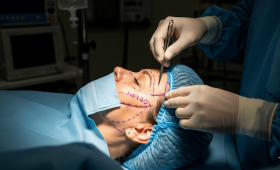
- Direct Excision with Precise Redraping: The most common approach involves careful direct excision of the excess skin and fat forming the “dog ear.” Crucially, this isn’t just a simple removal; the remaining skin must be meticulously redraped and secured to the underlying fascial layer, ensuring even tension distribution and preventing recurrence. The surgeon will assess the degree of skin redundancy and the underlying muscular support to determine the appropriate amount of tissue to excise.
- Advancement Flaps: In cases of moderate “dog ears,” the surgeon may employ an advancement flap technique. This involves mobilizing a flap of skin and fat, and repositioning it medially (towards the midline) to smooth out the contour. This technique is particularly useful when the “dog ear” is accompanied by significant lateral skin laxity.
- Liposuction-Assisted Contouring: Vaser Liposuction is often incorporated to refine the flanks and address localized fat deposits contributing to the “dog ear” appearance. The precision of Vaser allows for selective fat removal, creating a smoother transition between the treated area and the surrounding tissue. This minimizes bruising and facilitates faster recovery.
- Deep Fascial Repair & Lateral Component Release: For patients with significant diastasis recti, a robust repair of the abdominal fascia is paramount. This involves internal corset suturing to restore the integrity of the linea alba. Concurrently, a lateral component release (where the lower ribs are freed from the rectus fascia) can reduce tension on the abdominal wall and facilitate a smoother, more natural contour, preventing the formation, or recurrence, of “dog ears”.
- 360° Body Lift Considerations: In cases of extensive skin laxity following multiple pregnancies and C-sections, an extended abdominoplasty (360° body lift) may be the most appropriate approach. This addresses skin excess around the entire torso, providing a more comprehensive and harmonious result.
Integrating the Tummy Tuck with a Comprehensive “Mommy Makeover”
Addressing “dog ears” is often best achieved as part of a broader “Mommy Makeover.” The synergy between procedures enhances overall results and minimizes the need for future revisions. A common combination includes:
- Abdominoplasty: As discussed, to correct “dog ears” and address overall abdominal laxity. Cost range: 3,000 – 5,000 USD.
- Breast Lift (Mastopexy): To restore breast volume and shape after pregnancy and breastfeeding. Cost range: 2,500 – 4,500 USD. The choice of implant, if augmentation is desired, is critical. Mentor, Motiva, or Polytech implants are frequently utilized, as they are JCI approved, assuring stringent quality control.
- Liposuction: To refine the waistline and remove stubborn fat deposits. Cost per area: 500 – 1,500 USD.
- Brazilian Buttock Lift (BBL): Utilizing BBL fat transfer can reshape and enhance the buttocks, creating a more balanced and aesthetically pleasing physique. Cost range: 3,500 – 5,500 USD.
A standard package encompassing a tummy tuck, breast lift, and diastasis recti repair typically falls within the 4,500 – 7,500 USD range. A more advanced combination including BBL or extensive liposuction can range from 8,000 – 12,000 USD. It’s vital to discuss individual goals and expectations with a qualified surgeon to determine the most appropriate surgical plan.
Turkey: A Global Hub for Post-Pregnancy Restoration
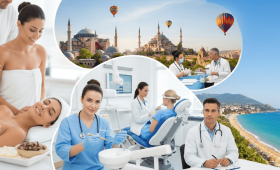
Turkey has emerged as a leading destination for ‘Mommy Makeovers’ due to several factors. Highly skilled and experienced plastic surgeons, coupled with advanced surgical facilities, offer exceptional value. Furthermore, the country’s tourism infrastructure provides a seamless and comfortable experience for medical travelers. Patients can expect a recovery period of approximately 7-10 days in Turkey, with a full return to exercise typically possible around 6 weeks post-surgery. Logistics are streamlined with convenient airport access via Istanbul (IST) or Antalya (AYT), luxurious accommodation in 5-star recovery suites with companion stay included, and VIP private transfers from the airport to the clinic. Potential patients benefit from free online video assessments with board-certified plastic surgeons, allowing for preliminary evaluation and personalized treatment planning.
The combination of technical expertise, affordable pricing, and comprehensive patient care makes Turkey an increasingly popular choice for women seeking to restore their bodies after pregnancy and address specific concerns like “dog ears” resulting from previous C-sections. The emphasis on a holistic approach, addressing both functional and aesthetic concerns, ensures optimal long-term results.
Addressing “Dog Ears” and Optimizing Abdominal Contouring with Combined Tummy Tuck Surgery in Turkey
Following multiple Cesarean sections (C-sections), many women experience a degree of abdominal laxity and the formation of “dog ears” – localized bulges of skin and fat at the flanks. These imperfections, while not medically dangerous, can be aesthetically distressing and difficult to address with exercise alone. When combined with a tummy tuck (abdominoplasty) in Turkey, corrective strategies can yield a remarkably smooth and natural-looking result. This pillar details the surgical techniques employed, the typical patient journey, and the stringent safety standards adhered to during such procedures.
Understanding the Anatomy and Etiology of “Dog Ears”
The appearance of “dog ears” stems from a combination of factors. Pregnancy stretches the rectus abdominis muscles and connective tissues, a condition known as diastasis recti. C-sections, while necessary, further compromise the abdominal wall integrity through incision and healing. The skin loses elasticity, particularly after multiple pregnancies. When a standard tummy tuck is performed on an abdomen with pre-existing skin redundancy and compromised musculature from previous C-sections, the tension on the remaining skin can concentrate at the flanks, creating these noticeable protrusions. Addressing this requires a nuanced surgical approach beyond a simple skin excision.
Surgical Techniques for Combined Correction
Successful correction of “dog ears” during a tummy tuck involves careful planning and execution. The foundational step is Diastasis Recti repair, achieved through internal corset suturing of the abdominal fascia. This reconstructs the linea alba – the fibrous structure running down the midline of the abdomen – effectively tightening the underlying muscular framework. A weak core makes proper skin redraping impossible.
However, addressing the “dog ears” necessitates more than just fascial tightening. Several techniques can be employed, often in combination:
- Extended Tummy Tuck (360° Body Lift Consideration): In cases of significant laxity, an extended abdominoplasty, encompassing the flanks and lower back, provides the most comprehensive solution. This allows for wider skin excision and re-draping, distributing tension more evenly and minimizing the risk of dog ear formation. It may also incorporate limited liposuction for optimal contouring.
- Strategic Skin Resection and Repositioning: Precise surgical planning is crucial. The surgeon must carefully assess the skin quality and elasticity, and design the incision to avoid excessive tension on the lateral aspects of the abdominal flap.
- Liposuction Augmentation: Utilizing Vaser Liposuction, a technique employing ultrasonic energy, allows for targeted fat removal from the flanks and waistline. This not only contours the area but also reduces the volume contributing to the “dog ears.” Vaser Liposuction’s precision minimizes trauma, resulting in less bruising and a faster recovery.
- Suture Anchoring: Deep dermal sutures can be strategically placed to anchor the abdominal flap to the underlying fascia, further preventing lateral bulging. This adds an extra layer of support and stability.
- Flank Lift Consideration: In certain cases, a limited flank lift might be incorporated to directly address excess skin in the affected areas, eliminating the potential for dog ears.
Case Study: A 34-Year-Old Irish Mother of Three
Consider a 34-year-old Irish mother of three who presented with significant abdominal laxity and pronounced “dog ears” following three C-sections. Her initial assessment revealed moderate diastasis recti (approximately 5cm separation) and localized fat deposits around the flanks. After a thorough online video assessment with a board-certified plastic surgeon, a customized surgical plan was developed. The plan included an extended tummy tuck, diastasis recti repair with internal corset suturing, and Vaser Liposuction to the flanks.
During the surgery, the surgeon meticulously addressed the diastasis recti, achieving a robust fascial closure. The abdominal flap was carefully elevated and re-draped, with particular attention paid to distributing tension evenly. Vaser Liposuction sculpted the flanks, creating a smooth transition between the abdomen and hips. The final result was a flat, toned abdomen with no evidence of “dog ears,” significantly improving the patient’s confidence and body image.
JCI Accreditation and Patient Safety Standards
Choosing a facility committed to international standards of care is paramount. Facilities offering combined tummy tuck procedures in Turkey consistently adhere to rigorous guidelines established by Joint Commission International (JCI). JCI accreditation signifies a commitment to patient safety, quality of care, and continuous improvement. Key aspects include:
- Surgeon Qualification: All surgeons performing abdominoplasties are board-certified plastic surgeons with extensive experience in reconstructive and aesthetic surgery.
- Anesthesia Protocols: Experienced anesthesiologists utilize modern monitoring equipment and anesthesia techniques to ensure patient safety throughout the procedure.
- Sterilization and Infection Control: Strict sterilization protocols are followed in operating rooms and throughout the facility, minimizing the risk of infection.
- Post-Operative Care: Comprehensive post-operative care is provided, including pain management, wound care, and compression garment fitting.
- Implant Safety: If breast augmentation is combined with the tummy tuck, only JCI-approved breast implants – such as Mentor, Motiva, or Polytech – are used.
Logistics and Recovery
A seamless patient journey is a priority. Typically, patients arrive at either Istanbul (IST) or Antalya (AYT) airports, where VIP private transfers await to transport them to their chosen recovery facility. The standard package for a tummy tuck alone begins at 3,000 USD, while a more advanced combination procedure (including diastasis recti repair and liposuction) ranges from 8,000 – 12,000 USD. For those opting for a combined approach with a breast lift (costing 2,500 – 4,500 USD), or BBL fat transfer (3,500 – 5,500 USD), the costs are adjusted accordingly. Patients typically spend 7-10 days recovering in luxurious 5-star recovery suites, with companion stay included. Full return to exercise is generally advised after approximately 6 weeks.
It’s important to note that individual results may vary, and a thorough consultation with a qualified surgeon is essential to determine the most appropriate treatment plan.
Addressing “Dog Ears” and Optimizing Tummy Tuck Recovery in Turkey
Following multiple Cesarean sections (C-Sections), many women experience a cosmetic concern known as “dog ears” – protruding flaps of skin and excess tissue at the ends of the abdominal incision. These are often resistant to non-surgical interventions and require specific attention during a tummy tuck (abdominoplasty) procedure. For patients choosing to combine surgical enhancement with recovery in Turkey, understanding how these irregularities are addressed, and the logistical support available, is paramount for a successful outcome. This article details post-operative recovery expectations, childcare considerations, realistic timelines for return to normal activities, and a comprehensive cost analysis for 2026, compared to procedures in the UK and USA.
Surgical Techniques for “Dog Ear” Correction
The formation of “dog ears” stems from the tension disparities in the abdominal skin envelope following repeated C-Section incisions. Traditional abdominoplasty techniques may sometimes exacerbate this, necessitating specific adjustments. Surgeons specializing in post-C-Section tummy tucks in Turkey frequently employ techniques to mitigate and correct these issues. This can involve careful undermining of the skin flaps, meticulous re-draping of the abdominal tissues, and strategic placement of sutures. A key consideration is the level of diastasis recti – separation of the rectus abdominis muscles – which often accompanies multiple pregnancies.
Diastasis Recti repair involves internal corset suturing of the abdominal fascia. This is often performed concurrently with the abdominoplasty to restore core strength and provide a stable foundation for the skin repositioning. Furthermore, techniques like Webster’s R-plasty (not always required, but used judiciously) can help release tension and redistribute the skin, preventing the formation of dog ears. Surgeons may also utilize strategically placed dissolving sutures deep within the tissues to reshape the abdominal contour and minimize the risk of asymmetry.
Post-Operative Villa Recovery: A Detailed Look
Unlike a brief hospital stay, recovery after a tummy tuck in Turkey often includes a dedicated period in a private 5-star recovery suite with companion stay included. This offers significant advantages over solely relying on in-clinic care. These suites are designed to mimic the comfort of a high-end hotel while providing essential medical support. The first 7-10 days are critical for initial wound healing and management of postoperative discomfort.
- Wound Care: Regular dressing changes are performed by trained nurses, often visiting the villa daily. Patients are meticulously instructed on proper wound hygiene to prevent infection. Digital photographs are routinely taken to monitor healing progression.
- Compression Garment Management: Wearing a compression garment is crucial for reducing swelling, supporting the tissues, and contouring the abdomen. Nurses provide guidance on proper application and maintenance.
- Pain Management: Pain is managed through a combination of prescribed analgesics and, increasingly, non-opioid alternatives to minimize side effects.
- Lymphatic Drainage Massage: Gentle lymphatic drainage massage, often starting around day 3-5, helps reduce swelling and promote fluid removal. This is a key component in accelerating the healing process.
Childcare Logistics & Support
For mothers undergoing a tummy tuck, particularly those with young children, logistical planning for childcare is vital. While companion stays are included, dedicated childcare beyond that requires pre-arrangement. Many recovery suites can facilitate the arrangement of qualified nannies or babysitters, although costs are additional and vary. It’s crucial to factor in the emotional needs of children during the mother’s recovery. Pre-operative discussions about the procedure and the temporary changes in routine can help ease any anxiety or disruption. Remember that strenuous activity, including lifting children, is strictly prohibited for at least 6 weeks post-surgery.
Fly-Home Timelines and Considerations
The timing of the return flight is meticulously planned in consultation with the surgeon. Generally, patients can fly home approximately 7-10 days post-operatively, contingent upon a favorable surgical evaluation. Several factors influence this decision:
- Wound Healing: The incision must demonstrate adequate closure and minimal signs of infection.
- Swelling & Bruising: While some swelling and bruising are expected, it should be manageable and trending downwards.
- Pain Control: Pain must be adequately controlled with oral medication.
- Mobility: Patients must be able to walk independently and navigate the airport with reasonable comfort.
Post-flight, ongoing wound care and follow-up appointments (often virtual) are essential. Compression garment wear should continue for at least 6-8 weeks, and a gradual return to activity is advised. Full return to strenuous exercise, including core strengthening exercises, typically takes approximately 6 weeks.
Cost Breakdown: 2026 Projections vs. UK/USA
Turkey remains a highly competitive destination for medical tourism, offering significant cost savings compared to the UK and USA. However, prices are subject to fluctuation due to economic factors. Here’s a projected cost comparison for 2026 (estimates based on current trends):
- Standard Package (Tummy Tuck + Hotel + Transfers): 4,500 – 7,500 USD
- Advanced Combination (Tummy Tuck + Breast Lift + Liposuction): 8,000 – 12,000 USD
- Tummy Tuck Alone: 3,000 – 5,000 USD
- Breast Lift: 2,500 – 4,500 USD
- Liposuction (per area): 500 – 1,500 USD
- Brazilian Butt Lift (BBL) with Fat Transfer: 3,500 – 5,500 USD
In comparison, a similar abdominoplasty procedure in the UK typically ranges from £6,000 – £10,000 (approximately 7,600 – 12,700 USD), while in the USA, costs can range from $8,000 – $15,000+. These figures do *not* include accommodation, transfers, or post-operative care, making the Turkish option considerably more affordable. It’s crucial to note that these are estimates, and the final cost will depend on the specific surgical plan and the chosen hospital or surgeon.
Vaser Liposuction is frequently incorporated as an adjunct to tummy tuck procedures for achieving high-definition contouring with minimal bruising, further refining the abdominal aesthetic. The choice of breast implants, when included in a combined procedure, is typically offered with reputable, JCI-approved brands such as Mentor, Motiva, or Polytech.
Selecting a board-certified plastic surgeon with extensive experience in post-C-Section abdominoplasty is paramount. Free online video assessments are available to discuss individual cases and determine the most appropriate surgical approach.
Considering a Mommy Makeover in Turkey? Get a Free Quote for your Correcting “Dog Ears” from Previous C-Sections during a Tummy Tuck in Turkey Transformation with cureholiday.com
Free Consultation
Fill out the form below to get your free medical travel plan and price quote.
Sources and how to verify this yourself
- Ministry of Health, Regulation on International Health Tourism and Tourist Health, Official Gazette 26 April 2025, No. 32882 — authorisation requirement for facilities and intermediaries, TÜSKA accreditation, compulsory complication insurance (deadline 31 December 2025 for insurance, 31 December 2026 for accreditation). source
- Ministry of Health, Regulation on Promotion and Information Activities in Health Services, Official Gazette 12 November 2025, No. 33075 — treatment promises and guarantees are prohibited; price and campaign announcements are permitted only within international health tourism. source