Reclaiming Wellness: Breast Reconstruction Options in Turkey
For women facing mastectomy due to breast cancer, the journey doesn’t end with surgery. Breast reconstruction offers a pathway to restoring form, confidence, and overall well-being. Increasingly, patients are looking beyond their national borders for high-quality, affordable reconstructive surgery, and Turkey has emerged as a leading destination. With a thriving medical tourism sector, particularly in cities like Istanbul and Antalya, Turkey presents a compelling alternative to procedures in the US and UK. The nation is internationally recognized as a hub for aesthetic procedures, boasting JCI-accredited clinics and cost savings of 50-70% – a significant factor for many patients. Beyond price, Turkey’s skilled surgeons and modern facilities are attracting a growing number of individuals seeking breast reconstruction after mastectomy.
Understanding Breast Reconstruction Options
Breast reconstruction aims to rebuild the breast after it has been removed. There are two primary methods: implant-based reconstruction and flap reconstruction. The optimal choice depends on various factors, including the patient’s overall health, the extent of the mastectomy, and personal preferences.
- Implant-Based Reconstruction: This involves using breast implants to create a new breast mound. It’s often a quicker process, sometimes completed in a single stage, and can be suitable for women who don’t have sufficient natural tissue for flap reconstruction. Different types of implants are available, including saline and silicone-filled options, varying in shape and size.
- Flap Reconstruction: This technique utilizes tissue from another part of the patient’s body – commonly the abdomen, back, or buttocks – to rebuild the breast. The tissue, including skin, fat, and sometimes muscle, is transferred to the chest and sculpted into a natural-looking breast. Flap reconstruction generally requires a more complex surgery and a longer recovery period than implant-based reconstruction but can often achieve a more natural aesthetic result.
The Turkish Advantage: Quality and Cost
Turkey’s growing reputation for medical excellence is underpinned by a commitment to international standards. Many clinics are JCI (Joint Commission International) accredited, ensuring adherence to rigorous quality and safety protocols. This accreditation provides patients with assurance that the facilities and medical professionals meet globally recognized benchmarks.
The significant cost difference between procedures in Turkey and countries like the US or UK is a major draw. This isn’t due to a compromise in quality, but rather to lower operational costs, favorable exchange rates, and a competitive market. Patients can save a substantial amount of money without sacrificing the standard of care. Typical recovery periods are relatively short, often requiring only 3-7 days in-country, allowing patients to return home quickly while still receiving essential post-operative care. This streamlined recovery period makes Turkey particularly appealing for international patients.
Preliminary Consultation and Planning
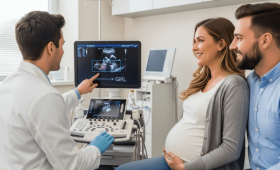
Before embarking on medical travel, a thorough consultation with a qualified plastic surgeon is crucial. This consultation, which can often be conducted remotely through platforms like cureholiday.com, will involve a detailed medical history review, a physical examination, and a discussion of your goals and expectations. The surgeon will assess your suitability for different reconstruction techniques and explain the risks and benefits of each option.
Key factors considered during consultation include:
- Extent of the mastectomy
- Your overall health
- Body type and tissue availability
- Desired breast size and shape
- Your lifestyle and activity level
cureholiday.com offers a dedicated concierge service to facilitate these initial consultations, ensuring you receive personalized guidance and support in making informed decisions.
Post-Mastectomy Considerations & Candidacy
Not all patients are immediate candidates for breast reconstruction. Factors like smoking, uncontrolled diabetes, or active infections can impact the success of the surgery. Patients may need to address these issues before undergoing reconstruction. Radiation therapy after mastectomy can also affect the timing and technique of reconstruction. It’s typically recommended to wait at least 6-12 months after completing radiation therapy before considering flap reconstruction to allow tissues to heal properly. Implant-based reconstruction might be an option sooner, but careful evaluation is still required.
The emotional aspects of breast reconstruction are also significant. It’s essential to have realistic expectations and a strong support system. cureholiday.com understands these needs and offers comprehensive support packages that include pre-operative counseling and post-operative psychological support, ensuring a holistic approach to your recovery.
Ready to explore your options for breast reconstruction in Turkey? cureholiday.com connects you with leading surgeons, facilitates seamless travel arrangements, and provides dedicated post-operative care, making your journey to renewed wellness stress-free and affordable.
Turkey has rapidly become a premier destination for medical tourism, particularly in the field of aesthetics. Driven by JCI-accredited clinics, highly skilled surgeons, and cost advantages of 50-70% compared to procedures in the US and UK, the country attracts patients globally. Major hubs like Istanbul and Antalya offer world-class care, with procedures like Vaser Liposuction and FUE Hair Transplant particularly popular. This established infrastructure and expertise are now extending to sophisticated procedures like breast reconstruction following mastectomy. Typical recovery times often require just 3-7 days in-country, minimizing disruption to patients’ lives.
Breast Reconstruction Techniques Available in Turkey
Following a mastectomy, several breast reconstruction options are available, each with its own advantages and suitability depending on individual circumstances. Understanding these techniques is crucial for informed decision-making, and a comprehensive consultation with a qualified surgeon is paramount. Here’s a detailed overview of the most common methods offered in Turkey:
Implant-Based Reconstruction
This is often the quickest and most straightforward approach. It involves using saline or silicone breast implants to recreate the breast mound. There are two main approaches:
- Single-Stage Reconstruction: The implant is placed directly during the initial surgery. This method is generally suitable for patients with sufficient skin and soft tissue coverage.
- Two-Stage Reconstruction: A tissue expander is first inserted to stretch the skin and create space for the permanent implant. After a period of expansion (typically several weeks or months), the expander is removed and replaced with a silicone or saline implant. This is frequently necessary when there isn’t enough native tissue for immediate implant placement.
Procedure Overview (Implant-Based):
- Anesthesia: General anesthesia is typically used.
- Incision: Incisions can be made in various locations, depending on the technique and the patient’s anatomy (e.g., under the breast, around the areola).
- Tissue Expansion (if applicable): A tissue expander is inserted and gradually inflated over several weeks using saline injections.
- Implant Placement: The expander is removed and replaced with the chosen implant.
- Nipple Reconstruction: Nipple reconstruction is often performed as a separate procedure, either at the time of implant placement or later.
Flap Reconstruction (Autologous Reconstruction)
Flap reconstruction utilizes tissue from other parts of the patient’s body to rebuild the breast. This approach offers a more natural look and feel, as it uses living tissue rather than an implant. Common flap techniques include:
- DIEP (Deep Inferior Epigastric Perforator) Flap: This is considered the gold standard. Skin, fat, and blood vessels are taken from the lower abdomen, preserving the abdominal muscles.
- TRAM (Transverse Rectus Abdominis Muscle) Flap: This involves using a portion of the abdominal muscle, along with skin and fat. While effective, it can lead to weakness in the abdominal wall. (Less common now due to DIEP advancements).
- Latissimus Dorsi Flap: Muscle from the back is used to create the breast mound. Often combined with an implant to achieve the desired volume.
Procedure Overview (Flap Reconstruction – DIEP):
- Anesthesia: General anesthesia is required.
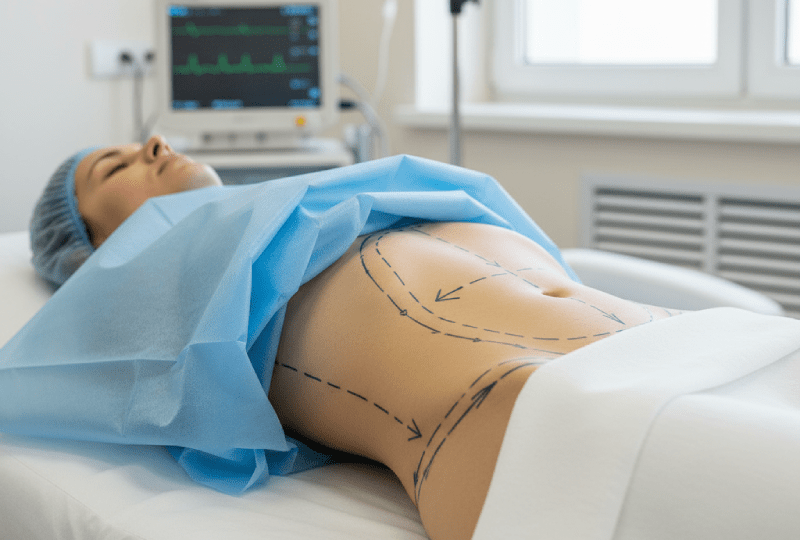
- Harvesting the Flap: The surgeon carefully dissects the skin, fat, and blood vessels from the lower abdomen, preserving the abdominal muscles.
- Transferring the Flap: The flap is tunneled under the skin to the chest and connected to blood vessels in the chest wall.
- Shaping the Breast: The flap is shaped and sculpted to create the desired breast mound.
- Nipple Reconstruction: Nipple reconstruction is typically performed as a separate procedure.
Comparing Reconstruction Techniques
Here’s a comparative overview to help understand the differences:
| Feature | Implant Reconstruction | Flap Reconstruction (DIEP) |
|---|---|---|
| Natural Feel & Look | Less natural feel; potential for implant visibility/rippling | More natural feel and appearance; uses patient’s own tissue |
| Longevity | Implants may require replacement over time | Long-lasting results; utilizes living tissue |
| Recovery Time | Generally shorter recovery | Longer and more complex recovery |
| Abdominal Weakness | No impact on abdominal muscles | Potential for temporary abdominal weakness (minimised with DIEP) |
| Hospital Stay | Typically shorter (2-5 days) | Typically longer (5-10 days) |
Important Considerations: Radiation therapy significantly impacts reconstruction options and timing. As mentioned previously, a waiting period of 6-12 months post-radiation is generally recommended for flap reconstruction to allow for tissue healing. Implant reconstruction may be possible sooner, but requires careful evaluation.
Choosing the Right Option: The best reconstruction method depends on individual anatomy, health, lifestyle, and preferences. A thorough discussion with your surgeon is essential.
At cureholiday.com, we connect you with leading surgeons in Turkey who specialize in breast reconstruction. We handle all aspects of your medical tourism journey, from initial consultations and pre-operative preparations to seamless travel arrangements and dedicated post-operative care. Our comprehensive support packages are designed to provide you with a stress-free and affordable experience, allowing you to focus on your recovery and renewed wellness. Let cureholiday.com guide you through every step of the process, ensuring you receive the highest quality care and achieve the best possible outcome.
Navigating Breast Reconstruction Options in Turkey: A Detailed Comparison
Turkey has rapidly become a leading destination for medical tourism, particularly in the field of aesthetics. Boasting JCI-accredited clinics and costs significantly lower – typically 50-70% less than in the US or UK – the country offers a compelling combination of quality care and affordability. Cities like Istanbul and Antalya are thriving medical hubs, attracting patients globally for procedures such as Vaser Liposuction, FUE Hair Transplant, and increasingly, complex reconstructive surgeries like breast reconstruction following mastectomy. The typical recovery period often requires just 3-7 days spent in-country, making it a viable option for international patients.
Understanding Your Reconstruction Pathway
Following a mastectomy, breast reconstruction is a deeply personal and empowering journey. In Turkey, as elsewhere, the two primary approaches are implant-based reconstruction and flap reconstruction (using the patient’s own tissue). The decision hinges on a variety of factors, and understanding the nuances of each method is crucial. We will now delve deeper into the specifics of each procedure, outlining the typical process and associated considerations.
Implant-Based Reconstruction: A Streamlined Approach
Implant reconstruction utilizes breast implants to restore volume and shape. This often involves a tissue expander initially, gradually inflated over several weeks to create space for the permanent implant. The process typically includes:
- Surgical Planning: Precise measurement and marking to determine implant size and placement.
- Tissue Expander Placement: Insertion of the expander beneath the skin and chest muscles.
- Expansion Phase: Regular saline injections over a period of weeks to stretch the skin and create the desired pocket.
- Implant Exchange: Removal of the tissue expander and replacement with a permanent breast implant.
- Nipple & Areola Reconstruction (Optional): A separate procedure to recreate the nipple and areola for a more natural appearance.
Flap Reconstruction: Harnessing Your Body’s Natural Tissue
Flap reconstruction, conversely, utilizes tissue from another part of your body – typically the abdomen, back, or thigh – to rebuild the breast. The most common flap procedures include:
- DIEP (Deep Inferior Epigastric Perforator) Flap: This technique takes skin, fat, and blood vessels from the lower abdomen, preserving abdominal muscle strength.
- TRAM (Transverse Rectus Abdominis Muscle) Flap: Utilizes abdominal muscle, skin, and fat – often associated with longer recovery and potential abdominal weakness. (DIEP is the preferred method where suitable)
- Latissimus Dorsi Flap: Employs muscle from the back, often combined with an implant to achieve the desired volume.
The flap reconstruction process involves:
- Donor Site Selection: Determining the most suitable area for tissue transfer.
- Tissue Transfer: Carefully dissecting the tissue along with its blood supply.
- Breast Reconstruction: Shaping and securing the transferred tissue to create the new breast mound.
- Donor Site Closure: Closing the incision at the donor site.
- Nipple & Areola Reconstruction (Optional): Performed as a separate procedure to complete the reconstruction.
Comparative Analysis: Implant vs. Flap Reconstruction
The following table summarizes the key differences between implant and flap reconstruction:
| Feature | Implant Reconstruction | Flap Reconstruction |
| Tissue Source | Synthetic implant | Patient’s own tissue |
| Natural Feel & Look | Less natural feel; potential for implant visibility/rippling | More natural feel and appearance; uses patient’s own tissue |
| Longevity | Implants may require replacement over time | Long-lasting results; utilizes living tissue |
| Recovery Time | Generally shorter recovery | Longer and more complex recovery |
| Abdominal Weakness | No impact on abdominal muscles | Potential for temporary abdominal weakness (minimised with DIEP) |
| Hospital Stay | Typically shorter (2-5 days) | Typically longer (5-10 days) |
Important Considerations: Radiation therapy significantly impacts reconstruction options and timing. As mentioned previously, a waiting period of 6-12 months post-radiation is generally recommended for flap reconstruction to allow for tissue healing. Implant reconstruction may be possible sooner, but requires careful evaluation.
Choosing the Right Option: The best reconstruction method depends on individual anatomy, health, lifestyle, and preferences. A thorough discussion with your surgeon is essential.
At cureholiday.com, we connect you with leading surgeons in Turkey who specialize in breast reconstruction. We handle all aspects of your medical tourism journey, from initial consultations and pre-operative preparations to seamless travel arrangements and dedicated post-operative care. Our comprehensive support packages are designed to provide you with a stress-free and affordable experience, allowing you to focus on your recovery and renewed wellness. Let cureholiday.com guide you through every step of the process, ensuring you receive the highest quality care and achieve the best possible outcome.
Navigating Reconstruction Choices & The Turkish Advantage
Turkey has rapidly become a leading global destination for medical tourism, particularly in aesthetics. With JCI-accredited clinics offering cutting-edge procedures at costs 50-70% lower than in countries like the US and UK, it’s no surprise that Istanbul and Antalya are bustling centers for those seeking high-quality breast reconstruction. Beyond affordability, the experienced surgeons and comprehensive care packages available make Turkey an increasingly popular choice. This section delves deeper into comparing reconstruction options and how cureholiday.com can facilitate a seamless and supportive experience.
Comparing Breast Reconstruction Techniques: A Closer Look
As outlined previously, breast reconstruction following mastectomy generally falls into two main categories: implant-based reconstruction and flap reconstruction (using the patient’s own tissue). Each option presents unique advantages and disadvantages, and the ‘best’ choice is highly individualized.
| Feature | Implant Reconstruction | Flap Reconstruction |
| Tissue Source | Saline or silicone implant | Patient’s own tissue (typically from the abdomen, back, or thighs) |
| Natural Feel & Look | Less natural feel; potential for implant visibility/rippling | More natural feel and appearance; uses patient’s own tissue |
| Longevity | Implants may require replacement over time | Long-lasting results; utilizes living tissue |
| Recovery Time | Generally shorter recovery | Longer and more complex recovery |
| Abdominal Weakness | No impact on abdominal muscles | Potential for temporary abdominal weakness (minimised with DIEP) |
| Hospital Stay | Typically shorter (2-5 days) | Typically longer (5-10 days) |
Flap reconstruction, particularly the Deep Inferior Epigastric Peritoneal (DIEP) flap procedure, is considered the gold standard for those seeking the most natural aesthetic result. The DIEP flap utilizes abdominal tissue (skin, fat, and blood vessels) while preserving the abdominal muscle, minimizing the risk of weakness. Other flap options include the TRAM flap (which utilizes abdominal muscle) and latissimus dorsi flap (using muscle from the back), each with its own considerations.
The Impact of Radiation Therapy & Timing
Important Consideration: Radiation therapy plays a crucial role in determining reconstruction options and timing. Tissue expands significantly before implant reconstruction, and radiation can reduce the elasticity of the tissues, hindering expansion. A waiting period of 6-12 months post-radiation is generally recommended for flap reconstruction to allow for adequate tissue healing and blood vessel recovery. Attempting flap reconstruction too soon after radiation increases the risk of complications. Implant reconstruction may be possible sooner, but requires a thorough evaluation by the surgeon to assess tissue health and suitability. This evaluation is a key part of the service offered by cureholiday.com, ensuring the timing is optimal for your specific case.
Frequently Asked Questions (FAQ)
- What is the best time to consider reconstruction? The ideal timing depends on your overall health, the type of mastectomy performed, and whether you received radiation therapy. A consultation with a surgeon is essential to determine the best course of action.
- Will I be able to breastfeed after reconstruction? Breastfeeding after reconstruction is possible but may be affected depending on the chosen reconstruction method and the extent of surgery. Discuss your desire to breastfeed with your surgeon.
- How painful is breast reconstruction surgery? Post-operative pain is managed with medication. Flap reconstruction generally involves more initial pain than implant reconstruction, but pain levels vary significantly.
- What is the recovery process like for flap reconstruction? Recovery is longer and more complex than with implant reconstruction. Expect a hospital stay of 5-10 days, followed by several weeks of recovery at home.
- What are the risks associated with breast reconstruction? As with any surgery, there are risks involved, including infection, bleeding, poor wound healing, and implant complications (for implant reconstruction).
- How long will I stay in Turkey for recovery? Typical recovery in-country ranges from 3-7 days post-surgery, but flap reconstruction may require a slightly extended stay. cureholiday.com’s packages cater to varying recovery timelines.
- Is breast reconstruction covered by insurance in Turkey? Insurance coverage varies. cureholiday.com can assist with navigating insurance claims and provide transparent pricing information.
- What aftercare support does cureholiday.com offer? We provide dedicated post-operative care, including regular check-ins with your surgeon, access to a 24/7 support line, and assistance with follow-up appointments.
JSON-LD FAQ Schema
Choosing to undergo breast reconstruction is a deeply personal decision. cureholiday.com is committed to providing you with the information and support needed to make an informed choice and experience a positive medical journey in Turkey. We simplify the process, from connecting you with qualified surgeons to arranging travel and accommodation, ensuring a stress-free and affordable path to renewed wellness. Let us handle the logistics so you can focus on what truly matters: your health and recovery.
Navigating the Practicalities of Breast Reconstruction in Turkey
Turkey has rapidly become a premier destination for medical tourism, particularly in the field of aesthetics. Fueled by JCI-accredited clinics, highly skilled surgeons, and significantly lower costs – often 50-70% less than in the US or UK – it offers a compelling alternative for those seeking high-quality breast reconstruction following mastectomy. Istanbul and Antalya serve as the primary centers for this specialized care, attracting patients from around the globe. The combination of advanced medical expertise and affordable pricing makes Turkey an increasingly popular choice, with procedures like Vaser Liposuction and FUE Hair Transplant also drawing international patients. While recovery timelines vary, most patients can expect to spend 3-7 days in-country post-procedure, further minimizing disruption and overall costs.
Understanding the Financial Aspects & Insurance
The financial considerations of breast reconstruction are substantial. While the cost savings in Turkey are significant, understanding insurance coverage is crucial. Insurance policies vary widely, and what is covered will depend on your specific provider and plan. cureholiday.com recognizes this complexity and offers dedicated assistance in navigating insurance claims. Our team can help you gather the necessary documentation, understand your policy’s stipulations regarding international medical travel, and potentially pre-negotiate coverage approvals. We also provide a fully transparent breakdown of all costs associated with your procedure, including surgeon’s fees, hospital stays, anesthesia, post-operative care, and accommodation. This ensures there are no hidden expenses and allows you to plan your finances effectively.
Comprehensive Aftercare: A Cornerstone of Recovery
Successful breast reconstruction extends beyond the operating room. Robust aftercare is paramount to achieving optimal results and minimizing complications. cureholiday.com prioritizes this aspect of your journey, offering a comprehensive post-operative care package. This includes:
- Regular Surgeon Check-Ins: Scheduled follow-up appointments with your surgeon to monitor your healing process and address any concerns.
- 24/7 Support Line: Access to a dedicated support line staffed by medical professionals, available around the clock to answer your questions and provide immediate assistance.
- Assistance with Follow-Up Appointments: cureholiday.com will schedule and coordinate all necessary follow-up appointments, ensuring seamless continuity of care.
- Post-Operative Garment Fitting & Guidance: Proper fitting and instruction on the use of compression garments, essential for shaping and supporting the reconstructed breast.
- Wound Care Instructions & Support: Detailed guidance on wound care, including dressing changes and signs of infection to watch for.
Frequently Asked Questions about Breast Reconstruction in Turkey
- What type of anesthesia is used for breast reconstruction? The type of anesthesia depends on the chosen reconstruction method and your surgeon’s recommendation. Options include general anesthesia and regional anesthesia (such as an epidural or block).
- What are the potential risks and complications of breast reconstruction? Like any surgical procedure, breast reconstruction carries potential risks, including infection, bleeding, hematoma, seroma, wound healing problems, asymmetry, and changes in nipple sensation. Your surgeon will discuss these risks with you in detail.
- How long will the surgical scars be visible? Surgical scars are inevitable, but their appearance will gradually fade over time. The length and placement of the scars will depend on the reconstruction technique. Your surgeon can discuss scar management strategies.
- What clothing should I bring with me to Turkey? Comfortable, loose-fitting clothing is recommended, especially during the initial recovery period. You will also need a well-fitting, supportive bra.
- How long will I need to stay in Turkey after surgery? While individual recovery timelines vary, most patients require a stay of 7-14 days in Turkey to allow for adequate post-operative care and monitoring. cureholiday.com’s packages cater to varying recovery timelines.
- Is breast reconstruction covered by insurance in Turkey? Insurance coverage varies. cureholiday.com can assist with navigating insurance claims and provide transparent pricing information.
- What aftercare support does cureholiday.com offer? We provide dedicated post-operative care, including regular check-ins with your surgeon, access to a 24/7 support line, and assistance with follow-up appointments.
- Will I experience pain after surgery? You will experience some discomfort after surgery, which can be managed with prescribed pain medication.
- Can I combine breast reconstruction with other procedures? In some cases, it may be possible to combine breast reconstruction with other procedures, such as a breast lift or nipple reconstruction. Discuss this with your surgeon.
- What is the recovery process like? The recovery process involves several stages, including initial healing, swelling reduction, scar maturation, and regaining sensation. Your surgeon will provide a detailed recovery timeline.
JSON-LD FAQ Schema
Embarking on a medical journey requires careful planning and reliable support. cureholiday.com is dedicated to simplifying the process of breast reconstruction in Turkey, providing a seamless and stress-free experience. From connecting you with highly qualified surgeons to arranging comfortable accommodation and comprehensive aftercare, we are committed to your well-being. Let cureholiday.com handle the logistics, allowing you to focus on your health and recovery, and rediscover your confidence. to learn more about our personalized packages and begin your path to renewed wellness.
Planning Your Post-Operative Recovery in Turkey
Turkey has rapidly become a leading destination for medical tourism, particularly in the field of aesthetics. This growth isn’t accidental; it’s driven by a combination of factors including highly skilled surgeons, JCI-accredited facilities, and significantly lower costs – typically 50-70% less than procedures in the US or UK. Cities like Istanbul and Antalya have emerged as central hubs for these treatments, attracting patients from across the globe. Following breast reconstruction surgery, the recovery phase is crucial, and choosing the right location for this period can dramatically impact your healing process and overall experience.
Understanding the Initial Recovery Period
The immediate post-operative period, typically the first 3-7 days, is focused on managing pain, reducing swelling, and preventing infection. During this time, you’ll remain under close medical supervision. Regular dressing changes, wound assessments, and pain management will be integral to your care. It’s vital to adhere strictly to your surgeon’s post-operative instructions, including medication schedules and activity restrictions. This initial phase is the most physically demanding, and having dedicated support is paramount. cureholiday.com ensures a comfortable and monitored environment during these critical first days.
Extending Your Stay: Continued Healing and Rehabilitation
While many patients can return home after approximately a week, a stay of 7-14 days in Turkey allows for a more comprehensive recovery. This extended period provides several advantages. Firstly, it facilitates closer communication with your surgical team should any unexpected issues arise. Secondly, it allows for more gradual resumption of activities, minimising the risk of complications. Thirdly, it enables you to benefit from ongoing aftercare services, such as physiotherapy or lymphatic drainage massage, which can optimise healing and improve cosmetic outcomes. cureholiday.com’s packages are designed with this flexibility in mind, offering tailored stays to suit your individual needs and recovery trajectory.
What to Expect During Your Recovery Stay
Beyond the medical aspects, a comfortable and supportive environment is essential for psychological well-being during recovery. cureholiday.com focuses on providing this holistic care. This includes:
- Accommodation: We arrange for comfortable and conveniently located accommodation, often in partnership with hotels experienced in catering to medical tourists. These accommodations prioritize cleanliness, comfort, and proximity to medical facilities.
- Transportation: Seamless transportation between the hospital, accommodation, and follow-up appointments is provided, eliminating logistical stress.
- Dedicated Case Manager: A dedicated case manager will be your point of contact throughout your stay, providing assistance with any questions or concerns, coordinating appointments, and ensuring your needs are met.
- Post-Operative Support: We offer access to qualified nurses for wound care and monitoring, ensuring any potential issues are addressed promptly.
- Nutritional Guidance: Proper nutrition is vital for healing. We can provide guidance on dietary recommendations to support your recovery.
Optimizing Your Recovery – Additional Considerations
Beyond the immediate post-operative care, several factors contribute to a smoother recovery. Maintaining adequate hydration, following a balanced diet rich in protein and vitamins, and avoiding strenuous activities are crucial. Gentle walking is encouraged to promote circulation and prevent blood clots. Wearing compression garments, as recommended by your surgeon, can help minimize swelling and shape the reconstructed breast. cureholiday.com provides detailed pre- and post-operative guides to help you prepare for your journey and maximize your recovery potential.
Why Choose cureholiday.com for Your Breast Reconstruction Journey?
Choosing to undergo breast reconstruction is a significant decision, and choosing the right support network is equally important. cureholiday.com distinguishes itself by offering a complete, patient-centered approach. We don’t just arrange surgery; we curate a comprehensive experience designed to prioritize your physical and emotional well-being. From connecting you with highly qualified, JCI-accredited surgeons to meticulously planning your accommodation, transportation, and aftercare, we handle the logistics so you can focus on what matters most – your health and recovery. We understand the anxieties associated with medical travel, and we are dedicated to providing a seamless, stress-free journey. to explore our personalized packages and discover how cureholiday.com can empower you to rediscover your confidence and embrace a renewed sense of wellness. Let us transform your medical journey into a positive and empowering experience.
Schedule a consultation for Breast Reconstruction After Mastectomy in in Turkey with cureholiday.com
Free Consultation
Fill out the form below to get your free medical travel plan and price quote.