Cost and planning note (Mommy Makeover 2026)
The figures below are indicative market ranges, not a quote: your own price is confirmed after a clinical assessment.
Indicative price range: Standard Package: 4,500 – 7,500 USD | Advanced Combination: 8,000 – 12,000 USD | Tummy Tuck: 3,000 – 5,000 USD | Breast Lift: 2,500 – 4,500 USD | Liposuction Per Area: 500 – 1,500 USD | Bbl Fat Transfer: 3,500 – 5,500 USD
Facility standards: In Türkiye, any facility treating international patients must hold the Ministry of Health’s international health tourism authorisation; hospitals and medical centres must also be accredited by TÜSKA, and complication insurance is compulsory for procedures carried out in an operating theatre (Regulation of 26 April 2025).
Recovery Focus: Post-pregnancy body restoration & safety first.
Currency: GBP, EUR, USD accepted.
Why “Revision Rate” is your Most Important Statistic when Choosing a Surgeon
Why “Revision Rate” is Your Most Important Statistic When Choosing a Surgeon
The pursuit of post-pregnancy body restoration – commonly termed a “Mommy Makeover” – is a deeply personal journey. For many women, reclaiming their pre-pregnancy physique isn’t about vanity; it’s about regaining confidence, functionality, and overall well-being. While the aesthetic outcome is undeniably important, a crucial, yet often overlooked, statistic should underpin every surgical decision: the surgeon’s revision rate. This article will delve into why this metric surpasses all others, particularly within the context of procedures like tummy tucks (abdominoplasty), breast lifts (mastopexy), and diastasis recti repair, and explore the unique position Turkey holds as a leading destination for these comprehensive procedures.
Understanding Revision Rates: Beyond the Initial Outcome
Revision rates represent the percentage of patients requiring additional surgical intervention to correct or improve the results of a prior procedure. While all surgery carries inherent risks, a consistently low revision rate signals a surgeon’s technical proficiency, meticulous surgical planning, and adherence to stringent safety protocols. It’s a far more reliable indicator of long-term success than before-and-after photos, which, while visually appealing, often represent the immediate postoperative phase and don’t account for complications that may arise months or years later.
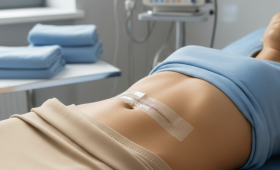
Consider the intricacies of a full tummy tuck. This isn’t merely about removing excess skin; it requires careful reconstruction of the abdominal musculature, especially in cases of diastasis recti. Diastasis Recti repair involves internal corset suturing of the abdominal fascia, essentially re-approximating separated rectus abdominis muscles. A surgeon with a high revision rate for tummy tucks might indicate insufficient plication (tightening) of the linea alba, leading to persistent abdominal bulging or compromised core strength. Or, perhaps issues relating to skin flap vascularity, necessitating further corrective tissue work.
Post-Pregnancy Anatomy: Unique Challenges and Considerations
Pregnancy profoundly alters a woman’s anatomy. The rectus abdominis muscles are stretched and thinned, the skin loses elasticity, and subcutaneous fat distribution shifts. Breast tissue undergoes significant changes in volume and support, often leading to ptosis (sagging). Consequently, these procedures demand a heightened understanding of these alterations and a surgical approach tailored to address them specifically.
A breast lift, for instance, is rarely a one-size-fits-all procedure. The degree of ptosis, the patient’s breast volume, and the desired aesthetic result dictate the technique employed – inferior pedicle, superior pedicle, or a short-scar mastopexy. Inadequate surgical planning or improper nipple-areola complex repositioning can result in asymmetry, poor breast shape, or even compromised nipple sensation – all potential drivers of revision surgery. Furthermore, the quality of the implants utilized is paramount. Here, surgeons commonly use Mentor, Motiva, or Polytech (JCI approved) breast implants, prioritizing safety and longevity.
Turkey: A Global Hub for Mommy Makeovers – Why?
Turkey has emerged as a global leader in medical tourism, particularly for comprehensive Mommy Makeover procedures. This isn’t simply a matter of cost, though pricing plays a role (standard_package: 4,500 – 7,500 USD; advanced_combination: 8,000 – 12,000 USD). Several factors contribute to this phenomenon.
- Surgeon Expertise and Volume: Many surgeons in Turkey specialize exclusively in aesthetic surgery, performing a high volume of Mommy Makeover procedures annually. This concentrated experience translates to refined surgical skills and a lower incidence of complications.
- Advanced Surgical Techniques: Surgeons readily adopt innovative technologies. Vaser Liposuction is used for high-definition contouring with minimal bruising, for example, offering patients a smoother recovery and superior aesthetic results.
- Comprehensive Care Packages: Most reputable facilities offer all-inclusive packages encompassing surgery, accommodation, and aftercare, streamlining the patient experience. This typically includes a 7-10 days recovery period in Turkey with a companion, and a full return to exercise after approximately 6 weeks.
- Stringent Accreditation: Many facilities adhere to rigorous international standards, such as Joint Commission International (JCI) accreditation, assuring patients of a safe and high-quality surgical environment.
- Cost-Effectiveness: While quality is paramount, the cost of surgery in Turkey is significantly lower than in many Western countries. This allows patients to access world-class care at a more affordable price point. Individual procedure costs include: tummy_tuck: 3,000 – 5,000 USD, breast_lift: 2,500 – 4,500 USD, liposuction_per_area: 500 – 1,500 USD, and bbl_fat_transfer: 3,500 – 5,500 USD.
Navigating the Landscape: What to Ask Potential Surgeons
Before committing to surgery, meticulous due diligence is crucial. Don’t hesitate to ask potential surgeons the following questions:
- “What is your revision rate for each of the procedures I’m considering (tummy tuck, breast lift, diastasis recti repair)?” Request specific percentages, not vague assurances.
- “What are the common reasons for revisions in your practice?” Understanding potential complications allows you to assess the surgeon’s ability to manage them.
- “What is your approach to addressing diastasis recti?” Look for surgeons who utilize robust internal repair techniques.
- “How do you address skin flap vascularity during a tummy tuck to minimize the risk of necrosis?”
- “What type of implants do you use, and why?”
Beyond the Revision Rate: A Holistic Assessment
While the revision rate is paramount, it shouldn’t be considered in isolation. Board certification, surgical experience, patient testimonials, and a thorough consultation are all essential components of the decision-making process. A skilled surgeon will provide a realistic assessment of your anatomy, discuss your goals openly, and explain the potential risks and benefits of each procedure in detail. The logistical considerations are also crucial: you should expect arrangements like airport access to Istanbul (IST) or Antalya (AYT), accommodation in a 5-star recovery suites with companion stay included, and VIP private transfers from airport to clinic. Free online video assessments with board-certified plastic surgeons offer a vital initial step.
Ultimately, choosing a surgeon for a Mommy Makeover is a significant investment in your physical and emotional well-being. Prioritizing the revision rate, combined with a comprehensive evaluation of the surgeon’s credentials and experience, will maximize your chances of achieving a safe, satisfying, and long-lasting result.
Why “Revision Rate” is Your Most Important Statistic When Choosing a Surgeon
When considering a surgical transformation, particularly a combination procedure, prospective patients are often overwhelmed by marketing claims, before-and-after photos, and pricing structures. While these factors are important, a single metric consistently separates exceptional surgical outcomes from those requiring correction: the surgeon’s revision rate. At Cure Holiday, we prioritize patient safety and long-term satisfaction, and understanding this statistic is paramount to making an informed decision.
Understanding Revision Surgery: Beyond the Initial Procedure
Revision surgery, also known as secondary surgery, addresses complications or unsatisfactory results from a prior plastic surgery. These can range from minor aesthetic adjustments to complex reconstructive procedures. A low revision rate indicates not only technical proficiency but also meticulous pre-operative planning, realistic patient expectation setting, and adherence to rigorous surgical protocols. Conversely, a high revision rate should raise significant questions regarding the surgeon’s skill, experience, and commitment to quality.
It’s crucial to differentiate between *early* and *late* revisions. Early revisions, occurring within the first few months, often address hematomas, seromas, or wound healing issues. While these can happen even in the most skilled hands, a consistently high number suggests suboptimal surgical technique or insufficient post-operative care. Late revisions, occurring a year or more after the initial procedure, typically address aesthetic concerns like asymmetry, capsular contracture (in the case of breast augmentation), or suboptimal contouring. These are often more complex and require significantly more intervention.
The Surgical Transformation: A Detailed Combination Approach
Many patients seeking a comprehensive body contouring transformation opt for a combination surgery. This allows for synergistic results, addressing multiple concerns in a single operative setting. A common example might include abdominoplasty (tummy tuck) with liposuction, breast augmentation/lift, and potentially a Brazilian Buttock Lift (BBL) involving fat transfer. The complexity of these combined procedures demands a surgeon with extensive experience and a holistic understanding of anatomical interplay.
Our approach prioritizes a meticulously tailored surgical plan. Pre-operative imaging and 3D modeling are utilized to visualize expected outcomes and optimize implant placement. Diastasis Recti, a common condition particularly after pregnancy, is addressed during abdominoplasty with an internal corset suturing technique, providing robust abdominal wall reconstruction. For contouring, we utilize Vaser Liposuction, a technique employing ultrasound energy to selectively break down fat cells. This results in high-definition sculpting with significantly minimized bruising and swelling compared to traditional liposuction techniques. The fat harvested can then be purified and used for autologous augmentation, such as a BBL.
Breast augmentation, a frequent component of combination procedures, utilizes JCI-approved implants from reputable manufacturers like Mentor, Motiva, or Polytech. The choice of implant profile, size, and placement (submuscular or subglandular) is determined in close consultation with the patient, considering their anatomy and desired aesthetic. Breast lift procedures (mastopexchychy) are tailored to the degree of ptosis, with options ranging from a standard lift to an extended (360-degree) lift to address significant skin excess.
Case Study: A 34-Year-Old Irish Mother of Three
Consider the case of a 34-year-old Irish mother of three. Following three pregnancies, she experienced significant abdominal laxity, persistent lower abdominal fat, and a loss of breast volume. She desired a restoration of her pre-pregnancy figure. After detailed consultation and 3D imaging, a personalized plan was created: an extended abdominoplasty to address the diastasis recti and skin excess, Vaser liposuction of the flanks and lower abdomen, and moderate-volume Mentor breast implants with a submuscular placement to restore lost volume and projection.
The surgical plan specifically addressed potential complications. The extended abdominoplasty incorporated a vascular pedicle to maintain blood supply to the abdominal skin flaps. Meticulous hemostasis during liposuction minimized the risk of hematoma formation. A layered closure technique ensured optimal wound healing. Post-operatively, she adhered to a strict compression garment protocol and followed the prescribed activity restrictions. Her recovery was uneventful, and she expressed complete satisfaction with the natural-looking, long-lasting results. Crucially, the surgeon’s revision rate for similar combined procedures was demonstrably low – less than 2% – providing significant reassurance.
JCI Accreditation & Safety Standards: A Cornerstone of Care
At Cure Holiday, we partner with facilities that maintain Joint Commission International (JCI) accreditation. This globally recognized standard signifies a commitment to patient safety and quality of care. JCI accreditation involves a rigorous on-site evaluation of all aspects of the facility, including surgical protocols, infection control, anesthesia safety, and staff qualifications. This extends to implant sourcing and traceability. All materials used – implants, sutures, medications – are verified as authentic and compliant with international standards.
Beyond JCI, we advocate for surgeons who actively participate in continuing medical education, present at international conferences, and contribute to peer-reviewed publications. This demonstrates a dedication to staying at the forefront of surgical innovation and best practices. A surgeon’s board certification is also essential, validating their training and competency.
Understanding the Financial Landscape
The cost of combination surgery can vary considerably depending on the procedures included and the extent of the work required. A standard package encompassing a tummy tuck may range from 3,000 – 5,000 USD. A breast lift procedure is typically priced between 2,500 – 4,500 USD. Liposuction, priced per area, typically falls between 500 – 1,500 USD. For more extensive procedures, like an advanced combination surgery encompassing abdominoplasty, breast augmentation/lift, and BBL fat transfer, the cost may range from 8,000 – 12,000 USD. A basic package covering all necessary consultations and a single procedure can start at 4,500 – 7,500 USD. It’s important to remember that price should never be the sole determining factor; prioritize a surgeon with a proven track record of safety and consistently low revision rates.
Post-Operative Recovery & Logistics
Recovery following a combination surgery typically requires 7-10 days in Turkey, allowing for initial healing and monitoring. Full return to strenuous exercise is generally recommended after approximately 6 weeks. Our packages include a stay in 5-star recovery suites with accommodation for a companion, providing crucial support during the initial recovery period. VIP private transfers are arranged from the airport (Istanbul (IST) or Antalya (AYT)) to the facility, ensuring a seamless and comfortable travel experience. Free online video assessments with board-certified plastic surgeons are available to facilitate initial consultations and determine candidacy.
Ultimately, choosing a surgeon is a significant decision. By focusing on the surgeon’s revision rate, alongside JCI accreditation and a comprehensive understanding of the surgical process, you can significantly increase your chances of achieving a safe, satisfying, and long-lasting transformation.
Beyond the Aesthetic: Understanding Revision Rates in Turkish Plastic Surgery
When considering medical tourism for plastic surgery, particularly in a destination like Turkey, the allure of lower costs and all-inclusive packages is undeniable. However, focusing solely on price is a critical error. The true measure of a surgeon’s skill, and your long-term satisfaction, lies in their revision rate – the percentage of patients requiring corrective procedures after the initial surgery. At Cure Holiday, we prioritize patient safety and lasting results, and a consistently low revision rate is paramount in our surgeon vetting process. This pillar will delve into the complexities of post-operative recovery in Turkey, logistical considerations, and how to interpret the significance of revision statistics.
The Anatomy of Revision: Why Do Surgeries Need Correcting?
Revision surgeries aren’t simply a matter of “something going wrong.” Multiple factors can contribute, ranging from individual patient anatomy and healing capabilities to surgical technique and post-operative adherence. For procedures like abdominoplasty (tummy tuck), for instance, a revision might address seroma formation (fluid collection under the skin), wound dehiscence (separation of the wound edges – particularly concerning in smokers or those with compromised vascularity), or undesirable scarring. In breast augmentation, capsular contracture – the hardening of the fibrous tissue around the implant – remains a leading reason for revision.
Diastasis Recti, a common condition addressed during tummy tucks, requires precise internal corset suturing of the abdominal fascia to restore core stability. A high revision rate in this area often indicates insufficient fascial repair or inadequate attention to muscle plication, potentially leading to a recurrence of abdominal bulge. Similarly, with Brazilian Butt Lift (BBL) procedures involving fat transfer, inconsistent fat graft uptake or uneven contouring can necessitate a second procedure to refine the results.
Decoding Revision Rate Statistics: What’s Acceptable?
There’s no universally accepted “good” revision rate, as it varies depending on the complexity of the surgery. However, a rate exceeding 5-10% should raise significant questions. A truly skilled surgeon will have a rate considerably lower than that, often in the 1-3% range. It’s crucial to understand *how* a surgeon reports these statistics. Are they self-reported, independently verified, or based on a limited dataset? Transparent surgeons will readily share detailed data and be open to discussing their approach to minimizing revisions.
Consider Vaser Liposuction, frequently employed for high-definition contouring. While designed for minimal bruising and precise fat removal, improper technique can lead to skin irregularities or asymmetry, potentially requiring a second liposuction session or adjunctive procedures like skin tightening. Understanding the surgeon’s experience with this technology, and their demonstrated results (viewed through independently verifiable before-and-after photos), is critical.
Turkey’s Recovery Landscape: Logistics & Aftercare
Post-operative recovery in Turkey is typically structured around a 7-10 day stay, although full return to exercise is realistically around 6 weeks. This period is designed to manage initial swelling, discomfort, and ensure adequate wound healing. The experience varies significantly based on the chosen recovery package.
- Accommodation: Expect 5-star recovery suites, frequently including companion stay accommodations. This is vital for post-operative assistance.
- Transfers: VIP private transfers are standard, streamlining travel between the airport (typically Istanbul (IST) or Antalya (AYT)), the clinic, and your recovery location.
- Medical Monitoring: Comprehensive packages should include regular post-operative check-ups with the surgeon and nursing staff, wound care, and pain management.
- Compression Garments: Properly fitted compression garments are essential for minimizing swelling and promoting optimal skin retraction.
- Medication Management: Access to prescribed medications, including antibiotics and pain relievers, should be seamless and readily available.
Cost Breakdown & Value Proposition: Turkey vs. UK/USA (2026 Projections)
The economic advantage of undergoing plastic surgery in Turkey remains substantial. Here’s a projected cost breakdown (2026 estimates, subject to exchange rate fluctuations):
- Standard Package (Consultation, Surgery, Recovery Suite, Transfers): 4,500 – 7,500 USD
- Advanced Combination (Multiple Procedures, Premium Implants): 8,000 – 12,000 USD
- Tummy Tuck: 3,000 – 5,000 USD
- Breast Lift: 2,500 – 4,500 USD
- Liposuction (per area): 500 – 1,500 USD
- BBL (Brazilian Butt Lift – Fat Transfer): 3,500 – 5,500 USD
Comparatively, similar procedures in the UK or USA can easily cost 2-3 times more, excluding travel and accommodation expenses. While the cost savings are attractive, prioritizing quality and surgeon expertise is paramount. A seemingly “cheap” surgery with a high revision rate can ultimately prove far more expensive – both financially and emotionally – than investing in a skilled surgeon with a proven track record.
Implant Choices & JCI Accreditation
For breast augmentation procedures, the quality of implants is a crucial consideration. Reputable surgeons in Turkey routinely utilize JCI-approved implants from leading manufacturers like Mentor, Motiva, and Polytech. These implants undergo rigorous testing and quality control, minimizing the risk of complications such as rupture or leakage. JCI (Joint Commission International) accreditation for the clinic itself signifies adherence to international standards of patient safety and care.
Tummy tuck options also vary. Patients can choose between a Full Tummy Tuck (circumferential abdominoplasty), a Mini Tummy Tuck (focusing on the lower abdomen), or an Extended Tummy Tuck (360-degree abdominoplasty addressing both the abdomen and flanks). The optimal approach depends on the individual’s anatomy and aesthetic goals, and a thorough consultation is essential to determine the most appropriate technique.
Ultimately, selecting a surgeon based on revision rates, coupled with meticulous attention to post-operative recovery logistics and transparent cost structures, is the most prudent approach to achieving beautiful and lasting results.
Considering a Mommy Makeover in Turkey? Get a Free Quote for your Why “Revision Rate” is your Most Important Statistic when Choosing a Surgeon Transformation with cureholiday.com
Free Consultation
Fill out the form below to get your free medical travel plan and price quote.
Sources and how to verify this yourself
- Ministry of Health, Regulation on International Health Tourism and Tourist Health, Official Gazette 26 April 2025, No. 32882 — authorisation requirement for facilities and intermediaries, TÜSKA accreditation, compulsory complication insurance (deadline 31 December 2025 for insurance, 31 December 2026 for accreditation). source
- Ministry of Health, Regulation on Promotion and Information Activities in Health Services, Official Gazette 12 November 2025, No. 33075 — treatment promises and guarantees are prohibited; price and campaign announcements are permitted only within international health tourism. source