About the prices on this page. The figures below are indicative market prices and country comparisons, not a quote. Our own current, all-inclusive prices are published on our cosmetic surgery in Turkey page, and we confirm your figure in writing before you commit to anything.
Cost and planning note (Mommy Makeover 2026)
The figures below are indicative market ranges, not a quote: your own price is confirmed after a clinical assessment.
Indicative price range: Standard Package: 4,500 – 7,500 USD | Advanced Combination: 8,000 – 12,000 USD | Tummy Tuck: 3,000 – 5,000 USD | Breast Lift: 2,500 – 4,500 USD | Liposuction Per Area: 500 – 1,500 USD | Bbl Fat Transfer: 3,500 – 5,500 USD
Facility standards: In Türkiye, any facility treating international patients must hold the Ministry of Health’s international health tourism authorisation; hospitals and medical centres must also be accredited by TÜSKA, and complication insurance is compulsory for procedures carried out in an operating theatre (Regulation of 26 April 2025).
Recovery Focus: Post-pregnancy body restoration & safety first.
Currency: GBP, EUR, USD accepted.
Why Breast Reduction is Increasingly Part of the Modern Mommy Makeover
Post-Pregnancy Restoration Foundations: Tummy Tuck, Breast Lift & Diastasis Recti Repair
The physiological demands of pregnancy and childbirth indelibly alter a woman’s body. While celebrated, these changes often lead to persistent concerns regarding abdominal laxity, ptotic (sagging) breasts, and the distressing condition known as Diastasis Recti. Modern Mommy Makeover procedures aren’t simply about ‘getting back to normal’; they represent a sophisticated approach to restoring the pre-gravid anatomical baseline, enhancing self-confidence, and improving long-term physical wellbeing. This pillar focuses on the foundational elements of this complex surgical suite: abdominoplasty (tummy tuck), mastopexy (breast lift), and Diastasis Recti repair, with a particular examination of why Turkey has become a leading global destination for these procedures.
Understanding Diastasis Recti and Its Surgical Correction
Diastasis Recti, or abdominal separation, affects a significant percentage of postpartum women. It occurs when the rectus abdominis muscles – the ‘six-pack’ muscles – separate along the linea alba, the fibrous connective tissue running vertically down the abdomen. The degree of separation varies, ranging from a minor cosmetic concern to a functional impairment causing back pain, pelvic instability, and difficulty with core engagement.
Traditional postpartum exercise programs can partially address mild cases. However, significant Diastasis Recti often requires surgical intervention. The core principle of surgical repair involves internal corset suturing of the abdominal fascia, as evidenced by our technical specs. This isn’t simply ‘stitching the muscles back together’; it’s a meticulous plication (folding and sewing) of the weakened fascial layers, recreating a strong and stable abdominal wall. The technique employed is crucial, minimizing tension on the suture line and maximizing long-term structural integrity. Advanced techniques may also incorporate the use of biocompatible mesh in severe cases, though this is reserved for specific anatomical considerations.
Abdominoplasty: Beyond Skin Removal
The abdominoplasty, commonly known as a tummy tuck, is frequently a cornerstone of the Mommy Makeover. While often perceived as purely aesthetic—removing excess skin and fat—a properly executed abdominoplasty addresses underlying muscular deficiencies. The procedure can be tailored to individual needs, with options for full abdominoplasty, mini abdominoplasty, or extended (360-degree) abdominoplasty.
A full abdominoplasty involves an incision along the lower abdomen, similar to a Cesarean section scar, and a circumumbilical incision for repositioning the navel. The abdominal skin is lifted, the weakened rectus abdominis muscles are tightened (often concurrently with Diastasis Recti repair), and excess skin is excised. The remaining skin is then redraped and sutured, creating a smoother, firmer abdominal contour. The mini abdominoplasty is ideal for patients with less skin laxity and primarily focuses on tightening the lower abdominal wall. The extended abdominoplasty addresses greater degrees of skin redundancy, extending the incision around the flanks for a more comprehensive contouring effect.
Mastopexy: Restoring Breast Volume and Projection
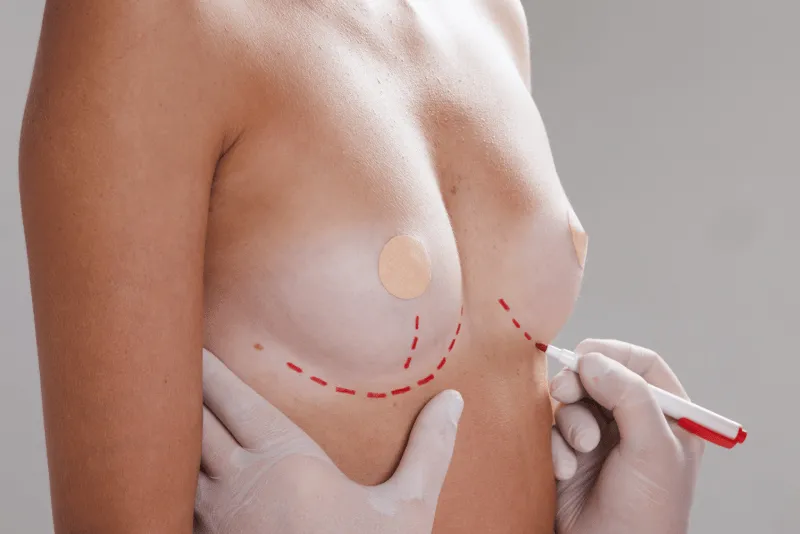
Pregnancy and breastfeeding significantly impact breast tissue elasticity and volume. Mastopexy, or breast lift, is designed to address ptosis – the downward sagging of the breasts – by reshaping the breast tissue and restoring a more youthful contour. The specific technique used depends on the degree of ptosis and the patient’s desired outcome. Incisions can be placed around the areola (periareolar lift), vertically down from the areola to the inframammary fold (vertical lift), or in an anchor-shape (inverted-T lift) for more significant correction.
Often, mastopexy is combined with breast augmentation (implant placement) to restore lost volume and improve breast projection. We utilize JCI-approved breast implants from leading manufacturers such as Mentor, Motiva, or Polytech, ensuring biocompatibility and a low risk of complications. The choice of implant size and profile is carefully individualized based on patient anatomy and aesthetic goals.
The Rise of Turkey as a Global Hub for Mommy Makeovers
While high-quality Mommy Makeover procedures are available worldwide, Turkey has emerged as a global leader in this field. Several factors contribute to this phenomenon. First, the expertise and training of Turkish plastic surgeons are highly regarded, with many holding international certifications and specializing in complex reconstructive procedures.
Second, the cost of surgery in Turkey is significantly lower compared to countries like the United States, Canada, or Western Europe. A standard Mommy Makeover package typically ranges from 4,500 – 7,500 USD, while an advanced combination including additional procedures like liposuction or BBL (Brazilian Butt Lift) can range from 8,000 – 12,000 USD. Individual procedure costs are also competitive: abdominoplasty (3,000 – 5,000 USD), breast lift (2,500 – 4,500 USD), and liposuction per area (500 – 1,500 USD). BBL fat transfer procedures range from 3,500 – 5,500 USD.
However, cost isn’t the sole driver. The infrastructure supporting medical tourism in Turkey is exceptional. Patients benefit from all-inclusive packages including VIP private transfers from Istanbul (IST) or Antalya (AYT) airports to the clinic, accommodation in 5-star recovery suites with companion stay included, and free online video assessments with board-certified plastic surgeons.
Technical Innovations and Patient Safety
Leading Turkish surgeons are at the forefront of utilizing advanced surgical techniques. Vaser Liposuction, for instance, is favored for high-definition contouring with minimal bruising, enhancing the results of abdominoplasty and BBL procedures. Postoperative care is a priority, with a typical recovery period of 7-10 days in Turkey, followed by approximately 6 weeks for a full return to exercise.
Patient safety is paramount. Clinics catering to international patients adhere to stringent safety benchmarks, including rigorous pre-operative evaluations, meticulous surgical technique, and comprehensive postoperative monitoring. The emphasis on holistic care extends beyond the operating room, encompassing detailed aftercare instructions, pain management protocols, and readily available support for international patients.
The combination of skilled surgeons, advanced technology, competitive pricing, and comprehensive patient care has solidified Turkey’s position as a premier destination for women seeking post-pregnancy restoration through Mommy Makeover procedures. It represents a viable and increasingly popular pathway to reclaiming confidence and restoring a positive body image after the transformative journey of motherhood.
The Surgical Transformation: A Detailed Overview of Mommy Makeover Procedures
The modern “Mommy Makeover” represents a sophisticated evolution in post-pregnancy body contouring. No longer solely focused on restoring pre-pregnancy weight, this surgical package addresses the structural changes often experienced after childbirth – changes that diet and exercise alone often cannot rectify. A key component increasingly integrated into these comprehensive procedures is breast reduction, particularly for mothers experiencing persistent discomfort or functional limitations due to significantly enlarged breasts. This pillar will detail the surgical techniques employed, outline a typical patient journey, and underscore the paramount importance of adhering to stringent international safety standards like those established by the Joint Commission International (JCI).
Combination Surgery: A Step-by-Step Approach
The surgical plan is rigorously individualized, but a common combination addressing post-pregnancy concerns involves breast reduction (mastopexy with volume reduction), abdominoplasty (tummy tuck), and potentially liposuction to refine the waistline. The decision to combine these procedures is based on a thorough assessment of the patient’s anatomy, skin elasticity, and desired outcome. Performing these procedures simultaneously minimizes overall recovery time and anesthesia risk compared to staged surgeries.
Step 1: Anesthesia and Incisions – Patients undergo general anesthesia administered by a qualified anesthesiologist. The surgical team then meticulously marks the incision lines. For breast reduction, the pattern varies based on breast size and patient preference, commonly utilizing the ‘lollipop’ or ‘inverted-T’ technique. Abdominoplasty incision length depends on the extent of skin laxity and whether a full, mini, or extended (360-degree) tummy tuck is planned.
Step 2: Breast Reduction & Mastopexy – The procedure begins with the careful undermining of the breast tissue, preserving the nipple-areola complex’s blood supply – a critical aspect of long-term viability. Excess glandular tissue, fat, and skin are removed to achieve the desired breast size and projection. The remaining breast tissue is then reshaped and lifted, repositioning the nipple-areola complex to a more youthful and aesthetically pleasing location. Internal sutures provide support and contribute to the long-term shape.
Step 3: Abdominoplasty & Diastasis Recti Repair – Following breast surgery, attention shifts to the abdomen. An incision is made, and the abdominal skin is lifted to reveal the underlying musculature. Often, post-pregnancy abdominal muscles separate, a condition known as Diastasis Recti. This is addressed through meticulous internal corset suturing of the abdominal fascia, effectively tightening the core muscles and restoring a flatter profile. Excess skin is then removed, and the remaining skin is redraped and sutured in layers.
Step 4: Liposuction & Body Contouring – If indicated, liposuction is performed to remove localized fat deposits, particularly along the flanks and abdomen. We utilize Vaser Liposuction, a technique employing ultrasound energy to selectively break down fat cells with minimal trauma to surrounding tissues. This results in precise contouring and reduced bruising compared to traditional liposuction methods. In some cases, fat harvested through liposuction can be strategically transferred to the buttocks via a Brazilian Butt Lift (BBL) to enhance volume and shape – an “advanced combination” add-on.
Step 5: Drainage & Closure – Drainage tubes are carefully placed to remove excess fluid and prevent seroma formation. Incisions are closed in layers using absorbable and non-absorbable sutures, minimizing visible scarring. Compression garments are applied immediately post-operatively to further reduce swelling and support the healing process.
Case Study: A 34-Year-Old Irish Mother of Three
Consider the case of a 34-year-old mother of three from Ireland. Following three pregnancies, she experienced significant breast enlargement causing chronic back and shoulder pain, in addition to marked abdominal laxity and persistent skin stretch marks. She expressed a desire to regain her pre-pregnancy shape and alleviate her physical discomfort. Following a detailed online video consultation, a treatment plan was devised involving breast reduction, full abdominoplasty, and liposuction of the flanks. The surgery successfully reduced her breast size by approximately three cup sizes, tightened her abdominal muscles, and contoured her waistline. Post-operative pain was managed effectively with prescribed medication, and she reported a significant improvement in her physical comfort and self-confidence. She has since resumed light activity and is progressing well with her rehabilitation plan.
Understanding Costs
The total cost of a Mommy Makeover varies significantly based on the complexity of the procedures and individual needs. Here’s a general breakdown:
- Standard Package (Breast Reduction + Tummy Tuck): 4,500 – 7,500 USD
- Advanced Combination (Breast Reduction + Tummy Tuck + Liposuction): 8,000 – 12,000 USD
- Tummy Tuck (Full, Mini, or Extended): 3,000 – 5,000 USD
- Breast Lift (Mastopexy): 2,500 – 4,500 USD
- Liposuction (Per Area): 500 – 1,500 USD
- BBL (Brazilian Butt Lift – Fat Transfer): 3,500 – 5,500 USD
These prices typically include surgical fees, anesthesia, hospital stay, and standard post-operative garments. However, it’s crucial to obtain a personalized quote following a comprehensive consultation.
JCI Accreditation and Patient Safety
At Cure Holiday, we prioritize patient safety above all else. We partner with facilities that adhere to the highest international standards, including accreditation from the Joint Commission International (JCI). JCI accreditation signifies that the facility has undergone a rigorous on-site evaluation and meets stringent requirements for quality patient care, safety protocols, and infection control.
Key JCI Safety Standards Observed:
- Qualified Surgical Team: All surgeons are board-certified plastic surgeons with extensive experience in Mommy Makeover procedures.
- Anesthesia Safety: Experienced anesthesiologists monitor patients throughout the surgery and recovery period.
- Sterilization Protocols: Strict adherence to sterilization protocols to minimize the risk of infection.
- Medication Management: Safe and effective medication management procedures.
- Post-Operative Care: Comprehensive post-operative care, including wound monitoring, pain management, and rehabilitation guidance.
Logistical Considerations
Facilitating a smooth and comfortable experience is paramount. Our packages include:
- Airport Transfers: VIP private transfers from Istanbul (IST) or Antalya (AYT) airports.
- Accommodation: Stay in luxurious 5-star recovery suites with comfortable accommodations for a companion.
- Consultation: Free online video assessments with board-certified plastic surgeons.
- Recovery Period: A typical recovery period is 7-10 days in Turkey, with a return to full exercise generally advised after approximately 6 weeks.
We strive to provide a seamless experience from initial consultation through post-operative care, ensuring our patients feel supported and confident throughout their transformative journey.
Post-Operative Villa Recovery & Childcare in Turkey Following Breast Reduction
Following breast reduction as part of a modern mommy makeover, the immediate post-operative period is paramount for optimal healing and patient satisfaction. Unlike recovery at home, a dedicated recovery period within a purpose-built villa in Turkey offers significant advantages, particularly for mothers. This pillar details the logistical and aftercare components crucial for a seamless transition, providing detailed timelines and cost comparisons to procedures undertaken in the UK and USA.
The First 7-10 Days: Immersive Post-Op Care
The initial 7-10 days post-surgery are spent in a private recovery villa, designed to facilitate healing without the pressures and practicalities of everyday life. This isn’t merely a comfortable stay; it’s a carefully curated environment emphasizing both physical and emotional wellbeing. Immediately following surgery, patients are closely monitored for vital signs, bleeding, and early signs of complications like seroma formation (fluid accumulation). Pain management is addressed via a multimodal approach, transitioning from IV analgesia, administered in the surgical facility, to oral pain medication tailored to individual needs.
Wound care is critical. Dressings are meticulously changed by qualified nurses, ensuring aseptic technique. Compression garments – specifically designed post-breast reduction bras – are worn continuously to minimize edema, promote skin retraction, and optimize the final aesthetic outcome. These garments are often custom-fitted *before* surgery to guarantee correct sizing and patient comfort.
Childcare Logistics: Prioritizing Maternal Wellbeing
For mothers undergoing breast reduction, childcare represents a significant logistical consideration. The recovery villas offered through our packages are equipped to accommodate a companion, allowing for uninterrupted care of young children. However, recognizing the demanding nature of post-surgical recovery, many patients opt for the inclusion of a qualified nanny or childcare provider. This is seamlessly integrated into the package, and the nanny is briefed on post-operative precautions, ensuring both maternal recovery and child safety. This service avoids the strain of immediately resuming full childcare responsibilities and mitigates the risk of incidental trauma due to limited mobility.
It’s crucial to understand that, even with assistance, activities will be restricted for the first few days. Lifting anything heavier than a baby (even after seemingly minor breast reduction) is strictly prohibited to avoid disrupting the healing process and potentially causing capsular contracture (scar tissue formation around breast implants). Cure Holiday specialists can advise on the gradual reintroduction of childcare activities based on individual healing progress.
Technical Considerations & Monitoring
Beyond basic wound care, our recovery program incorporates several specialized monitoring techniques. This includes regular assessment of lymphatic drainage using bioimpedance analysis – a non-invasive method to detect fluid shifts and potential lymphedema. For patients undergoing combined procedures, such as a breast reduction with tummy tuck, particular attention is paid to the abdominal incision and the integrity of the rectus abdominis muscle fascia.
Diastasis Recti repair, often performed concurrently with a tummy tuck, involves internal corset suturing of the abdominal fascia. Post-operatively, gentle core engagement exercises are initiated under the guidance of a physiotherapist to reinforce this repair and promote functional core strength. These exercises are initially isometric (static contractions) to avoid undue strain on the healing tissues.
Surgical Techniques Employed – A Brief Overview
- Vaser Liposuction is frequently utilized for high-definition contouring in conjunction with breast reduction and tummy tuck procedures, particularly for patients seeking a more sculpted silhouette. Its minimally invasive nature results in reduced bruising and faster recovery compared to traditional liposuction techniques.
- Breast implants utilized are sourced from JCI approved manufacturers, with options including Mentor, Motiva, and Polytech. Implant selection is meticulously discussed during the pre-operative consultation, considering factors such as patient anatomy, desired aesthetic outcome, and implant profile.
- Tummy tuck options range from a Mini Tummy Tuck (addressing only the lower abdomen), to a Full Tummy Tuck, and even an Extended (360) Tummy Tuck, which addresses the flanks and lower back. The chosen technique is tailored to the patient’s specific needs and degree of abdominal laxity.
Fly-Home Timeline & Subsequent Care
While the initial 7-10 days are spent in the recovery villa, complete recovery requires approximately 6 weeks before a full return to exercise. However, most patients are cleared to fly home after this initial period, provided they meet specific criteria. This includes stable vital signs, adequate pain control with oral medication, wound healing without signs of infection, and the ability to ambulate independently with minimal discomfort. A comprehensive post-operative discharge plan is provided, detailing wound care instructions, medication schedules, and activity restrictions.
Upon return home, continued monitoring is essential. Follow-up appointments with a local surgeon are recommended to assess healing progress and address any concerns. It’s vital to adhere to the prescribed activity restrictions and wear the compression garment as directed to optimize long-term results. Lymphatic drainage massage, initiated in the villa, should be continued at home to further reduce swelling and promote tissue health.
Cost Breakdown: Turkey vs. UK/USA (2026 Projections)
Choosing Turkey for a mommy makeover, including breast reduction, offers significant cost savings without compromising quality of care. Below is a projected cost comparison for 2026, based on current pricing trends:
- Standard Package (Breast Reduction Only): 4,500 – 7,500 USD
- Advanced Combination Package (Breast Reduction, Tummy Tuck, Liposuction): 8,000 – 12,000 USD
- Tummy Tuck Only: 3,000 – 5,000 USD
- Breast Lift Only: 2,500 – 4,500 USD
- Liposuction (per area): 500 – 1,500 USD
- Brazilian Butt Lift (BBL) with Fat Transfer: 3,500 – 5,500 USD
Comparable procedures in the UK and USA typically range from $10,000 – $20,000+ for a single procedure, and significantly higher for combined surgeries. These figures do *not* include costs associated with accommodation, childcare, or post-operative care, which are all comprehensively included in the Turkish packages. This price difference, coupled with the superior level of care and dedicated recovery environment, makes Turkey an increasingly attractive destination for the modern mommy makeover.
Please note that these costs are estimates and can vary based on individual needs and the complexity of the procedure. Detailed, personalized quotes are available through consultation with Cure Holiday specialists.
Considering a Mommy Makeover in Turkey? Get a Free Quote for your Why Breast Reduction is Increasingly Part of the Modern Mommy Makeover Transformation with cureholiday.com
Free Consultation
Fill out the form below to get your free medical travel plan and price quote.
Sources and how to verify this yourself
- Ministry of Health, Regulation on International Health Tourism and Tourist Health, Official Gazette 26 April 2025, No. 32882 — authorisation requirement for facilities and intermediaries, TÜSKA accreditation, compulsory complication insurance (deadline 31 December 2025 for insurance, 31 December 2026 for accreditation). source
- Ministry of Health, Regulation on Promotion and Information Activities in Health Services, Official Gazette 12 November 2025, No. 33075 — treatment promises and guarantees are prohibited; price and campaign announcements are permitted only within international health tourism. source