Cost and planning note (Mommy Makeover 2026)
The figures below are indicative market ranges, not a quote: your own price is confirmed after a clinical assessment.
Indicative price range: Standard Package: 4,500 – 7,500 USD | Advanced Combination: 8,000 – 12,000 USD | Tummy Tuck: 3,000 – 5,000 USD | Breast Lift: 2,500 – 4,500 USD | Liposuction Per Area: 500 – 1,500 USD | Bbl Fat Transfer: 3,500 – 5,500 USD
Facility standards: In Türkiye, any facility treating international patients must hold the Ministry of Health’s international health tourism authorisation; hospitals and medical centres must also be accredited by TÜSKA, and complication insurance is compulsory for procedures carried out in an operating theatre (Regulation of 26 April 2025).
Recovery Focus: Post-pregnancy body restoration & safety first.
Currency: GBP, EUR, USD accepted.
Why “Professional Aftercare Photos” are vital for your Medical Record
The Clinical Significance of Visual Documentation in Post-Pregnancy Reconstruction
In the realm of advanced plastic surgery, particularly during the complex process of post-pregnancy restoration, the “medical record” extends far beyond written surgical notes and anesthesia logs. For patients undergoing significant anatomical reconfiguration—such as abdominoplasty or mastopexy—professional aftercare photography serves as a vital clinical tool. These images are not merely for aesthetic review; they are essential longitudinal data points used to monitor tissue perfusion, the maturation of scar tissue, and the structural integrity of surgical repairs.
When undergoing a “Mommy Makeover,” the surgeon relies on high-resolution, standardized imagery to track the resolution of edema (swelling) and the healing of the subcutaneous layers. For a patient, these photos provide an objective metric of surgical success, allowing for the comparison of pre-operative anatomical deficits against post-operative results. In a period where physiological changes are rapid, having a documented visual history is paramount for identifying any deviations from the expected healing trajectory.
“The integration of standardized photographic documentation into the post-operative workflow allows for the precise monitoring of wound margins and the assessment of volumetric stability in fat grafting procedures.”
Foundations of Reconstruction: Addressing the Core and Breast
Post-pregnancy restoration focuses on repairing the structural damage caused by the expansion of the uterine cavity and the subsequent loss of skin elasticity. This involves several highly technical procedures that require precise execution and meticulous aftercare monitoring.
Diastasis Recti Repair and the Abdominal Wall
One of the most significant challenges in post-pregnancy anatomy is the separation of the rectus abdominis muscles, known as Diastasis Recti. The surgical solution involves a highly specialized technique where Diastasis Recti repair involves internal corset suturing of the abdominal fascia. By tightening this fascia, the surgeon restores the internal tension of the abdominal wall, effectively “re-cinching” the midsection. Professional aftercare photos are critical here to monitor the tension of these internal sutures and ensure no bulging or herniation occurs during the early stages of recovery.
Advanced Abdominoplasty Options
Depending on the extent of skin laxity and muscle separation, surgeons utilize various tummy tuck methodologies. The choice between Tummy tuck options: Full, Mini, or Extended (360) is determined by the patient’s specific anatomical needs. An Extended (360) abdominoplasty is particularly complex, as it addresses the flanks and the entire circumference of the abdomen, requiring intensive monitoring of the lateral incision lines.
Breast Augmentation and Mastopexy
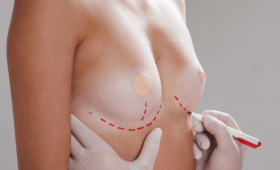
Restoring breast volume and projection often requires a combination of tissue repositioning and augmentation. To ensure long-term safety and biocompatibility, the industry standard involves Breast implants used: Mentor, Motiva, or Polytech (JCI approved). These implants are chosen for their advanced shell technology and predictable cohesive properties. During the aftercare phase, visual documentation is used to monitor the position of the implant pocket and to ensure that the breast lift (mastopexy) maintains proper nipple-areola complex (NAC) orientation.
High-Definition Contouring via Vaser Technology
To complement the structural repairs of the abdomen, many patients opt for fat redistribution. Modern protocols utilize Vaser Liposuction is used for high-definition contouring with minimal bruising. This ultrasonic technology allows for the precise emulsification of adipose tissue, which can then be redistributed via BBL fat transfer. The ability to see the “definition” of the musculature through aftercare photos is the ultimate testament to the precision of the Vaser technique.
Turkey: The Global Hub for Medical Excellence and Value
Turkey has emerged as the preeminent global destination for complex Mommy Makeovers, primarily due to its unique ability to marry high-end surgical innovation with significant cost efficiencies. The country’s medical infrastructure is designed to accommodate international patients seeking “gold standard” care without the prohibitive costs found in the US or UK.
The Turkish healthcare model focuses on high-volume, high-precision surgery, supported by Ministry of Health–authorised facilities and board-certified surgeons who specialize in reconstructive aesthetics. This creates a safety benchmark that is globally recognized, ensuring that the technical complexities of fascia suturing and fat grafting are performed under stringent protocols.
The financial accessibility of these procedures in Turkey allows patients to opt for more comprehensive, “advanced” surgical combinations that might otherwise be budget-prohibitive. The following breakdown illustrates the comparative cost advantages:
- Standard Package (Tummy Tuck/Lift baseline): 4,500 – 7,500 USD
- Advanced Combination (Comprehensive Mommy Makeover): 8,000 – 12,000 USD
- Individual Tummy Tuck: 3,000 – 5,000 USD
- Individual Breast Lift: 2,500 – 4,500 USD
- Liposuction (per specific area): 500 – 1,500 USD
- BBL (Fat Transfer): 3,500 – 5,500 USD
Seamless Recovery Logistics and Post-Operative Care
A successful surgical outcome is heavily dependent on the quality of the immediate post-operative environment. The logistics of traveling to Turkey for surgery are engineered to minimize patient stress and maximize healing potential. This begins with arrival at major international hubs such as Istanbul (IST) or Antalya (AYT), where patients are met with VIP private transfers from airport to clinic.
The recovery period is structured into two distinct phases:
- The Acute Phase (7-10 days in Turkey): During this period, patients are typically housed in 5-star recovery suites with companion stay included. This allows for close monitoring of the surgical sites, management of postoperative edema, and initial wound care. This is also the period when the first set of “post-op” professional photos is taken to establish the baseline for the healing record.
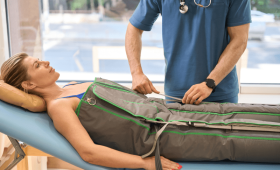
- The Integration Phase (6 weeks for full exercise return): While the patient returns home, the medical oversight continues. The 6 weeks for full exercise return period is the critical window where the patient must adhere to compression garment protocols and avoid strenuous activity to protect the integrity of the internal corset suturing and fat graft stabilization.
To facilitate this seamless journey, Cure Holiday specialists offer Free online video assessments with board-certified plastic surgeons. This allows patients to undergo a preliminary clinical evaluation, discuss the technical nuances of their specific case, and receive a customized surgical plan before ever boarding a flight. This level of transparency and accessibility ensures that the transition from initial consultation to the final, documented aesthetic result is medically sound, logistically effortless, and aesthetically transformative.
The Clinical Imperative of Longitudinal Visual Documentation
In the realm of high-level plastic surgery, the “aftercare photo” is often misperceived by patients as a mere tool for social media validation. However, within the framework of JCI-accredited surgical standards, these images serve a much more profound clinical purpose: they constitute a longitudinal visual audit. For a patient undergoing complex, multi-stage transformations, professional-grade photographic documentation is an indispensable component of the medical record, providing the surgical team with the data necessary to monitor tissue hypertrophy, wound healing, and the structural integrity of reconstructed anatomical planes.
When a patient undergoes a multi-area procedure, the surgeon is not merely sculpting surface aesthetics; they are managing the biological response to trauma and reconstruction. Professional aftercare photography allows for the precise tracking of post-operative sequelae, such as seroma formation, hematoma resolution, and the gradual settling of skin flaps. Without these high-resolution visual benchmarks, the ability to objectively assess the success of complex maneuvers—such as the stabilization of the abdominal wall—is significantly compromised.
Case Study: The Reconstruction of a Post-Partum Silhouette
To understand the necessity of this documentation, consider the clinical journey of a 34-year-old Irish mother of three. Presenting with significant abdominal laxity and localized adipose hypertrophy, her surgical objective required an advanced combination procedure. Her case necessitated both a Full Tummy Tuck and a BBL (fat transfer) to address the loss of structural integrity following multiple pregnancies.
The surgical plan involved a complex Diastasis Recti repair, which utilizes internal corset suturing of the abdominal fascia to re-approximate the separated rectus abdominis muscles. For this patient, the advanced combination surgery was valued within the 8,000 – 12,000 USD range. The professional photographic record was critical here; it allowed the medical team to monitor the tension of the abdominal wall and ensure that the internal suturing was effectively reducing the girth without causing excessive skin tension or ischemia.
Furthermore, by documenting the Vaser Liposuction process—used for high-definition contouring with minimal bruising—the surgeons could track the precise redistribution of subcutaneous adipose tissue during the BBL fat transfer (costing approximately 3,500 – 5,500 USD). The visual data provided evidence of how the transferred fat integrated into the gluteal region, ensuring that the contouring remained symmetrical and stable during the 6-week recovery period.
Technical Precision: Monitoring Anatomical Reconfiguration
The utility of professional photography extends deeply into the technical monitoring of specific surgical modalities. When performing Vaser Liposultion, the goal is to achieve high-definition sculpting by using ultrasonic energy to emulsify fat. This process is highly sensitive to the patient’s post-operative fluid retention. Professional images allow surgeons to differentiate between normal post-surgical edema and more concerning subcutaneous fluid collections.
In cases involving breast reconstruction or augmentation, the visual record is equally vital for monitoring the positioning of the implants. Whether the patient is utilizing Mentor, Motiva, or Polytech (JCI approved) implants, the documentation tracks the settling of the implant within the submuscular or subglandular pocket. This is particularly important for Breast Lift procedures (ranging from 2,500 – 4,500 USD), where the surgeon must monitor the projection and the symmetry of the areola-nipple complex as the tissue heals and settles.
The complexity of the “Tummy Tuck” options—whether Full, Mini, or Extended (3/60)—requires a rigorous photographic protocol to monitor the following:
- Skin Flap Viability: Ensuring adequate perfusion at the edges of the incision.
- Scar Maturation: Tracking the transition from erythema (redness) to a matured, pale scar.
- Tissue Tension: Observing the impact of the Diastasis Recti repair on the overall abdominal contour.
- Symmetry: Verifying that the liposuction per area (500 – 1,500 USD) has resulted in an even distribution of contours across the flanks and waist.
The Logistics of the Transformation Journey
A successful surgical outcome is predicated on a seamless transition from the operating theatre to a controlled recovery environment. The journey of a patient traveling to Turkey for these procedures is structured around minimizing physiological stress. This typically begins with VIP private transfers from Istanbul (IST) or Antalya (AYT) directly to the recovery site.
To ensure the highest standards of post-operative care, patients are accommodated in 5-star recovery suites with companion stay included. This environment is not merely for luxury; it is a clinical necessity. The presence of a companion and a controlled environment facilitates the rigorous monitoring required during the initial 7-10 days in Turkey. During this window, the clinical team uses the aforementioned photographic documentation to perform daily visual assessments of the surgical sites.
The medical itinerary is designed to bridge the gap between the surgical event and the patient’s return to normalcy. While the acute recovery occurs in Turkey, the long-term monitoring continues via free online video assessments with board-certified plastic surgeons. These digital consultations, supported by the patient’s photographic history, allow for a global standard of care, ensuring that the 6 weeks required for a full exercise return is navigated without complications.
“The integrity of a medical record is only as strong as its most recent visual evidence. In reconstructive surgery, a photo is not an aesthetic luxury; it is a diagnostic necessity that bridges the gap between surgical intent and clinical reality.”
Ultimately, the investment in a standard package (4,500 – 7,500 USD) or an advanced combination (8,000 – 12,000 USD) is an investment in a documented, verifiable, and scientifically monitored transformation. Through the rigorous use of professional aftercare photography, the patient’s journey is transformed from a singular surgical event into a continuous, documented evolution of health and aesthetics.
The Clinical Significance of Professional Aftercare Photography
In the realm of high-end plastic surgery, the aesthetic outcome is only as reliable as the clinical documentation supporting it. While patients often view “aftercare photos” through the lens of personal satisfaction, their primary utility lies in the creation of a rigorous, longitudinal medical record. For patients undergoing complex procedures in Turkey, professional-grade, standardized photography serves as a vital diagnostic tool for both the surgeon and the patient during the critical post-operative window.
Standardized photography allows for the precise monitoring of morphological changes and the early detection of post-surgical complications such as seromas, hematomas, or subtle asymmetries. When a surgeon utilizes high-resolution imagery to document the healing of a Full, Mini, or Extended (360) tummy tuck, they are not merely capturing a “before and after”; they are establishing a baseline for tissue integration and wound edge apposition. This is particularly critical in advanced procedures like Diastasis Recti repair, where the clinical focus is on the structural integrity of the internal corset suturing of the abdominal fascia.
“Post-operative imagery acts as a secondary diagnostic layer, allowing for the remote assessment of wound healing and tissue perfusion, bridging the gap between the final surgical session and the patient’s return to their home country.”
Furthermore, in procedures involving Vaser Liposuction, professional photography is essential to document the precision of high-definition contouring with minimal bruising. Because Vaser technology targets fat cells while sparing surrounding structures, the subtle shifts in subcutaneous contouring require high-resolution, multi-angle documentation to ensure the intended aesthetic refinement is being achieved without necrotic interference.
Navigating the Post-Operative Logistics: From Clinic to Recovery Suite
The success of a surgical journey in Turkey is predicated on a seamless transition from the operating theatre to a controlled recovery environment. The logistics of “medical tourism” have evolved into a sophisticated ecosystem designed to minimize physiological stress and maximize healing efficiency. The post-operative phase typically begins with a 7-10 day stay in Turkey, a period that is non-negotiable for ensuring surgical stability before the rigors of long-haul flight.
The infrastructure supporting this recovery is characterized by premium-tier hospitality integrated with medical oversight. Patients are typically transitioned from the surgical facility to 5-star recovery suites with companion stay included. This environment is specifically curated to facilitate the early stages of healing, providing a sterile yet comfortable setting that allows for the management of surgical drains and the monitoring of incision sites.
The logistical chain is designed to be frictionless:
- Arrival Logistics: Seamless coordination via VIP private transfers from Istanbul (IST) or Antalya (AYT) airports directly to the clinical or recovery site.
- Pre-Surgical Planning: The journey begins long before arrival, through free online video assessments with board-certified plastic surgeons, ensuring all anatomical considerations are addressed.
- Ancillary Care: For patients traveling with family, the 5-star suite model accommodates childcare logistics and companion needs, ensuring the patient’s focus remains entirely on physiological recovery.
- The Fly-Home Timeline: A strictly managed timeline that prevents the risks of deep vein thrombosis (DVT) by ensuring the patient is cleared for air travel only after the most acute inflammatory phase has subsided.
Technical Precision in Implantology and Tissue Reconstruction
The integrity of the medical record, bolstered by professional photography, is also used to verify the implantation of premium-grade materials. Whether the procedure involves breast augmentation or reconstruction, the documentation must reflect the use of JCI approved hardware. Specifically, the use of Mentor, Motiva, or Polytech implants requires meticulous documentation of placement, pocket symmetry, and the absence of capsular contracture during the initial follow-up phases.
In body contouring, the documentation serves to track the volume changes associated with liposuction per area, which typically ranges from 500 USD – 1,500 USD per targeted region. For more intensive reconstructive efforts, such as a BBL (Brazilian Butt Lift) fat transfer, the photographic record tracks the survival of the transferred adipose tissue, ensuring the 3,500 USD – 5,500 USD investment results in permanent structural change.
2026 Financial Projections: Turkey vs. UK/USA
As we approach the 2026 surgical season, the economic disparity between Turkey and traditional Western healthcare hubs (UK/USA) remains a primary driver for patient migration. While the cost of surgical interventions in the UK and USA continues to escalate due to rising anesthetic and facility overheads, Turkey has optimized a high-value model that maintains premium clinical standards at a fraction of the cost.
The following breakdown illustrates the projected 2026 cost landscape for common aesthetic procedures:
| Procedure Type | Turkey Estimated Cost (2026) |
|---|---|
| Standard Package (Inclusive) | 4,500 USD – 7,500 USD |
| Advanced Combination Packages | 8,000 USD – 12,000 USD |
| Tummy Tuck (Full/Mini/360) | 3,000 USD – 5,000 USD |
| Breast Lift (Mastopexy) | 2,500 USD – 4,500 USD |
| Liposuction (Per Area) | 500 USD – 1,500 USD |
| BBL (Fat Transfer) | 3,500 USD – 5,500 USD |
When comparing these figures to the UK or USA, where a single tummy tuck can exceed 15,000 USD and a BBL can surpass 20,000 USD, the value proposition of the Turkish model becomes clear. However, it is imperative to note that these savings are not achieved through a reduction in quality, but through the efficient integration of VIP private transfers, 5-star recovery suites, and a highly streamlined surgical workflow.
Patients should prepare for a 6-week window for full exercise return. During this period, the interplay between professional aftercare photography, clinical monitoring, and the logistical ease of the Turkish recovery model ensures that the aesthetic and functional outcomes are both maximized and permanently documented.
Considering a Mommy Makeover in Turkey? Get a Free Quote for your Why “Professional Aftercare Photos” are vital for your Medical Record Transformation with cureholiday.com
Free Consultation
Fill out the form below to get your free medical travel plan and price quote.
Sources and how to verify this yourself
- Ministry of Health, Regulation on International Health Tourism and Tourist Health, Official Gazette 26 April 2025, No. 32882 — authorisation requirement for facilities and intermediaries, TÜSKA accreditation, compulsory complication insurance (deadline 31 December 2025 for insurance, 31 December 2026 for accreditation). source
- Ministry of Health, Regulation on Promotion and Information Activities in Health Services, Official Gazette 12 November 2025, No. 33075 — treatment promises and guarantees are prohibited; price and campaign announcements are permitted only within international health tourism. source