Cost and planning note (Mommy Makeover 2026)
The figures below are indicative market ranges, not a quote: your own price is confirmed after a clinical assessment.
Indicative price range: Standard Package: 4,500 – 7,500 USD | Advanced Combination: 8,000 – 12,000 USD | Tummy Tuck: 3,000 – 5,000 USD | Breast Lift: 2,500 – 4,500 USD | Liposuction Per Area: 500 – 1,500 USD | Bbl Fat Transfer: 3,500 – 5,500 USD
Facility standards: In Türkiye, any facility treating international patients must hold the Ministry of Health’s international health tourism authorisation; hospitals and medical centres must also be accredited by TÜSKA, and complication insurance is compulsory for procedures carried out in an operating theatre (Regulation of 26 April 2025).
Recovery Focus: Post-pregnancy body restoration & safety first.
Currency: GBP, EUR, USD accepted.
Why Soft, “Button-Down” Clothes are Essential for your Turkish Trip
The physiological metamorphosis experienced during pregnancy is a profound biological feat, yet the structural aftermath often leaves lasting changes to the female anatomy. For many women, the postpartum period is marked by more than just temporary changes; it involves significant alterations to the abdominal wall, skin elasticity, and mammary tissue. The modern “Mommy Makeover” is not merely a cosmetic trend but a sophisticated reconstructive approach designed to address these anatomical shifts. Turkey has emerged as the global epicenter for these complex procedures, offering a unique intersection of high-level surgical precision, advanced medical technology, and unparalleled patient care.
Reconstructing the Core: Diastasis Recti and Abdominal Reconstruction
One of the most prevalent structural challenges following pregnancy is Diastasis Recti—the separation of the rectus abdominis muscles. This condition occurs when the linea alba, the connective tissue between the abdominal muscles, stretches and thins, leading to a loss of core stability and a permanent “pooch” or bulge in the lower abdomen. Surgical intervention is often the only definitive solution to restore the integrity of the abdominal wall.
At the forefront of restorative surgery, Diastasis Recti repair involves internal corset suturing of the abdominal fascia. This technique utilizes heavy-duty, absorbable sutures to pull the separated muscle bellies back together, effectively creating a biological “corset” that tightifies the midsection from the inside out. Depending on the degree of skin laxity and muscle separation, surgeons may recommend different approaches:
- Mini Abdominoplasty: Ideal for patients with localized skin laxity in the lower abdomen and minimal muscle separation.
- Full Abdominoplasty: A comprehensive procedure addressing both the abdominal muscles and significant skin excess.
- Extended (360) Tummy Tuck: An advanced reconstruction that includes the flanks, providing a complete circumferential tightening of the midsection.
The cost of these procedures varies based on the complexity of the repair. A tummy_tuck typically ranges from 3,000 – 5,000 USD, while more comprehensive abdominal sculpting may be integrated into a larger package. When combined with fat removal, the precision of the result is enhanced. Vaser Liposuction is used for high-definition contouring with minimal bruising, allowing the surgeon to sculpt the flanks and define the waistline with extreme accuracy. The cost for liposultion_per_area is approximately 500 – 1,500 USD.
Restoring the Upper Silhouette: Mastopexy and Augmentation
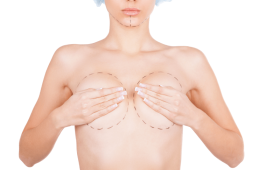
The structural changes in the breast tissue—often involving volume loss, ptosis (sagging), and changes in the areolar complex—are frequently addressed alongside abdominal reconstruction. The goal of a breast lift, or mastopexy, is to reposition the nipple-areola complex to a more youthful, aesthetic height while removing excess glandular tissue and skin.
Safety and biocompatibility are the highest priorities in mammary reconstruction. To ensure long-term stability and a natural feel, surgeons in Turkey utilize only JCI-approved implants. The primary breast implants used include Mentor, Motiva, or Polytech, providing patients with various profiles, from highly cohesive silicone to ergonomic shapes that mimic natural tissue movement.
“The success of a Mommy Makeover lies in the synergy of the procedures. By addressing the upper and lower anatomy simultaneously, we create a balanced, proportional silhouette that restores the patient’s pre-pregnancy confidence.”
The financial investment for a breast_lift typically falls between 2,500 – 4,500 USD. For patients seeking both lift and volume, augmentation can be seamlessly integrated into the surgical plan.
The Economics of Excellence: Why Turkey is the Global Hub
The global shift toward Turkey for postpartum restoration is driven by the ability to access “Advanced Combination” surgeries. These are complex, multi-stage operations that combine abdominoplasty, mastopeable, and fat transfer in a single anesthetic session. This approach reduces the total number of surgical interventions and optimizes the recovery period.
The cost structures in Turkey offer significant value without compromising the technical standard of care. A standard_package, covering essential restorative elements, typically ranges from 4,500 – 7,500 USD. For those seeking a total transformation, the advanced_combination—which might include a tummy tuck, breast lift, and fat transfer—is priced between 8,000 – 12,000 USD. When compared to the costs of similar multi-procedure surgeries in the US or UK, the savings are substantial, even when accounting for premium international travel.
Furthermore, the integration of advanced fat grafting, such as BBL_fat_transfer, allows for a more natural contouring of the hips and buttocks, with costs ranging from 3,500 – 5,500 USD. This creates a holistic “hourglass” result that is difficult to achieve through single-area procedures alone.
Logistics, Safety, and the Path to Recovery
A successful surgical journey requires meticulous logistical planning. Turkey’s medical infrastructure is designed to support international patients through a seamless, “white-glove” experience. The process often begins long before arrival, through free online video assessments with board-certified plastic surgeons, allowing for preliminary surgical planning and personalized quotations.
Upon arrival, patients are typically routed through major international hubs such as Istanbul (IST) or Antalya (AYT). The transition from the airport to the recovery environment is managed via VIP private transfers, ensuring minimal stress during the immediate post-operative period. The standard of accommodation is equally rigorous, with patients staying in 5-star recovery suites with companion stay included, providing a sterile yet luxurious environment conducive to healing.
The recovery timeline is a critical component of surgical success. Patients should plan to remain in Turkey for an initial 7-10 days, which allows for post-operative monitoring and the first follow-up consultations. While the physical wound healing occurs relatively quickly, patients must adhere to strict post-operative protocols, noting that full exercise return typically requires 6 weeks to ensure the integrity of the internal sutures and the stability of the newly contoured tissues.
By combining advanced surgical techniques like internal corset suturing and Vaser technology with a highly organized medical tourism infrastructure, Turkey provides the definitive foundation for post-pregnancy restoration.
The Post-Operative Reality: Why Compression and Ease are Paramount
When planning a surgical journey to Turkey, the conversation often revolves around the profound aesthetic transformations available. However, a critical, often overlooked aspect of the patient journey is the immediate post-operative physiological requirement for comfort. This is why the recommendation for soft, “button-undown” clothing is not merely a fashion suggestion, but a medical necessity.
Following complex procedures—particularly those involving significant abdominal or thoracic reconstruction—the body undergoes a period of intense inflammatory response and edema. During the initial 7-10 days in Turkey, your primary objective is to minimize tension on incision lines and surgical drains. Tight-fitting garments or shirts that require being pulled over the head can create unnecessary intra-abdominal pressure or mechanical friction against fresh sutures. Button-down shirts and loose-fitting, breathable fabrics allow for effortless dressing, reducing the risk of accidental displacement of surgical dressings or irritation to the abdominal fascia.
Engineering the Silhouette: The Anatomy of Combination Surgery
The true efficacy of a Turkish surgical transformation often lies in “Advanced Combination” procedures. While a standard package, ranging from 4,500 – 7,500 USD, may address a single area, the advanced approach—costing between 8,000 – 12,000 USD—allows for a holistic body contouring. This involves a sophisticated interplay of liposuction, fat transfer, and tissue tightening.
The technical complexity of these procedures requires precision engineering of the body’s contours. For patients experiencing postpartum abdominal separation, Diastasis Recti repair involves internal corset suturing of the abdominal fascia. This internal structural reinforcement is what provides the “cinched” waist aesthetic. When paired with a tummy tuck—where patients can choose between Full, Mini, or Extended (360) options (ranging from 3,000 – 5,000 USD)—the surgeon can address both skin laxity and muscular weakness.
Furthermore, modern contouring relies heavily on Vaser Liposuction, which is used for high-definition contouring with minimal bruising. This ultrasonic technology allows for the precise emulsification of subcutaneous adipose tissue. This harvested fat is then redistributed via a BBL fat transfer (3,500 – 5,500 USD) to areas such as the hips or buttocks, creating a seamless transition between the waist and the lower body. For those addressing upper body volume, the use of JCI-approved breast implants, such as Mentor, Motiva, or Polytech, ensures both aesthetic projection and long-term structural integrity. A breast lift (2,500 – 4,500 USD) can further refine this, lifting the nipple-areola complex to a more youthful position.
A Journey of Restoration: A Case Study of a 34-Year-Old Irish Mother of Three
To understand the profound impact of this medical journey, consider the case of a 34-year-old Irish mother of three. After three pregnancies, she presented with significant abdominal diastasis, skin redundancy, and a loss of volume in the gluteal region. Her goal was not a radical change, but a restoration of her pre-pregnancy silhouette.
“The decision to undergo a combination procedure was driven by the desire for a single, streamlined recovery. Instead of multiple trips, the advanced combination approach allowed us to address the abdomen, hips, and breasts in one orchestrated surgical event.”
Her recovery was meticulously managed. During her initial 7-10 days in Turkey, she remained in 5-star recovery suites with companion stay included, ensuring she had the necessary support for mobility and wound care. The logistics were handled via VIP private transfers from the airport (IST or AYT) directly to her suite, minimizing physical exertion. Upon returning to Ireland, she adhered to a strict recovery protocol, noting that while she felt remarkably comfortable in her loose, button-down attire, she required 6 weeks for full exercise return to ensure the stability of the fat graft and the integrity of the abdominal fascia sutures.
Safety, Standards, and the Seamless Patient Experience
The success of such intensive surgical interventions is predicated on the rigorous application of international safety protocols. The integration of JCI (Joint Commission International) standards is non-negotiable when selecting a surgical pathway. This ensures that every facet of the patient journey—from the free online video assessments with board-certified plastic surgeons to the post-operative care in Turkey—meets the highest global benchmarks for sterile technique and patient safety.
The logistical framework is designed to remove the “stress of travel” from the “stress of healing.” By coordinating transfers from Istanbul (IST) or Antalya (AYT) and providing high-end recovery environments, the focus remains entirely on the physiological healing process. For the patient, this means the transition from the operating theatre to a luxury recovery suite is seamless, allowing the body to focus its metabolic energy on tissue regeneration and the integration of fat grafts, rather than the logistical burdens of international travel.
The Physiological Necessity of Non-Restrictive Attire in Post-Operative Care
When planning a surgical journey to Turkey, patients often focus on the technical excellence of the procedure—such as the precision of Vaser Liposuction for high-definition contouring or the selection of JCI-approved implants (Mentor, Motiva, or Polytech). However, the period of convalescence requires a strategic approach to wardrobe selection. The recommendation for soft, “button-down” clothing is not merely a matter of comfort; it is a critical component of managing post-operative edema and protecting the integrity of surgical incisions.
During the initial 7-10 days of recovery in Turkey, the body undergoes significant inflammatory responses. In procedures like a tummy tuck (available in Full, Mini, or Extended/360 formats), the surgical site involves the manipulation of the abdominal wall. Specifically, in cases involving Diastasis Recti repair, the surgeon performs internal corset suturing of the abdominal fascia. This internal structural reinforcement is delicate. Wearing tight-fitting, high-waisted, or “pull-over” garments can exert undue pressure on these sutures, potentially compromising the tension required for optimal fascial healing.
Button-down shirts and loose-fitting, soft fabrics facilitate easy dressing without requiring the patient to lift their arms above shoulder height or compress the midsection. This is particularly vital for patients recovering from BBL (Brazilian Butt Lift) fat transfers, where the gluteal region may be subject to significant swelling and requires minimal friction to prevent seroma formation.
Seamless Recovery Logistics: From VIP Arrival to 5-Star Care
A primary advantage of the Turkish medical model is the integration of medical excellence with high-end hospitality. The transition from your flight to your recovery suite is designed to minimize physiological stress. Upon arrival at Istanbul (IST) or Antalya (AYT), patients are met by VIP private transfers, ensuring that the journey from the airport to the clinic or recovery villa is seamless and controlled.
The recovery phase is typically spent in 5-star recovery suites, with companion stay options included. These environments are engineered for post-surgical stability. For those managing complex recovery logistics—such as coordinating childcare or arranging work transitions in the UK or USA—the luxury villa model allows for a controlled environment where medical needs and personal comfort coexist. The logistics are handled by Cure Holiday specialists, allowing the patient to focus entirely on the biological process of healing.
“The goal of post-operative logistics is to minimize cortisol levels. High stress impairs the immune response and slows the healing of the subcutaneous tissue, making seamless transfers and professional aftercare essential.”
The Fly-Home Timeline and Re-entry into Activity
Understanding the window of mobility is essential for planning your return flight. While the initial intensive recovery takes place in Turkey, the timeline for full physiological reintegration is more extended. While you may feel prepared to fly after the initial 7-10 day period, the biological clock for tissue remodeling continues long after you land.
- Immediate Post-Op (Days 1-10): Focus on wound care, managing edema, and preventing deep vein thrombosis (DVT) through light movement.
- The Transition Phase (Weeks 2-5): Gradual return to light daily activities; avoidance of heavy lifting or abdominal strain.
- Full Reintegration (6 Weeks+): The period required for full exercise return and the stabilization of the surgical site.
During this 6-week window, the “button-down” wardrobe remains essential. As you navigate the transition from the Turkish recovery villa back to your home environment in the UK or USA, the ability to dress without straining the internal corset suturing or the delicate high-definition contours created via Vaser technology is paramount.
2026 Financial Projections: Turkey vs. UK/USA
When budgeting for transformative surgery, the cost-to-quality ratio in Turkey remains unparalleled. The following breakdown illustrates the projected costs for 2026, highlighting the significant savings compared to the private healthcare costs in the UK or USA. These figures represent the comprehensive nature of the Turkish medical packages, which often include much of the logistical support mentioned above.
| Procedure Type | Projected 2026 Cost (USD) |
|---|---|
| Standard Surgical Package | 4,500 – 7,500 USD |
| Advanced Combination Package | 8,000 – 12,000 USD |
| Tummy Tuck (Full/Extended) | 3,000 – 5,000 USD |
| Breast Lift | 2,500 – 4,500 USD |
| Liposuction (Per Area) | 500 – 1,500 USD |
| BBL (Fat Transfer) | 3,500 – 5,500 USD |
When comparing these figures to the UK or USA, it is important to note that the Turkish standard package often encompasses the 5-star accommodation, VIP transfers, and post-operative monitoring, whereas Western costs frequently exclude these essential recovery logistics.
Pre-Surgical Planning and Professional Assessment
The foundation of a successful surgical outcome is laid long before you arrive at IST or AYT. To ensure that your recovery logistics and surgical expectations are aligned, the process begins with free online video assessments with board-certified plastic surgeons. This allows for a remote clinical evaluation of your anatomical suitability for procedures like Diastasis Recti repair or Vaser Liposuction.
During these consultations, surgeons can provide specific guidance on post-operative garment requirements, helping you curate a wardrobe of soft, non-restrictive, button-down clothing that supports your surgical site’s stability and minimizes the risk of tension-related complications during your 7-10 day stay in Turkey.
Considering a Mommy Makeover in Turkey? Get a Free Quote for your Why Soft, “Button-Down” Clothes are Essential for your Turkish Trip Transformation with cureholiday.com
Free Consultation
Fill out the form below to get your free medical travel plan and price quote.
Sources and how to verify this yourself
- Ministry of Health, Regulation on International Health Tourism and Tourist Health, Official Gazette 26 April 2025, No. 32882 — authorisation requirement for facilities and intermediaries, TÜSKA accreditation, compulsory complication insurance (deadline 31 December 2025 for insurance, 31 December 2026 for accreditation). source
- Ministry of Health, Regulation on Promotion and Information Activities in Health Services, Official Gazette 12 November 2025, No. 33075 — treatment promises and guarantees are prohibited; price and campaign announcements are permitted only within international health tourism. source