Cost and planning note (Mommy Makeover 2026)
The figures below are indicative market ranges, not a quote: your own price is confirmed after a clinical assessment.
Indicative price range: Standard Package: 4,500 – 7,500 USD | Advanced Combination: 8,000 – 12,000 USD | Tummy Tuck: 3,000 – 5,000 USD | Breast Lift: 2,500 – 4,500 USD | Liposuction Per Area: 500 – 1,500 USD | Bbl Fat Transfer: 3,500 – 5,500 USD
Facility standards: In Türkiye, any facility treating international patients must hold the Ministry of Health’s international health tourism authorisation; hospitals and medical centres must also be accredited by TÜSKA, and complication insurance is compulsory for procedures carried out in an operating theatre (Regulation of 26 April 2025).
Recovery Focus: Post-pregnancy body restoration & safety first.
Currency: GBP, EUR, USD accepted.
Why many Mums use “Cushioned Seat Pads” for the Flight home from Izmir
The Structural Foundation: Diastasis Recti Repair
At the core of any successful post-pregnancy restoration is the management of Diastasis Recti—the separation of the abdominal muscles. This condition is not merely a cosmetic concern; it can lead to core instability and lower back pain. The surgical solution involves a sophisticated technique known as internal corset suturing of the abdominal fascia.
During this procedure, the surgeon reapproximates the separated muscle bellies, using heavy-scale, absorbable sutures to create a biological “corset.” This tensioning of the fascia restores the functional strength of the abdominal wall. Because this internal repair is subject to significant intra-abdominal pressure, the period following surgery—including the flight home—requires careful management of seating positions to avoid undue strain on the newly sutured fascia.
Advanced Abdominoplasty: Customising the Silhouette
The “Tummy Tuck,” or abdominoplasty, is the cornerstone of the restoration process. Depending on the degree of skin laxity and muscle separation, patients can choose from several surgical modalities:
- Mini-Abdominoplasty: Targeted at patients with localized skin laxity just below the navel, involving a smaller incision and less trauma to the surrounding tissue.
- Full Abdominoplasty: A comprehensive procedure involving the removal of excess skin and fat, along with the aforementioned repair of the rectus abdominis.
- Extended (360) Abdominoplasty: A more intensive approach that addresses the flanks and the posterior aspect of the waist, providing a complete circumferential contouring of the midsection.
ult
For those seeking even more refined results, the integration of Vaser Liposuction is frequently utilised. This ultrasound-assisted technology allows for high-definition contouring by emulsifying fat cells with minimal trauma to the surrounding vasculature, which is critical for reducing post-operative bruising and ensuring a smoother recovery profile during travel.
Mastopexy and Volumetric Restoration
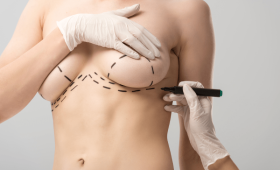
Restoring the breast area requires a delicate balance between tissue tension and volume. Post-pregnancy, many women experience ptosis (sagging) and a loss of projection. A Breast Lift (Mastopexy) focuses on repositioning the nipple-areola complex and removing excess skin to create a firmer, more youthful appearance.
To complement this lift, augmentation may be necessary to restore lost volume. The safety and biocompatibility of the implants are paramount. In the leading surgical hubs of Turkey, only high-specification, JCI-approved implants are utilised, typically from reputable manufacturers such as:
- Motiva
- Mentor
- Polytech
When combined with fat transfer—often via a BBL (Brazilian Butt Lift)—the result is a highly naturalistic augmentation. The BBL fat transfer involves harvesting adipose tissue from areas targeted by liposuction and injecting it into the gluteal region to enhance projection and shape.
The Economics of Global Excellence
Turkey has emerged as the global epicenter for these complex procedures, not merely due to the lower price point, but because of the unparalleled convergence of surgical expertise and advanced technology. The cost-efficiency allows patients to access high-end surgical combinations that might be financially prohibitive in Western Europe or North America.
The following breakdown illustrates the typical investment required for these restorative procedures:
Standard Package (Foundational Restoration): 4,500 – 7,500 USD
Advanced Combination (Comprehensive Mommy Makeover): 8,000 – 12,000 USD
Individual component pricing typically reflects the following:
- Tummy Tuck: 3,000 – 5,000 USD
- Breast Lift: 2,500 – 4,500 USD
- Liposuction (per area): 500 – 1,500 USD
- BBL (Fat Transfer): 3,500 – 5,500 USD
Logistics, Safety, and the Recovery Roadmap
A successful surgical journey is defined by the seamless integration of clinical excellence and logistical precision. The recovery process is a structured timeline designed to ensure the permanence of the surgical results.
The standard recovery protocol involves a period of 7-10 days in Turkey, during which patients are monitored in luxury settings. These 5-star recovery suites are designed to accommodate the patient’s need for rest, often including a companion stay included to assist with mobility.
Logistical ease is a hallmark of the experience in the Turkish medical corridor. The process typically includes:
- VIP private transfers: Seamless transport from Istanbul (IST) or Antalya (AYT) directly to the clinic or hotel.
- Digital Consultations: Access to free online video assessments with board-certified plastic surgeons to plan the surgical roadmap before departure.
While the initial healing occurs in the first two weeks, patients must adhere to a strict physiological timeline. A 6 weeks for full exercise return is the industry benchmark to ensure that the internal sutures—particularly those in the abdominal fascia—have achieved sufficient tensile strength.
The cushioned seat pad seen on the flight home is a testament to the patient’s commitment to this timeline. It represents the bridge between the intensive surgical intervention in Turkey and the long-term, sustainable restoration of the body’s natural contours. By managing pressure and vibration during transit, patients protect the artistry of their surgeons and the structural integrity of their new foundation.
The Post-Operative Flight: Why Pressure Management Matters
For many patients returning from Izmir or Antalya, the long-haul journey home is often the most nerve-wracking phase of the entire surgical odyssey. The phenomenon of mothers specifically requesting “cushioned seat pads” for their flight is not merely a matter of luxury; it is a calculated clinical precaution. When undergoing complex, multi-area transformations—such as a combination of abdominoplasty and fat transfer—the primary physiological concern during air travel is the management of post-operative edema and the prevention of undue pressure on healing incisions.
During the descent and flight, changes in cabin pressure can exacerbate localized swelling. A cushioned seat pad serves as a mechanical buffer, reducing direct compression on the abdominal wall and the gluteal region. This is particularly critical for those who have undergone BBL (Brazilian Butt Lift) fat transfer, where maintaining the integrity of the transferred fat cells is paramount. Minimizing external pressure helps ensure that the newly injected adipocytes remain well-vascularized and do not suffer from necrosis due to compression-induced ischemia.
A Case Study in Transformation: The Journey of a Mother of Three
To understand the clinical necessity of this level of care, one must look at the patient journey through a real-world lens. Consider the case of a 34-year-old Irish mother of three, who sought a comprehensive “Mommy Makeover” to address the physical remnants of multiple pregnancies. Her primary concerns were Diastasis Recti (the separation of the abdominal muscles) and significant loss of volume in the breast and gluteal regions.
Her journey began not in a hospital, but through free online video assessments with board-certified plastic surgeons provided by Cure Holiday specialists. This remote consultation allowed for a detailed analysis of her anatomical requirements before she ever stepped onto a plane. Upon arriving via VIP private transfers from Istanbul (IST), her surgical plan was executed with precision, focusing on a combination of an extended tummy tuck, breast augmentation, and liposuction.
“The transition from the surgical suite to the 5-star recovery suite is where the foundation of a successful result is laid. For a patient like our Irish case study, the priority was managing the tension on the abdominal fascia while ensuring the comfort of her companion during the 7-10 day recovery period in Turkey.”
The Anatomy of a Combination Surgery: Technical Precision
The “transformation” mentioned in travel circles is a highly technical procedure involving several distinct surgical modalities. A successful combination surgery relies on the synergy between different techniques to create a cohesive aesthetic result.
- Abdominal Reconstruction: Beyond simple skin removal, the procedure focuses on Diastasis Recti repair, which involves internal corset suturing of the abdominal fascia. This reinforces the core, providing a much tighter, more stable midsection. Depending on the patient’s needs, options include Full, Mini, or Extended (360) tummy tucks.
- High-Definition Contouring: To achieve a sculpted appearance without excessive trauma, Vaser Liposuction is used for high-definition contouring with minimal bruising. This ultrasonic technology allows for the precise removal of fat from specific depots while preserving the surrounding connective tissue.
- Breast Augmentation: For patients seeking volume, the use of high-quality, JCI-approved implants is non-negotiable. The surgeons utilize premium brands such as Mentor, Motiva, or Polytech to ensure long-term biocompatibility and natural movement.
- Fat Transfer Dynamics: The BBL (Brazilian Butt Lift) component involves harvesting processed fat from the flanks or abdomen and depositing it into the gluteal area to restore projection and shape.
Safety, Standards, and the Recovery Timeline
The hallmark of a premium surgical journey is the adherence to JCI (Joint Commission International) safety standards. This ensures that every aspect of the patient’s care—from the sterility of the operating theatre to the post-operative monitoring in 5-star recovery suites—meets global benchmarks for medical excellence. These suites are designed to include companion stay options, acknowledging that for many international patients, having a support person is vital for the initial post-operative days.
Patients must adhere to a strict physiological timeline to ensure the permanence of their results. While the initial recovery period in Turkey lasts between 7-10 days, the biological healing process continues long after the flight home. Patients are advised that a 6-week period is required for a full return to strenuous exercise. During this window, activities that increase intra-abdominal pressure must be strictly avoided to protect the integrity of the internal corset sutures and the transferred fat.
Transparent Investment: Cost Breakdown for Aesthetic Surgery
Planning a medical transformation requires clear financial visibility. The following figures represent the investment required for various surgical configurations, allowing patients to budget for both the clinical procedure and the necessary logistical arrangements.
Standard Surgical Packages:
- Standard Package (Comprehensive): 4,500 – 7,500 USD
- Advanced Combination Surgery: 8,000 – 12,000 USD
Individual Procedure Estimates:
- Tummy Tuck (Abdominoplasty): 3,000 – 5,000 USD
- Breast Lift (Mastopexy): 2,500 – 4,500 USD
- Liposuction (Per targeted area): 500 – 1,500 USD
- BBL (Fat Transfer): 3,500 – 5,500 USD
When evaluating these costs, it is essential to remember that these figures typically encompass the surgical expertise, the use of JCI-approved materials, and the high-end VIP private transfers and 5-star accommodation that define the premium patient experience in Turkey.
The Science of Pressure Relief in Post-Surgical Transit
For many women returning from Izmir following a transformative body contouring procedure, the “cushioned seat pad” is not merely a comfort accessory; it is a vital piece of post-operative equipment. When undergoing complex reconstructive procedures, such as a BBL (Brazilian Butt Lift) fat transfer or an extended (360) tummy tuck, the physiological requirement to avoid direct pressure on surgical sites is paramount. For those who have undergone a BBL fat transfer, which typically ranges between 3,500 USD and 5,500 USD, the survival of the transferred fat cells (adipocytes) depends heavily on uninterrupted blood supply and the avoidance of compressive forces that could cause necrosis.
The seated position during a long-haul flight from Turkey to the UK or USA introduces significant mechanical pressure. When a patient has undergone Diastasis Recti repair—a procedure that involves internal corset suturing of the abdominal fascia to close the gap between the rectus abdominial muscles—the structural integrity of the new abdominal wall is at its most vulnerable. Sitting in a cramped economy or even business-class seat can create abdominal compression, potentially placing undue tension on the internal sutures. A specialized cushion allows for weight redistribution, ensuring that the pressure is diverted away from the incision lines and the newly sutured fascia.
The Flight Home: Managing Edema and Venous Return
Beyond the immediate concern of incision site protection, the “flight home” presents a period of high physiological demand. Post-operative patients are at a higher risk for edema (swelling) and venous stasis due to the combination of surgical trauma and the cabin pressure changes inherent in air travel. For patients who have utilized Vaser Liposuction for high-definition contouring, the goal is to maintain the precision of the sculpted lines. While Vaser Liposuction is used for high-definition contouring with minimal bruising, the fluid shifts that occur during long-duration flights can lead to increased swelling in the treated areas.
The use of cushioned padding, often paired with medical-grade compression garments, helps to stabilize the tissue. This is particularly critical during the window between the initial 7-10 days in Turkey and the eventual 6 weeks for full exercise return. Managing the transition from the controlled environment of a recovery suite to the pressurized cabin of an aircraft requires meticulous planning. The cushion serves as a buffer against the vibrations and sudden shifts in seating position that can exacerbate post-operative inflammation.
Seamless Logistics: The Anatomy of a Recovery Stay
The success of the “flight home” begins long before the patient reaches the airport. The logistics of recovery in Turkey are designed to minimize the physical and mental stress that could compromise healing. The transition from the clinic to the recovery environment is handled via VIP private transfers from airport to clinic, ensuring that the patient is never subjected to the physical strain of navigating public transport or heavy luggage.
For the premium patient, the recovery period is centered around 5-star recovery suites with companion stay included. This allows for a “soft landing” post-surgery, where the focus is entirely on wound care, managing the 7-10 days of acute healing, and monitoring for any complications. These suites provide the necessary environment to begin the stabilization of the surgical sites before the high-stakes journey through Istanbul (IST) or Antalya (AYT) airports. Furthermore, the ability to undergo free online video assessments with board-certified plastic surgeons prior to travel ensures that the patient’s surgical plan is optimized for their specific flight itinerary.
2026 Global Cost Comparison: Turkey vs. UK/USA
As patients plan their surgical journeys for 2026, the financial disparity between Turkey and Western nations remains a primary driver for medical tourism. When budgeting for reconstructive surgery, it is essential to look at the total package cost, including the high-end logistics of recovery.
- Standard Package (Comprehensive Body Contouring): 4,500 USD – 7,500 USD
- Advanced Combination (Multi-area Sculpting): 8,000 USD – 12,000 USD
- Tummy Tuck (Full, Mini, or Extended 360): 3,000 USD – 5,000 USD
- Breast Lift (Mastopexy): 2,500 USD – 4,500 USD
- Liposuction (Per individual area): 500 USD – 1,500 USD
- BBL (Fat Transfer): 3,500 USD – 5,500 USD
While these figures represent the surgical and logistical costs within Turkey, they remain significantly lower than the equivalent costs in the UK or USA, where a single abdominoplasty can often exceed 15,000 USD without the inclusion of 5-star recovery logistics or private VIP transfers.
Technical Excellence and Surgical Modalities
The efficacy of the recovery—and the necessity of tools like seat cushions—is deeply rooted in the surgical techniques employed. The use of advanced technology allows for a more rapid, albeit carefully monitored, recovery. For instance, the application of Vaser Liposultion allows for much more precise fat removal with less trauma to the surrounding adipose tissue compared to traditional methods. This reduction in trauma is what enables the 7-10 day initial recovery window in Turkey.
In breast augmentation, the choice of implant is a critical component of long-term satisfaction and safety. All procedures utilize JCI-approved implants, specifically Mentor, Motiva, or Polytech. The stability of these implants, combined with precise placement techniques, ensures that the patient can navigate their 6-week transition back to activity with minimal disruption. Whether the patient is undergoing a Full, Mini, or Extended (360) tummy tuck, the overarching goal of the surgical team and the Cure Holiday specialists is to ensure that the physiological journey—from the operating theatre in Izmir to the seat of an airplane heading home—is managed with clinical precision and unparalleled comfort.
Considering a Mommy Makeover in Turkey? Get a Free Quote for your Why many Mums use “Cushioned Seat Pads” for the Flight home from Izmir Transformation with cureholiday.com
Free Consultation
Fill out the form below to get your free medical travel plan and price quote.