About the prices on this page. The figures below are indicative market prices and country comparisons, not a quote. Our own current, all-inclusive prices are published on our cosmetic surgery in Turkey page, and we confirm your figure in writing before you commit to anything.
Cost and planning note (Mommy Makeover 2026)
The figures below are indicative market ranges, not a quote: your own price is confirmed after a clinical assessment.
Indicative price range: Standard Package: 4,500 – 7,500 USD | Advanced Combination: 8,000 – 12,000 USD | Tummy Tuck: 3,000 – 5,000 USD | Breast Lift: 2,500 – 4,500 USD | Liposuction Per Area: 500 – 1,500 USD | Bbl Fat Transfer: 3,500 – 5,500 USD
Facility standards: In Türkiye, any facility treating international patients must hold the Ministry of Health’s international health tourism authorisation; hospitals and medical centres must also be accredited by TÜSKA, and complication insurance is compulsory for procedures carried out in an operating theatre (Regulation of 26 April 2025).
Recovery Focus: Post-pregnancy body restoration & safety first.
Currency: GBP, EUR, USD accepted.
Your 2026 Master Checklist for a Successful Mommy Makeover Recovery
The Physiological Foundation: Anatomical Reconstruction and Abdominal Integrity
A successful Mommy Makeover is not merely a cosmetic enhancement; it is a complex reconstructive procedure designed to restore the anatomical integrity lost through the physiological demands of pregnancy and lactation. The primary objective of the post-pregnancy restoration phase is to address the structural compromise of the abdominal wall and the redistribution of soft tissue. For the 2026 patient, the focus has shifted from simple skin excision to advanced musculofascial reconstruction.
The cornerstone of abdominal restoration is the treatment of Diastasis Recti. This condition involves the longitudinal separation of the rectus abdominis muscles, leading to a loss of core stability and a permanent protrusion of the midsection. Modern surgical excellence in Turkey focuses on Diaszis Recti repair, which involves internal corset suturing of the abdominal fascia. This technique utilizes heavy-duty, absorbable sutures to cinch the separated muscle bellies back to the midline, effectively creating a biological “corset” that restores intra-abdominal pressure and flattens the profile without the need for permanent hardware.
Depending on the degree of skin laxity and muscle separation, patients must choose between three distinct surgical modalities:
- Mini Abdominoplasty: Ideal for patients with localized laxity in the lower abdominal quadrant.
- Full Abdominoplasty: A comprehensive approach addressing the entire abdominal region, from the pubic area to the epigastrium.
- Extended (360) Tummy Tuck: A circumferential reconstruction that addresses the flanks and lower back, often paired with liposuction to create a seamless, 360-degree contour.
From a financial planning perspective, the investment for a tummy tuck typically ranges between 3,000 – 5,000 USD. When integrated into a larger reconstructive plan, a standard package for foundational abdominal and breast restoration generally falls within 4,500 – 7,500 USD, while an advanced combination—incorporating high-definition contouring and multi-quadrant reconstruction—can range from 8,000 – 12,000 USD.
Upper Quadrant Rejuvenation: Mastopexy and Volumetric Restoration
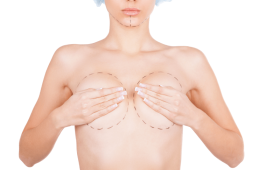
The second pillar of the restoration foundation is the reconstruction of the mammary tissue. Pregnancy and breastfeeding significantly alter the volume and position of the breast tissue, often resulting in ptosis (sagging) and glandular atrophy. The 2026 standard of care focuses on Mastopexy (breast lift) to reposition the areola-nipple complex (ANC) to a more youthful, anatomical height.
Precision in implant selection is a non-negotiable safety benchmark. For patients requiring augmentation alongside a lift, surgical excellence is defined by the use of JCI-approved implants, specifically utilizing brands such as Mentor, Motiva, or Polytech. These implants are engineered with advanced cohesive silicone gels that mimic the tactile response of natural tissue, ensuring long-term stability and aesthetic integration.
The cost of a breast lift is estimated between 2,500 – 4,500 USD. When combined with fat transfer or augmentation, the complexity of the surgery increases, necessitating a more robust surgical approach. The goal is to restore the upper pole fullness that is often lost during the postpartum period.
Advanced Liposculpture: High-Definition Contouring
To complete the foundation of the Mommy Makeover, surgeons must address subcutaneous fat deposits that are resistant to diet and exercise, specifically in the flanks, hips, and thighs. The 202able gold standard is Vaser Liposuction. Unlike traditional suction-assisted methods, Vaser Liposuction is used for high-definition contouring with minimal bruising because it utilizes ultrasonic technology to selectively emulsify fat cells while preserving the surrounding connective tissue and vasculature.
This preservation of micro-vascularity is critical for reducing postoperative edema and accelerating the healing timeline. For patients seeking more dramatic volumetric changes, the BBL (Brazilian Butt Lift) fat transfer remains a highly sought-after procedure. This involves harvesting fat from the abdominal or flank areas and injecting it into the gluteal region to restore the posterior curves. The BBL fat transfer is priced between 3,500 – 5,500 USD, while liposuction per area can range from 500 – 1,500 USD depending on the complexity of the contouring required.
“The true success of a Mommy Makeover lies in the synergy of the procedures. It is not about changing the patient’s identity, but about repairing the structural damage to the abdominal wall and breast tissue to restore their pre-pregnancy silhouette.” — Cure Holiday specialists.
Why Turkey Remains the Global Hub for Post-Pregnancy Restoration
As we enter 2026, Turkey has solidified its position as the global epicenter for advanced aesthetic reconstruction. This dominance is not merely a result of cost-efficiency, but a direct consequence of massive investment in surgical technology and medical tourism infrastructure. The Turkish surgical model integrates high-level technical precision with an unparalleled level of patient-centric logistics.
The safety benchmarks in Turkey are governed by stringent international standards, ensuring that the use of JCI-approved materials and advanced technologies like Vaser Lipo is standard practice. Furthermore, the logistical ease of accessing these high-end services allows patients to focus entirely on the physiological recovery process.
A critical component of the 2026 checklist is the seamless transition from surgical care to recovery. The infrastructure in major hubs such as Istanbul (IST) or Antalya (AYT) is designed to support the post-operative patient through a highly coordinated system:
- Pre-Operative Assessment: The journey begins with free online video assessments with board-certified plastic surgeons, allowing for a preliminary review of skin laxity and anatomical suitability before any travel occurs.
- Arrival and Transport: Upon arrival at Istanbul (IST) or Antalya (AYT), patients are met with VIP private transfers from the airport to the clinic, ensuring minimal physical exertion during the critical first hours.
- Post-Operative Care: Recovery is facilitated in 5-star recovery suites with companion stay included, providing a sterile, luxury environment that is essential for managing the 7-10 days in Turkey required for initial wound healing.
- Long-term Milestones: Patients should prepare for a structured timeline, where the 7-10 days in Turkey focus on acute healing, followed by a 6 weeks for full exercise return to ensure the integrity of the abdominal fascia and breast incisions.
By focusing on these foundational elements—the technical precision of the repair, the quality of the implants, and the logistical excellence of the recovery environment—patients can navigate their 2026 Mommy Makeover with the confidence that they are investing in a permanent, safe, and medically sound restoration of their bodies.
Decoding the Surgical Symphony: The Anatomy of a Mommy Makeover
A successful Mommy Makeover is rarely a single procedure; rather, it is a meticulously planned “combination surgery” designed to address the multi-dimensional changes in the female physique following pregnancy and breastfeeding. To navigate your 2026 recovery checklist, you must first understand the technical layers of the transformation. The goal is not merely aesthetic improvement but the structural restoration of the abdominal wall and the volumetric enhancement of the bust and hips.
The foundation of the abdominal component often involves addressing Diastasis Recti—the separation of the rectus abdominous muscles. During a professional abdominoplasty, surgeons perform internal corset suturing of the abdominal fascia. This technique reinforces the midsection, creating a tighter, more stable core. Depending on the degree of skin laxity and muscle separation, your surgeon may recommend a Full, Mini, or Extended (3 360) tummy tuck. While a Mini Tummy Tuck focuses on the area below the navel, the Extended (360) option is essential for those requiring circumferential tightening and liposuction.
To complement the structural tightening, advanced contouring techniques are employed. Vaser Liposuction is the gold standard for 2026, utilizing ultrasonic technology to emulsify fat cells with extreme precision. This allows for high-definition contouring with minimal bruising and less trauma to the surrounding adipose tissue, which is critical for a smoother postoperative outcome.
The Precision Engineering: Technical Specifications of Implants and Fat Transfer
When the transformation includes breast augmentation or lifting, the quality of the implant is non-negotiable. For patients adhering to JCI (Joint Commission International) safety standards, only premium, highly cohesive silicone implants should be considered. The primary options used by board-certified surgeons include Mentor, Motiva, or Polytech implants. These brands are selected for their advanced shell technology and anatomical shapes, which mimic the natural feel of breast tissue.
The “Makeover” often involves the redistribution of volume through BBL (Brazilian Butt Lift) fat transfer. This process involves harvesting fat via liposuction, purifying it, and reinjecting it into the gluteal region to enhance projection and roundness. The synergy between the abdominal tightening and the BBL creates the “hourglass” silhouette that is the hallmark of a successful transformation.
“The success of a combination surgery lies in the balance of tension and volume. We are not just removing skin; we to recreate the structural integrity of the abdominal wall while simultaneously restoring lost volume to the breasts and hips.”
Case Study: The Restoration Journey of a 34-year-old Irish Mother
To understand the logistical and physical reality of this journey, consider the case of “Siobhán,” a 34-year-old mother of three from Dublin. After three pregnancies, Siobhán presented with significant skin laxity in the lower abdomen, persistent Diastasis Recti, and a loss of upper breast volume.
Siobhán’s journey began with free online video assessments with Cure Holiday specialists and board-certified surgeons, ensuring her surgical plan was finalized before she ever left Ireland. Her procedure was an advanced combination package, encompassing an Extended Tummy Tuck, Breast Augmentation, and BBL.
Her recovery timeline was strictly managed:
- Days 1–7: Post-operative care in a 5-star recovery suite in Turkey, focusing on wound management and lymphatic drainage.
- Weeks 2–4: Transitioning to light walking to prevent deep vein thrombosis (DVT) and managing swelling via compression garments.
- Week 6: The milestone for full exercise return, marking the point where the internal sutures and fat grafts have stabilized.
By utilizing VIP private transfers from Istanbul (IST) to her clinic and hotel, the physical stress of travel was minimized, allowing her body to focus entirely on the healing process.
The 202 3 Investment: Transparent Cost Structures
Budgeting for a Mommy Makeover requires understanding that costs vary significantly based on the complexity of the combination. For 2026, patients should use the following benchmarks for their financial planning. Please note that all prices are estimates for the surgical and hospital components.
- Standard Package (Single Procedure): 4,500 – 7,500 USD
- Advanced Combination Surgery: 8,000 – 12,000 USD
- Abdominoplasty (Tummy Tuck): 3,000 – 5,000 USD
- Mastopexy (Breast Lift): 2,500 – 4,500 USD
- Liposuction (Per Targeted Area): 500 – 1,500 USD
- BBL (Fat Transfer): 3,500 – 5,500 USD
When comparing quotes, it is vital to ensure that the “Advanced Combination” price includes the 5-star recovery suites, VIP transfers, and the necessary post-operative medications. A lower upfront cost may lack the essential JCI-accredited surgical support required for a safe recovery.
The Logistics of Safety: Navigating the Patient Journey
A critical component of your 2026 checklist is the logistical framework of your medical travel. The transition from your home country to Turkey should be seamless to avoid elevating cortisol levels, which can impede healing. Most international patients arrive via Istanbul (IST) or Antalya (AYT).
The standard of care for premium patients includes:
- Pre-arrival: Finalizing surgical protocols through digital consultations.
- Arrival: Immediate VIP private transfers from the airport to your recovery suite, bypassing the stress of local navigation.
- Accommodation: Staying in 5-star recovery suites where a companion stay is included, ensuring you have emotional and physical support during the first 7 days of your recovery.
The hallmark of a reputable surgical journey is the adherence to JCI safety standards. This means every clinic involved in your transformation is subject to rigorous international audits regarding sterilization, surgical protocols, and patient identification, ensuring that the high-tech Vaser Liposuction and Motiva implants are administered in an environment of clinical excellence.
The Post-Operative Golden Window: 7–10 Days in Turkey
The success of a Mommy Makeover is not merely measured by the precision of the surgical incision, but by the controlled environment of the initial recovery phase. For patients traveling to Turkey, the first 7–10 days are the most critical period for managing lymphatic drainage, monitoring wound healing, and preventing hematomas. The logistical framework for a premium recovery is built around a seamless transition from the surgical theatre to 5-star recovery suites.
Luxury recovery in Turkey is designed to mitigate the physiological stress of travel. Upon arrival at Istanbul (IST) or Antalya (AYT), patients are met with VIP private transfers, ensuring that the post-operative state—often characterized by fatigue and restricted mobility—is not compromised by the rigors of local transit. These recovery suites are specifically curated to include companion stay options, allowing a partner or family member to assist with the essential early-stage care, such as managing compression garments and hydration protocols.
- Immediate Post-Op (Days 1–3): Focused on clinical monitoring, pain management, and the stabilization of surgical sites.
- The Transition Phase (Days 4–7): Moving from clinical settings to high-end recovery villas or suites, focusing on light mobility to prevent Deep Vein Thrombosis (DVT).
- Pre-Flight Assessment: A final clinical check to ensure the patient is stable for the flight duration and pressure changes.
Clinical Precision and the Physiology of Recovery
A Mommy Makeover is rarely a single procedure; it is a complex anatomical reconfiguration. Understanding the technical complexity of your surgery is vital for preparing your domestic logistics. For example, if your surgeon performs a Diastasis Recti repair, they are performing internal corset suturing of the abdominal fascia. This is not merely a skin tightening; it is a structural reconstruction of the abdominal wall. Consequently, the physical restriction on lifting—specifically anything heavier than a small pet or a lightweight infant—is non-negotiable for at least 6 weeks.
Similarly, the use of advanced technologies like Vaser Liposuction plays a significant role in your recovery timeline. Unlike traditional methods, Vaser uses ultrasound-assisted technology for high-definition contouring with minimal bruising and less trauma to surrounding tissues. While this may accelerate the visible healing of the skin, the internal healing of the fat cells still requires strict adherence to post-op protocols.
When selecting your surgical components, the quality of the hardware is paramount. High-standard clinics in Turkey utilize JCI-approved implants, such as Motiva, Mentor, or Polytech. These implants are engineered for longevity and biocompatibility, but they require a period of “settling” within the tissue, during which certain postural movements must be avoided to prevent displacement.
The 2026 Logistics Masterlist: Childcare and Flight Safety
The “Mommy” aspect of this procedure introduces a unique logistical challenge: the management of dependents. As you prepare for your 2026 procedure, your checklist must include a robust childcare contingency plan that accounts for the 6-week window of restricted activity.
“Post-operative success is heavily dependent on the ‘No-Lift’ rule. Planning for a caregiver to manage heavy lifting, toddler transitions, and household chores is as essential as the surgery itself.”
- The 6-Scale Rule: For 6 weeks post-surgery, you must avoid lifting anything heavier than your child (if they are a toddler) or significantly heavy grocery loads. This is vital to prevent the dehiscence (opening) of Full, Mini, or Extended (360) tummy tuck incisions.
- Flight Logistics: Ensure your flight home is booked with ample time between your final consultation and departure. Flying too soon can increase the risk of edema (swelling) due to cabin pressure.
- Childcare Substitution: Arrange for a secondary caregiver or extended family member to handle the “heavy” parenting duties (e.g., lifting young children, managing stairs) during the first 14 days post-return.
2026 Financial Transparency: Turkey vs. UK/USA
One of the primary drivers for choosing Turkey for a Mommy Makeover is the significant cost arbitrage. However, for 2026 planning, patients must look beyond the “sticker price” and understand the value of the comprehensive packages which often include transfers, 5-star accommodation, and aftercare medications.
Below is the projected 2026 cost breakdown for the various components of a Mommy Makeover. When compared to the UK or USA, where a single component like a tummy tuck can exceed $15,000 USD, the Turkish model provides a high-tier medical experience at a fraction of the cost.
| Procedure Component | Estimated Turkey Cost (2026) |
|---|---|
| Standard Package (Basic combination) | 4,500 – 7,500 USD |
| Advanced Combination (Complex reconstruction) | 8,000 – 12,000 USD |
| Tummy Tuck (Full, Mini, or 360) | 3,000 – 5,000 USD |
| Breast Lift (Mastopexy) | 2,500 – 4,500 USD |
| Liposuction (Per specific area) | 500 – 1,500 USD |
| BBL (Fat Transfer) | 3,500 – 5,500 USD |
To ensure these costs align with your specific anatomical needs, we recommend utilizing the free online video assessments provided by Cure Holiday specialists. These consultations allow board-certified plastic surgeons to review your medical history and provide a bespoke quote that accounts for the specific techniques, such as Vaser Lipo or Diastasis Recti repair, required for your transformation.
Considering a Mommy Makeover in Turkey? Get a Free Quote for your Your 2026 Master Checklist for a Successful Mommy Makeover Recovery Transformation with cureholiday.com
Free Consultation
Fill out the form below to get your free medical travel plan and price quote.
Sources and how to verify this yourself
- Ministry of Health, Regulation on International Health Tourism and Tourist Health, Official Gazette 26 April 2025, No. 32882 — authorisation requirement for facilities and intermediaries, TÜSKA accreditation, compulsory complication insurance (deadline 31 December 2025 for insurance, 31 December 2026 for accreditation). source
- Ministry of Health, Regulation on Promotion and Information Activities in Health Services, Official Gazette 12 November 2025, No. 33075 — treatment promises and guarantees are prohibited; price and campaign announcements are permitted only within international health tourism. source