Cost and planning note (Mommy Makeover 2026)
The figures below are indicative market ranges, not a quote: your own price is confirmed after a clinical assessment.
Indicative price range: Standard Package: 4,500 – 7,500 USD | Advanced Combination: 8,000 – 12,000 USD | Tummy Tuck: 3,000 – 5,000 USD | Breast Lift: 2,500 – 4,500 USD | Liposuction Per Area: 500 – 1,500 USD | Bbl Fat Transfer: 3,500 – 5,500 USD
Facility standards: In Türkiye, any facility treating international patients must hold the Ministry of Health’s international health tourism authorisation; hospitals and medical centres must also be accredited by TÜSKA, and complication insurance is compulsory for procedures carried out in an operating theatre (Regulation of 26 April 2025).
Recovery Focus: Post-pregnancy body restoration & safety first.
Currency: GBP, EUR, USD accepted.
Why many Mums use “Toilet Risers” during the First Week of Recovery
The Biomechanics of Post-Operative Care: Why “Toilet Risers” are Essential
For many women undergoing postpartum restoration, the first week of recovery is defined by a delicate balance of healing and movement restriction. The “toilet riser”—a simple, elevated seat placed atop a standard toilet—is frequently recommended by surgeons not as a luxury, but as a critical medical intervention. The primary reason lies in the management of intra-abdominal pressure.
Following an abdominoplasty (tummy tuck) or a Diastasis Recti repair, the abdominal wall is under significant tension. When a patient attempts to sit on a low, standard toilet, the body is forced into a deep flexion of the hips and spine. This posture creates a profound increase in intra-abdominal pressure, which can place undue stress on the surgical site. For those undergoing a Diastasis Recti repair, which involves the internal corset suturing of the abdominal fascia, this pressure can potentially jeopardize the integrity of the fascial closure. By using a riser, the patient maintains a more upright pelvic angle, minimizing the strain on the newly repaired rectus abdominis muscles and reducing the risk of suture dehiscence or hematoma formation.
“The goal of the first seven days is to maintain the stability of the surgical repair. Every movement, from sitting to standing, must be calculated to prevent abdominal wall tension.”
Advanced Abdominal Reconstruction: From Mini-Tucks to 360-Degree Sculpting
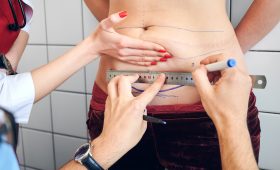
Post-pregnancy restoration is rarely a one-dimensional procedure. Depending on the degree of skin laxity and muscle separation, surgeons offer various technical approaches. For patients with localized skin laxity in the lower abdomen, a Mini Tummy Tuck may suffice. However, for more comprehensive restoration, Full or Extended (360) Tummy Tucks are utilized to address the flanks and the entire abdominal circumference.
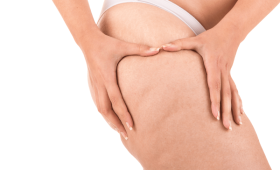
The technical sophistication of these procedures has reached new heights, particularly with the integration of Vaser Liposuction. This ultrasound-assisted technology allows for high-definition contouring with minimal bruising, as it specifically targets fat cells while preserving the surrounding connective tissue. This is particularly beneficial when combined with BBL (Brazilian Butt Lift) fat transfer, which can cost between 3,500 USD and 5,500 USD, to create a seamless transition from the waist to the hips.
Understanding the financial investment is vital for long-term planning. While a standalone tummy tuck typically ranges from 3,000 USD to 5,000 USD, patients often opt for a more comprehensive approach. An advanced combination package—incorporating abdominal repair, liposuction, and breast augmentation—can range from 8,000 USD to 12,000 USD. For those only requiring localized fat reduction, liposuction per area is priced between 500 USD and 1,500 USD.
Mastopexy and Augmentation: Restoring Breast Volume and Projection
Pregnancy and lactation often lead to changes in the glandular tissue and the elasticity of the Cooper’s ligaments, resulting in ptosis (sagging). The surgical solution, known as a breast lift (mastopexy), focuses on repositioning the nipple-areola complex and restoring the upper pole of the breast. Depending on the patient’s anatomy, surgeons may also incorporate implants to restore lost volume.
Safety and biocompatibility are the cornerstones of these procedures. In the global surgical landscape, the use of JCI-approved implants, such as Mentor, Motiva, or Polytech, is the industry standard. These implants are engineered to provide a natural feel and high-definition projection while minimizing the risk of capsular contracture. The cost for a breast lift typically falls between 2,500 USD and 4,500 USD, though this can increase if augmentation is required.
Turkey: The Global Epicenter for High-Standard Mommy Makeovers
Turkey has emerged as the premier global hub for post-pregnancy restoration, not merely due to competitive pricing, but because of an unparalleled concentration of surgical expertise and medical infrastructure. The “standard package” for a comprehensive makeover in Turkey, which often includes much more than just the surgery itself, ranges from 4,500 USD to 7,500 USD.
The Turkish medical model excels in integrating high-end hospitality with rigorous clinical protocols. This is characterized by:
- Advanced Logistics: Seamless arrival through major international hubs like Istanbul (IST) or Antalya (AYT), with VIP private transfers provided directly from the airport to the clinic or recovery suite.
- Premium Recovery Environments: Instead of standard hospital wards, patients are transitioned to 5-star recovery suites with companion stay included, ensuring that the “toilet riser” phase of recovery is managed in a luxury, low-stress setting.
- Pre-Operative Precision: The journey begins long before arrival, via free online video assessments with board-certified plastic surgeons, allowing for precise anatomical evaluation and personalized surgical planning.
The Recovery Roadmap: Managing Expectations
Post-operative success is measured by the patient’s adherence to the recovery timeline. While the physical presence in Turkey is relatively short—typically 7-10 days in Turkey to ensure initial wound stability and follow-up care—the biological healing process continues much longer. Patients must adhere to strict restrictions regarding lifting and core engagement, with a 6 weeks for full exercise return being the standard medical benchmark.
During this window, the use of compression garments (medical-grade binders) and the aforementioned “toilet risers” are non-negotiable. These tools work in tandem to protect the internal corset suturing and ensure that the skin adheres correctly to the underlying musculature, preventing seromas and ensuring the longevity of the aesthetic results.
The Biomechanics of Post-Operative Recovery: Why the “Toilet Riser” is Essential
For many patients undergoing a significant abdominoplasty or a “Mommy Makeover,” the first seven days of recovery are defined by a strict adherence to movement protocols. Among the most discussed, yet often overlooked, tools in a patient’s post-operative toolkit is the toilet riser. While it may seem like a trivial piece of medical equipment, its use is deeply rooted in the preservation of surgical integrity, specifically regarding the tension placed on the abdominal fascia.
When a surgeon performs a Diastasis Recti repair, the procedure involves the internal corset suturing of the abdominal fascia. This process brings the separated muscle bellies of the rectus abdominis back to the midline, creating a reinforced, tightened abdominal wall. During the initial inflammatory phase of healing, the sutures and the newly approximated tissue are under immense physiological stress. The primary enemy of this repair is intra-abdominal pressure (IAP).
The act of sitting on a standard-height toilet requires a significant degree of hip flexion. This deep flexion forces the abdominal wall into a “crunching” position, which significantly increases intra-abdominal pressure and places a high-velocity load on the internal suturing. By using a toilet riser, the patient maintains a higher pelvic position, reducing the angle of hip flexion and minimizing the mechanical strain on the abdominal repair. This simple ergonomic adjustment is critical in preventing dehiscence (the separation of wound edges) and ensuring the long-term success of the 360-degree tummy tuck or extended abdominoplasty.
Case Study: Siobhán’s Journey to Restored Confidence
To understand the profound impact of this surgical transformation, we look at the journey of Siobhán, a 34-year-old Irish mother of three. Like many women, Siobhán presented with significant skin laxity, abdominal muscle separation (Diastasis Recti), and a loss of breast volume following multiple pregnancies. Her goal was not merely aesthetic, but functional—to restore the structural integrity of her core.
Siobhans journey began with a free online video assessment with board-certified plastic surgeons, allowing her to discuss her anatomical concerns from her home in Dublin. After reviewing her medical history and physical requirements, she opted for an advanced combination surgery. This comprehensive procedure was designed to address her entire silhouette in a single surgical session, maximizing her 7-10 days in Turkey and minimizing the overall recovery period.
“The transformation was not just about the visual change; it was about the feeling of being ‘held’ together again. The medical precision of the internal corset repair changed how I move my body.”
The Anatomy of an Advanced Combination Surgery
Siobhán’s procedure was a masterclass in modern aesthetic reconstruction, utilizing high-definition techniques to ensure a natural, contoured result. The surgical plan included several highly specialized components:
- Extended Abdominoplasty (360 Tummy Tuck): This addressed the skin laxity around the entire circumference of the abdomen, providing a seamless wrap-around effect.
- Diastasis Recti Repair: As mentioned, the internal corset suturing of the abdominal fascia was performed to close the gap in her core muscles.
- Vaser Liposuction: To refine the flanks and waistline, Vaser Liposuction was used for high-definition contouring with minimal bruising, allowing for precise fat removal without damaging surrounding tissues.
- Breast Augmentation: To restore volume, high-quality, JCI-approved implants were utilized, with options including Mentor, Motiva, or Polytech.
- BBL (Brazilian Butt Lift): The fat harvested via Vaser Lipo was processed and transferred to the gluteal region to enhance projection.
This level of complex, multi-area surgery requires strict adherence to JCI safety standards, ensuring that every step of the surgical process—from anesthesia monitoring to sterile technique—meets international benchmarks for patient safety and clinical excellence.
The Logistics of a Premium Recovery Experience
A critical component of Siobhán’s successful outcome was the seamless integration of medical care and luxury convalescence. The transition from the operating theatre to a recovery environment is a delicate phase of the patient journey. For patients flying into Istanbul (IST) or Antalya (ARG), the logistics are managed with precision to reduce physiological stress.
Upon arrival, patients are met with VIP private transfers from the airport to the clinic and subsequent accommodation. Recovery is typically spent in 5-star recovery suites with companion stay included, providing a sterile yet comfortable environment that facilitates the necessary rest. This setting is particularly important for the first week, when the use of tools like the toilet riser and the management of compression garments are most vital.
While the surgical complexity is high, the financial planning for such a transformation is transparent. Based on the components of Siobhán’s procedure, the estimated investment for such advanced care is as follows:
- Standard Package (Basic Tummy Tuck/Lipo): 4,500 – 7,500 USD
- Advanced Combination (Full Mommy Makeover): 8,000 – 12,000 USD
- Tummy Tuck (Full, Mini, or Extended): 3,000 – 5,000 USD
- Breast Lift: 2,500 – 4,500 USD
- Liposuction (Per Area): 500 – 1,500 USD
- BBL (Fat Transfer): 3,500 – 5,500 USD
The Road to Full Functional Return
Post-operative discipline is non-negotiable. While the initial 7-10 days in Turkey focus on wound healing and managing edema, the long-term recovery trajectory is strictly monitored. Patients are advised to avoid heavy lifting and strenuous core engagement for several weeks to allow the internal sutures to incorporate into the tissue.
The timeline for physical reintegration is generally categorized into two phases: the acute phase (the first 2 weeks) and the remodeling phase. While patients can often return to light walking and desk-based work within 14 days, the medical directive remains firm: 6 weeks for full exercise return. This period allows the Vaser-contoured areas to settle and the Diastasis Recti repair to reach maximum tensile strength, ensuring the “surgical transformation” lasts a lifetime.
The Biomechanics of Post-Operative Comfort: Why Toilet Risers are Essential
For many women undergoing abdominal reconstruction, the first seven days post-surgery are defined by a strict limitation of movement. Whether you are recovering from a Full, Mini, or Extended (360) Tummy Tuck, or undergoing a Diastasis Recti repair, the physiological priority is the protection of the surgical site. This is where the “Toilet Riser” becomes an indispensable tool in a mother’s recovery kit.
The clinical reason for using a toilet riser lies in the mechanics of the abdominal wall. During a Diastasis Recti repair, the surgeon performs internal corset suturing of the abdominal fascia to close the gap between the rectus abdominis muscles. This creates a structural tension that is highly sensitive to sudden changes in intra-abdominal pressure. When sitting on a standard, low-profile toilet, the patient is forced into a deep flexion of the hips. This movement necessitates a significant “abdominal brace”—a contraction of the very muscles that have just been sutured.
By utilizing a raised seat, the degree of hip flexion is reduced. This allows the patient to descend and ascend without triggering the sharp, pulling sensations often associated with the tension of the new fascia. For mums managing post-operative logistics, this minor adjustment significantly reduces the risk of accidental strain on the incision line and minimizes the discomfort associated with the initial inflammatory phase.
“The goal of post-operative ergonomic aids, such as toilet risers or compression garments, is to minimize intra-abdominal pressure and prevent the mechanical disruption of the internal corset suturing during the critical first week of healing.”
Managing the Post-Op Transition: The Turkey Recovery Model
Recovery from major aesthetic surgery requires more than just medical aftercare; it requires a logistical framework that supports physical healing and emotional well-being. This is particularly vital for mothers who must coordinate childcare and travel plans. The “Turkey Model” of recovery is specifically designed to alleviate the “logistical load” that often accompanies surgery in the UK or USA.
The recovery process typically follows a structured timeline: a 7-10 day period in Turkey for immediate post-operative monitoring, followed by a gradual transition to home life, with 6 weeks required for a full return to strenuous exercise. To facilitate this, the recovery logistics in Turkey focus on high-end, low-stress environments:
- Premium Recovery Suites: Patients are typically accommodated in 5-star recovery suites, which are designed to function as “post-op villas.” These suites prioritize ease of movement, featuring accessible layouts and companion stay options included, allowing a partner or family member to assist with mobility.
- Seamless Logistics: The transition from clinic to recovery is managed via VIP private transfers, ensuring that the patient avoids the physical strain of navigating crowded public transport or navigating heavy luggage. These transfers operate from major hubs, including Istanbul (IST) or Antalya (AYT).
- Pre-Operative Clarity: Before even booking travel, patients can undergo free online video assessments with board-certified plastic surgeons. This allows for a precise discussion of surgical techniques, such as the use of Vaser Liposuction for high-definition contouring with minimal bruising, ensuring the patient’s expectations align with the surgical reality.
The 2026 Financial Landscape: Comparative Cost Analysis
One of the primary drivers for choosing Turkey for recovery logistics is the unprecedented value proposition. When comparing the costs of surgical procedures in the UK or USA to the comprehensive packages available in Turkey, the disparity is significant. It is important to note that these Turkish packages often include the premium logistics mentioned above, whereas UK/USA quotes typically cover the surgery alone.
For those planning for 2026, the following breakdown illustrates the cost efficiency of the Turkish medical model:
| Procedure Type | Estimated Cost (Turkey) |
| Standard Package (All-inclusive) | 4,500 – 7,500 USD |
| Advanced Combination Package | 8,000 – 12,000 USD |
| Tummy Tuck (Full, Mini, or 360) | 3,000 – 5,000 USD |
| Breast Lift (Mastopexy) | 2,500 – 4,500 USD |
| Liposuction (Per targeted area) | 500 – 1,500 USD |
| BBL (Fat Transfer) | 3,500 – 5,500 USD |
When a patient opts for an advanced combination—for example, combining a tummy tuck with breast implants (utilizing JCI approved brands such as Mentor, Motiva, or Polytech) and Vaser Liposuction—the cumulative savings can exceed tens of thousands of dollars compared to Western private healthcare, even after accounting for the cost of 5-star accommodation and VIP transfers.
Clinical Precision and Material Integrity
A critical component of the recovery logistics is the quality of the medical hardware used. The efficacy of the “internal corset” and the aesthetic longevity of the results depend entirely on the materials. For breast augmentation, the use of Mentor, Motiva, or Polytech implants ensures that the patient is receiving JCI-standard, globally regulated silicone. This reduces the risk of late-stage complications that could complicate the 6-week recovery window.
Furthermore, the integration of Vaser Liposultion technology is a game-changer for post-op mobility. Because Vaser uses ultrasonic energy to emulsify fat cells without the aggressive mechanical trauma of traditional cannula methods, the resulting minimal bruising allows patients to engage in light walking much sooner. This accelerated reduction in inflammation is what makes the 7-10 day stay in a Turkish recovery suite so effective; it allows the most intense period of healing to occur under the professional supervision of Cure Holiday specialists, rather than in the high-stress environment of a long-haul flight immediately following surgery.
Considering a Mommy Makeover in Turkey? Get a Free Quote for your Why many Mums use “Toilet Risers” during the First Week of Recovery Transformation with cureholiday.com
Free Consultation
Fill out the form below to get your free medical travel plan and price quote.
Sources and how to verify this yourself
- Ministry of Health, Regulation on International Health Tourism and Tourist Health, Official Gazette 26 April 2025, No. 32882 — authorisation requirement for facilities and intermediaries, TÜSKA accreditation, compulsory complication insurance (deadline 31 December 2025 for insurance, 31 December 2026 for accreditation). source
- Ministry of Health, Regulation on Promotion and Information Activities in Health Services, Official Gazette 12 November 2025, No. 33075 — treatment promises and guarantees are prohibited; price and campaign announcements are permitted only within international health tourism. source