Cost and planning note (Mommy Makeover 2026)
The figures below are indicative market ranges, not a quote: your own price is confirmed after a clinical assessment.
Indicative price range: Standard Package: 4,500 – 7,500 USD | Advanced Combination: 8,000 – 12,000 USD | Tummy Tuck: 3,000 – 5,000 USD | Breast Lift: 2,500 – 4,500 USD | Liposuction Per Area: 500 – 1,500 USD | Bbl Fat Transfer: 3,500 – 5,500 USD
Facility standards: In Türkiye, any facility treating international patients must hold the Ministry of Health’s international health tourism authorisation; hospitals and medical centres must also be accredited by TÜSKA, and complication insurance is compulsory for procedures carried out in an operating theatre (Regulation of 26 April 2025).
Recovery Focus: Post-pregnancy body restoration & safety first.
Currency: GBP, EUR, USD accepted.
Dealing with “Post-Op Blues”: Emotional Support for Mothers Traveling Alone
The Physiological and Psychological Intersection of Post-Pregnancy Restoration
The transition from motherhood to the “post-op” phase is a period of profound physiological and emotional metamorphosis. While the physical objectives of a Mommy Makeover—restoring the abdominal wall and breast volume—are clearly defined, the emotional landscape of the solo traveler is often more complex. The “Post-Op Blues” are a documented phenomenon, often stemming from the sudden shift in hormonal equilibrium and the psychological processing of physical change. When undergoing reconstructive procedures like Diastasis Recti repair or Mastopexy, the patient is not merely healing tissue; they are reintegrating a new self-image.
For mothers traveling to Turkey for surgical excellence, the challenge is compounded by the lack of immediate domestic support systems. This necessitates a surgical approach that prioritizes both clinical precision and a logistical framework that mitigates the stress of solo recovery. Achieving true restoration requires more than just surgical skill; it requires a foundation of safety and a clinical environment that supports the patient through the delicate period of early convalescence.
Restoring the Core: The Technicality of Diastasis Recti Repair
At the heart of postpartum physical restoration lies the repair of the abdominal midline. Pregnancy often results in the separation of the rectus abdominis muscles, a condition known as Diastasis Recti. This separation compromises the structural integrity of the core, leading to a persistent protrusion and weakened pelvic floor stability.
Modern surgical standards for this procedure have moved beyond simple cosmetic tightening. Advanced Diastasis Recti repair involves internal corset suturing of the abdominal fascia. This technique utilizes deep, tension-bearing sutures to re-approximate the separated muscle bellies, effectively creating a biological “corset.” This internal reinforcement provides the necessary stability to the abdominal wall, ensuring that the results of a Tummy Tuck (whether Full, Mini, or Extended (360)) are supported by a functional muscular foundation.
“The success of abdominal contouring is not measured by the incision alone, but by the restoration of the underlying fascial tension and the stabilization of the midline musculature.”
Reconstructing the Silhouette: Mastopexy and Liposuction Precision
Complementing the abdominal reconstruction is the restoration of the breast complex. Post-pregnancy, the loss of glandular tissue and skin elasticity often necessitates a Breast Lift (Mastopexy). To ensure long-term aesthetic and physiological safety, the selection of biomaterials is paramount. Leading surgeons in Turkey utilize JCI-approved implants, including Mentor, Motiva, or Polytech, ensuring that the hardware of the reconstruction meets global biocompatibility standards.
For patients seeking more comprehensive body contouring, Vaser Liposuction has become the gold standard. Unlike traditional methods, Vaser Liposuction is used for high-definition contouring with minimal bruising. This technology utilizes ultrasound energy to selectively emulsify fat cells while preserving the surrounding neurovascular structures and connective tissue. This precision is vital for the solo traveler, as reduced edema and bruising directly correlate to a smoother, less stressful recovery period.
In many advanced cases, patients opt for a BBL (Brazilian Butt Lift) fat transfer, where processed adipose tissue is injected into the gluteal region to restore lost volume. The cost structure for these integrated procedures typically follows these benchmarks:
- Tummy Tuck: 3,000 – 5,000 USD
- Breast Lift: 2,500 – 4,500 USD
- Liposuction (per area): 500 – 1,500 USD
- BBL Fat Transfer: 3,500 – 5,500 USD
Turkey: The Global Benchmark for Surgical Safety and Logistics
The rise of Turkey as the global hub for Mommy Makeovers is not merely a result of competitive pricing, but a direct consequence of highly regulated safety benchmarks and specialized medical infrastructure. The convergence of high-tech surgical modalities—such as Vaser technology—and a logistical ecosystem designed for international patients makes it the premier destination for those seeking complex reconstructive work.
For the mother traveling alone, the “Post-Op Blues” are mitigated by the seamlessness of the medical journey. The logistical framework is designed to remove the cognitive load of travel, allowing the patient to focus entirely on healing. This includes:
- Global Accessibility: Direct access via major international hubs such as Istanbul (IST) or Antalya (AYT).
- Seamless Transit: VIP private transfers from airport to clinic ensure that the patient is never navigating unfamiliar terrain while in a post-surgical state.
- Pre-Surgical Certainty: Free online video assessments with board-controlled plastic surgeons allow for meticulous preoperative planning and the establishment of trust before the patient even boards a flight.
Financial Planning for Comprehensive Restoration
Investing in a Mommy Makeover is a significant financial commitment toward long-term physical and emotional well-being. The cost variations often depend on the complexity of the anatomical reconstruction required—specifically whether the procedure is a singular area focus or a multi-dimensional body contouring event.
Patients should consider the following investment tiers when planning their restorative journey:
- Standard Package (Single primary area): 4,500 – 7,500 USD
- Advanced Combination (Multi-area contouring): 8,000 – 12,000 USD
It is important to note that these packages are often integrated with high-end recovery logistics. To support the solo traveler, many providers offer 5-star recovery suites with companion stay included. This ensures that even if a patient travels alone, they have access to a luxury environment that facilitates the necessary post-operative care and monitoring.
The Recovery Timeline: Managing Expectations
A critical component of managing the emotional aspect of surgery is understanding the biological timeline of healing. The period of “Post-Op Blues” is most acute during the first week when the body is managing significant inflammatory responses. In Turkey, the recommended recovery involves 7-10 days of intensive post-operative care within the specialized recovery suites, followed by a gradual reintegration into daily life. While the surgical incisions may appear healed, the internal remodeling of the fascia and fat grafts takes longer; patients should anticipate a period of 6 weeks for a full return to strenuous exercise.
By aligning surgical precision with a robust logistical support system, the journey of postpartum restoration becomes less about the fear of traveling alone and more about the triumph of reclaiming one’s physical identity.
The Clinical Reality: A Case Study of Siobhan, 34
To understand the intersection of surgical precision and emotional recovery, consider the journey of Siobhan, a 34-year-old mother of three from Ireland. Siobhan’s primary motivation was not merely aesthetic; she sought to address the physiological changes following three pregnancies, specifically focusing on abdominal laxity and loss of breast volume.
For patients like Siobhan, the surgical plan typically involves an advanced_combination procedure. Her journey began with free online video assessments with board-certified plastic surgeons, allowing her to discuss the technical nuances of her anatomy from the comfort of her home in Dublin. Her surgical itinerary included a combination of a tummy tuck and breast augmentation, a complex undertaking that requires significant preoperative psychological preparation.
In S0bhan’s case, the surgeon addressed Diastasis Recti repair, a critical component of abdominal reconstruction. This involves the internal corset suturing of the abdominal fascia to close the gap between the rectus abdominated muscles, restoring core stability and a flatter profile. To complement this, Vaser Liposuction was utilized for high-definition contouring of the flanks, a technique favored for its ability to target fat cells with ultrasound energy, resulting in minimal bruising and smoother skin retraction.
The Surgical Architecture: Step-by-Step Transformation
A combination surgery is a highly choreographed medical event. The success of the “transformation” relies on the seamless integration of multiple surgical stages, often performed under a single general anesthesia to minimize downtime and maximize the efficiency of the recovery period.
- Stage 1: Liposuction and Contouring: The process often begins with fat harvesting. Using Vaser Liposuction, the surgeon uses ultrasonic vibrations to emulsify adipose tissue. This is particularly effective for targeting the waistline and hips. If the patient’s profile permits, a BBL (Brazilian Butt Lift) fat transfer may be performed, where the harvested fat is processed and re-injected into the gluteal region, costing between 3,500 USD – 5,500 USD.
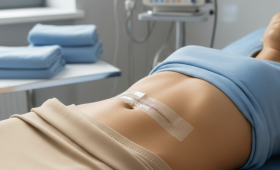
- Stage 2: Abdominal Reconstruction: Following contouring, the surgeon addresses the abdominal wall. Depending on the patient’s needs, options include a Full, Mini, or Extended (360) tummy tuck. The procedure involves an incision to remove excess skin and the aforementioned Diastasis Recti repair. The costs for these specialized abdominal procedures typically range from 3,000 USD – 5,000 USD.
- Stage 3: Mammaplasty: The final stage involves breast augmentation or lifting. To ensure long-term safety and aesthetic naturalism, only JCI-approved implants are utilized, such as Mentor, Motocva, or Polytech. A breast lift (Mastopexy), which typically costs between 2,500 USD – 4,500 USD, may be combined with implants to address ptosis (sagging).
JCI Safety Standards and the Eradication of Risk
The “blues” are often exacerbated by anxiety regarding surgical safety. This is why adherence to JCI (Joint Commission International) safety standards is non-negotiable. JCI accreditation signifies that the surgical facility operates under the highest global benchmarks for patient safety, infection control, and surgical precision.
When a patient undergoes an advanced_combination procedure, which ranges from 8,000 USD – 12,000 USD, they are not just paying for the surgery, but for a standardized ecosystem of care. This includes sterile processing of surgical instruments, rigorous anesthesia protocols, and post-operative monitoring systems designed to catch any physiological complications before they escalate. For a solo traveler, knowing that the hospital operates under these international mandates provides a psychological “safety net” that is essential for emotional stability during recovery.
Logistical Support: Mitigating the Isolation of Solo Travel
The logistical framework of the patient journey is specifically designed to prevent the onset of post-operative loneliness. The transition from the operating theatre to the recovery suite is managed through a seamless, high-end service model.
“The success of a surgical journey is measured as much by the patient’s emotional equilibrium as it is by their physical outcome.” — Cure Holiday Specialists.
The infrastructure of the Turkey surgical experience includes:
- Seamless Transit: Upon arrival at Istanbul (IST) or Antalya (AYT), patients are met by VIP private transfers. This removes the stress of navigating foreign transport systems while in a post-surgical state.
- The Recovery Environment: Patients are accommodated in 5-star recovery suites. These are not merely hotel rooms, but medically-integrated environments designed for healing.
- The Companion Protocol: To directly combat the “Post-Op Blues,” many packages feature a companion stay included. This allows a partner or friend to accompany the patient, providing the necessary emotional scaffolding during the first critical days of healing.
The Timeline of Recovery and Reintegration
Understanding the physiological timeline is vital for managing expectations. The recovery is divided into two distinct phases: the acute healing phase and the functional reintegration phase.
The acute recovery phase typically lasts 7-10 days in Turkey. During this window, the focus is on wound care, managing edema (swelling), and resting in the recovery suite. This is the period of highest emotional vulnerability, where the presence of medical staff and the comfort of the 5-star suite are most critical.
The functional reintegration phase extends beyond the departure from Turkey. While a patient may feel “fine” within two weeks, the body is still undergoing internal remodeling of the fascia and adipose tissue. A 6 weeks for full exercise return is the standard medical recommendation to ensure that the integrity of the Diastasis Recti repair and the newly contoured areas is not compromised by intra-abdominal pressure or sudden movements.
For the solo traveler, planning this six-week window is essential. By coordinating with Cure Holiday specialists, patients can ensure that their post-operative care plan aligns with their lifestyle, ensuring that the physical transformation is matched by a period of profound, uninterrupted healing.
The Neurochemical Landscape: Understanding Post-Operative Dysphoria
For the solo-travelling mother, the physical transformation achieved through aesthetic surgery is often accompanied by a complex emotional period known colloquulating as the “post-op blues.” This phenomenon is not merely psychological; it is rooted in the physiological impact of anesthesia and the subsequent neurochemical fluctuations following major surgical interventions. As the body processes the trauma of tissue manipulation—such as the internal corset suturing of the abdominal fascia during a Diastasis Recti repair—the sudden shift in hormone levels and the inflammatory response can trigger transient periods of anxiety or low mood.
When travelling alone, the lack of a primary caregiver at the bedside can exacerbate feelings of vulnerability. The “mental load” of managing recovery while navigating a foreign environment can lead to post-operative dysphoria. This is why the selection of recovery logistics is as critical as the surgical technique itself. High-tier recovery planning involves more than just a hotel room; it requires an environment that mitigates the stress of isolation. Access to 5-star recovery suites with companion stay included allows a mother to have a trusted support person present, bridging the gap between solo travel and the necessity of post-surgical monitoring.
“The psychological success of a surgical journey is inextricably linked to the logistical ease of the recovery period. Reducing the cognitive load on the patient is paramount to preventing post-operative depressive episodes.”
Technical Precision and the Physical Recovery Roadmap
Understanding the technicalities of your procedure can provide a sense of agency and reduce the fear of the unknown. Modern surgical advancements in Turkey have significantly refined the recovery trajectory. For instance, the use of Vaser Liposuction allows for high-definition contouring of the subcutaneous adipose tissue with significantly reduced trauma to the surrounding vasculature, resulting in minimal bruising and a more streamlined healing process.
When considering more complex anatomical reconstructions, such as a Full, Mini, or Extended (360) Tummy Tuck, the patient must prepare for a specific physiological timeline. While the acute phase of healing—where the most intensive monitoring is required—typically lasts 7-10 days in Turkey, the deep tissue remodeling continues for months. Patients should note that while the initial inflammatory phase subsides quickly, a 6 weeks for full exercise return is standard to ensure the integrity of the surgical site and the stability of any implants used (such as Mentor, Motiva, or Polytech (JCI approved)).
The following technical benchmarks are standard for high-end aesthetic procedures in the region:
- Diastasis Recti Repair: Involves meticulous internal corset suturing of the abdominal fascia to restore core stability.
- Vaser Technology: Utilizes ultrasound energy to emulsify fat, preserving the structural integrity of the connective tissue.
- Implant Standards: Only JCI-approved brands, including Motiva, Mentor, or Polytech, are utilized to ensure long-term biocompatibility.
- Post-Operative Window: A concentrated 7-10 day period of intensive aftercare in Turkey, followed by a 6-week gradual reintegration into physical activity.
Strategic Logistics: Mitigating the Stress of Solo Travel
The logistics of arriving in Turkey can be a source of significant pre-operative anxiety. To mitigate this, a seamless “door-to-suite” protocol is essential. For mothers travelling alone, the transition from Istanbul (IST) or Antalya (SE) to the recovery environment should be entirely hands-off. This is achieved through VIP private transfers from the airport to the clinic, ensuring that the patient is never navigating complex transit systems while in a post-anesthetic state.
Furthermore, the ability to engage in free online video assessments with board-certified plastic surgeons prior to departure allows for a comprehensive pre-operative consultation. This digital bridge enables the patient to discuss their specific concerns regarding childcare logistics, fly-home timelines, and post-operative physical limitations, ensuring that by the time they land, the “logistical mental load” has already been addressed by Cure Holiday specialists.
2026 Financial Projections: Comparative Cost Analysis
One of the primary drivers for choosing Turkey is the significant reduction in surgical expenditure without compromising the technical quality of care. For a mother planning for 2026, understanding the budget variance between the UK/USA and Turkey is vital for long-term financial planning. The following breakdown illustrates the expected investment for various procedural combinations.
For those seeking a comprehensive transformation, an advanced_combination—which may include liposuction and a tummy tuck—is a frequent choice. The following figures represent the projected costs for 2026:
| Procedure Type | Estimated 2026 Cost (USD) |
|---|---|
| Standard Package | 4,500 – 7,500 USD |
| Advanced Combination | 8,000 – 12,000 USD |
| Tummy Tuck (Full/Mini/360) | 3,000 – 5,000 USD |
| Breast Lift (Mastopexy) | 2,500 – 4,500 USD |
| Liposuction (Per Area) | 500 – 1,500 USD |
| BBL (Fat Transfer) | 3,500 – 5,500 USD |
When compared to the UK or USA, where a single tummy_tuck can exceed 10,000 USD, the cost-efficiency of the Turkish model allows patients to allocate more of their budget toward premium recovery amenities, such as extended stays in 5-star suites and enhanced post-operative physiotherapy, which are essential for managing both the physical and emotional aspects of the “post-op blues.”
Considering a Mommy Makeover in Turkey? Get a Free Quote for your Dealing with “Post-Op Blues” Transformation with cureholiday.com
Free Consultation
Fill out the form below to get your free medical travel plan and price quote.
Sources and how to verify this yourself
- Ministry of Health, Regulation on International Health Tourism and Tourist Health, Official Gazette 26 April 2025, No. 32882 — authorisation requirement for facilities and intermediaries, TÜSKA accreditation, compulsory complication insurance (deadline 31 December 2025 for insurance, 31 December 2026 for accreditation). source
- Ministry of Health, Regulation on Promotion and Information Activities in Health Services, Official Gazette 12 November 2025, No. 33075 — treatment promises and guarantees are prohibited; price and campaign announcements are permitted only within international health tourism. source