Cost and planning note (Mommy Makeover 2026)
The figures below are indicative market ranges, not a quote: your own price is confirmed after a clinical assessment.
Indicative price range: Standard Package: 4,500 – 7,500 USD | Advanced Combination: 8,000 – 12,000 USD | Tummy Tuck: 3,000 – 5,000 USD | Breast Lift: 2,500 – 4,500 USD | Liposuction Per Area: 500 – 1,500 USD | Bbl Fat Transfer: 3,500 – 5,500 USD
Facility standards: In Türkiye, any facility treating international patients must hold the Ministry of Health’s international health tourism authorisation; hospitals and medical centres must also be accredited by TÜSKA, and complication insurance is compulsory for procedures carried out in an operating theatre (Regulation of 26 April 2025).
Recovery Focus: Post-pregnancy body restoration & safety first.
Currency: GBP, EUR, USD accepted.
Designing the “Active Motherhood” Body: Speed and Mobility Restoration
The Biomechanics of Restoration: Addressing the Post-Pregnancy Structural Deficit
The transition into motherhood involves profound physiological adaptations that extend far beyond skin surface changes. For many women, the biological reality of pregnancy involves a significant reconfiguration of the musculoskeletal and integumentary systems. The “Active Motherhood” body is not merely an aesthetic goal; it is a functional one, centered on restoring the structural integrity of the core and the volumetric stability of the bust. Achieving this requires a sophisticated approach to surgical reconstruction, moving beyond simple fat removal to address the underlying anatomical disruptions caused by gestation and expansion.
The foundation of post-pregnancy restoration begins with the abdominal wall. During pregnancy, the rectus abdominis muscles—the primary stabilizers of the core—often undergo lateral displacement, a condition clinically known as Diastasis Recti. This separation of the abdominal muscle bellies creates a loss of intra-abdominal pressure regulation, often manifesting as a permanent “pooch” or protrusion that does not respond to traditional exercise. The surgical resolution of this issue is a critical component of the restoration process.
Technical Precision in Core Repair: Diastasis Recti repair involves internal corset suturing of the abdominal fascia. By anatomically re-approximating the separated muscle layers, surgeons create a biological “corset” that restores tension to the midline, improves postural stability, and re-estriking the functional capacity of the transverse abdominis.
Abdominoplasty: Advanced Recontouring Architectures
When the diastasis recti repair is coupled with the excision of redundant skin and the refinement of the waistline, the procedure enters the realm of advanced abdominoplasty. Modern surgical techniques allow for highly customized approaches based on the patient’s specific degree of tissue laxity and adipose distribution. Depending on the patient’s anatomy, surgeons may employ one of several specialized techniques:
- Mini-Abdominoplasty: Targeted primarily at the lower abdominal region, suitable for patients with minimal umbilical displacement.
- Full Abdominoplasty: A comprehensive approach involving the repositioning of the umbilicus (belly button) and the removal of significant skin and subcutaneous tissue.
- Extended (360) Abdominoplasty: A circumferential reconstruction that addresses the flanks and the lateral aspects of the waist, essential for complete waistline tapering.
To complement the structural repair of the fascia, many patients opt for high-definition contouring. This is where Vaser Liposuction plays a pivotal role. Unlike traditional cannula-based liposuction, Vaser technology uses ultrasound energy to emulsify fat cells selectively, allowing for more precise sculpting of the abdominal topography. This method is highly valued in the “Active Motherhood” protocol because it promotes high-definition contouring with minimal bruising and preserves the microvascular structures necessary for rapid healing.
The financial investment for these procedures varies based on the complexity of the reconstruction. A tummy_tuck typically ranges from 3,000 – 5,000 USD, while more comprehensive advanced_combination packages, which integrate abdominoplasty with fat transfer or liposuction, can range from 8,000 – 12,000 USD. For patients seeking targeted refinement of the flanks, liposuction_per_area is priced between 500 – 1,500 USD.
Mastopexy and Volumetric Breast Reconstruction
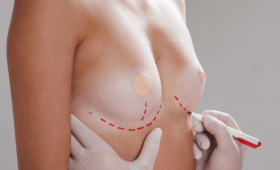
The second pillar of postpartum restoration focuses on the mammary glands. Pregnancy and subsequent breastfeeding can lead to glandular hypertrophy followed by significant ptosis (sagging) and a loss of dermal elasticity. The objective of a breast lift (mastopexy) is to reposition the nipple-areola complex (NAC) to a more youthful, anatomical height while restoring the projection of the breast mound.
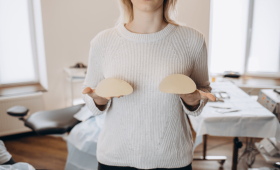
In cases where tissue volume has been lost alongside the sagging, surgeons may integrate augmentation. The safety and biocompatibility of the implants are paramount. To ensure long-term stability and patient safety, only JCI-approved implants are utilized, specifically brands such as Mentor, Motiva, or Polytech. These implants are engineered to mimic the natural feel of adipose tissue while maintaining structural integrity under the tension of the reconstructed breast envelope.
The cost for a breast_lift is generally between 2,500 – 4,500 USD. When patients choose to augment the lift with fat transfer—a technique known as BBL or fat grafting to the breast—the bbl_fat_transfer component adds approximately 3,500 – 5,500 USD to the surgical plan. The standard_package for a foundational breast and abdominal restoration typically falls within the 4,500 – 7,500 USD range.
Turkey: The Global Nexus for High-Complexity Reconstruction
The global medical community increasingly recognizes Turkey as the premier destination for advanced mommy makeovers. This prestige is not merely due to cost-efficiency, but rather the convergence of highly specialized surgical expertise and a sophisticated, integrated medical infrastructure. Turkish surgeons are often at the forefront of implementing Vaser technology and advanced fascial suturing techniques, driven by a high-volume, high-complexity clinical environment.
Safety benchmarks in Turkey are rigorously maintained through adherence to international accreditation standards. This is complemented by a logistics model designed specifically for the recovery-focused patient. The “Cure Holiday” experience is built around a seamless transition from clinical excellence to luxury convalescence:
- Global Accessibility: Patients can arrive via major international hubs, specifically Istanbul (IST) or Antalya (AYT).
- VIP Logistics: The protocol includes VIP private transfers from airport to clinic, ensuring that post-operative mobility is minimized and patient comfort is maximized.
- Premium Recovery: Post-operative care is hosted in 5-star recovery suites with companion stay included, allowing for a controlled, sterile, and restful environment essential for tissue healing.
- Pre-Operative Precision: The surgical journey begins long before arrival through free online video assessments with board-certified plastic surgeons, ensuring that the surgical plan is finalized with anatomical precision.
The Recovery Timeline and Functional Reintegration
Successful restoration requires a disciplined adherence to post-operative protocols. The biological process of tissue remodeling and the integration of the internal fascia “corset” cannot be rushed. The recovery period is divided into two distinct phases: the acute clinical phase and the functional reintegration phase.
The acute phase is characterized by the initial healing of the surgical incisions and the management of post-operative edema. Patients should plan for a 7-10 days in Turkey period, during which they remain in their recovery suites under the supervision of localized care teams. This period is critical for monitoring wound healing and ensuring the stability of the reconstructed abdominal wall.
The second phase is the gradual return to physiological loading. While light walking is encouraged almost immediately to prevent thromboembolic events, high-impact activities and heavy core loading must be avoided to prevent tension on the new fascial sutures. A 6 weeks for full exercise return is the clinical standard. This window allows the collagen matrix to mature, ensuring that the “Active Motherhood” body is not only aesthetically refined but structurally prepared for the rigors of an active lifestyle.
The Biomechanical Restoration of the Abdominal Wall
For many women, the post-partum physical transformation extends far beyond superficial skin laxity; it involves a fundamental structural change in the core. The “Active Motherhood” protocol focuses heavily on the repair of Diastasis Recti, a condition where the rectus abdominis muscles—the vertical muscles of the core—separate due to the intense intra-abdominal pressure of pregnancy. While many aesthetic procedures focus solely on the removal of excess skin, a truly transformative procedure addresses the underlying muscular integrity.
The surgical gold standard for this restoration involves internal corset suturing of the abdominal fascia. During an abdominoplasty, the surgeon identifies the separation in the linea alba and uses high-tension, absorbable sutures to pull the muscle layers back into their anatomical position. This process does not merely flatten the stomach; it reinforces the abdominal wall, providing the structural support necessary for a return to high-impact activities and improving overall spinal stability. This “internal corset” effect is what differentiates a simple cosmetic procedure from a functional, restorative surgery.
Integrated Contouring: The Precision of Combination Surgery
To achieve the “Active Motherhood” silhouette, surgeons often utilize a multi-dimensional approach, combining various techniques to address fat distribution, skin elasticity, and muscle tension simultaneously. This “combination surgery” is designed to maximize efficiency and minimize the number of separate recovery periods required.
- Advanced Liposuction: For patients with localized stubborn fat, Vaser Liposuction is utilized. This ultrasonic-assisted technology uses low-frequency vibrations to emulsify the subcutaneous adipose tissue (fat) before aspiration. The primary advantage of Vaser technology is its ability to target fat cells with extreme precision while sparing the surrounding nerves, blood vessels, and connective tissue, resulting in high-definition contouring with minimal bruising and much smoother skin texture.
- Abdominoplasty Variants: Depending on the extent of skin laxity and muscle separation, patients may undergo a Full, Mini, or Extended (360) Tummy Tuck. An Extended 360 approach is particularly effective for those seeking total circumferential contouring, addressing both the anterior abdomen and the flanks.
- Breast Reconstruction & Lift: To balance the lower body’s new proportions, surgeons integrate breast lifts (Mastopexy) or augmentations. To ensure the highest level of patient safety and long-term durability, only JCI-approved implants are utilized, including Mentor, Motiva, or Polytech brands.
A Journey of Recovery: The Case of a 34-Year-Old Irish Mother
To understand the clinical application of these techniques, consider the journey of Siobhán, a 34-year-old mother of three from Dublin. Siobhán presented with significant abdominal distention due to diastasis recti and a loss of volume in the upper abdomen and breasts following her third pregnancy. Her goal was not just aesthetic, but the ability to return to her intensive Pilates and running routines without the discomfort of a weakened core.
Her journey began with a free online video assessment, allowing her to discuss her medical history and surgical goals with board-certified plastic surgeons from her home in Ireland. This initial consultation established a surgical roadmap that combined an extended abdominoplasty with Vaser liposuction of the flanks and a bilateral breast augmentation.
Following the procedure, Siobhán’s recovery was structured into two distinct phases. The first phase took place in Turkey, staying in a 5-star recovery suite with a companion stay included, ensuring she had the necessary support for her immediate post-operative needs. Her physical rehabilitation followed a strict timeline: while she was mobile within days, she adhered to a 6-week protocol for full exercise return to ensure the internal corset sutures had matured sufficiently to support her athletic movements. The result was a restored abdominal wall and a rejuvenated silhouette that allowed her to reclaim her active lifestyle.
Clinical Excellence and JCI Safety Standards
Safety is the cornerstone of the transformation journey. All procedures are performed in facilities that adhere to JCI (Joint Commission International) safety standards, the highest global benchmark for healthcare quality. This ensures that everything from sterilization protocols to anesthesia monitoring meets rigorous international requirements. The use of advanced technologies like Vaser Lipo and high-tier implants from Motiva or Polytech further mitigates the risks of complications such as fat necrosis or implant displacement.
The Logistics of a Seamless Transformation
The transition from patient to “restored” involves a highly orchestrated logistical plan. To ensure the patient’s focus remains entirely on healing, Cure Holiday specialists coordinate every aspect of the travel itinerary.
- Arrival: Patients are met with VIP private transfers directly from Istanbul (IST) or Antalya (AYT) airports to their recovery accommodations.
- Accommodation: Post-operative care is centered around 5-star recovery suites, designed to provide a tranquil environment that minimizes stress and promotes cellular repair.
- Continuity of Care: The journey does not end upon departure from Turkey; follow-up protocols are established to monitor the healing of the fascia and the integration of the implants.
Transparent Financial Investment
The complexity of a combination surgery requires a transparent breakdown of costs, allowing patients to plan their investment in their long-term health and mobility. Prices vary based on the degree of tissue excision and the specific technologies employed.
Estimated Cost Breakdown:
- Standard Package: 4,500 – 7,500 USD
- Advanced Combination Surgery: 8,000 – 12,000 USD
- Full/Extended Tummy Tuck: 3,000 – 5,000 USD
- Breast Lift (Mastopexy): 2,500 – 4,500 USD
- Liposuction (per targeted area): 500 – 1,500 USD
- BBL (Fat Transfer): 3,500 – 5,500 USD
The Surgical Mechanics of Restorative Contouring
Achieving the “Active Motherhood” physique is not merely an aesthetic endeavor; it is a functional reconstruction of the abdominal wall and subcutaneous architecture. For many women, the primary challenge is not just excess adipose tissue, but the structural compromise of the abdominal fascia. A critical component of advanced restorative surgery is Diastasis Recti repair, a procedure that involves internal corset suturing of the abdominal fascia. This technique re-approximates the separated rectus abdominis muscles, effectively rebuilding the “biological corset” necessary for core stability and postnatal spinal support.
When addressing localized fat deposits, the application of Vaser Liposuction represents the gold standard for high-definition contouring. Unlike traditional cannula methods, Vaser technology utilizes ultrasound energy to selectively emulsify subcutaneous adipose tissue while preserving vital structures such as blood vessels and nerves. This precision is essential for minimizing postoperative edema and bruising, allowing for a smoother transition into the recovery phase. For patients seeking comprehensive abdominal remodeling, the surgical approach can be customized via tummy tuck options including Full, Mini, or Extended (360), depending on the extent of skin laxity and the necessity of lateral flank contouring.
In mammary reconstruction and augmentation, the choice of prosthetics is paramount to both tactile realism and long-term safety. Highly regulated implants, including Mentor, Motiva, or Polytech (all JCI approved), are utilized to ensure biocompatibility and anatomical integration. These implants allow for the restoration of volume lost during breastfeeding or weight fluctuations, ensuring the chest profile complements the newly sculpted waistline.
“The goal of restorative surgery in the postpartum era is the synergy of structural integrity and aesthetic refinement—reestablishing the anatomical blueprint that allows for high-intensity physical movement.”
The Post-Operative Chronology: From Turkey to Home
The transition from the operating theatre to the resumption of an active lifestyle requires a meticulously planned timeline. The recovery period is bifurcated into two distinct phases: the acute clinical phase and the functional reintegration phase.
- Phase 1: The Acute Recovery (7-10 Days in Turkey): This initial window is dedicated to wound healing, managing postoperative lymphatic drainage, and ensuring the stabilization of surgical sites. During this period, patients remain in a controlled, low-stress environment to mitigate the risk of hematoma or seroma formation.
- Phase 2: The Functional Reintegration (6 Weeks): While the patient may return to light daily activities shortly after flying home, 6 weeks for full exercise return is the clinical standard. This duration allows for the deeper fascial layers to achieve sufficient tensile strength before the patient subjects the abdominal wall to the intra-abdominal pressure of high-impact training or heavy lifting.
wide-spread
The Recovery Ecosystem: Logistics and Aftercare
For the modern mother, the logistical complexity of surgery extends beyond the operating room. Managing the “post-op void”—the period where physical limitations intersect with childcare responsibilities—requires a premium recovery infrastructure. The Turkish medical model addresses this through a sophisticated “Recovery Villa” concept. Rather than standard hotel stays, patients are accommodated in 5-star recovery suites with companion stay included, allowing a partner or caregiver to assist with the patient’s immediate needs without the stress of navigating a foreign environment.
The logistical chain is designed for seamlessness to reduce cortisol levels, which is vital for optimal wound healing. This includes VIP private transfers from the airport to the clinic and subsequent movement to recovery suites. All arrivals are managed through major international hubs, specifically Istanbul (IST) or Antalya (AYT), ensuring that the journey is as streamlined as possible. For mothers coordinating childcare in their home country, this “seamless loop” allows them to focus entirely on the physiological requirements of healing, knowing that the transit and accommodation variables are pre-managed by Cure Holiday specialists.
2026 Cost Breakdown: Global Economic Comparison
As we project into 2026, the cost-benefit analysis for medical tourism in Turkey remains starkly advantageous compared to the UK or USA. The “value” in Turkey is not merely the lower price point, but the ability to combine multiple complex procedures—such as a tummy tuck and liposuction—into a single, high-end recovery package that would be financially prohibitive in Western healthcare systems.
The following breakdown illustrates the projected 2026 pricing for reconstructive procedures:
| Procedure Type | Projected 2026 Cost (USD) |
|---|---|
| Standard Package (Essential Contouring) | 4,500 – 7,500 USD |
| Advanced Combination (Full Reconstruction) | 8,000 – 12,000 USD |
| Tummy Tuck (Full/Extended) | 3,000 – 5,000 USD |
| Breast Lift (Mastopexy) | 2,500 – 4,500 USD |
| Liposuction (Per targeted area) | 500 – 1,500 USD |
| BBL (Fat Transfer/Augmentation) | 3,500 – 5,500 USD |
When compared to the UK or USA, where a single tummy tuck can exceed 15,000 USD (excluding anesthesia and hospital fees), the Turkish model allows for an advanced combination of procedures—addressing the abdomen, breasts, and flanks simultaneously—for a fraction of the total expenditure. This allows patients to reallocate their budget toward the premium 5-star recovery experience and extended aftercare.
Pre-Surgical Strategic Planning
The trajectory of a successful surgical outcome begins long before the patient arrives at Istanbul (IST). To ensure surgical feasibility and anatomical alignment with the patient’s goals, the initial phase involves free online video assessments with board-certified plastic surgeons. These digital consultations allow for a preliminary evaluation of skin elasticity, tissue volume, and the necessity of Diastasis Recti repair. This remote diagnostic phase is essential for constructing a customized surgical itinerary, ensuring that all logistics, from VIP private transfers to the specific implant choice, are aligned with the patient’s post-operative recovery requirements.
Considering a Mommy Makeover in Turkey? Get a Free Quote for your Designing the “Active Motherhood” Body Transformation with cureholiday.com
Free Consultation
Fill out the form below to get your free medical travel plan and price quote.
Sources and how to verify this yourself
- Ministry of Health, Regulation on International Health Tourism and Tourist Health, Official Gazette 26 April 2025, No. 32882 — authorisation requirement for facilities and intermediaries, TÜSKA accreditation, compulsory complication insurance (deadline 31 December 2025 for insurance, 31 December 2026 for accreditation). source
- Ministry of Health, Regulation on Promotion and Information Activities in Health Services, Official Gazette 12 November 2025, No. 33075 — treatment promises and guarantees are prohibited; price and campaign announcements are permitted only within international health tourism. source