Cost and planning note (Mommy Makeover 2026)
The figures below are indicative market ranges, not a quote: your own price is confirmed after a clinical assessment.
Indicative price range: Standard Package: 4,500 – 7,500 USD | Advanced Combination: 8,000 – 12,000 USD | Tummy Tuck: 3,000 – 5,000 USD | Breast Lift: 2,500 – 4,500 USD | Liposuction Per Area: 500 – 1,500 USD | Bbl Fat Transfer: 3,500 – 5,500 USD
Facility standards: In Türkiye, any facility treating international patients must hold the Ministry of Health’s international health tourism authorisation; hospitals and medical centres must also be accredited by TÜSKA, and complication insurance is compulsory for procedures carried out in an operating theatre (Regulation of 26 April 2025).
Recovery Focus: Post-pregnancy body restoration & safety first.
Currency: GBP, EUR, USD accepted.
How to Explain your “Turkey Holiday” to your Kids: A Mother’s Guide
Redefining the “Holiday”: The Science of Post-Pregnancy Reconstruction
When explaining a “Turkey holiday” to children, the narrative often focuses on the adventure, the new scenery, and the special time spent together. However, for the mother, this journey is frequently underpinned by a much more profound objective: the foundational restoration of the physical self. The “holiday” is, in medical reality, a highly orchestrated period of surgical rejuvenation designed to address the physiological changes brought about by pregnancy, such as skin laxity, muscle separation, and loss of volume.
Turkey has emerged as the global epicenter for these complex “Mommy Makeovers” not merely due to the aesthetic results, but because of the integration of advanced surgical technology and a specialized medical infrastructure. For a mother, this isn’t just a vacation; it is a medical retreat focused on repairing the structural integrity of the abdominal wall and the symmetry of the bust.
The Abdominal Foundation: Addressing Diastasis Recti and Skin Laxity
The core of post-pregnancy restoration lies in the abdominal region. Pregnancy often results in Diastasis Recti, a condition where the rectus abdominis muscles separate along the midline. Successful restoration requires more than just skin removal; it necessitates Diastasis Recti repair, which involves internal corset suturing of the abdominal fascia. This procedure re-approximates the separated muscle layers, creating a structural “corset” that restores core stability and flattens the abdominal profile.
Depending on the degree of tissue redundancy and muscle separation, surgeons offer several specialized approaches:
- Mini Tummy Tuck: Targeted at patients with localized skin laxity below the umbilicus.
- Full Tummy Tuck: Involves an incision spanning the lower abdomen to address significant skin and muscle issues.
- Extended (360) Tummy Tuck: A comprehensive circumferential approach that addresses the flanks and the entire abdominal circumference.
The financial investment for these procedures reflects the complexity of the surgical technique. A tummy_tuck can range from 3,000 – 5,000 USD, depending on whether a full or extended technique is required to achieve the desired structural repair.
Mastopexy and Volumetric Restoration
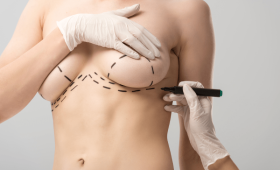
Beyond the abdominal wall, restorative surgery focuses heavily on the upper torso. Post-lactation, many women experience ptosis (sagging) and a loss of glandular density. Breast lift (Mastopexy) procedures are designed to reposition the nipple-areola complex and reshape the breast tissue to a more youthful, perky projection. A breast_lift typically costs between 2,500 – 4,500 USD.
Safety and biocompatibility are the benchmarks of a premium surgical experience. In Turkey’s leading medical centers, the use of high-grade, JCI-approved implants is standard. Patients can expect the use of industry-leading brands such as Mentor, Motiva, or Polytech, ensuring that the implants provide a natural feel and long-term structural stability.
Advanced Contouring: Vaser Technology and Fat Transfer
To achieve a seamless, “sculpted” appearance, modern Mommy Makeovers utilize advanced liposuction modalities. Vaser Liposuction is used for high-definition contouring with minimal bruising, as it uses ultrasonic energy to emulsify fat cells selectively, preserving the surrounding connective tissue and blood vessels. This precision allows for the creation of defined lines along the abdominal and flanks.
For many, the goal is not just fat removal, but fat redistribution. The BBL (Brazilian Butt Lift) fat transfer technique involves harvesting adipose tissue from the abdomen or flanks and injecting it into the gluteal region to restore lost curves. This procedure typically ranges from 3,500 – 5,500 USD, while liposuction_per_area may vary between 500 – 1,500 USD.
“The true success of a restorative journey lies in the synergy of these procedures. By combining abdominal fascia repair with high-definition contouring, we are not just changing an appearance; we are rebuilding the anatomical foundation that pregnancy altered.”
The Economics of Excellence: Why Turkey is the Global Hub
The decision to travel to Turkey for a “holiday” is often driven by the ability to access premium, multi-disciplinary surgical packages that would be cost-prohibitive in Western markets. This allows patients to undergo a standard_package, ranging from 4,500 – 7,500 USD, or a more comprehensive advanced_combination, which can range from 8,000 – 12,000 USD.
These cost advantages do not come at the expense of quality. The Turkish medical sector specializes in “all-inclusive” medical tourism, which manages the complex logistics of post-operative care. The infrastructure includes:
- Logistical Ease: Seamless arrivals through major international hubs like Istanbul (IST) or Antalya (AYT).
- Premium Recovery: Access to 5-star recovery suites with companion stay included, ensuring that the patient is never isolated during the early stages of healing.
- Seamless Transit: VIP private transfers from airport to clinic, minimizing the physical strain on the patient immediately following surgery.
- Pre-operative Precision: The ability to undergo free online video assessments with board-certified plastic surgeons to finalize surgical plans before ever boarding a plane.
The Recovery Roadmap: Managing Expectations
When explaining the “holiday” to family, it is vital to communicate the recovery timeline accurately. The immediate post-operative phase is spent in Turkey, typically requiring 7-10 days in Turkey for initial wound monitoring and to ensure there are no early complications such as hematomas or seromas. This period is essential for the initial stabilization of the surgical sites.
However, the biological healing process continues long after the flight home. While most patients can return to light daily activities almost immediately, a 6 weeks for full exercise return is the clinical benchmark. This period allows the internal sutures—especially the critical internal corset suturing of the abdomen—to integrate with the natural tissue, ensuring the long-term success of the reconstruction.
The “Turkey Holiday” Narrative: Protecting the Peace
For many mothers, the decision to undergo a significant surgical transformation is often met with a complex emotional duality: the excitement of reclaiming one’s body and the desire to shield children from the clinical realities of surgical recovery. The term “Turkey Holiday” has become a common euphemism within the patient community. It is not a deception, but rather a strategic way to frame a period of intense physical healing as a period of rest and rejuvenation.
When explaining this trip to children, the focus should remain on the concept of “mummy’s rest period.” By framing the journey around the necessity of a quiet, low-activity holiday in a luxury setting, you mitigate the anxiety that often accompanies discussions of “operations” or “surgeries.” This approach allows the mother to focus on the physiological demands of the advanced combination procedure without the added weight of parental worry.
Case Study: Siobarn’s Journey to Reconstruction
To understand the complexity of a patient journey, one must look at the reality of a multi-stage transformation. Consider the case of Siobhan, a 34-year-old mother of three from Ireland. Following three pregnancies, Siobhan presented with significant abdominal laxity and a loss of breast volume. Her goal was not merely aesthetic, but functional—to address the physical discomfort caused by her postpartum anatomy.
Siobhan’s itinerary was designed around a high-complexity, advanced combination procedure, with an estimated cost range of 8,000 – 12,000 USD. Her journey began not in Turkey, but through free online video assessments with board-certified plastic surgeons, ensuring that her surgical plan was meticulously mapped before she ever stepped onto a plane.
For Siobhan, the transformation involved three distinct anatomical focuses:
- Abdominal Reconstruction: Addressing the separation of the rectus abdominis muscles.
- Liposuction and Fat Transfer: Utilizing harvested adipose tissue to reshape the hips.
- Mastopexy (Breast Lift): Restoring the projection and position of the mammary tissue.
Decoding the Technical Transformation
A combination surgery is a feat of surgical precision that requires a deep understanding of tissue planes and anatomical boundaries. For a mother undergoing a reconstruction, the “standard” approach is often insufficient; instead, a multi-faceted approach is required to address the “mummy tummy” and overall contour.
The Abdominal Complex: Addressing Diastasis Recti
The core of Siobhan’s procedure was a tummy tuck, with options ranging from Full, Mini, or Extended (360). For a patient with significant postpartum changes, the Extended (360) approach is often necessary. This involves more than just skin excision; it includes a Diastasis Recti repair, which involves internal corset suturing of the abdominal fascia. This technique uses heavy-duty, absorbable sutures to pull the separated muscle bellies back together, creating a functional “internal corset” that provides much-needed core stability. The cost for a tummy tuck typically ranges from 3,000 – 5,000 USD.
Advanced Contouring: Vaser Liposuction and BBL
To complement the abdominal tightening, Vaser Liposuction was utilized. Unlike traditional methods, Vaser technology uses ultrasound energy to emulsify fat cells specifically, allowing for high-definition contouring with minimal bruising. This is critical for the post-operative period. The fat harvested during this process is then processed for a BBL (Brazilian Butt Lift) fat transfer, which typically costs between 3,500 – 5,500 USD. The liposuction per area cost generally sits between 500 – 1,500 USD.
Mastopexy and Implant Integration
To address upper pole ptosis (sagging), a breast lift was performed, with costs ranging from 2,500 – 4,500 USD. Safety is paramount here; the surgery utilized JCI-approved implants, specifically selecting from Mentor, Motiva, or Polytech brands. These implants are chosen for their biocompatibility and long-term structural integrity.
“The success of a combination surgery lies in the synergy of the procedures. We are not just moving tissue; we are re-engineering the abdominal wall and restoring the anatomical proportions that were lost during pregnancy.”
The Logistics of Care: Safety and Luxury
The patient journey is defined by seamless transitions. For a mother traveling with a companion, the logistics are designed to minimize stress. The journey typically begins at Istanbul (IST) or Antalya (AYT), where VIP private transfers are waiting to transport the patient directly to their recovery suite.
The accommodation component is a pillar of the recovery process. Patients are housed in 5-star recovery suites with companion stay included. This is a vital element of the “Turkey Holiday” strategy, as it allows a partner or family member to assist with post-operative needs, such as mobility assistance and medication management, in a luxury environment that feels more like a retreat than a clinical convalescence.
Safety standards are non-negotiable. All surgical interventions must adhere to JCI (Joint Commission International) safety standards, ensuring that the surgical theater, sterilization protocols, and anesthesia administration meet the highest global benchmarks for patient care. This rigorous oversight is what differentiates a premier surgical journey from a standard medical trip.
The Post-Operative Timeline: Managing Expectations
A critical part of the “explanation” to children (and oneself) is the timeline. The physical transformation does not conclude the moment the sutures are placed. The recovery period is divided into two distinct phases:
- The Acute Phase (7-10 days in Turkey): This period is characterized by intense rest. The patient remains in their recovery suite, focusing on lymphatic drainage and wound care. During this time, the “holiday” narrative is most useful, as the patient is essentially “unplugged” from daily responsibilities.
- The Integration Phase (Up to 6 weeks): While the patient may return home, they must adhere to strict activity restrictions. Full exercise return is typically not permitted for 6 weeks. This period requires careful planning to ensure that the “holiday” does not abruptly transition into a period of physical strain.
By understanding the technical depth of the advanced combination surgery and the logistical support available through Cure Holiday specialists, mothers can approach their transformation not with fear, but with a structured, medically-sound plan for rejuvenation.
Navigating the Narrative: Rebranding the “Surgery Trip” for Your Children
For many mothers, the decision to undergo aesthetic transformation in Turkey is a deeply personal journey of reclamation. However, the logistical reality of arranging a medical trip often presents a communicative challenge: how do you explain a “medical holiday” to children without causing unnecessary anxiety? The key lies in reframing the narrative from “surgery” to “wellness and restorative care.”
Instead of focusing on the surgical intervention, frame the trip as a much-needed wellness retreat or a “health-focused family holiday.” By focusing on the recovery environment—such as the 5-star recovery suites and the opportunity for a peaceful stay—you shift the focus from the clinical aspect to the restorative aspect. This approach allows you to maintain transparency about your absence or your need for rest without introducing the concept of clinical trauma to your children.
The Clinical Reality: Managing Post-Operative Recovery in Luxury
While the narrative for your children remains focused on wellness, your personal focus must remain on the physiological requirements of your recovery. The complexity of your post-operative care depends entirely on the technical nature of the procedures performed. For instance, if you are undergoing Vaser Liposuction, the technology allows for high-definition contouring with minimal bruising, which is a significant advantage for those wishing to maintain a discreet recovery. However, the underlying biological healing process remains paramount.
For mothers addressing postpartum structural changes, such as Diastasis Recti repair, the medical complexity is higher. This procedure involves the internal corset suturing of the abdominal fascia to close the separation of the rectus abdominis muscles. Because this involves deep tissue manipulation of the abdominal wall, the period of restricted movement is non-negotiable. Similarly, choosing between Full, Mini, or Extended (360) tummy tuck options will dictate your level of mobility in the days following your flight home.
When selecting your surgical pathway, it is vital to consider the biocompatibility of the materials used. High-standard care ensures the use of JCI-approved implants, such as Mentor, Motiva, or Polytech, which are essential for long-term safety and aesthetic integration. Understanding these technical specifications allows you to plan your “return to normalcy” with precision.
“The goal of modern aesthetic surgery in Turkey is to marry high-definition clinical results with a recovery protocol that integrates seamlessly into a luxury lifestyle, minimizing the visible markers of trauma such as bruising and swelling.”
Logistical Framework: The Timeline of Care and Travel
A successful recovery logistics plan is divided into two distinct phases: the acute recovery phase in Turkey and the convalescent phase in your home country. Planning for these phases is crucial for managing childcare and domestic respons deatils.
Phase 1: The Turkey Residency (7-10 Days)
During your initial 7-10 days in Turkey, the focus is on wound management and minimizing edema. Most premium packages include VIP private transfers from the airport—typically arriving via Istanbul (IST) or Antalya (AYT)—directly to your recovery suite. To ease the burden of childcare, many 5-star recovery suites are designed with companion stay included, allowing a partner or a trusted caregiver to stay with you in a luxury setting, ensuring you are never alone during the most critical 48-72 hours post-op.
Phase 2: The Convalescent Phase (6 Weeks)
While you will have returned home, the physiological healing continues. You should prepare your family for a 6 weeks for full exercise return period. During this time, while you may appear “fine” to your children, your internal tissues—particularly if BBL fat transfer or abdominal fascia suturing was performed—require strict adherence to activity restrictions to prevent seroma formation or suture failure.
2026 Financial Planning: Global Cost Comparison
Budgeting for a transformative procedure requires a clear understanding of the global price differential. For 2026, the cost-benefit analysis between the UK/USA and Turkey remains significant, even when accounting for premium 5-star logistics and companion accommodations. Below is a breakdown of the projected investment required for various surgical combinations.
- Standard Package (Comprehensive Care): 4,500 – 7,500 USD
- Advanced Combination (Multi-area contouring): 8,000 – 12,000 USD
- Tummy Tuck (Full, Mini, or 360 Extended): 3,000 – 5,000 USD
- Breast Lift (Mastopexy): 2,500 – 4,500 USD
- Liposuction (Per individual area): 500 – 1,500 USD
- BBL (Fat Transfer/Augmentation): 3,500 – 5,500 USD
When evaluating these costs, it is essential to look beyond the sticker price and consider the inclusion of VIP private transfers, 5-star recovery suites, and the expertise of board-certified plastic surgeons. For many, the ability to secure free online video assessments prior to travel allows for a highly accurate, personalized quotation that eliminates the financial ambiguity often found in domestic healthcare systems.
Considering a Mommy Makeover in Turkey? Get a Free Quote for your How to Explain your “Turkey Holiday” to your Kids Transformation with cureholiday.com
Free Consultation
Fill out the form below to get your free medical travel plan and price quote.
Sources and how to verify this yourself
- Ministry of Health, Regulation on International Health Tourism and Tourist Health, Official Gazette 26 April 2025, No. 32882 — authorisation requirement for facilities and intermediaries, TÜSKA accreditation, compulsory complication insurance (deadline 31 December 2025 for insurance, 31 December 2026 for accreditation). source
- Ministry of Health, Regulation on Promotion and Information Activities in Health Services, Official Gazette 12 November 2025, No. 33075 — treatment promises and guarantees are prohibited; price and campaign announcements are permitted only within international health tourism. source