Cost and planning note (Mommy Makeover 2026)
The figures below are indicative market ranges, not a quote: your own price is confirmed after a clinical assessment.
Indicative price range: Standard Package: 4,500 – 7,500 USD | Advanced Combination: 8,000 – 12,000 USD | Tummy Tuck: 3,000 – 5,000 USD | Breast Lift: 2,500 – 4,500 USD | Liposuction Per Area: 500 – 1,500 USD | Bbl Fat Transfer: 3,500 – 5,500 USD
Facility standards: In Türkiye, any facility treating international patients must hold the Ministry of Health’s international health tourism authorisation; hospitals and medical centres must also be accredited by TÜSKA, and complication insurance is compulsory for procedures carried out in an operating theatre (Regulation of 26 April 2025).
Recovery Focus: Post-pregnancy body restoration & safety first.
Currency: GBP, EUR, USD accepted.
Managing “Travel Stress” on your Departure Day from Turkey
The Anatomical Reconstitution: Restoring the Post-Pregnancy Silhouette
The physiological metamorphosis experienced during pregnancy and subsequent postpartum recovery often leaves a lasting imprint on the female anatomy. Beyond the superficial concerns of skin laxity, the structural integrity of the abdominal wall and the mammary tissue undergoes profound changes. For many, the journey toward “departure” from their pre-pregnancy physique requires more than simple weight loss; it necessitates advanced surgical intervention to address muscular separation and tissue ptosis. This process, often colloquively known as a “Mommy Makeover,” is a sophisticated orchestration of abdominoplasty, mastopexy, and localized liposuction, designed to restore the architectural foundations of the body.
At the core of this restorative process is the management of the abdominal wall. The primary clinical challenge in post-pregnancy aesthetics is Diastasis Recti—the separation of the rectus abdominis muscles. When the linea alba stretches excessively, it creates a protrusion that cannot be resolved through core exercises alone. Diastasis Recti repair involves internal corset suturing of the abdominal fascia, a technical procedure where the surgeon re-approximates the separated muscle bellies. This creates a rigid, internal “corset” that stabilizes the midsection, flattens the abdominal profile, and restores the functional strength of the core.
“True restoration is not merely about the removal of excess skin; it is about the surgical reconstruction of the body’s underlying structural framework to ensure long-term aesthetic and functional stability.”
Precision in Abdominoplasty: Mini, Full, and Extended 360 Techniques
The selection of an abdominoplasty technique is highly individualized, depending on the extent of skin redundancy and the degree of muscle separation. Surgeons in Turkey’s premier medical hubs utilize various approaches to achieve optimal contouring:
- Mini Abdominoplasty: Targeted at patients with localized skin laxity in the lower abdomen, involving a smaller incision and minimal tissue excision.
- Full Abdominoplasty: An extensive procedure designed for significant skin and muscle laxity, involving a larger incision that extends toward the flanks to address the entire abdominal region.
- Extended (360) Abdominoplasty: The most comprehensive option, which incorporates Vaser Liposuction to sculpt the flanks and love handles, creating a seamless, circumferential contour around the entire waistline.
This technical precision is complemented by advanced fat-sculpting technologies. Vaser Liposuction is used for high-definition contouring with minimal bruising, utilizing ultrasonic vibrations to emulsify fat cells with extreme accuracy. This allows the surgeon to refine the transition between the abdomen and the hips, ensuring the results look natural and anatomically harmonious.
Mastopexy and Implantology: Restoring the Upper Torso
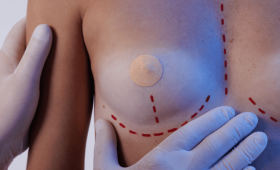
The upper torso often requires a concurrent approach to address breast ptosis (sagging) and volume loss. A breast lift, or mastopexy, focuses on repositioning the nipple-areola complex (NAC) and removing excess glandular or cutaneous tissue. The objective is to redefine the breast mound while maintaining a youthful projection.
To achieve a balanced aesthetic, particularly when the patient desires increased volume, the integration of high-grade prosthetics is essential. The safety and biocompatibility of these implants are paramount. Leading surgeons utilize only JCI-approved implants, specifically Mentor, Motiva, or Polytech. These options allow for various degrees of projection and softness, tailored to the patient’s specific anatomical requirements and lifestyle.
In cases where fat redistribution is required to enhance the bust or hips, BBL (Brazilian Butt Lift) fat transfer may be integrated. This involves harvesting lipoaspirated fat from the abdomen or flanks and injecting it into the gluteal region to create a more voluptuous, feminine silhouette.
The Turkey Advantage: A Global Hub for Surgical Excellence
Turkey has emerged as the undisputed global epicenter for high-end reconstructive and aesthetic procedures. This dominance is not merely a result of competitive pricing, but a convergence of advanced medical technology, highly specialized surgical expertise, and a sophisticated medical tourism infrastructure. The presence of board-certified surgeons who specialize in complex, multi-stage “Mommy Makeovers” ensures that the surgical plan is executed with unparalleled precision.
The logistical framework in Turkey is designed to alleviate the “travel stress” associated with major surgical transitions. The seamless integration of medical care and luxury hospitality allows patients to focus entirely on their healing process. From the moment of arrival at Istanbul (IST) or Antalya (AYT), the patient experience is managed with meticulous care:
- Pre-Operative Assessment: Comprehensive, free online video assessments with board-certified plastic surgeons allow for personalized surgical planning before the patient ever leaves home.
- VIP Logistics: Patients are met with VIP private transfers from airport to clinic and accommodation, ensuring a controlled, stress-free environment.
- Recovery Environment: Post-operative care is hosted in 5-star recovery suites with companion stay included, providing a sterile yet luxurious setting for the initial healing phase.
Financial Transparency and Recovery Timelines
Planning for a transformative journey requires clear economic expectations. The following estimates reflect the high-standard, all-inclusive nature of the procedures offered within Turkey’s premium medical landscape:
- Standard Package (Basic Restorative): 4,500 – 7,500 USD
- Advanced Combination (Full Mommy Makeover): 8,000 – 12,000 USD
- Tummy Tuck (Individual Procedure): 3,000 – 5,000 USD
- Breast Lift (Individual Procedure): 2,500 – 4,500 USD
- Liposuction (Per Area): 500 – 1,500 USD
- BBL Fat Transfer: 3,500 – 5,500 USD
While the surgical precision is immediate, the biological healing process requires patience. The clinical recovery protocol typically involves 7-10 days in Turkey for the initial post-operative monitoring and wound care. Following the return to one’s home country, a period of 6 weeks for full exercise return is mandatory to ensure the structural integrity of the abdominal fascia and the stability of the breast implants. Adherence to this timeline is critical for the permanence of the aesthetic results and the prevention of complications.
The Physiological and Psychological Transition: Navigating Post-Operative Departure
The final phase of a surgical journey in Turkey is often the most psychologically taxing: the transition from the intensive, controlled environment of a 5-star recovery suite back to the complexities of home life. For a patient who has undergone significant anatomical reconfiguration, the “departure day” is not merely a travel event; it is a period of heightened physiological vigilance. Managing travel stress requires a precise understanding of post-operative edema, lymphatic drainage, and the maintenance of surgical integrity during long-haul transit.
The stress associated with departing Turkey stems from the delicate balance between the successful completion of the surgical transformation and the physical demands of air travel. When a patient has undergone complex procedures—such as an advanced combination surgery involving Vaser Liposuction and Diastasis Recti repair—the biological priority is maintaining hemostasis and minimizing the risk of venous thromboembolversism (VTE) during flight. The transition requires a seamless handover from the clinical supervision in Turkey to the patient’s home-based recovery protocols.
Case Study: The Path to Restoration for a Post-Partum Mother
To understand the magnitude of this transition, consider the journey of Elena, a 34-year-old Irish mother of three. Elena’s primary surgical objective was the correction of significant abdominal laxity and the restoration of her pelvic floor aesthetics. Her procedure was classified as an advanced combination surgery, with a total investment ranging between 8,000 – 12,000 USD.
Elena’s transformation involved a complex “Extended (360)” tummy tuck. This was not a superficial aesthetic adjustment; the surgical plan required a meticulous Diastasis Recti repair, involving the internal corset suturing of the abdominal fascia to re-establish the structural integrity of the anterior abdominal wall. To complement this, Vaser Liposuction was utilized for high-definition contouring of the flanks, a technique selected specifically for its ability to provide superior sculpting with minimal bruising and less trauma to the surrounding subcutaneous tissue.
During her 7-10 days in Turkey, Elena’s recovery was managed within a 5-star recovery suite, where the presence of a companion stay allowed for continuous monitoring of her surgical sites. As her departure day approached, her stress focused on the logistics of maintaining her compression garments and managing the subtle fluctuations in post-operative swelling. However, the structured care provided by Cure Holiday specialists ensured that her transition from the clinic to Istanbul (IST) was managed with clinical precision.
Technical Precision in the Surgical Transformation
The reason the “departure day” requires such careful management is the sheer complexity of the surgical techniques employed. The anatomical changes made during a transformation are profound. For instance, when a patient opts for a tummy tuck—with options ranging from Mini to Full or Extended (360) models—the surgical manipulation of the skin and muscle layers necessitates a strict adherence to post-operative compression.
Key technical components that define the patient’s post-operative needs include:
- Advanced Liposuction: The use of Vaser Liposultion allows for high-definition contouring, but the subsequent management of interstitial fluid is critical to prevent seroma formation during travel.
- Implant Integrity: For patients undergoing breast augmentation or lifts, the use of JCI-approved implants—specifically Mentor, Motiva, or Polytech—ensures a high standard of safety, yet the patient must remain mindful of the tension on the surgical incisions during cabin pressure changes.
- Muscular Reconstruction: The internal corset suturing used in Diastasis Recti repair is a high-level technical feat that requires the patient to avoid any strenuous abdominal intra-abdominal pressure during the flight.
While the initial cost of a standard package may range from 4,500 – 7,500 USD, the technical depth of an advanced procedure (such as a BBL fat transfer at 3,500 – 5,500 USD combined with liposuction at 500 – 1,500 USD per area) means that the patient is essentially traveling with a “new” biological structure that requires specialized care.
Logistical Fluidity: Reducing the Burden of Travel
The mitigation of travel stress is achieved through superior logistics. The period of recovery in Turkey is designed to be a period of “protected healing.” By utilizing VIP private transfers from the airport—whether arriving at Istanbul (IST) or Antalya (AYT)—the patient avoids the physical strain of navigating crowded terminals immediately following surgery. This seamless movement from the clinic to the 5-star recovery suite is vital for maintaining the stability of surgical dressings and compression garments.
“The success of a surgical transformation is not measured solely by the precision of the scalpel, but by the continuity of care from the operating theatre to the moment the patient lands back in their home country.”
To ensure that the departure day is as low-stress as possible, the pre-travel phase begins much earlier through free online video assessments with board-certified plastic surgeons. These consultations allow for the meticulous planning of the post-operative itinerary, ensuring that the patient’s flight schedule aligns with their physiological readiness. While the full return to strenuous exercise is typically not permitted for 6 weeks, the logistical framework is designed to ensure that the first 7-10 days are spent in an environment of absolute clinical luxury and safety.
Ultimately, the financial investment in a premium surgical package—whether it is a breast lift at 2,500 – 4,500 USD or a more intensive abdominal reconstruction at 3,000 – 5,000 USD—is as much about the logistical safety net as it is about the surgical outcome. By managing the complexities of the “departure day” through VIP logistics and high-standard JCI-approved protocols, the stress of travel is replaced by the confidence of a well-executed transformation.
The Final 48 Hours: Navating the Physiological and Logistical Transition
The departure day from Turkey represents more than just the end of a medical holiday; it is a critical transition period where clinical recovery meets the physical rigours of international travel. For patients undergoing complex body contouring, the “travel stress” associated with this day is twofold: the physiological management of post-operative oedema (swelling) and the logistical management of returning to a high-paced life in the UK or USA.
As you prepare to depart from major hubs such as Istanbul (IST) or Antalya (AYT), your focus must shift from surgical healing to flight readiness. The primary physiological concern during long-haul transit is the management of subcutaneous fluid retention and the prevention of Deep Vein Thrombosis (DVT). While advanced techniques like Vaser Liposuction are engineered for high-definition contouring with minimal bruising, the atmospheric pressure changes in a plane cabin can still trigger transient swelling in treated areas.
“Successful post-operative travel depends on the ‘buffer period’—the time spent in luxury recovery suites between the final surgical suture and the first moment of transit.”
Post-Operative Clinical Status and Flight Readiness
The timeline for recovery is non-negotiable. While the acute surgical phase typically requires 7-10 days in Turkey to ensure the patient is stable and fit for flight, it is vital to understand that physical healing is an ongoing biological process. While you may feel mobile enough to board a plane, full exercise return takes approximately 6 weeks. This distinction is crucial for managing expectations upon your return to the UK or USA.
Depending on the complexity of your procedure, your physical “departure readiness” will vary:
- Abdominal Procedures: If you have undergone a Tummy Tuck (options including Full, Mini, or Extended 360) or a Diastasis Recti repair, the structural integrity of your core is temporarily altered. The internal corset suturing of the abdominal fascia used in Diastasis Recti repair requires careful movement to avoid excessive tension on the suture lines during transit.
- Liposuction and BBL: Patients undergoing Liposuction per area (ranging from 500 USD to 1,500 USD) or a BBL fat transfer (3,500 USD to 5,500 USD) must prioritise compression garment compliance. The use of Vaser technology helps reduce the inflammatory response, but the compression must remain consistent to prevent fluid accumulation during the flight.
Breast Augmentation: Whether using Mentor, Motiva, or Polytech (JCI approved) implants, the weight and position of the implants require careful positioning with pillows during long-haul travel to prevent discomfort or displacement.
Logistical Orchestration: From Villa to Airport
The true secret to reducing departure day anxiety lies in the pre-arranged logistics. The transition from your 5-star recovery suite—which ideally includes a companion stay to assist with medication schedules and mobility—to the airport should be seamless. High-end medical tourism in Turkey is built upon the foundation of VIP private transfers. These transfers are not merely for comfort; they are designed to minimise the physical jarring and vibration that can cause discomfort to recent surgical sites.
For many patients, the “stress” of departure is actually the stress of the “re-entry” into domestic life. This includes managing childcare logistics and professional responsibilities. We recommend that patients coordinate with Cure Holiday specialists well in advance to ensure that their post-op care plan (including drain management or medication refills) is synchronised with their flight itinerary.
2024-2026 Global Cost Comparison: The Economic Advantage
As we look toward 2026, the economic disparity between Turkish medical excellence and Western healthcare remains the primary driver for international patients. Managing travel stress is much easier when the financial “recovery” is already secured through significant upfront savings. When comparing the cost of surgical excellence in Turkey to the UK or USA, the margin of savings is substantial.
Below is a breakdown of the projected cost structures for common procedures, reflecting the high-standard, all-inclusive nature of the Turkish model:
| Procedure / Package Type | Estimated Cost (USD) | ||
|---|---|---|---|
| Standard Surgical Package | 4,500 – 7,500 USD | ||
| Advanced Combination Surgery | 8,000 – 12,000 USD | ||
| Tummy Tuck (Full/Mini/360) | 3,000 – 5,000 USD | ||
| Breast Lift (Mastopexy) | 2,500 – 4,500 USD | ||
| Liposuction (Per Area) | 500 – 1,500 USD | BBL (Fat Transfer) | 3,500 – 5,500 USD |
The “Advanced Combination” package is particularly effective for those looking to maximise their trip, as it covers multiple anatomical areas (e.g., Tummy Tuck and Lipo) under a single logistical and surgical itinerary, significantly reducing the per-area cost and the complexity of multiple travel dates.
Pre-Departure Checklist for the International Patient
To mitigate the risk of post-operative complications during your flight, ensure the following technical and logistical elements are addressed prior to your departure day:
- Clinical Clearance: Confirm with your surgeon that your surgical site (especially if involving Diastasis Recti repair) is sufficiently stable for cabin pressure changes.
- Documentation: Ensure you have all post-operative summaries and “Fit to Fly” certificates ready for airport security and customs.
- Compression Protocol: Verify that your compression garments are packed and that you have a clear instruction set for wearing them during the flight.
- Digital Consultations: If you have lingering concerns about your healing progress, utilise free online video assessments with board-certified plastic surgeons before you leave the hotel.
- Medication Management: Ensure all anti-inflammatory or anti-coagulant medications are in their original packaging and easily accessible in your carry-on luggage.
By focusing on the technicalities of your recovery and the precision of your logistics, the transition from a Turkish recovery suite back to your home in the UK or USA can be managed with the same level of care and precision as the surgery itself.
Considering a Mommy Makeover in Turkey? Get a Free Quote for your Managing “Travel Stress” on your Departure Day from Turkey Transformation with cureholiday.com
Free Consultation
Fill out the form below to get your free medical travel plan and price quote.
Sources and how to verify this yourself
- Ministry of Health, Regulation on International Health Tourism and Tourist Health, Official Gazette 26 April 2025, No. 32882 — authorisation requirement for facilities and intermediaries, TÜSKA accreditation, compulsory complication insurance (deadline 31 December 2025 for insurance, 31 December 2026 for accreditation). source
- Ministry of Health, Regulation on Promotion and Information Activities in Health Services, Official Gazette 12 November 2025, No. 33075 — treatment promises and guarantees are prohibited; price and campaign announcements are permitted only within international health tourism. source