Cost and planning note (Mommy Makeover 2026)
The figures below are indicative market ranges, not a quote: your own price is confirmed after a clinical assessment.
Indicative price range: Standard Package: 4,500 – 7,500 USD | Advanced Combination: 8,000 – 12,000 USD | Tummy Tuck: 3,000 – 5,000 USD | Breast Lift: 2,500 – 4,500 USD | Liposuction Per Area: 500 – 1,500 USD | Bbl Fat Transfer: 3,500 – 5,500 USD
Facility standards: In Türkiye, any facility treating international patients must hold the Ministry of Health’s international health tourism authorisation; hospitals and medical centres must also be accredited by TÜSKA, and complication insurance is compulsory for procedures carried out in an operating theatre (Regulation of 26 April 2025).
Recovery Focus: Post-pregnancy body restoration & safety first.
Currency: GBP, EUR, USD accepted.
Managing Incision Care in a Mediterranean Climate: Advice for Travelers
The Physiology of Post-Pregnancy Restoration
The biological process of gestation and subsequent parturition induces profound physiological transformations within the maternal anatomy. Beyond the visible changes in skin elasticity, the structural integrity of the musculoskeletal system undergoes significant alteration. For many women, the primary concern is not merely aesthetic, but functional, specifically regarding the separation of the rectus abdominis muscles, a condition known as Diastasis Recti. Achieving a “post-pregnancy restoration” requires more than surface-level skin tightening; it necessitates a deep, reconstructive approach to the abdominal wall and mammary tissues.
At the core of foundational restoration is the management of the abdominal fascia. Diastasis Recti repair involves internal corset suturing of the abdominal fascia, a technical procedure where the separated muscle bellies are brought back into midline and anchored. This “internal corset” provides the structural tension necessary to flatten the abdomen and restore core stability. When combined with an abdominoplasty, this repair addresses both the aesthetic laxity and the functional weakness caused by pregnancy.
Precision in Abdominal Recontouring: Tummy Tuck Modalities
Modern abdominoplasty has evolved into highly specialized procedures tailored to the patient’s specific degree of skin redundancy and muscle laxity. Depending on the extent of the postpartum changes, surgeons offer several distinct pathways:
- Full Abdominoplasty: Indicated for patients with significant skin laxity and extensive muscle separation, extending from the pubic area to the ribcage.
- Mini Abdominoplasty: A more conservative approach focused on the lower abdominal region, ideal for patients with minimal scarring concerns and localized skin excess.
- Extended (360) Tummy Tuck: A comprehensive reconfiguration that addresses the flanks and the entire circumference of the midsection, ensuring seamless transition from the front to the sides.
To complement these structural repairs, high-definition contouring is often integrated into the plan. Vaser Liposuction is used for high-definition contouring with minimal bruising, allowing the surgeon to sculpt the subcutaneous adipose tissue with extreme precision. This technology uses ultrasound to emulsify fat, preserving the surrounding vascularity and minimizing post-operative edema.
Mammary Reconstruction and Aesthetic Symmetry
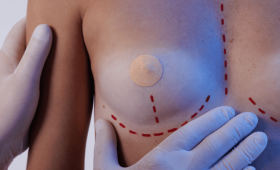
The postpartum period often results in ptosis (sagging) and a loss of glandular volume in the breasts. Restoring the mammary profile requires a delicate balance of tissue repositioning and, if necessary, volume augmentation. Mastopexy, or a breast lift, is the cornerstone of this process, focusing on elevating the nipple-areola complex and reshaping the inframammary fold.
For patients requiring volume enhancement, the selection of prosthetic material is critical for long-term safety and biocompatibility. The use of breast implants used: Mentor, Motiva, or Polytech (JCI approved) ensures that the implants meet the highest global standards for shell integrity and cohesive gel stability. When paired with fat transfer, the results can be exceptionally natural.
The integration of different surgical modalities—often referred to as a “Mommy Makeover”—allows for a comprehensive anatomical overhaul. This might include:
- Liposuction per area: Ranging from 500 – 1,500 USD to refine the flanks or thighs.
- BBL (Brazilian Butt Lift) fat transfer: Priced between 3,500 – 5,500 USD to redistribute abdominal fat to the gluteal region for enhanced projection.
Why Turkey is the Global Hub for Post-Pregnancy Excellence
Turkey has emerged as the preeminent global destination for advanced aesthetic reconstruction, driven by a unique convergence of surgical expertise, technological investment, and specialized medical infrastructure. The “global hub” status is not merely a marketing designation but a reflection of the high concentration of board-certified surgeons who specialize in complex, multi-component procedures like the Mommy Makeovver.
The safety benchmarks in Turkey are strictly regulated, with many leading facilities adhering to JCI (Joint Commission International) standards. This ensures that the surgical environments, anesthesia protocols, and post-operative care units meet the same rigorous criteria as top-tier Western medical institutions. This high standard of care allows patients to access advanced techniques, such as the aforementioned Vaser Lipo and complex fascial suturing, at a significantly more accessible price point.
“The intersection of advanced surgical technology and highly specialized anatomical knowledge makes the Turkish medical landscape the gold standard for reconstructive post-pregnancy procedures.”
The Economics of Comprehensive Transformation
The financial architecture of medical travel to Turkey allows for a sophisticated, all-inclusive approach to surgery. Patients can opt for targeted procedures or comprehensive packages designed to address multiple anatomical areas in a single anesthetic event, reducing the overall recovery burden.
Understanding the cost transparency is vital for surgical planning:
- Standard Package: Ranging from 4,500 – 7,500 USD, typically covering primary reconstruction.
- Advanced Combination: Ranging from 8,000 – 12,000 USD, integrating abdominoplasty, mastopexy, and liposuction.
- Standalone Tummy Tuck: Ranging from 3,000 – 5,000 USD.
- Standalone Breast Lift: Ranging from 2,500 – 4,500 USD.
Logistical Precision and Recovery Management
A successful surgical outcome is heavily dependent on the post-operative environment. The logistical framework provided by Cure Holiday specialists is designed to mitigate the stress of international travel, allowing the patient to focus entirely on physiological healing. This begins with streamlined arrival processes at major hubs such as Istanbul (IST) or Antalya (AYT), followed by VIP private transfers from airport to clinic.
The recovery period is divided into two distinct phases. The first is the acute phase, consisting of 7-10 days in Turkey, during which patients reside in 5-star recovery suites with companion stay included. These suites are designed to provide a sterile yet comfortable environment conducive to rest and wound monitoring. The second phase is the long-term physiological reintegration, where patients are advised to avoid strenuous activity, with a 6 weeks for full exercise return recommended to ensure the structural integrity of the new abdominal fascia and breast implants.
To initiate this journey, the process begins with free online video assessments with board-certified plastic surgeons. This allows for a remote clinical evaluation of skin laxity and muscle separation, ensuring that the surgical plan is medically sound before the patient ever departs for Turkey.
The Anatomical Precision of Combination Surgery
The modern era of aesthetic surgery is defined by the shift from single-procedure interventions to highly customized, multi-dimensional body contouring. For the patient seeking a total transformation, the “advanced combination” approach—often encompassing an abdominoplasty, liposuction, and fat transfer—represents the pinnacle of surgical artistry. This complexity requires a deep understanding of tissue planes and anatomical landmarks to ensure that the result is both aesthetically harmonious and structurally sound.
A primary component of the abdominal reconstruction in a tummy tuck (abdominoplasty) is the management of Diastasis Recti. This condition, characterized by the separation of the rectus abdominis muscles following pregnancy or significant weight fluctuations, cannot be addressed through skin excision alone. The surgeon performs a Diastasis Recti repair, which involves internal corset suturing of the abdominal fascia. This process re-approximates the musculature, creating a rigid, supportive “internal corset” that flattens the abdominal wall and restores core stability.
When paired with Vaser Liposuction, the transformation becomes even more precise. Unlike traditional techniques that can be traumatic to the surrounding tissue, Vaser technology uses ultrasound to selectively emulsify adipose tissue. This allows for high-definition contouring with minimal bruising, as the energy targets only the fat cells while leaving the structural collagen and nerves intact. This precision is vital when performing a BBL (Brazilian Butt Lift) fat transfer, where the harvested fat is meticulously injected into the gluteal region to enhance projection and shape. Depending on the complexity of the area targeted, liposuction per area can range from 500 USD to 1,500 USD, while a BBL fat transfer typically costs between 3,500 USD and 5,500 USD.
Patients often choose between various configurations of abdominal surgery based on their specific anatomical needs:
- Mini Abdominoplasty: Focuses on the lower abdomen, ideal for patients with minimal skin laxity.
- Full Abdominoplasty: Addresses the entire abdominal region, including the umbilical area.
- Extended (360) Tummy Tuck: Provides comprehensive contouring around the entire circumference of the waist.
The financial investment for a tummy tuck ranges from 3,000 USD to 5,000 USD, but when integrated into a standard package, costs typically fall between 4,500 USD and 7,500 USD. For those requiring more extensive work, such as the addition of a breast lift (2,500 USD – 4,500 USD), the advanced combination package may range from 8,000 USD to 12,000 USD.
Case Study: The Journey of a 34-and-Year-Old Irish Mother of Three
To understand the clinical and emotional trajectory of a surgical transformation, we look at the case of a 34-year-old mother of three from Ireland. After three pregnancies, she presented with significant abdominal ptosis and lateral hip loss. Her journey began not in an operating theatre, but via free online video assessments with board-certified plastic surgeons. This initial digital consultation allowed for a preliminary evaluation of skin elasticity and muscle separation, providing her with a transparent roadmap of her surgical and financial expectations.
Upon arrival at Istanbul (IST), the logistics were seamless. Following VIP private transfers from the airport to the clinic, she was transitioned to a 5-star recovery suite, which included a companion stay to assist during her initial post-operative days. This period of “controlled recovery” is essential for managing the physiological response to surgery in a new climate.
Her procedure was a complex combination: a Full Tummy Tuck with Diastasis Recti repair, alongside Vaser Liposuction of the flanks and a BBL. The primary challenge for a patient traveling from a temperate climate like Ireland to the Mediterranean was managing the healing of her incisions amidst higher humidity. The first 7-10 days in Turkey were spent in a highly regulated environment, focusing on wound hygiene, compression garment adherence, and monitoring for any signs of seroma or hematoma.
As she transitioned back to Ireland, her recovery protocol shifted toward long-term maintenance. While she was able to return to light daily activities almost immediately, her clinical instructions were clear: a 6-week period of restricted activity before any return to strenuous exercise to ensure the internal sutures of the abdominal fascia remained undisturbed.
Clinical Standards and Material Integrity
The safety of a surgical transformation is non-negotiable and is underpinned by JCI (Joint Commission International) safety standards. These international benchmarks ensure that every facet of the patient journey—from sterilization protocols to anesthesia monitoring—meets a global gold standard. This is particularly critical when the surgery involves the implantation of foreign materials.
In breast augmentation or lift procedures, the quality of the implant is the primary determinant of long-term aesthetic success and patient safety. The surgeons we work with exclusively utilize JCI-approved implants, including Mentor, Motiva, or Polytech. These brands are selected for their cohesive gel technology, shell integrity, and anatomical profiles, which minimize the risk of capsular contracture or implant displacement.
The integration of these high-quality materials with advanced surgical techniques like Vaser Lipo ensures that the “transformation” is not merely superficial but a structural reconstruction. This level of precision is why patients can trust the advanced combination packages; the focus is on biological compatibility and long-term durability.
Post-Operative Environmental Management
For the medical traveler, the Mediterranean climate presents both opportunities and challenges. While the warmth can aid in relaxation, the heat and humidity can impact incision healing if not managed correctly. The primary goal during the first 14 days post-surgery is to maintain a “dry” wound environment.
Patients should be advised on the following clinical precautions:
- Avoidance of Hyperthermia: Excessive sweating in the Mediterranean heat can lead to maceration of the incision edges, increasing the risk of infection.
- Compression Management: The use of medical-grade compression garments is vital to minimize dead space (where fluid can collect) and to support the newly sutured abdominal wall.
- Sanitization in Transit: When traveling between 5-star recovery suites and local environments, maintaining a sterile barrier around the surgical site is paramount.
By combining the logistical ease of VIP private transfers and premium accommodation with rigorous adherence to post-operative protocols, the surgical journey becomes a seamless transition from patient to a newly confident individual.
The Physiological Impact of Mediterranean Climates on Wound Healing
When planning elective surgery in Turkey, the intersection of surgical recovery and the Mediterranean microclimate is a critical factor for patient outcomes. The thermal environment—characterized by higher humidity and ambient temperatures—can significantly influence vasodilation and perfusion at the incision site. For a patient recovering from a procedure such as a tummy tuck (Full, Mini, or Extended 360), managing the heat is paramount to preventing hyperemia (excessive redness) and edema (swelling).
The primary goal during the first 7 to 10 days of recovery is maintaining hemostasis and preventing the accumulation of exudate. In warmer climates, the body’s natural thermoregulation can lead to increased perspiration, which, if not managed, may compromise the integrity of the surgical dressing or increase the risk of bacterial colonization. This is why the selection of recovery accommodation is not merely a matter of luxury, but a clinical necessity. Utilizing 5-star recovery suites allows for precise climate control, ensuring that the surgical site remains cool, dry, and protected from the Mediterranean humidity.
“Optimal wound healing in a post-operative state requires a stable thermal environment to minimize inflammatory responses and facilitate the structural integration of surgical sutures.”
Post-Operative Logistics: The Villa Recovery and Companion Dynamics
The logistics of a surgical journey in Turkey are designed to mitigate the physiological stress of travel. Upon arrival at Istanbul (IST) or Antalya (AYT), patients are met with VIP private transfers, ensuring that the transition from the aircraft to the recovery suite is seamless and minimizes the risk of venous thromboembolism (VTE) associated with prolonged, unmanaged movement.
For patients navigating the complexities of post-operative care, the 5-star recovery suites offer more than just comfort; they include companion stay options. This is a vital component of post-op villa recovery, particularly for those managing Diastasis Recti repair. Because this procedure involves internal corset suturing of the abdominal fascia, the patient’s mobility is significantly restricted. Having a companion present facilitates necessary assistance with post-operative mobilization, medication adherence, and the management of compression garments without the added stress of childcare logistics or household management.
While the initial intensive recovery period lasts approximately 7-10 days in Turkey, the physiological timeline extends much further. Patients must plan for a 6 weeks for full exercise return window, during which time the mechanical tension on the incisions must be strictly monitored to prevent dehiscence (the splitting of a wound).
Advanced Surgical Technology and Tissue Integrity
The efficacy of the recovery period is deeply tied to the advanced technologies employed during the procedure. For example, the use of Vaser Liposuction is a significant advantage for travelers. Unlike traditional methods, Vaser utilizes ultrasound energy to emulsify fat, allowing for high-definition contouring with minimal bruising. This reduction in microvascular trauma means that the patient’s inflammatory response is dampened, potentially shortening the visible recovery window and making the return flight more comfortable.
Furthermore, the choice of biomaterials plays a role in long-term stability and scar aesthetics. When undergoing breast augmentation, the use of JCI approved implants, such as Mentor, Motiva, or Polytech, ensures that the capsular contracture risk is minimized. The predictable biocompatibility of these implants allows the patient to focus on environmental recovery rather than worrying about unexpected late-stage complications.
The 2026 Financial Landscape: Turkey vs. UK/USA
As we approach 2026, the economic disparity between elective surgery in Turkey and the UK/USA continues to widen, making medical tourism a strategic financial decision. When calculating the cost-benefit analysis, one must consider not just the procedure cost, but the inclusion of VIP transfers, 5-star accommodation, and free online video assessments with board-certified plastic surgeons, which are often bundled into the Turkish packages.
Below is a breakdown of the projected 2026 cost structures for common aesthetic procedures:
- Standard Package (Comprehensive Care): 4,500 USD – 7,500 USD
- Advanced Combination (Multi-area sculpting): 8,000 USD – 12,000 USD
- Tummy Tuck (Full, Mini, or 360): 3,000 USD – 5,000 USD
- Breast Lift (Mastopexy): 2,500 USD – 4,500 USD
- Liposuction (Per targeted area): 500 USD – 1,500 USD
- BBL (Fat Transfer/Brazilian Butt Lift): 3,500 USD – 5,500 USD
When compared to the UK or USA, where a single tummy tuck can exceed 15,000 USD—excluding the cost of post-operative nursing care and specialized accommodation—the Turkish model provides a high-tier clinical experience at a fraction of the longitudinal cost. For the discerning patient, these savings can be reallocated to enhance the post-operative recovery environment, ensuring that the logistics of aftercare are as premium as the surgery itself.
Before committing to a surgical itinerary, patients are encouraged to utilize the free online video assessments offered by Cure Holiday specialists. This allows for a detailed pre-operative discussion regarding surgical technique, implant selection, and the specific environmental management required for your successful recovery.
Considering a Mommy Makeover in Turkey? Get a Free Quote for your Managing Incision Care in a Mediterranean Climate Transformation with cureholiday.com
Free Consultation
Fill out the form below to get your free medical travel plan and price quote.
Sources and how to verify this yourself
- Ministry of Health, Regulation on International Health Tourism and Tourist Health, Official Gazette 26 April 2025, No. 32882 — authorisation requirement for facilities and intermediaries, TÜSKA accreditation, compulsory complication insurance (deadline 31 December 2025 for insurance, 31 December 2026 for accreditation). source
- Ministry of Health, Regulation on Promotion and Information Activities in Health Services, Official Gazette 12 November 2025, No. 33075 — treatment promises and guarantees are prohibited; price and campaign announcements are permitted only within international health tourism. source